


24H

Basic Information

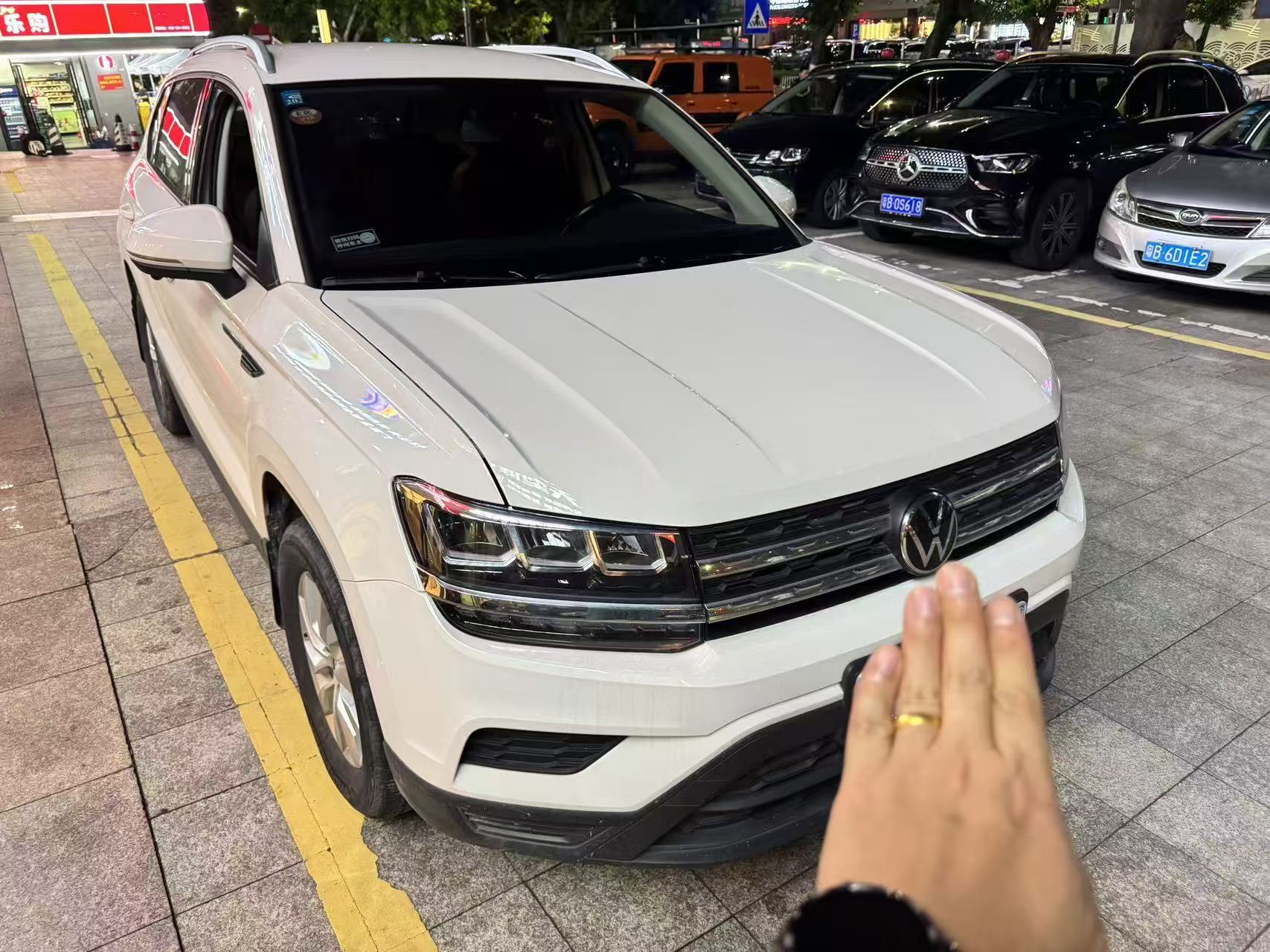
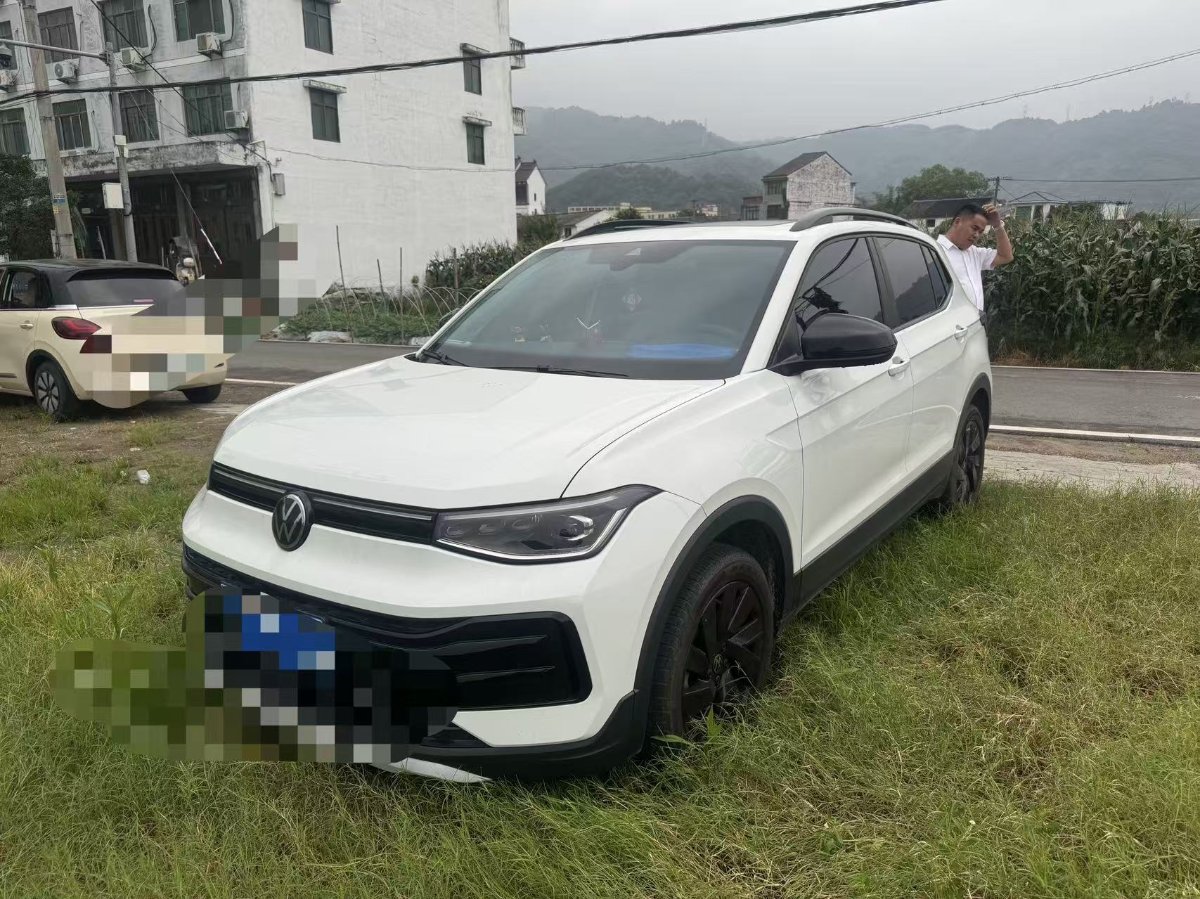
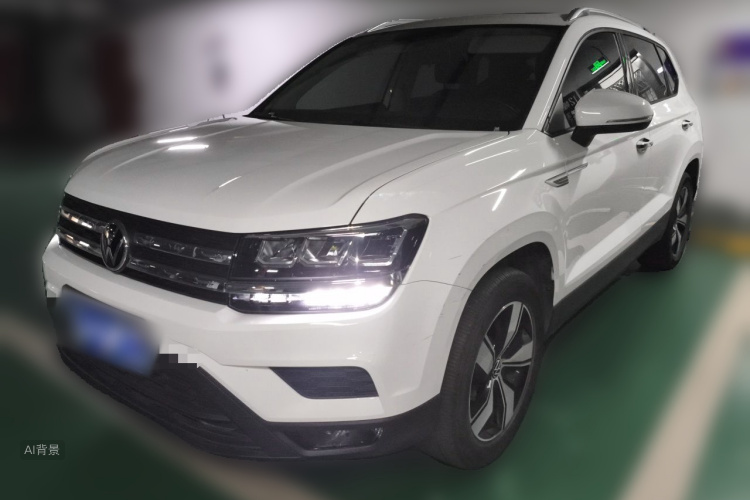
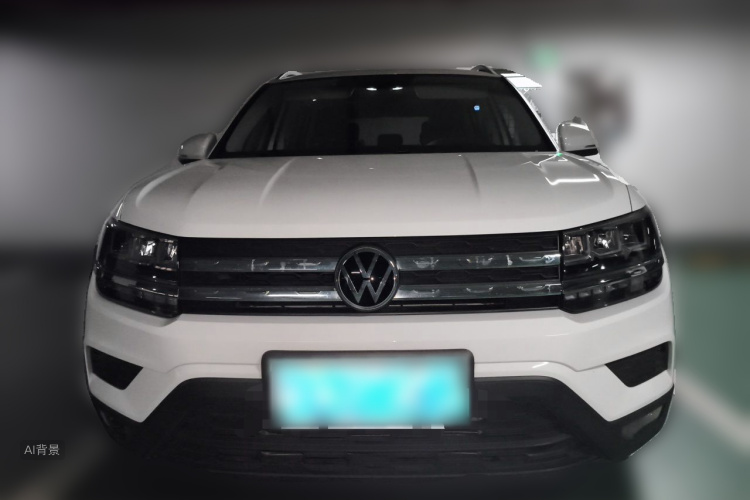
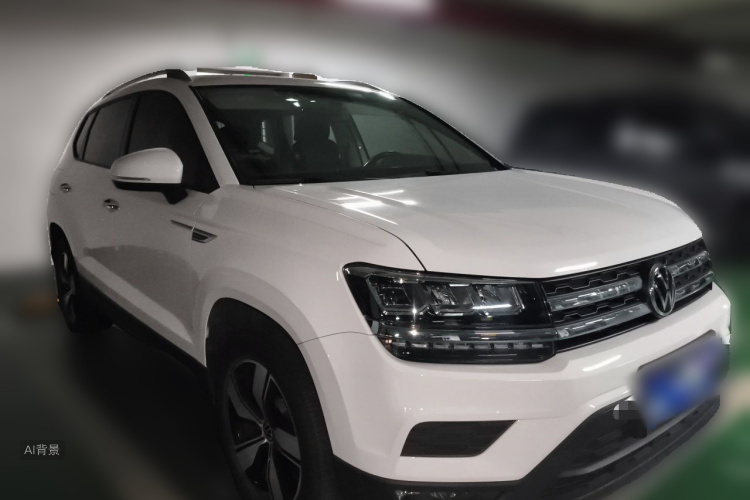
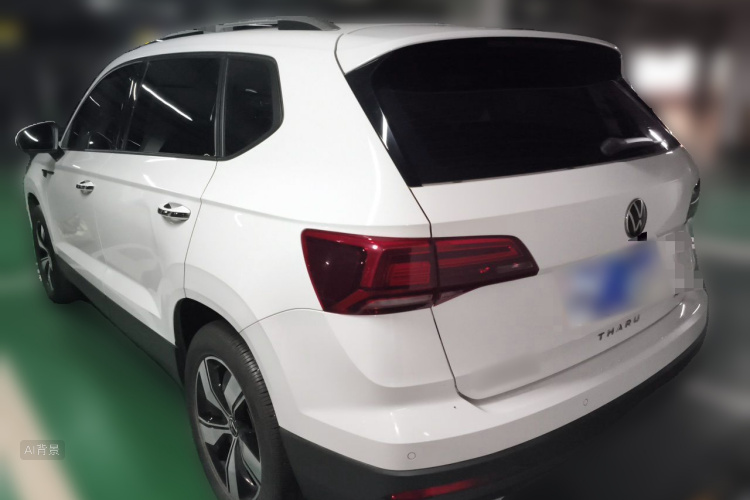
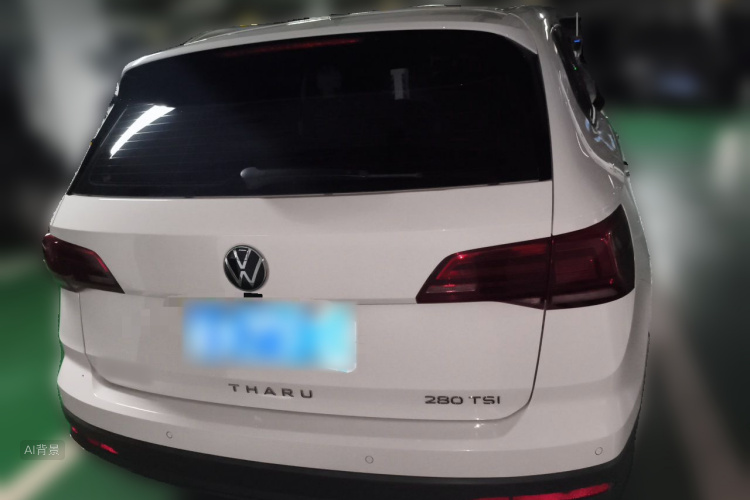
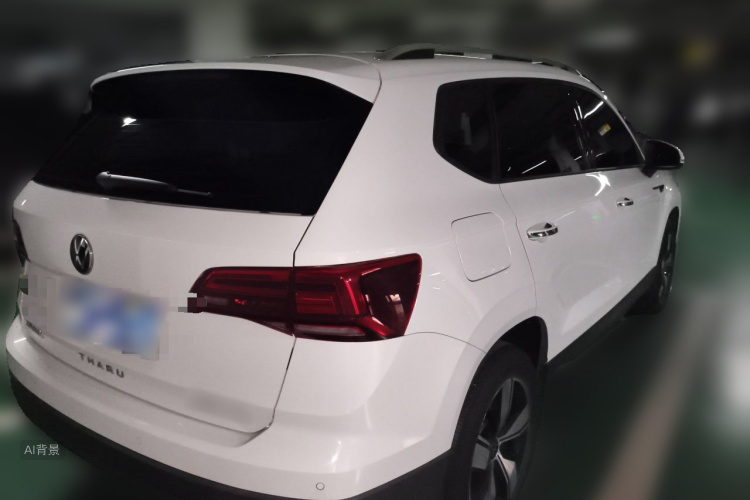
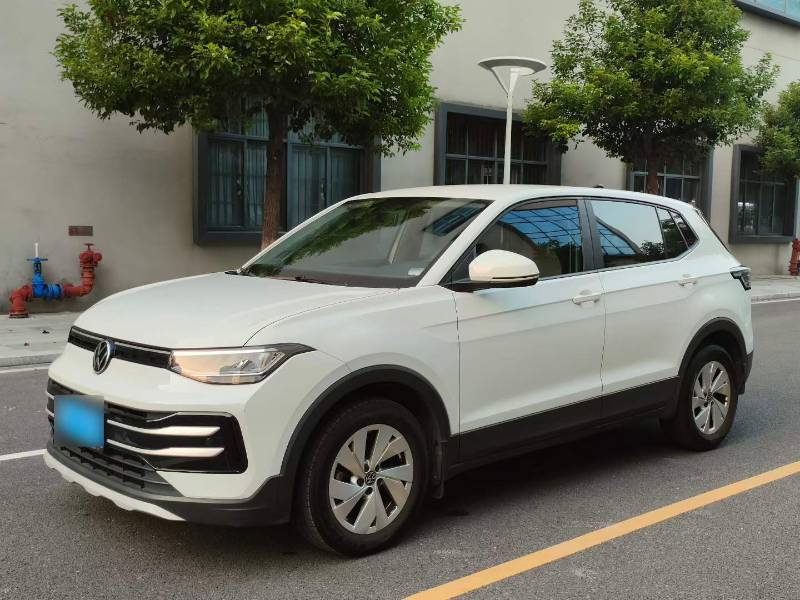
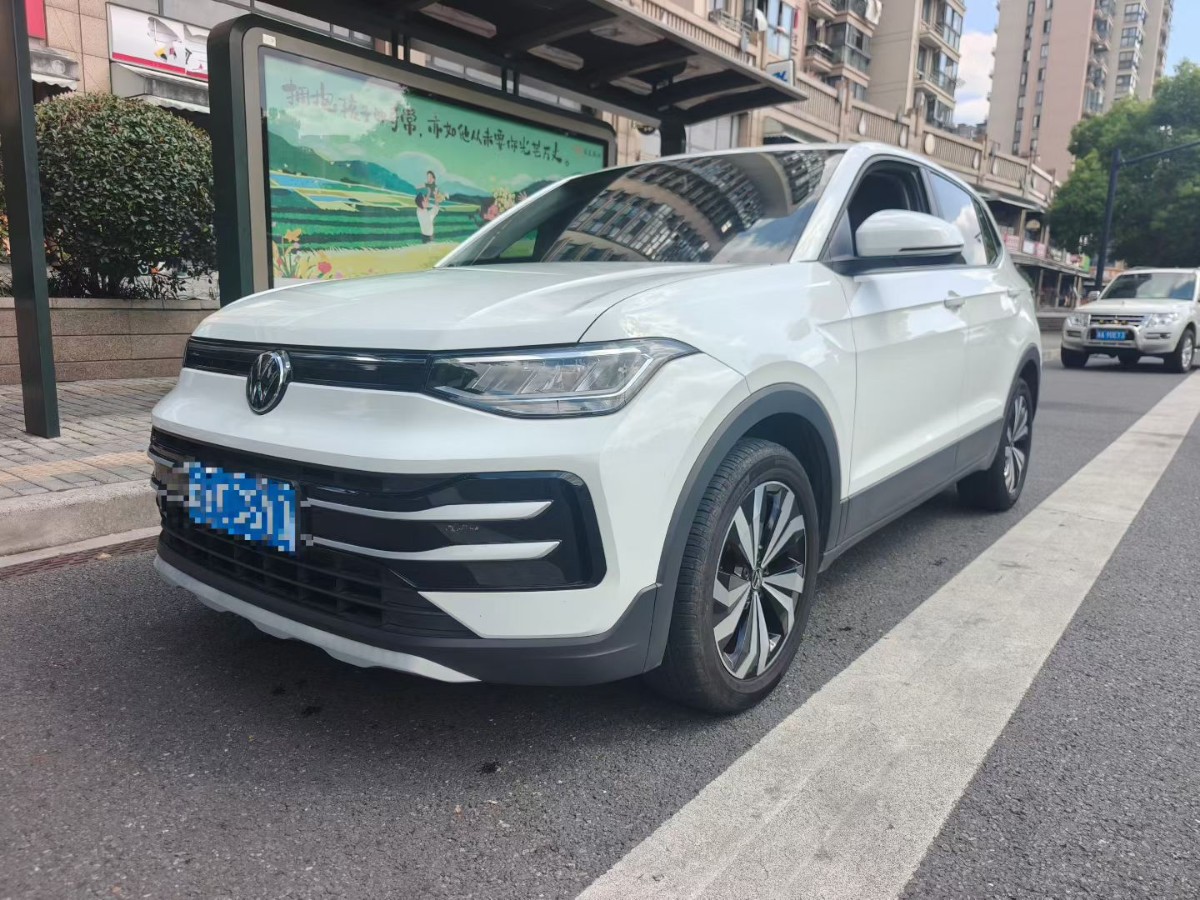
BrandVolkswagen
SeriesTharu
Year2021
First Registration2021/10
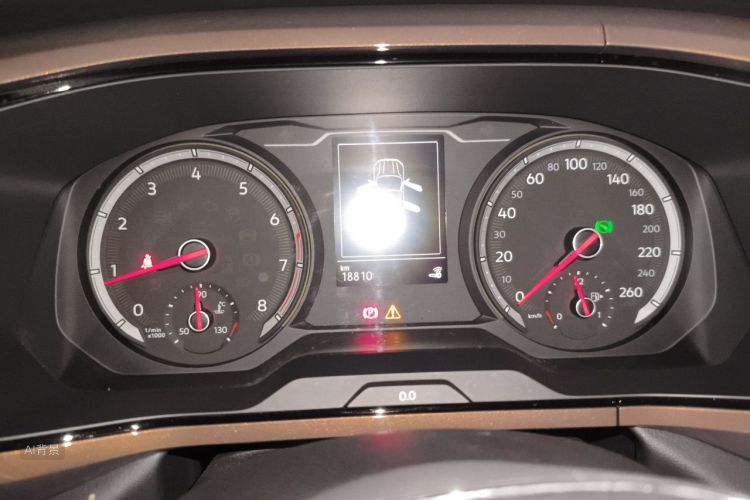
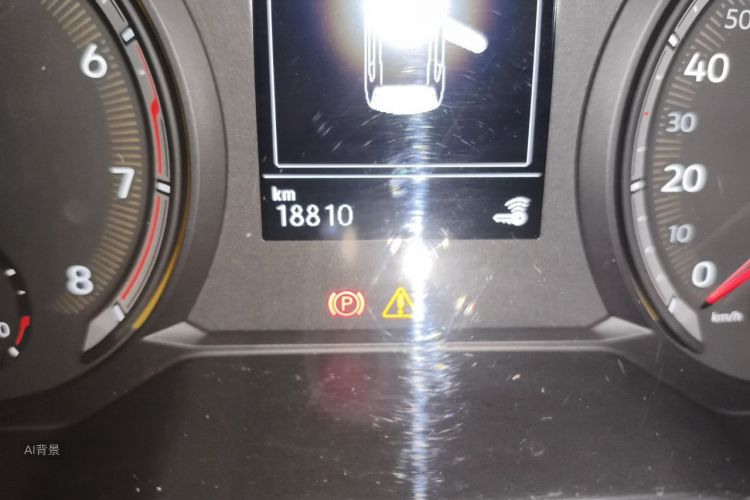
Mileage18,800km
Transfer Count0times
FuelGasoline
TransmissionDCT
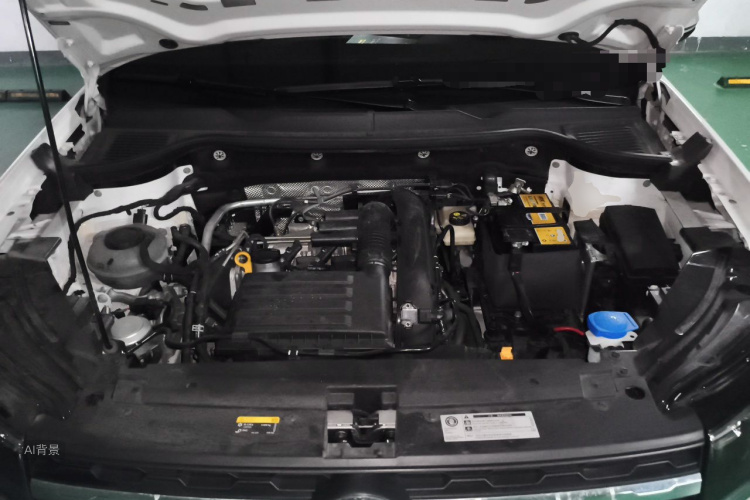
Engine1.4T 150 L4
Color
Seats-

Condition Description

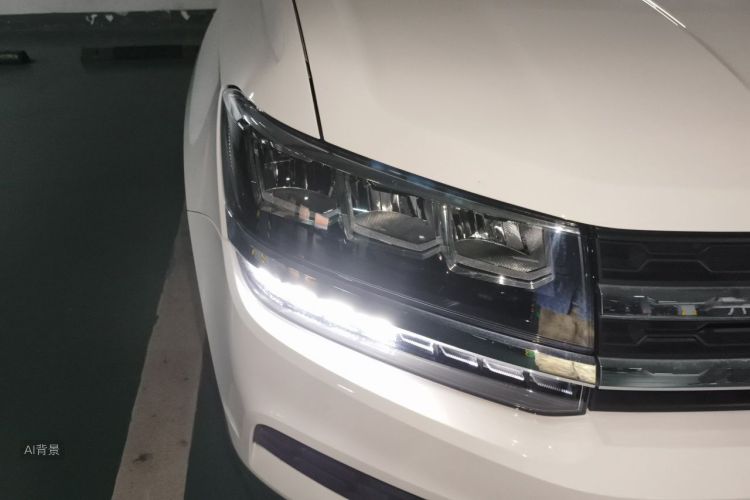
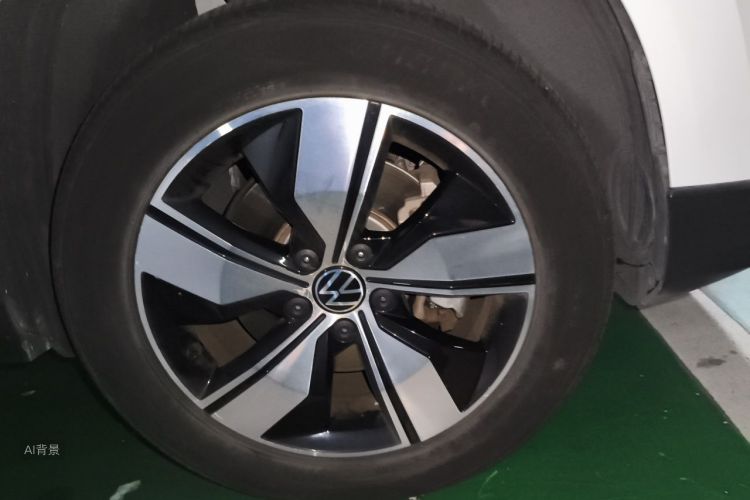
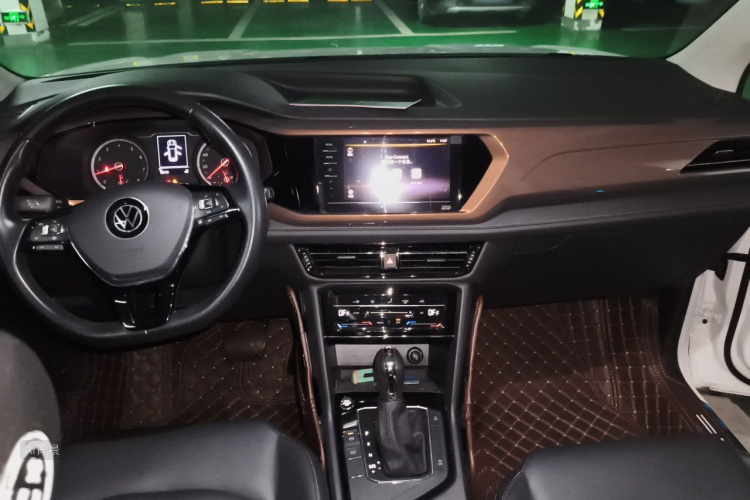
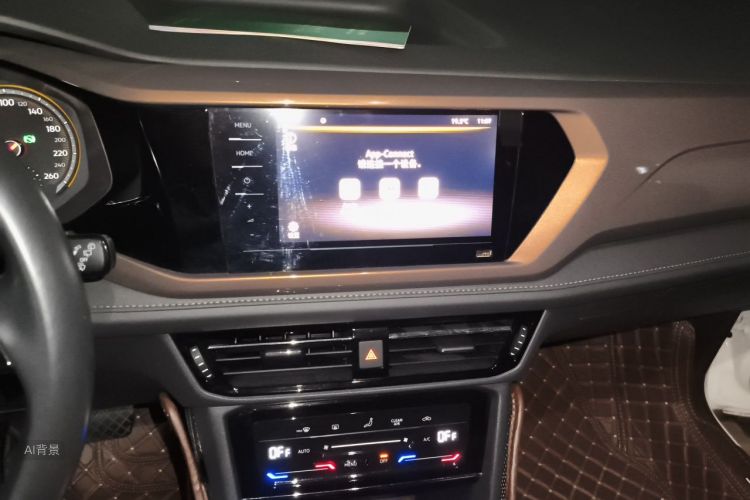
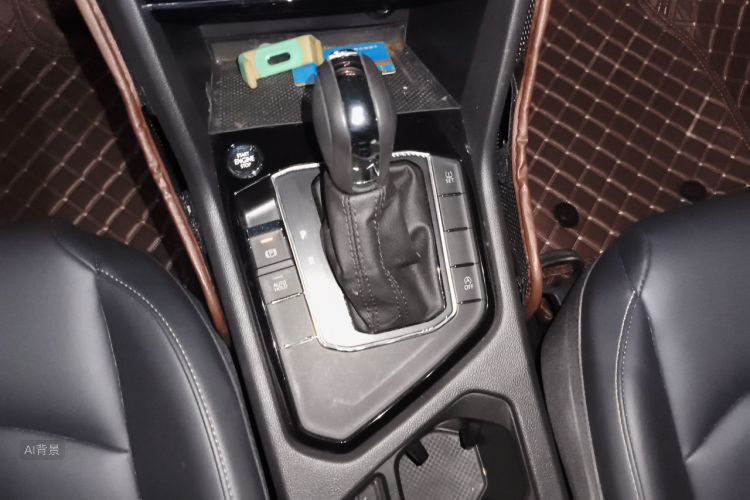
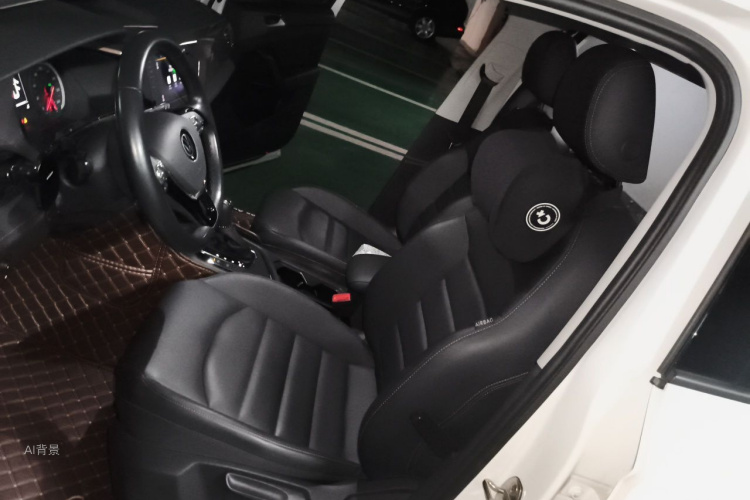
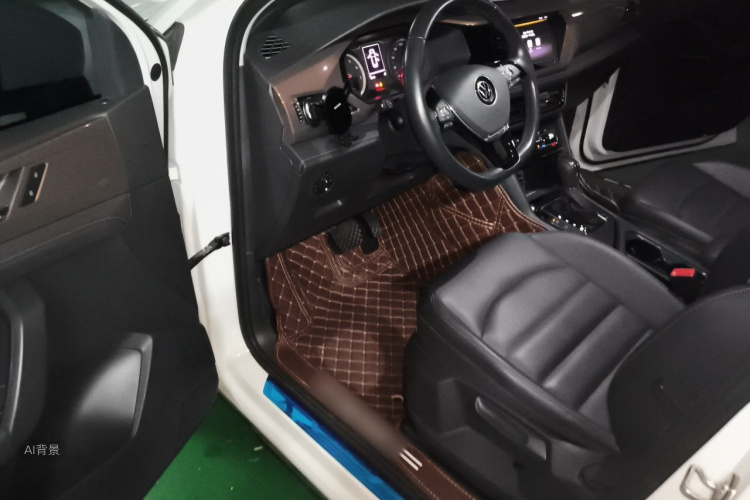
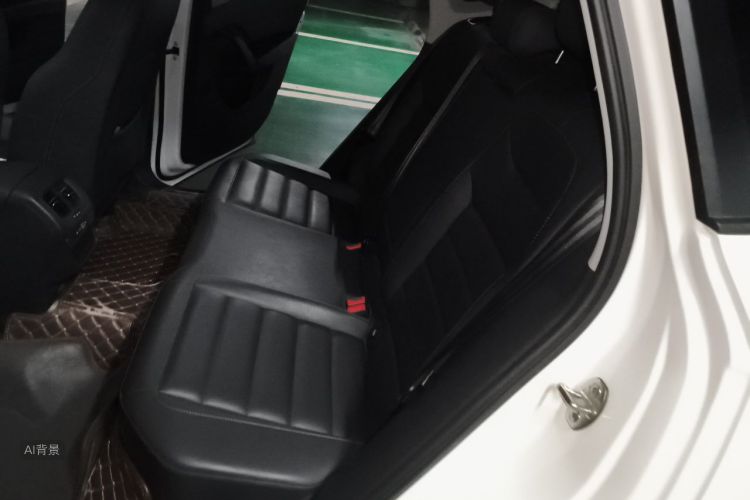
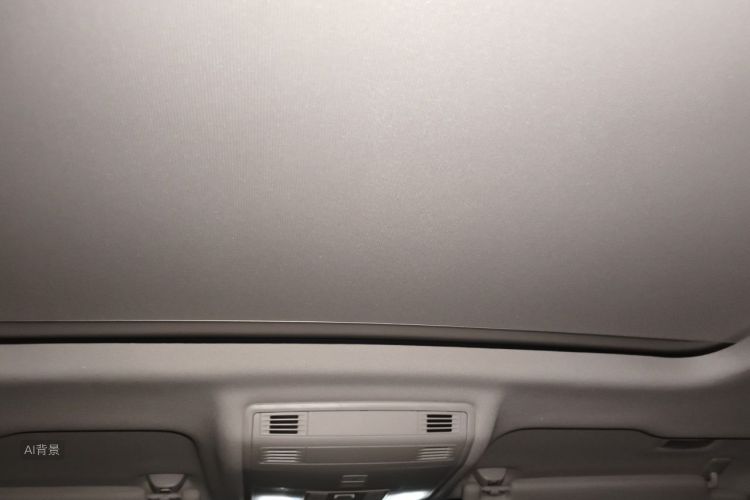
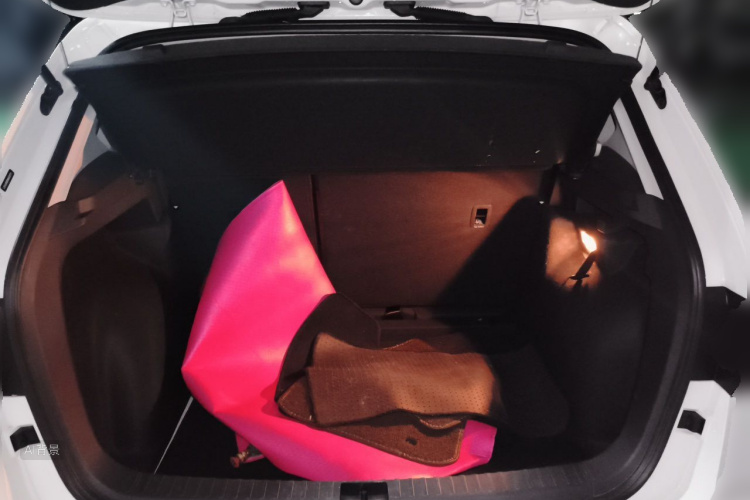
Basic condition: excellent | 1 insurance claim | 0 transfers

Q&A

More

How do I evaluate interior wear on a used car from China to estimate real mileage and usage intensity?

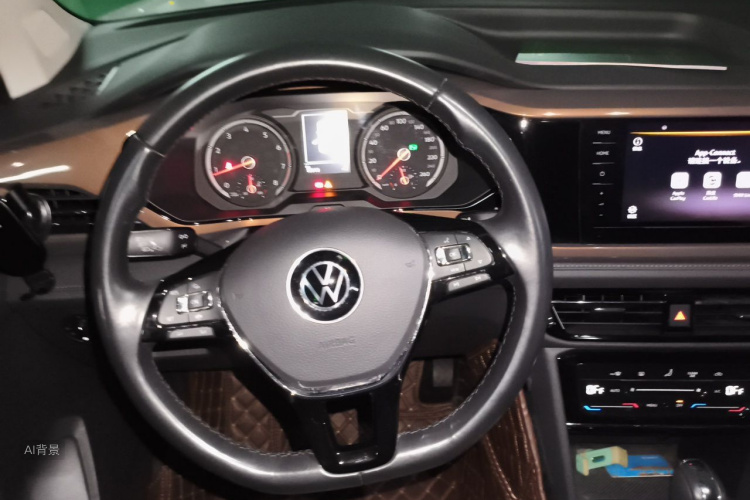
Interior wear is harder to fake than an odometer and often reveals true usage better than any document. Focus on high-contact points the seller rarely restores. The driver's seat bolster shows creasing and cracking by 80,000-100,000 km even with covers. Steering wheel leather polishes smooth and darkens with hand oils; a shiny wheel with low claimed mileage is a red flag. Pedal rubbers wear through at similar rates — check accelerator, brake, and clutch depth. Second-row wear patterns tell you how the car was used: heavy child-seat indentations suggest family use (usually gentler), while uniform rear wear with clean front suggests commercial or ride-hailing duty. Check seat rails for rust (indicates water ingress) and look under floor mats for moisture staining or musty smell — flood cars often hide it there. Also examine the infotainment and instrument cluster: Chinese EVs log usage data internally, and a dealer diagnostic readout can cross-check driving hours against mileage. Request close-up, well-lit photos of these specific points during your live video inspection rather than relying on the seller's gallery.
How is liability defined if the battery pack is damaged during long-distance sea transport due to extreme temperatures?

This is considered a force majeure risk. We will require the vehicle's state of charge (SOC) to be maintained in a safe dormant range of 30%-50% before loading, and we will insure you for all marine risks under CIF terms. If the battery suffers thermal runaway total loss due to abnormal cargo hold temperatures, the insurance company will compensate.

If a problem arises after the car arrives, how are disputes and claims typically handled with a Chinese exporter?

Handling claims with an overseas exporter works best when expectations are set before payment. Prevention: put the inspection standard, photo/video evidence requirements, and a dispute clause into the sales contract. Keep all chat records and payment receipts. Typical process if issues arise: 1) Notify the exporter within 48-72 hours of delivery with photos/videos as evidence. 2) Most disputes fall into two buckets: shipping damage (handled via marine insurance — this is why insurance matters) or undisclosed mechanical defects (handled per contract, often via partial refund, spare parts, or repair cost sharing). Realistic expectations: exporters rarely accept returns, so negotiate compensation instead. A reputable company will usually cover reasonable repair costs for defects confirmed to pre-exist shipment. Tip: for higher-value cars, hire a local third-party inspection at destination as final evidence — it strengthens any claim significantly.