

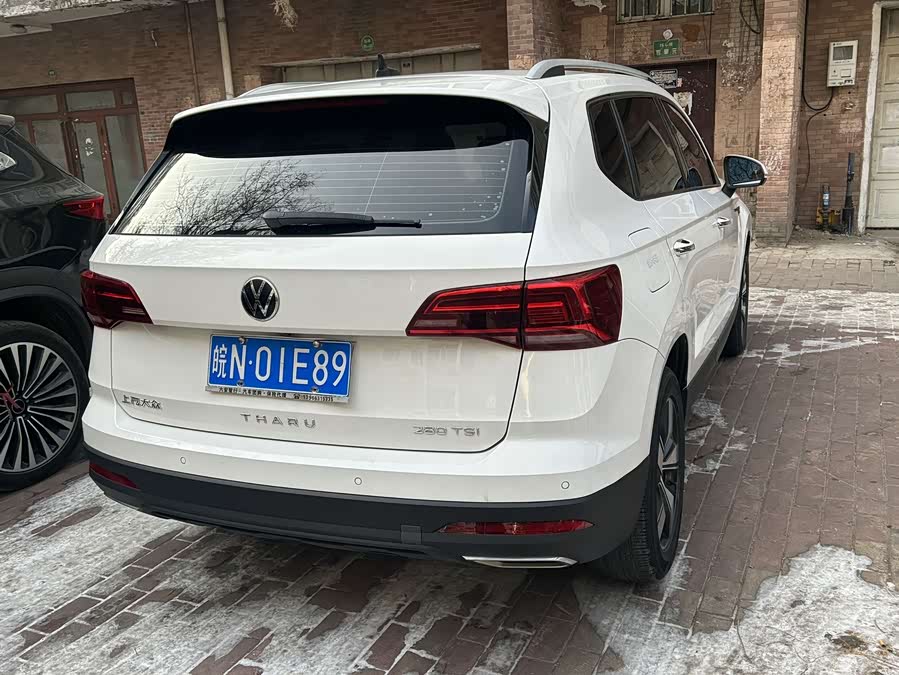
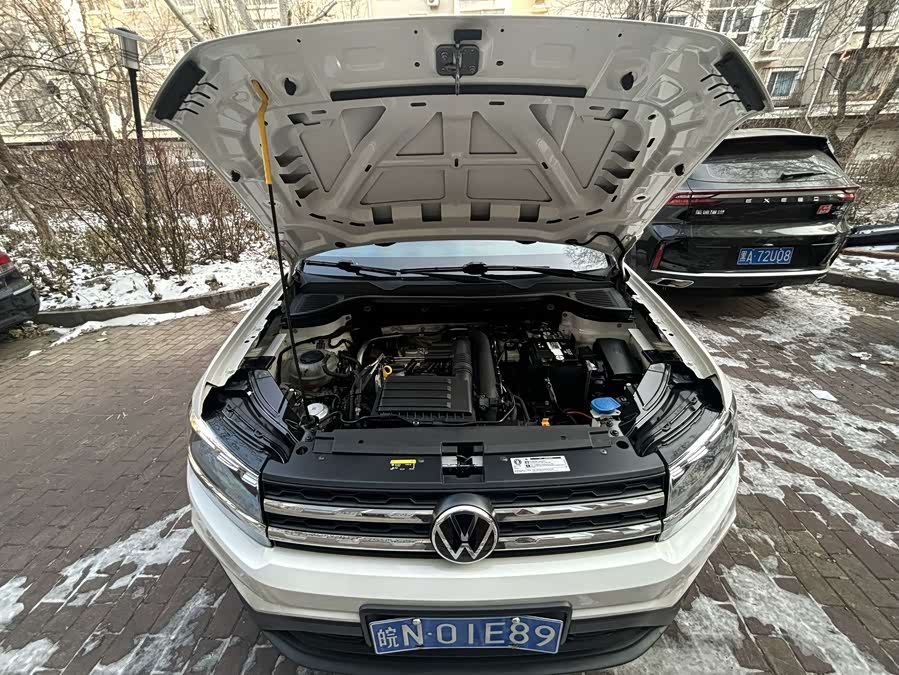
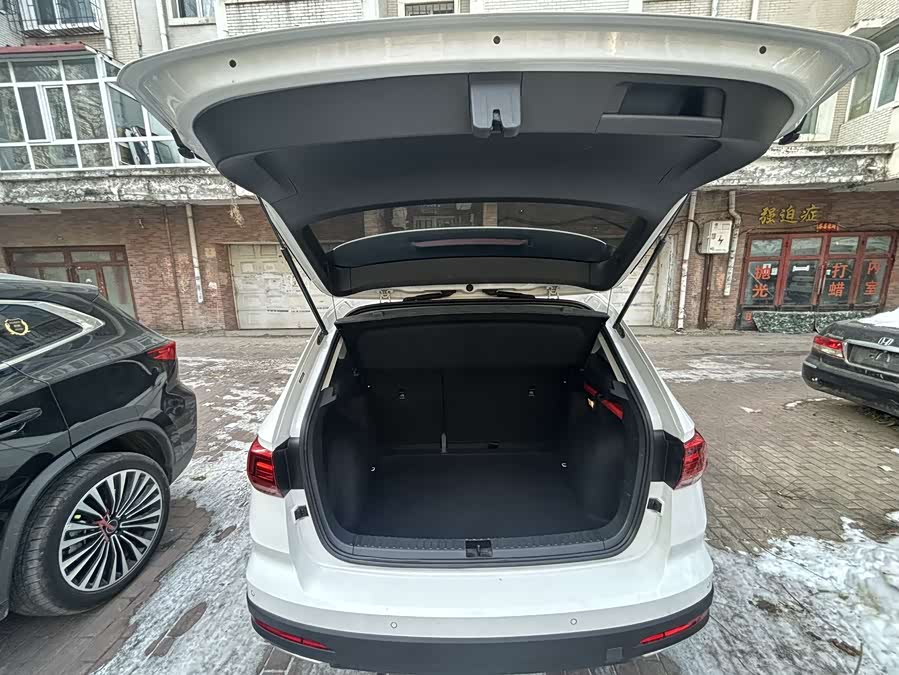
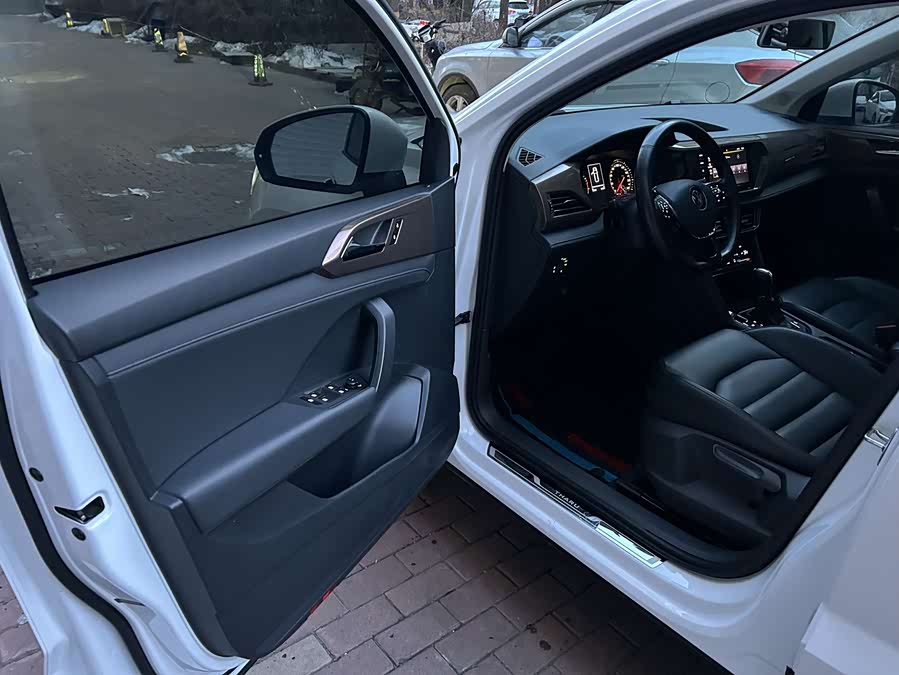
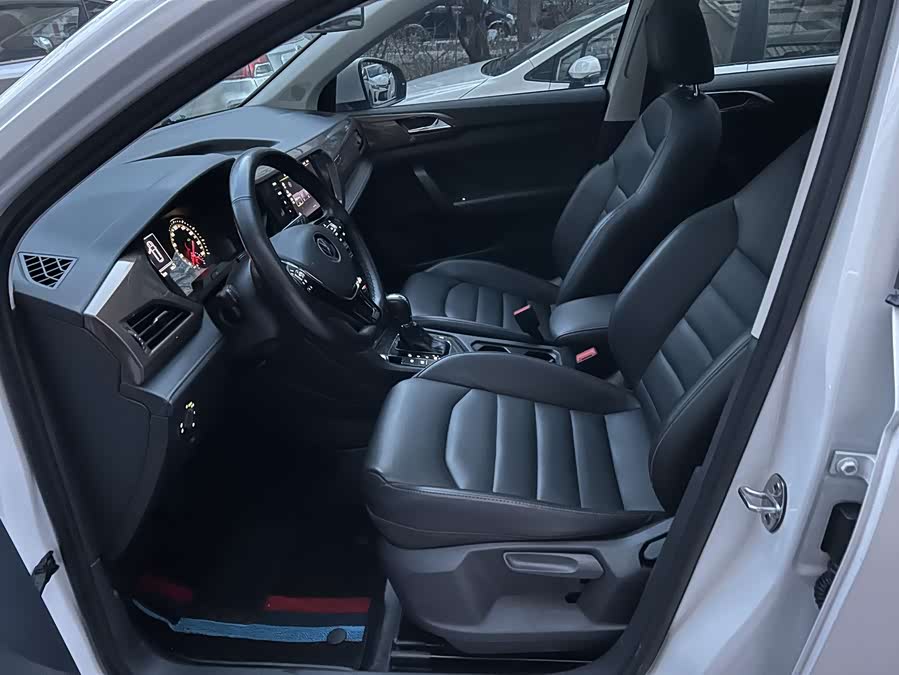
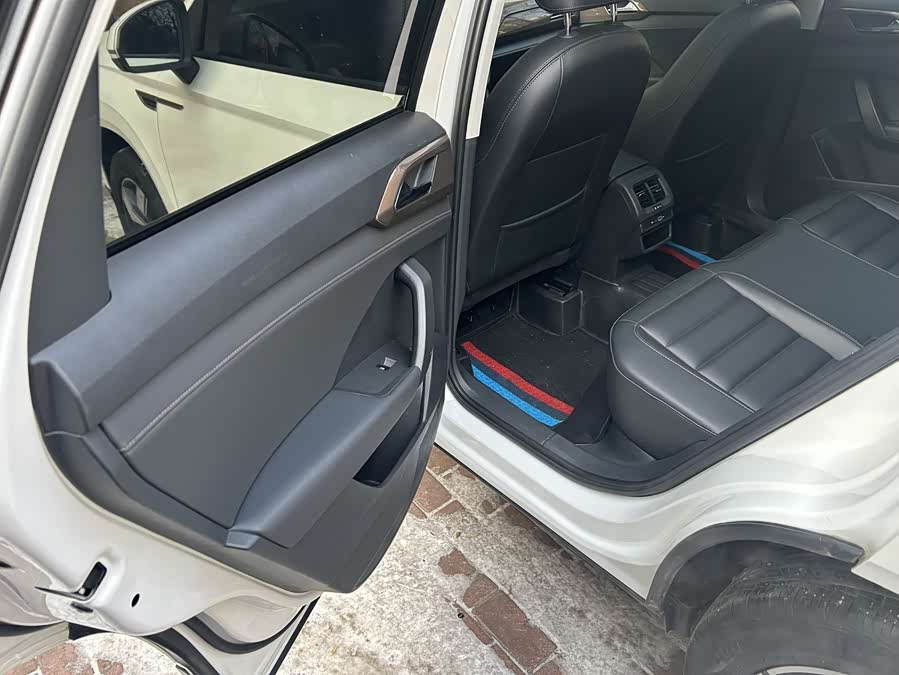
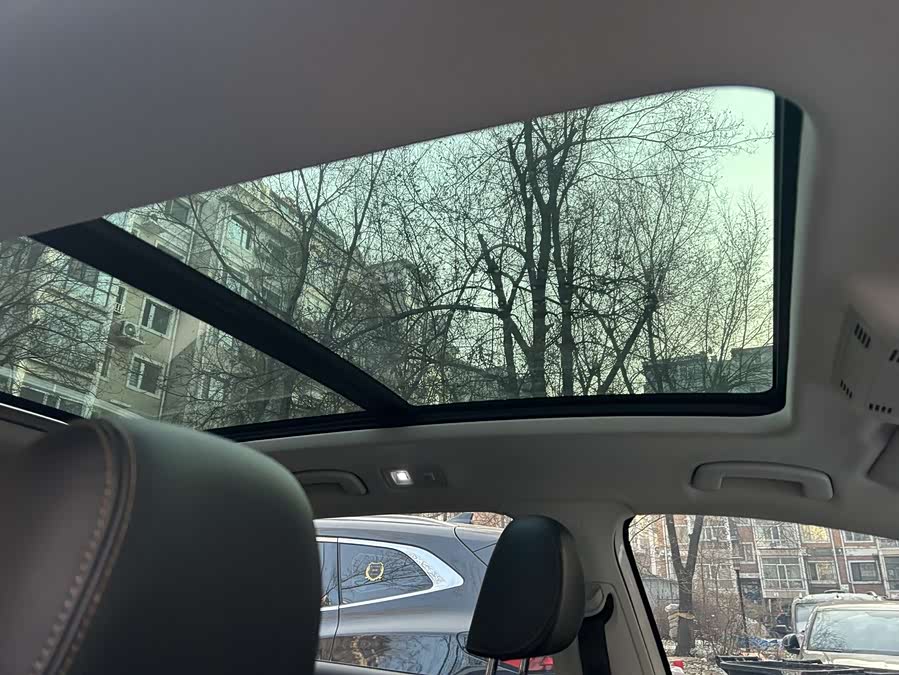
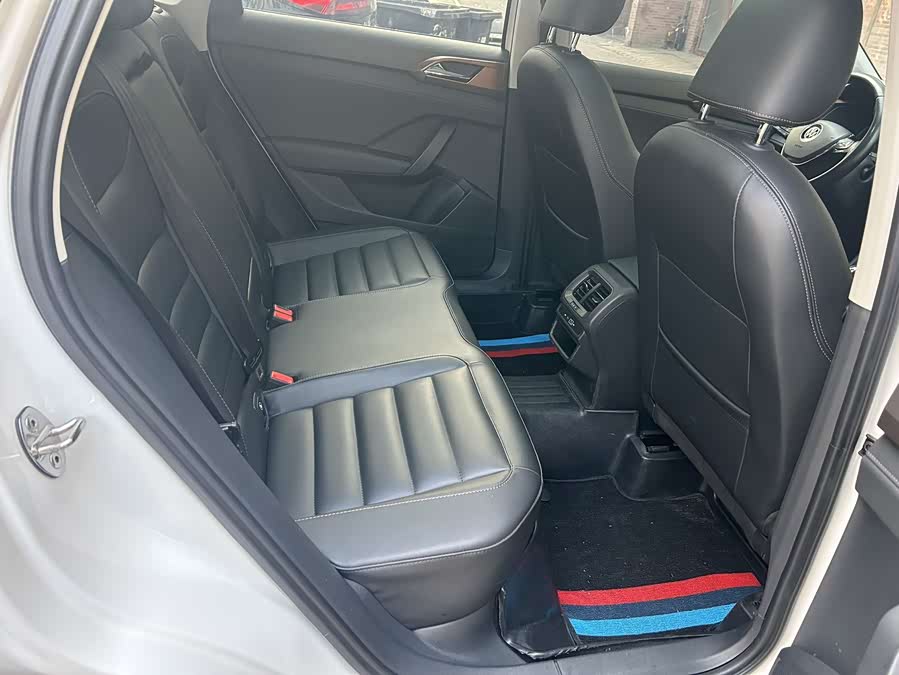
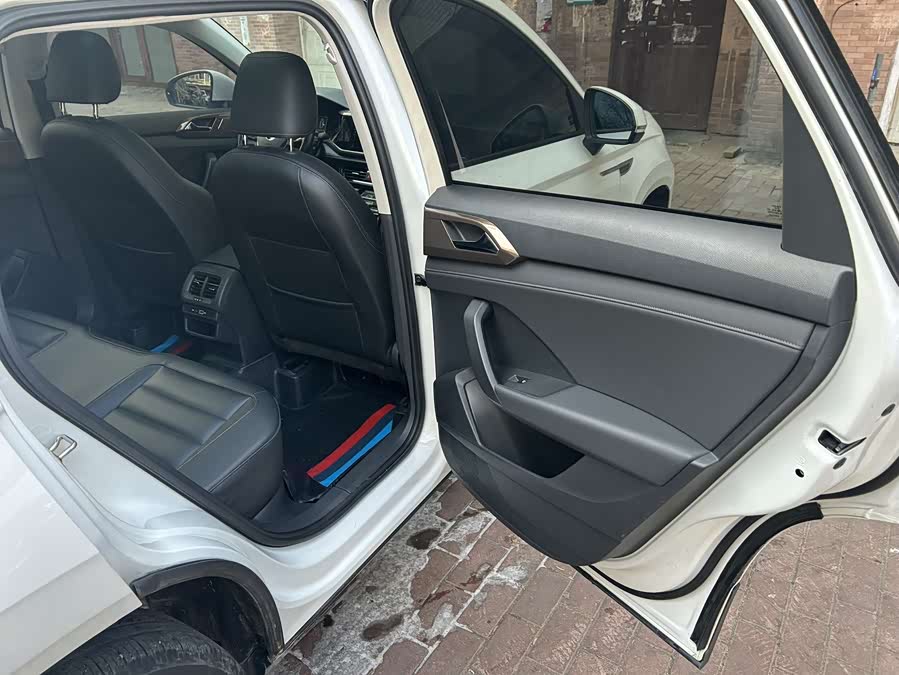



Basic Information

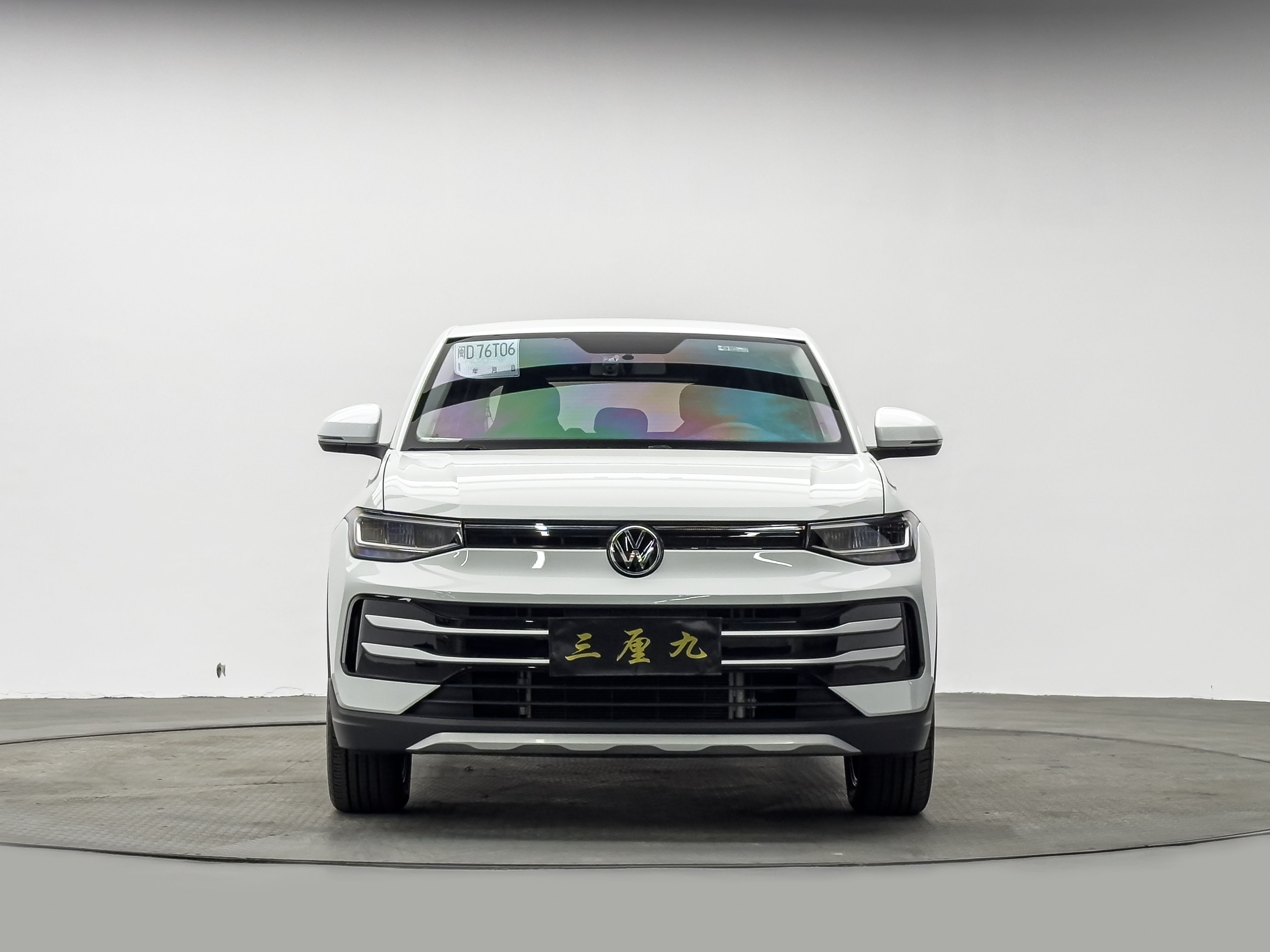
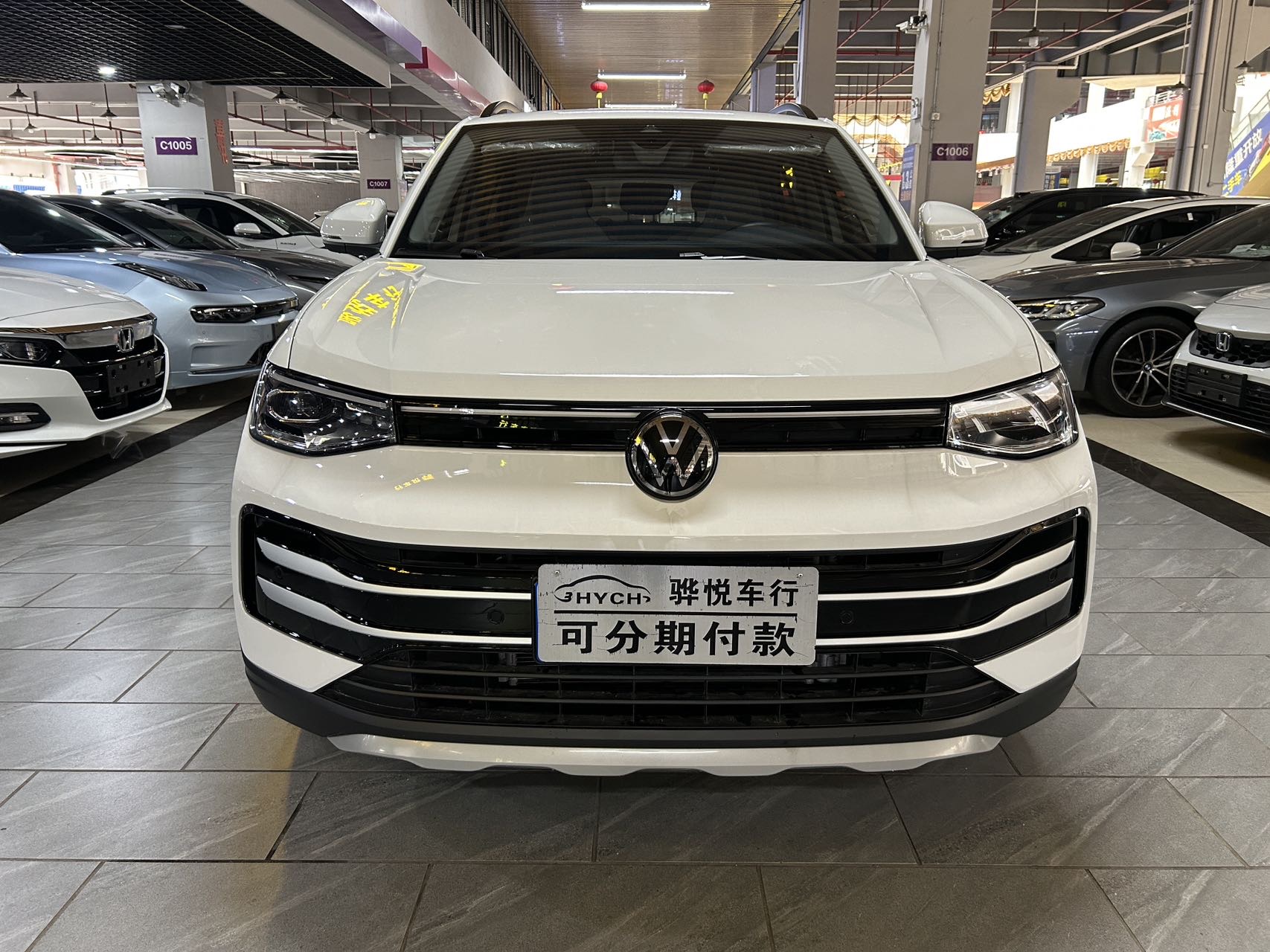
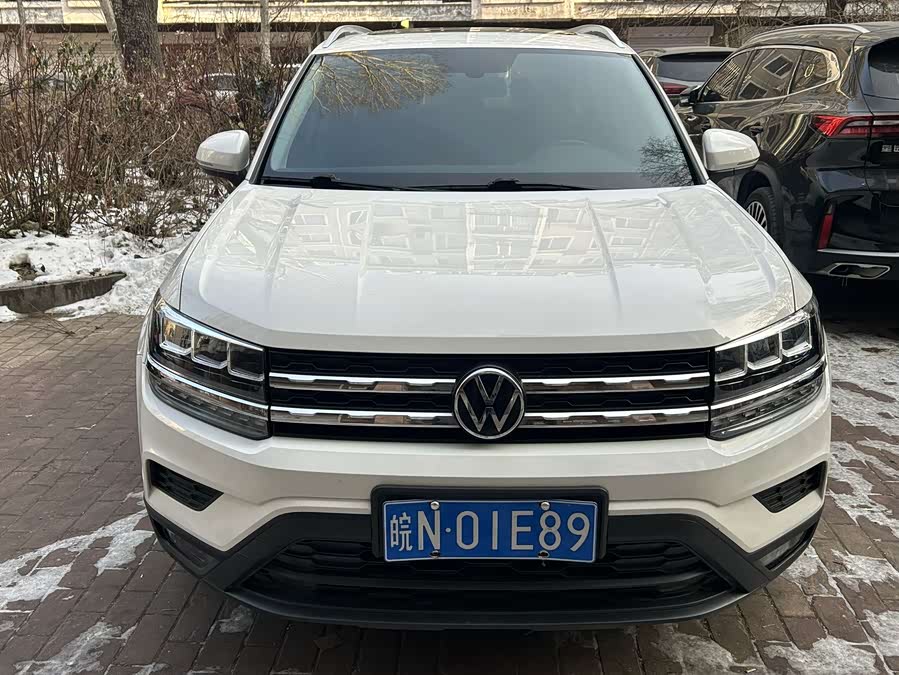
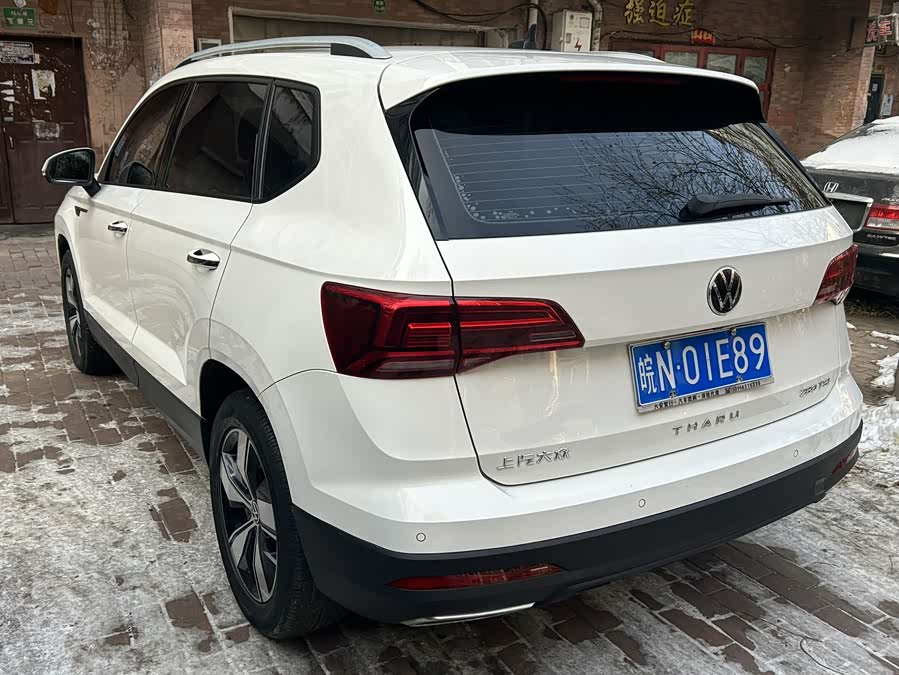
BrandVolkswagen
SeriesTharu
Year2021
First Registration2021/12
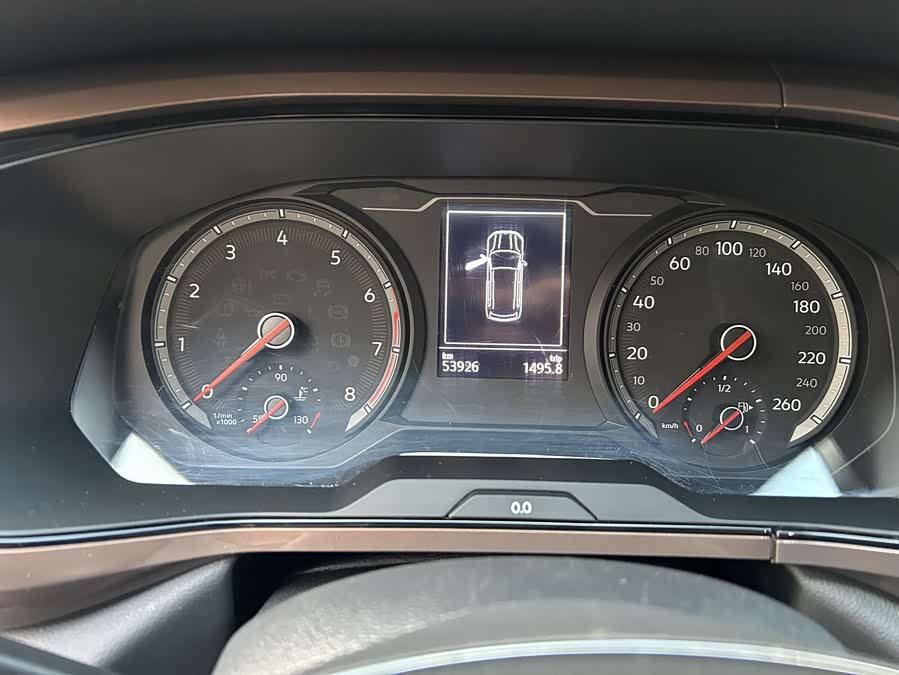
Mileage53,000km
Transfer Count-
FuelGasoline
TransmissionDCT
Engine1.4T 150 L4
ColorWhite
Seats-

Condition Description

very good

[Vehicle Name] 2021 Volkswagen Tharu [Drive Type] 2 [Color] White [Manufacture Date] 21/9 [Mileage] 54,000 km [Engine Displacement] 1.4T [Keys] 2 [Condition] Original paint [Identification Code] LSVUJ6B29MN235213

0 transfers

Configuration Highlights

✓ISOFIX Child Seat Anchors
✓Auto Hold
✓Keyless Start System
✓Bluetooth/Hands-free
✓Cornering Lights
✓PM2.5 Air Filter
✓Rear Air Vents

Accident & Maintenance Records

Accident Record

🔗 Open Link

Maintenance Record

🔗 Open Link

Document Information

Inspection Expiry Date2025/12
Warranty Expiry Date-
Insurance Expiry Date2025/12

Q&A

More

If a coup occurs in the destination country or if import regulations are suddenly changed, preventing the vehicle from clearing customs, does this count as force majeure?

It completely falls under force majeure. After the delivery is completed (crossing the ship's rail) under FOB or CIF terms, the seller (us) bears no liability for refunds or compensation due to political risks or legal changes in the destination country that hinder customs clearance or lead to confiscation.

When shipping by RoRo vessel, is the "Terminal Handling Charge (THC)" at the destination port prepaid by your freight forwarder or paid by the buyer upon arrival?

Under international practices and our standard CIF/FOB terms, the THC at the port of origin (China) is borne by the seller; all THC and port miscellaneous charges incurred at the destination port during unloading are to be paid by the buyer (consignee) upon local customs clearance and pickup.

When B2B buyers make bulk purchases, can they request to combine the accessory costs and vehicle price on the same commercial invoice to reduce overall tariffs?

No, this is a serious customs violation. Complete vehicles (HS Code 8703) and auto parts (HS Code 8708, etc.) are subject to completely different import tax rates. Combining them on one invoice could lead to the invoice being returned by customs and may expose you to tax fraud accusations at the destination port.