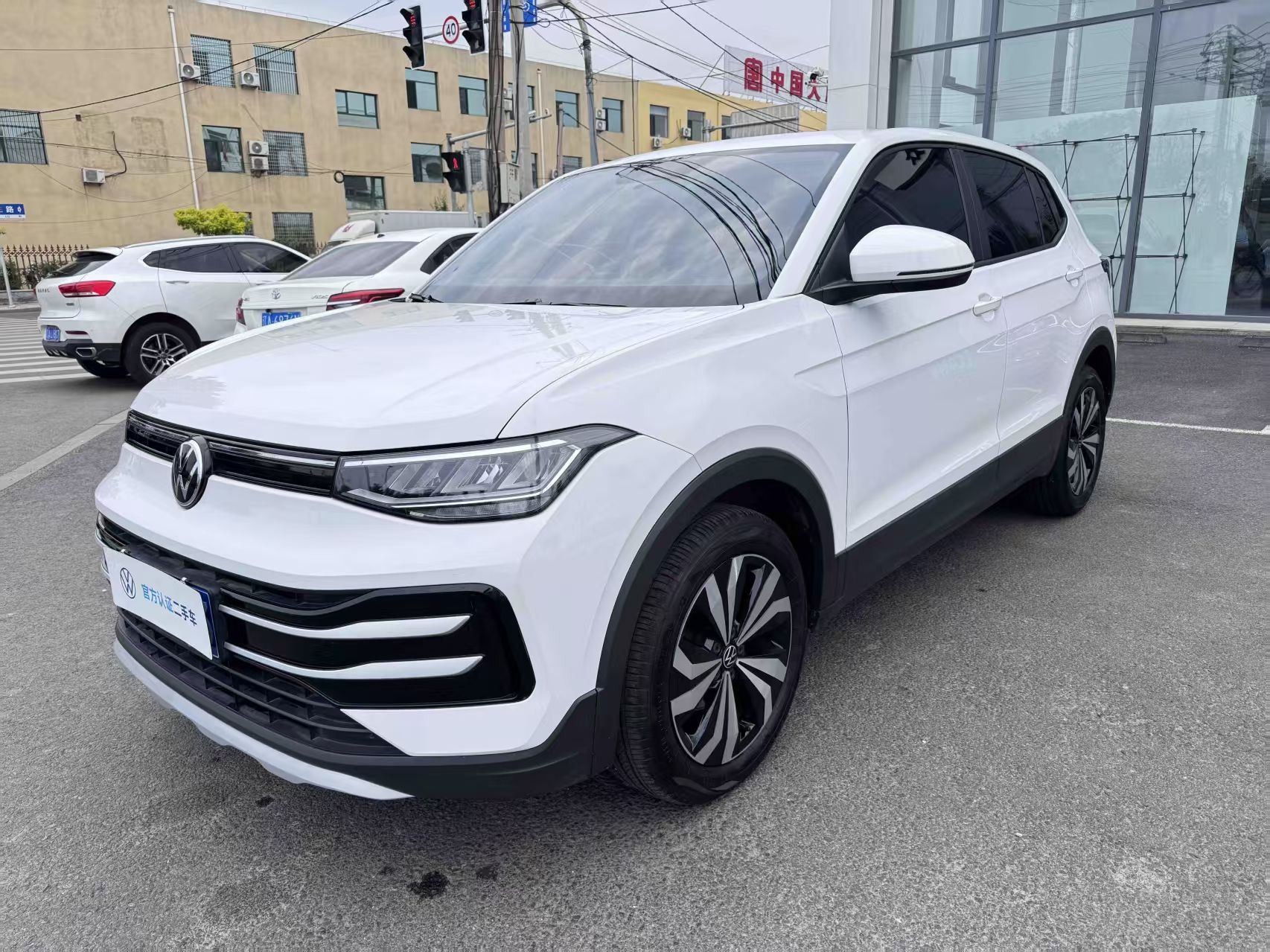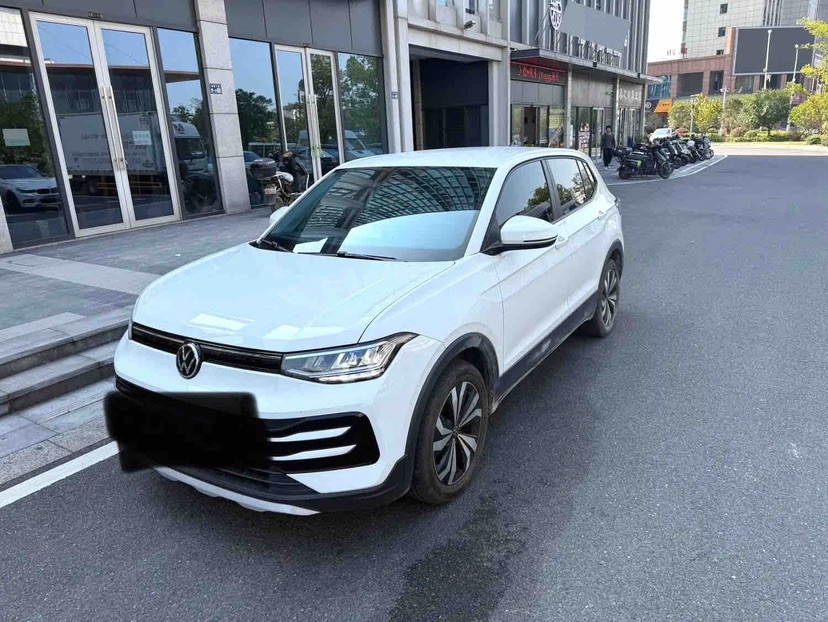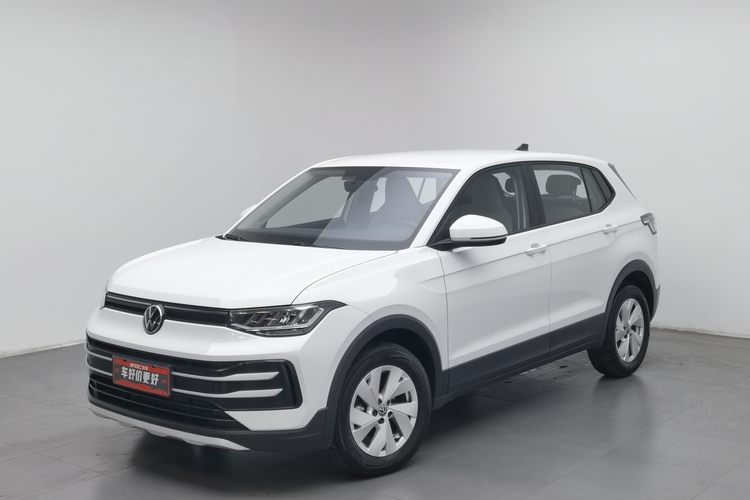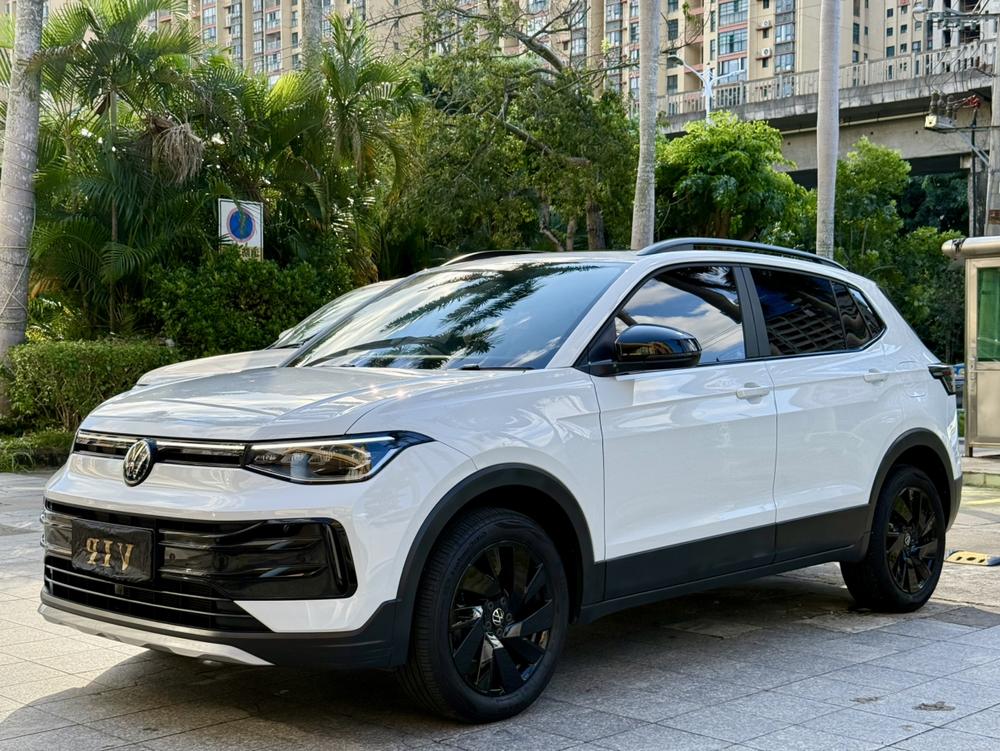
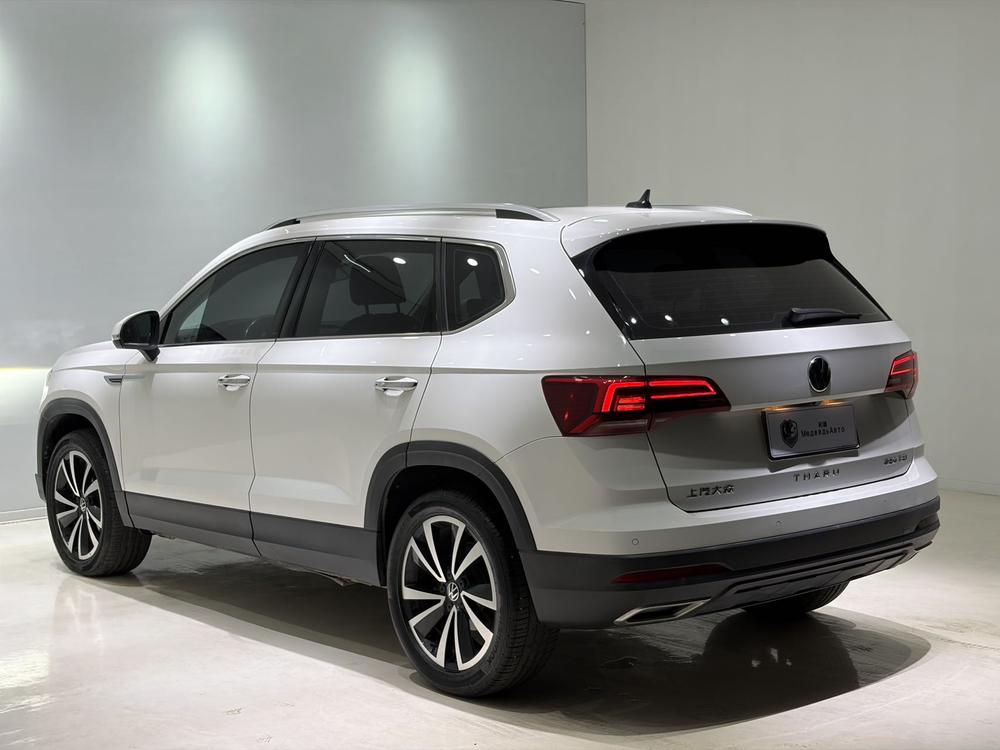
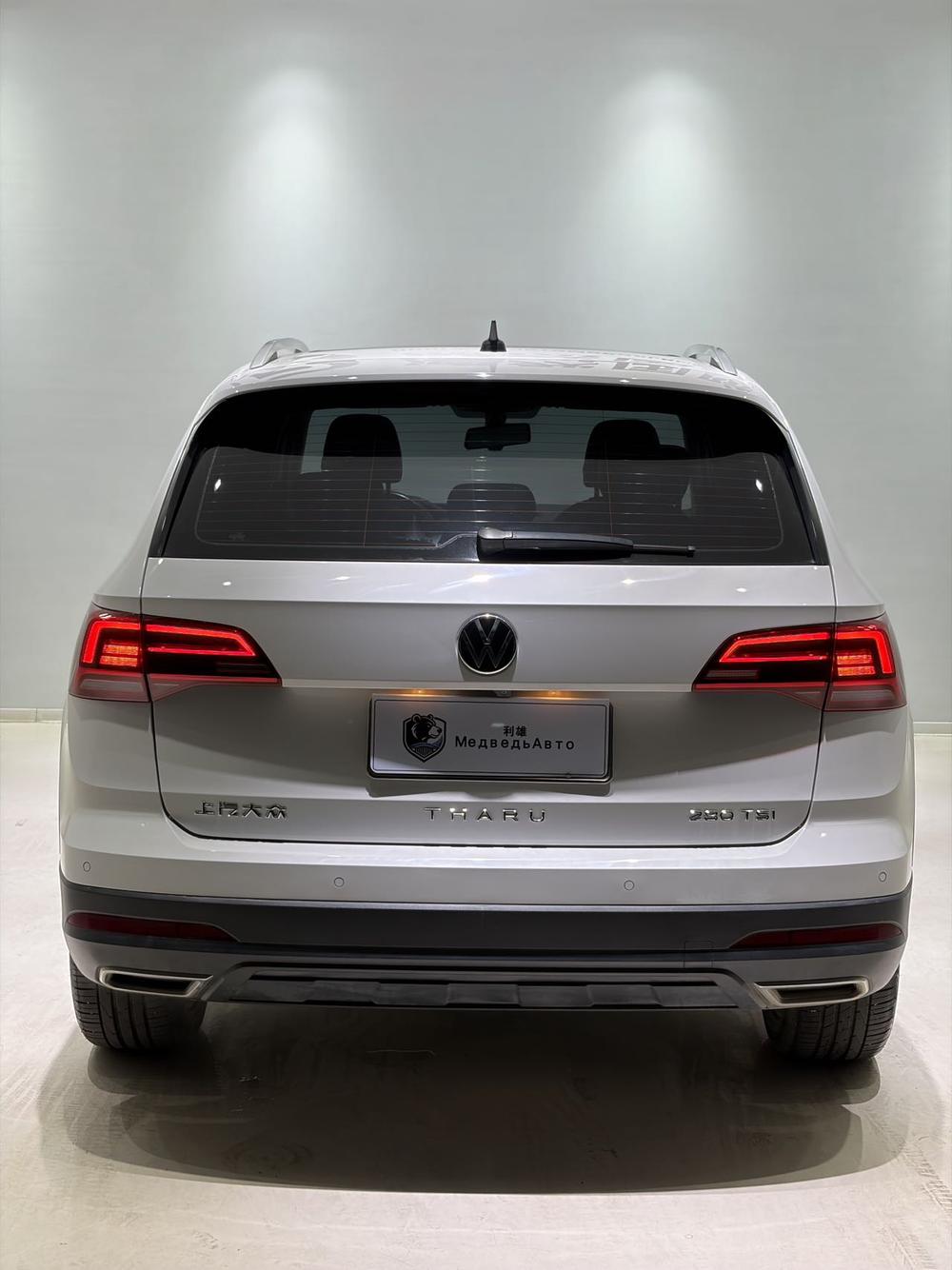
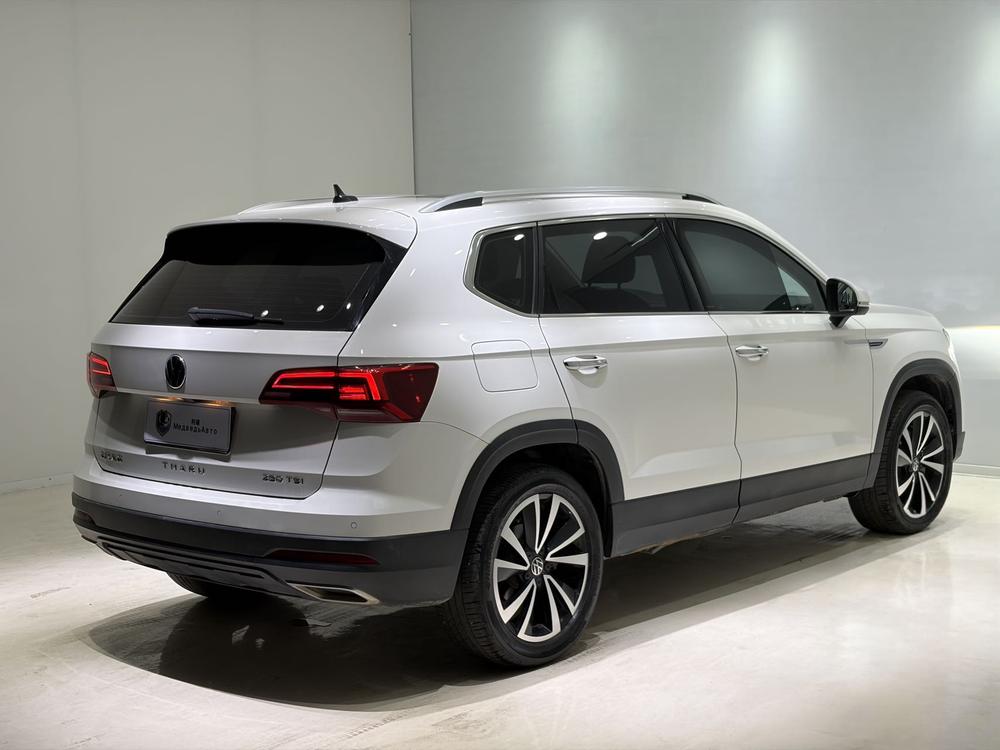
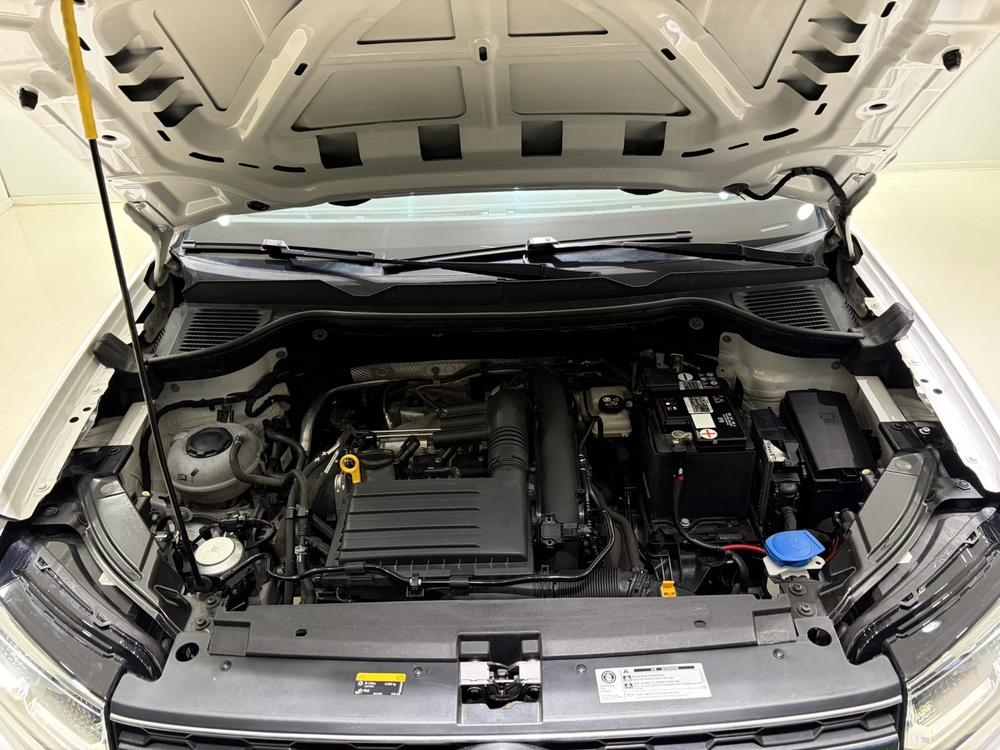
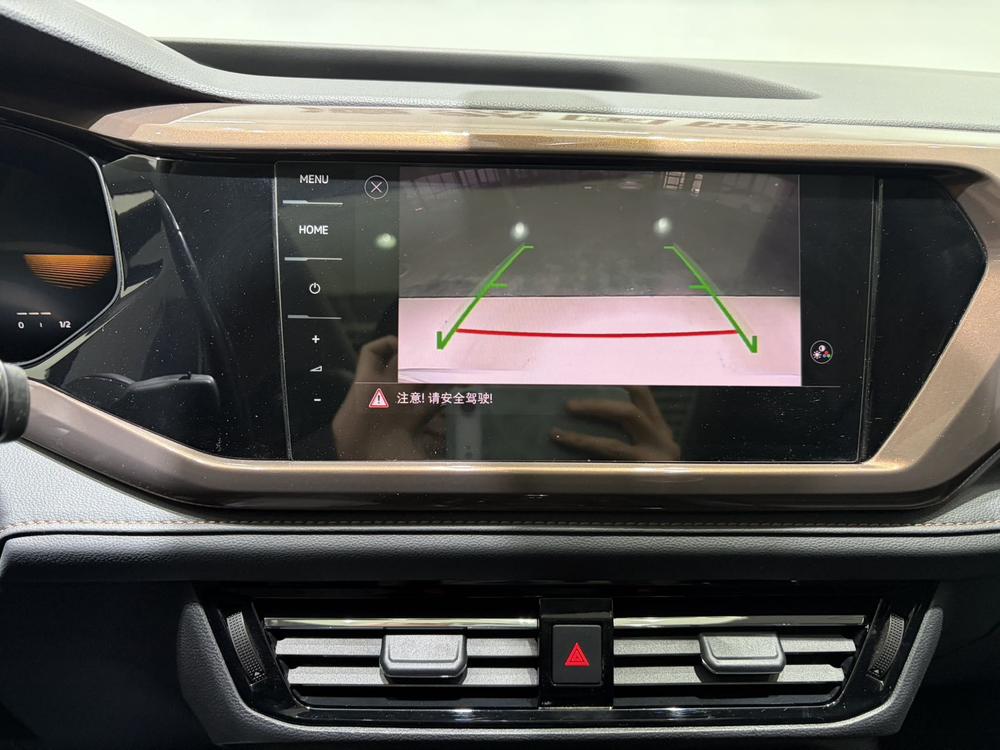
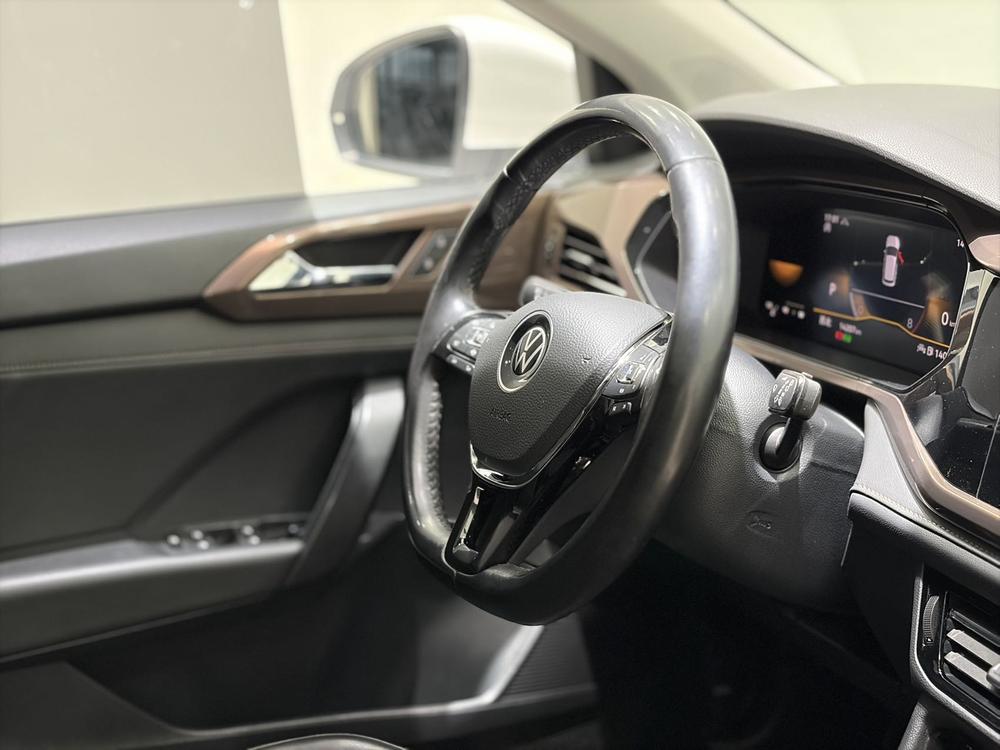
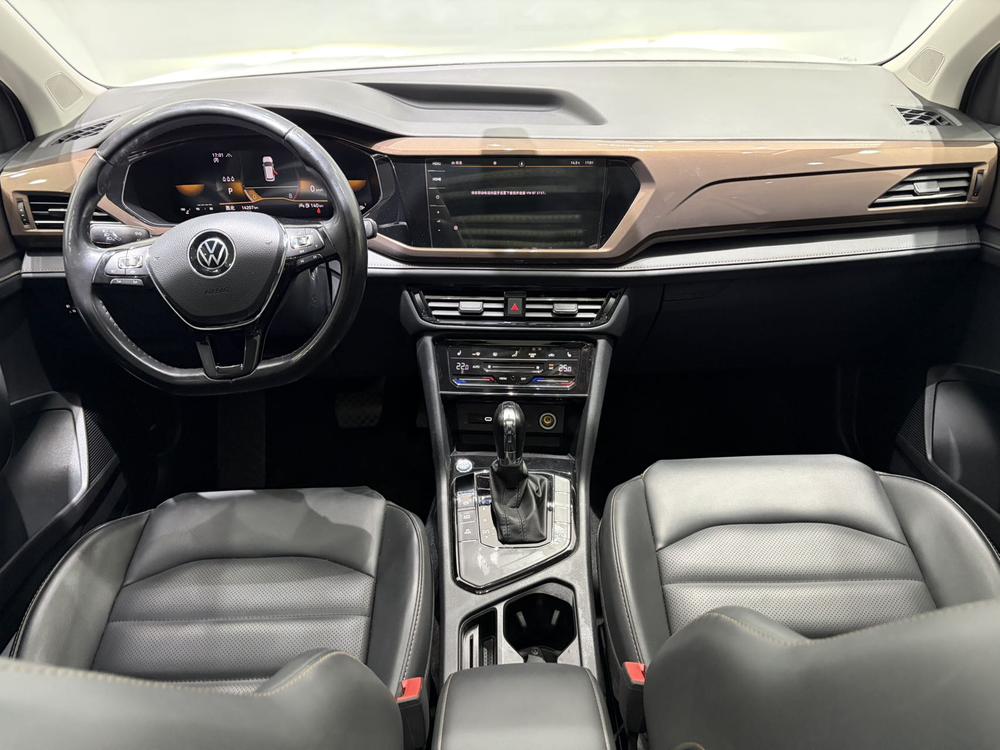
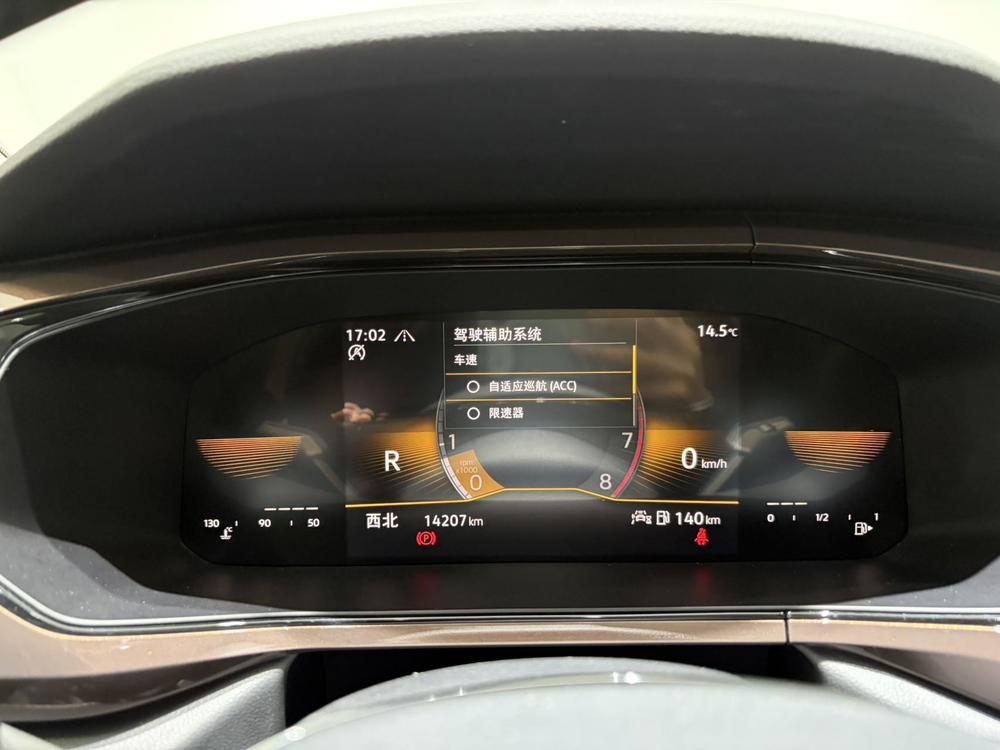
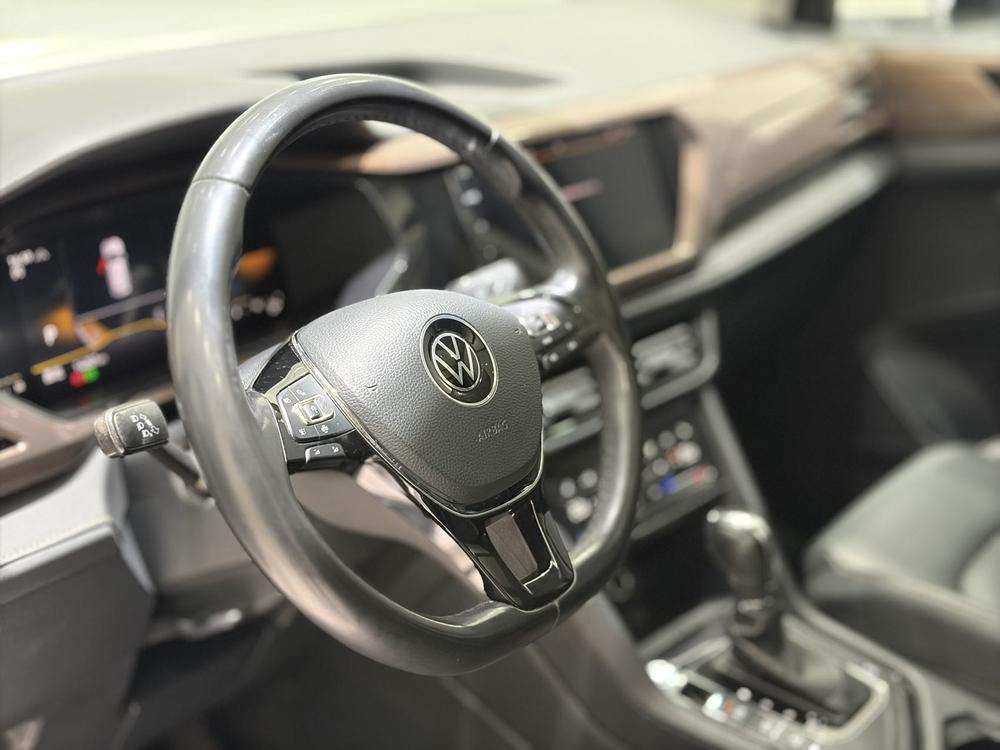
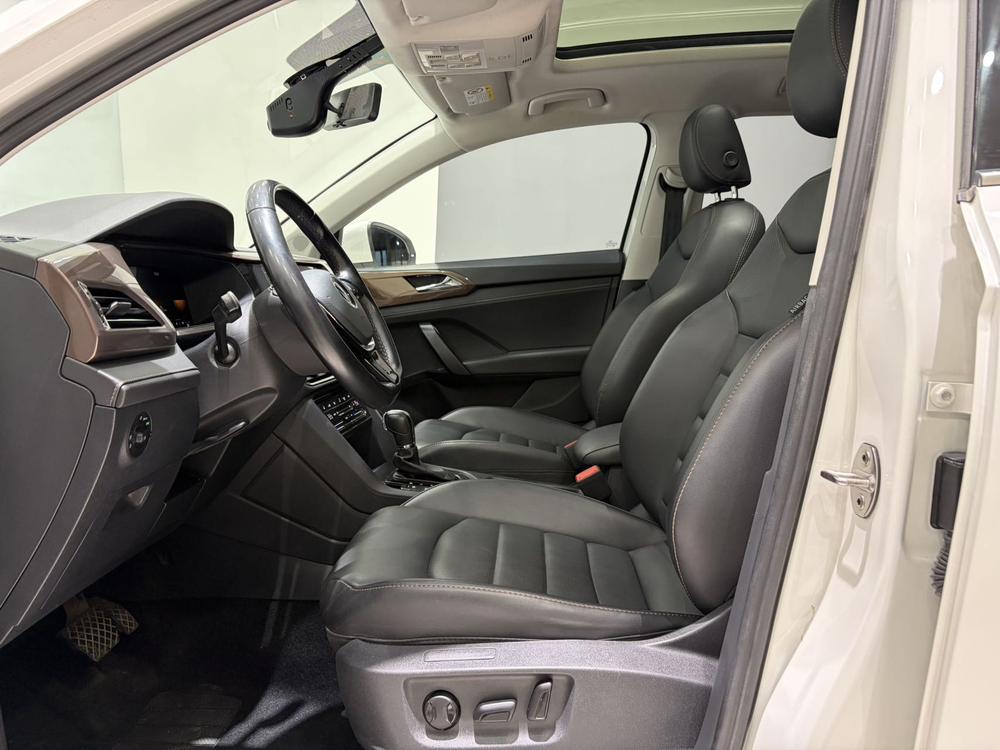
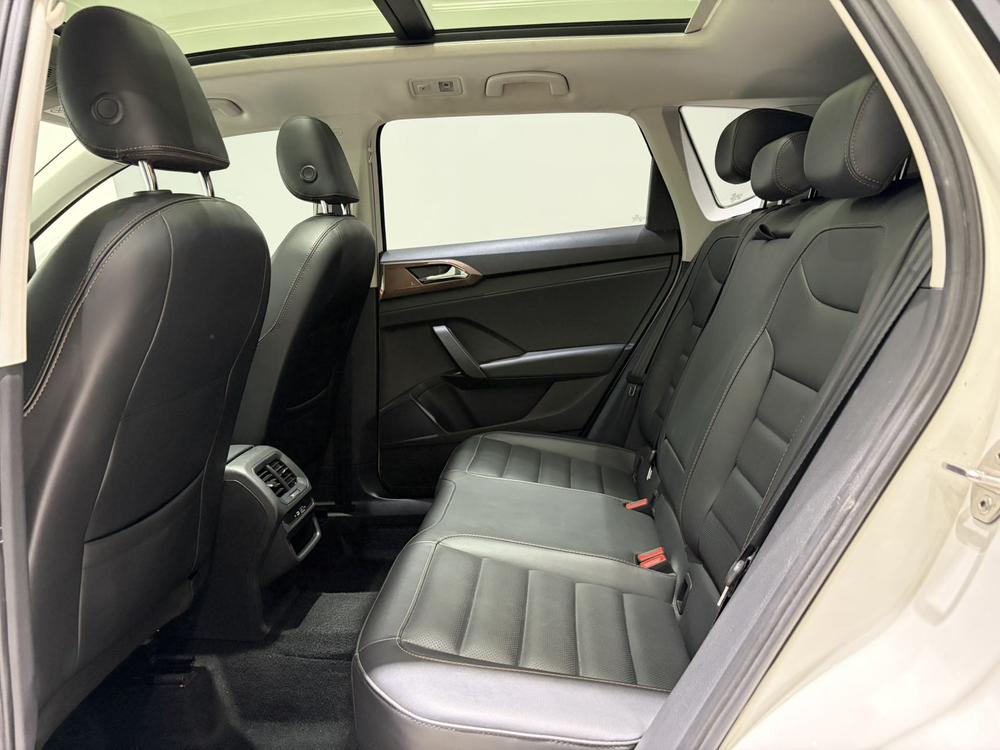
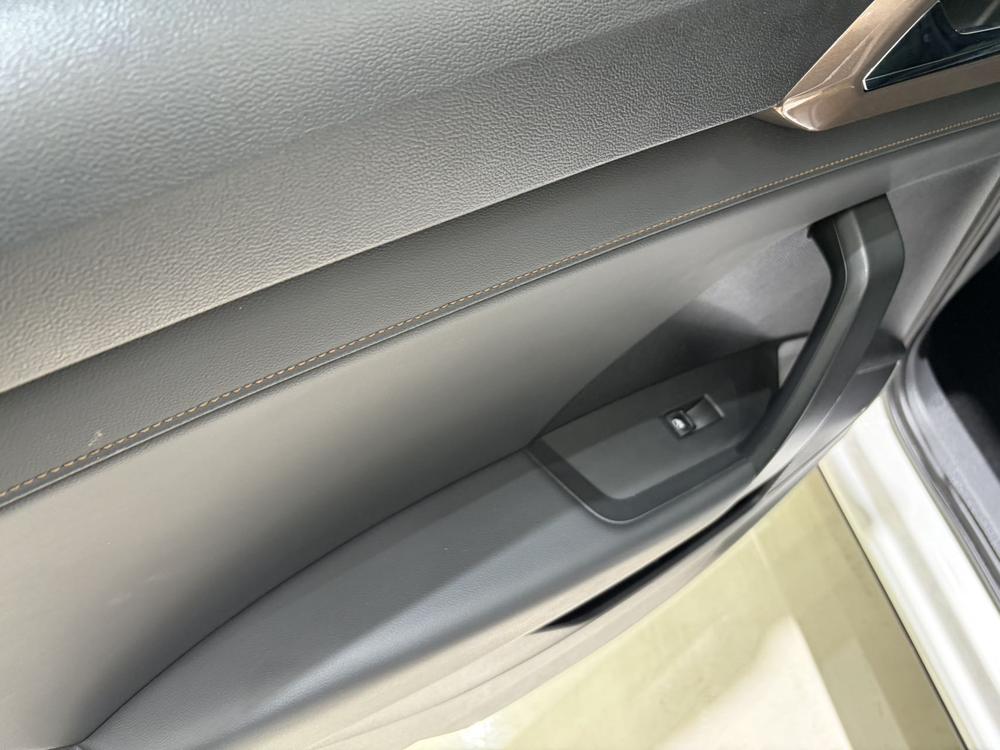
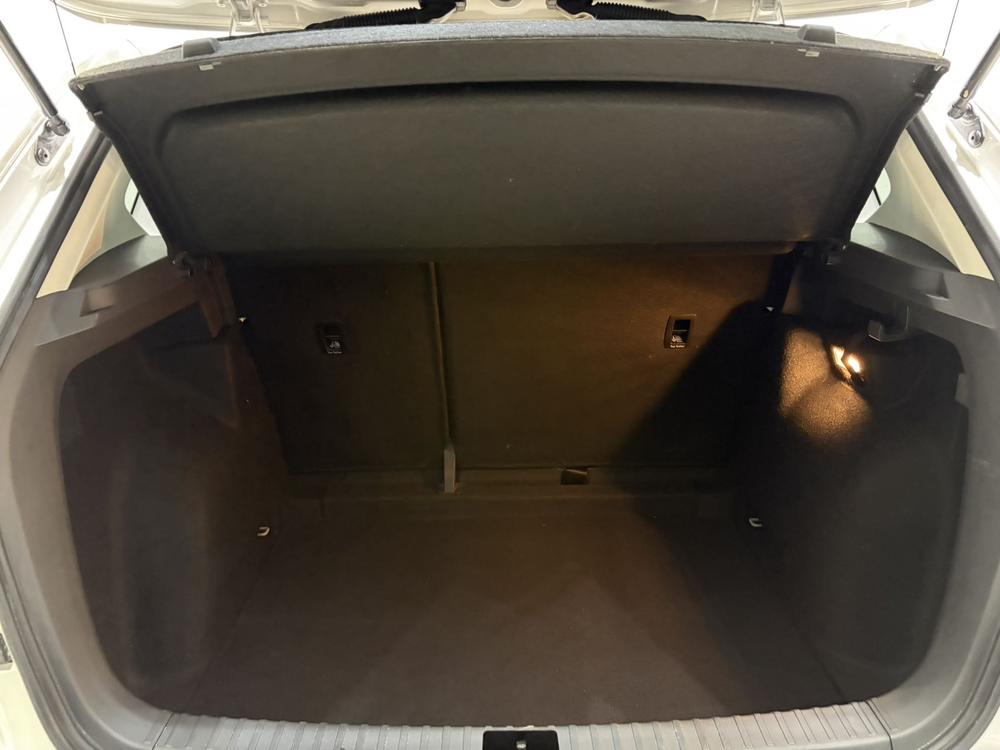
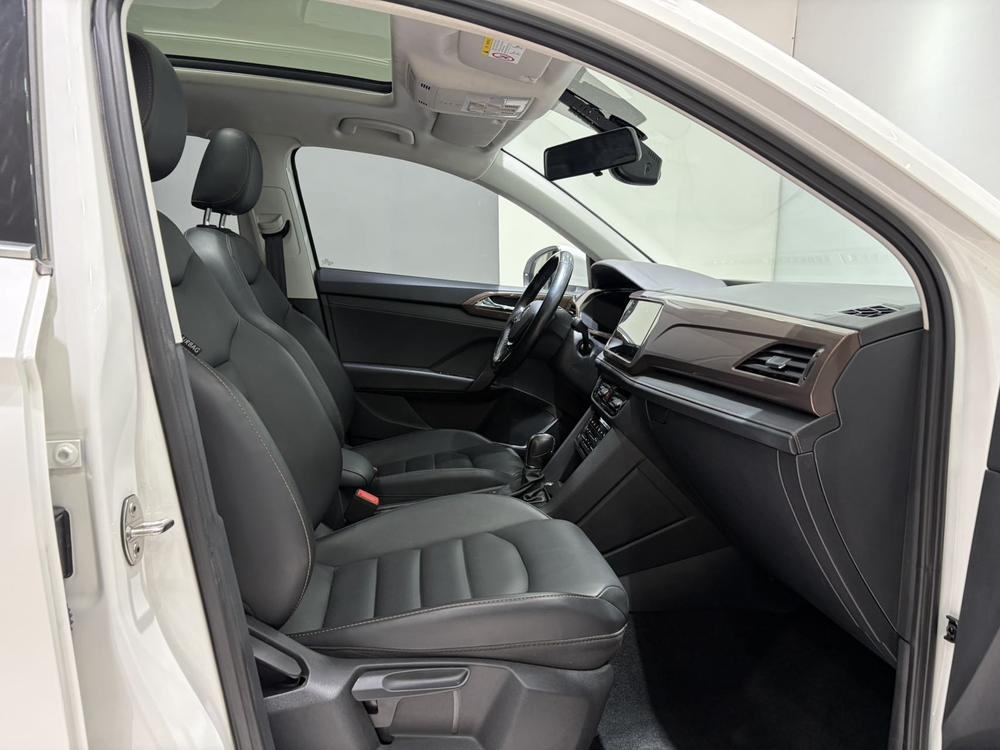
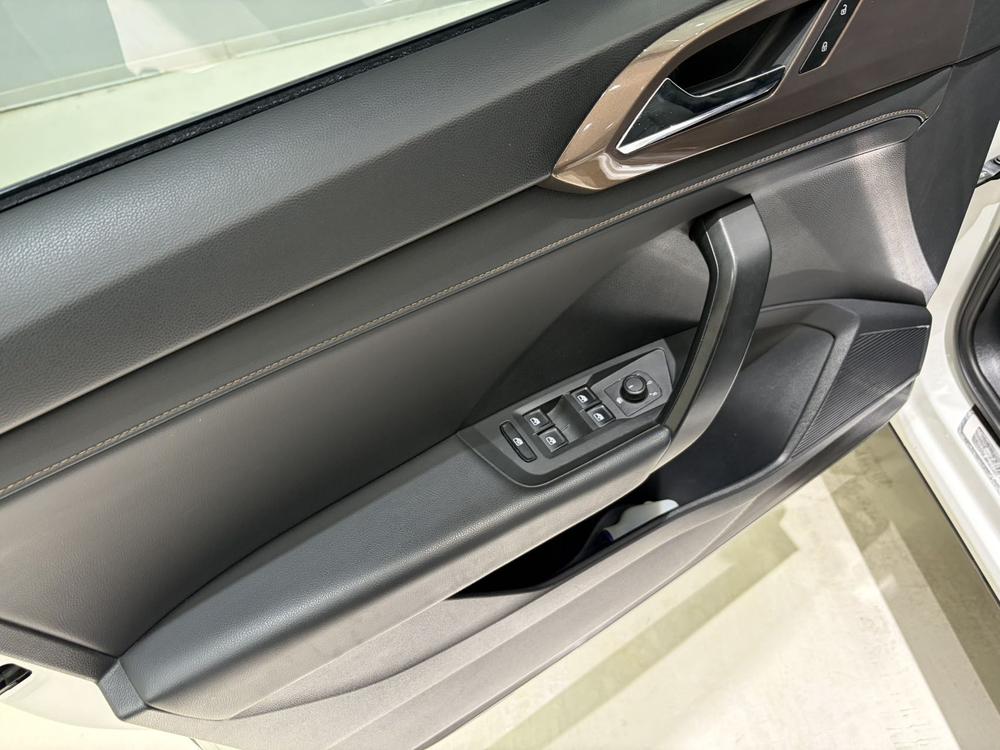



48H

Basic Information

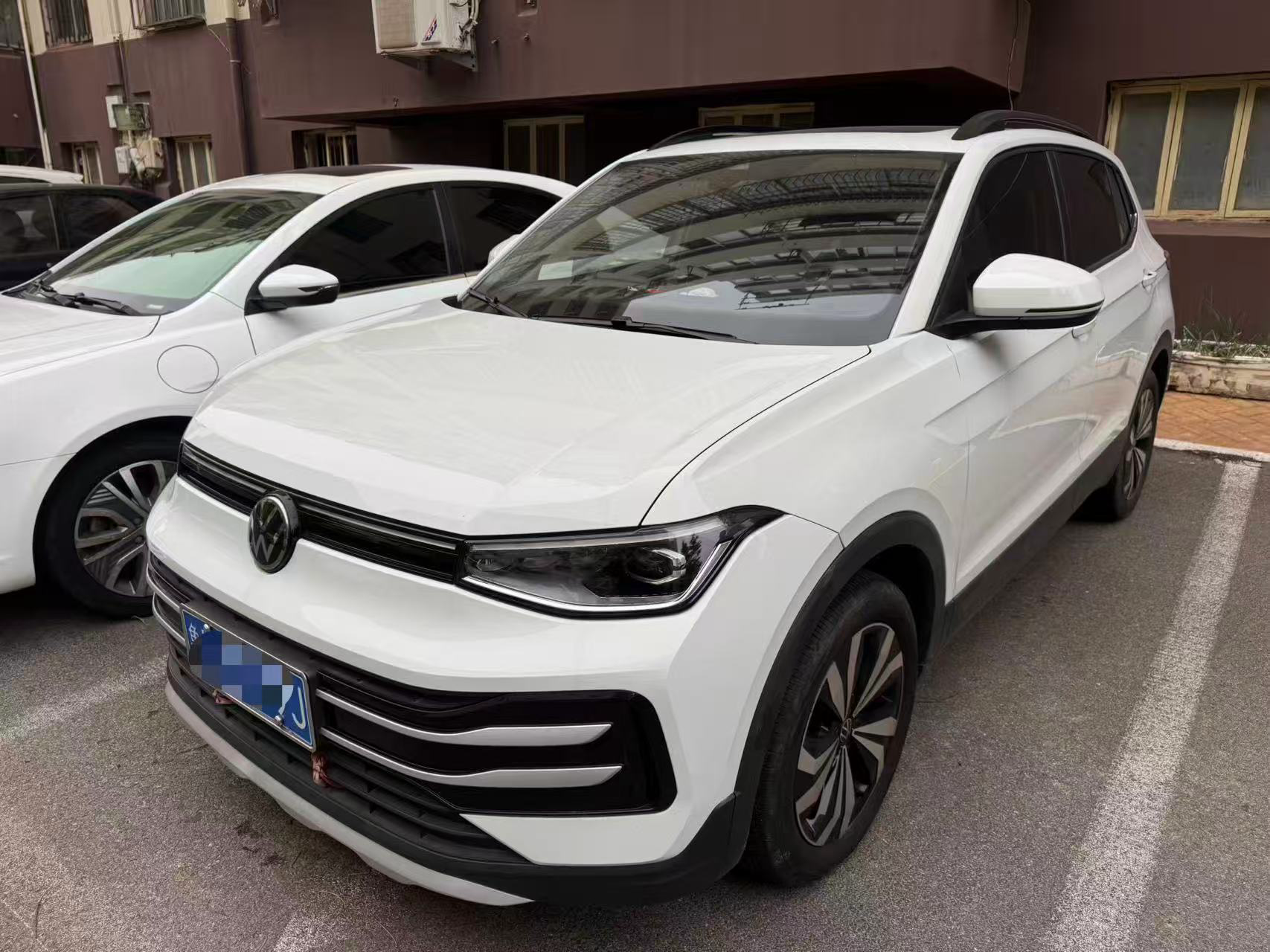
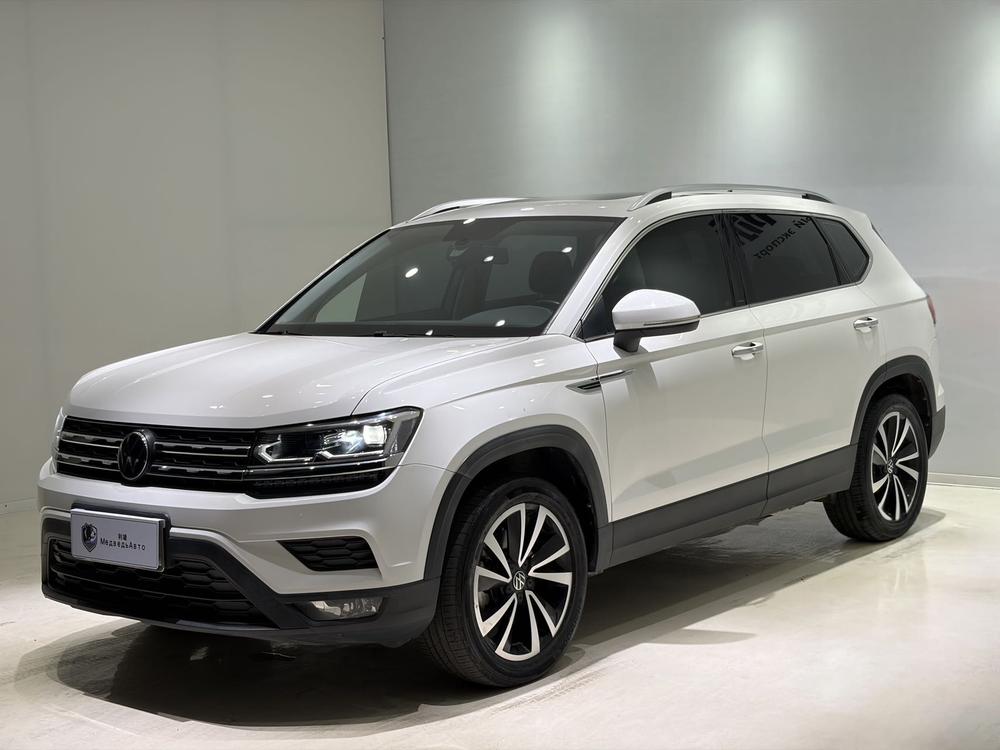
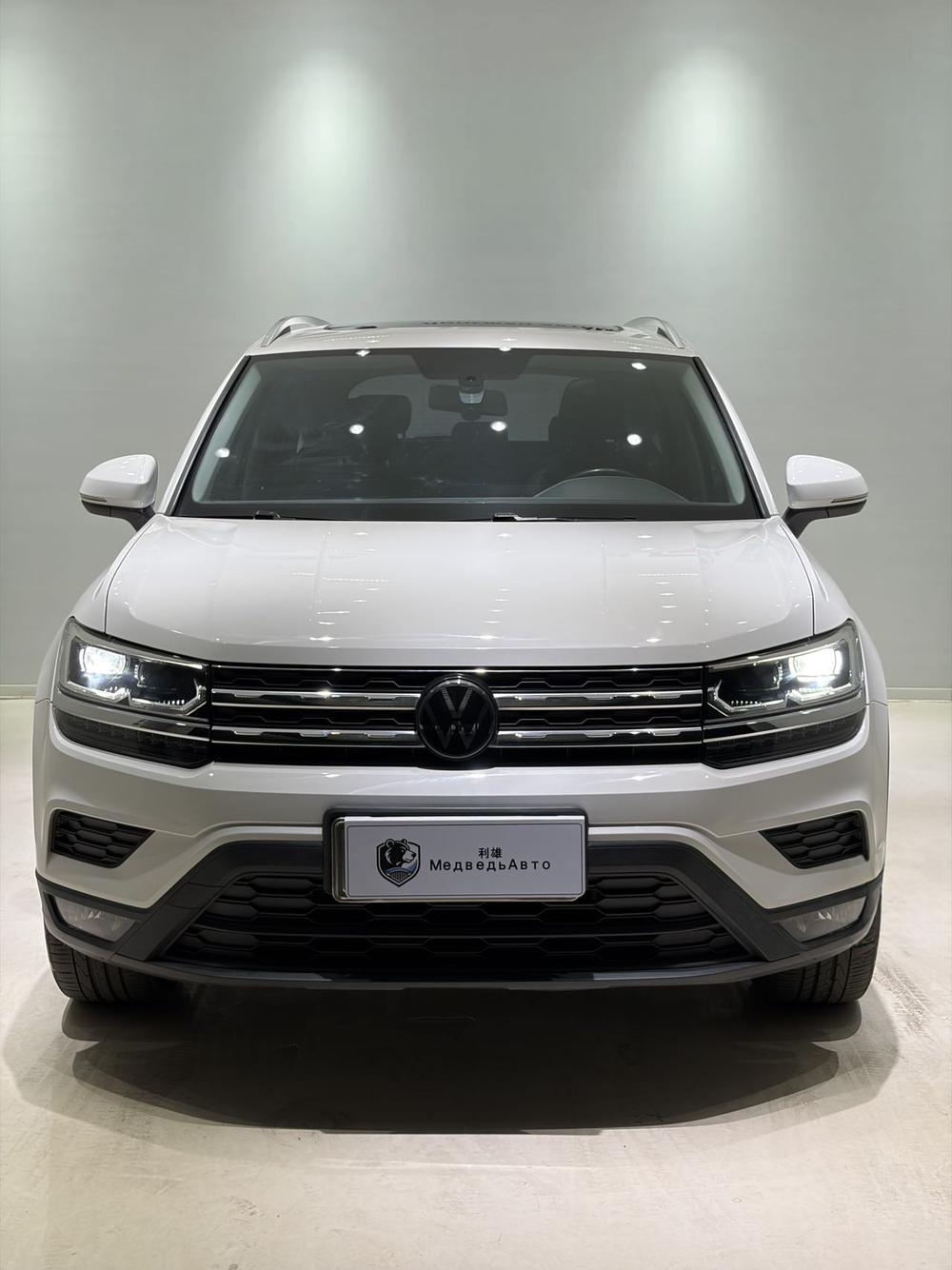
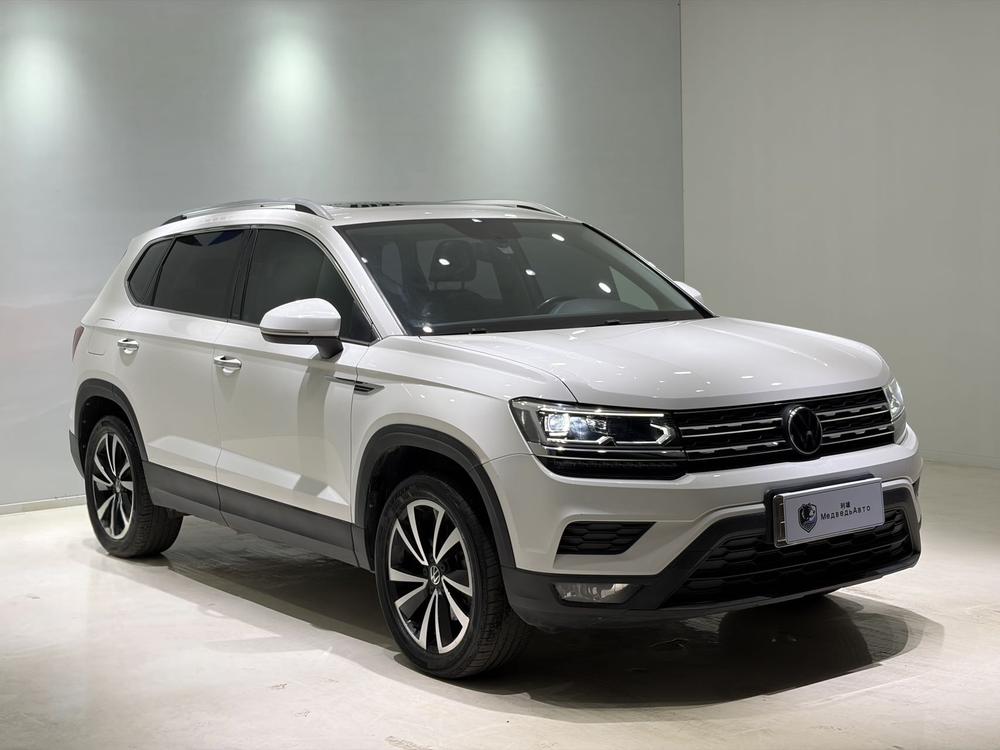
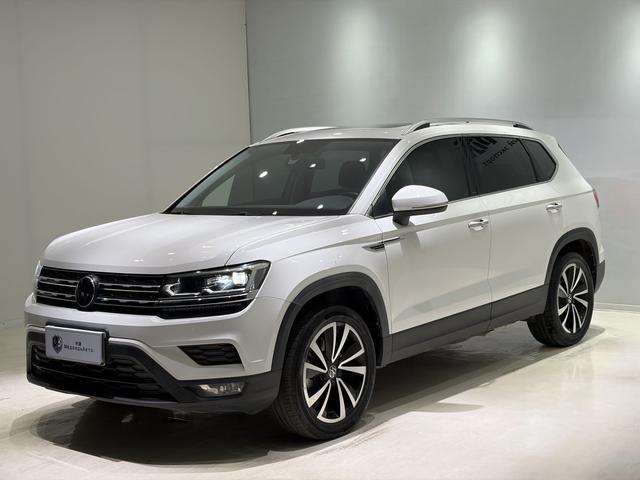
BrandVolkswagen
SeriesTharu
Year2022
First Registration2022/10
Mileage14,000km
Transfer Count0times
FuelGasoline
TransmissionDCT
Engine1.4T 150 L4
Color
Seats-

Condition Description

官方质检 · 60天全车质保· 7天无理由有偿退车

Configuration Highlights

✓上牌时间: 2022-10
✓表显里程: 1.4万公里
✓车源地: 日照
✓排放标准: 国六
✓百公里加速: 9.7s
✓发动机: 1.4T
✓轴距: 2680mm
✓变速箱: 自动
✓功能配置: 18项
✓安全配置: 5项
✓动力类型: 前驱
✓空间舒适性: 不错

Q&A

More

What does a professional pre-shipment inspection in China cover, and how do I book one independently of the seller?

A proper inspection covers roughly 200 checkpoints in four areas: 1. Body and paint: panel gaps, paint thickness readings, signs of accident repair. 2. Mechanical: engine health report, transmission behavior, suspension, underbody on a lift, fluid condition. 3. Electronics: full OBD diagnostic scan, airbag history, all lights and comfort features. 4. Documentation: VIN matches everywhere, no lien or seizure record. You can book directly with inspection companies in Guangzhou, Shanghai, or Tianjin (typically USD 100–250) without going through the seller—give them the yard address and car details, and they send a report with photos and video within 1–2 days. Pay the inspection fee yourself so the inspector answers to you, not the exporter.


What are freight surcharges like BAF and PSS, and can I lock in a shipping rate when importing a used car from China?

Beyond the base ocean freight, carriers add surcharges that fluctuate monthly: BAF (bunker adjustment factor, tied to fuel prices), PSS (peak season surcharge, typically before Chinese New Year and summer), and congestion or war-risk surcharges for specific ports. These can add 10-30% to quoted freight, which is why a cheap rate today may not hold next month. To protect yourself: ask the exporter or forwarder for a rate validity period in writing (usually 2-4 weeks), and book space as soon as the inspection passes. For single cars this is standard practice. Also confirm whether the quote is all-in (including origin port fees, THC, and documentation) or freight-only. Comparing all-in quotes is the only reliable way to avoid surprises when the invoice arrives.

How can I decode a Chinese VIN, and what does it tell me about a used car's origin and specs?

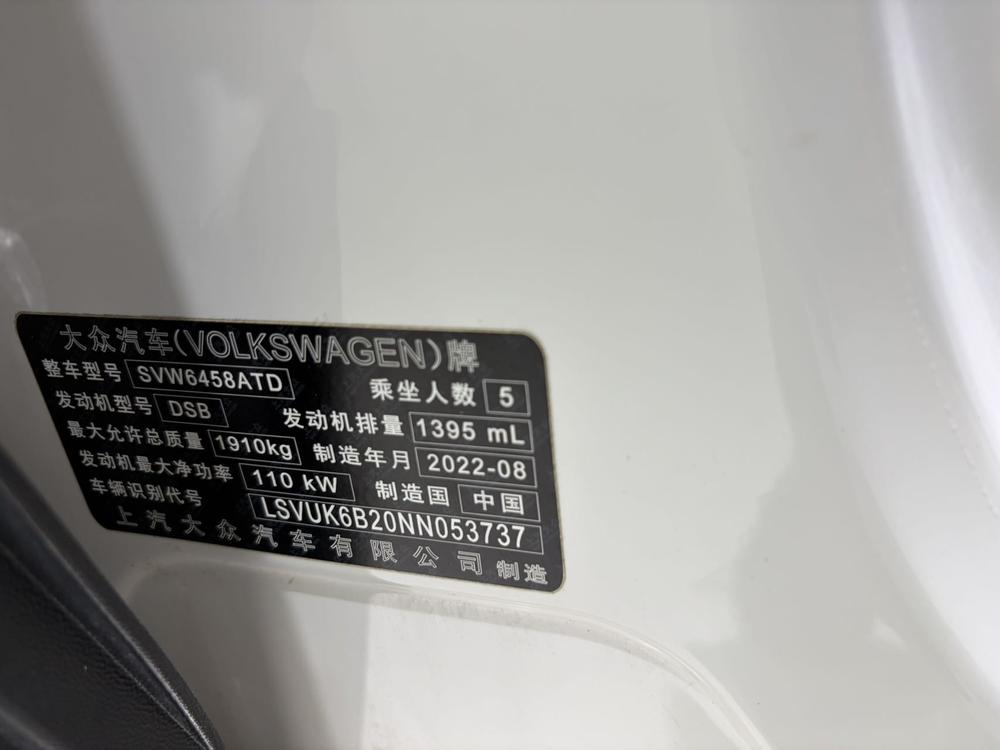
A Chinese-market VIN has 17 characters, and several positions are genuinely useful. Characters 1-3 are the WMI: the first character L confirms the car was built in China, and the next two identify the manufacturer (for example LFV for FAW-VW, LSV for SAIC-VW, LGX for BYD). Character 10 is the model year code, and character 11 usually identifies the assembly plant. Cross-check the decoded data against the vehicle nameplate on the B-pillar and the Chinese registration certificate. If the decoded plant or year contradicts the paperwork, walk away — relabeled VIN plates are a classic sign of a rebuilt or cloned vehicle. Generic online decoders cover Chinese domestic models poorly. In practice, ask your exporter or inspection agent to pull the manufacturer's build sheet using the VIN: it lists factory options, battery supplier and production date, which is far more reliable than any free decoder.