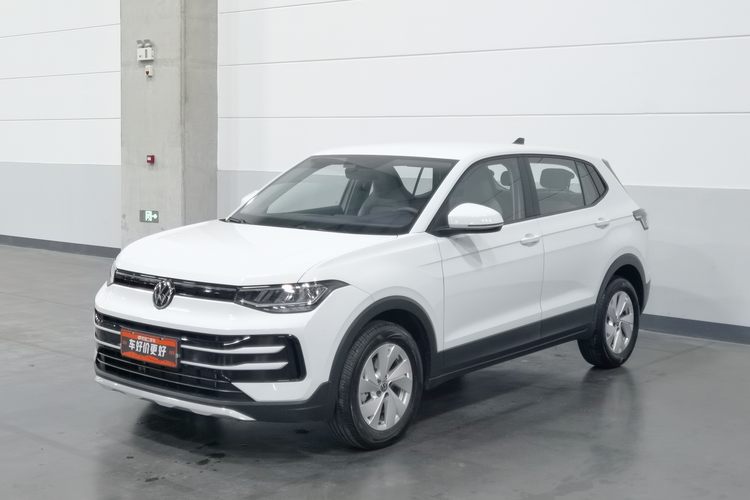
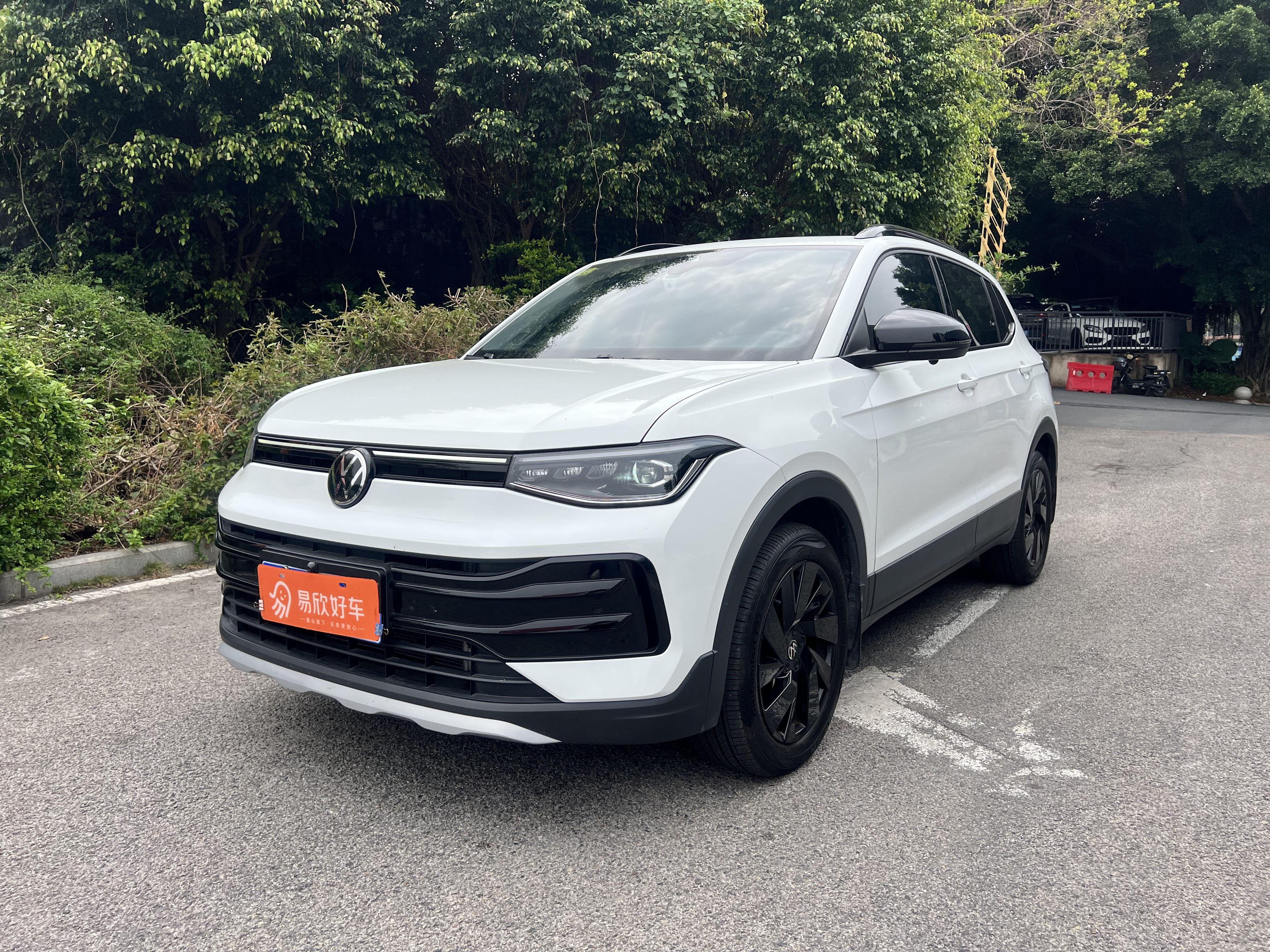
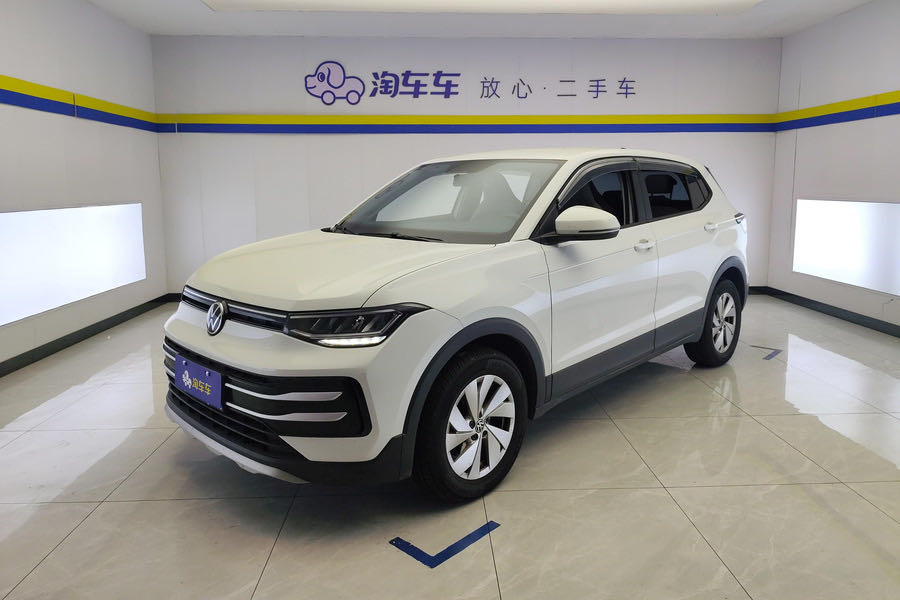
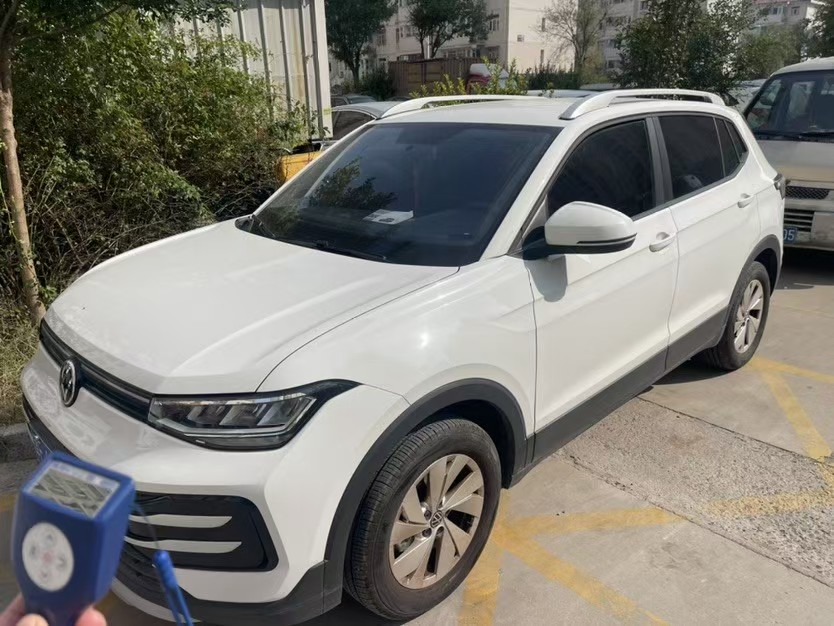
Basic Information

BrandVolkswagen
SeriesTharu
Year2023
First Registration2023/07
Mileage29,000km
Transfer Count0times
FuelGasoline
TransmissionDCT
Engine1.4T 150 L4
Color
Seats-

Condition Description

官方质检 · 60天全车质保· 7天无理由有偿退车

Configuration Highlights

✓上牌时间: 2023-07
✓表显里程: 2.9万公里
✓车源地: 青岛
✓排放标准: 国六
✓百公里加速: 9.7s
✓发动机: 1.4T
✓轴距: 2680mm
✓变速箱: 自动
✓功能配置: 18项
✓安全配置: 5项
✓动力类型: 前驱
✓空间舒适性: 不错

Q&A

More

How can I verify the odometer reading is genuine on a Chinese used car from abroad?

Odometer fraud exists everywhere, but cross-checking several data points makes it hard to fake: 1) Maintenance records: ask for service history with mileage entries. Gaps or resets are red flags. 2) Tire wear: a car showing 30,000 km should not have nearly bald tires. Compare tread depth against the claimed mileage. 3) Pedals, steering wheel, and seat bolsters: heavy wear on these with low odometer readings is a classic mismatch. 4) Diagnostic scan: request an OBD readout. Many control modules store mileage data internally — if the ECU shows 120,000 km while the dash shows 40,000, you have your answer. 5) Vehicle history report: in China, apps and platforms can pull insurance claim records and registration history, which often reveal the true mileage trail. Always request a live video showing the odometer with the engine running, and have the number written into your contract.


Why do some low-mileage, relatively new "almost new cars" get sold by their original owners?

There are various reasons, including but not limited to: financial needs, restrictions from lottery policies, moving abroad, or dissatisfaction with certain features of the vehicle. We will ensure that the vehicle was not sold due to catastrophic failures by ruling out major accidents, water damage, and flooding.

How are import duties on used cars from China calculated, and which HS code applies?

Used cars are classified under HS heading 8703 (motor vehicles for transport of persons), with the last four digits determined by engine type and size. Gasoline cars usually fall in 8703.21–8703.80 depending on displacement; pure EVs fall under 8703.80; hybrids have their own subheadings. The duty amount depends on your country's tariff schedule: 1. Most countries charge duty on the CIF value (car price + freight + insurance), not the FOB price. 2. Many developing markets levy higher duties on used vehicles than new ones, and some add a surcharge based on age — older cars can cost significantly more to clear. 3. After duty, you typically pay VAT/GST on the CIF + duty total, plus port and customs fees. Practical tips: ask your exporter to state the exact HS code on the commercial invoice and confirm it with a local customs broker before shipping. A wrong code can trigger reclassification, penalties, or delays. Also budget for any excise tax tied to engine capacity — in several markets a 2.5L car clears far cheaper than a 3.5L one.