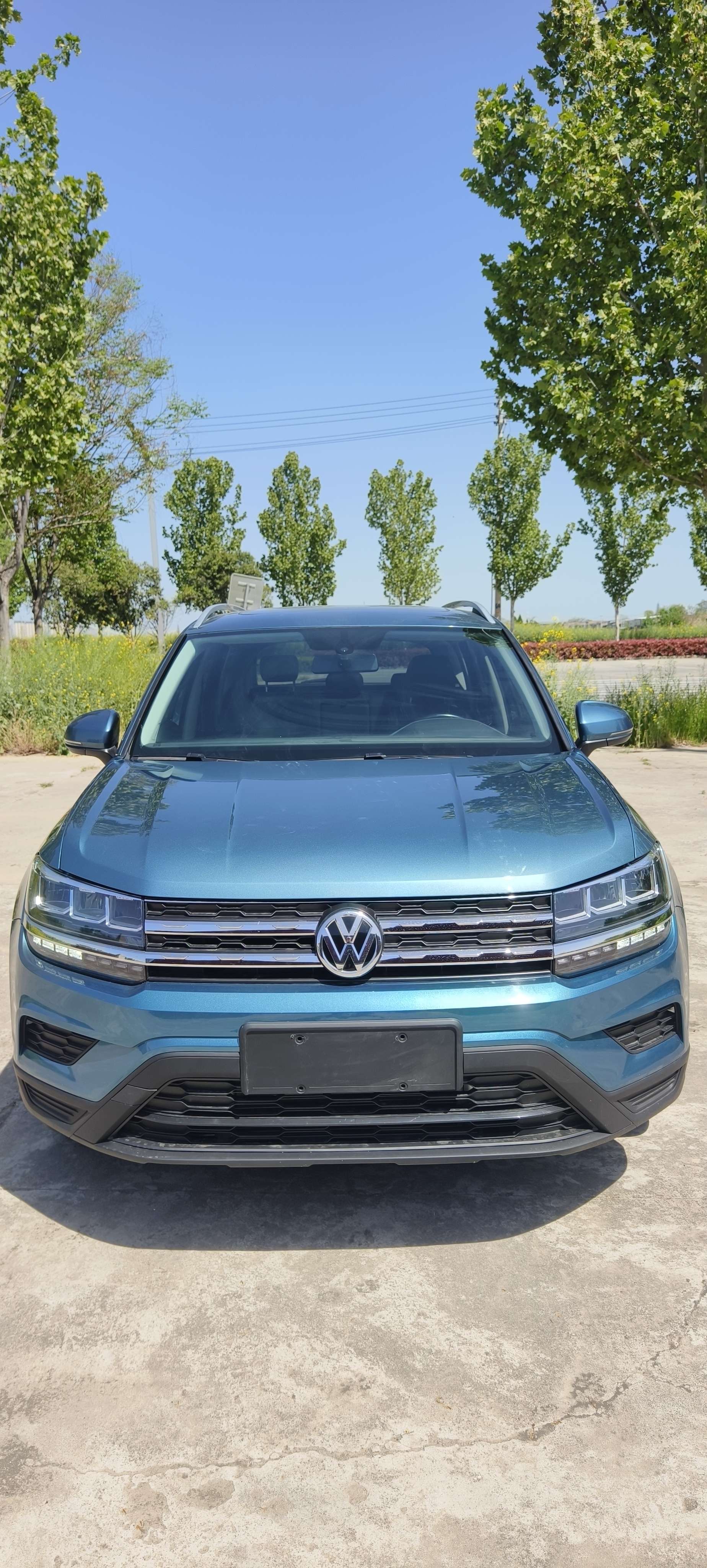
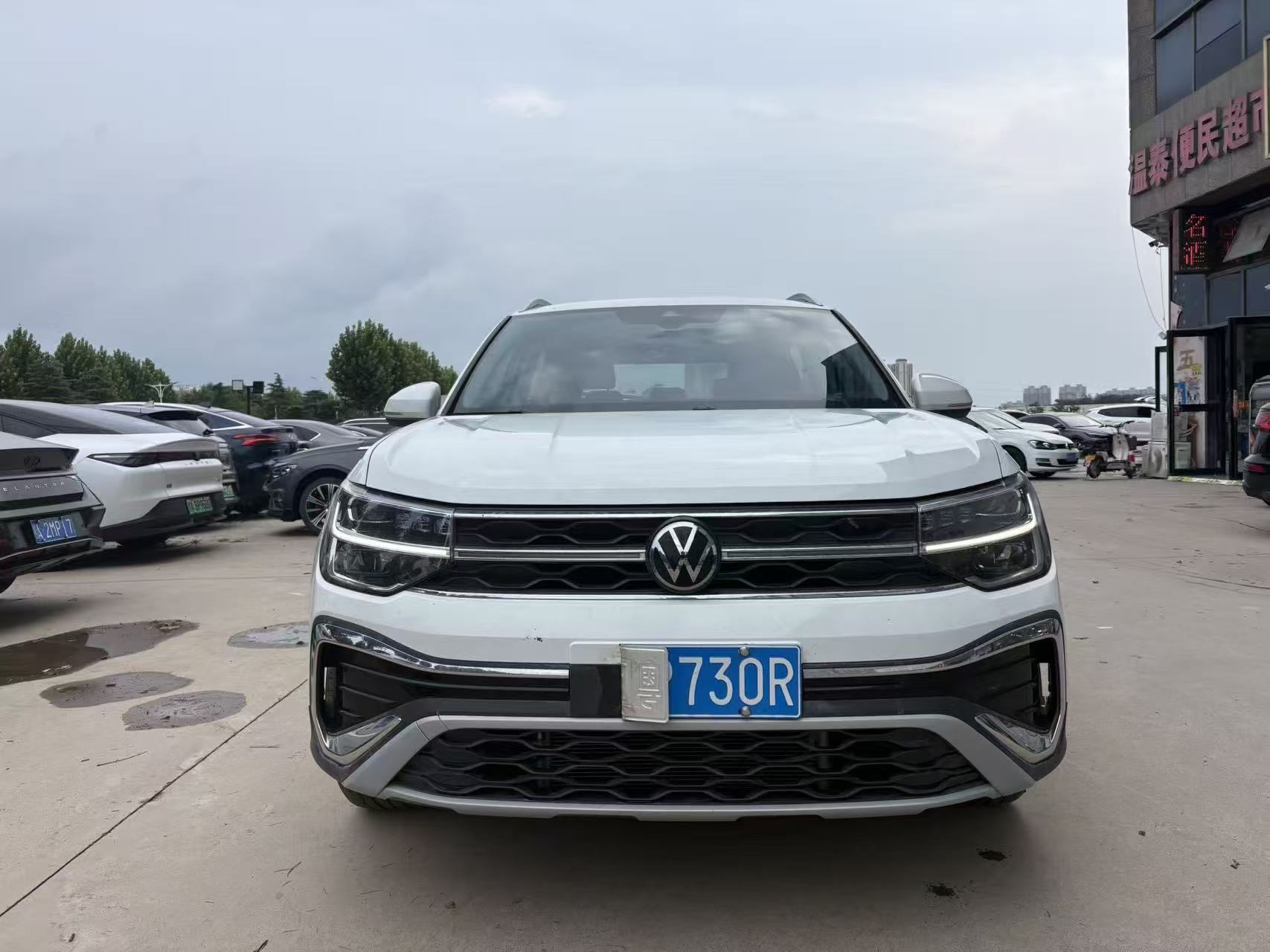
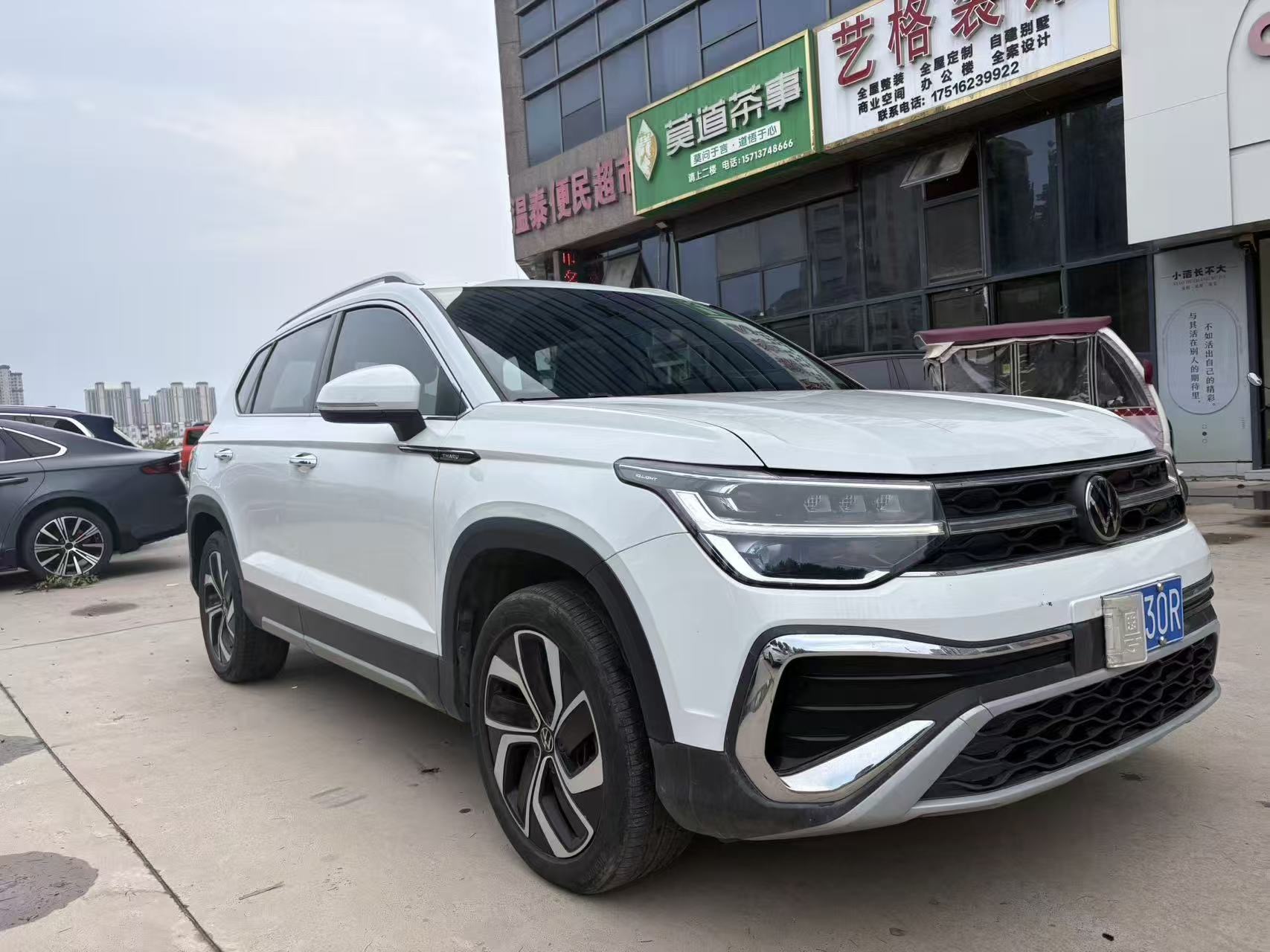
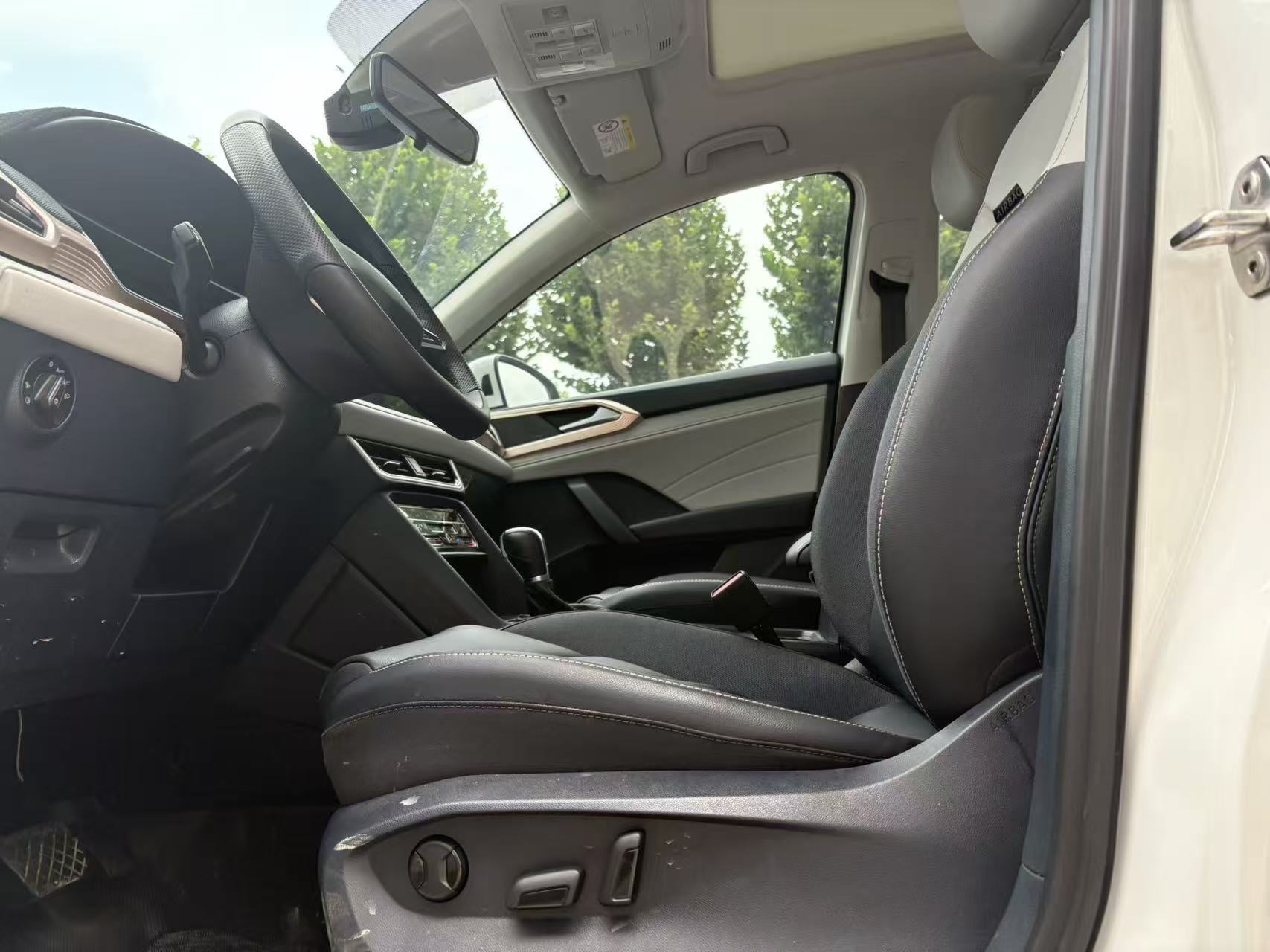
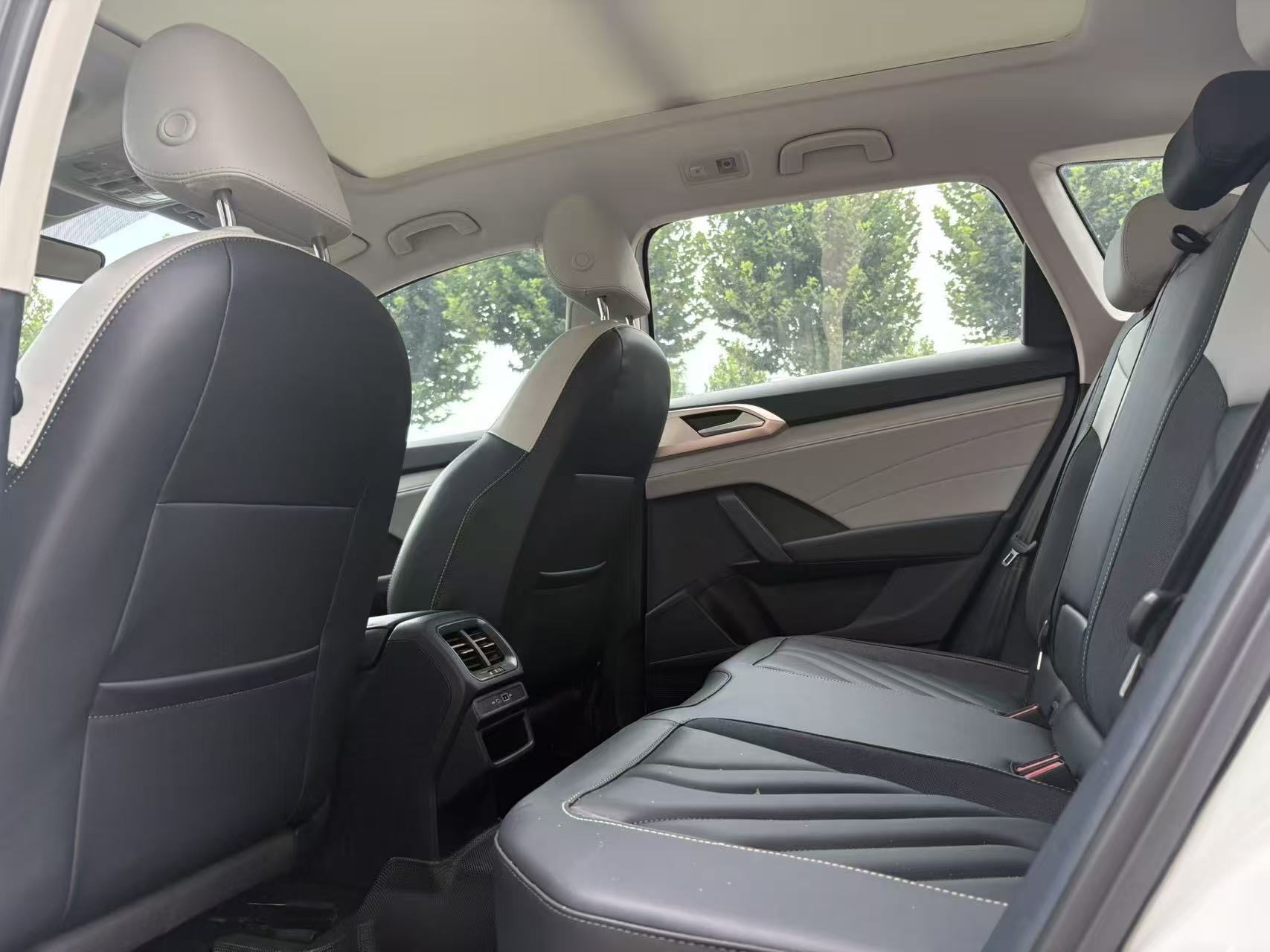
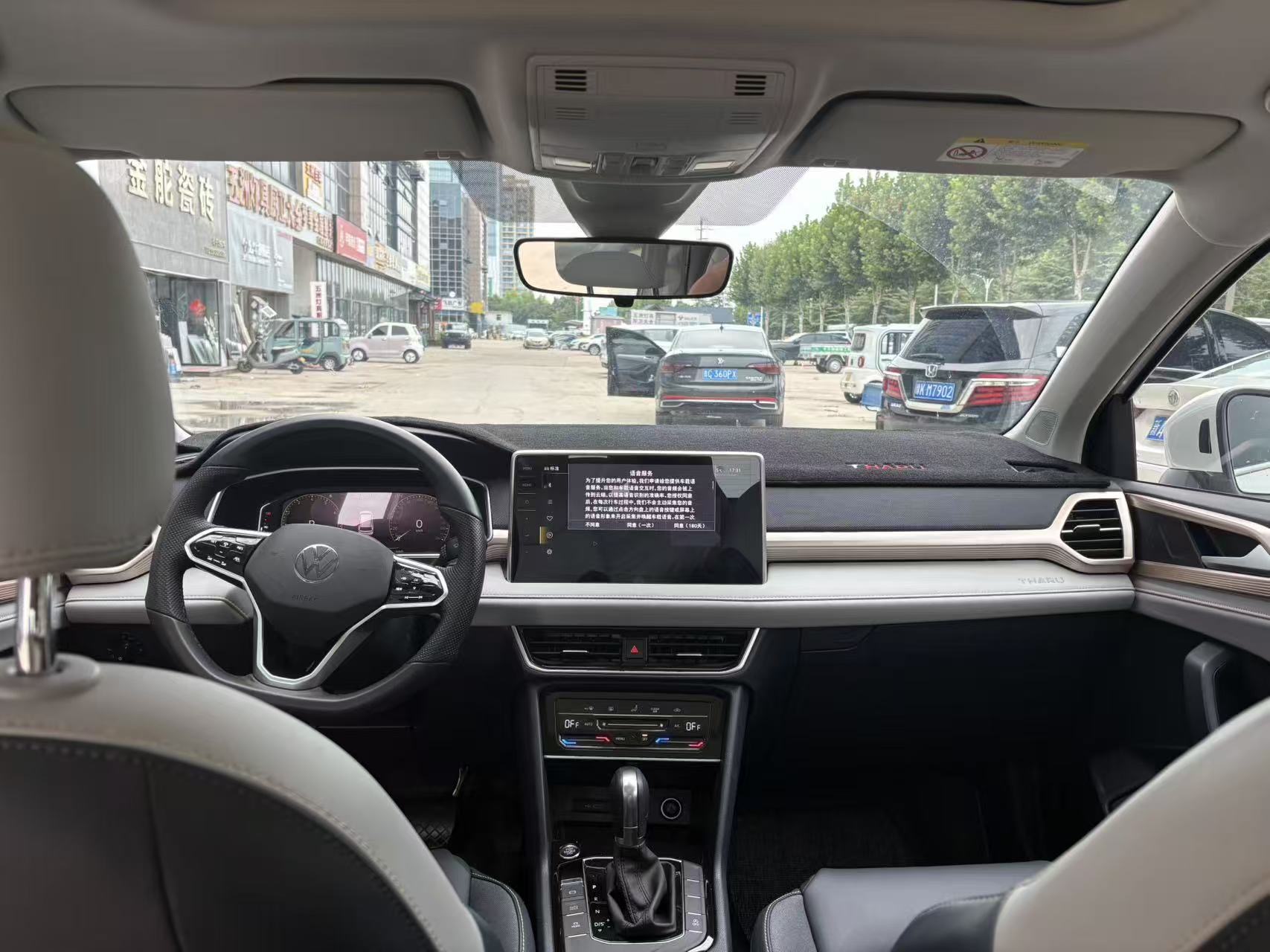
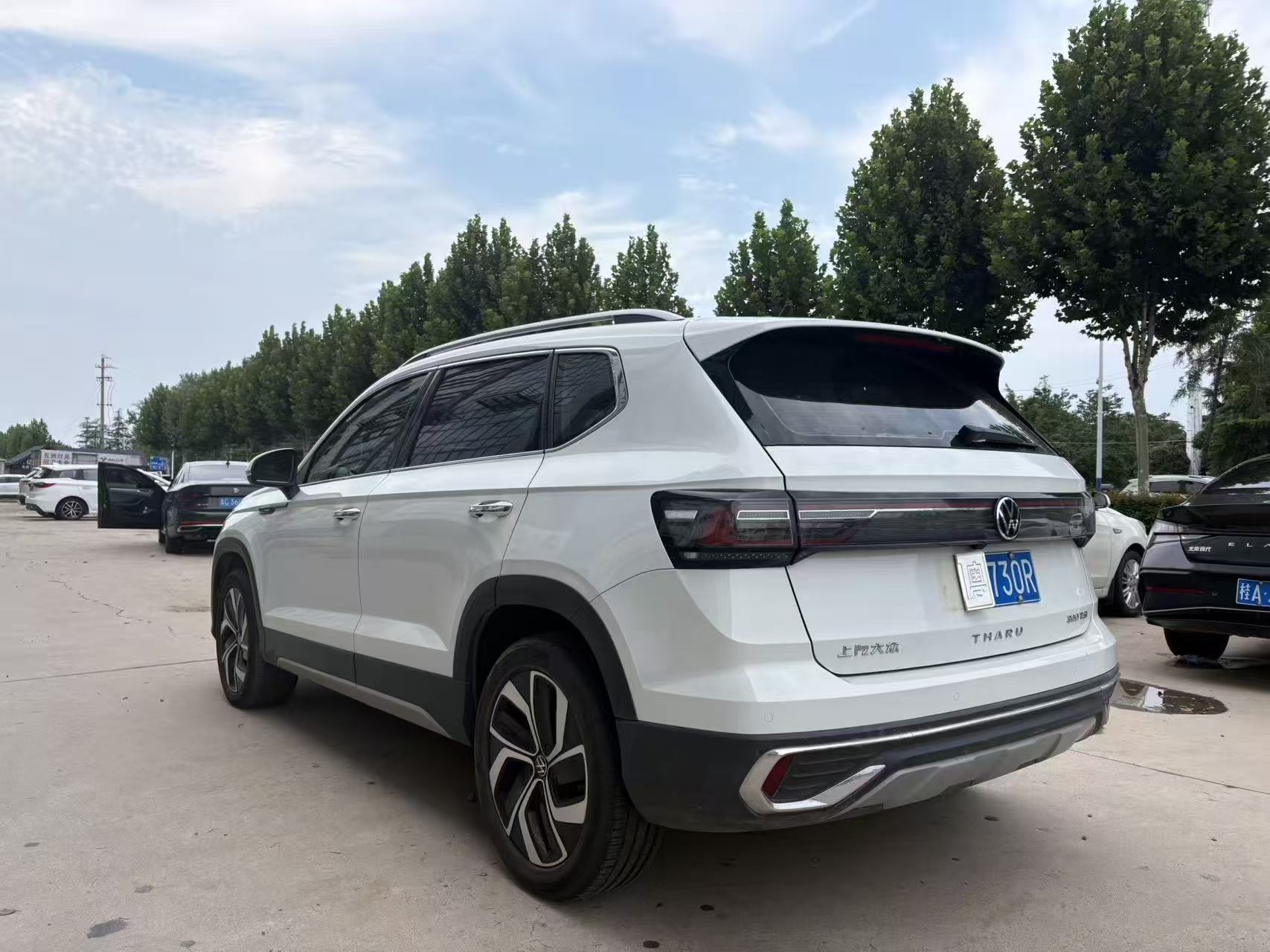
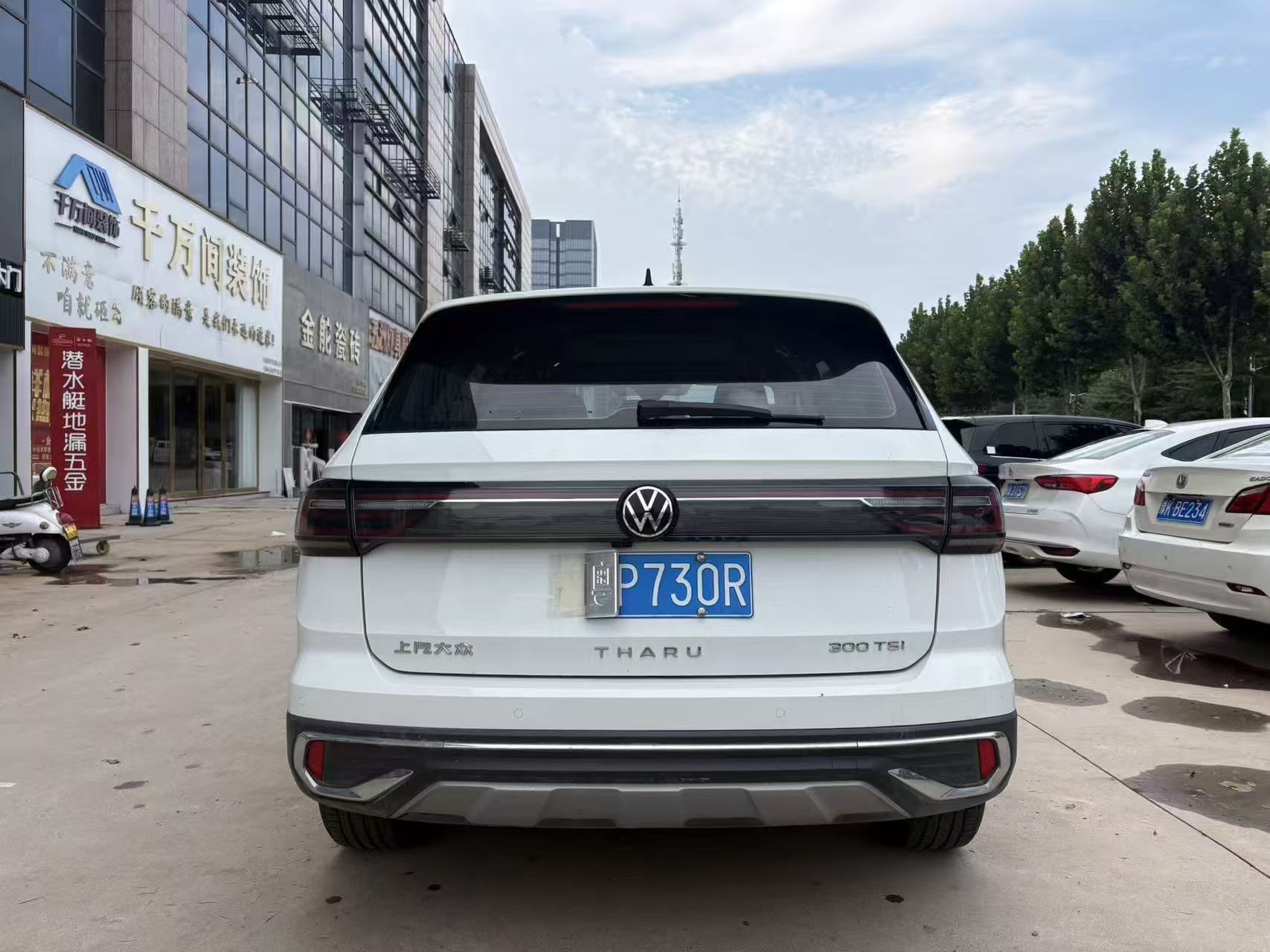



Basic Information

BrandVolkswagen
SeriesTharu
Year2024
First Registration2024/08
Mileage20,000km
Transfer Count1times
FuelGasoline
TransmissionDCT
Engine1.5T 160 L4
ColorWhite
Seats-

Condition Description

Original condition, no accidents, no water damage, meticulously repaired. No faults.

燃油车
SUV
自动
维保开放
事故开放
查验开放

Configuration Highlights

✓品牌: 大众
✓车系: 途岳
✓车型: 2023款 300TSI 两驱月尊版
✓车身类型: SUV
✓座位数: 5
✓排量: 1.5T
✓变速箱: 自动
✓能源类型: 燃油车
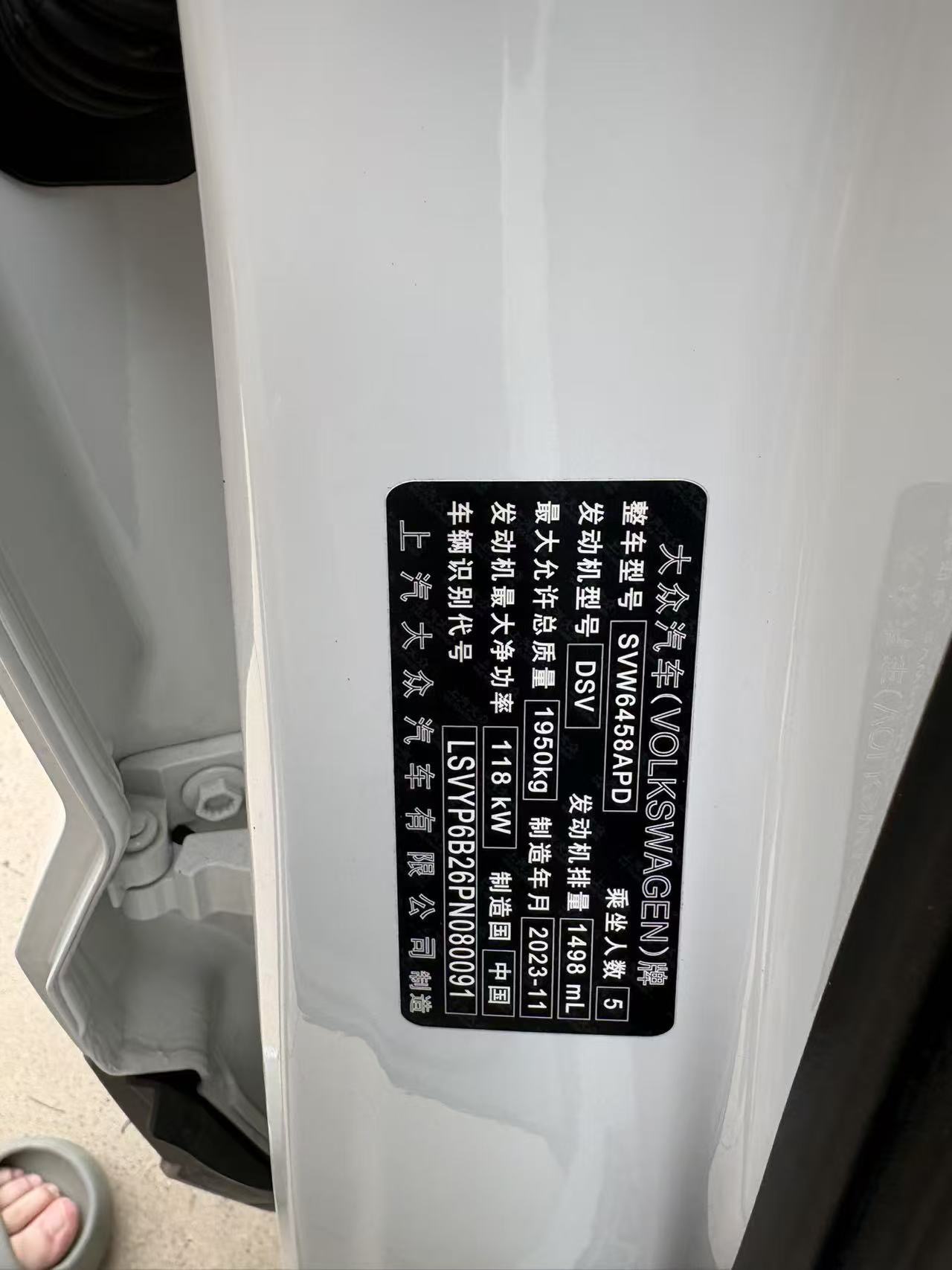
✓VIN: LSVYP6B26PN080091
✓搜索关键词: 大众途岳 2023款途岳300TSI两驱月尊版

Document Information

Inspection Expiry Date2027/08
Warranty Expiry Date-
Insurance Expiry Date2027/08

Q&A

More

What are the specific evaluation criteria for "original paint" on your platform? Does repainting a bumper count?

Strict definition: All metal body parts (doors, hood, fenders) and the frame must retain the original factory paint, with uniform paint thickness readings. Minor touch-ups or replacements of plastic bumpers, as they do not affect metal corrosion protection and vehicle structure, can still be classified as "original paint" in a broad sense, but we will separately note the condition of the bumper.


How will the high-voltage protective armor of an electric vehicle chassis be handled if there are minor scraping marks within safety tolerances?

As long as the scratches do not damage the aluminum battery pack casing and do not cause structural dents in the crash beam, we will document it in the inspection report as "Surface Scuff" and no replacement will be made.

Why is there a time difference between the production date on the vehicle nameplate and the first registration date on the registration certificate?

The nameplate date is the absolute time when the vehicle leaves the factory; the registration date is when the vehicle is registered with the traffic management department after sale. The difference represents the time the vehicle spent in the dealer's warehouse or logistics. If the time difference exceeds 6-8 months, the vehicle is considered a "stock vehicle," and we pay special attention to the natural aging of its rubber components.