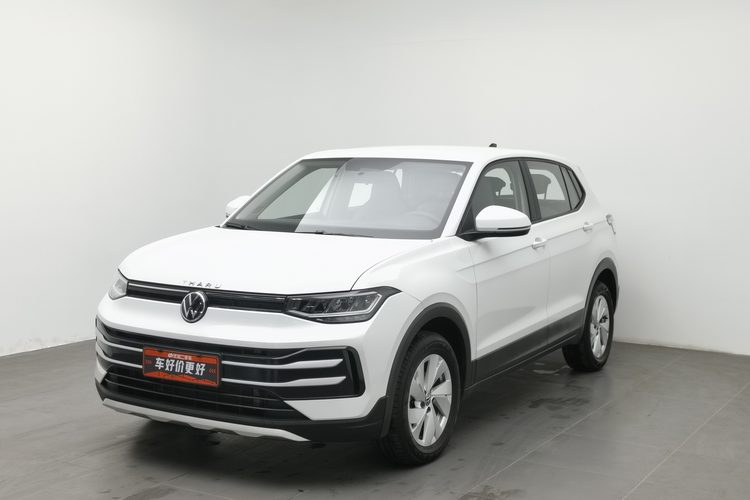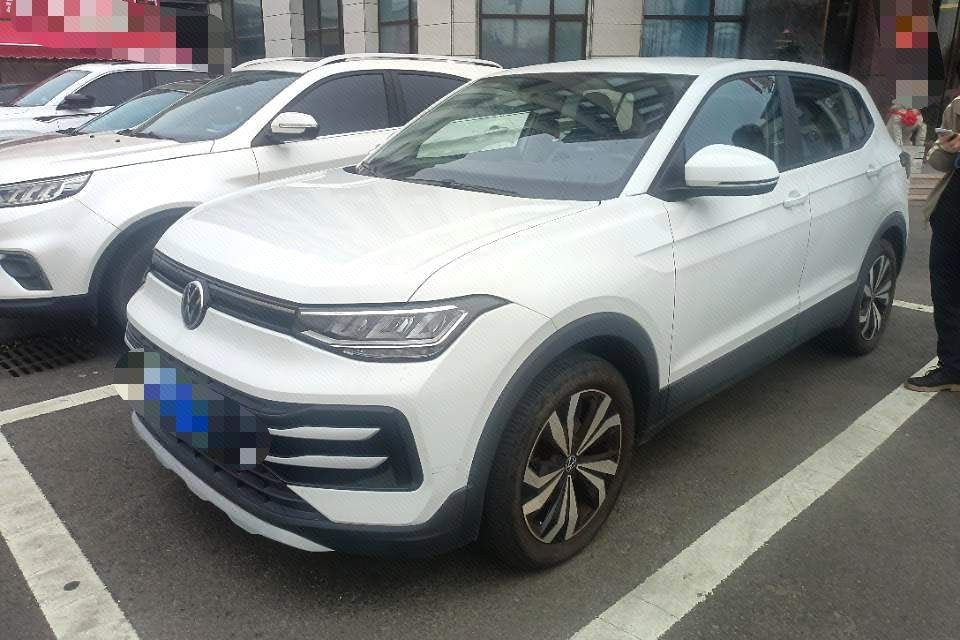
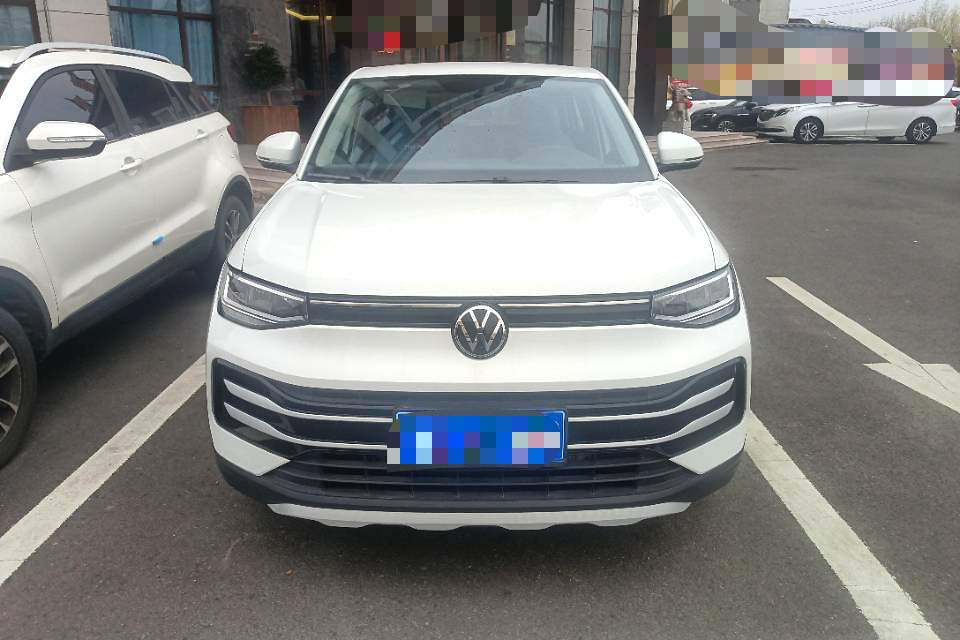
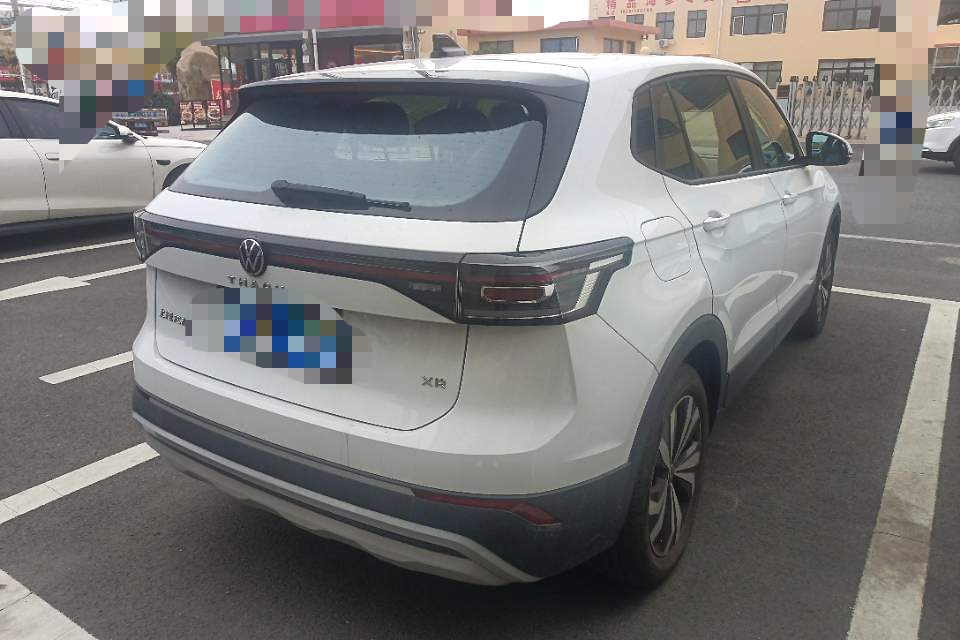



48H

Basic Information

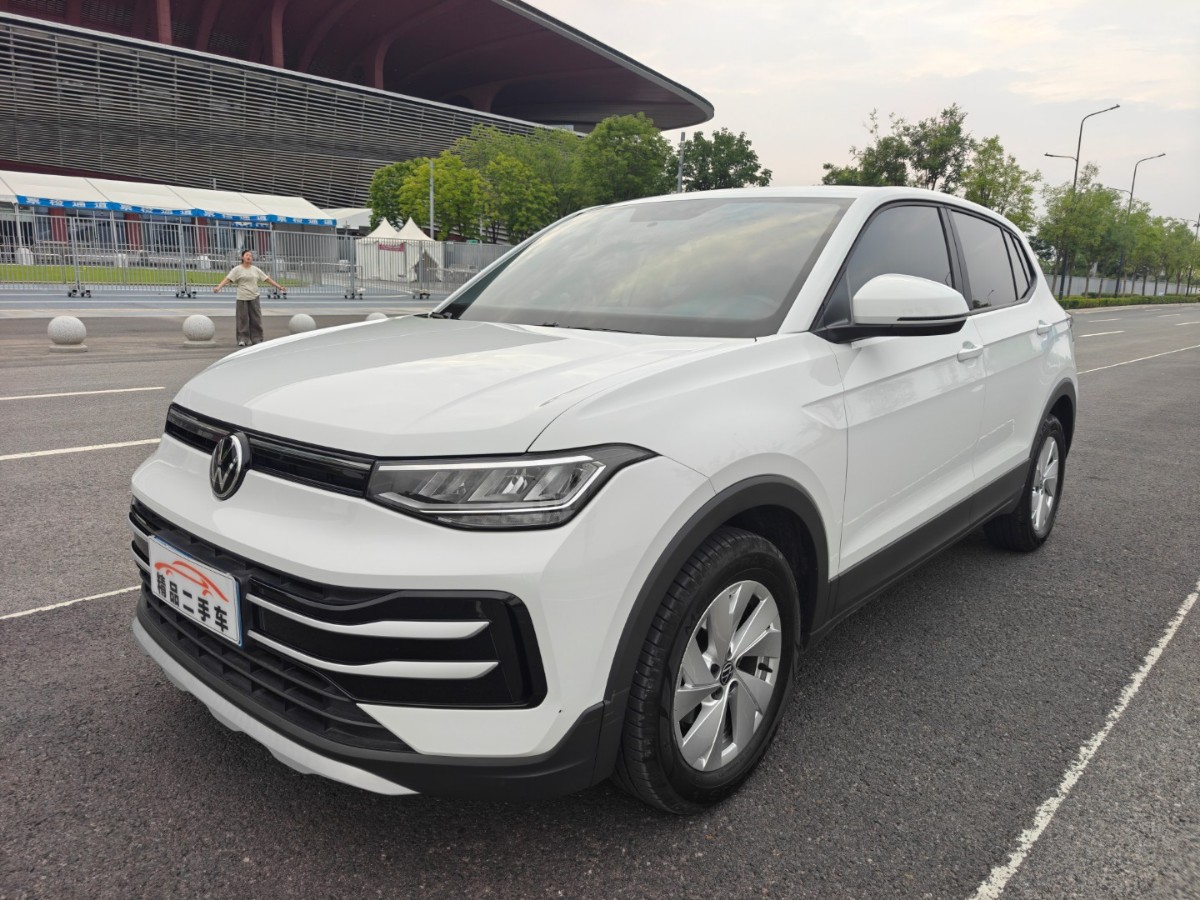
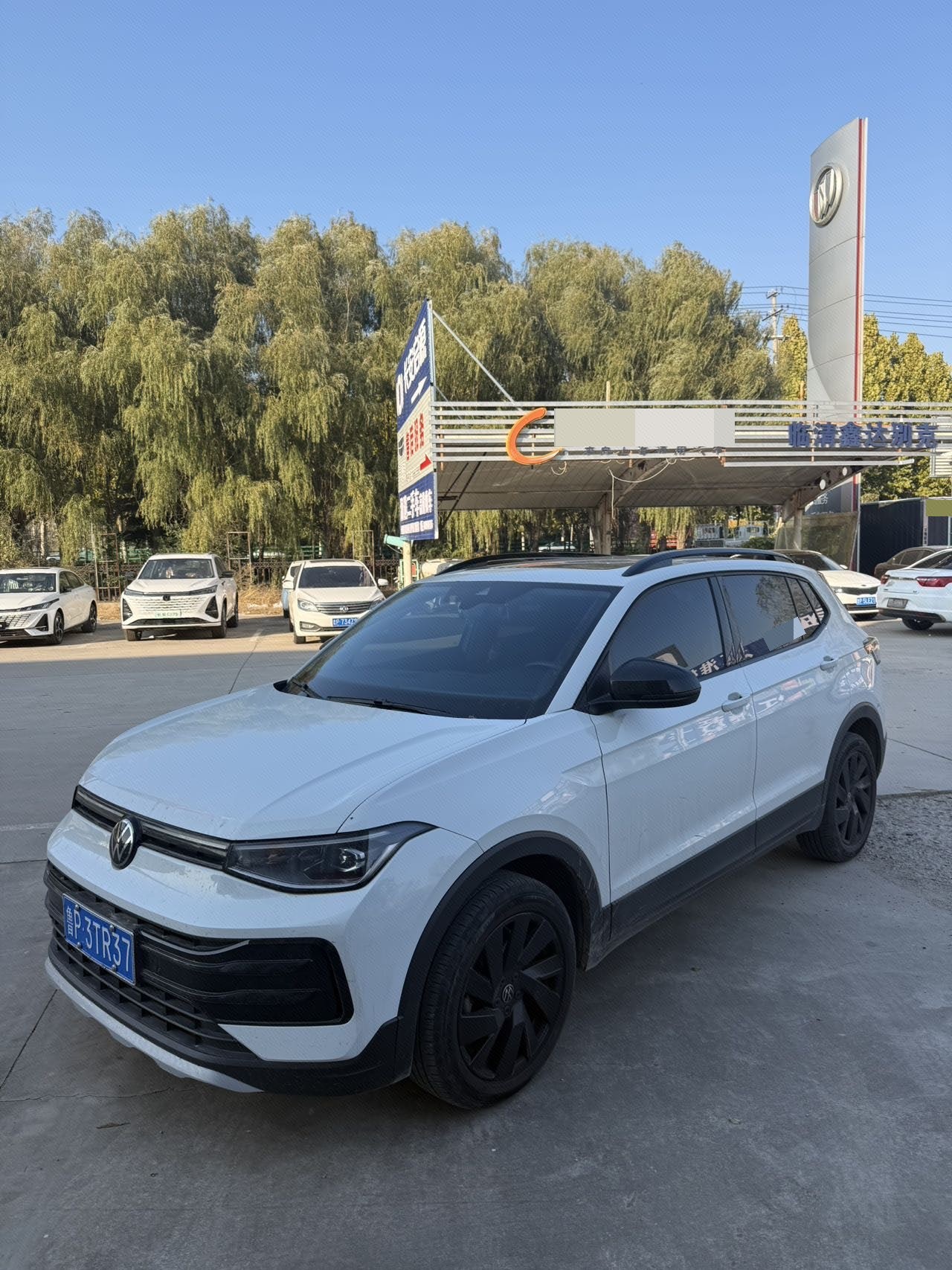
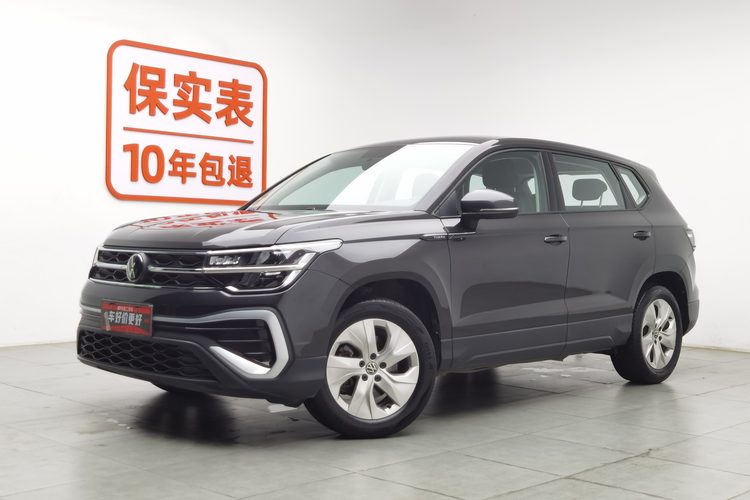
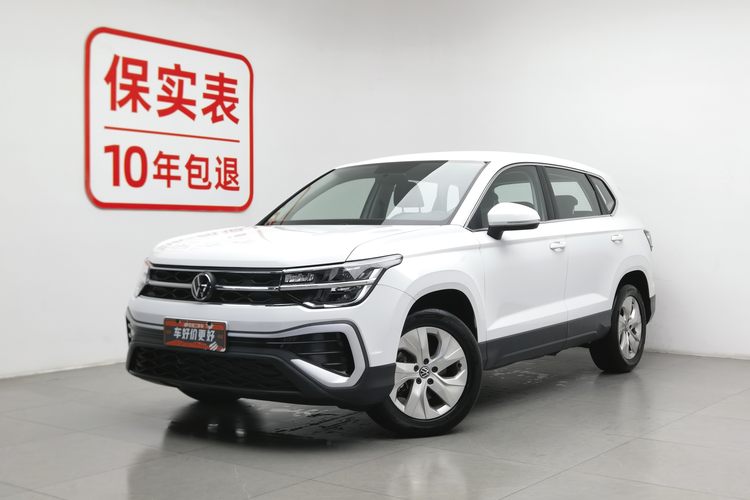
BrandVolkswagen
SeriesTharu
Year2024
First Registration2024/12
Mileage27,000km
Transfer Count0times
FuelGasoline
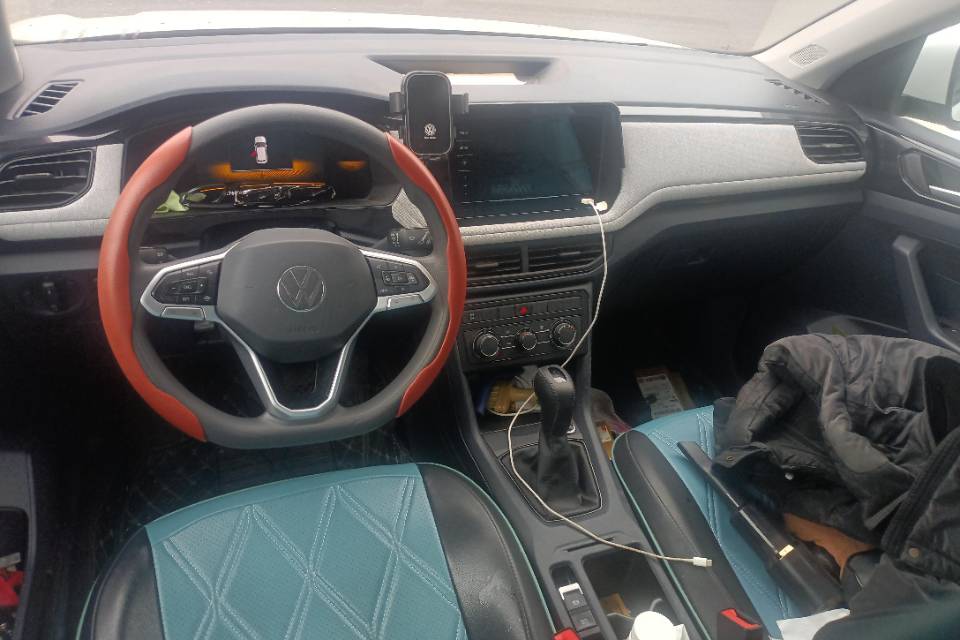
TransmissionManumatic
Engine1.5L 110 L4
ColorWhite
Seats5seats

Condition Description

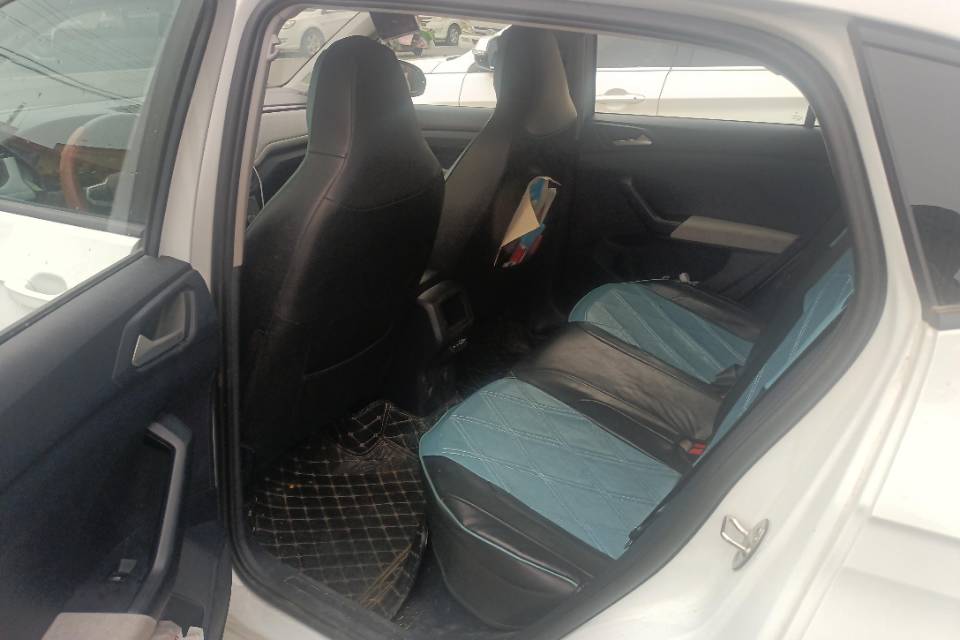
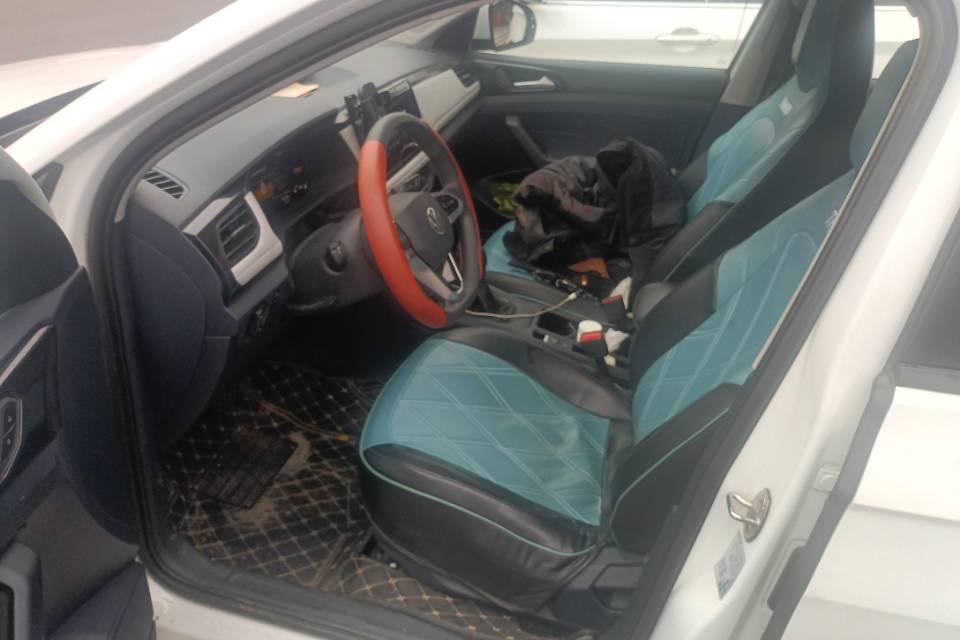
First-hand ownership, original paint throughout, can pass third-party inspection.

Document Information

Inspection Expiry Date-
Warranty Expiry Date-
Insurance Expiry Date2026/12

Q&A

More

Which export documents does the Chinese seller provide, and which import documents do I need to prepare myself?

From the Chinese seller, expect these documents: 1. Vehicle registration certificate (the green book) 2. Driving license/registration card for the vehicle 3. Commercial invoice and sales contract 4. Export declaration documents (packing list, declaration forms handled by their forwarder) 5. Bill of lading, issued once the car is on the vessel You prepare on your side: 1. Import permit or approval, if your country requires one 2. Proof of compliance - emissions, safety, or type-approval certificates your customs authority asks for 3. Bill of lading release documents (original B/L or telex release) 4. Customs declaration through your broker, with your tax ID 5. Payment records - keep the bank transfer receipt, as some customs offices verify the declared value Practical tips: insist the seller removes any lien from the green book before export; verify the VIN on all documents matches the physical car; and confirm your country's age/emissions limits before paying a deposit, not after.


Can you find out the history of a vehicle being stolen and then recovered by the police through traffic management data?

The underlying data of the China Public Security Traffic Management Network (12123 platform) has strict records for stolen vehicles. Any vehicle that is currently stolen or has had a complex criminal case that is not fully resolved cannot complete the transfer for export.

Why are the shipping costs for used electric vehicles (EVs) usually higher than for internal combustion engine vehicles (ICEs)?

Pure electric vehicles are classified as Class 9 Dangerous Goods due to their large lithium batteries, leading to strict shipping regulations. Shipping companies have high requirements for the loading position and fire isolation measures for dangerous goods, and some roll-on/roll-off ships refuse to accept used EVs. As a result, EVs often require more expensive special container shipping and incur additional handling fees for hazardous materials.