


Stock

Basic Information

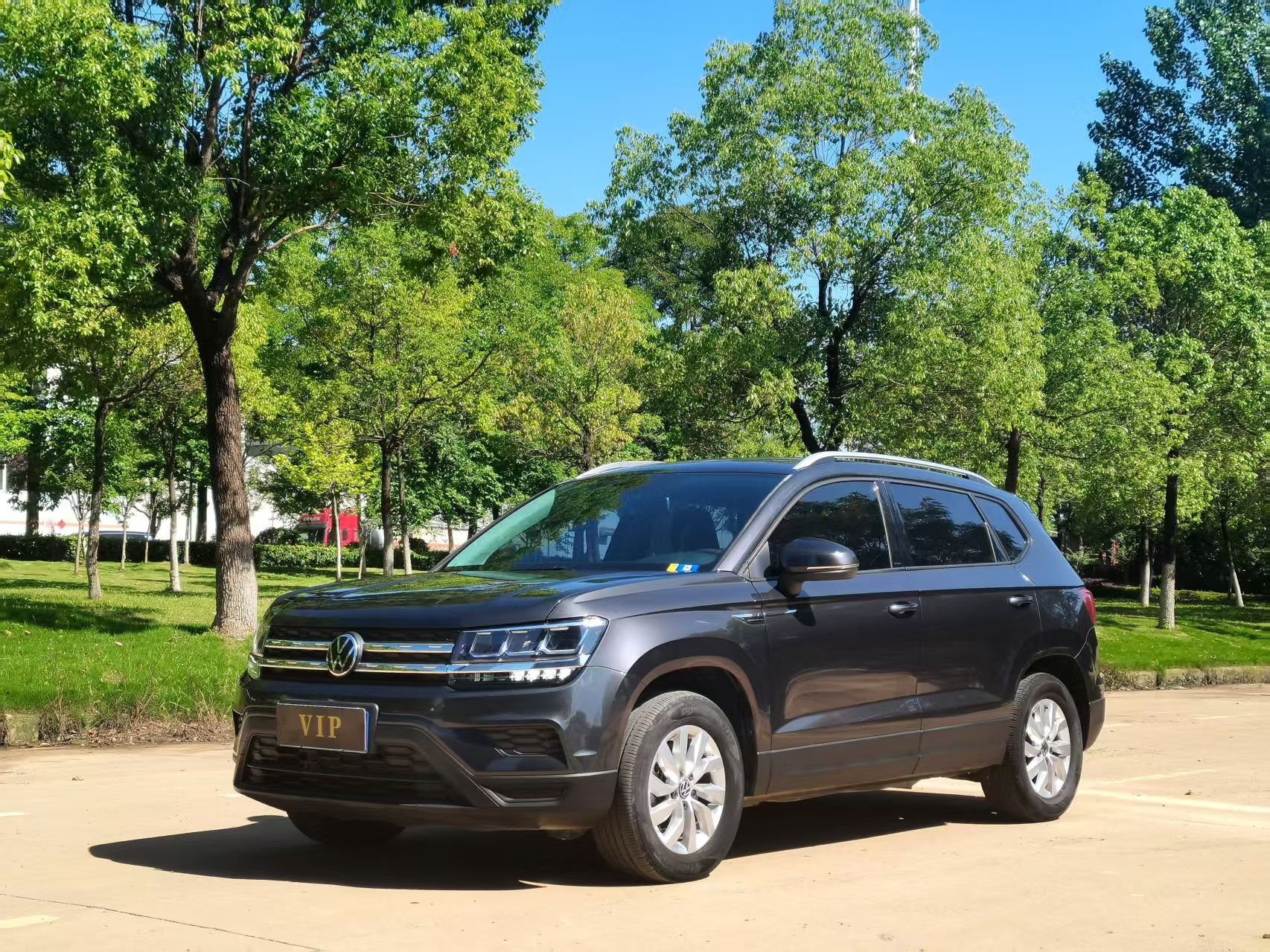
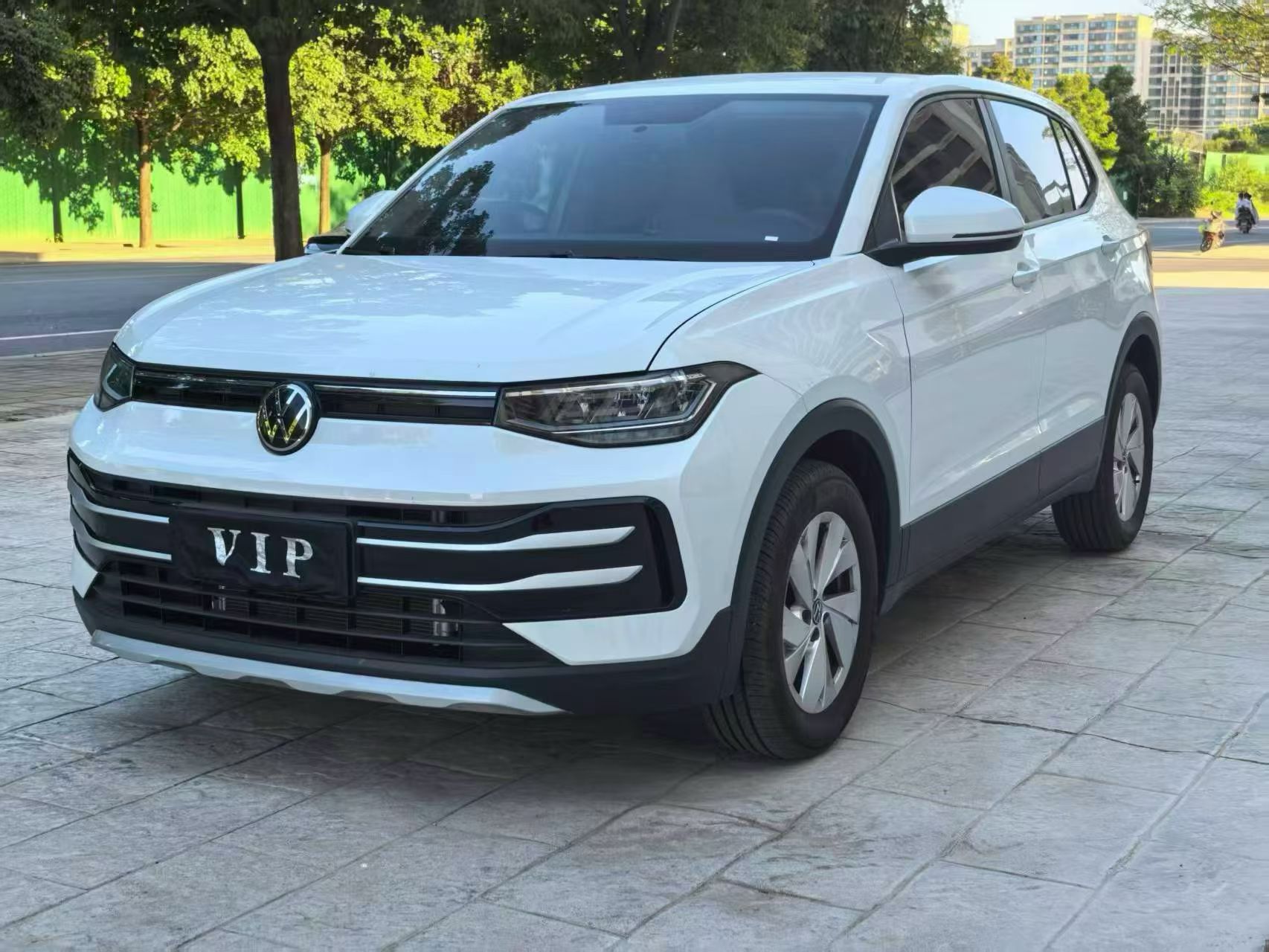
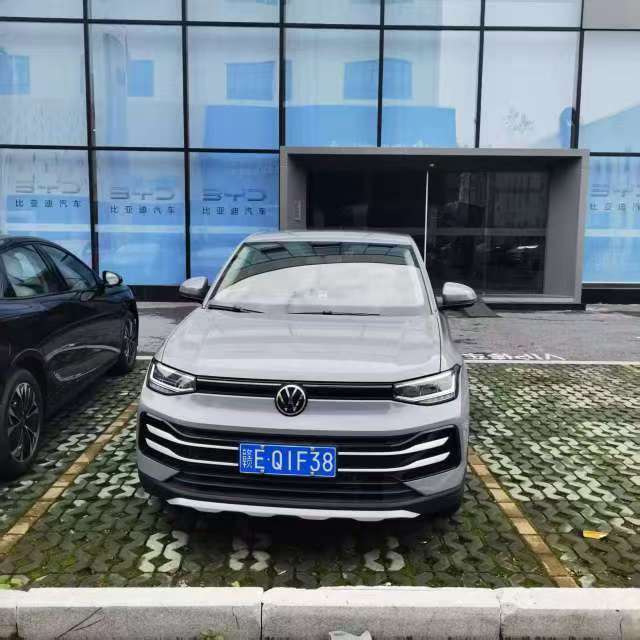
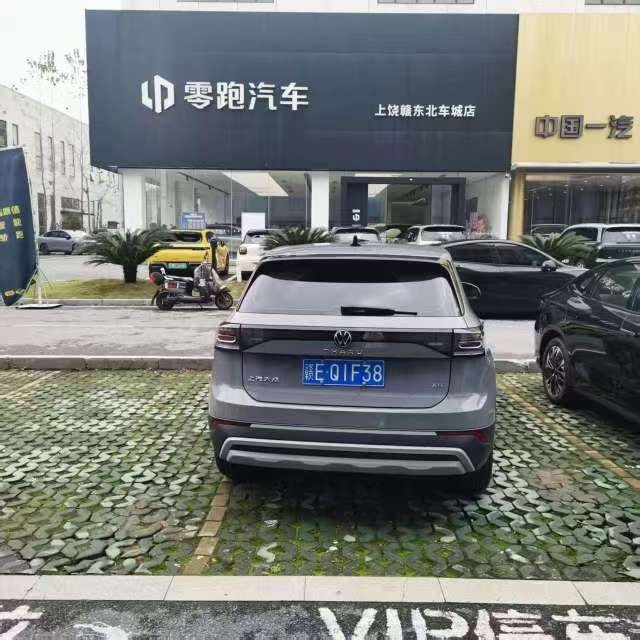
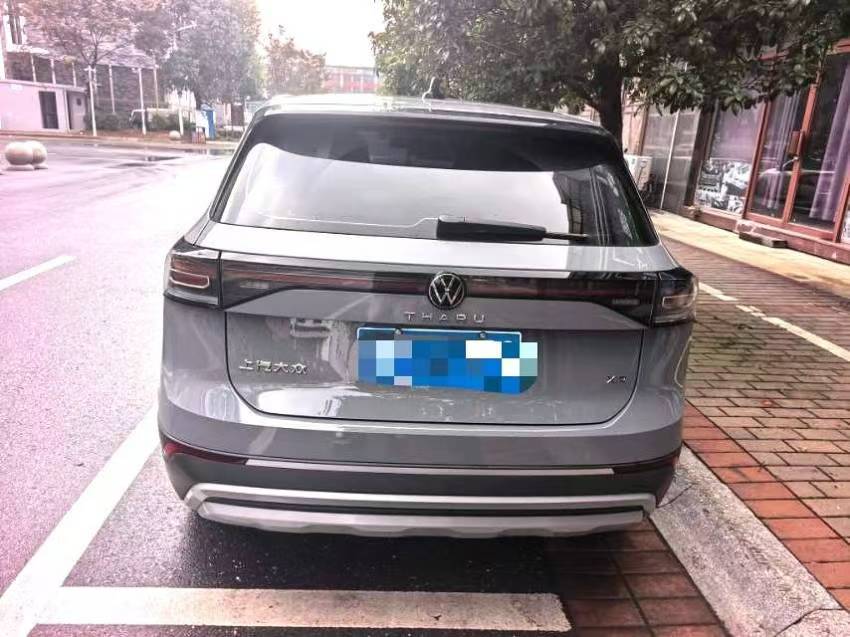
BrandVolkswagen
SeriesTharu
Year2025
First Registration2025/11
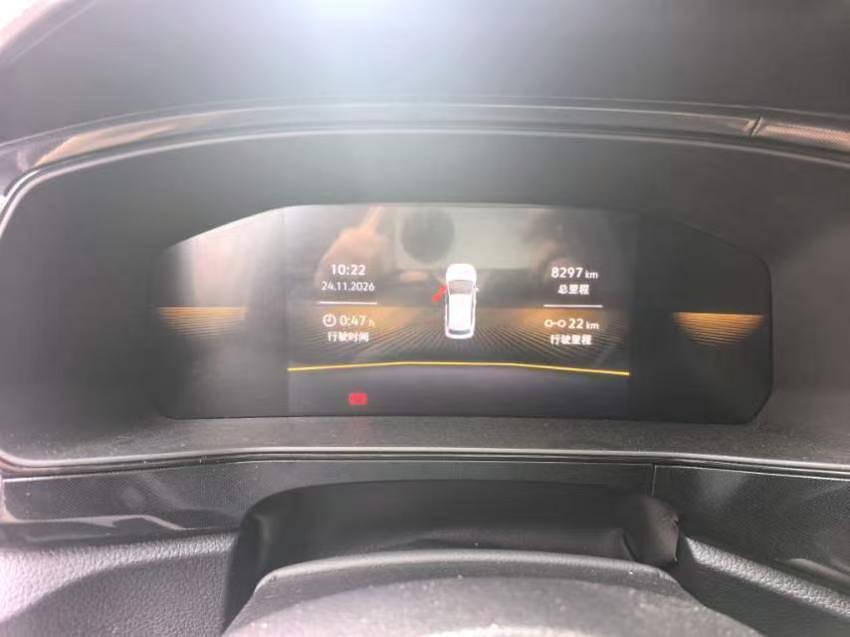
Mileage8,000km
Transfer Count0times
Fuel-
Transmission-
Engine-
Color银
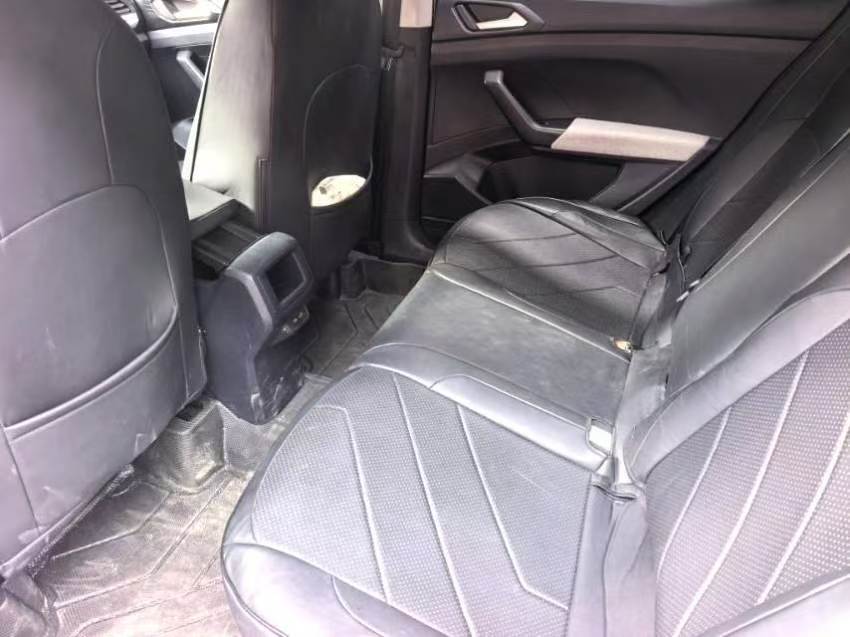
Seats-

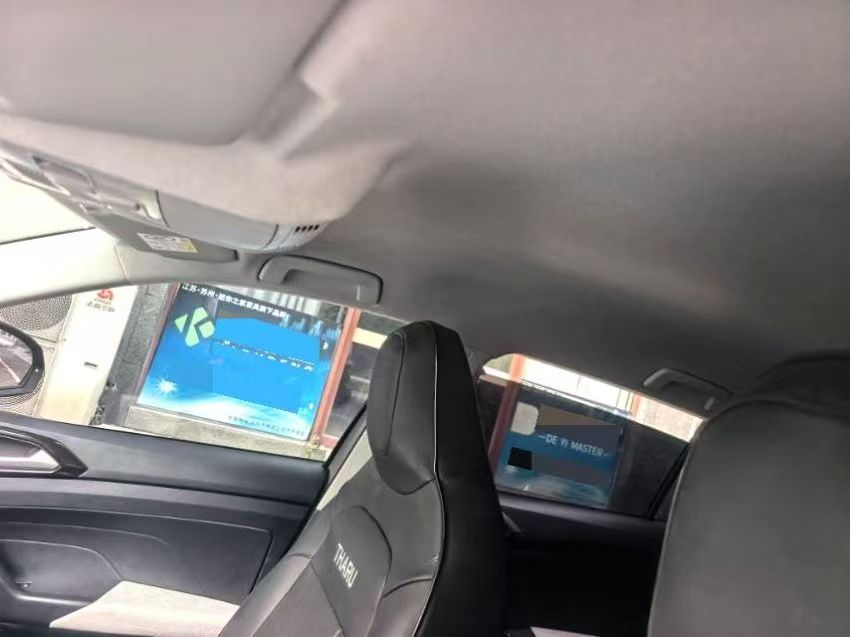
Condition Description

Original paint

Q&A

More

Will the FOB or CIF prices we have signed change due to sudden surges in international shipping costs caused by geopolitical issues or emergencies (like the Red Sea crisis)?

Our shipping quotes are typically valid for only 7 to 14 days. If a CIF contract is signed and there are significant fluctuations in shipping costs due to war surcharges or route changes imposed by the shipping company before the vehicle is actually loaded, we will transparently provide you with the official price increase notice from the shipping company. At that point, we reserve the right to renegotiate the freight difference or allow you to change the trade terms to FOB, letting you designate your own freight forwarder for booking.


What maintenance schedule should I follow for a used Chinese car during its first year after import?

Treat the first year as a baseline period. Do a full fluid service immediately after registration: engine oil and filter, coolant, brake fluid, and transmission fluid, since you don't know when they were last changed in China. First 1,000 km: check for loose trim, retorque wheel nuts, and listen for new noises as the car adapts to local fuel and roads. At 5,000-10,000 km: inspect brake pads and rotors, rotate tires, and scan the ECU for stored fault codes even if no warning light shows. Annually or every 15,000 km: replace the cabin and engine air filters, check the battery health (especially for hybrids and EVs), and verify that software updates from the Chinese brand's international channel apply to your car. Keep a simple log with dates and receipts. It protects any warranty claim and makes the car far easier to sell later.

What should I do if something breaks on my used car shortly after it arrives from China?

Act fast and follow the paper trail you built before buying. First, document everything immediately: take photos and videos of the fault, note the date of arrival and the odometer reading. Most exporters offer a commercial warranty window (typically 15-30 days after arrival) for major components like the engine, transmission and high-voltage battery. Contact the exporter in writing with the evidence, referencing your contract's warranty clause. For minor issues, a common arrangement is that they air-freight the spare part to you or reimburse a capped repair amount at a local workshop. To protect yourself before purchase: get the warranty terms written into the sales contract, including response time, what is covered, and how parts compensation is calculated. Also ask which fast-wearing parts (brake pads, filters, wipers) they recommend buying together with the car, so you are not stuck waiting for a small part from overseas.