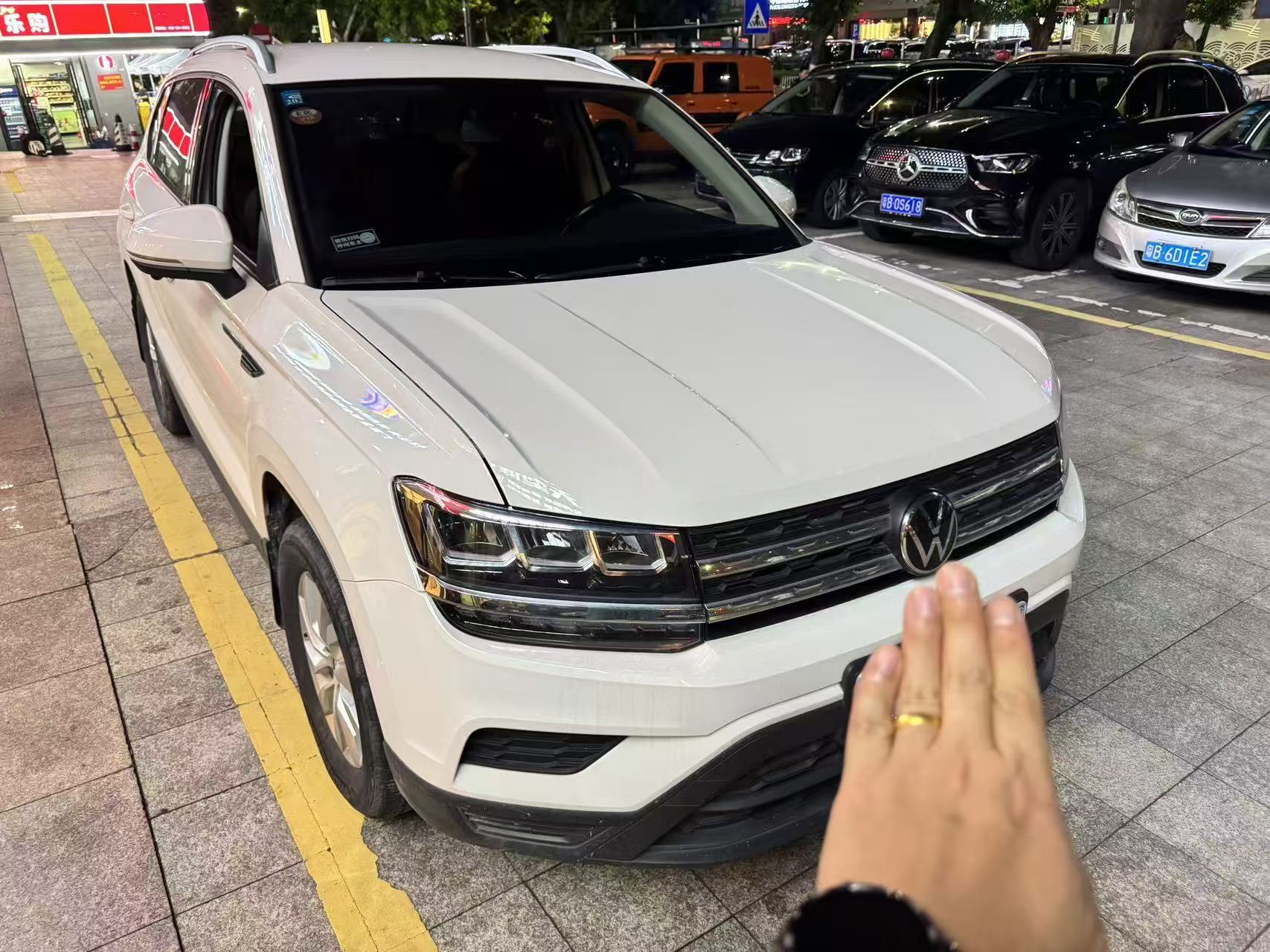
48H

Basic Information

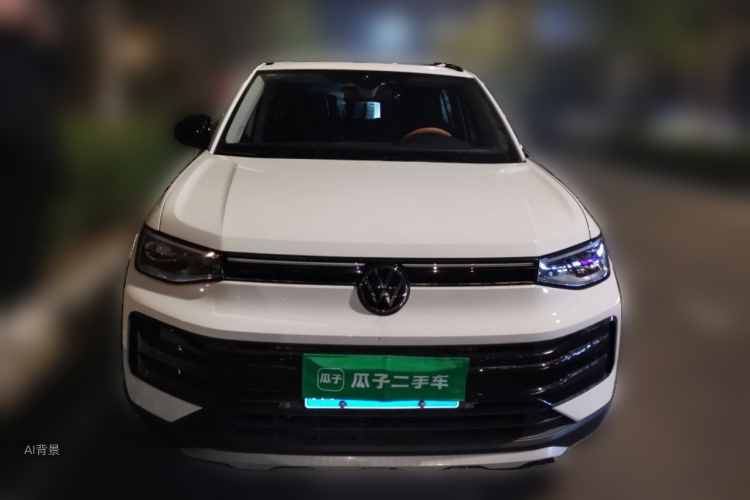
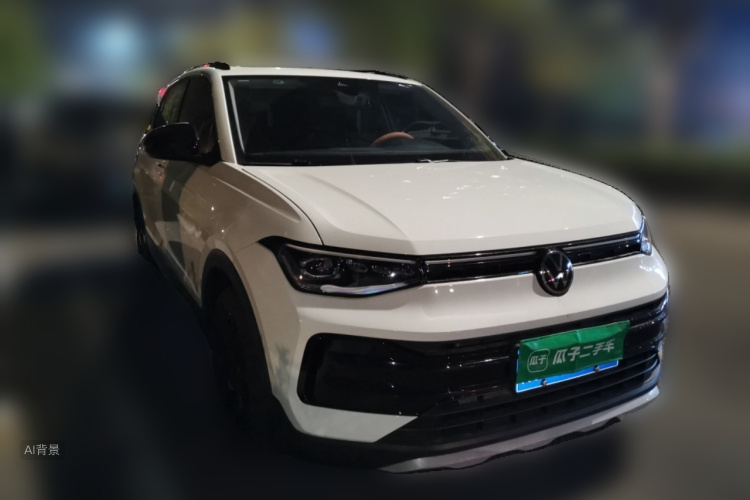
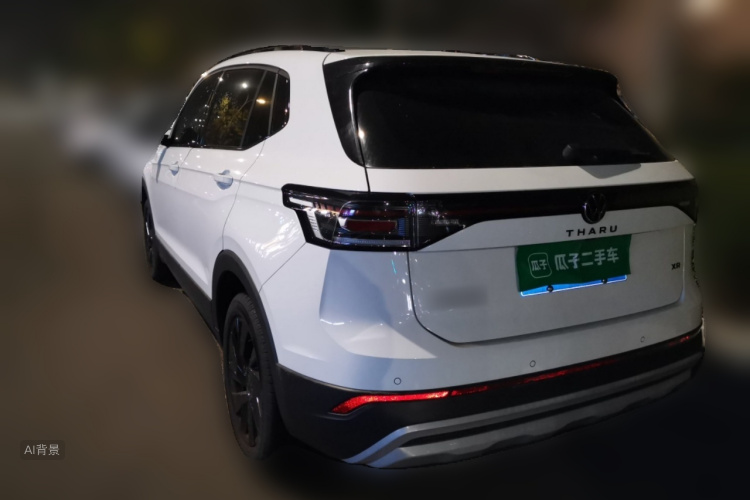
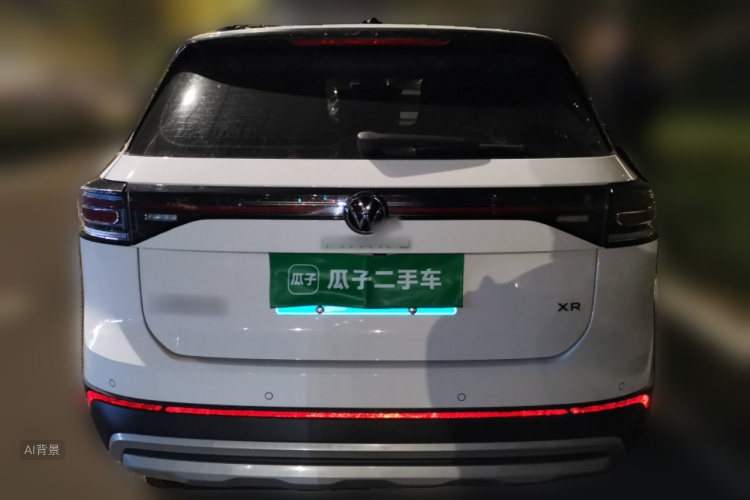
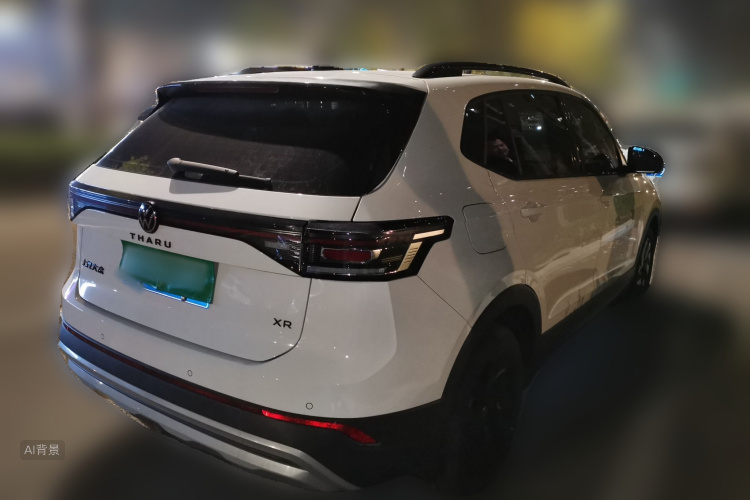
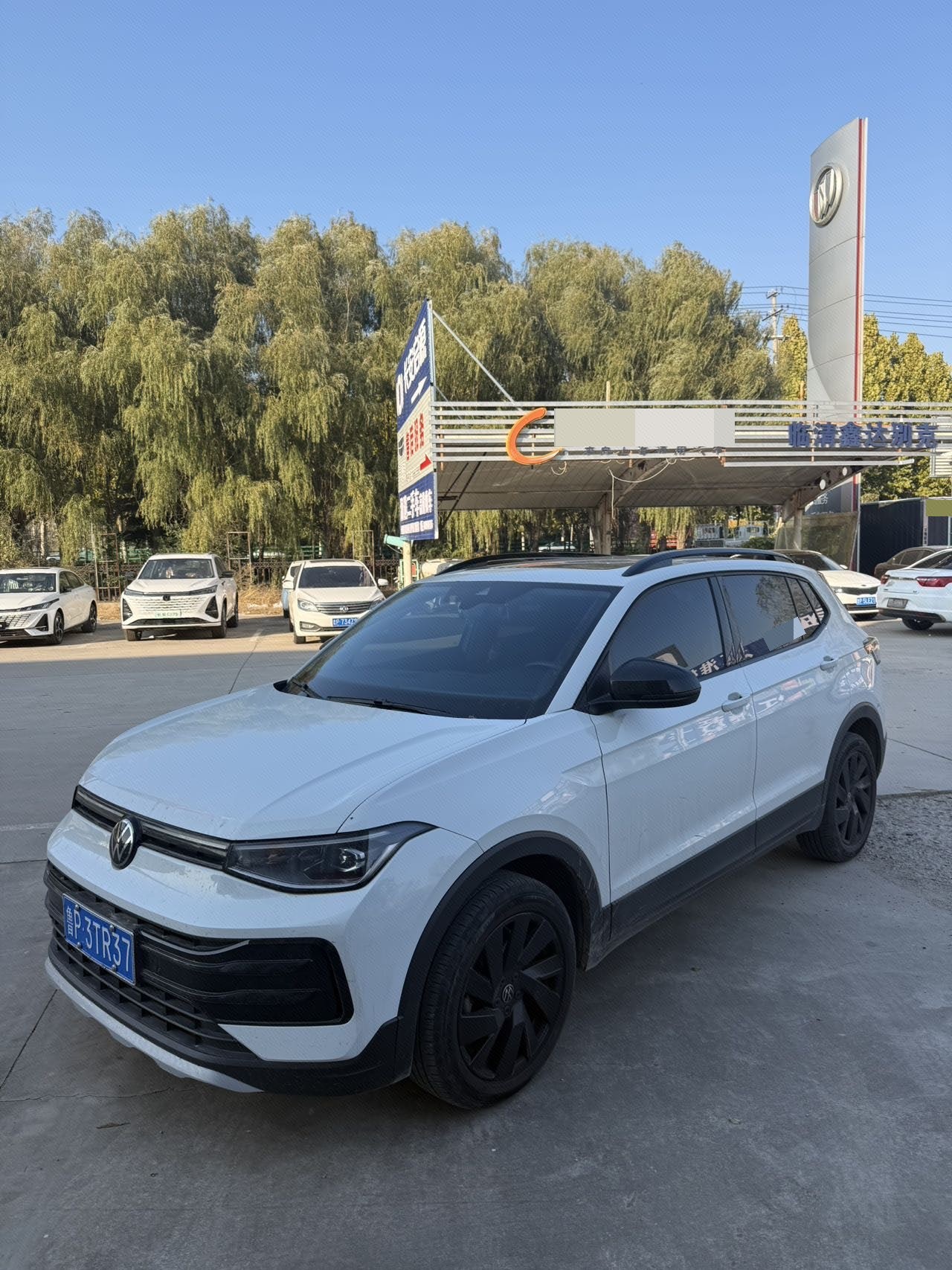
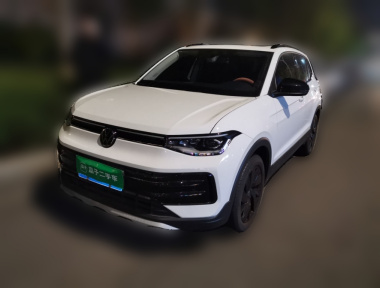
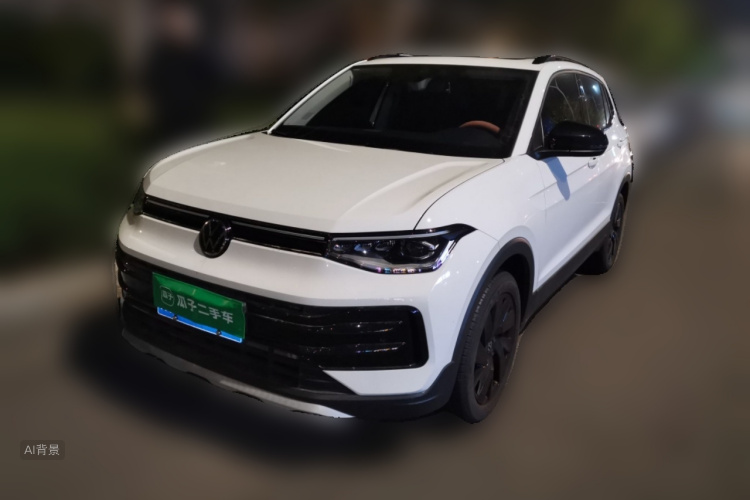
BrandVolkswagen
SeriesTharu
Year2025
First Registration2025/02
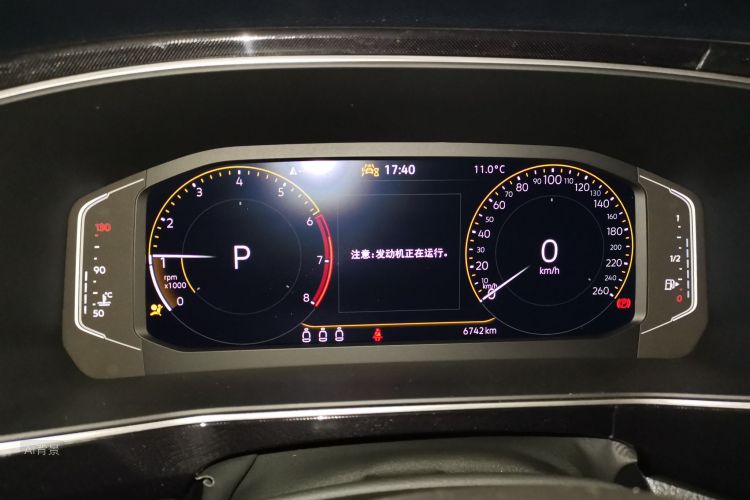
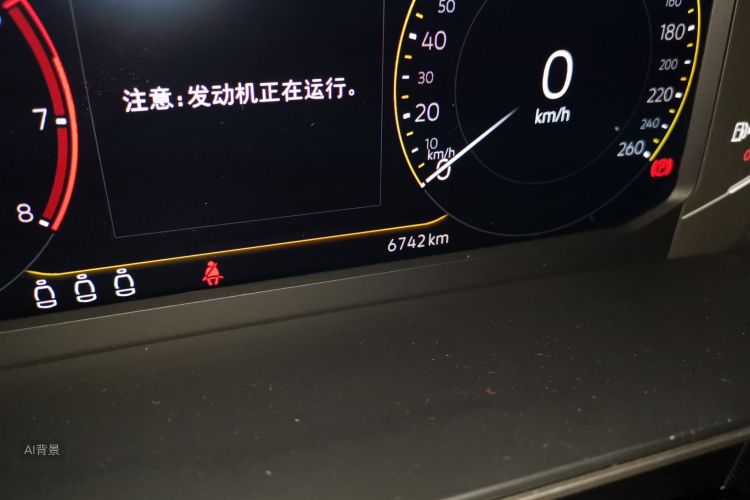
Mileage6,800km
Transfer Count0times
FuelGasoline
TransmissionDCT
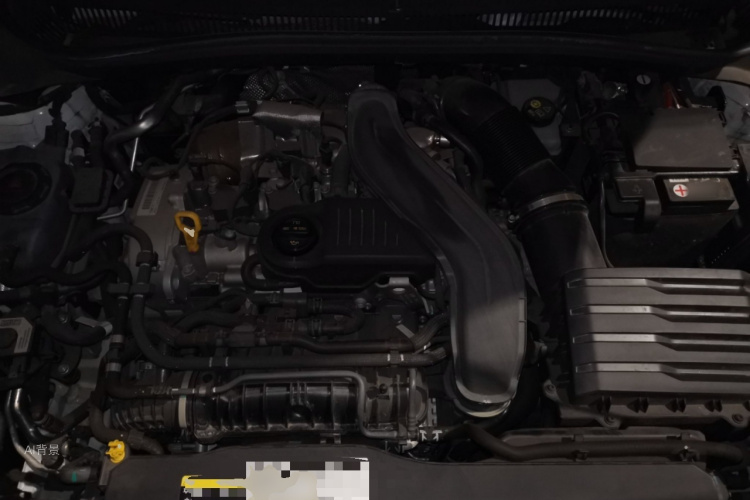
Engine1.5T 160 L4
Color
Seats5seats

Condition Description

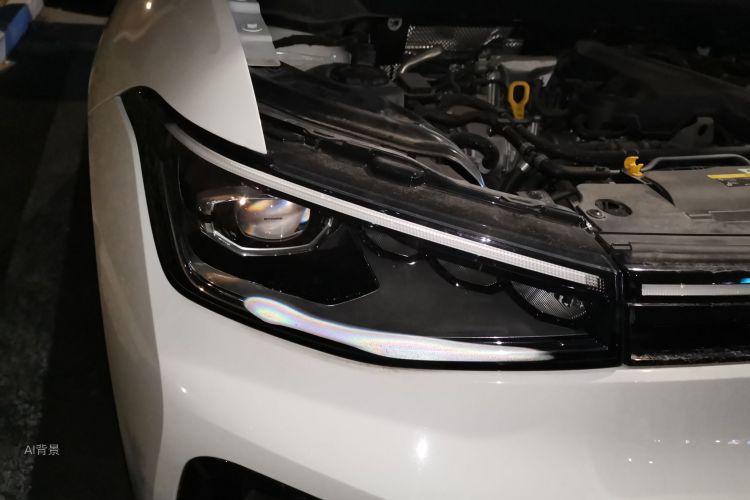
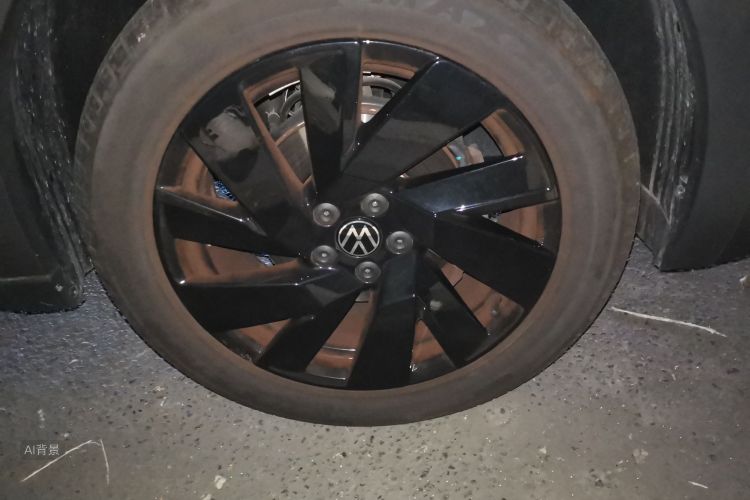
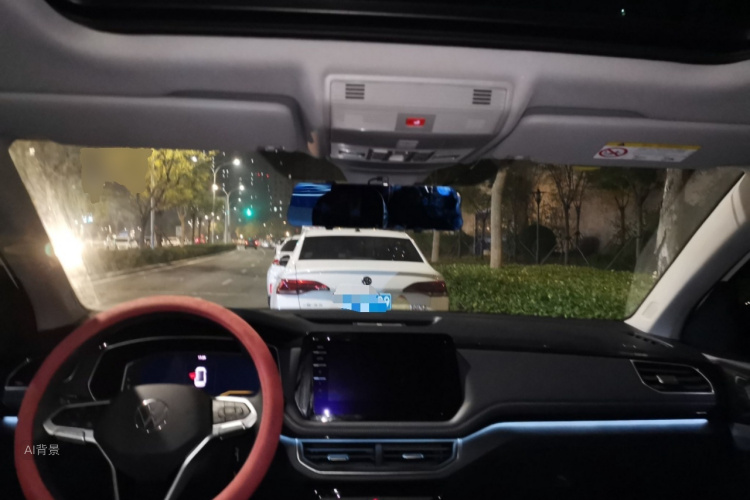
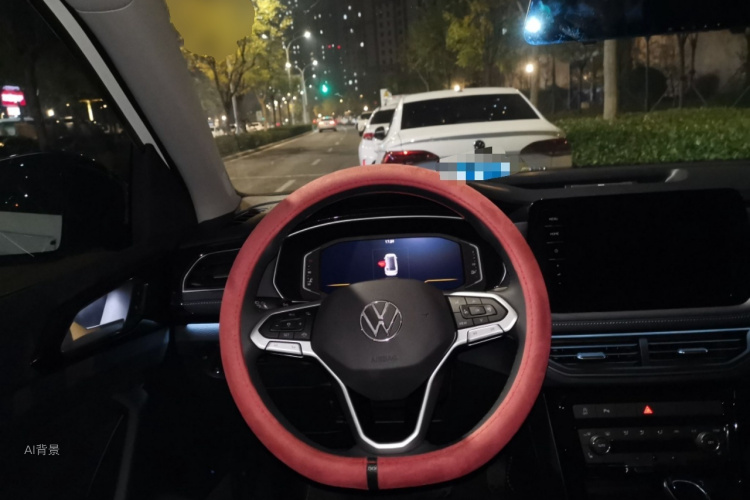
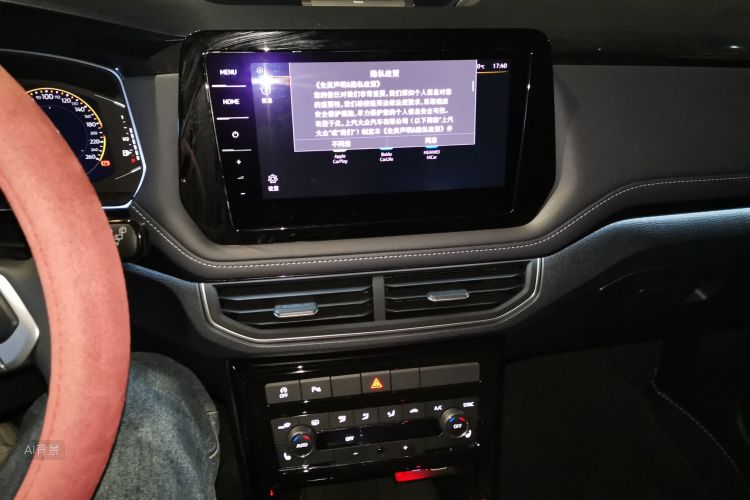
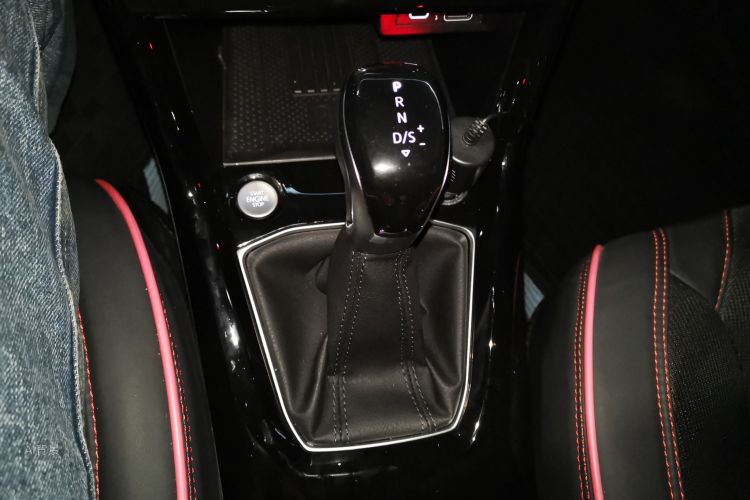
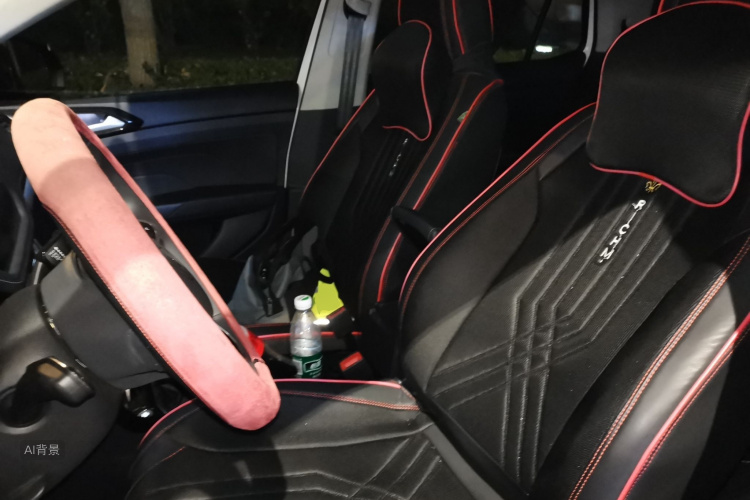
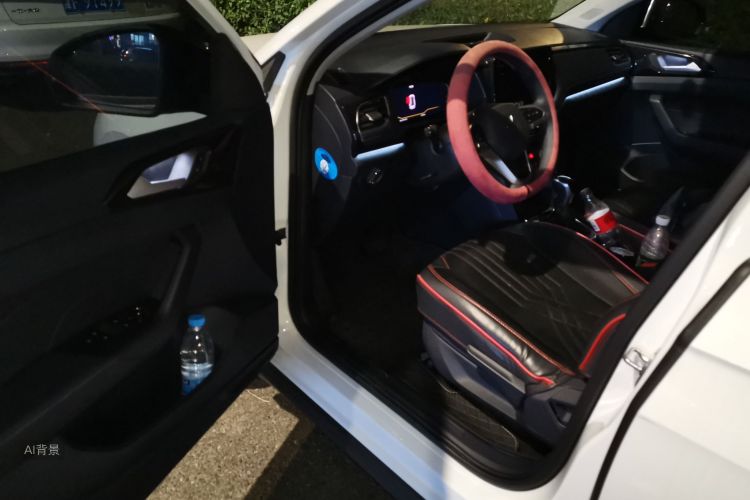
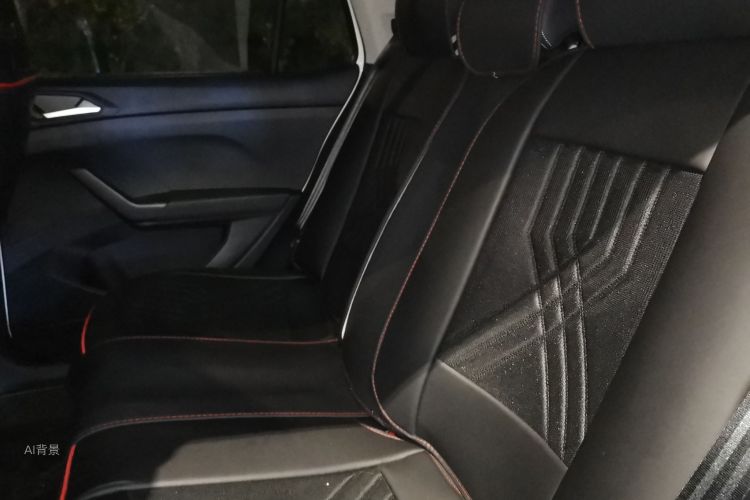
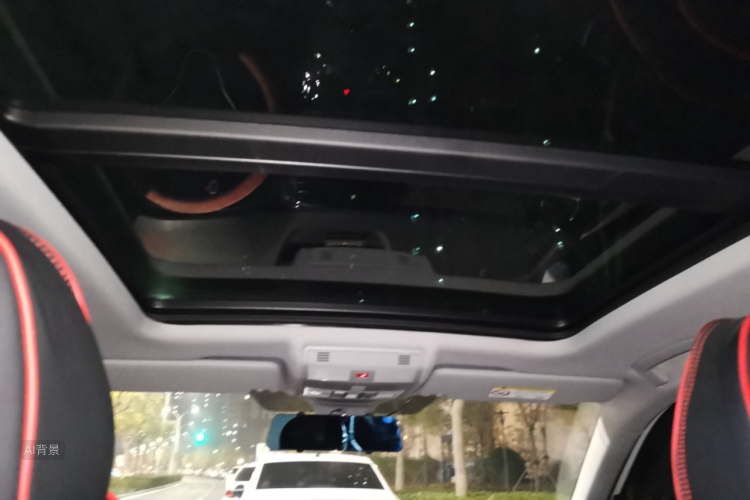
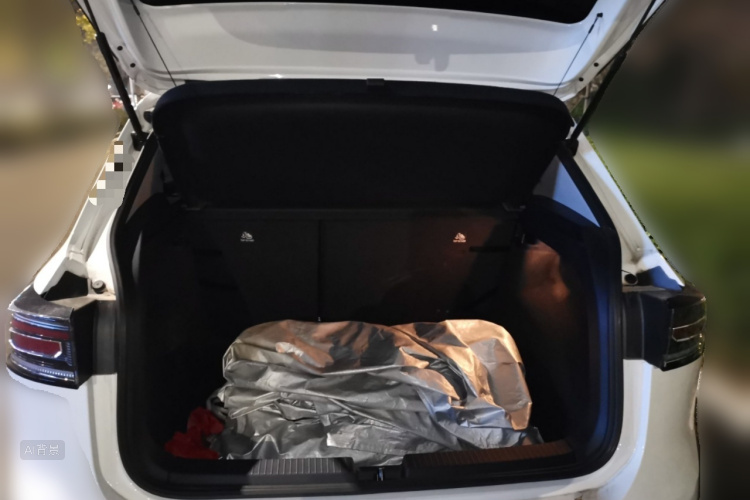
Excellent basic condition | 0 claims | 0 transfers

Q&A

More

How can we verify the integrity of a vehicle's airbag system through technical means, ensuring it has never been deployed or repaired with resistors?

The method to deceive the dashboard warning light is to install a resistor. Our technicians will deeply read the real-time resistance values from the airbag control module (SRS Module) data stream and check for any non-factory stitching or adhesive marks on the steering wheel/passenger panel to uncover the disguise.

How does customs clearance work at destination when importing a used car from China, and who handles it?

Customs clearance at destination is usually handled by a licensed customs broker, not the exporter. You can hire one yourself or use a broker recommended by your shipping agent. The typical flow: your broker files the import declaration using the documents the exporter must provide — the commercial invoice, packing list, bill of lading, and the certificate of origin. Depending on your country's rules, you will also need to pay import duty, VAT or sales tax, and any excise or environmental levies before the car is released. Things that commonly delay clearance: mismatched VIN numbers between documents, missing pre-shipment inspection certificates (required in some African and Middle Eastern countries), or non-compliance with your country's used-car import age limits. Budget 3–10 working days for clearance after the vessel arrives, plus storage fees if documents are incomplete. Tip: send all documents to your broker for review before the ship departs China — fixing errors at origin is much cheaper than demurrage at destination.
What is a Certificate of Origin and why do I need one when importing a car from China?

A Certificate of Origin (C/O) is an official document stating where the vehicle was manufactured. Customs authorities use it to decide which tariff rates and trade agreements apply to your import. Why it matters: many countries offer preferential tariffs for certain origins. With a valid C/O, such as the ASEAN-China Form E or a GSP Form A, you may pay reduced or zero duty. Without it, you typically pay the standard, higher rate. The certificate must match the vehicle exactly: VIN, make, model and invoice details. It is usually issued by the China Council for the Promotion of International Trade (CCPIT) or customs authorities. Practical tips: request the C/O before shipment, because adding it later is slow; check that your country's customs accepts the specific C/O format; and confirm with your broker whether your vehicle category qualifies for preferential rates. This single document can save you thousands in duty.