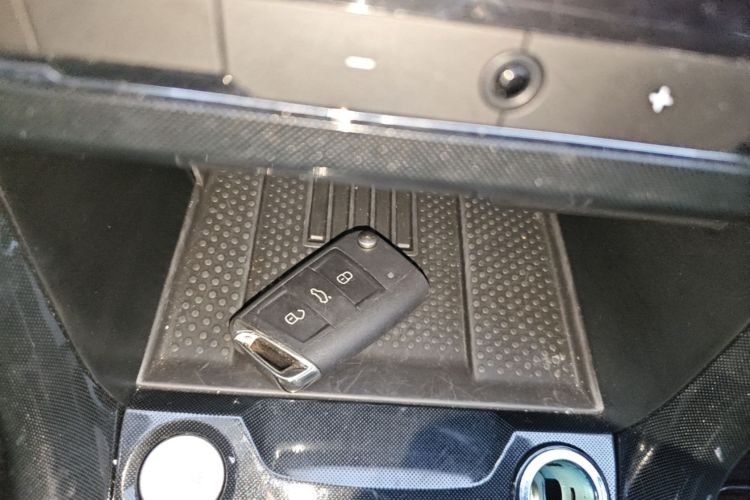
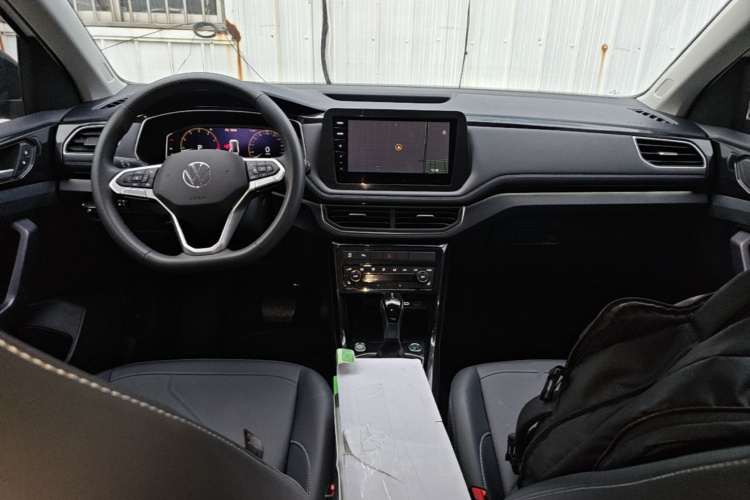
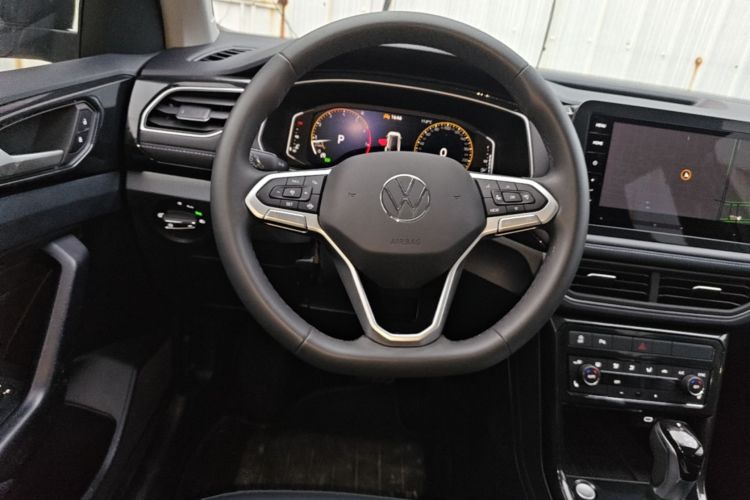
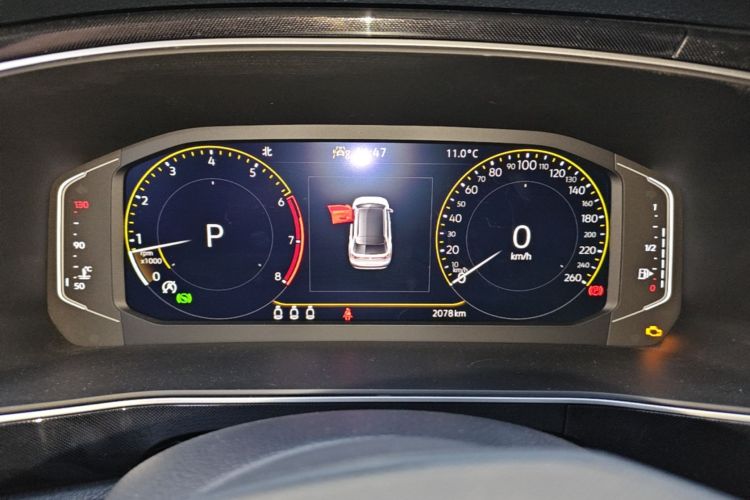
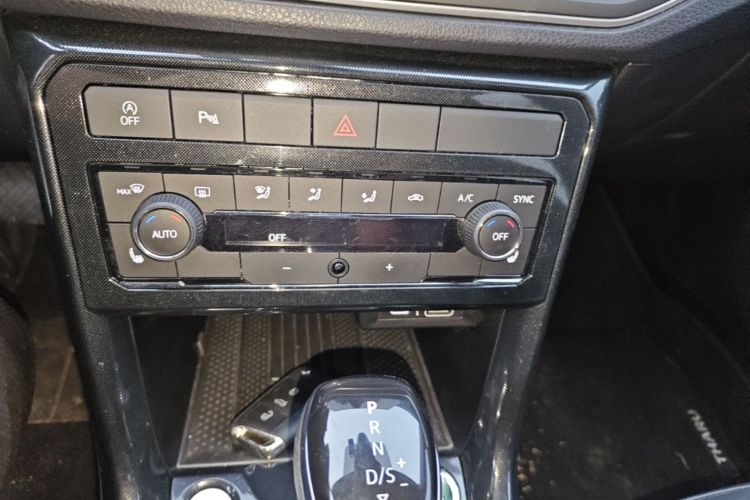
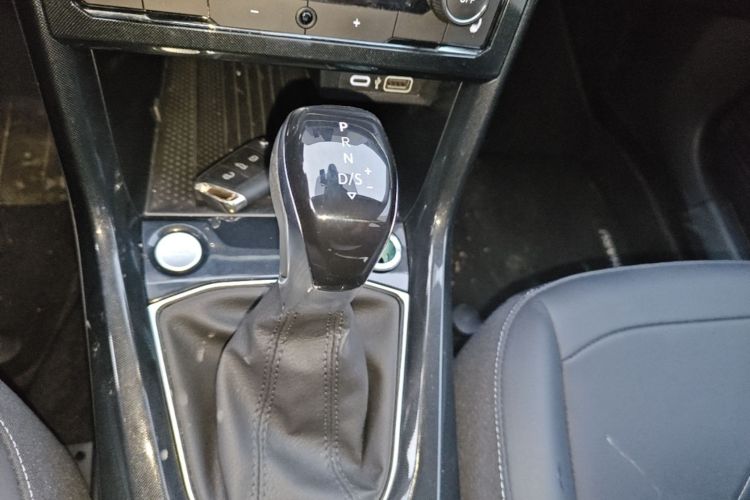
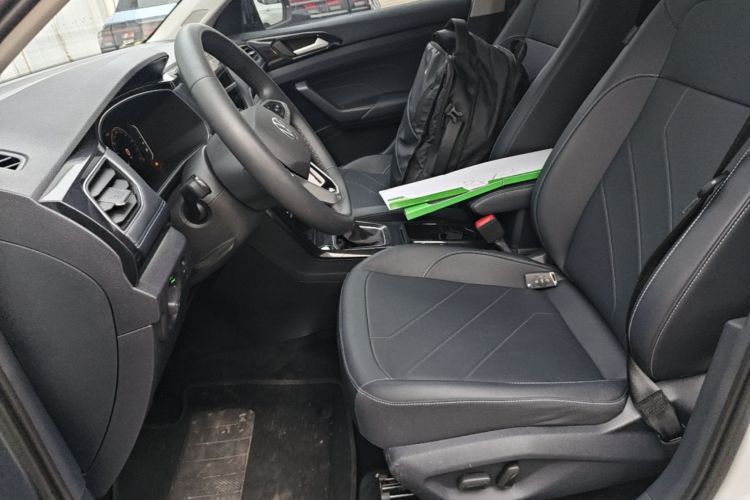
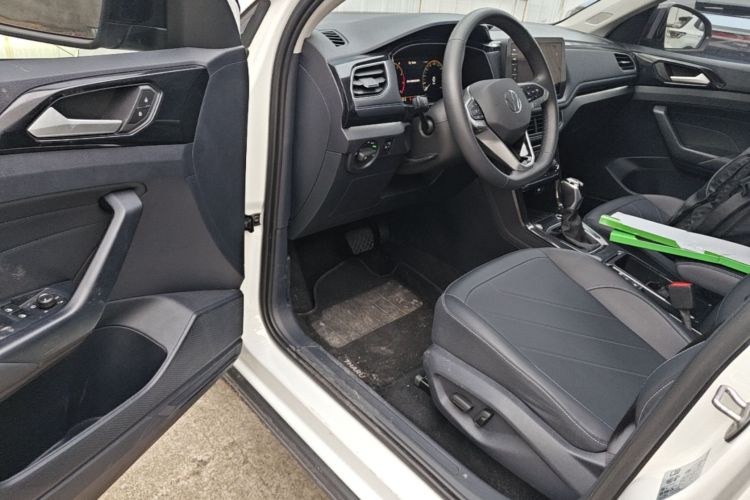




48H

Basic Information

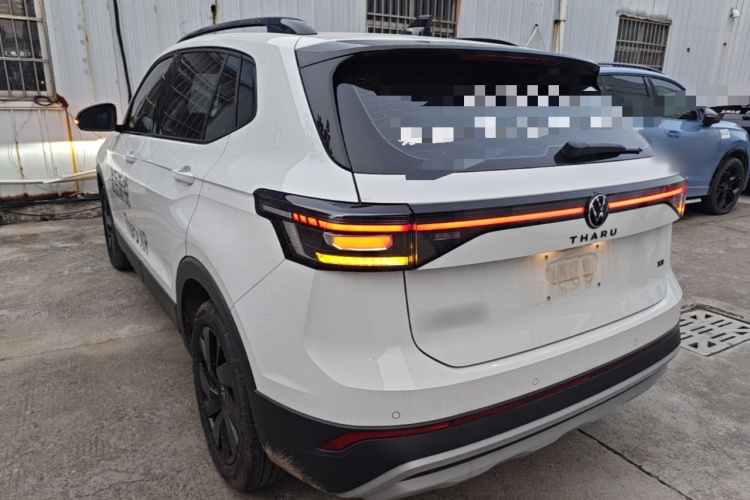
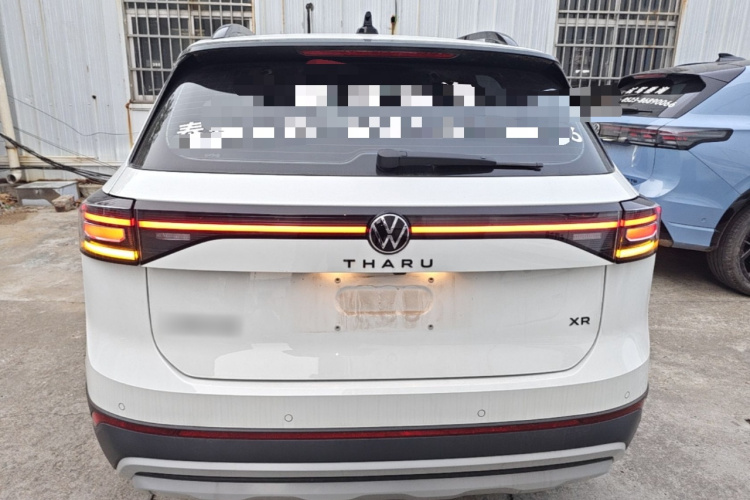
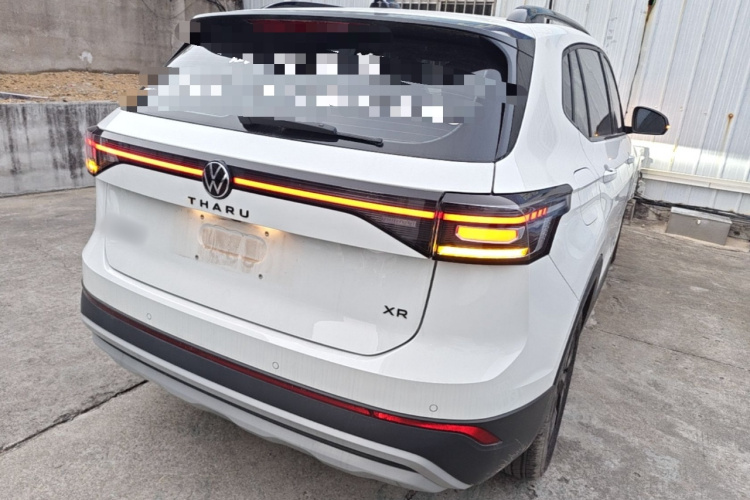
BrandVolkswagen
SeriesTharu
Year2025
First Registration2025/10
Mileage2,100km
Transfer Count0times
FuelGasoline
TransmissionDCT
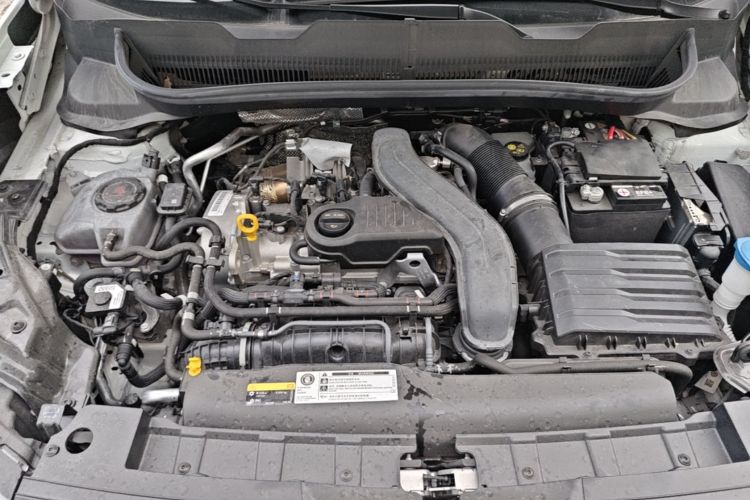
Engine1.5T 160 L4
Color
Seats-

Condition Description

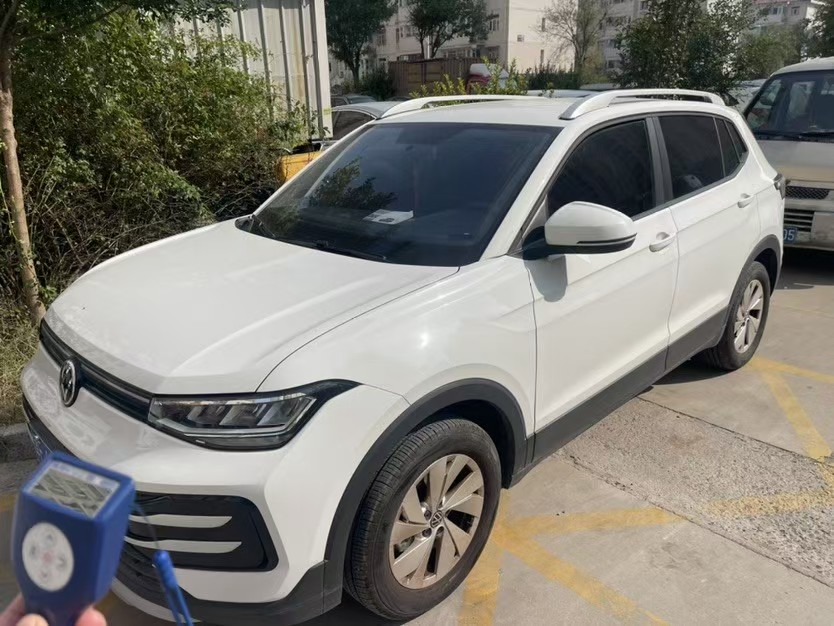
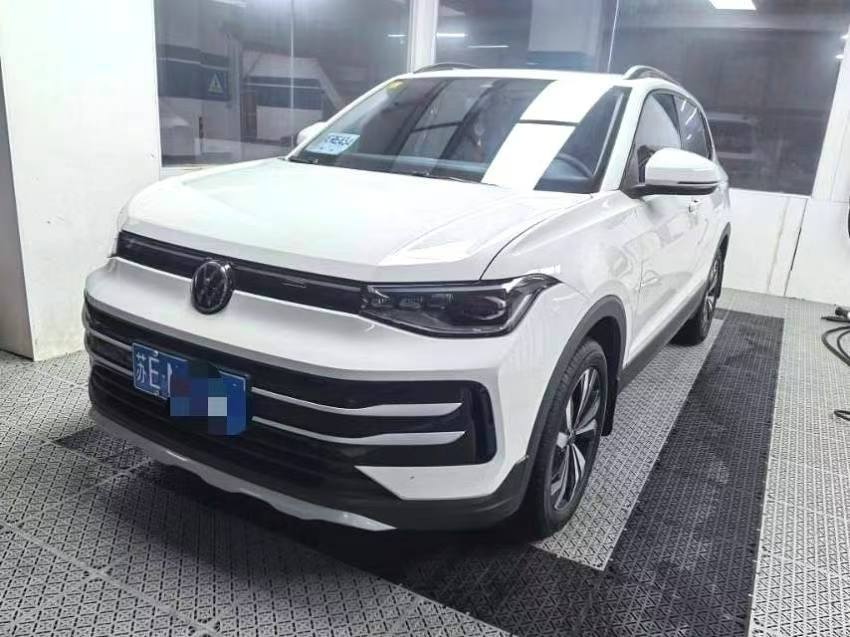
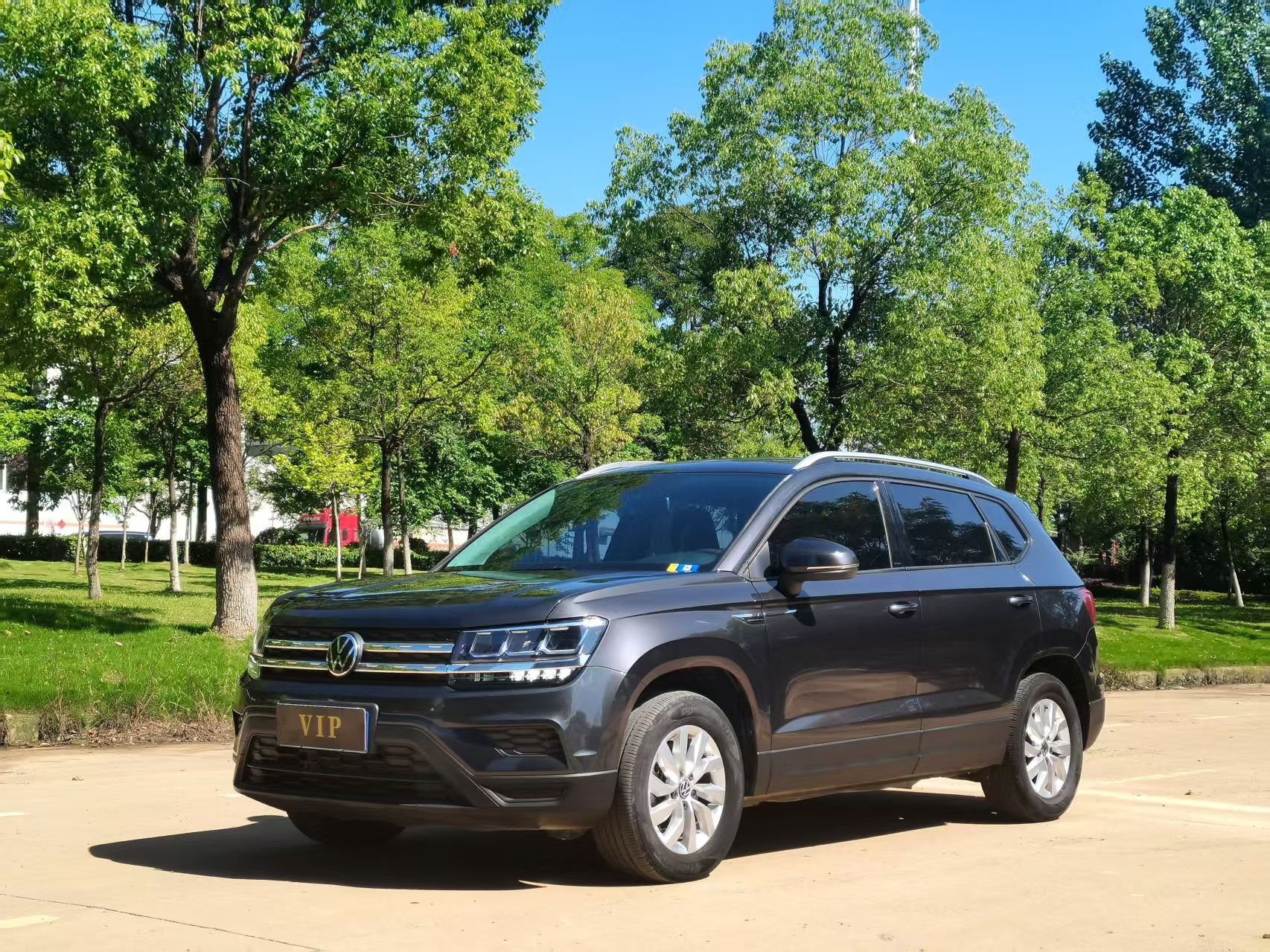
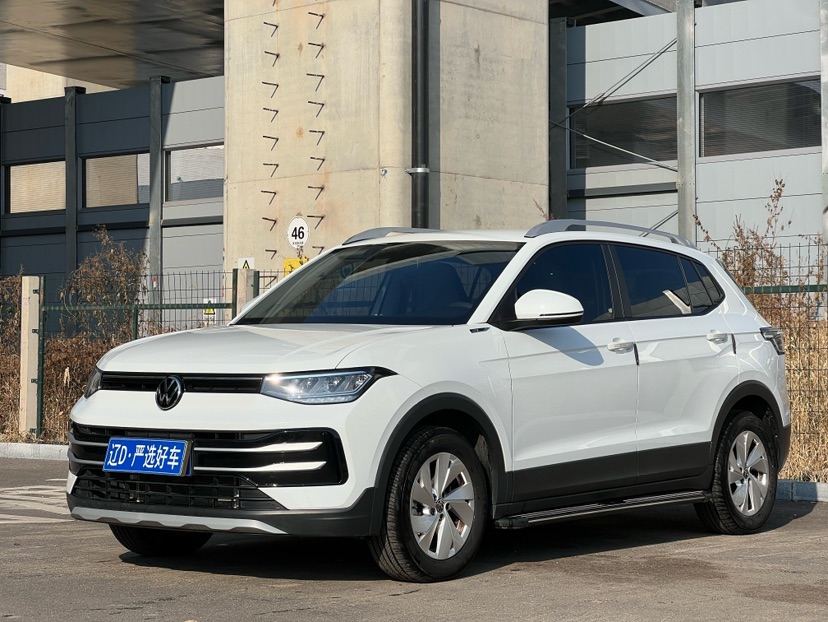
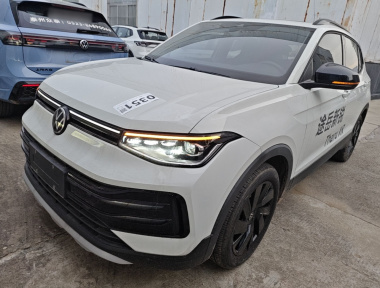
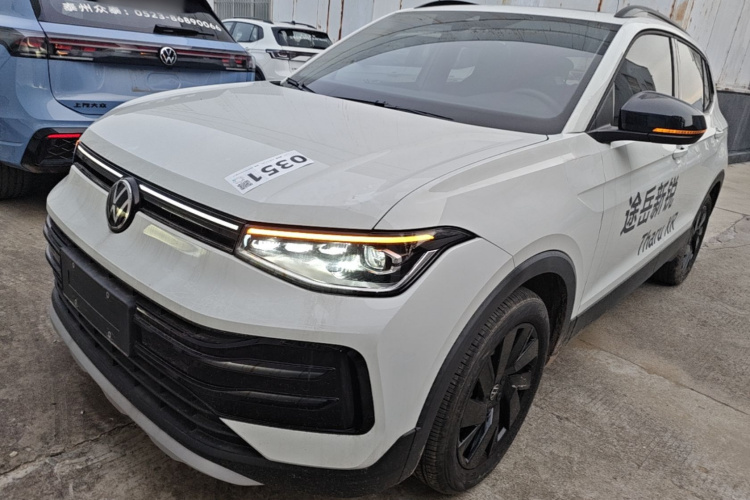
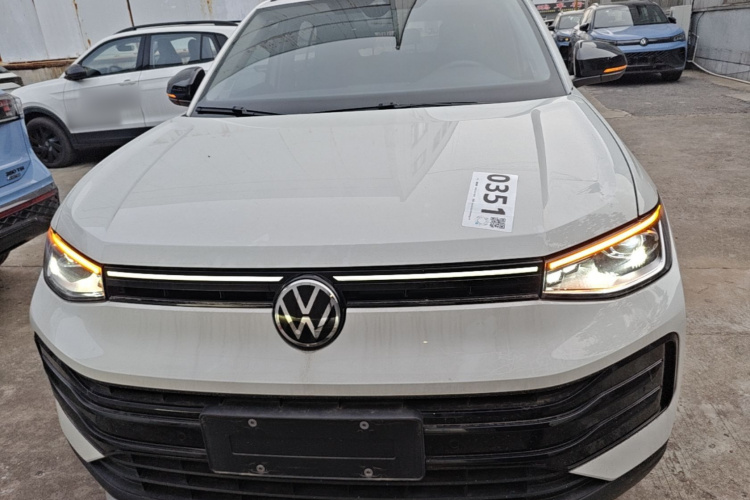
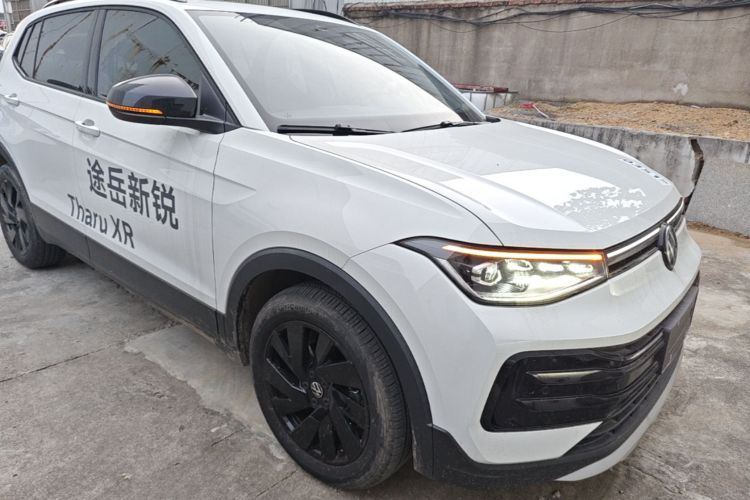
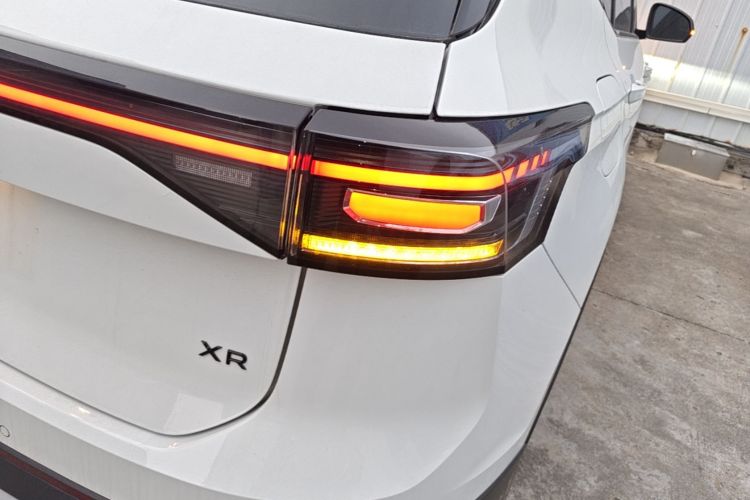
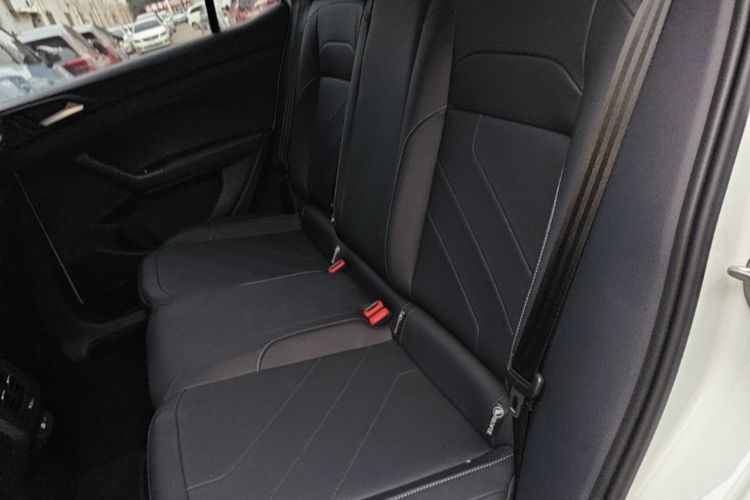
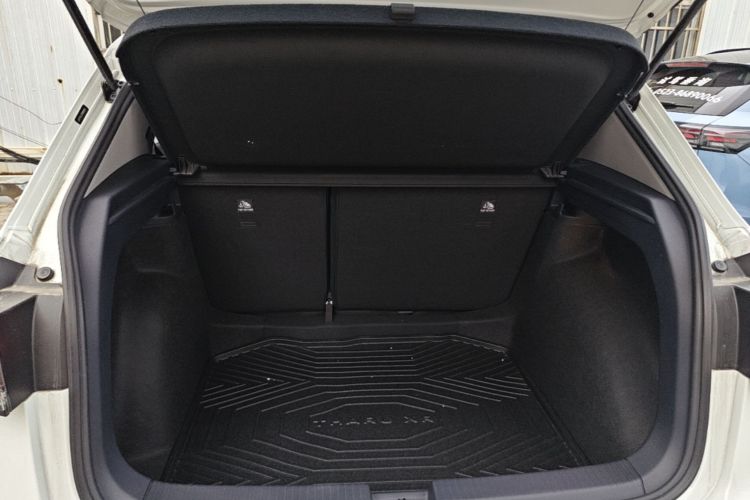
Excellent basic condition | 0 insurance claims | 0 transfers

Q&A

More

How can I check if a used car from China has been in a major accident, and what records actually exist?

China does not have a single public accident database like CARFAX, but you can still verify history from several sources. First, ask the exporter for the insurance claim records (出险记录). Major repairs go through insurance, and the claim history shows the date, amount, and damaged parts. A car with large claim amounts (over half its value) is effectively a total loss rebuild. Second, check the vehicle's registration certificate (机动车登记证书) for transfer history — multiple transfers in a short period often follow an accident. Third, run a VIN check through commercial platforms (paid, around 20-50 RMB) which aggregate insurance, maintenance, and auction data. Cross-check everything against a physical inspection: paint thickness readings on structural points, weld quality under the seals, and underbody photos. If the records and the physical condition do not match, walk away or demand a large discount.


Should I choose RoRo or container shipping when importing a used car from China, and what does marine insurance actually cover?

RoRo (roll-on/roll-off) is cheaper and faster for a single car—you drive it onto the vessel and it is secured on the car deck. Container shipping costs more but offers better protection from weather, salt air, and handling damage, and allows you to load spare parts inside the car. Marine insurance is essential either way. Standard cover protects total loss and major damage, but read the exclusions: many policies do not cover pre-existing mechanical faults, cosmetic scratches below a deductible, or damage caused by improper securing (lashings). Ask for ICC(A) or All Risks coverage rather than basic total-loss-only policies. Practical tips: 1. Photograph and video the car thoroughly at loading, with the VIN visible 2. Note existing scratches on the bill of lading 3. Inspect immediately at destination—claims windows are often 3-7 days 4. For EVs, declare the battery; some insurers charge a supplement or exclude battery damage altogether

How can I verify that a pre-shipment inspection report and photos really match the car I'm buying—timestamps, VIN, and live video?

Fake or recycled inspection reports are a real risk. Verify authenticity before wiring the balance payment. First, match the VIN: the report must show the full VIN, and the photos must include close-ups of the VIN plate on the chassis and the windshield tag. Ask for a live video call where the inspector walks to the car, shows the VIN tag, and then pans across the dashboard, odometer, and any defects noted in the report—on the same call. Check metadata: ask for original photos rather than screenshots. Files sent via WeChat often strip EXIF, so request the inspector to email originals or use a cloud link where timestamps and GPS data are visible. Cross-verify details: the odometer reading in the video should match the report exactly, and paint-thickness readings should be reproducible—ask the inspector to re-measure 2-3 spots live. Use a known inspection company rather than one recommended solely by the seller, and pay the inspector directly. An independent inspector has no incentive to hide defects.