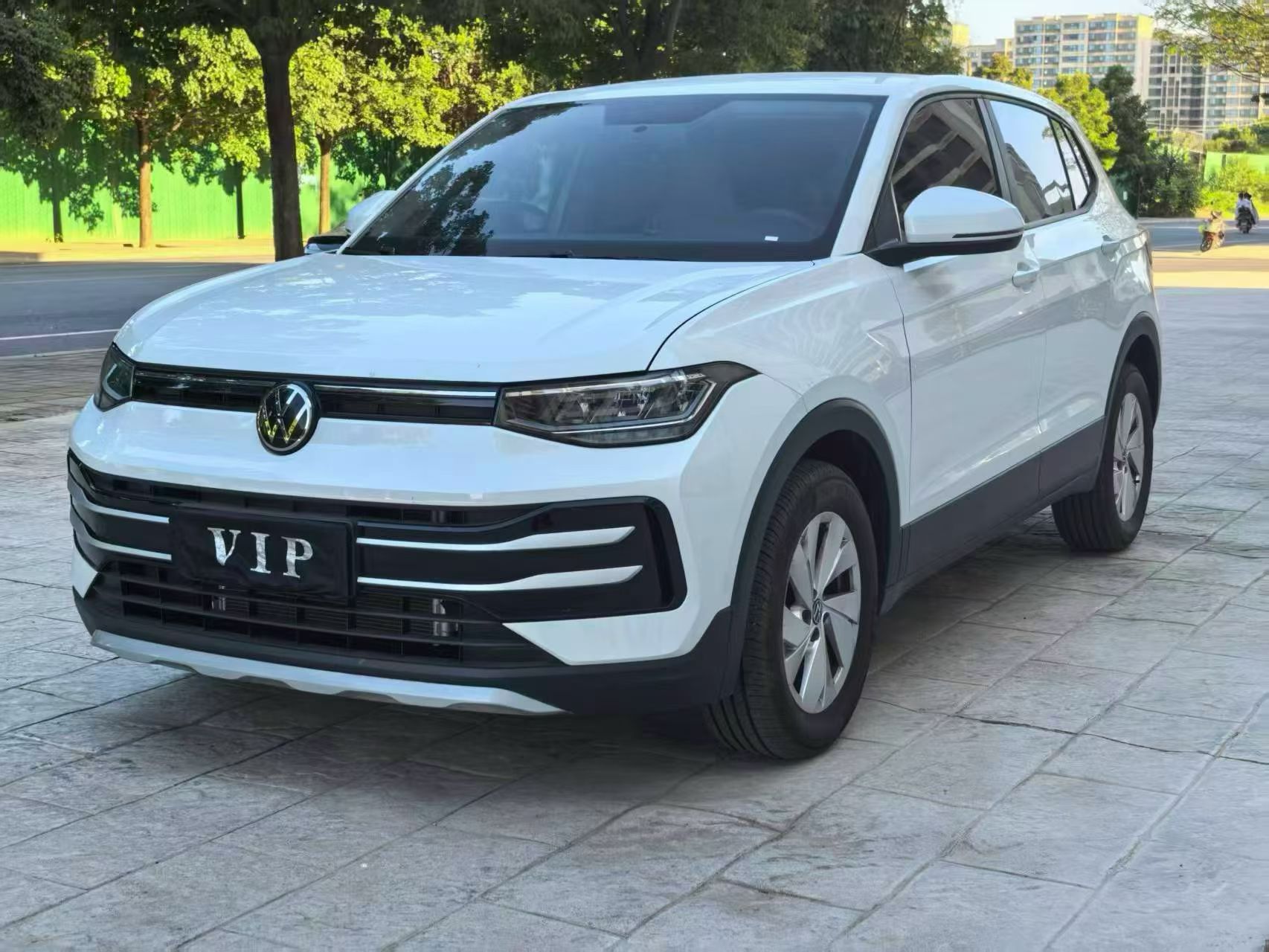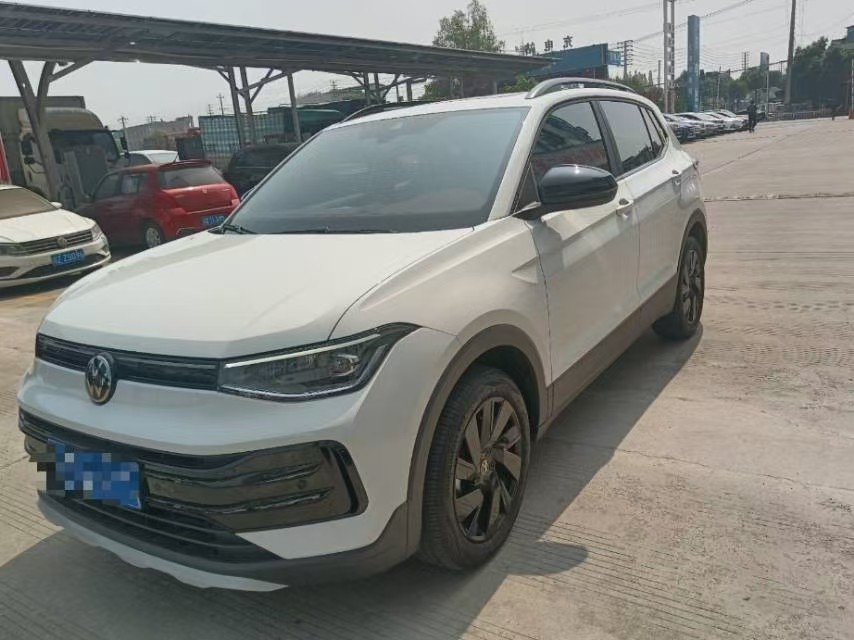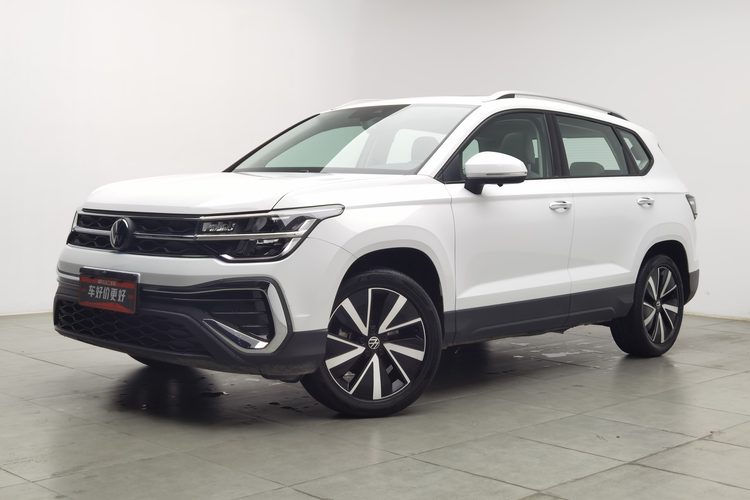
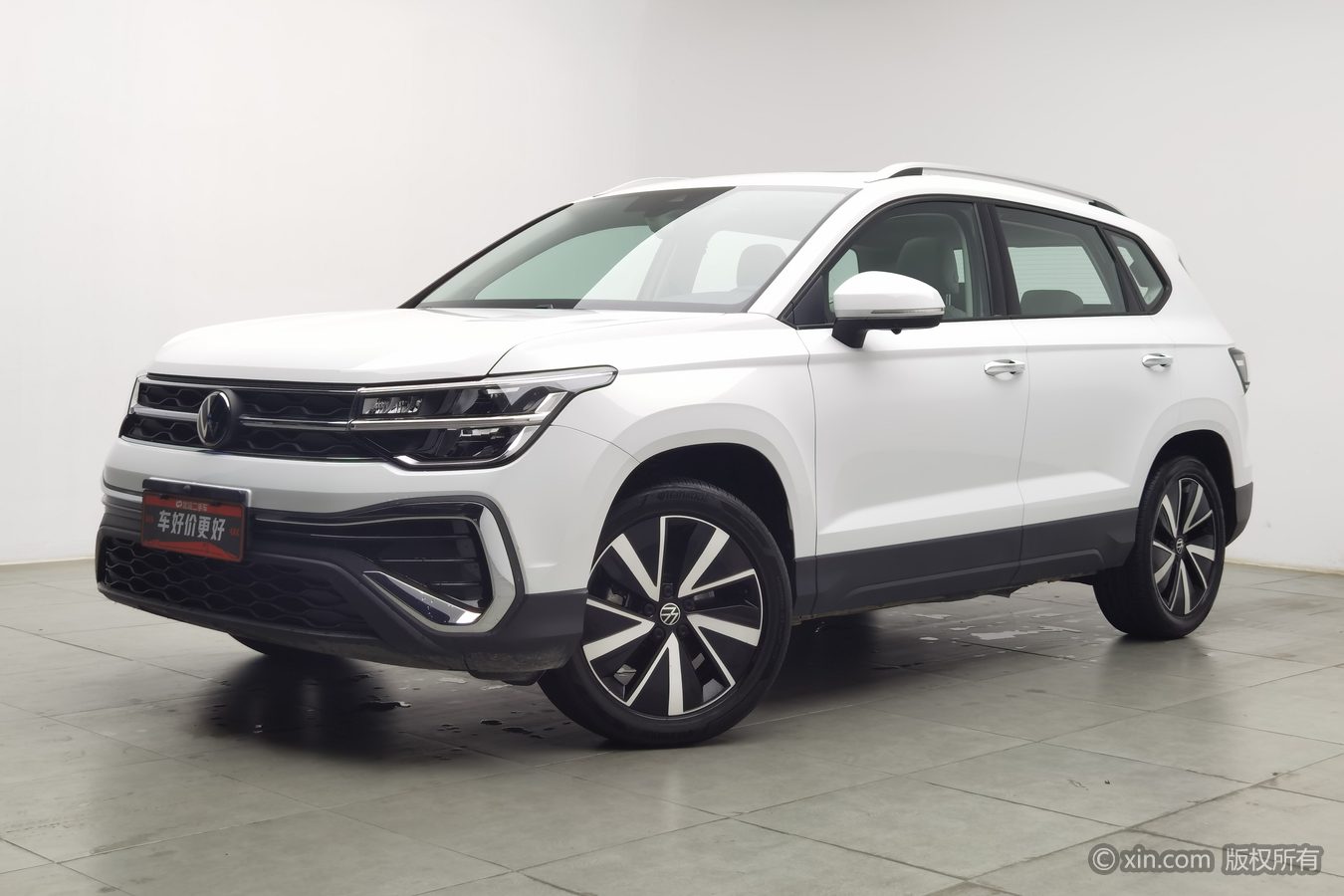
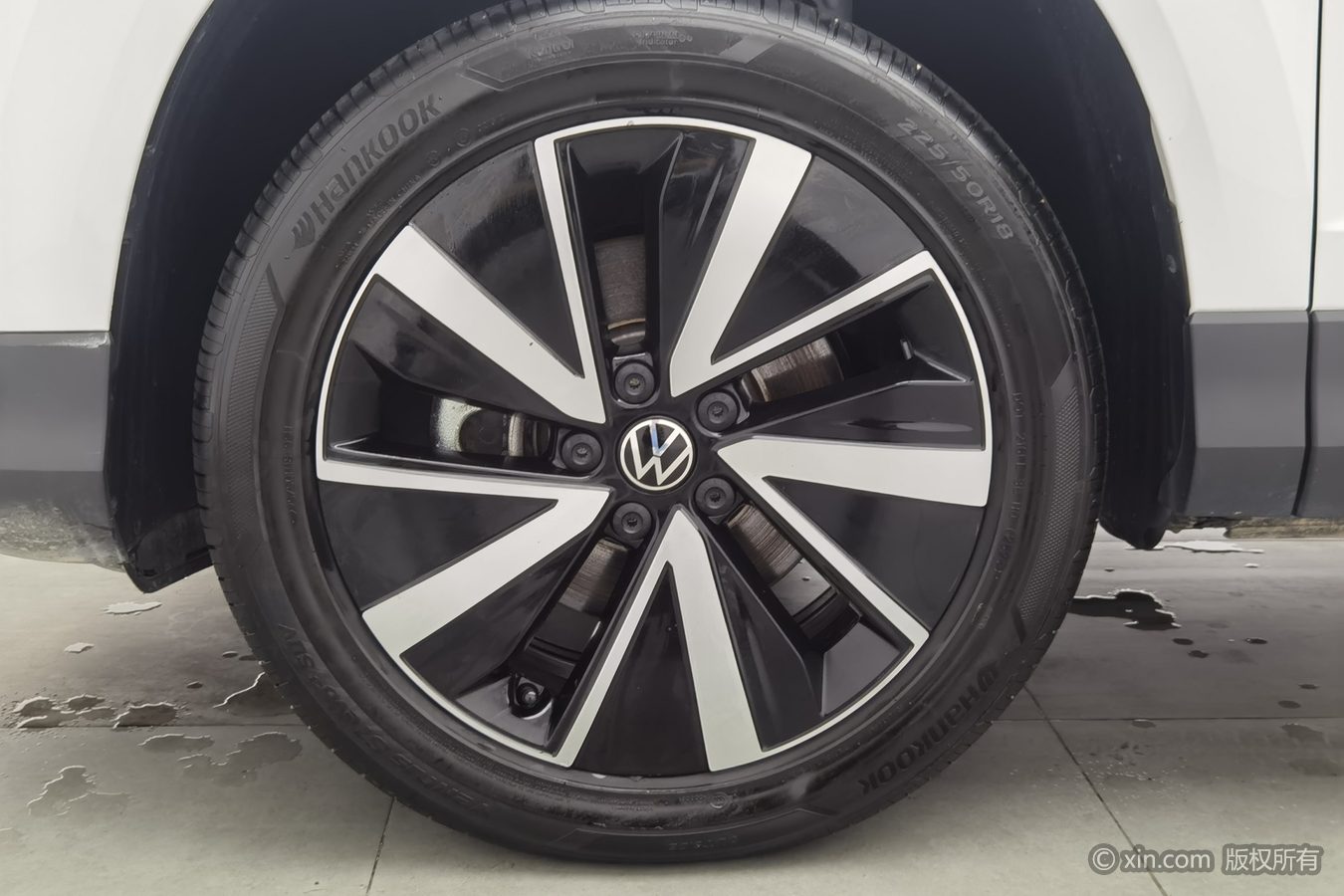
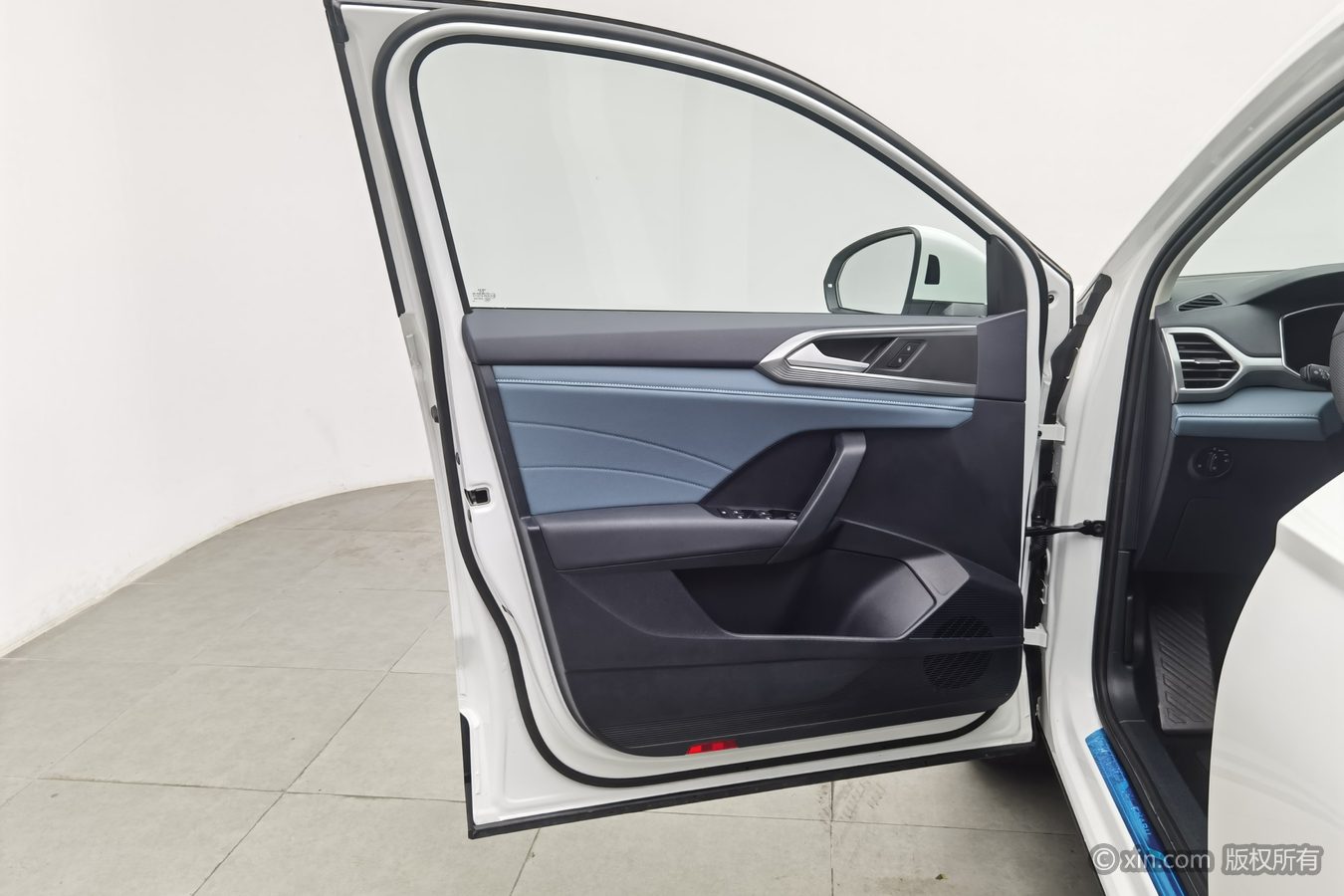
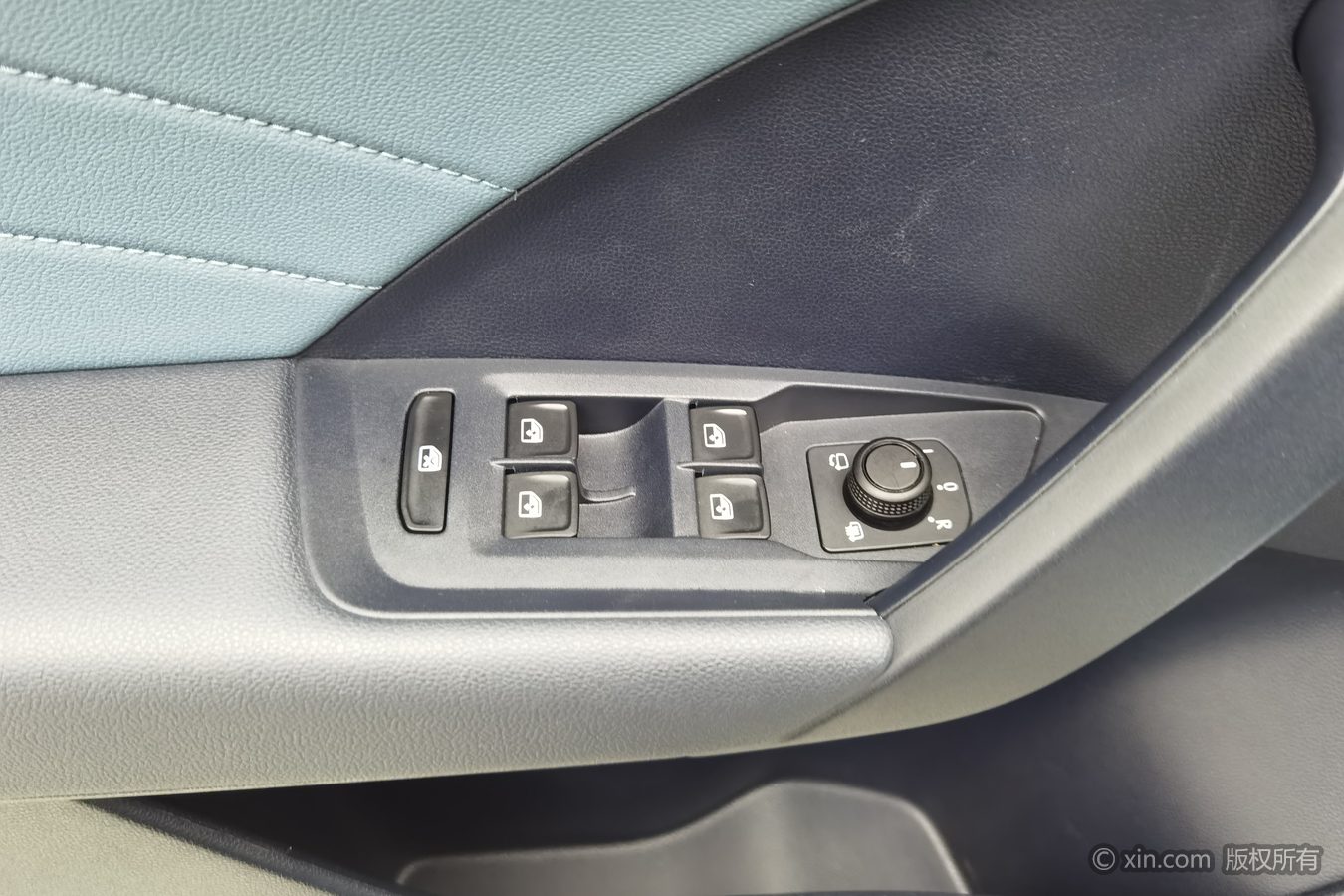
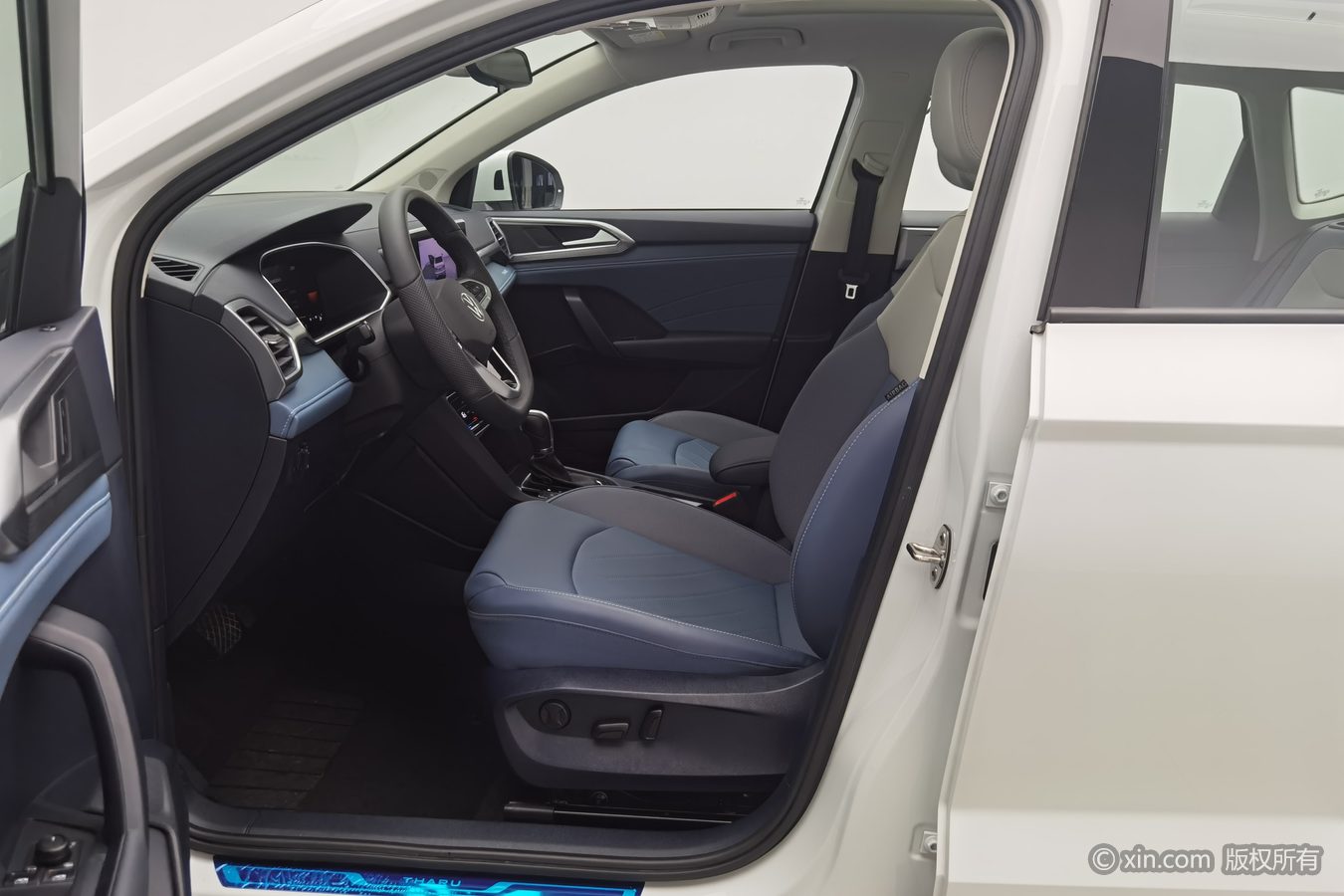
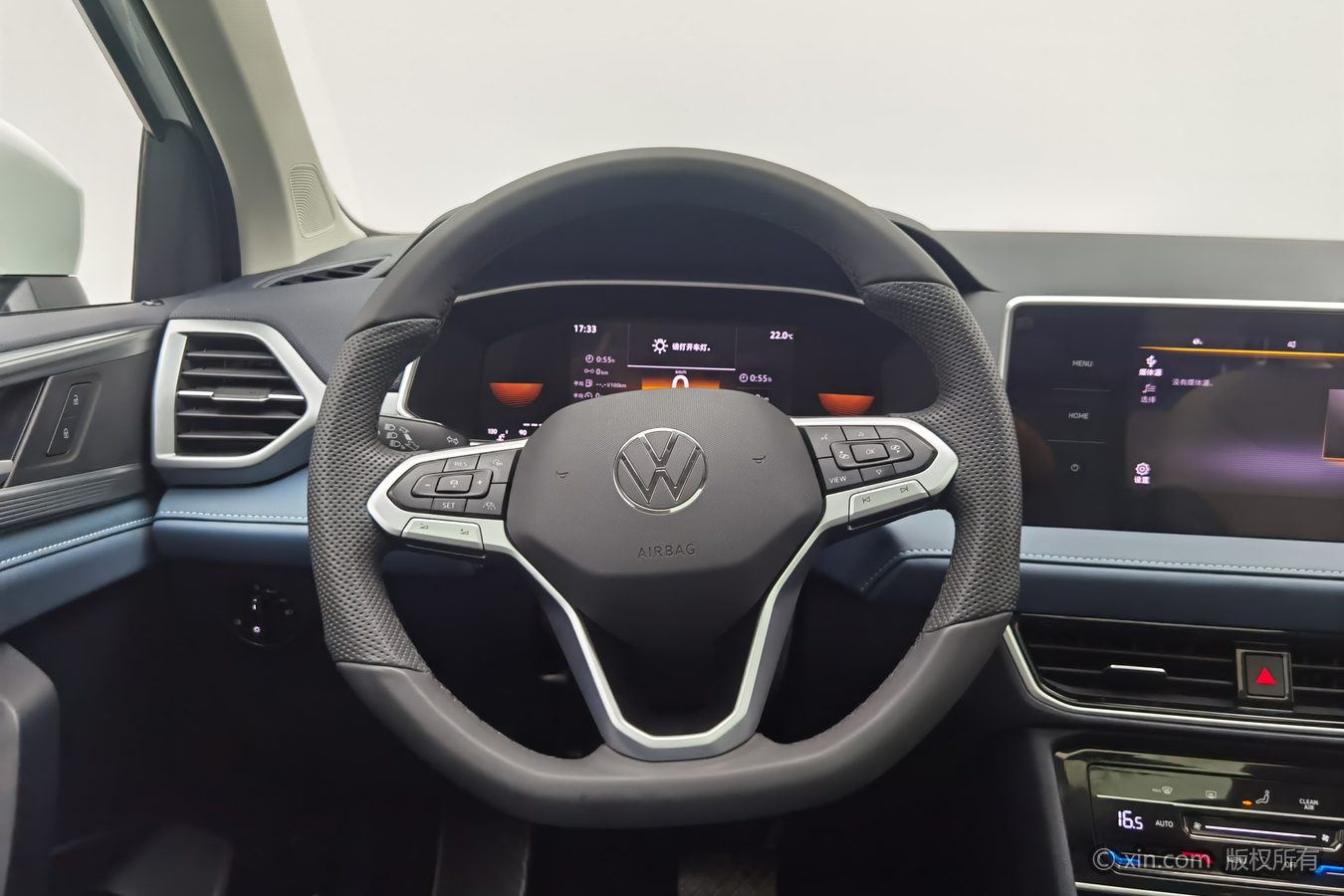
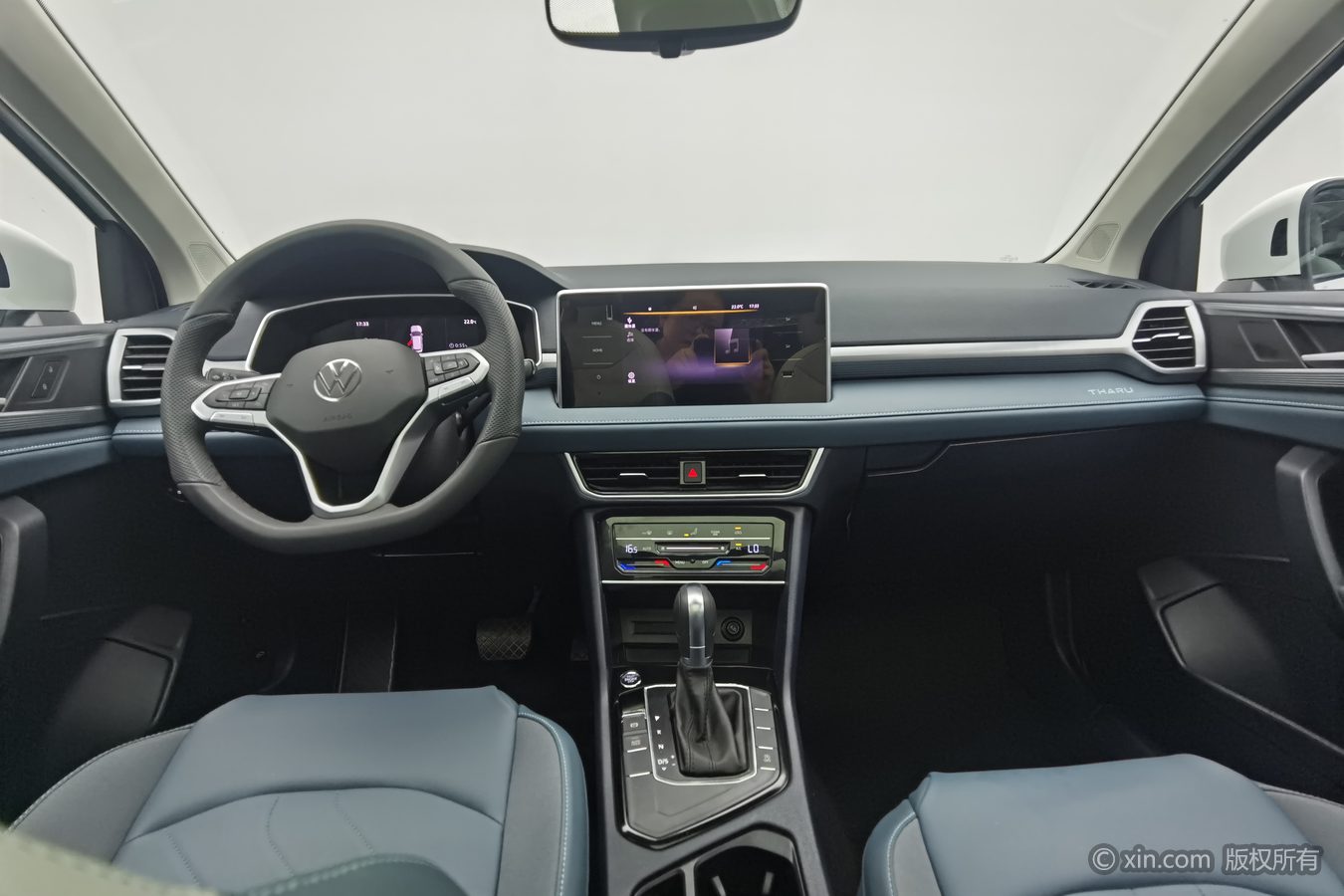
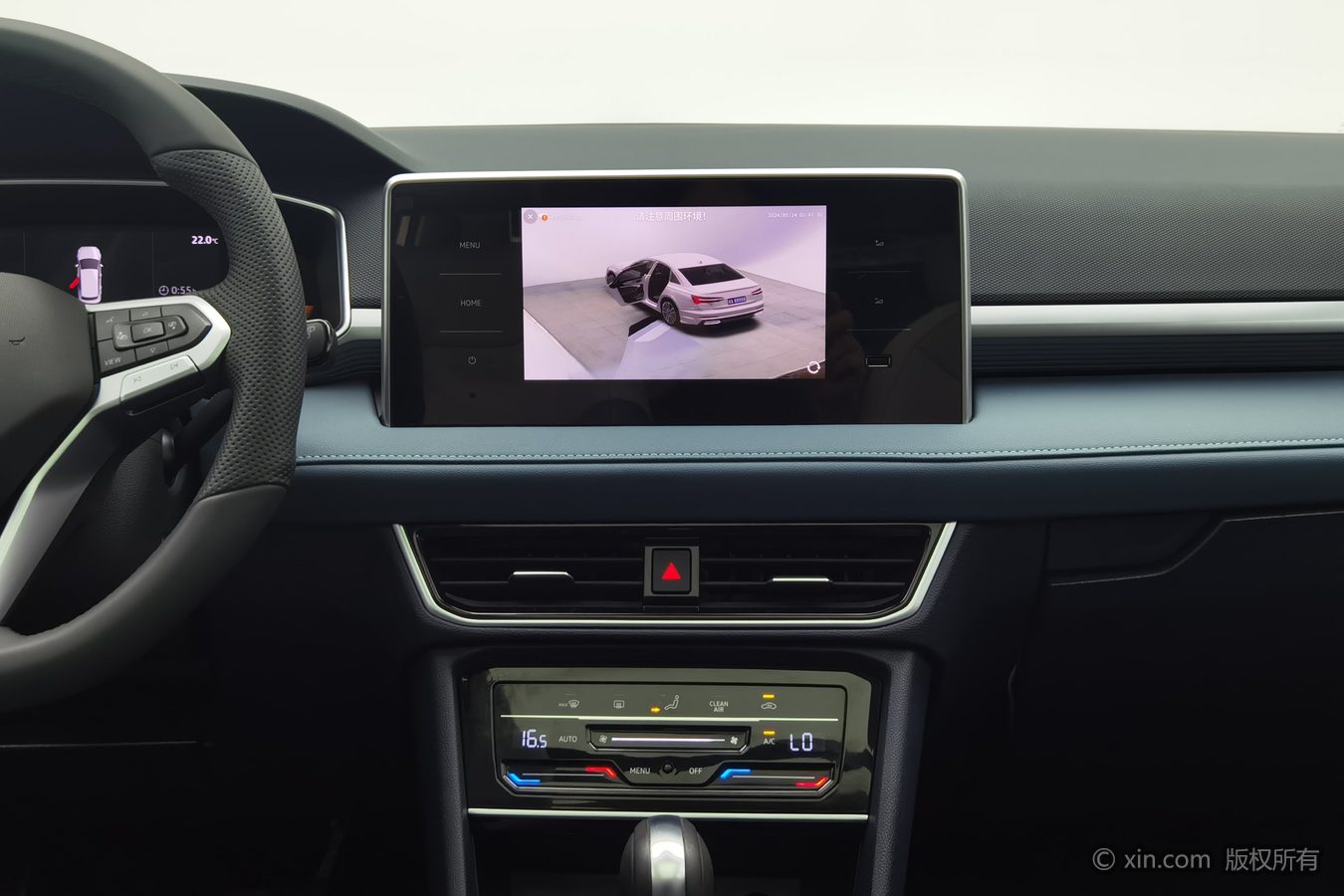
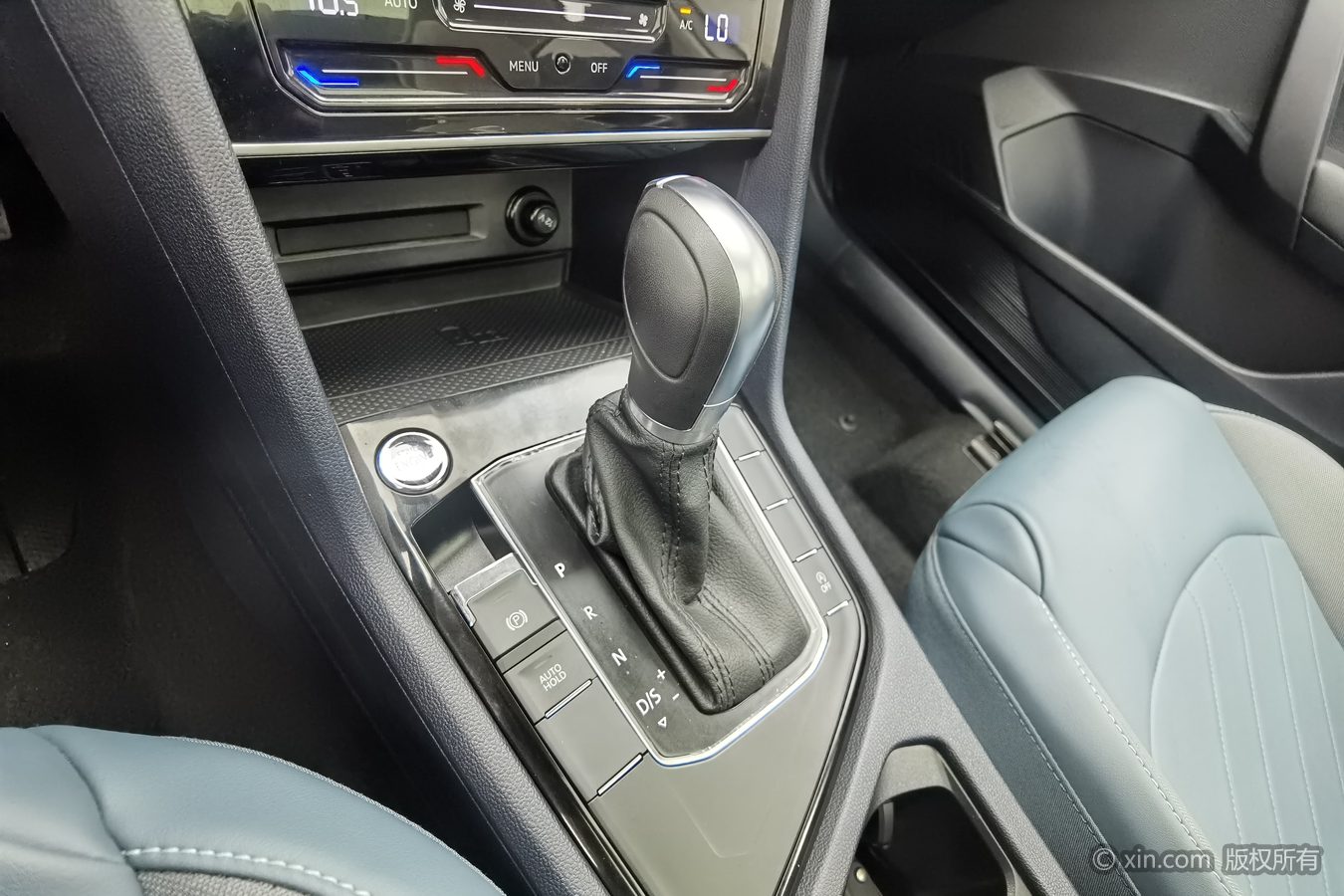

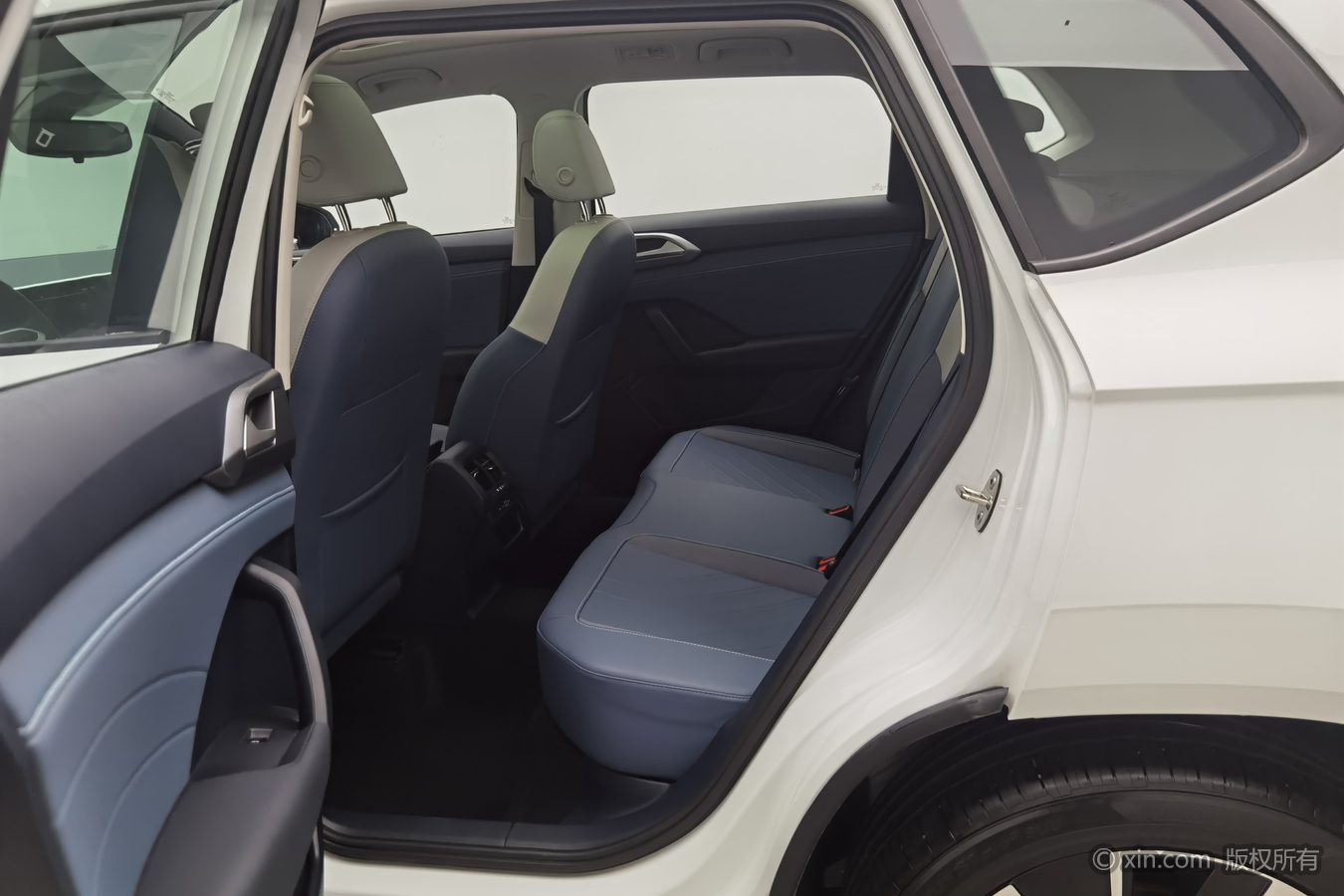
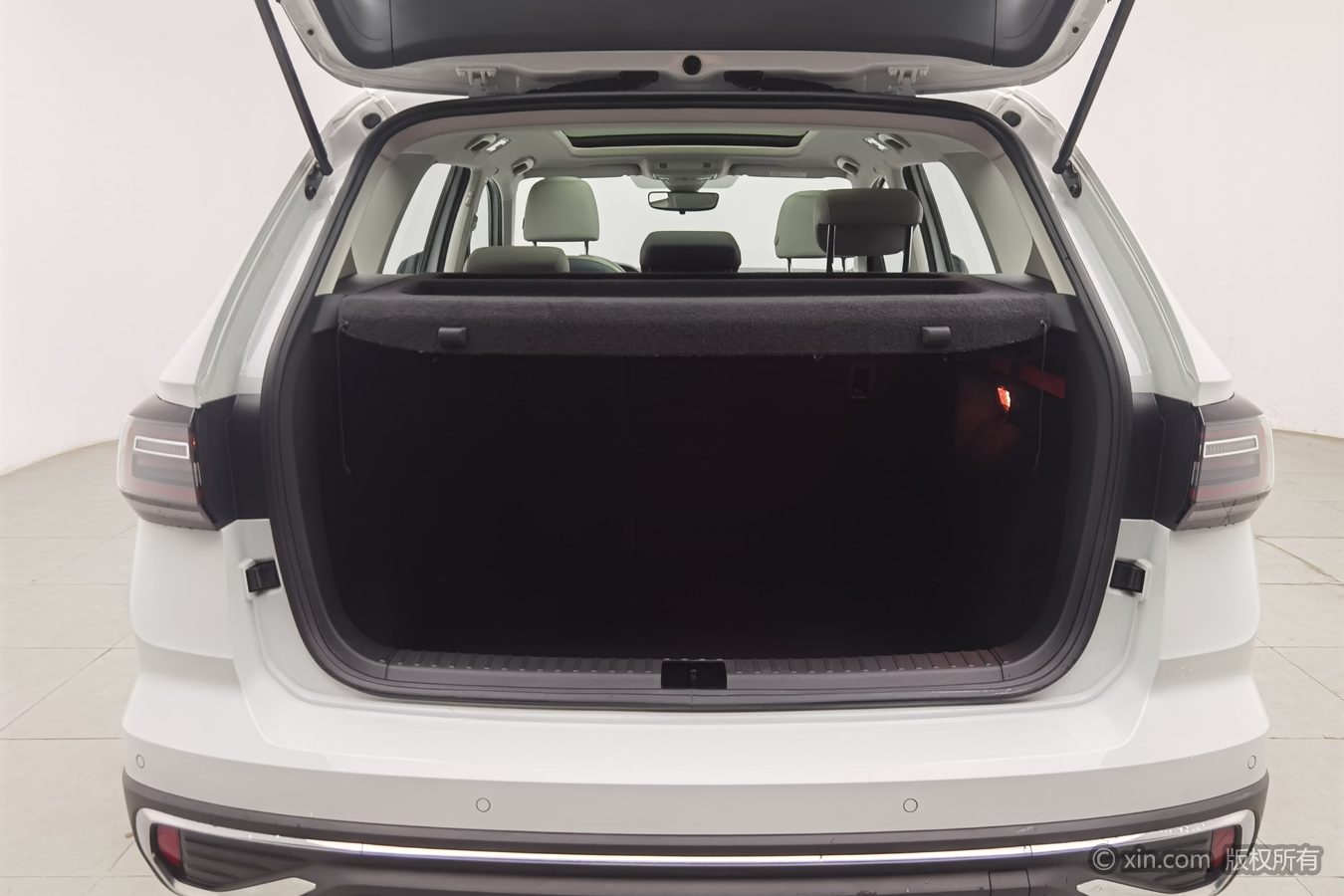
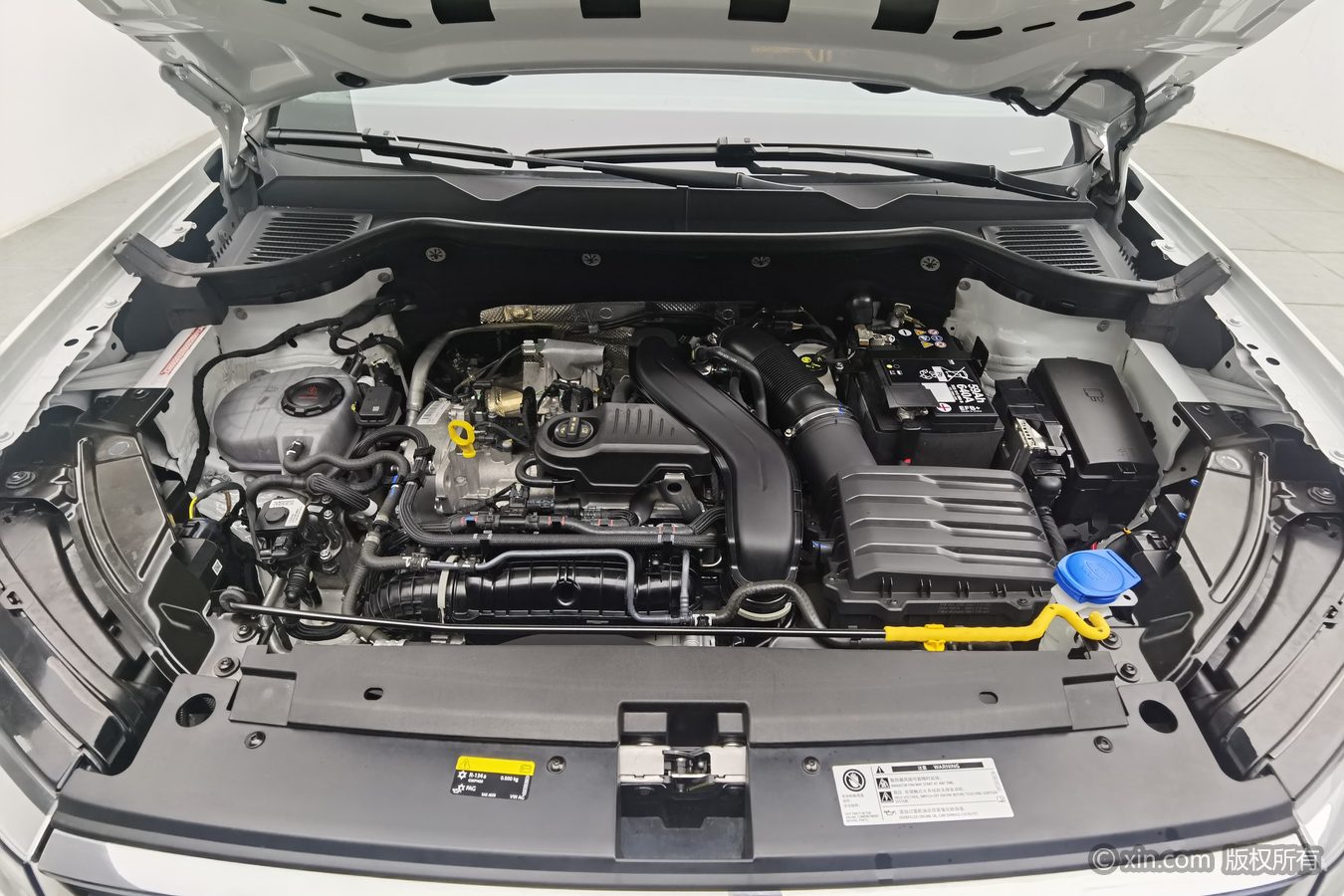
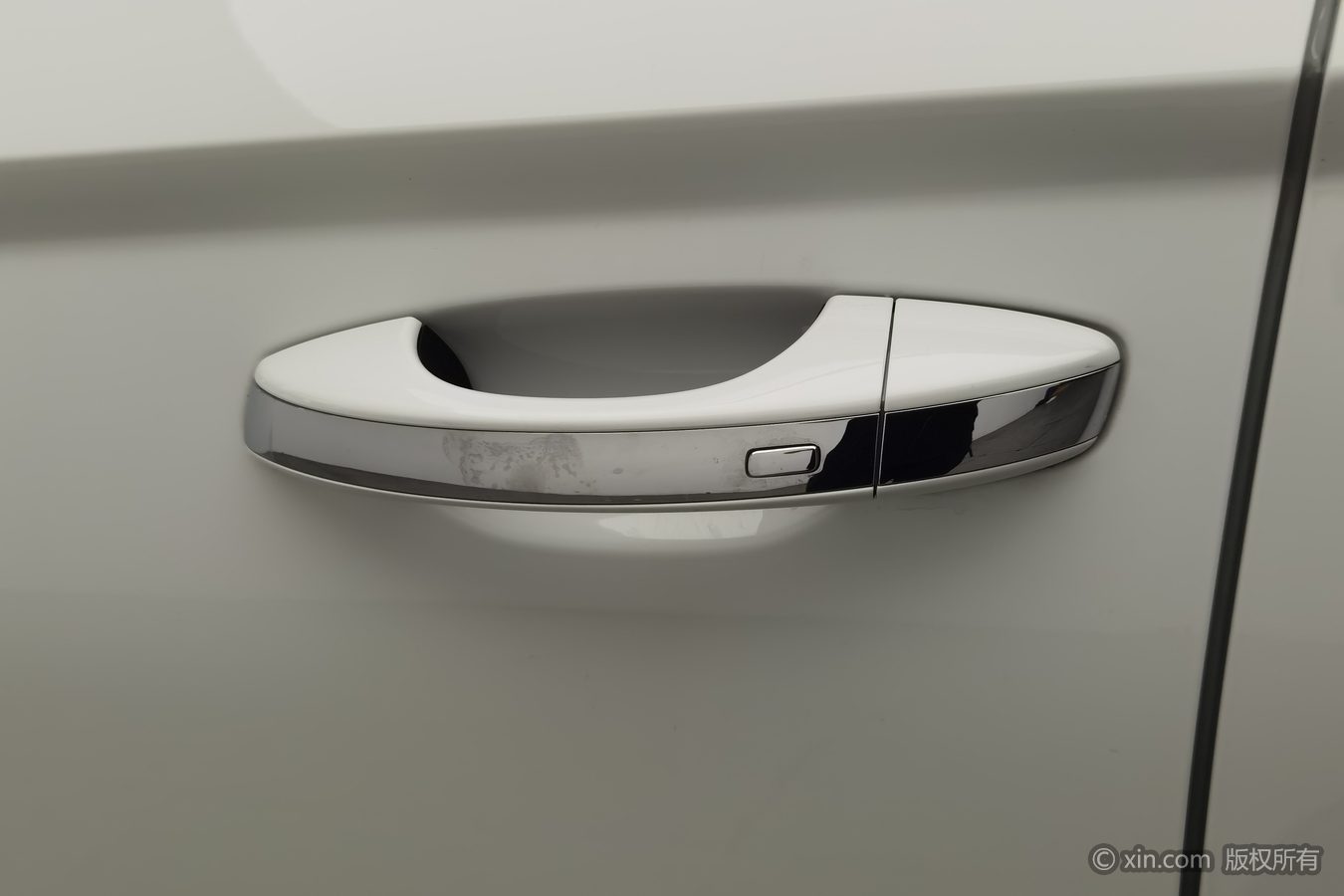
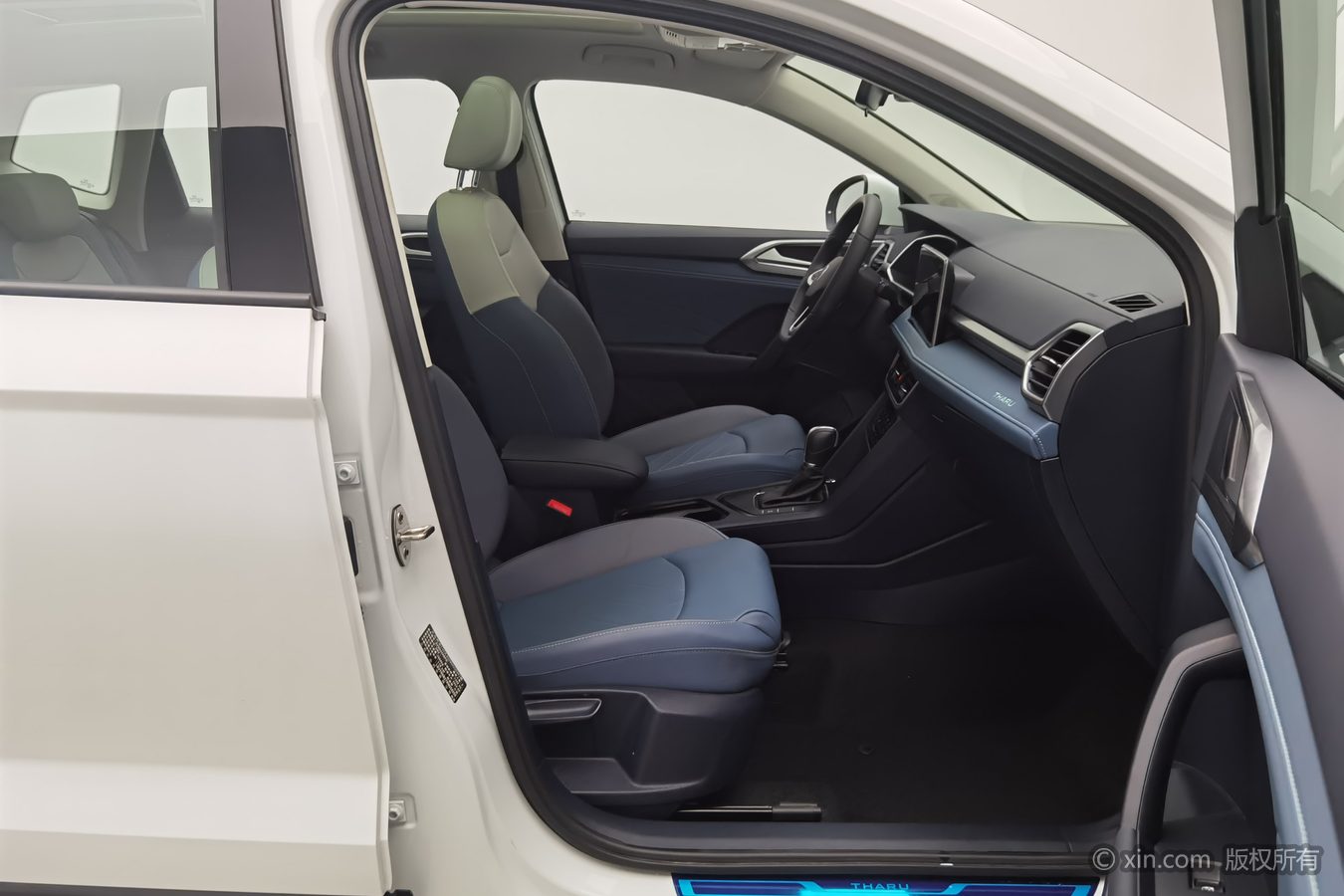
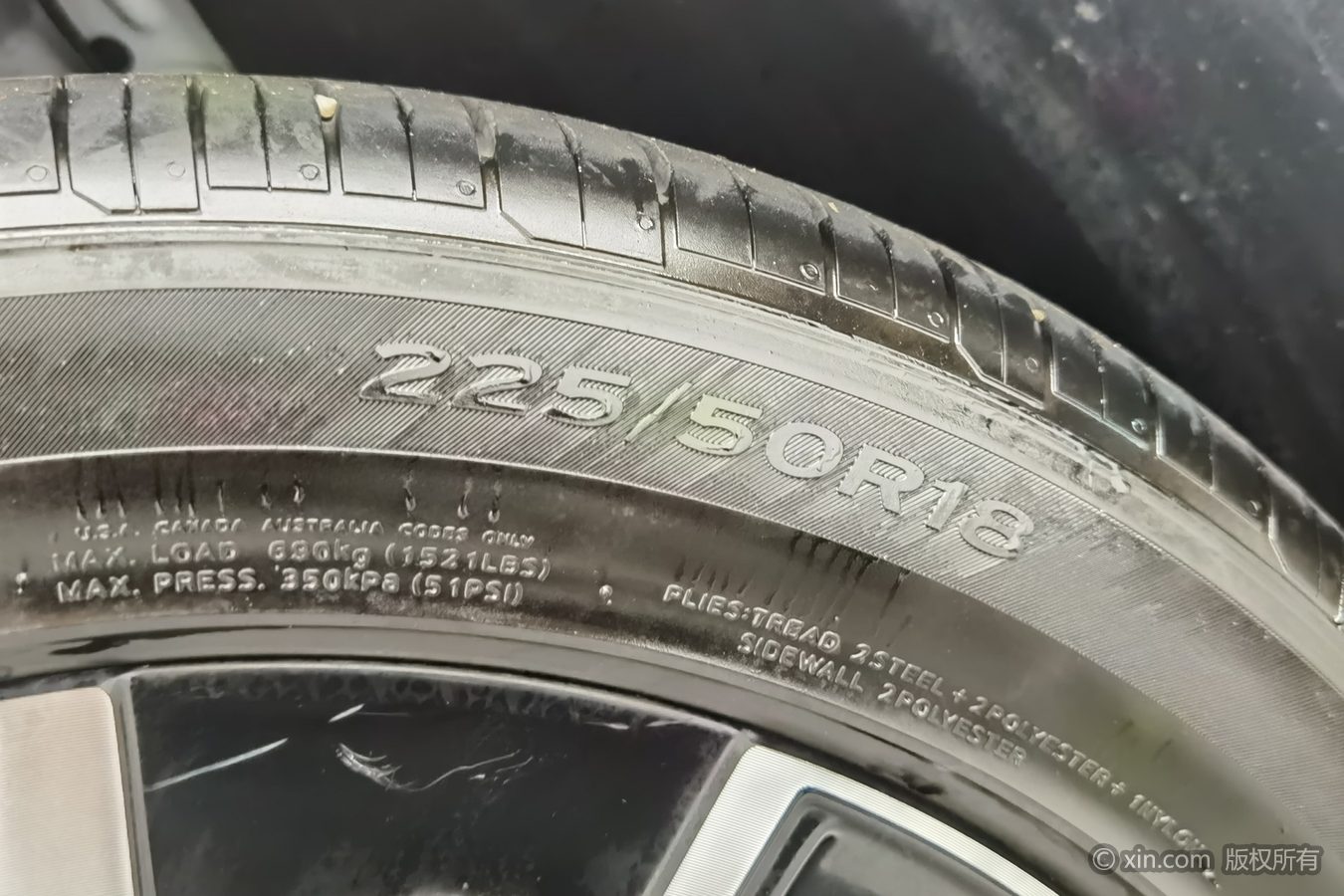



Basic Information

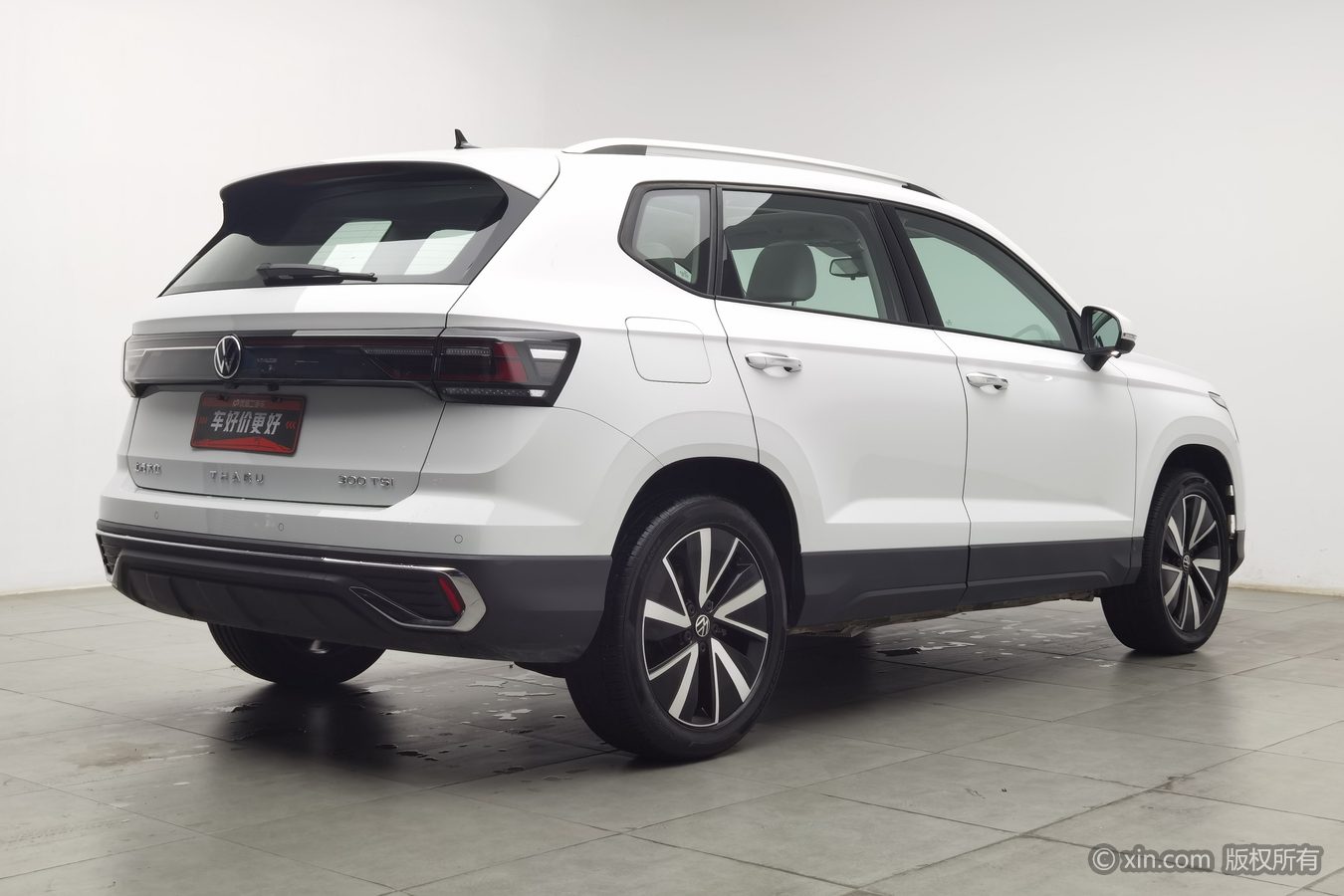
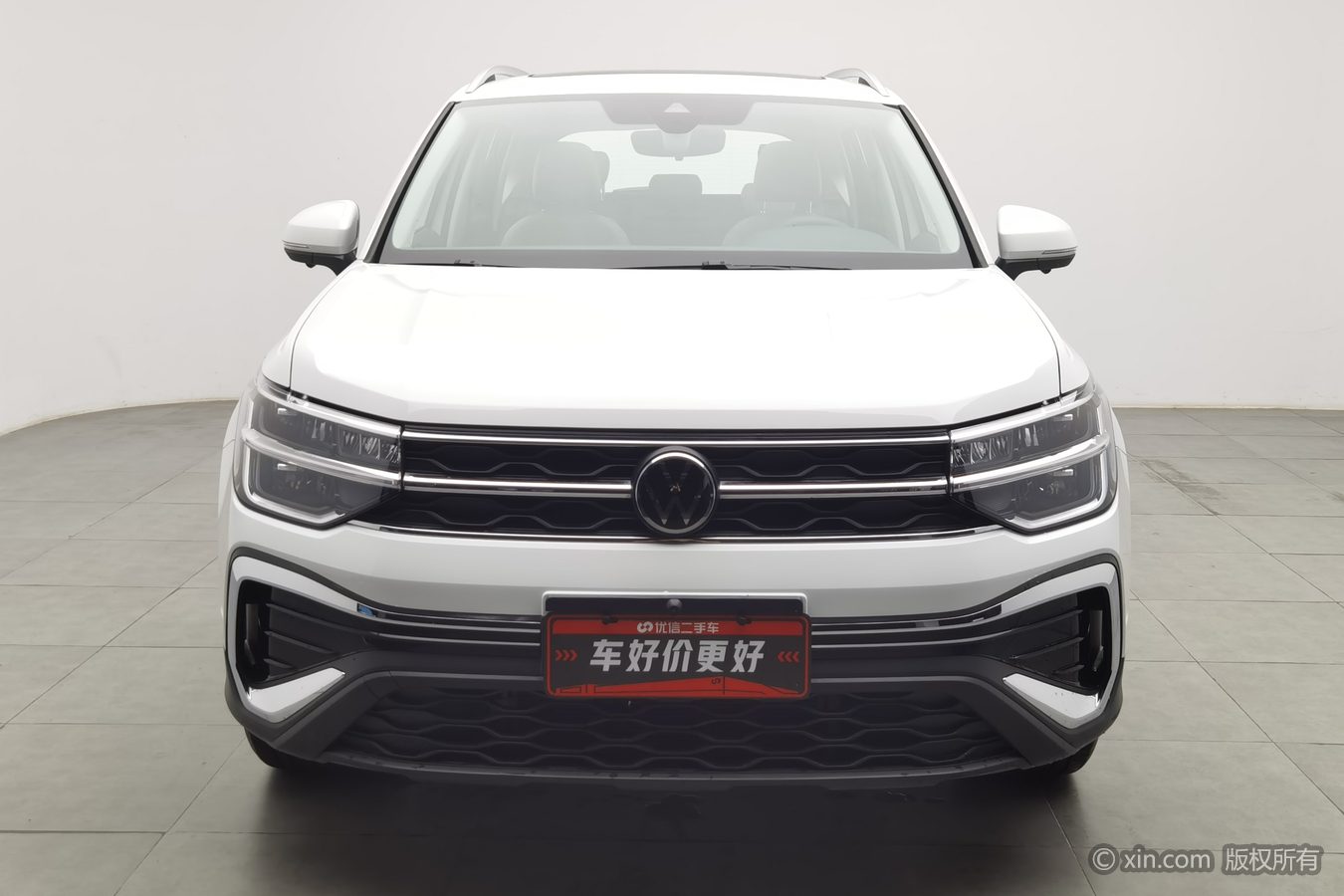
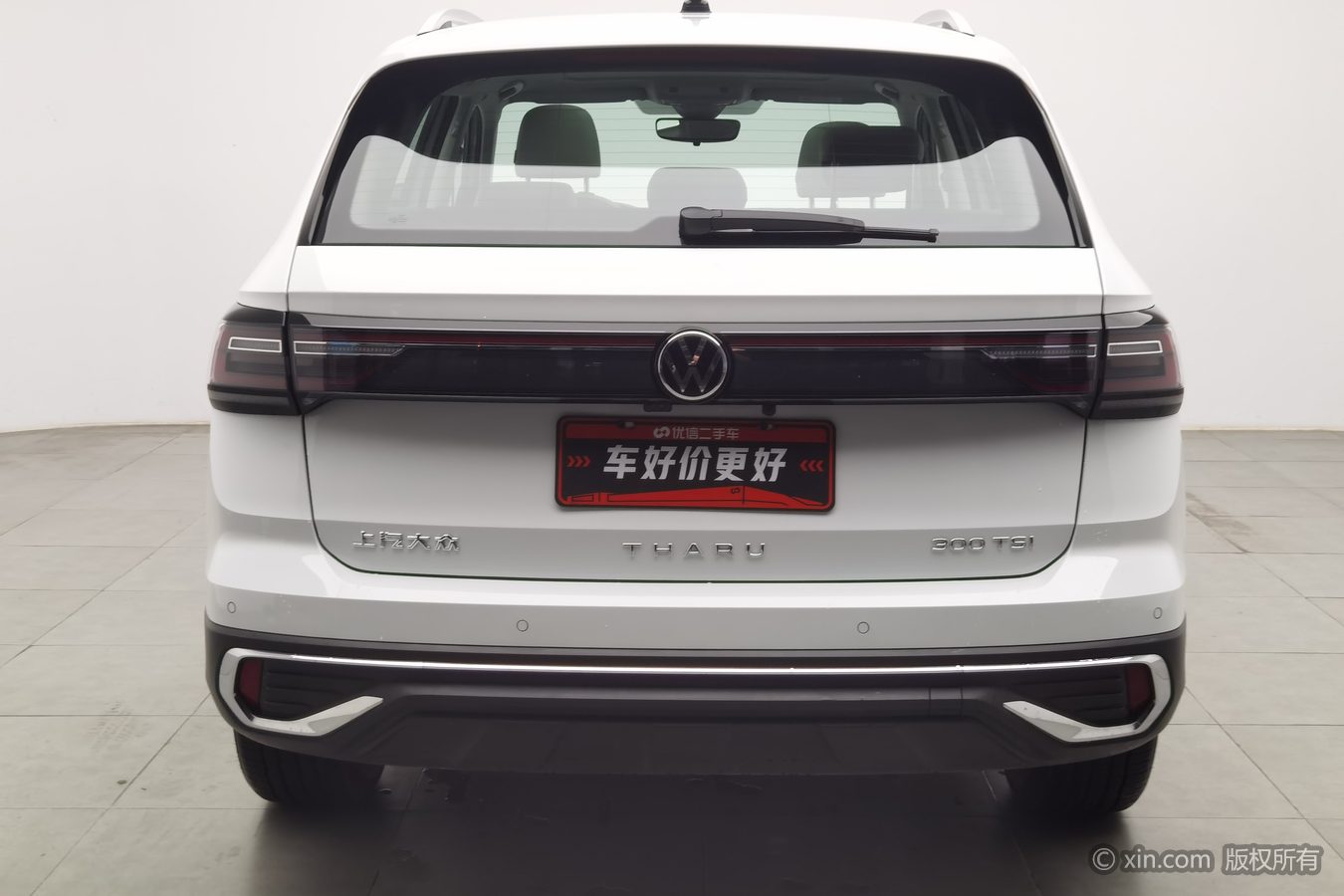
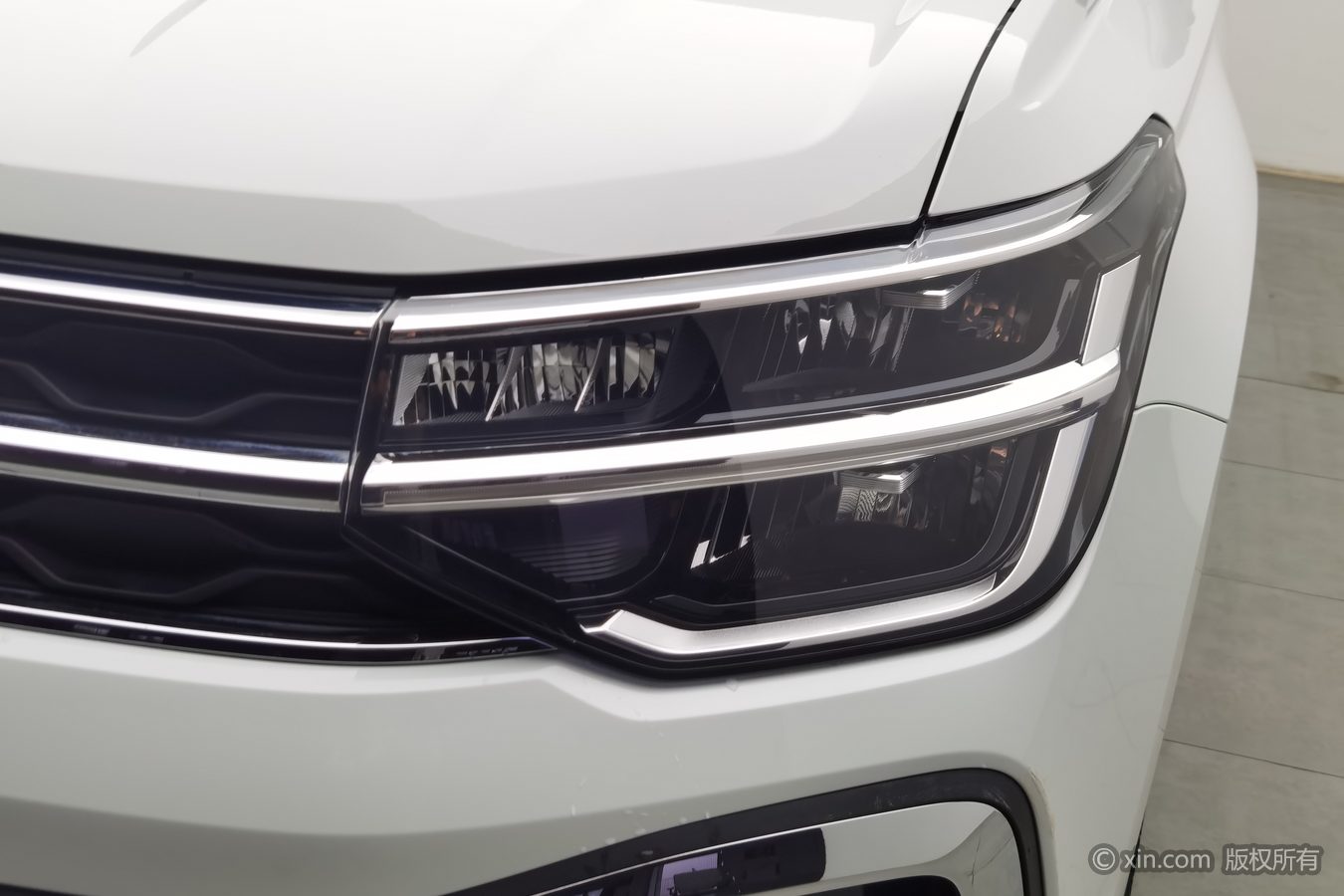
BrandVolkswagen
SeriesTharu
Year2025
First Registration2025/01
Mileage4,000km
Transfer Count0times
FuelGasoline
TransmissionDCT
Engine1.5T 160 L4
ColorWhite
Seats5seats

Condition Description

No odometer tampering, no structural damage, no water damage, no fire damage.

Configuration Highlights

✓Lane Keep Assist
✓前碰撞预警
✓Adaptive Cruise Control
✓Lane Departure Warning

Document Information

Inspection Expiry Date2026/09
Warranty Expiry Date-
Insurance Expiry Date-

Q&A

More

What is a Chinese customs export declaration, and why do I need it to register the car in my country?

The export declaration (报关单) is the official Chinese customs document recording that the vehicle legally left China: VIN, HS code, declared value, origin port and date. Most destination countries ask for it—or for the certificate of origin—during registration to prove the car was legally exported, not stolen or smuggled. Practical points: ensure the VIN on the declaration matches your car exactly; a single digit mismatch can block registration. The declared value also anchors customs valuation in many countries, so an undervalued declaration may save the seller tax but can raise your import duty or trigger a re-valuation penalty. Ask the exporter for a stamped copy before shipping, verify the VIN yourself, and check that the document shows the correct consignee. Keep the original—some registries require it, and you'll need it again if you ever sell the car. If the exporter hesitates to provide it, treat that as a red flag.


What should a professional pre-shipment inspection of a used car from China include?

A proper pre-shipment inspection is more than photos — it is a documented technical examination covering four areas. 1. Structure: paint thickness readings across the body, weld inspection of pillars and chassis rails, rust assessment underneath. 2. Mechanical: engine compression or at least a cold-start video, transmission shifts through all gears, suspension noise test on uneven roads, brake pad and disc thickness measurements. 3. Electronics: full OBD diagnostic scan with printed fault codes, all lights, windows, AC, infotainment, and driver-assistance functions tested. 4. Documentation: VIN and engine number physically matched to the registration certificate, photos of the certificate itself. Insist on a written report with photos, measured values, and a clear pass/fail conclusion per section. Make final payment conditional on this report, not on the seller's word or showroom-condition photos.

What is a battery SOH certificate and why does it matter when buying a used EV from China?

SOH (State of Health) measures the battery's remaining capacity as a percentage of its original capacity. Two EVs with the same mileage can have very different SOH depending on charging habits and climate exposure, and since the battery represents 30-50% of a used EV's value, the SOH number is effectively the real price tag. A proper certificate includes current SOH percentage, cell voltage balance, charge cycle counts, battery management system fault codes, and often a projected range estimate. In hot-climate markets like the Gulf, a degraded battery degrades even faster, so a documented SOH above 85-90% is strongly recommended. Exporters who provide verified SOH certificates close deals faster and command better prices, so treat the certificate as a core purchase document, not an extra.