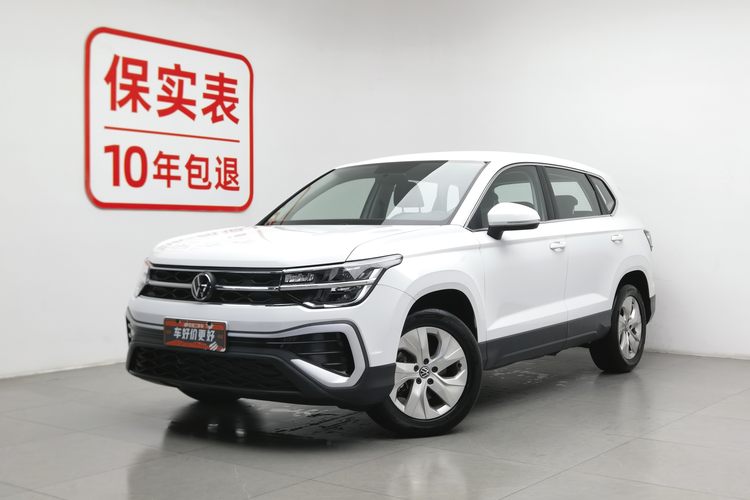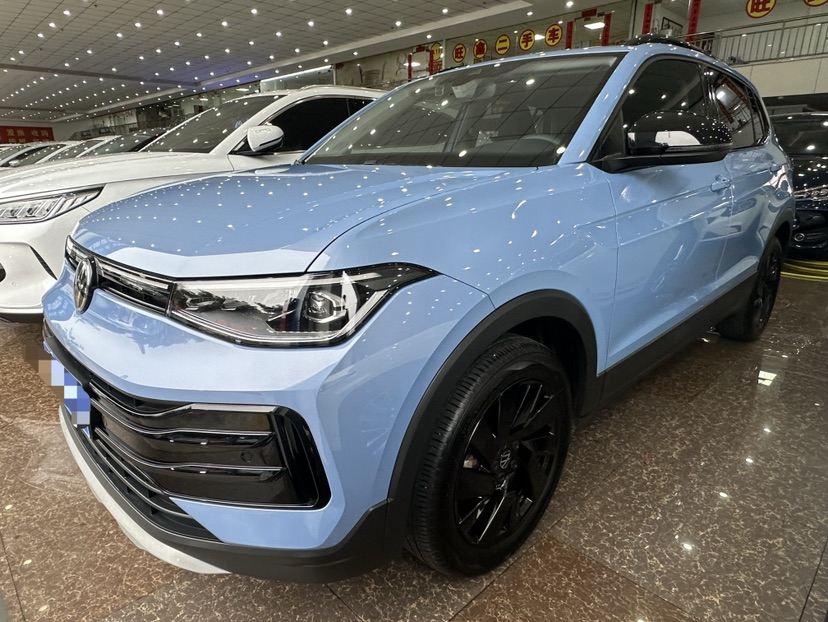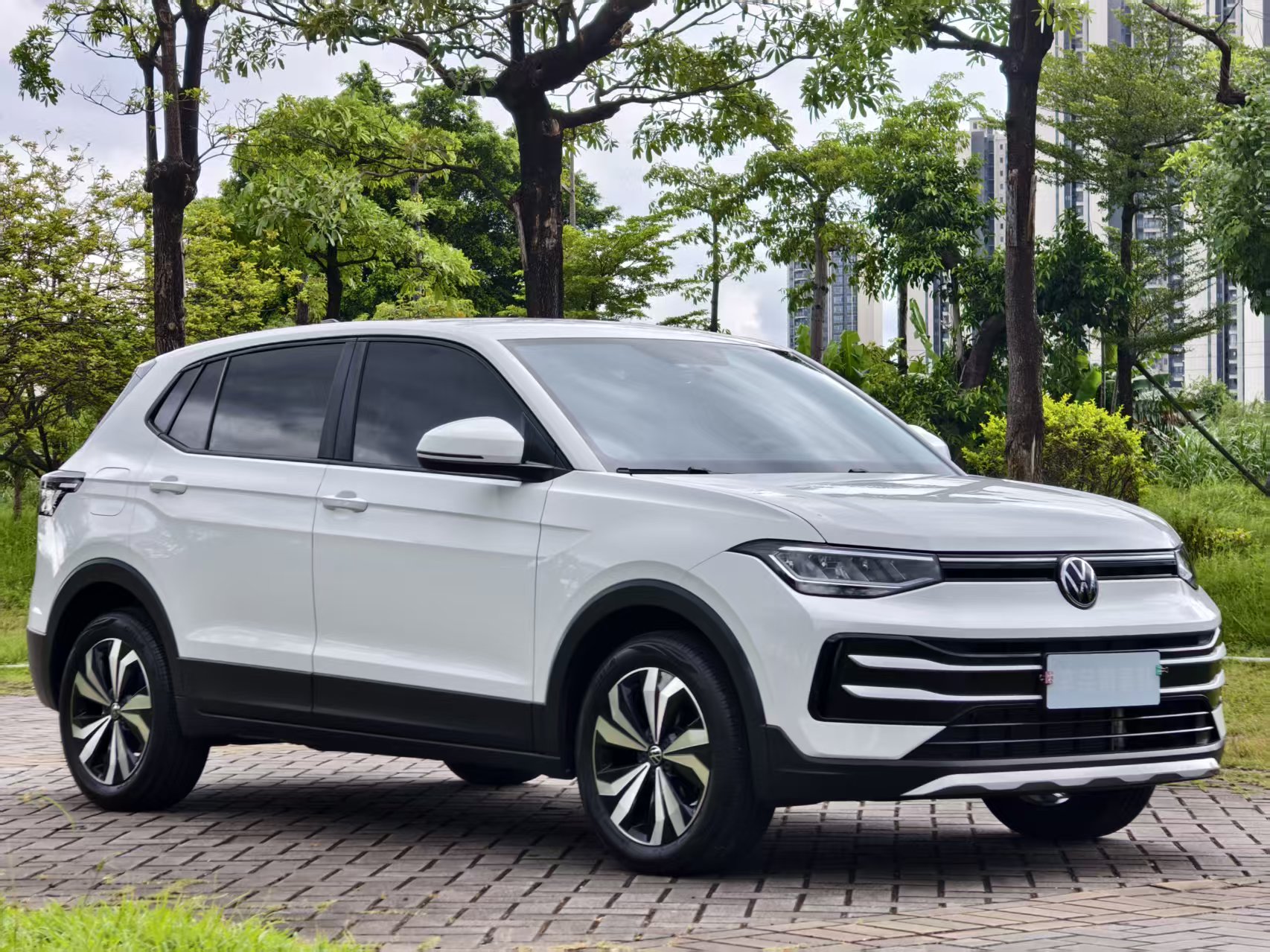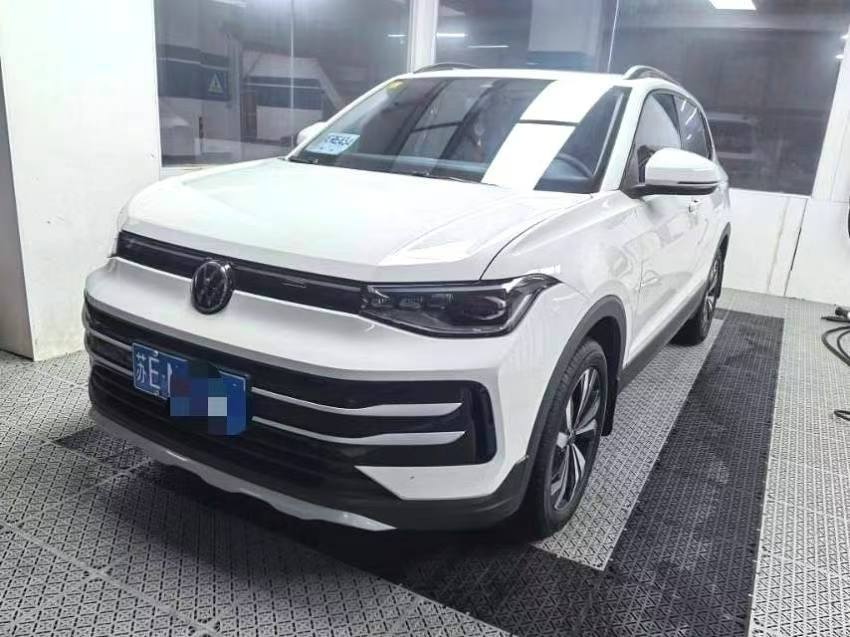
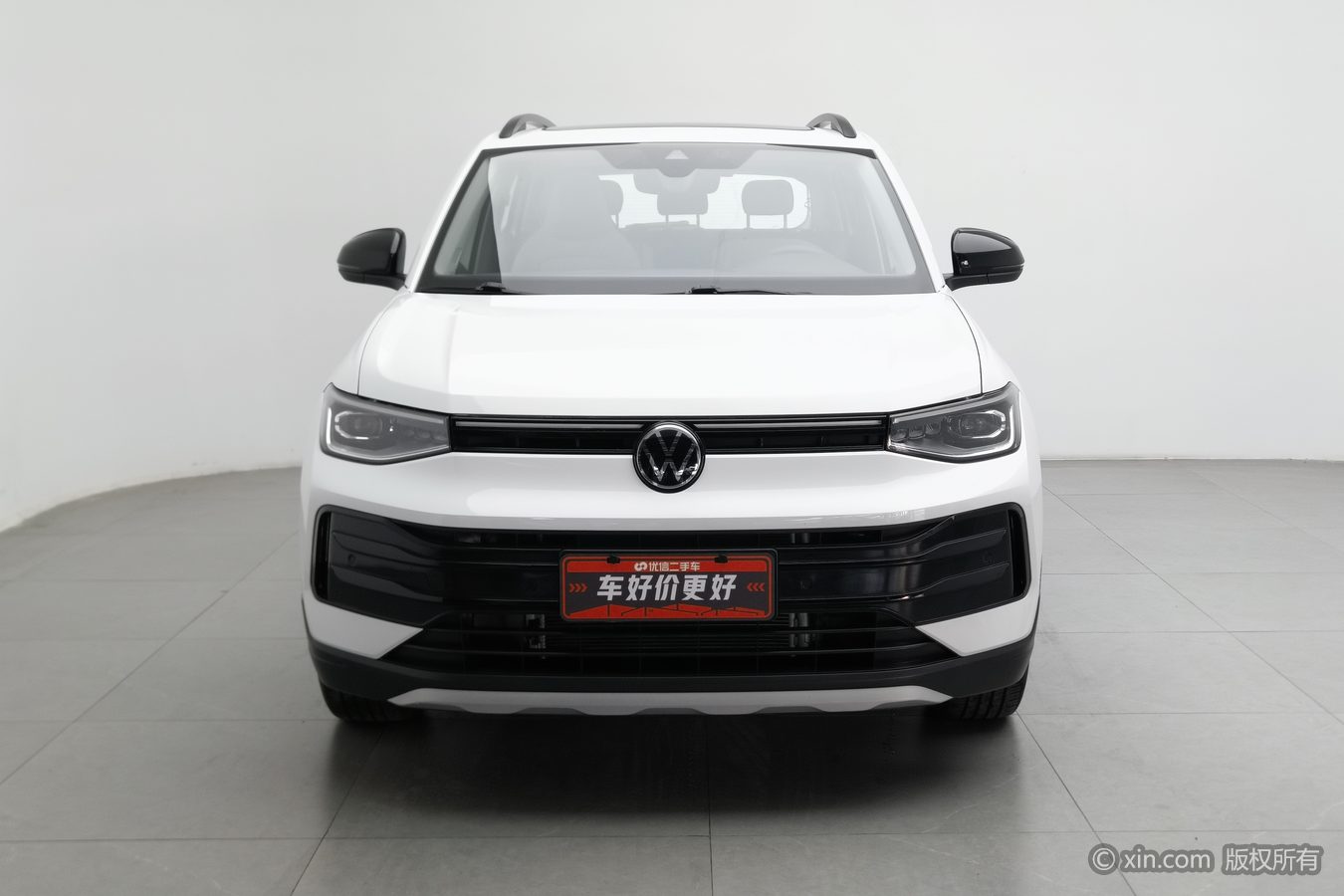
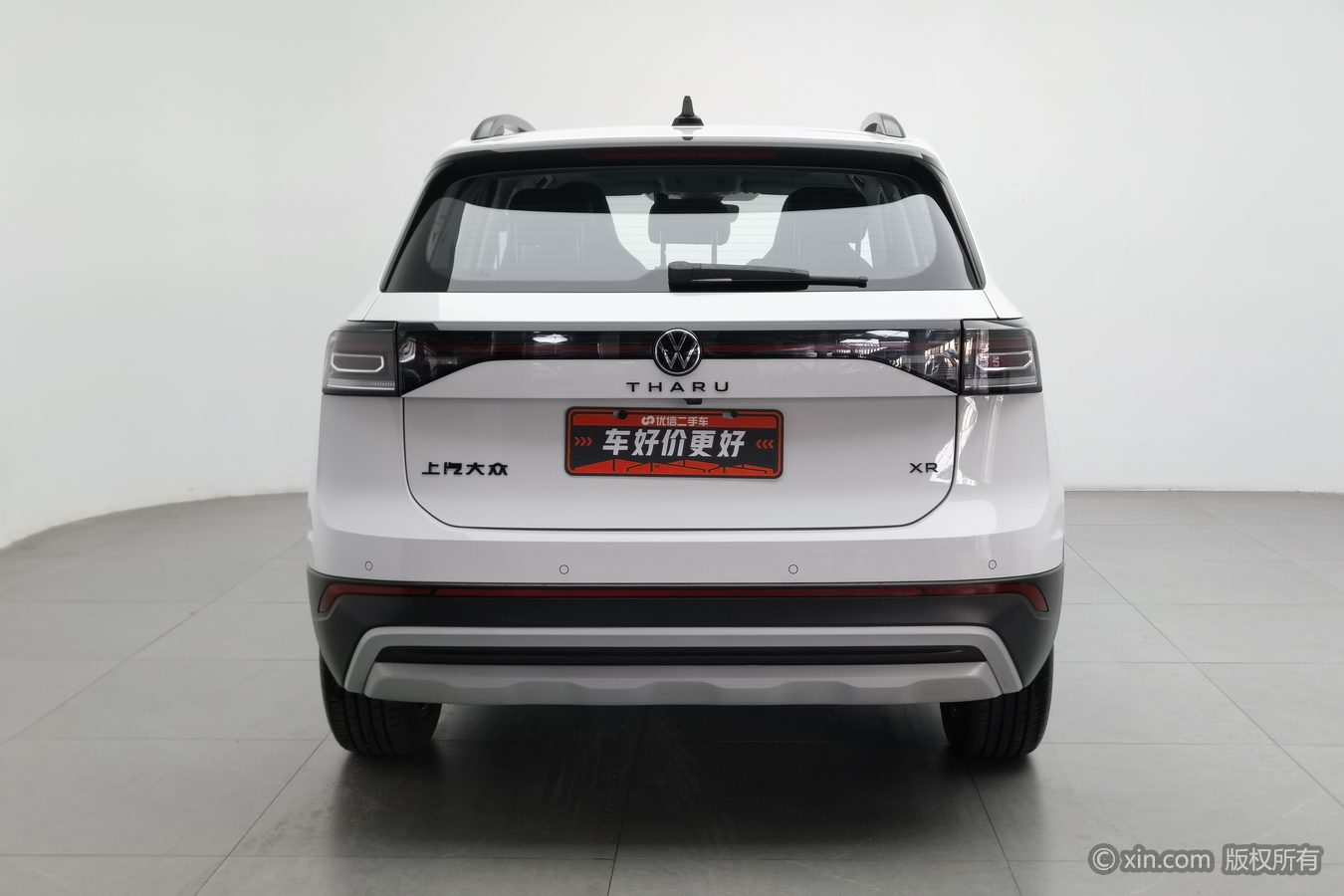
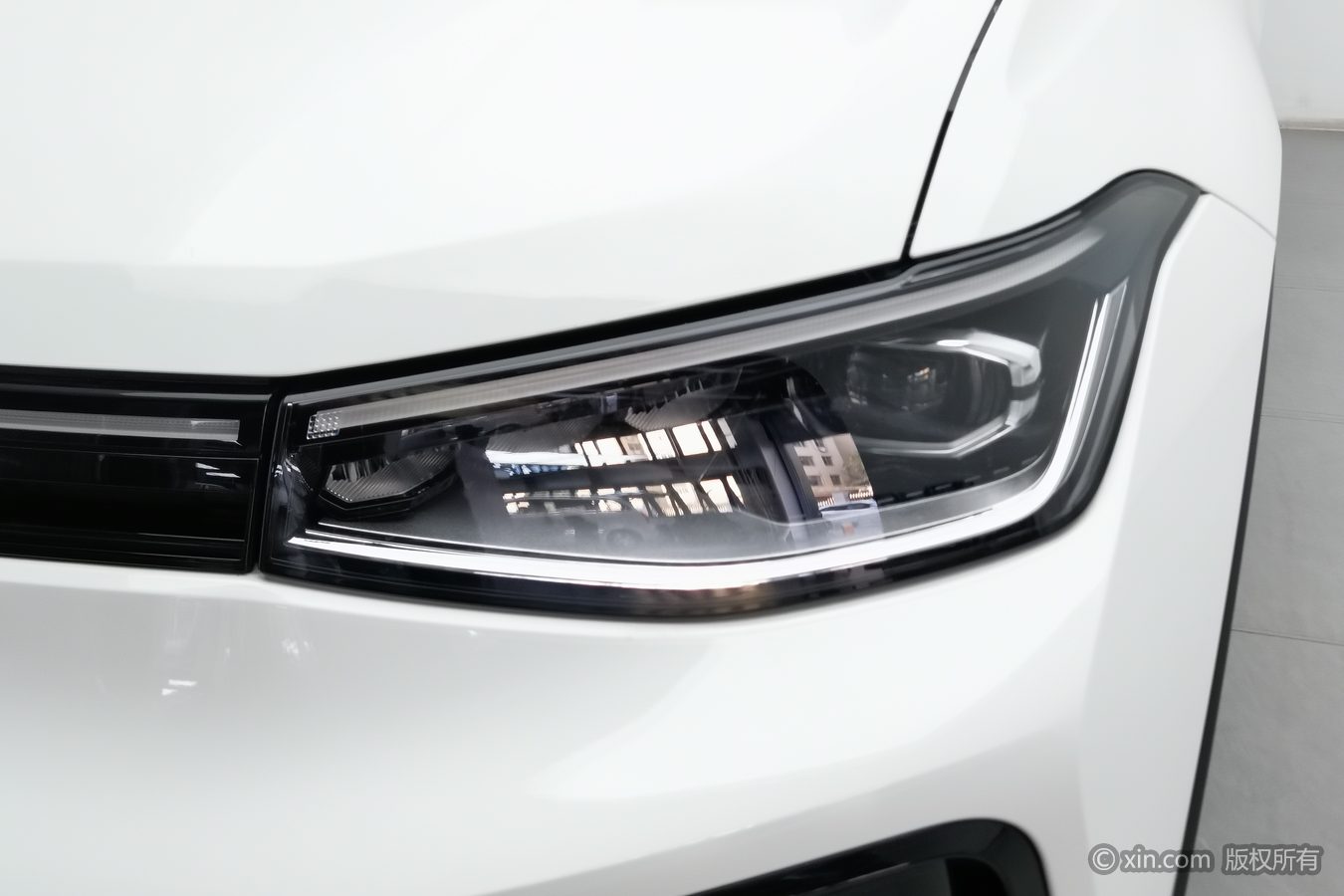
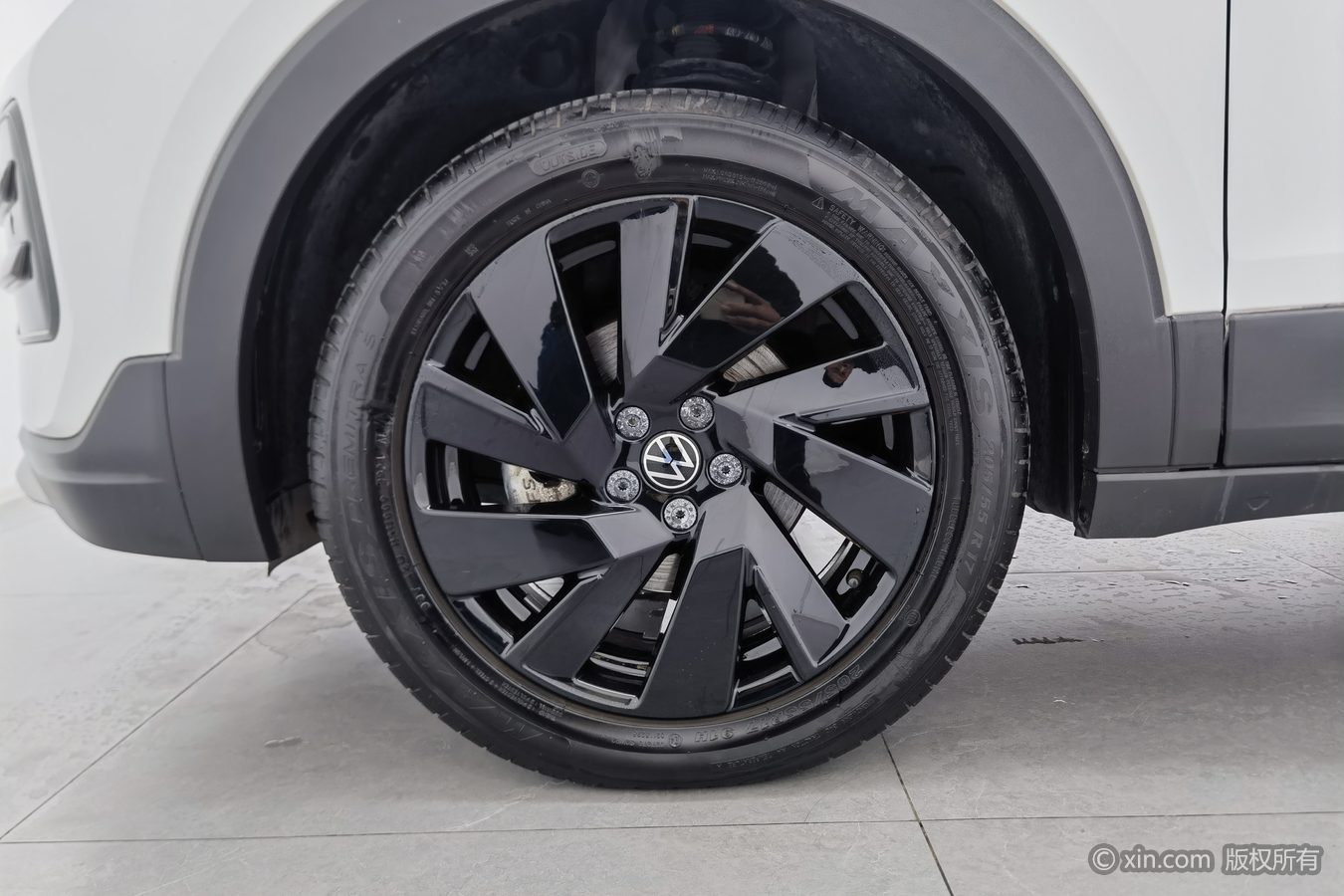
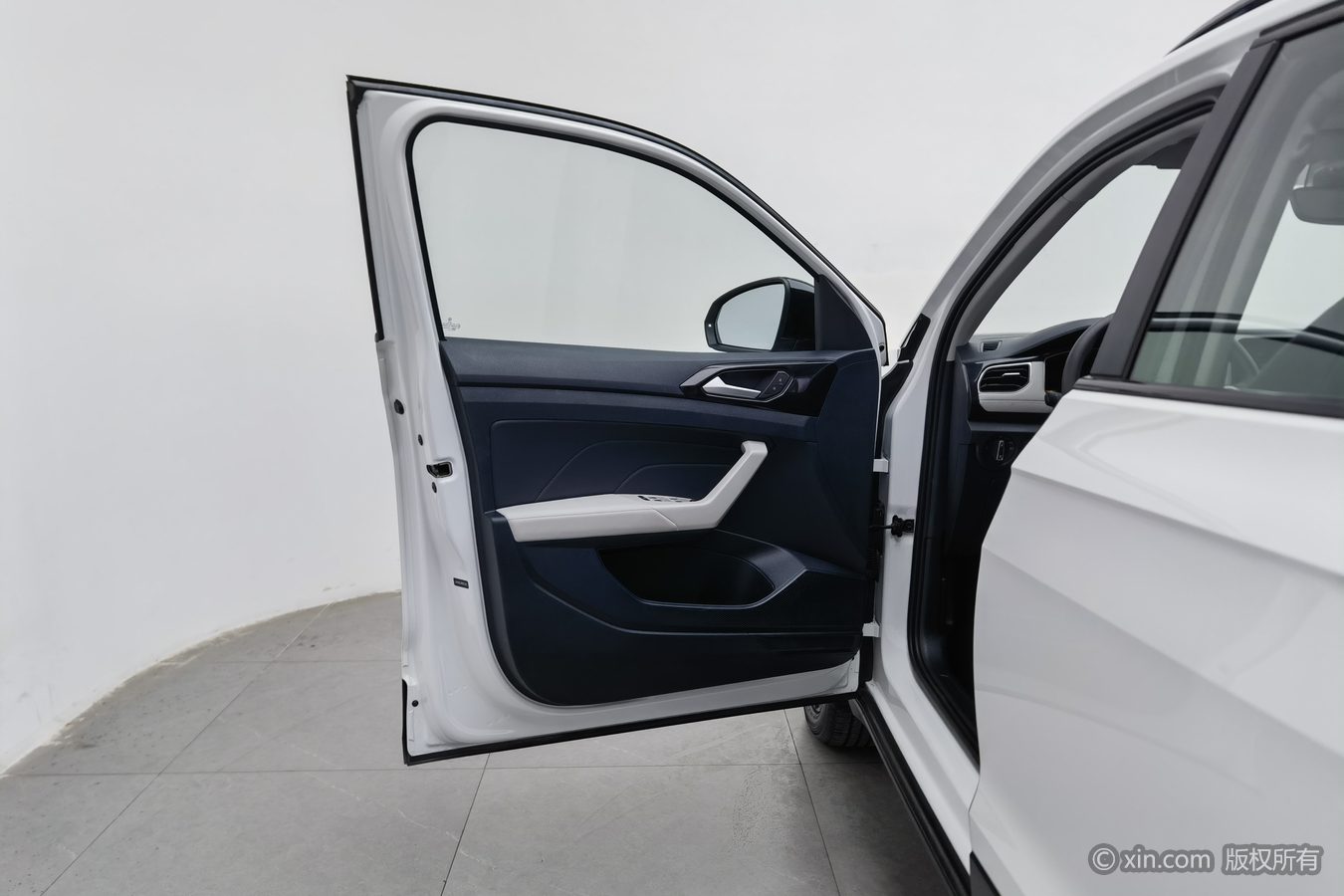
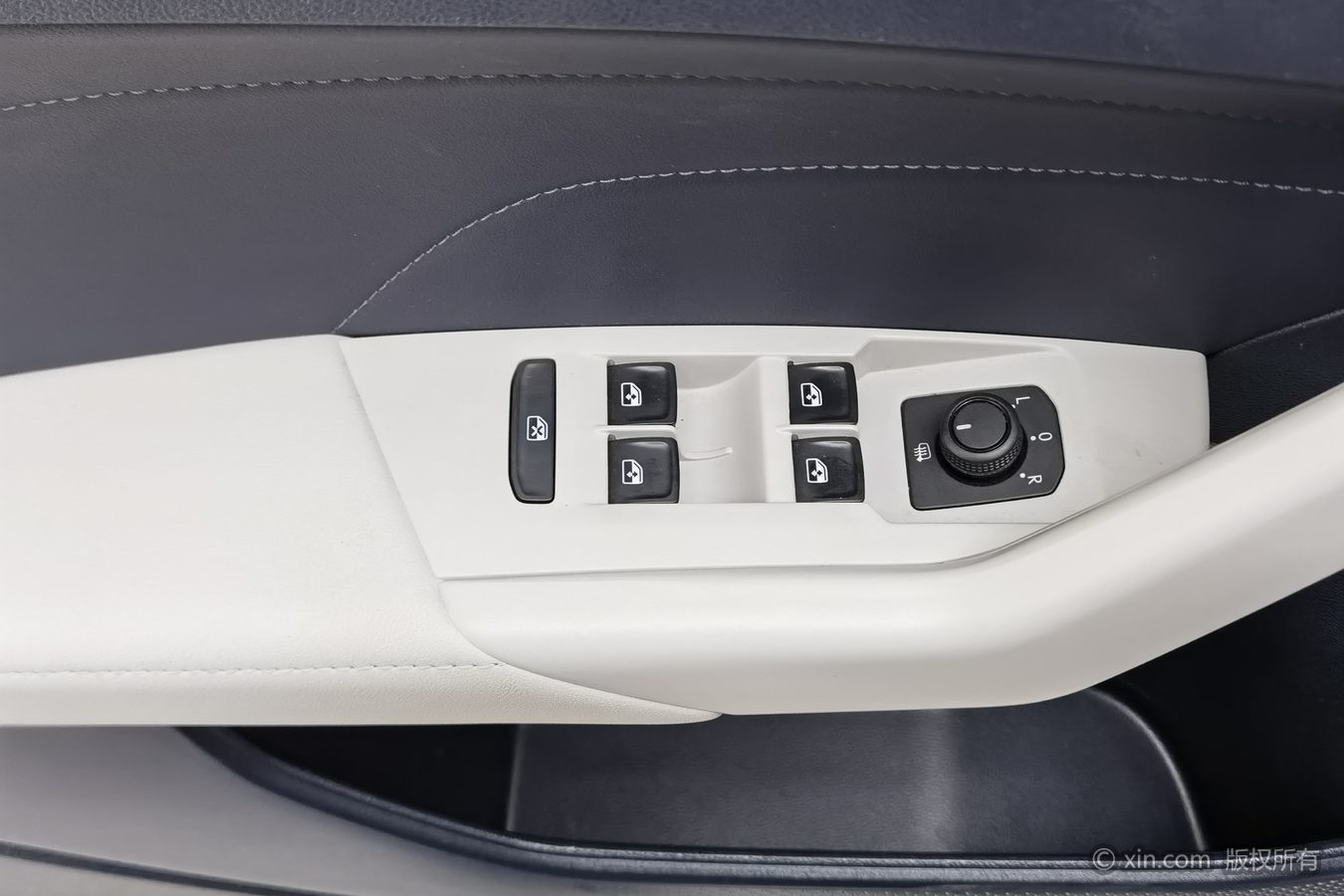
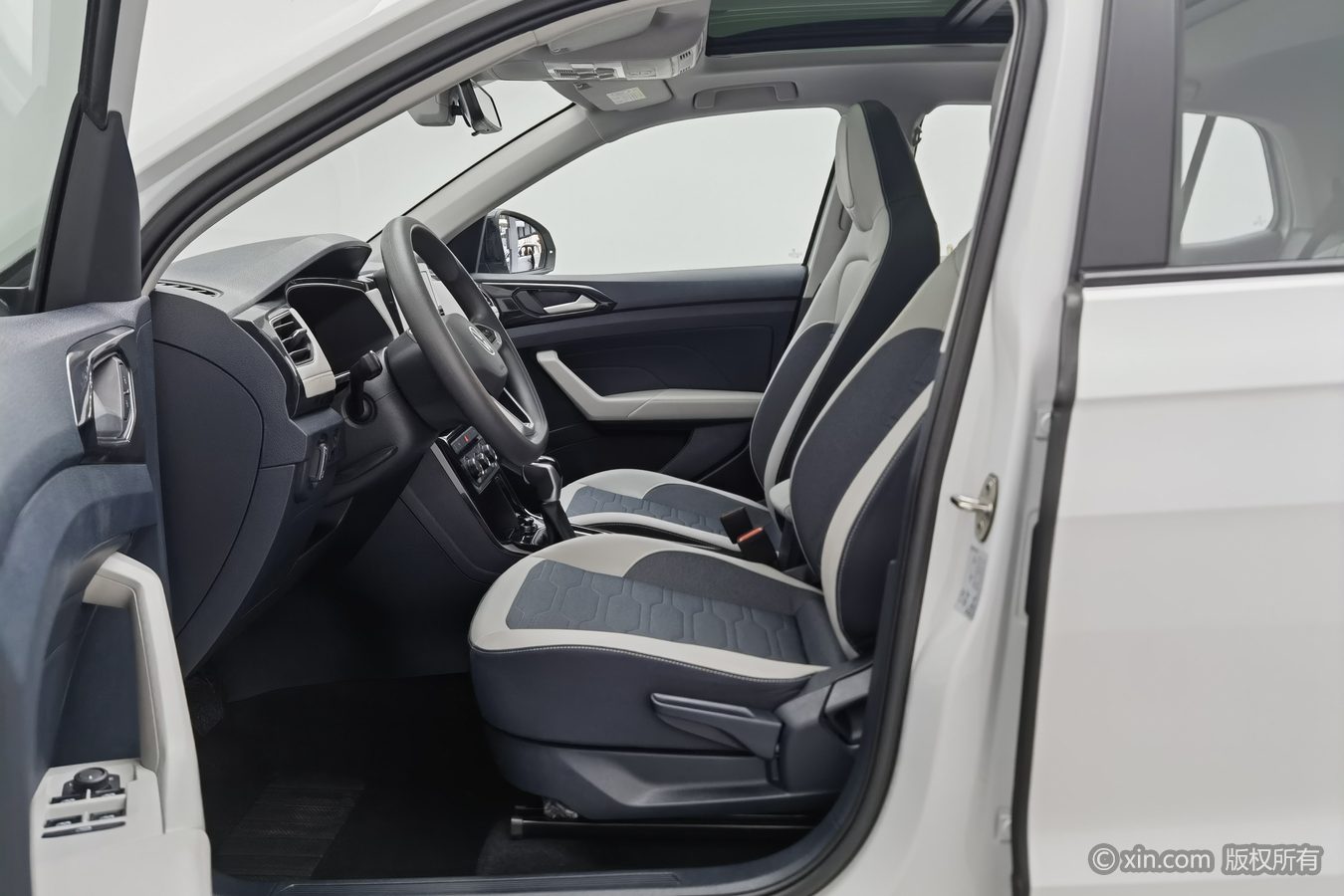
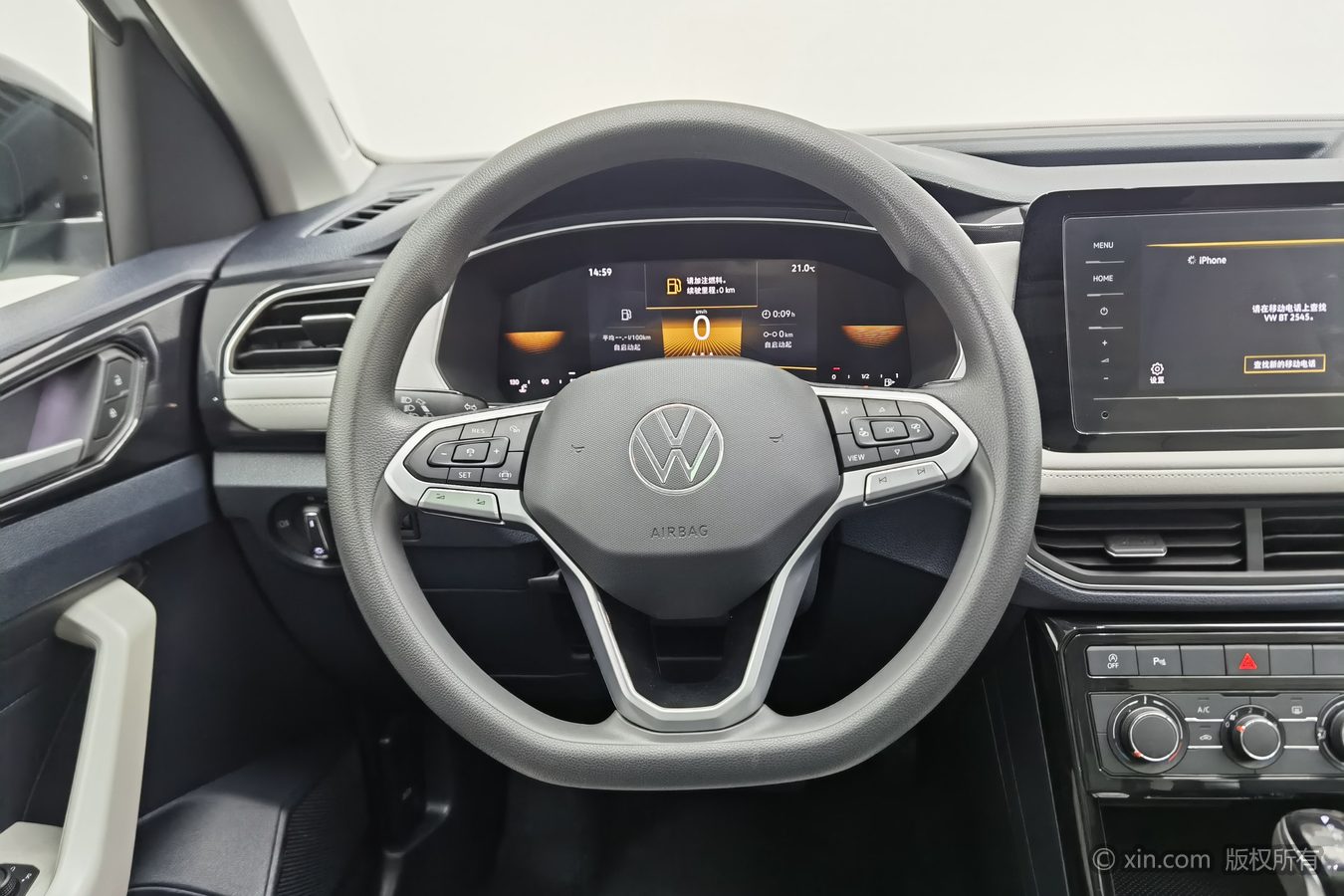
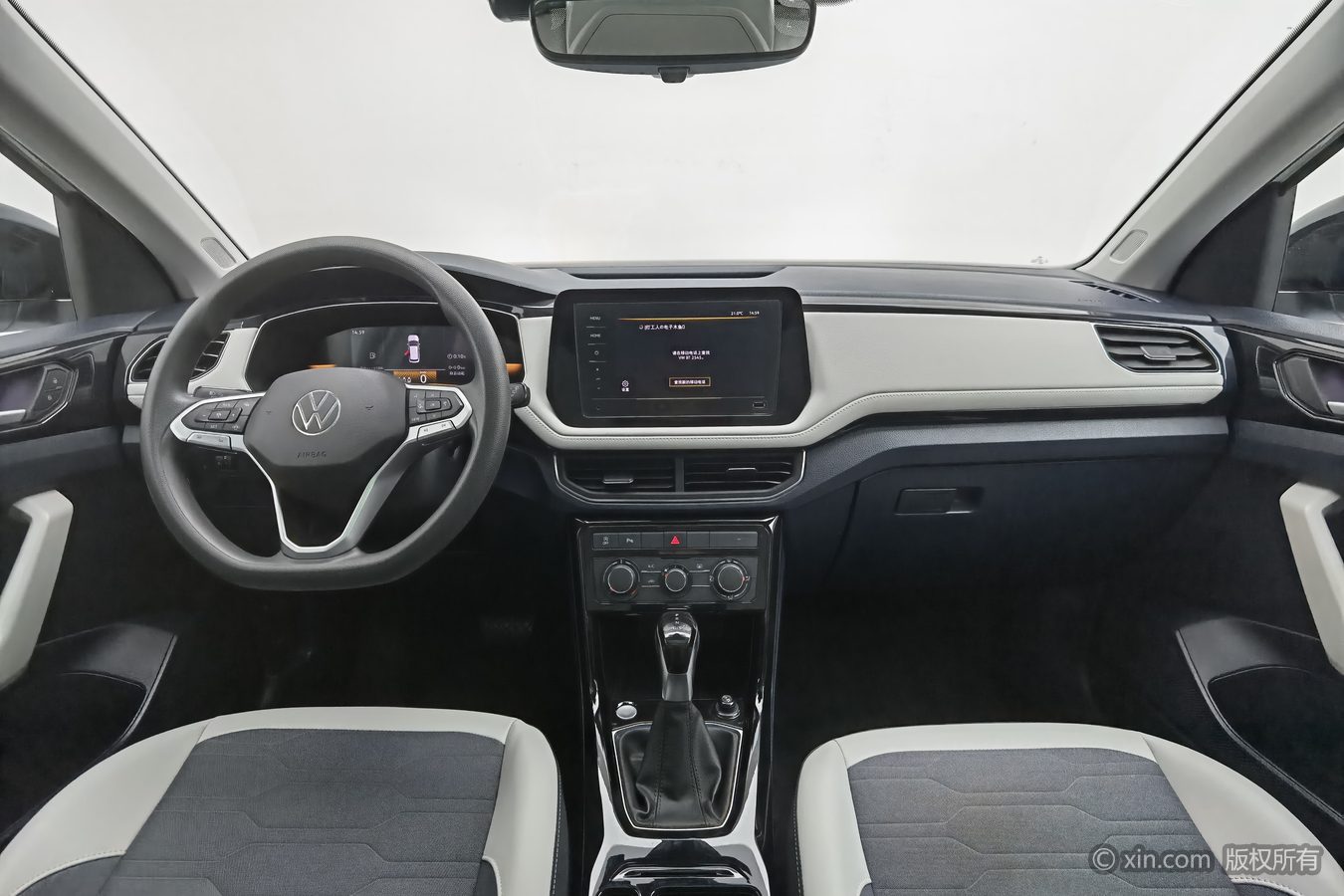
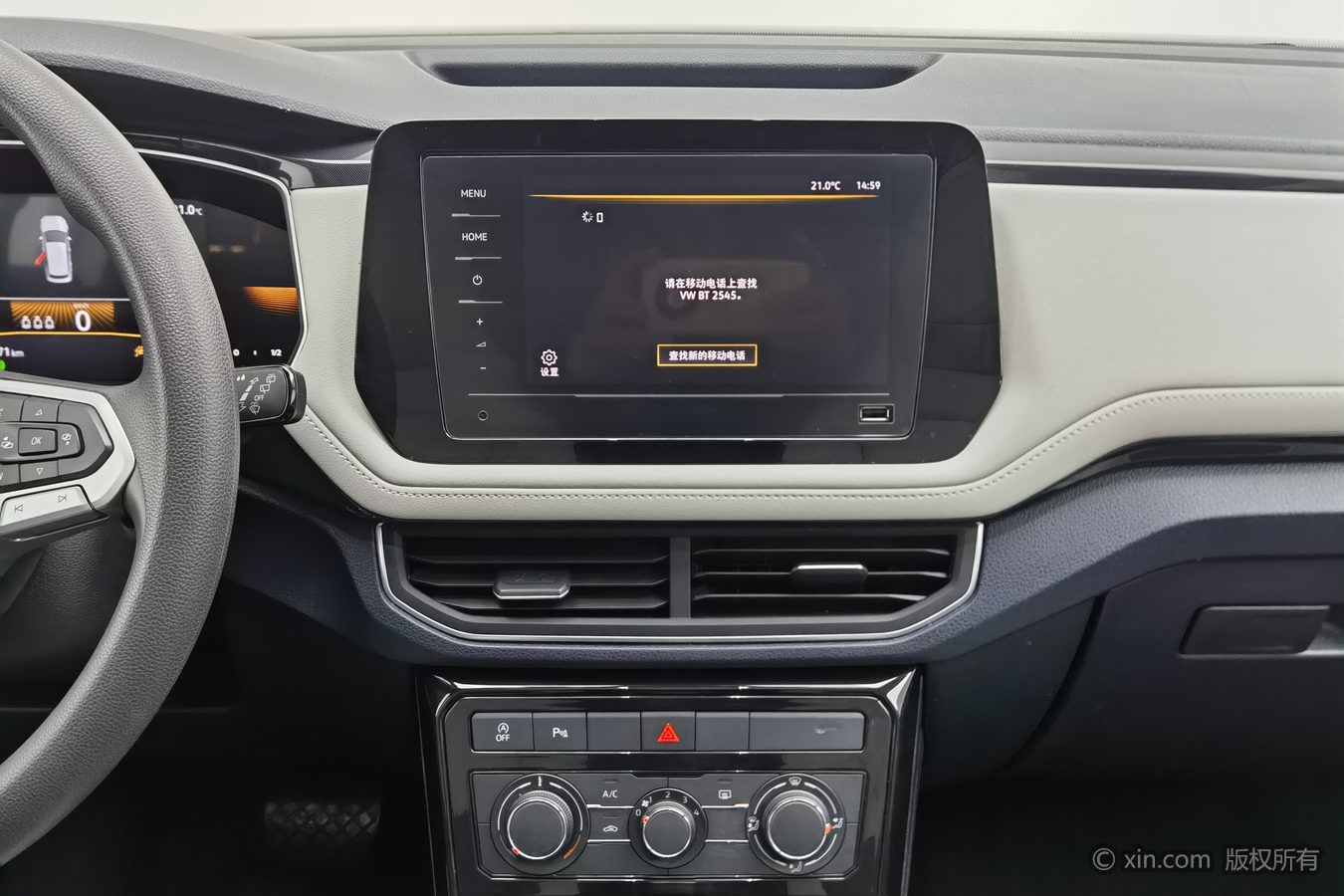
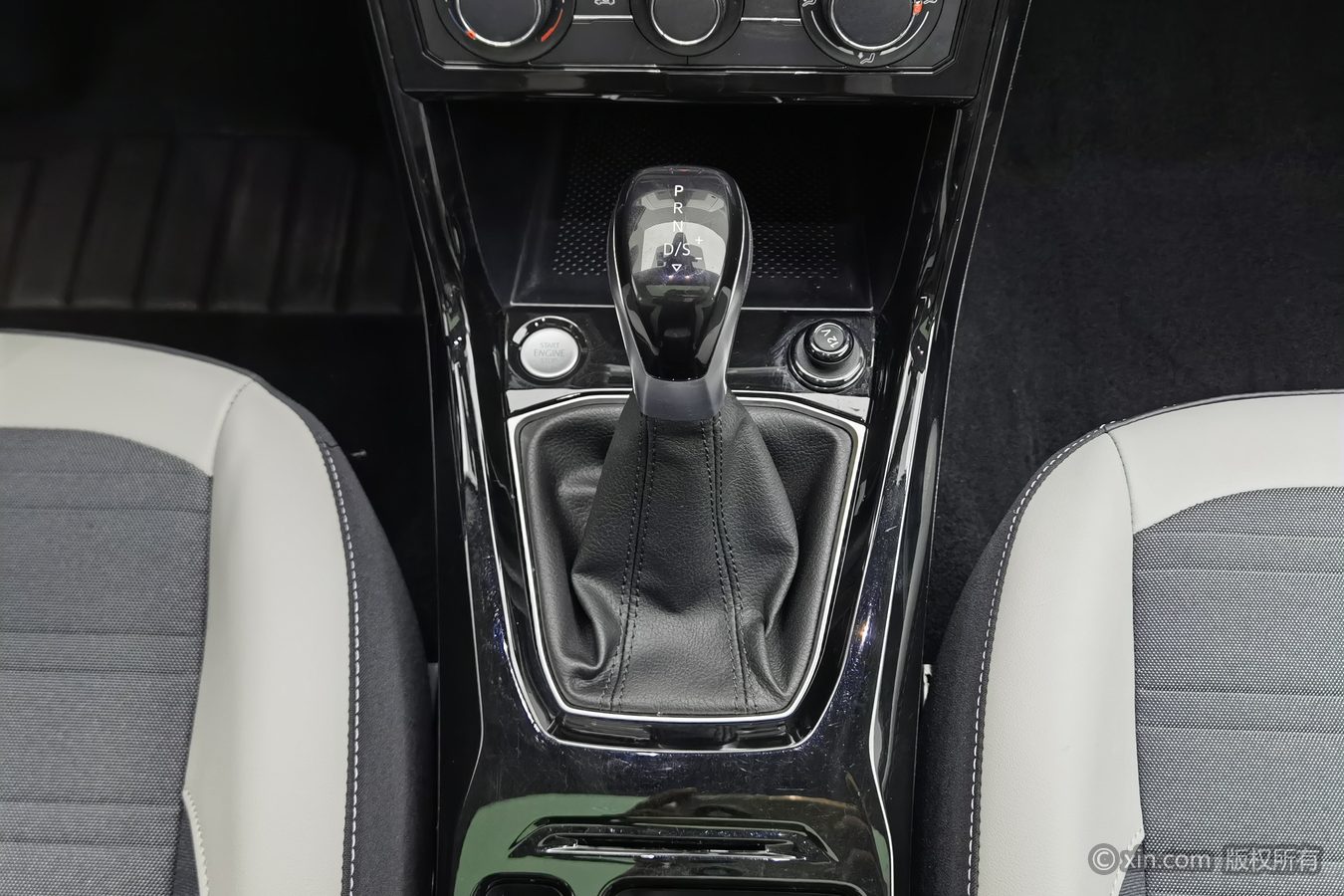
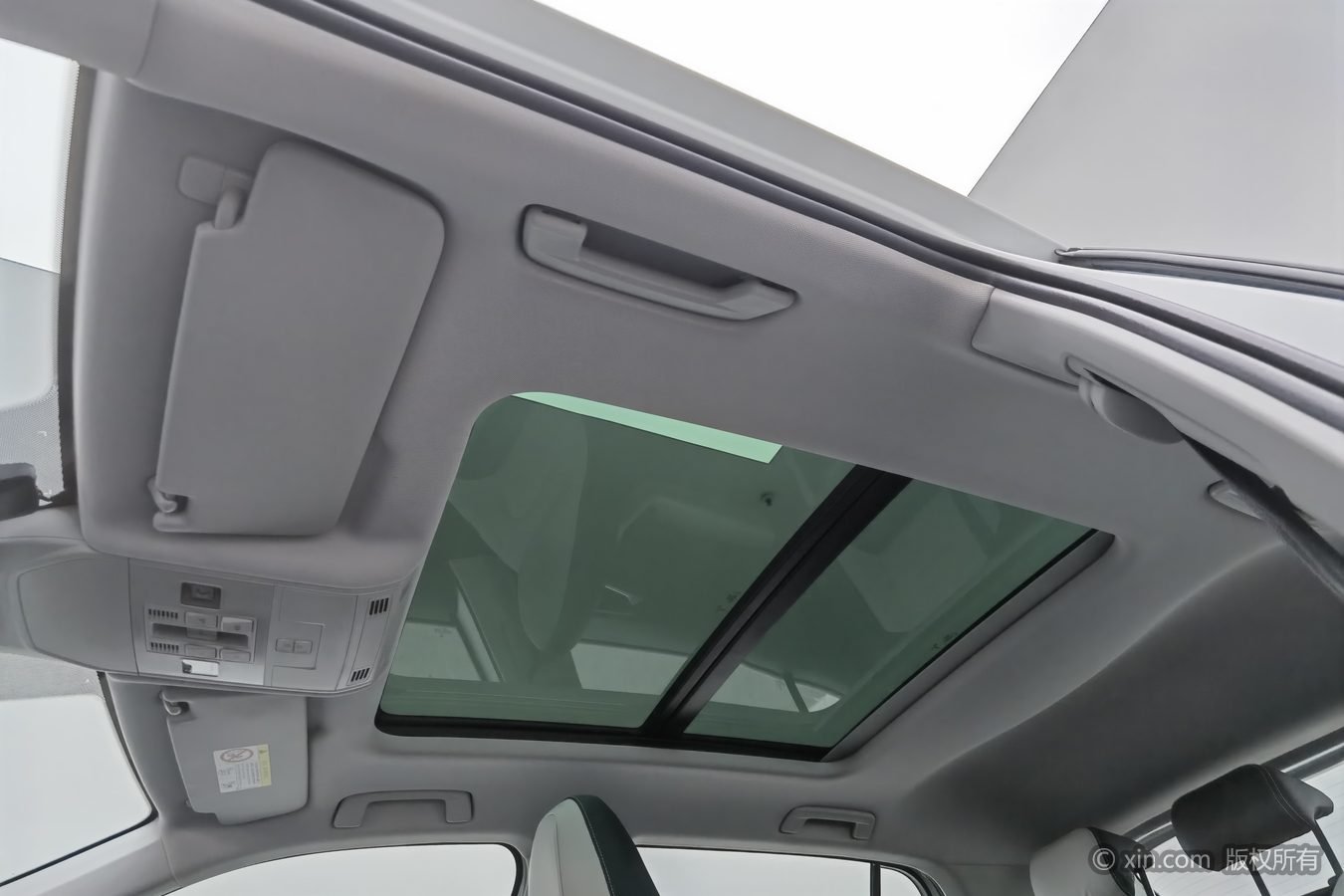
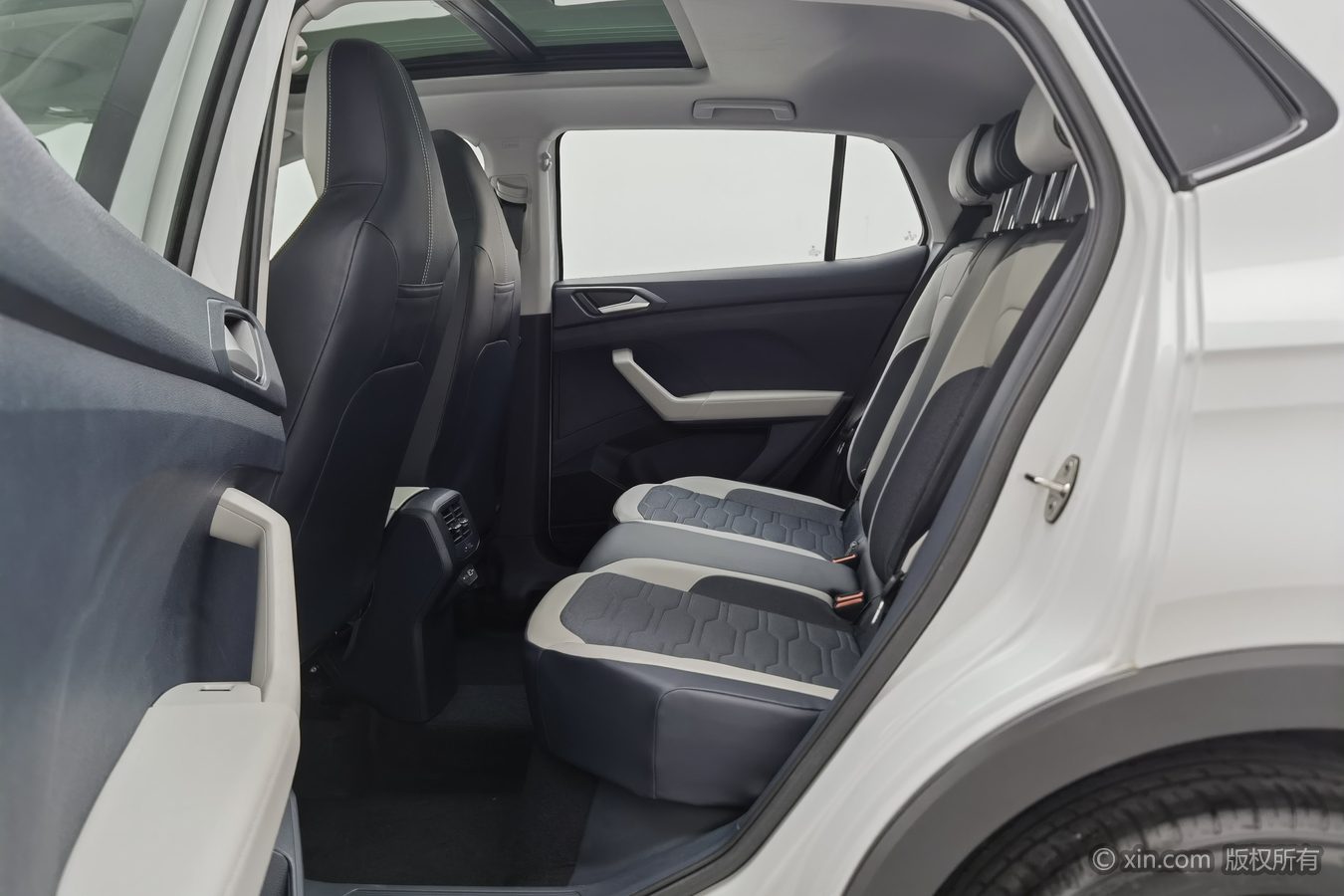
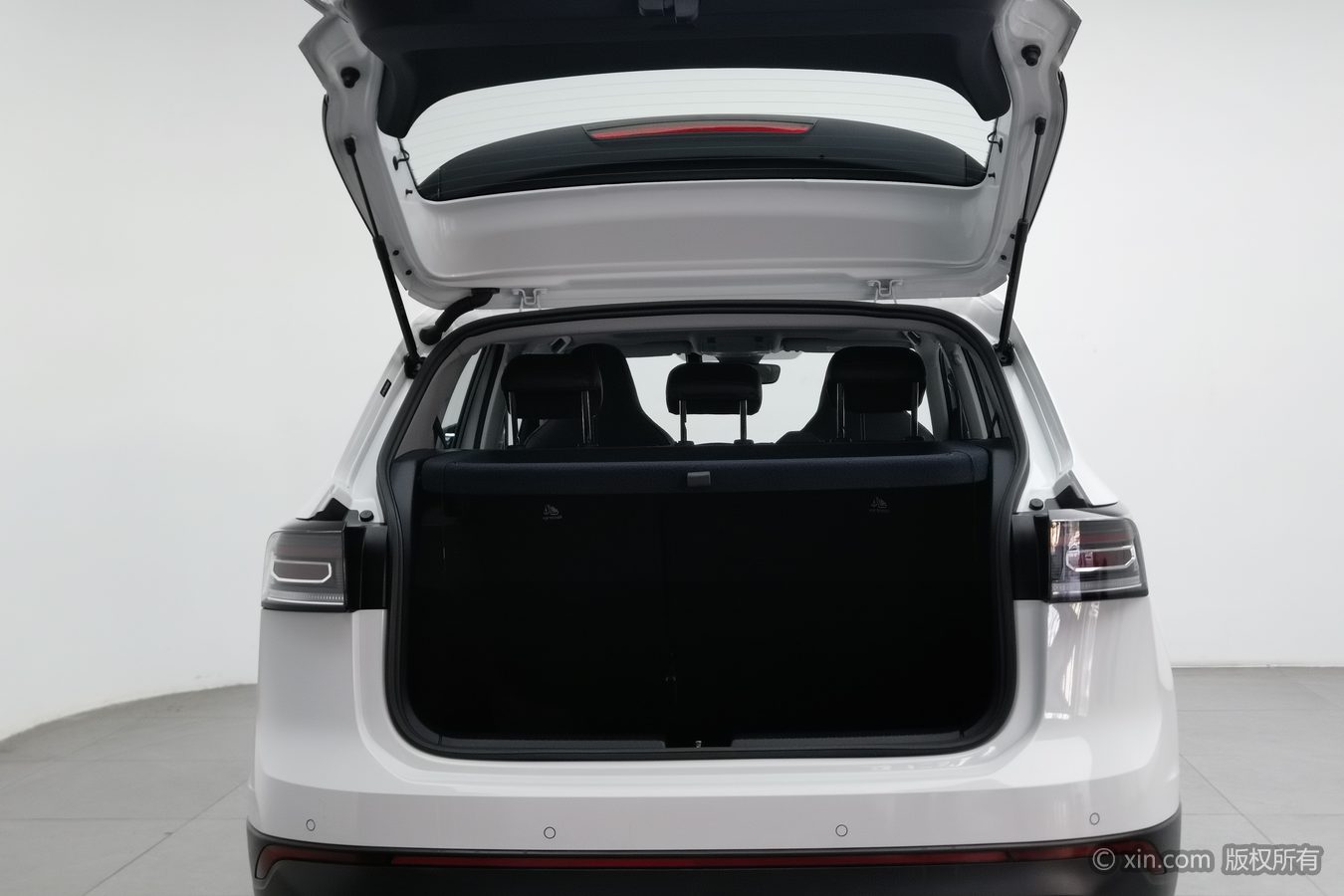
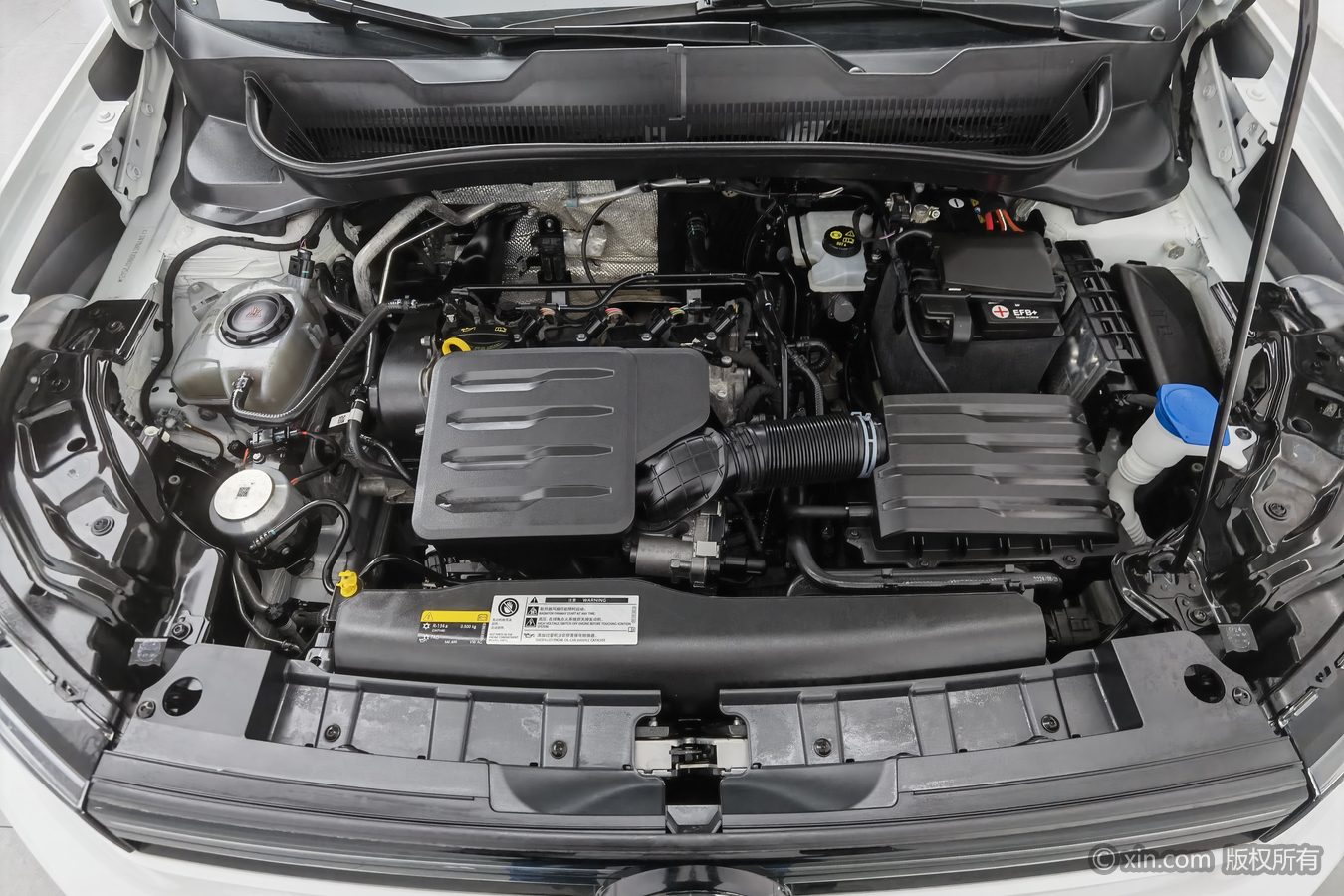
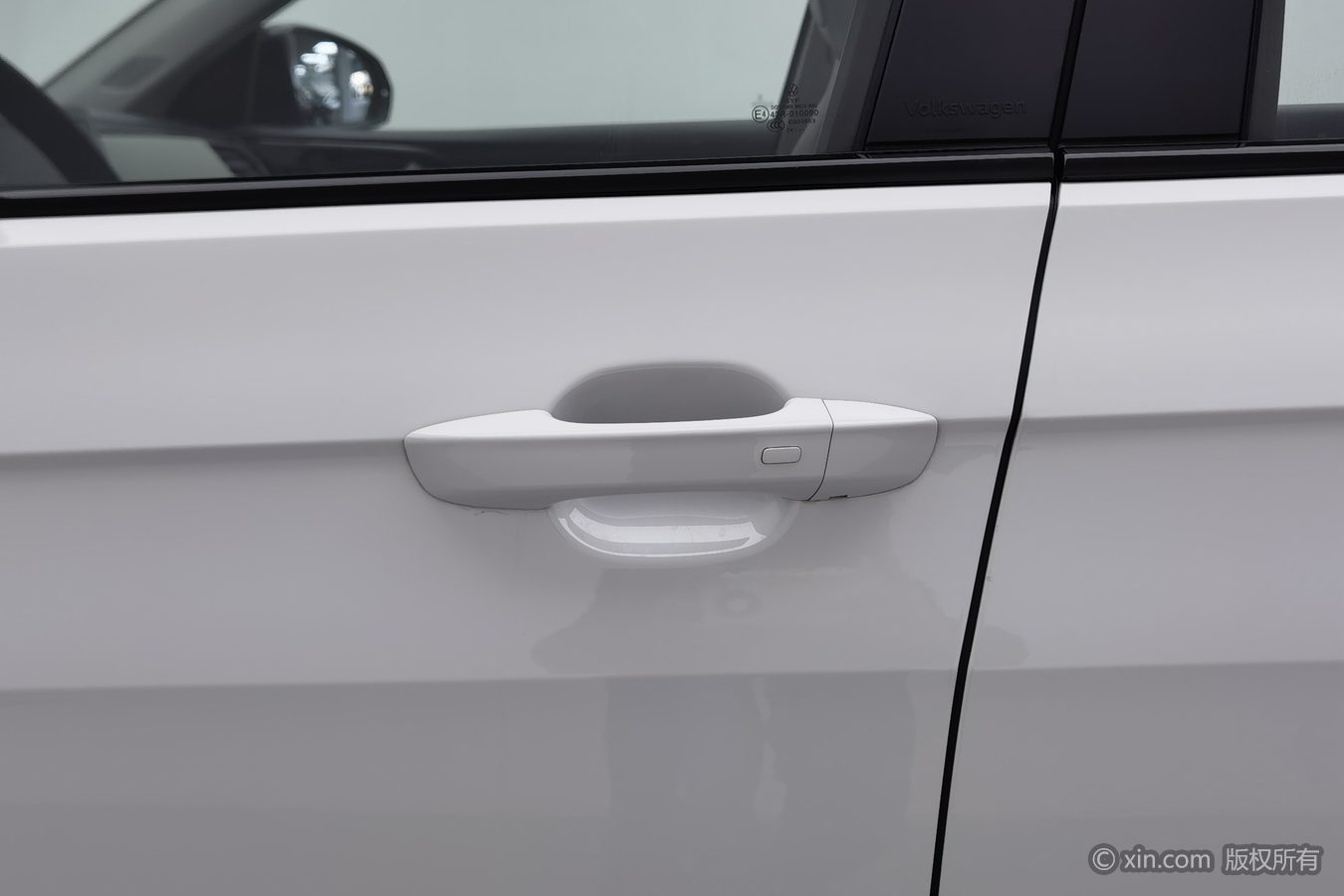
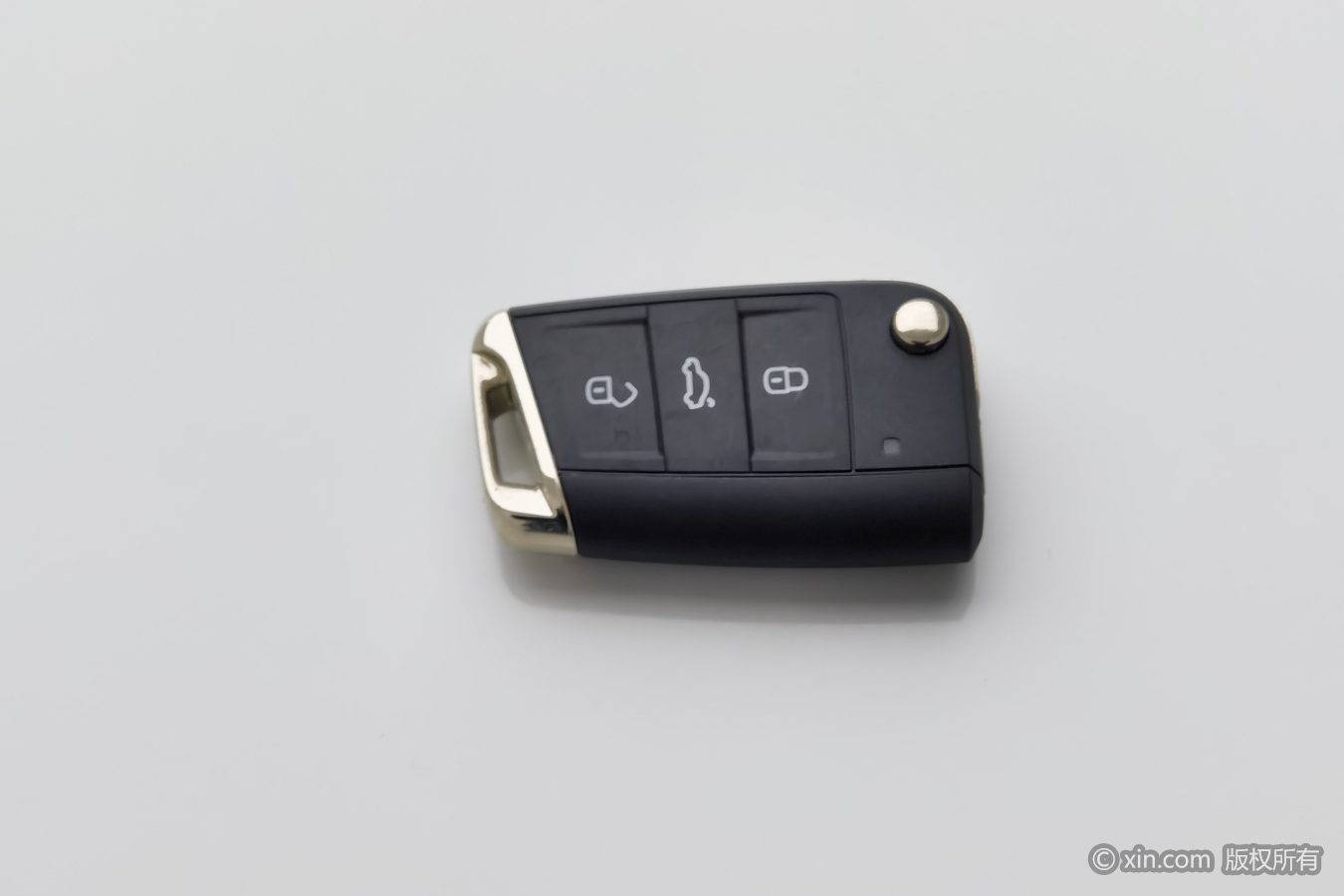
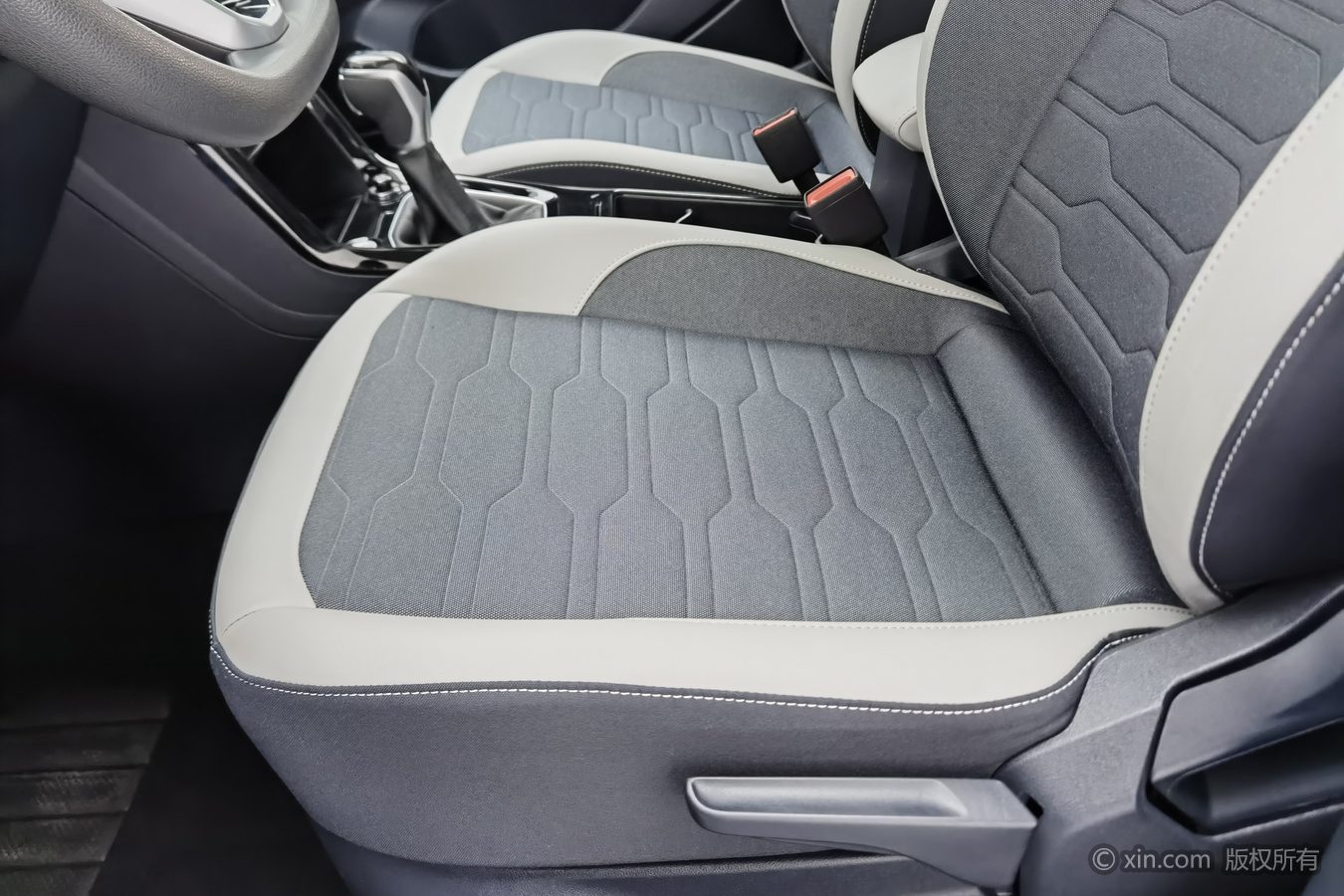
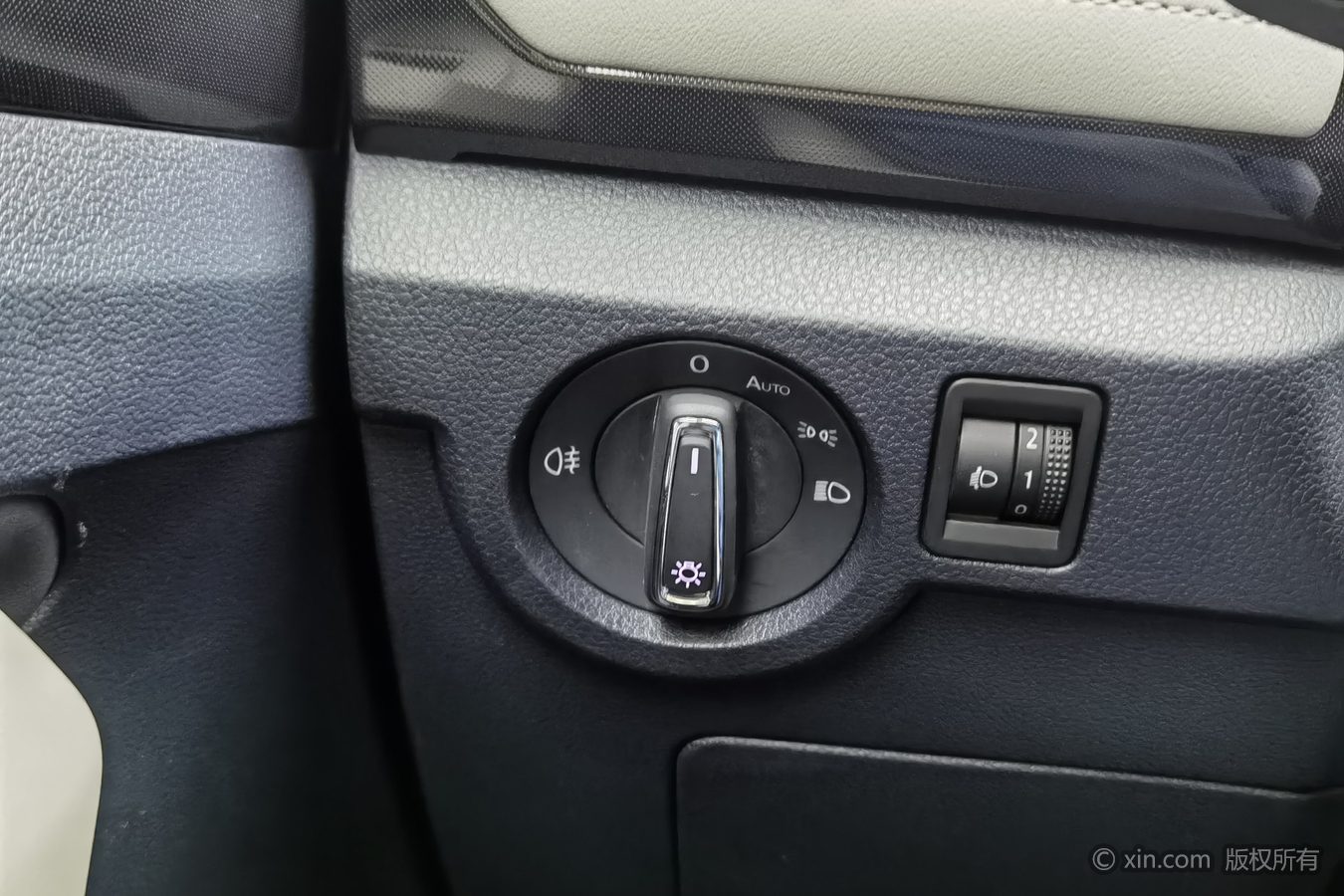
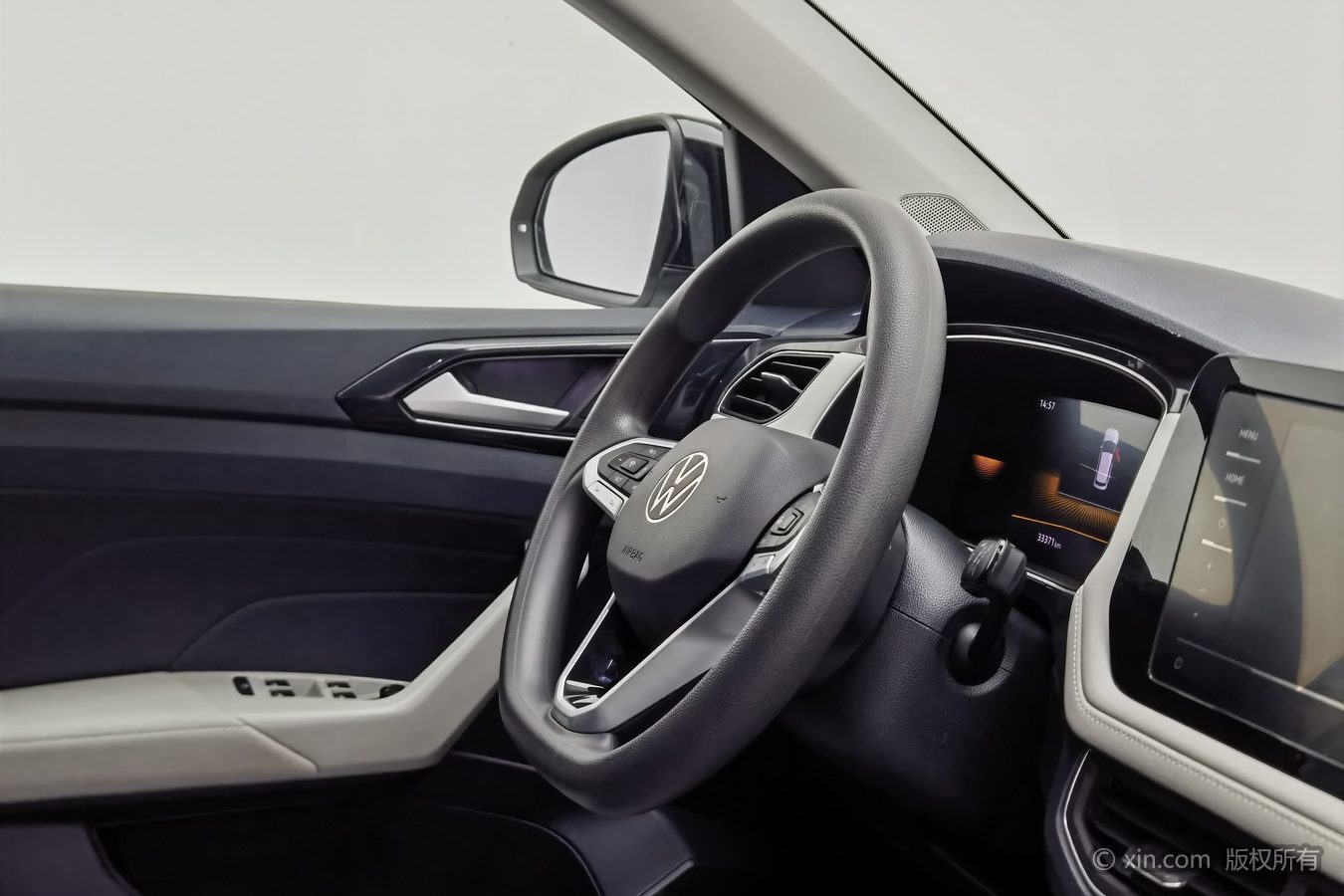
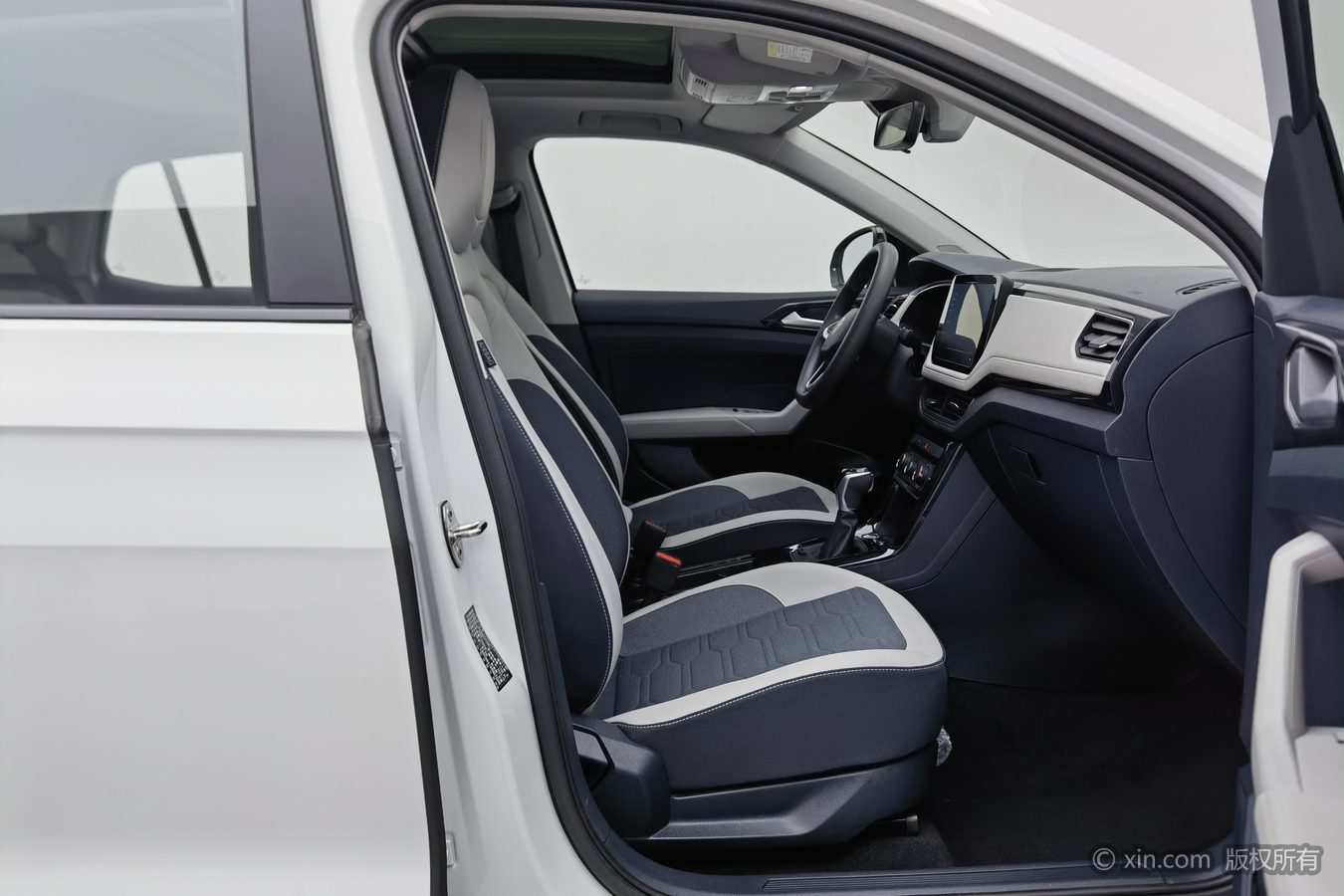



Basic Information

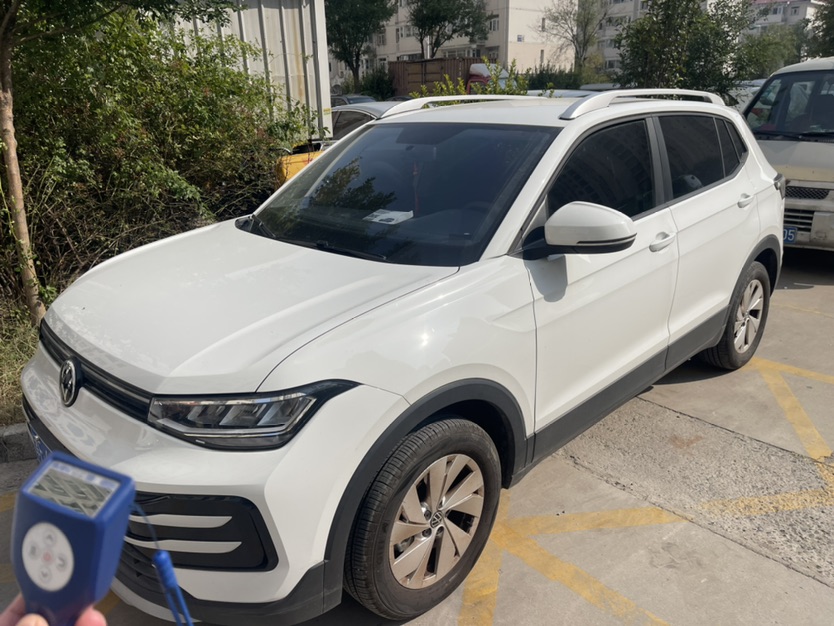
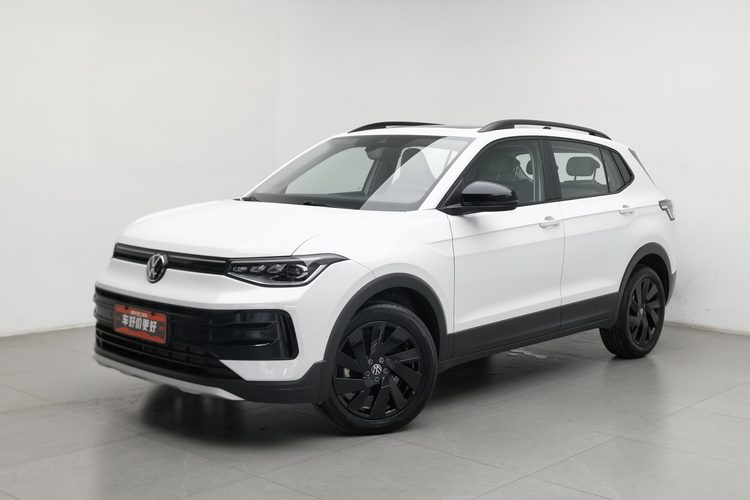
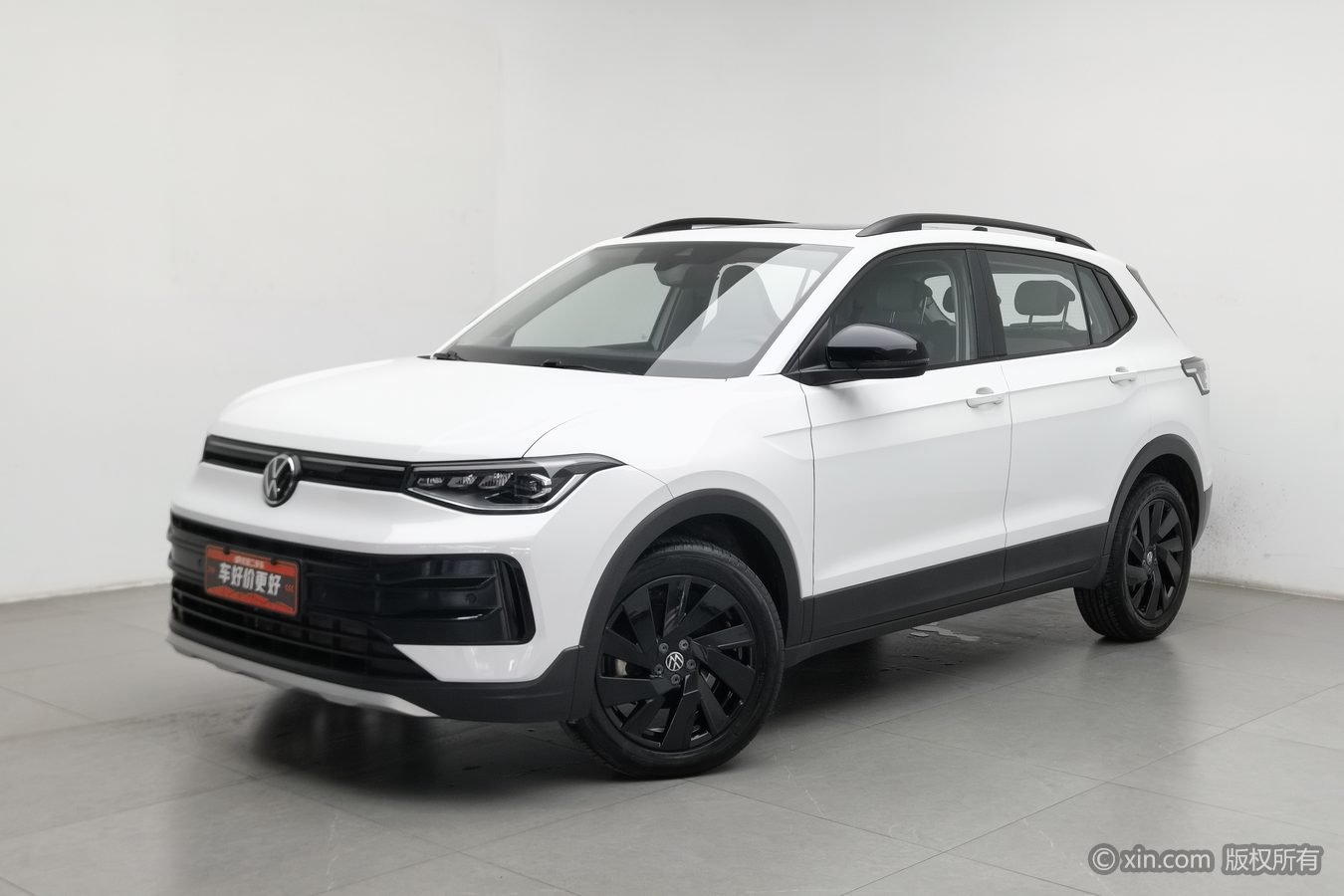
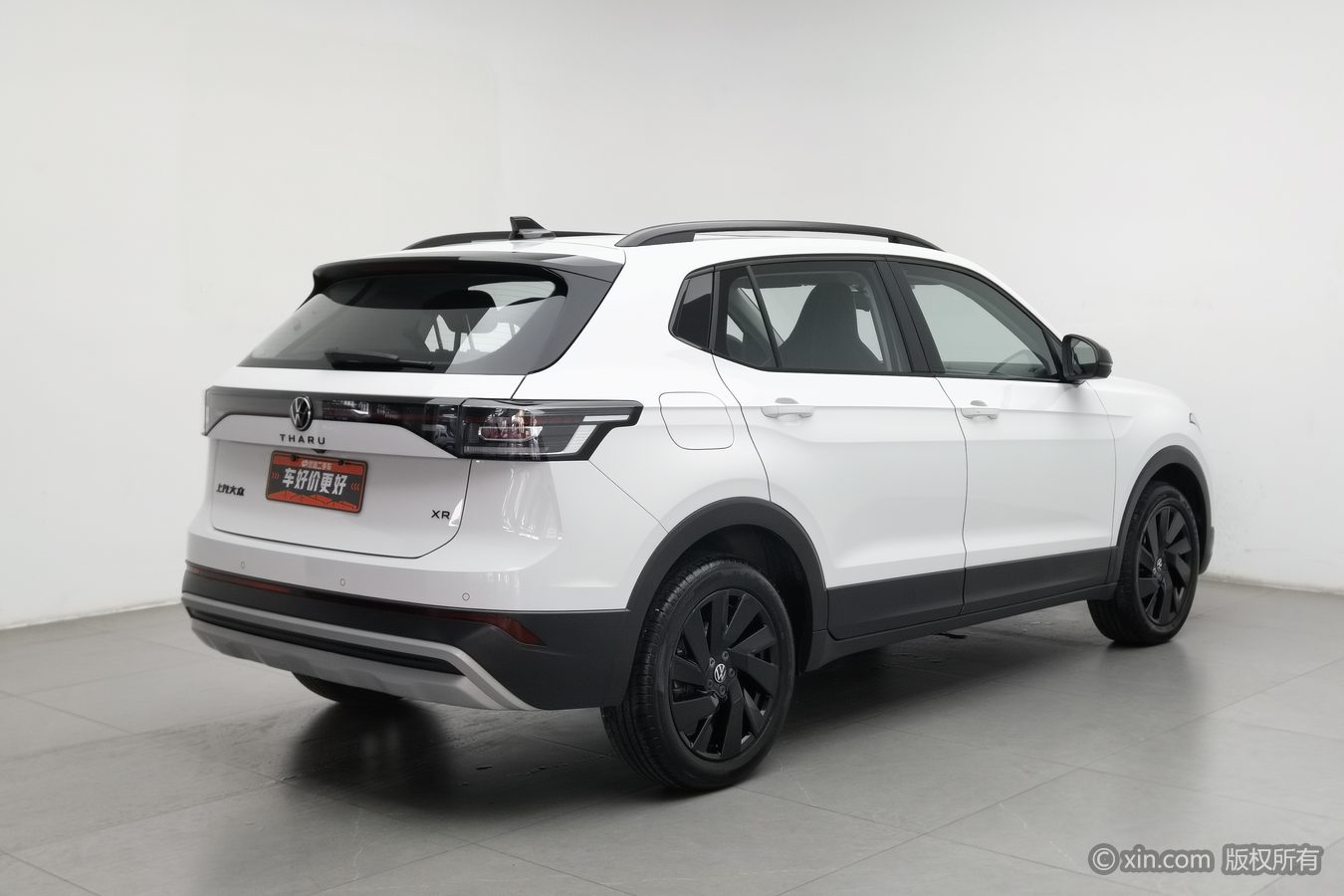
BrandVolkswagen
SeriesTharu
Year2025
First Registration2025/02
Mileage33,000km
Transfer Count0times
FuelGasoline
TransmissionManumatic
Engine1.5L 110 L4
ColorWhite
Seats5seats

Condition Description

No odometer tampering, no structural damage, no water damage, no fire damage.

Configuration Highlights

✓Lane Keep Assist
✓前碰撞预警
✓Adaptive Cruise Control
✓Lane Departure Warning

Document Information

Inspection Expiry Date2027/02
Warranty Expiry Date-
Insurance Expiry Date-

Q&A

More

What is the compensation mechanism if the seller (sellwellauto) unilaterally defaults and fails to deliver the vehicle during the contract execution period?

It rarely happens, but there is a clear mechanism. If the transaction is canceled due to our reasons (such as the vehicle being suddenly seized by judicial authorities during the transfer), we will refund the full deposit you have paid and provide additional compensation according to the penalty clauses in the contract.


How long does sea freight from China take to major destinations, and what shipping methods are available?

Two main shipping methods are used for used cars from China: 1) Container shipping: the car is loaded into a 20ft or 40ft container. Safer, protects from weather and damage, and allows personal items inside the car. Slightly more expensive. 2) RoRo (roll-on/roll-off): the car is driven onto the ship. Cheaper for single units, but no protection and no personal belongings allowed. Typical transit times from major Chinese ports (Shanghai, Guangzhou, Shenzhen, Qingdao): - Middle East: 12-20 days - Europe: 25-40 days - East/West Africa: 30-45 days - South America: 35-50 days - Southeast Asia: 5-12 days Add 5-10 days on each side for port handling, customs, and inland delivery. Peak season (before Chinese New Year and summer) can add delays, so book space 2-3 weeks ahead.

Is there a specific testing process for the smooth transition between the engine and motor in hybrid (HEV/PHEV) vehicles?

Yes. For hybrid vehicles, technicians will conduct forced switching tests between EV (electric) and HEV (hybrid) modes, focusing on the sensation of clutch engagement and reading the hybrid system's specific fault codes to ensure the complex dual power system operates correctly.