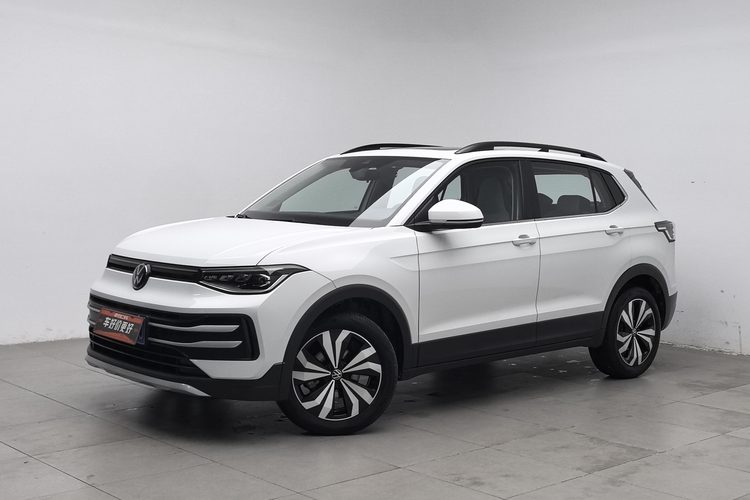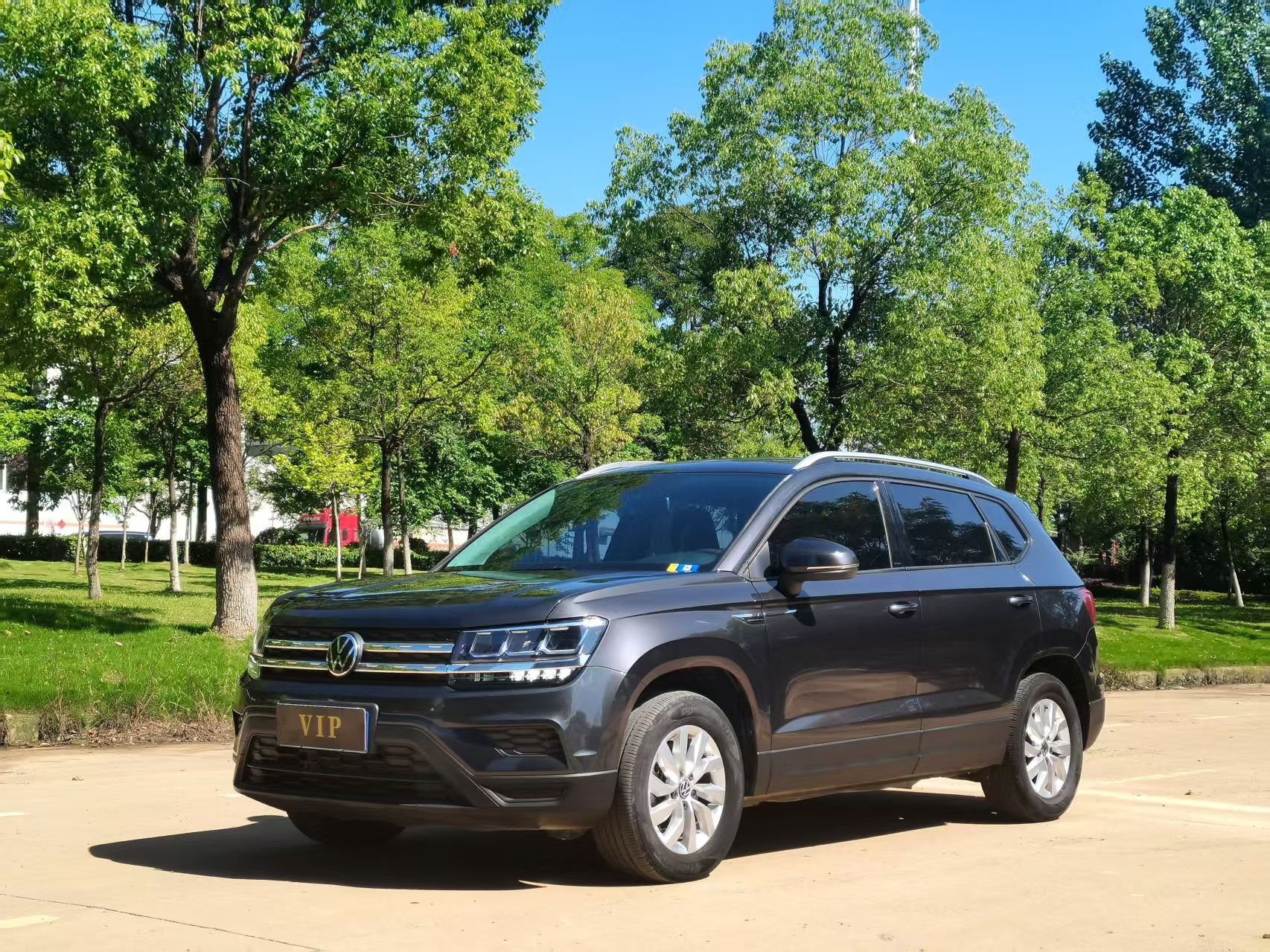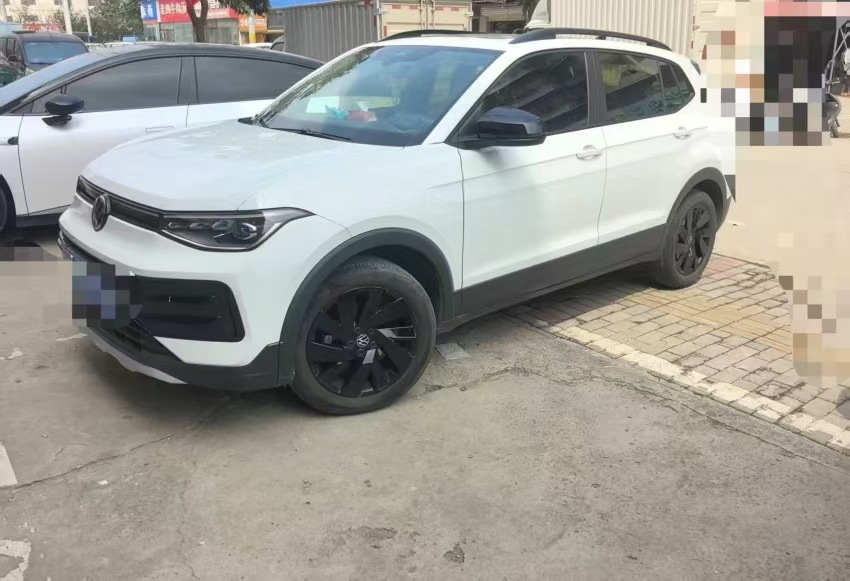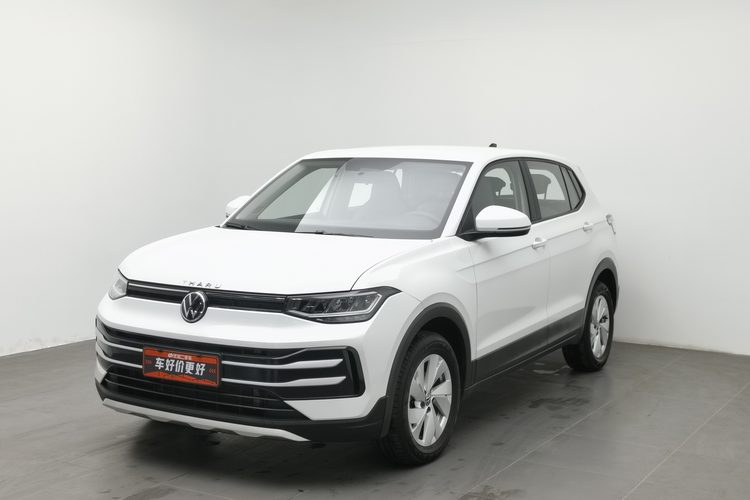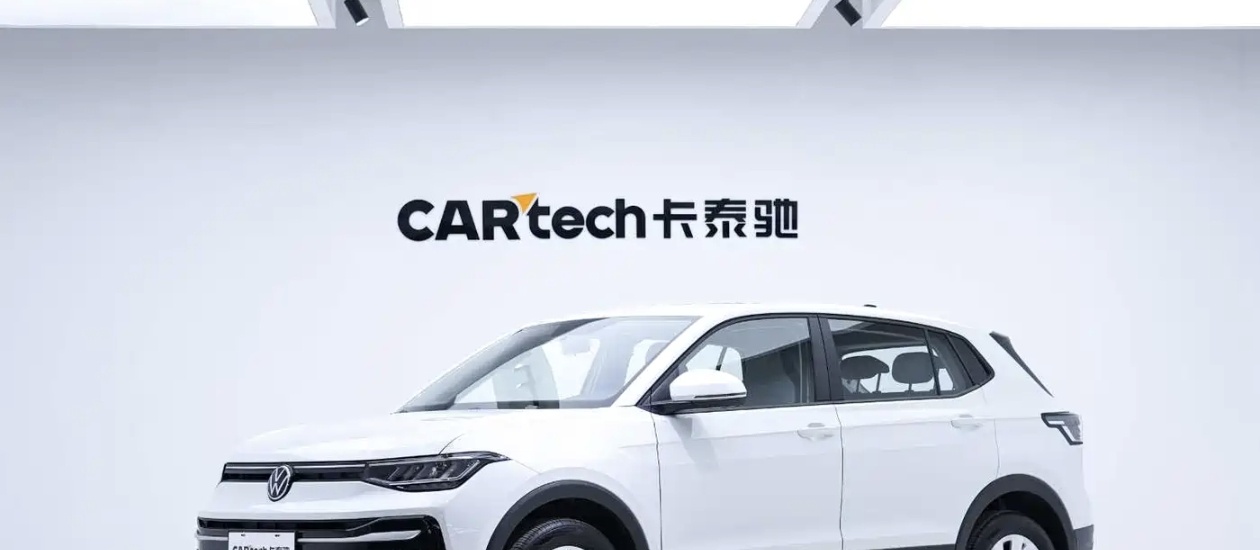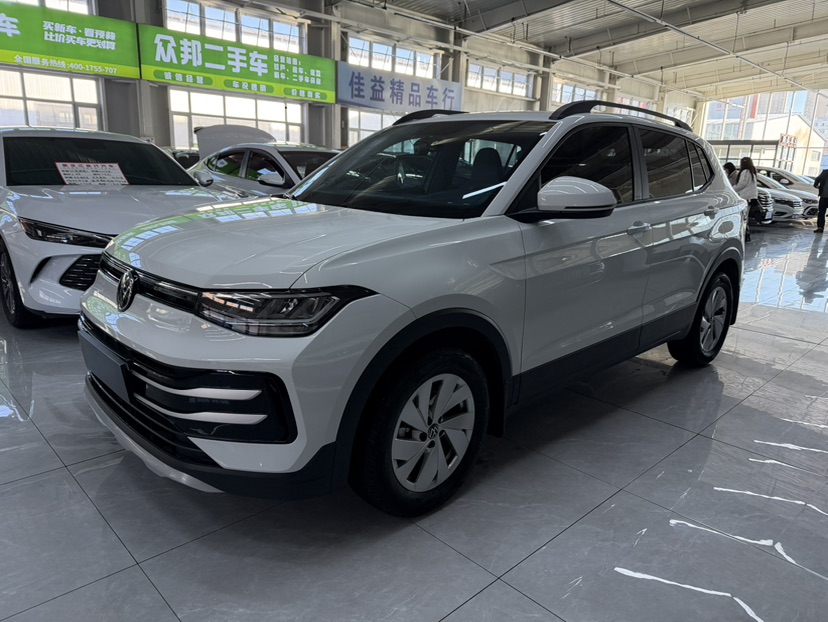
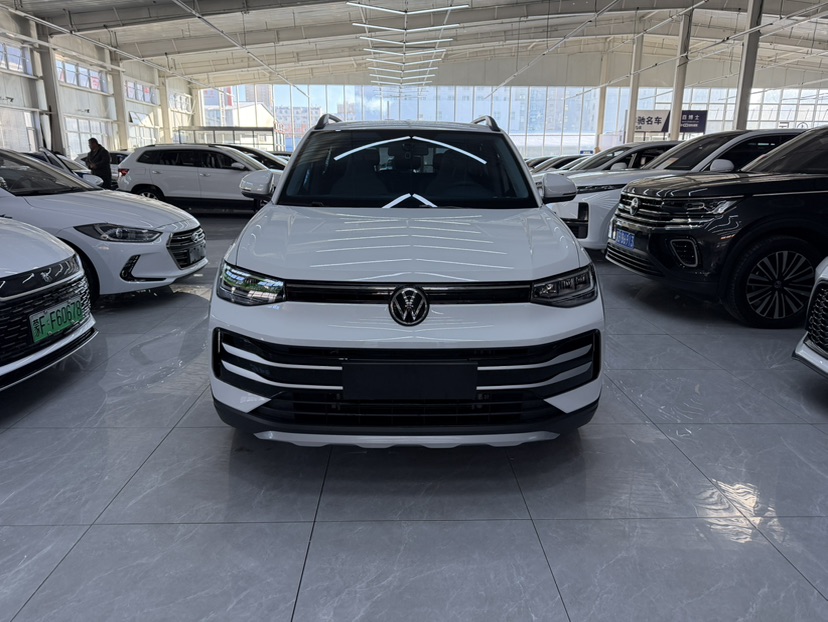
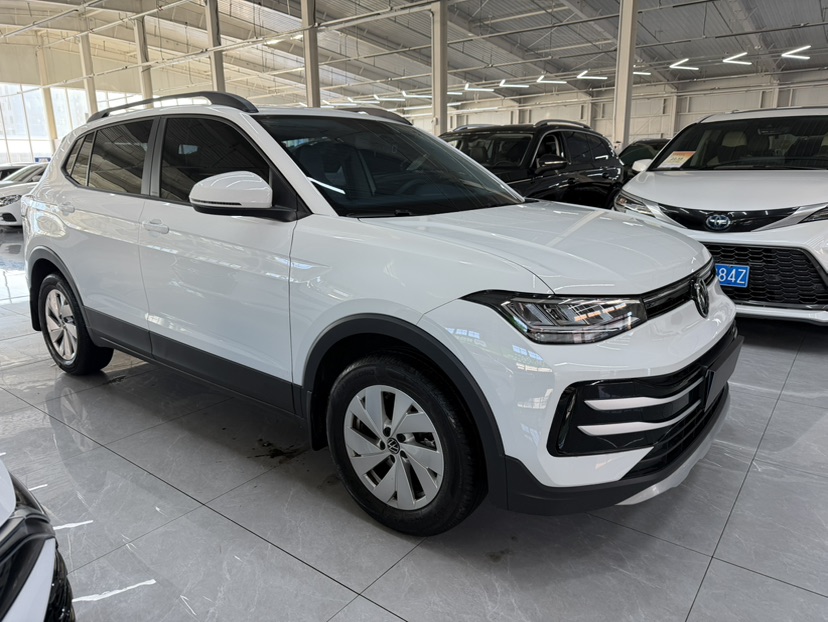
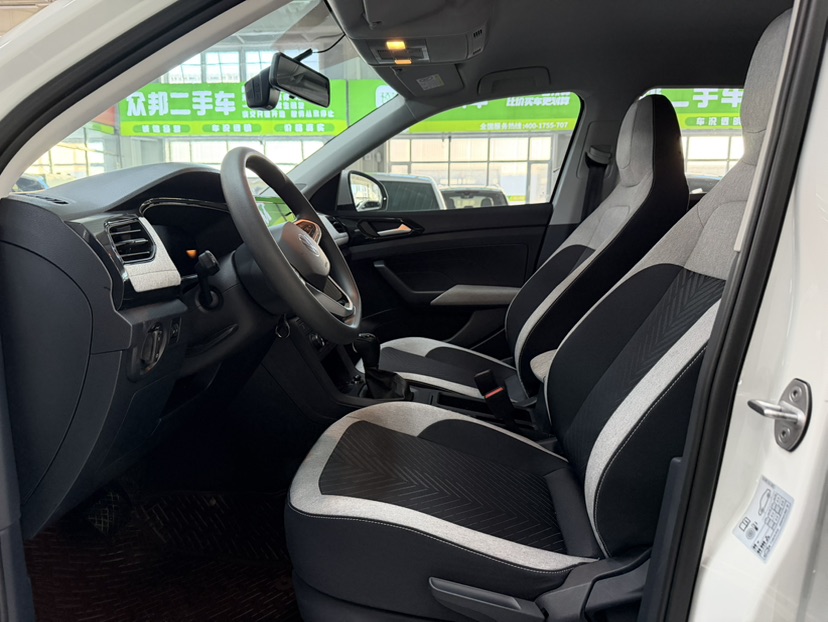
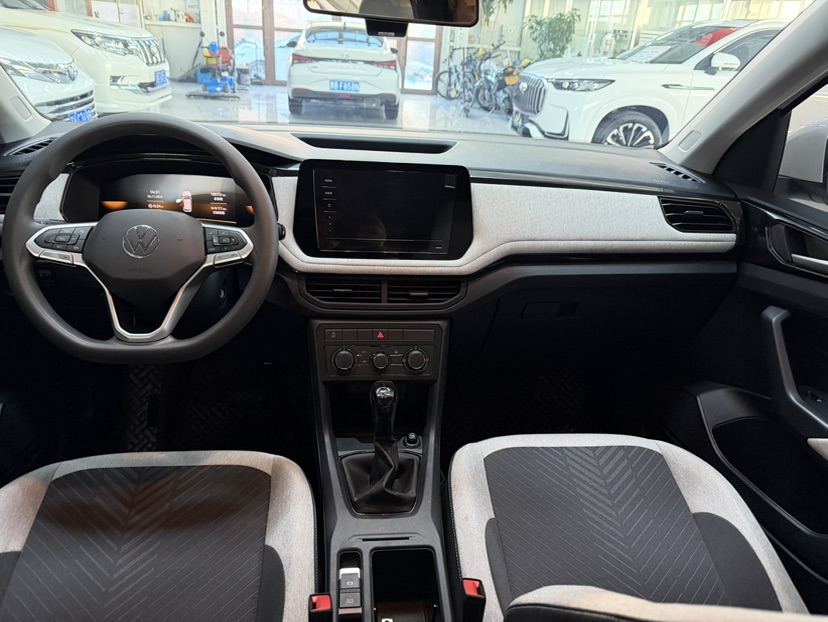
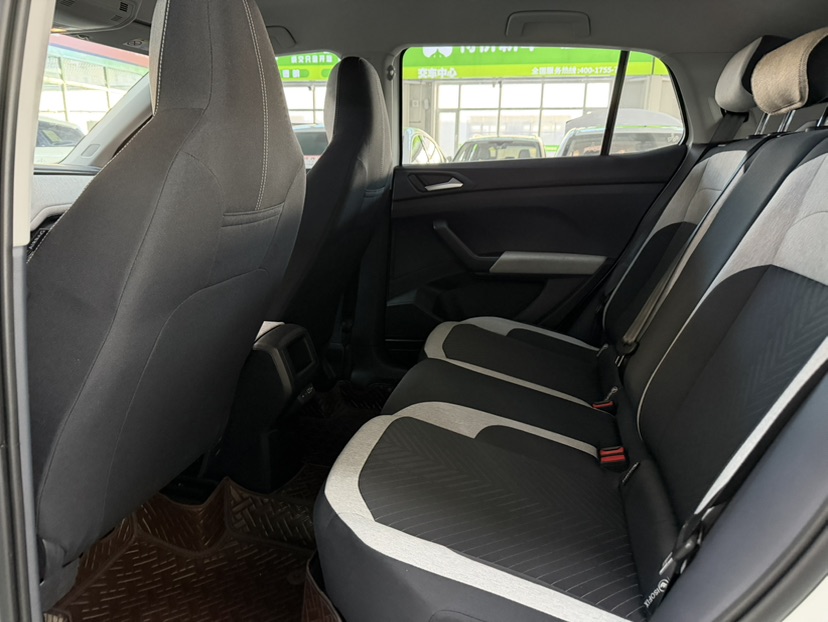
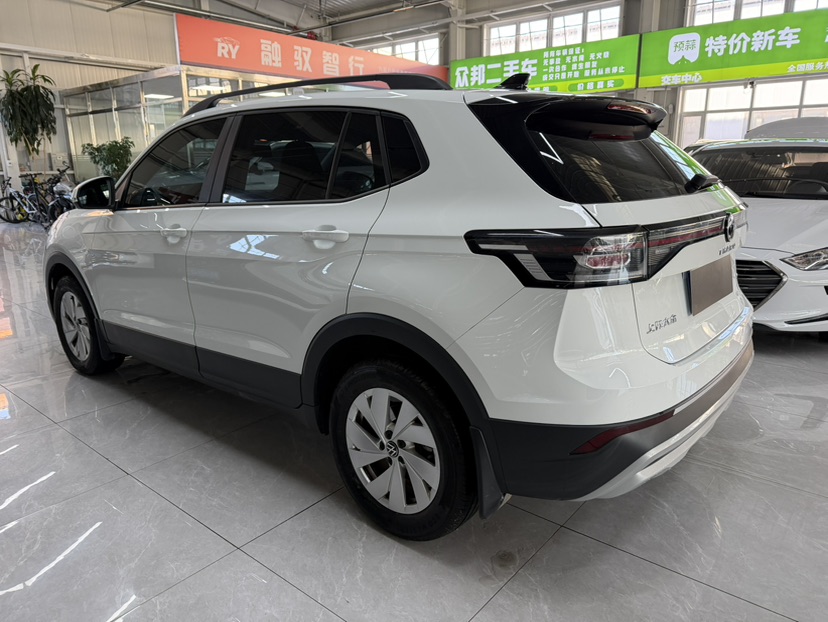
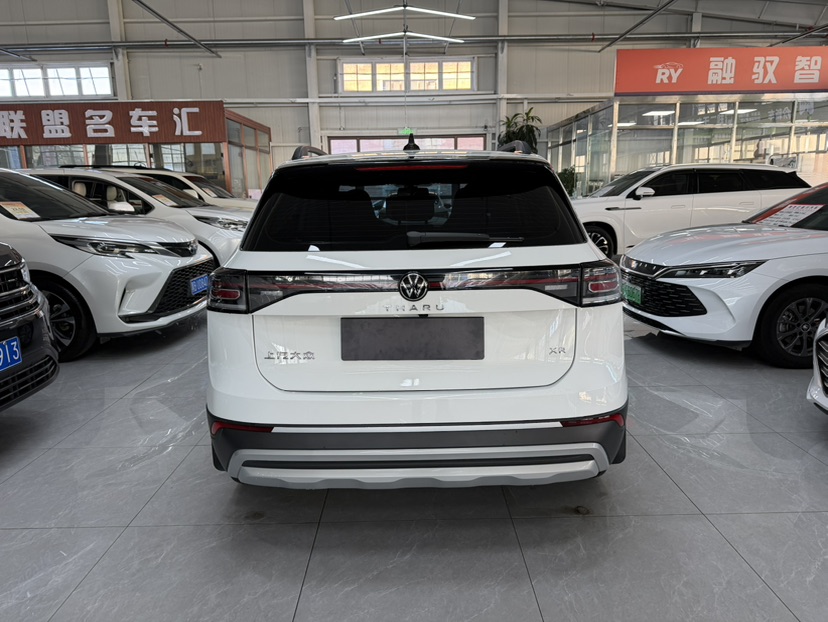
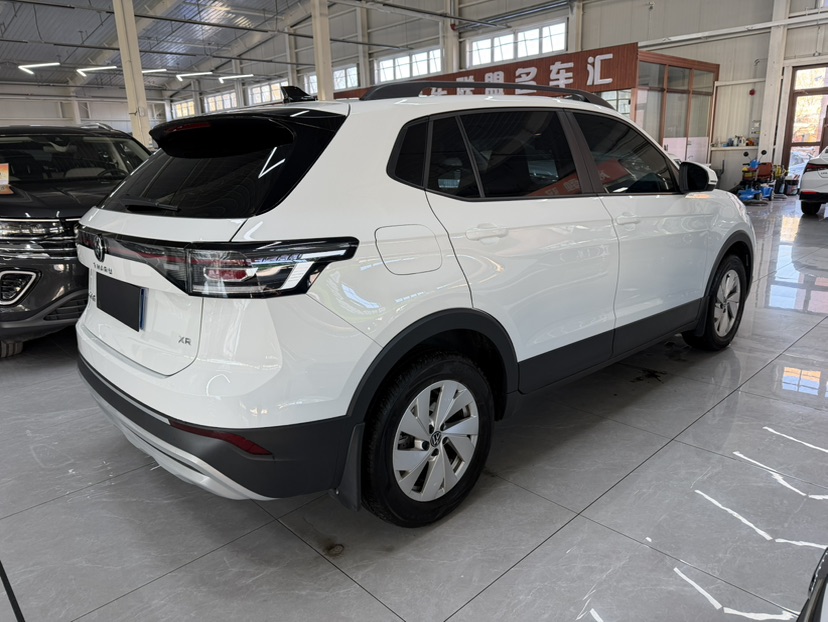



Basic Information

BrandVolkswagen
SeriesTharu
Year2025
First Registration2025/09
Mileage18,000km
Transfer Count1times
FuelGasoline
TransmissionManumatic
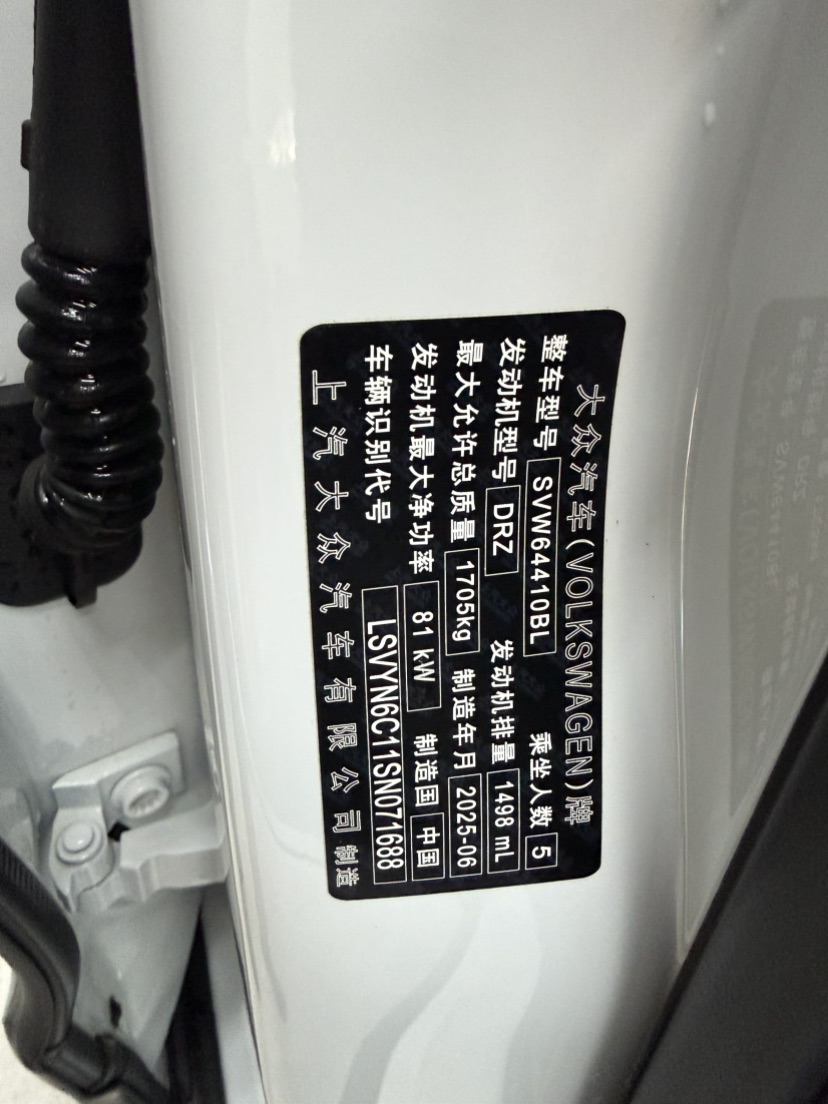
Engine1.5L 110 L4
ColorWhite
Seats5seats

Condition Description

Registered in September 2025, one owner, original paint throughout, zero insurance claims, actual mileage over 10,000 km.

燃油车
SUV
自动
维保开放
事故开放
查验开放

Configuration Highlights

✓品牌: 大众
✓车系: 途岳
✓车型: 2025款 新锐 1.5L 锐进版
✓车身类型: SUV
✓座位数: 5
✓排量: 1.5L
✓变速箱: 自动
✓能源类型: 燃油车
✓VIN: LSVYN6C11SN071688
✓搜索关键词: 大众途岳 2025款途岳新锐1.5L锐进版

Document Information

Inspection Expiry Date2031/09
Warranty Expiry Date-
Insurance Expiry Date2027/09

Q&A

More

Which import rules (age limits, emissions, safety standards) apply to used cars from China in my country, and how do I confirm the car qualifies before paying?

Rules differ by country. Many markets limit the age of imported used cars (commonly 3-5 years), require left-hand drive, and set minimum emission standards such as Euro 4, 5 or 6. Some regions additionally require a local conformity certificate before the car arrives. Practical steps before any deposit: check your customs authority's official website, or spend 20 minutes with a local customs broker who imports vehicles regularly; give the exporter your country's requirements and the VIN, and ask for proof of the car's emission level (China's standards map roughly to Euro equivalents); confirm the exact model was legally exportable from China. A short verification call at the start can prevent the car being refused entry — or impounded — months later.


Can I combine several cars into one container to save on freight when importing from China, and how does consolidation work?

Yes, consolidation is common and can cut freight cost per car significantly, especially for shared purchases or small-volume importers. How it works: 1. A 40ft high-cube container typically fits 2-4 cars depending on size and loading method (standard loading vs. specialized racking that allows 4+ cars). Confirm the loading plan with your forwarder in writing. 2. Cars are secured with wheel chocks, straps, and padded braces. Professional loading with photos before the doors close is essential — request a photo report for insurance purposes. 3. One container means one bill of lading and one customs entry, but each car still needs its own invoice, export documents, and destination customs declaration. Things to watch: - Liability: if one car shifts and damages another in transit, insurance claims get complicated. Take out proper cargo insurance covering both vehicles. - Timing: all cars in the container must be ready at the same port at the same time, or you pay storage fees. - For EVs, check the shipping line's battery and state-of-charge rules — they may limit how many EVs go in one box. For a single car, RoRo or a 20ft container is usually simpler; consolidation mainly pays off from 2+ cars.

Which documents prove a used car exported from China is legal to import, and how do I verify them?

Key documents to request and verify: 1. Export declaration (报关单): proves the car legally left China. Check the VIN, model and exporter name match the car. 2. Commercial invoice: must match your payment amount; customs uses it to assess duties. 3. Bill of lading: confirm the consignee is you or your agent, and the VIN/container number is correct. 4. Certificate of origin: needed for tariff preferences in some markets. 5. Condition/inspection report: ideally from an independent third party, with photos and dates. Verification tips: cross-check the VIN on every document — any mismatch causes customs holds. Ask your destination customs broker to review scanned copies before the car ships, and release the final payment only after documents pass that review. A legitimate exporter will provide all of these without hesitation.