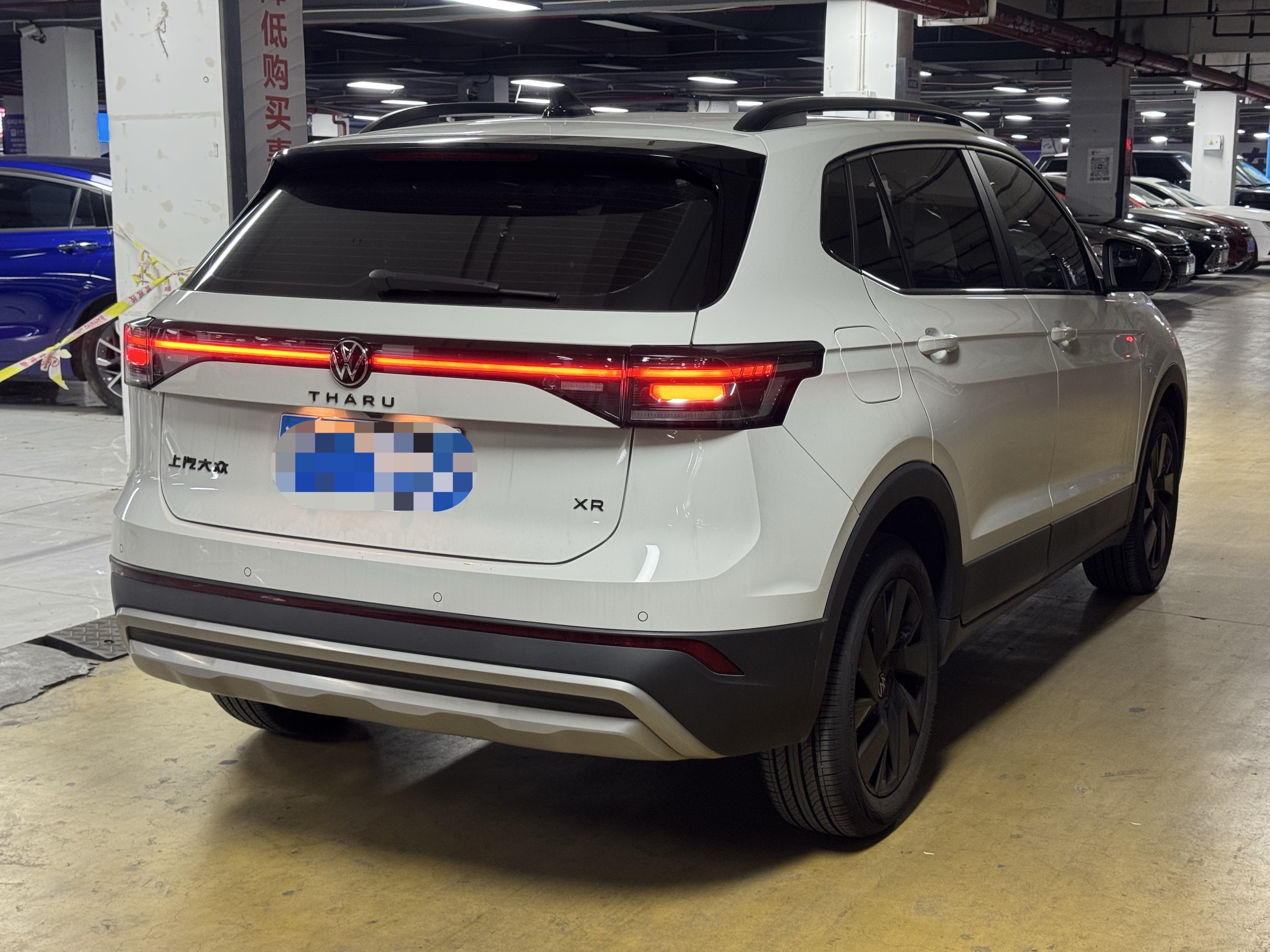
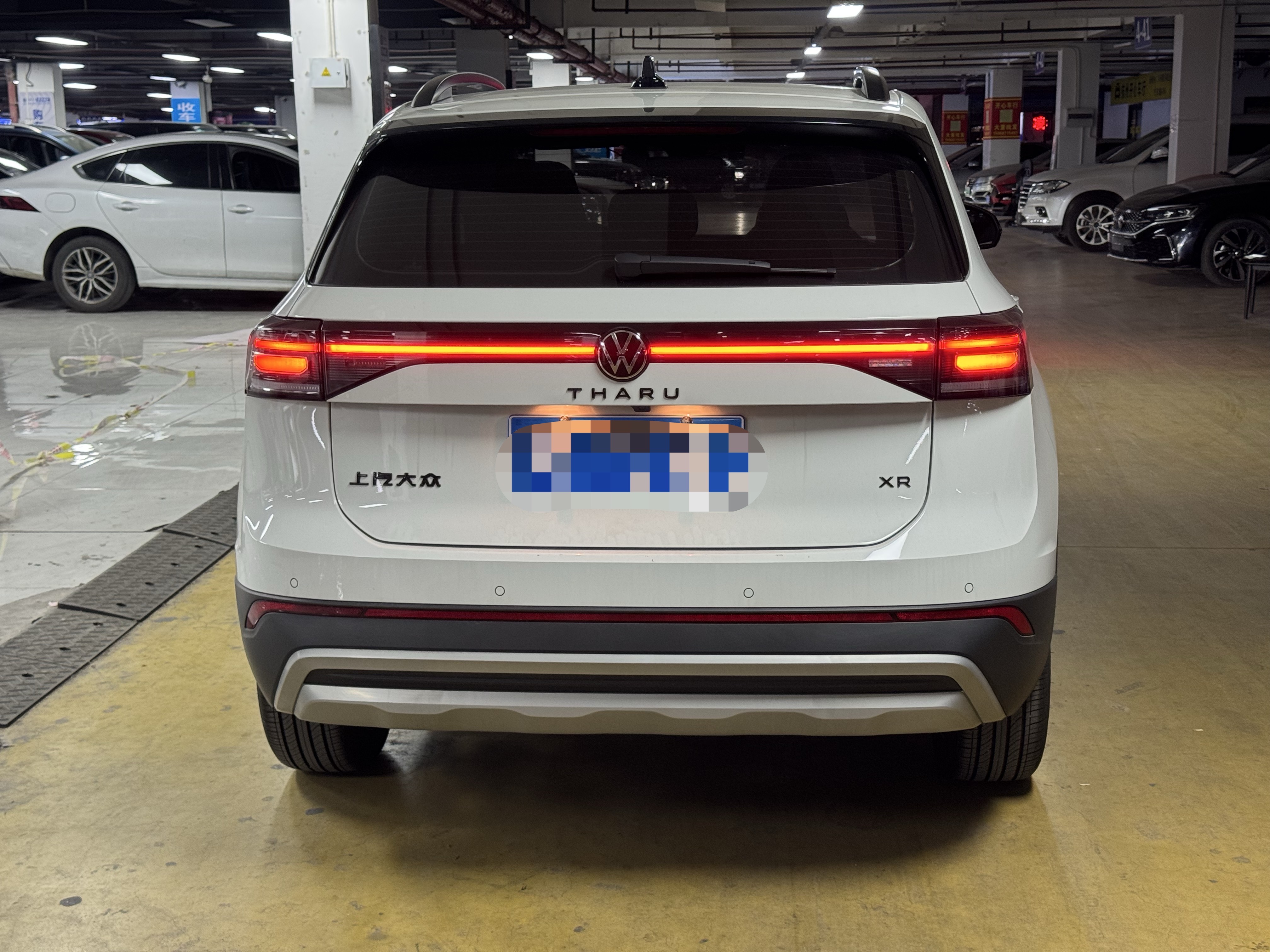
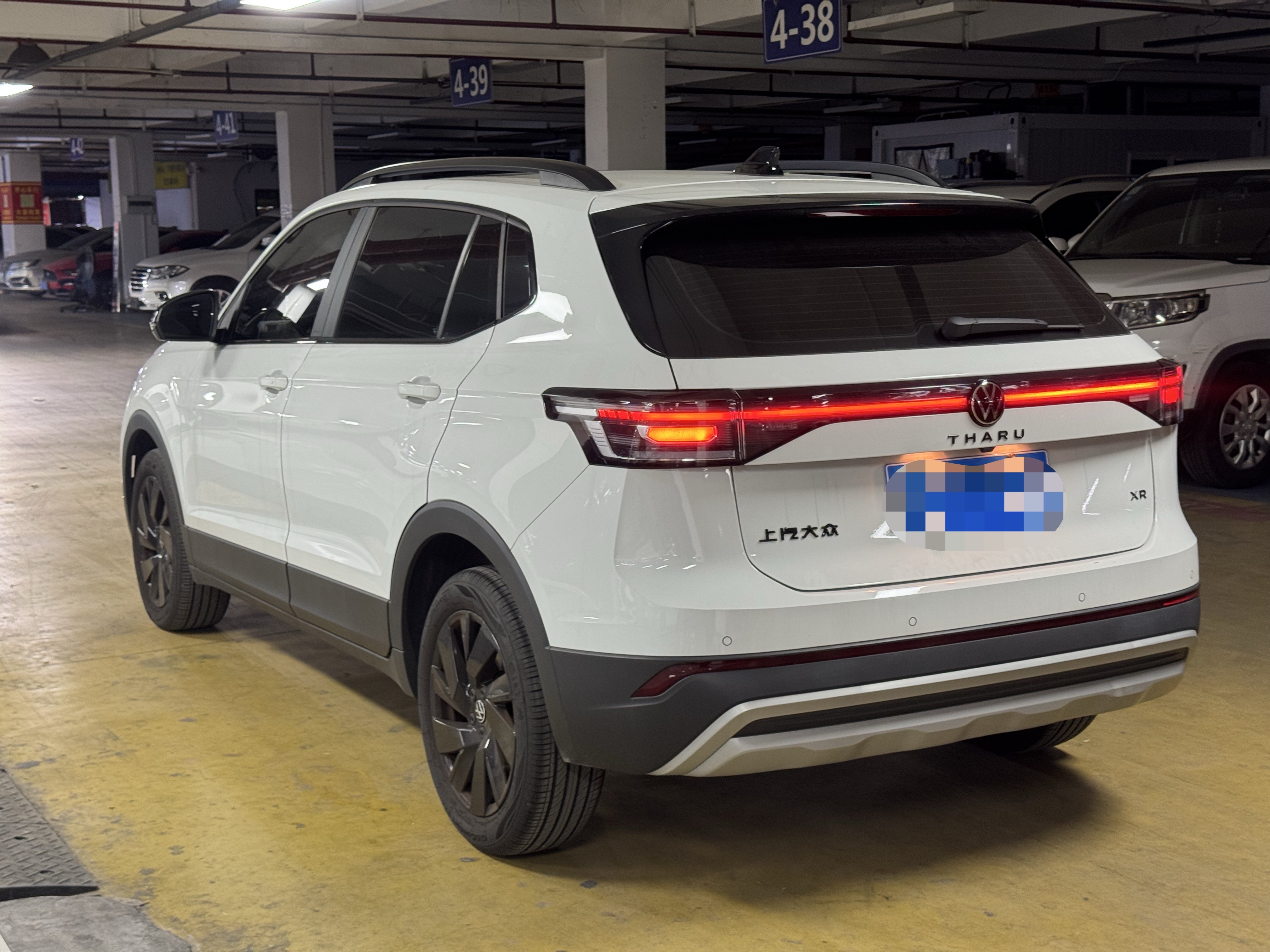



48H

Basic Information

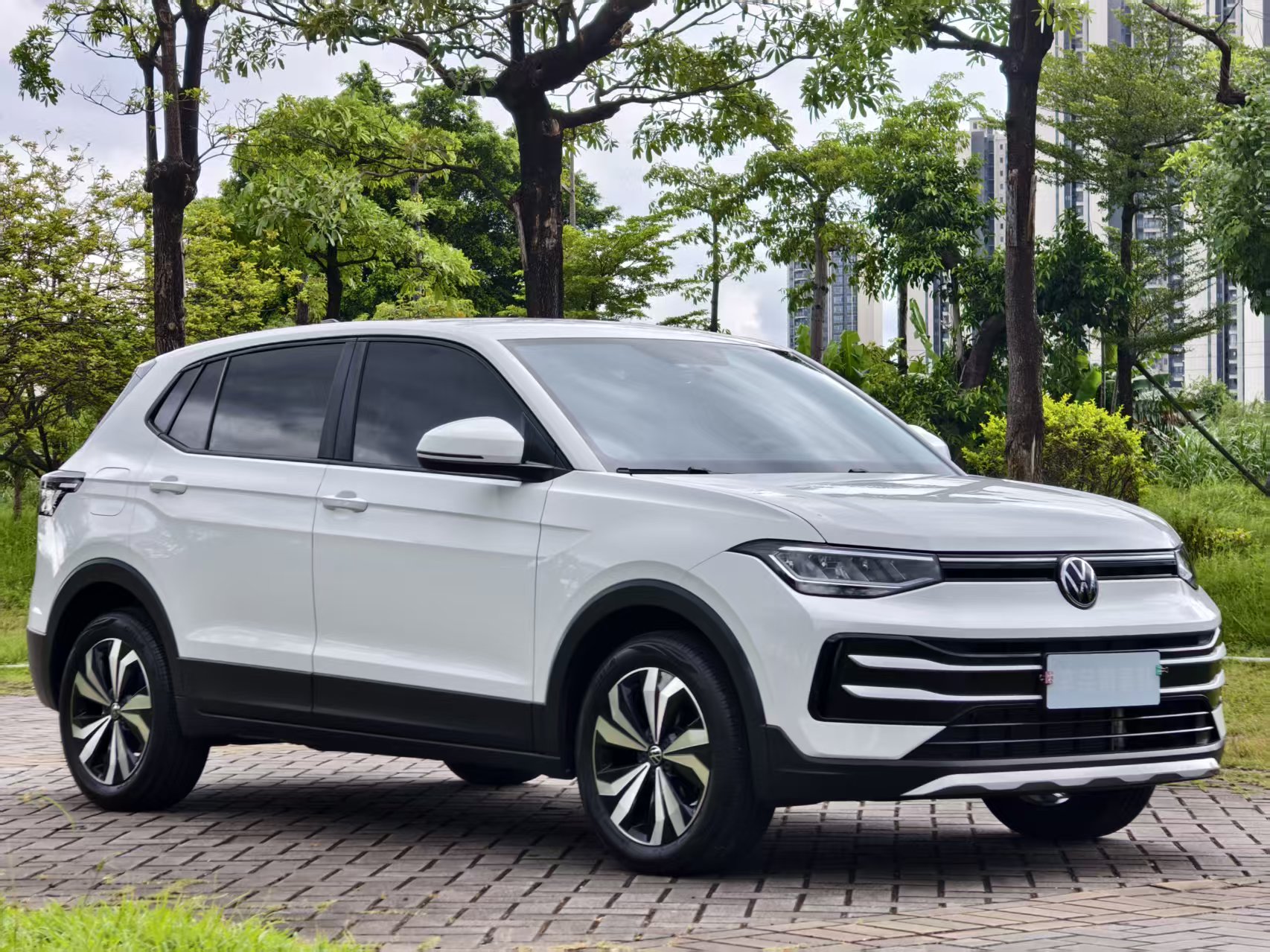
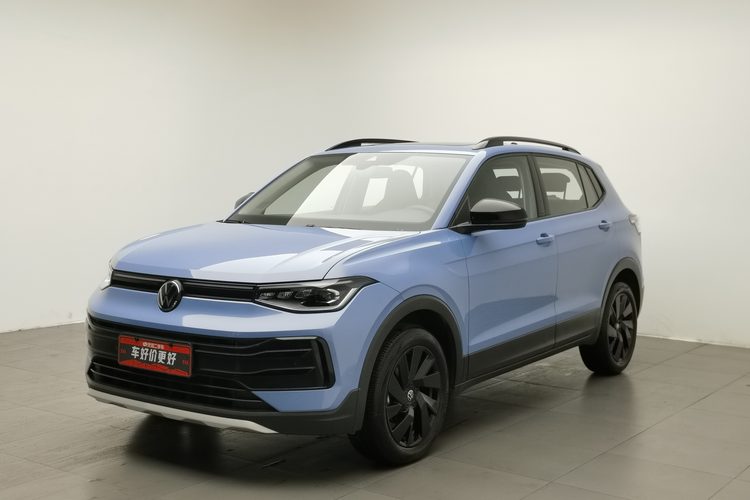
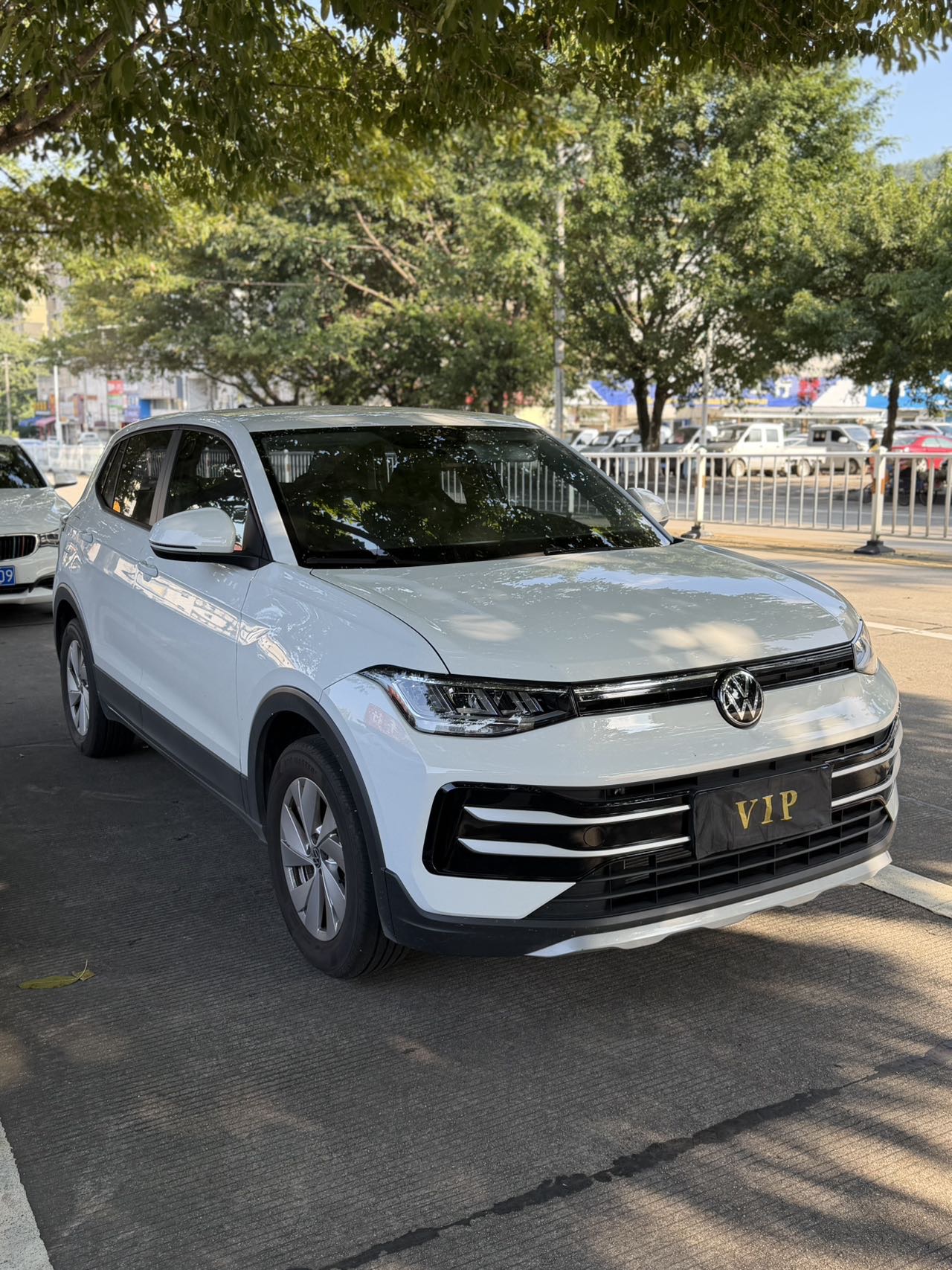
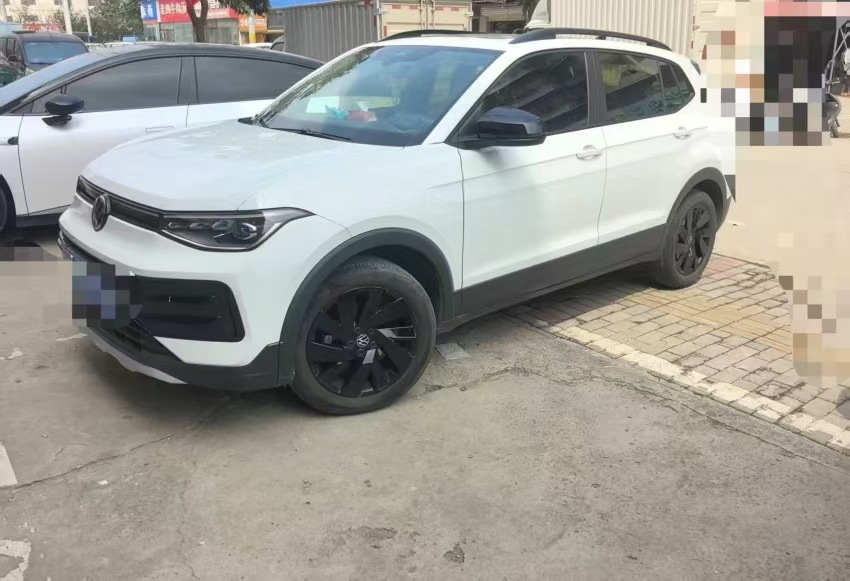
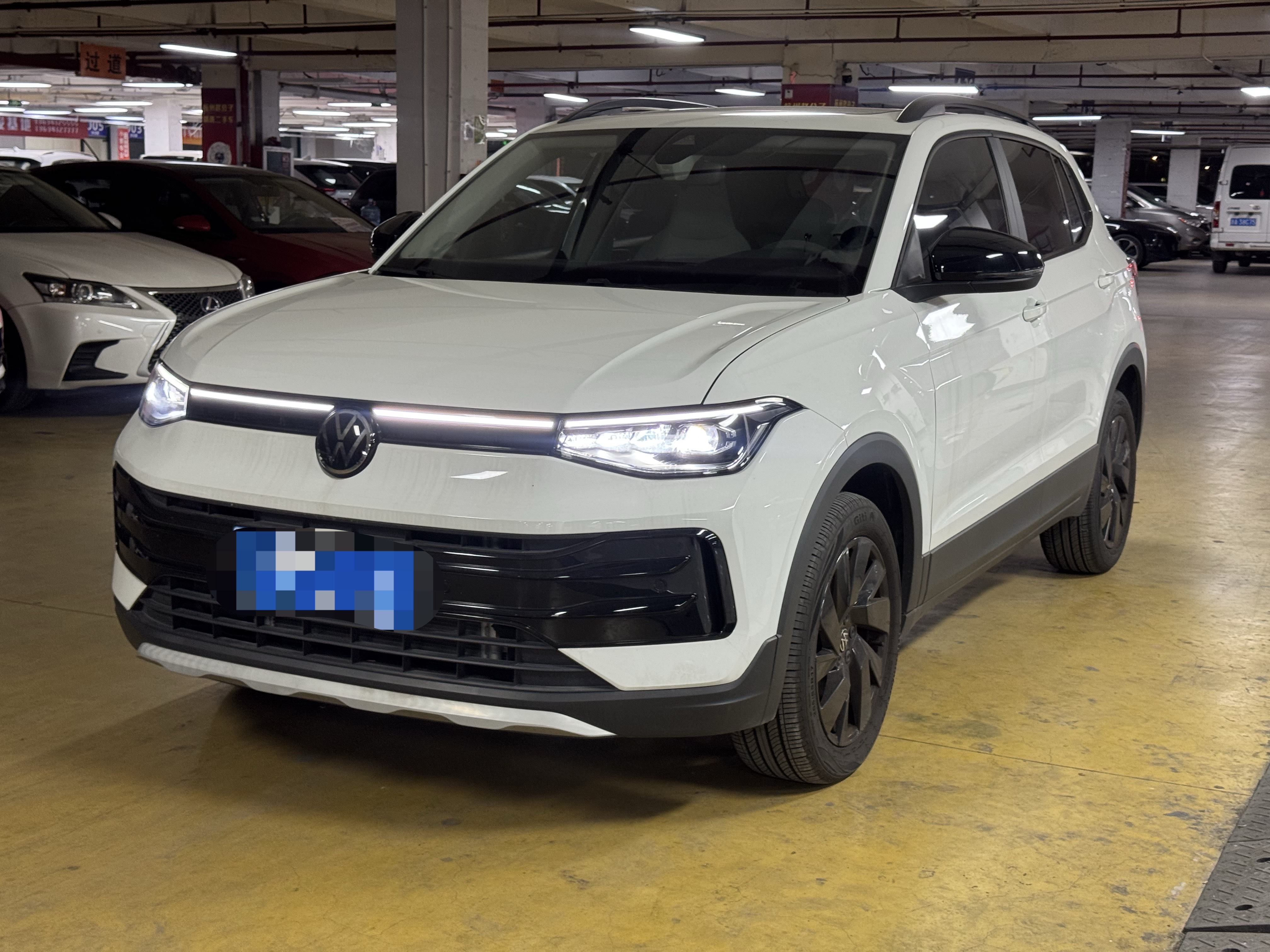
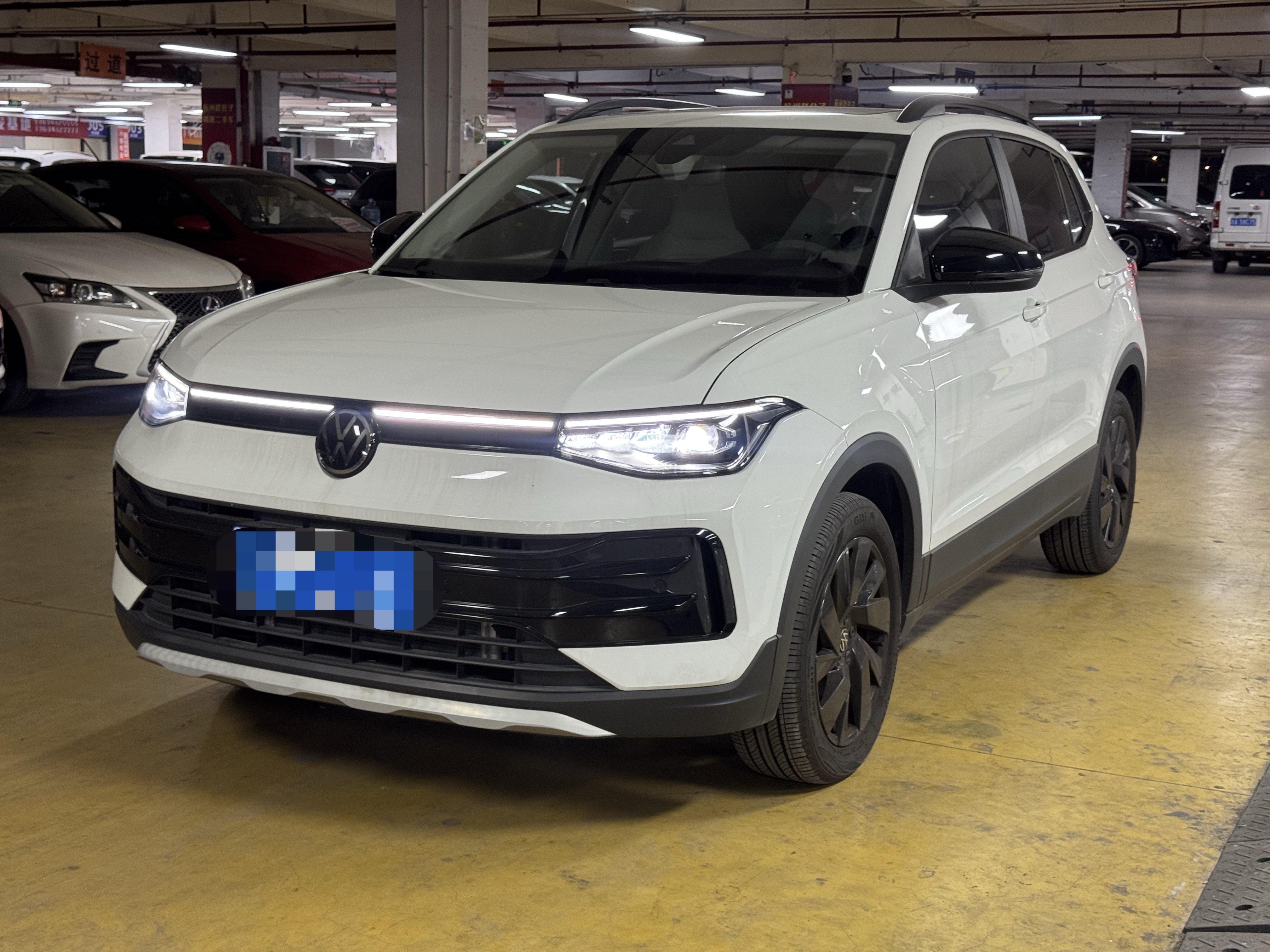
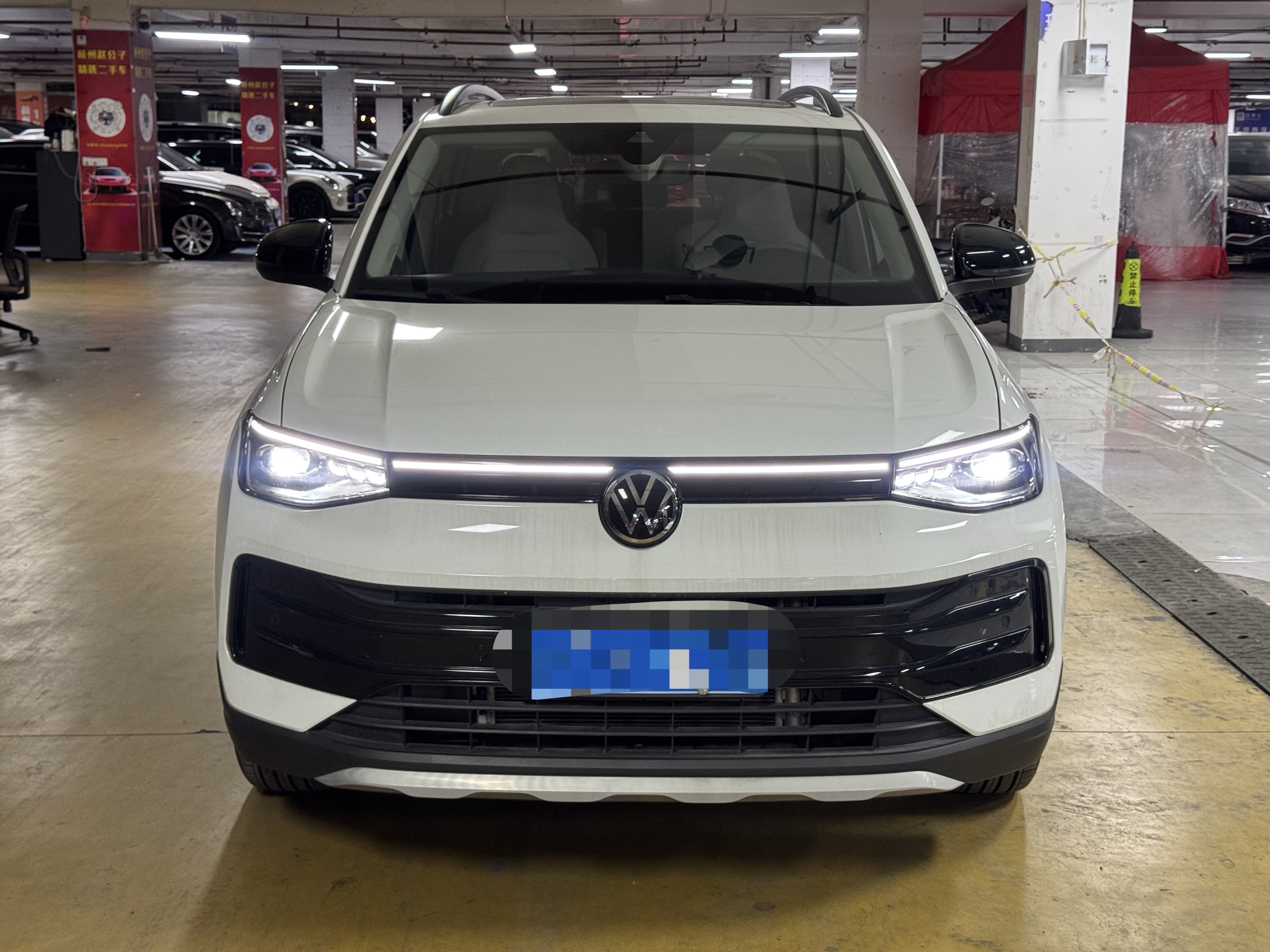
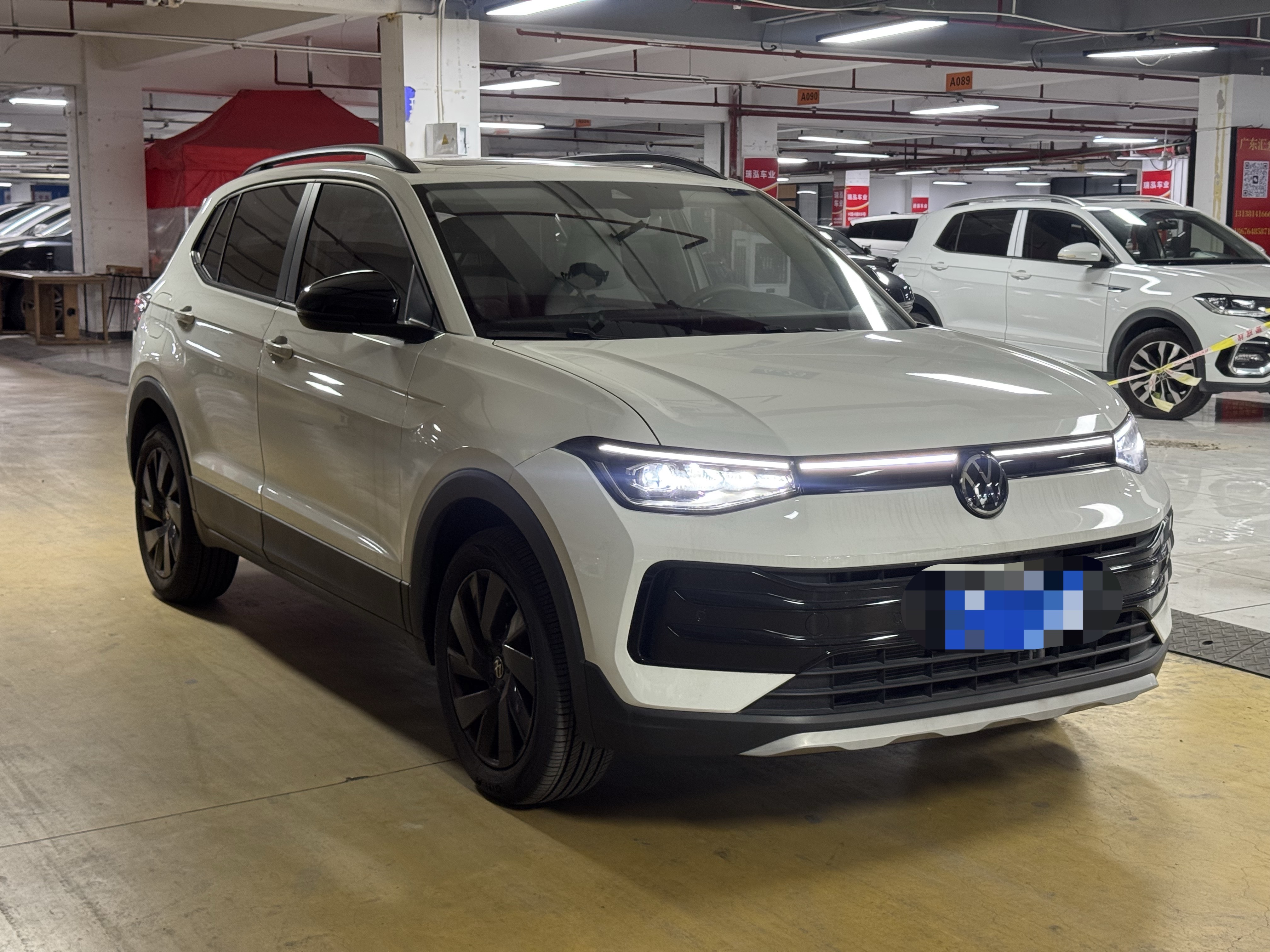
BrandVolkswagen
SeriesTharu
Year2025
First Registration2025/05
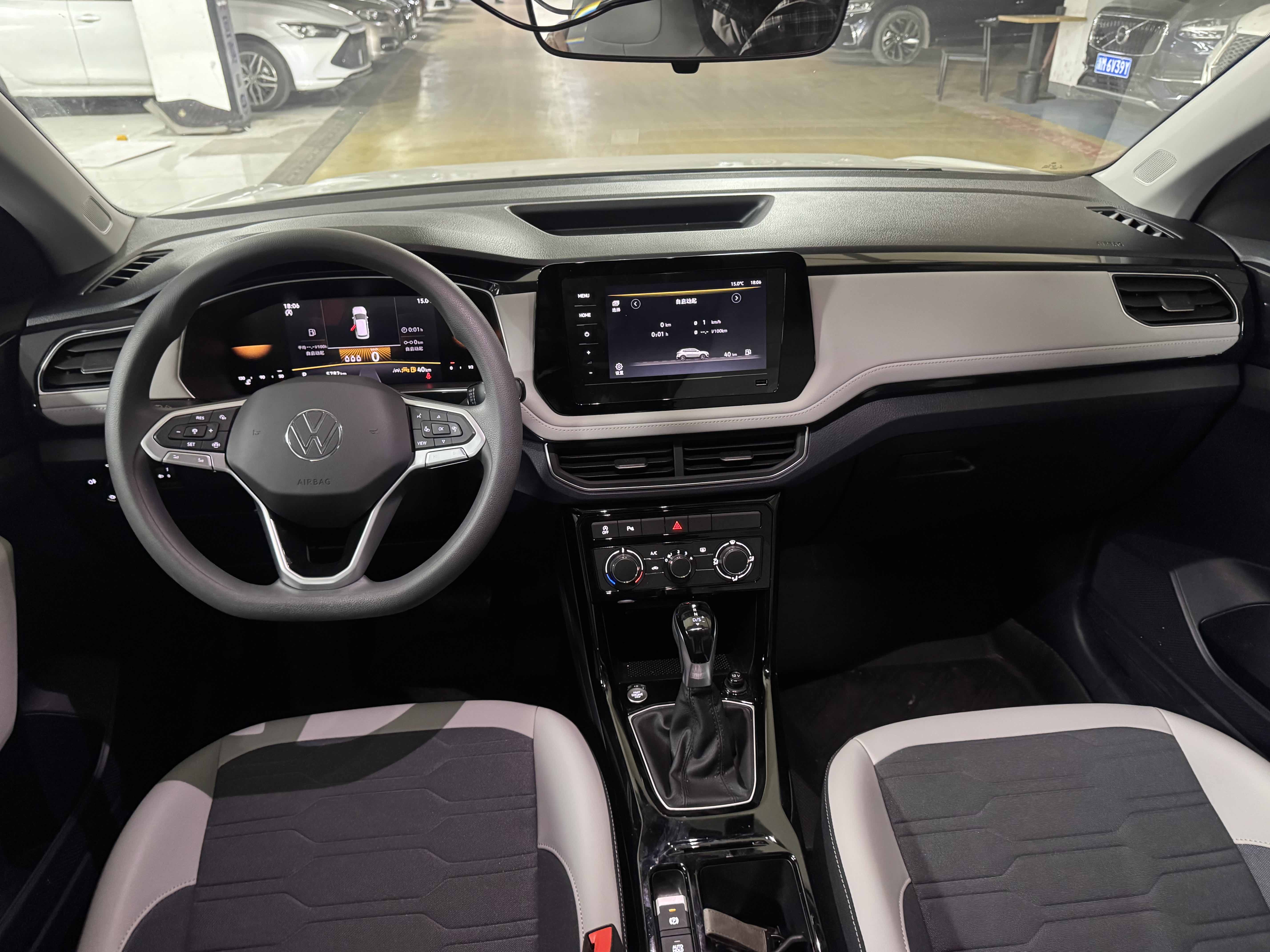
Mileage5,000km
Transfer Count0times
FuelGasoline
TransmissionDCT
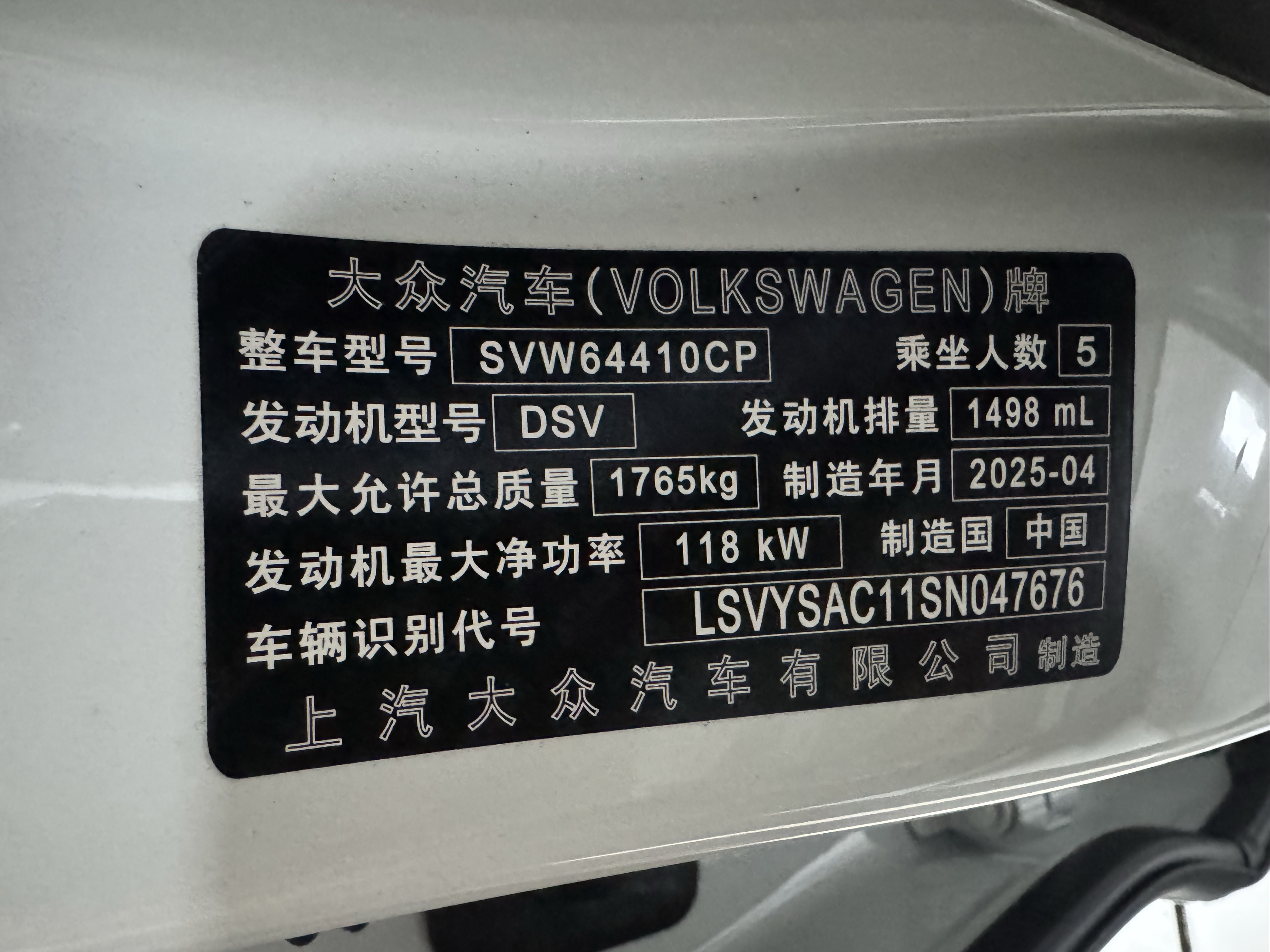
Engine1.5T 160 L4
ColorWhite
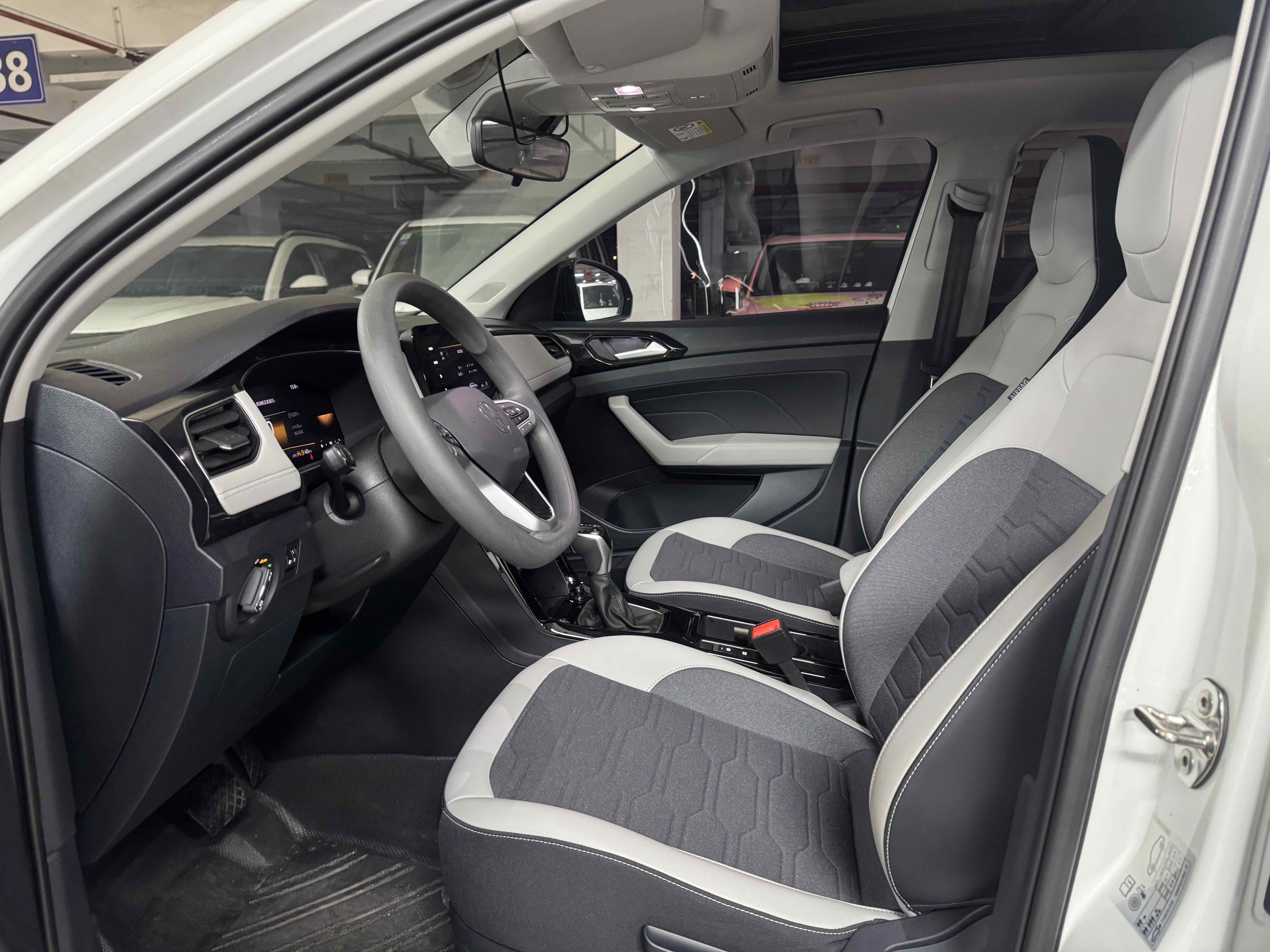
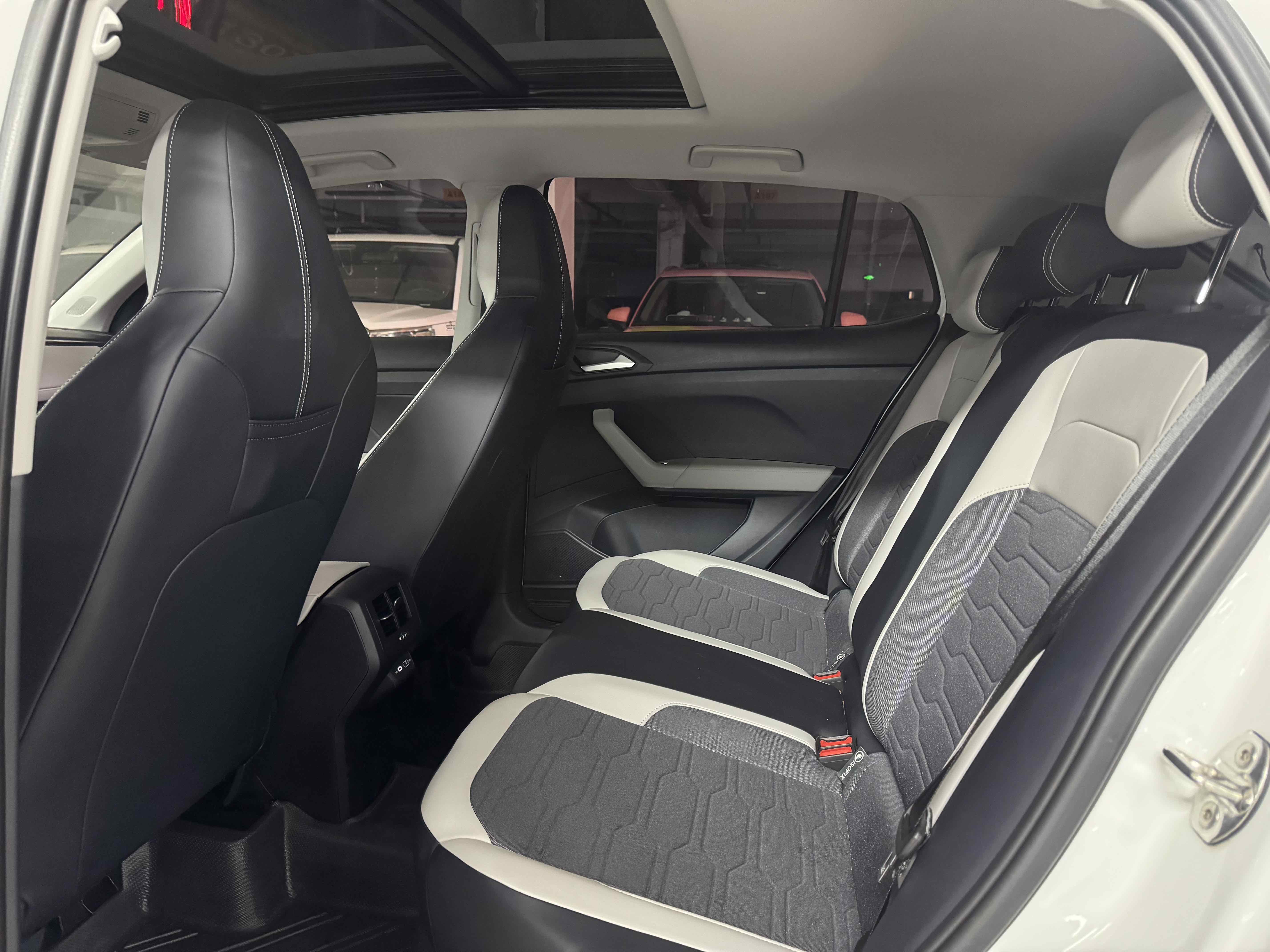
Seats5seats

Condition Description

Average condition

May 2025, 5,000 km, original paint, one owner, excellent condition

可议价
已上架
New

Configuration Highlights

✓品牌: 大众
✓车系: 途岳
✓车型: 途岳 2025款 新锐 300TSI 锐意版
✓能源类型: 燃油车
✓发动机: 1.5T
✓变速箱: 7挡干式双离合
✓驱动方式: 前置前驱
✓排放标准: 国VI
✓指导价: 14.69万
✓车源编号: 12809785
✓VIN: LSVY*******047676

Document Information

Inspection Expiry Date2027/05
Warranty Expiry Date-
Insurance Expiry Date2027/04

Q&A

More

What are the core advantages of buying used luxury cars (like Porsche, BBA) in China compared to purchasing them directly overseas?

China has a large number of luxury cars and a fast turnover rate. For luxury cars of the same year and mileage, the FOB offshore price in the Chinese market usually still has a 10%-15% arbitrage opportunity after deducting shipping costs, especially for models with high depreciation rates.


Which documents prove a used car exported from China is legal to import, and how do I verify them?

Key documents to request and verify: 1. Export declaration (报关单): proves the car legally left China. Check the VIN, model and exporter name match the car. 2. Commercial invoice: must match your payment amount; customs uses it to assess duties. 3. Bill of lading: confirm the consignee is you or your agent, and the VIN/container number is correct. 4. Certificate of origin: needed for tariff preferences in some markets. 5. Condition/inspection report: ideally from an independent third party, with photos and dates. Verification tips: cross-check the VIN on every document — any mismatch causes customs holds. Ask your destination customs broker to review scanned copies before the car ships, and release the final payment only after documents pass that review. A legitimate exporter will provide all of these without hesitation.

What charging adapters or equipment will I need to charge a used Chinese EV in my country?

Chinese EVs ship with GB/T charging ports, which are not used in Europe (Type 2/CCS2), North America (J1772/CCS1/NACS), or most of Latin America. Plan for these extras: 1. GB/T to local standard adapter or converter box: this lets you charge at public stations. A simple passive adapter works for AC charging; DC fast charging needs an active converter, which is expensive — many owners skip it and rely on AC. 2. Portable charger swap: the included travel charger has a GB/T plug. Buy a local wallbox or a portable EVSE with your country's plug instead. 3. Home electrical check: confirm your home circuit can handle 7–11 kW, and have an electrician install a dedicated line if needed. Ask the exporter for the car's charging port photos and on-board charger capacity before buying. Budget roughly a few hundred dollars for adapters and a wallbox. Without planning, you may end up with a car that can only trickle-charge from a wall socket.