




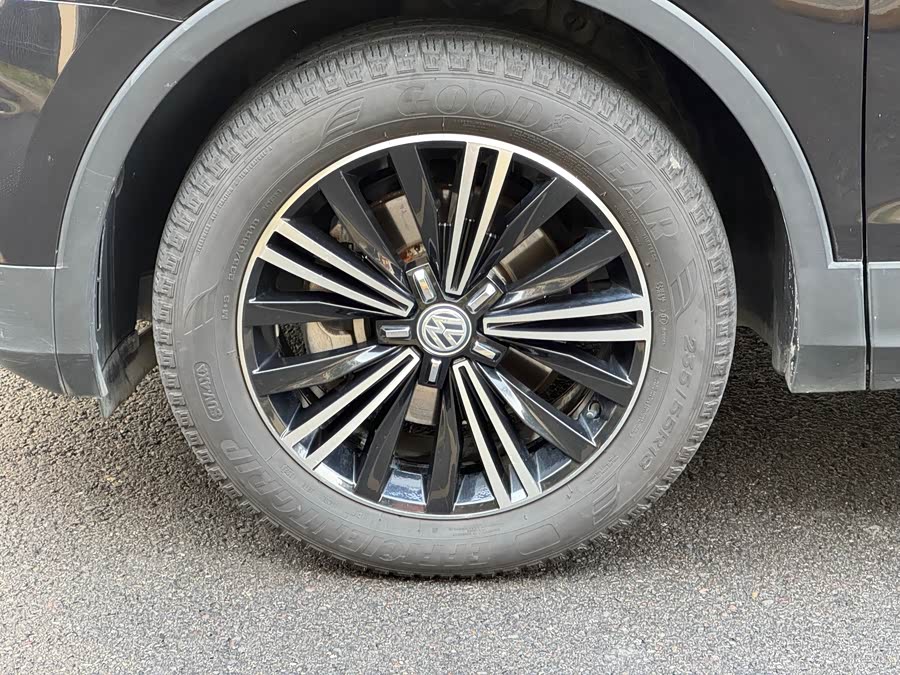

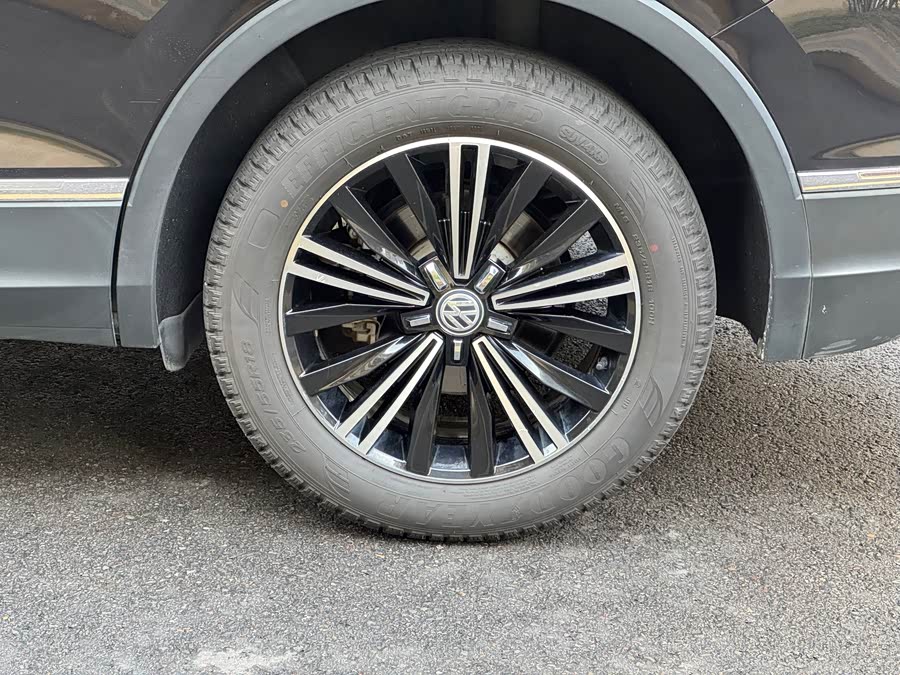




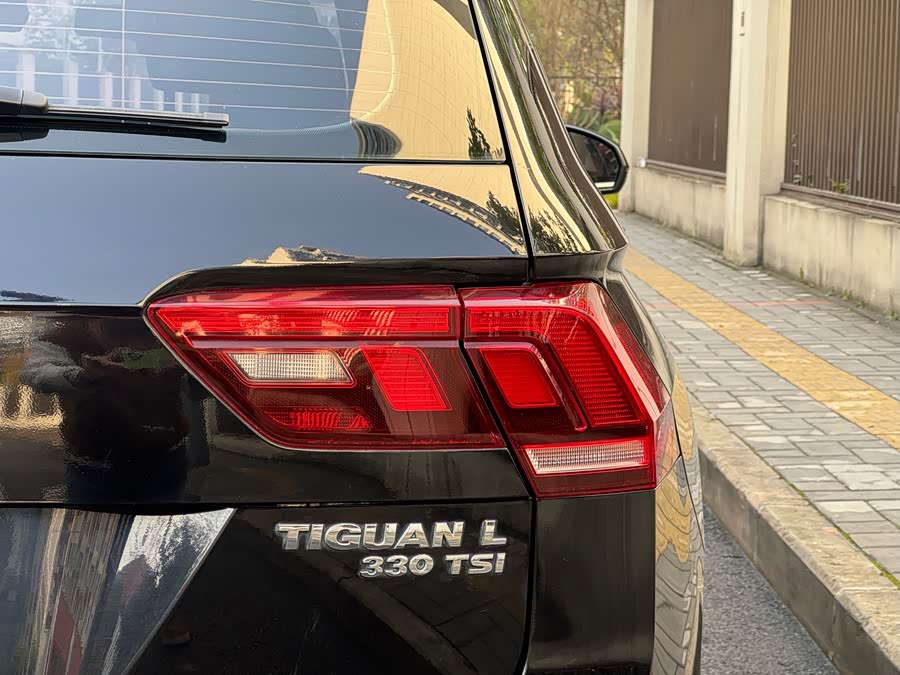
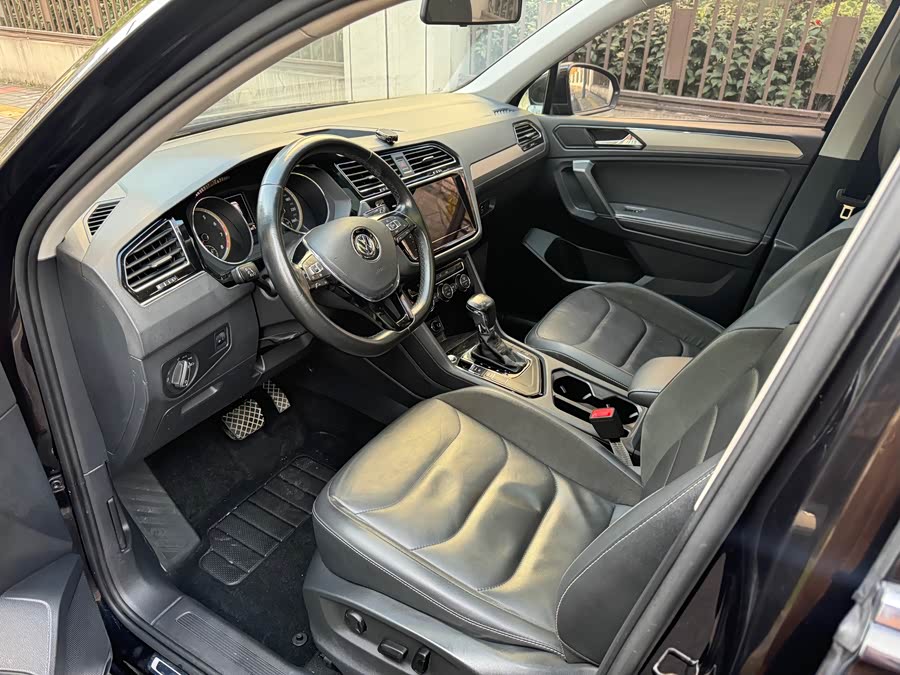

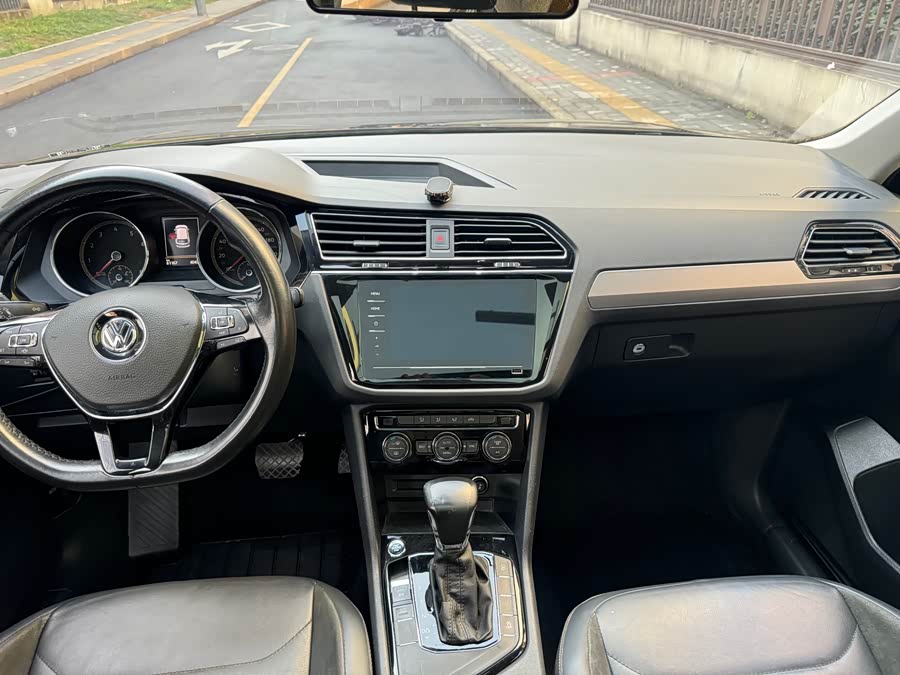
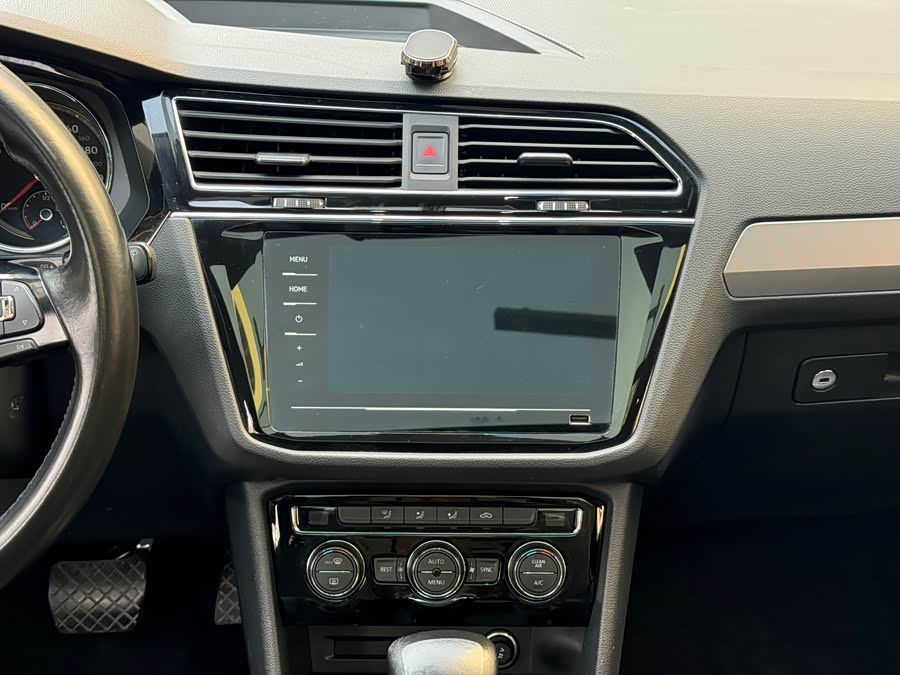
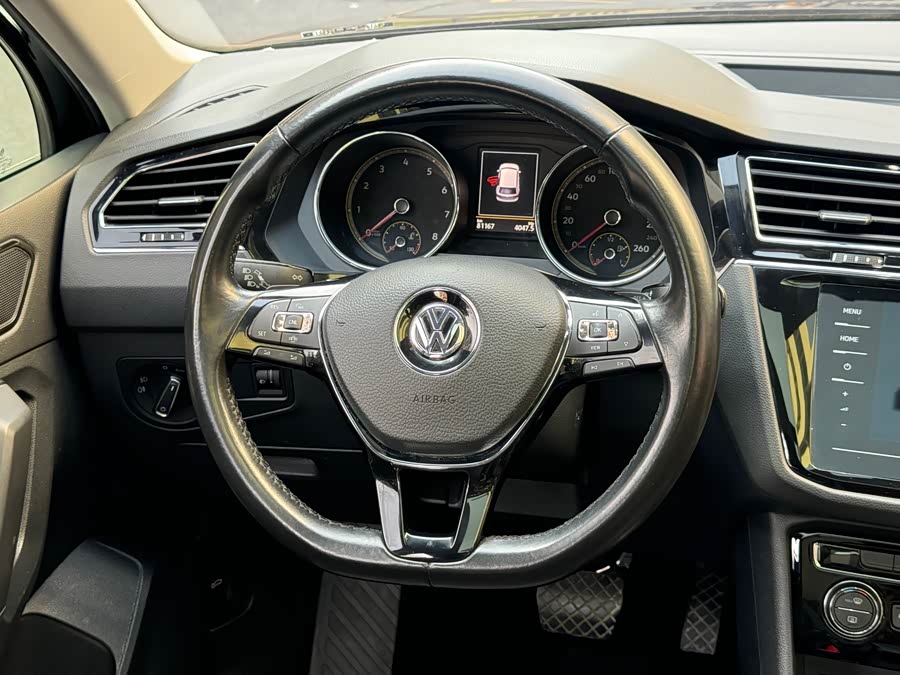
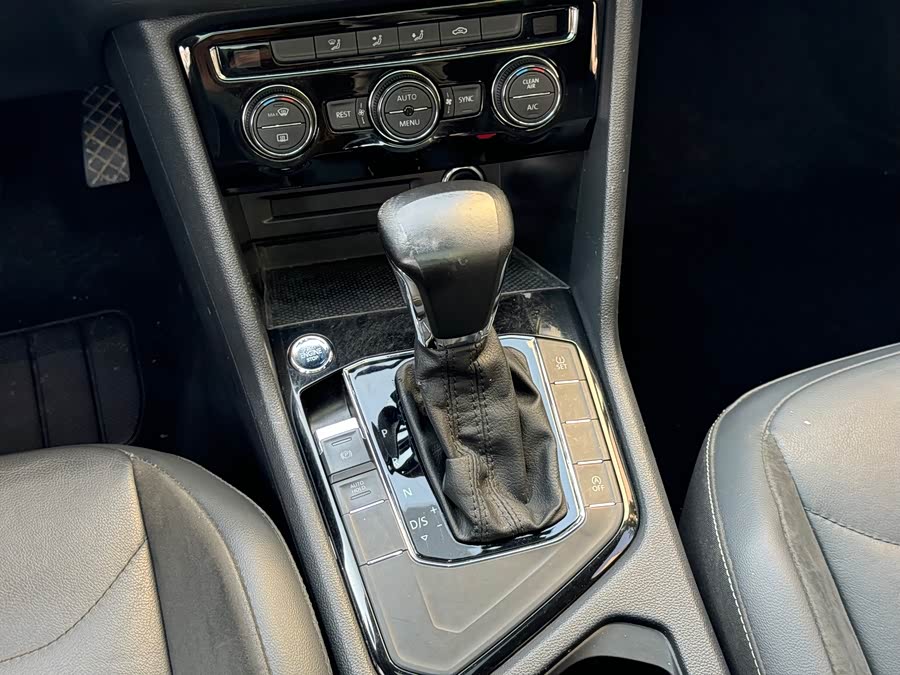



Basic Information

BrandVolkswagen
SeriesTiguan L
Year2019
First Registration2019/07
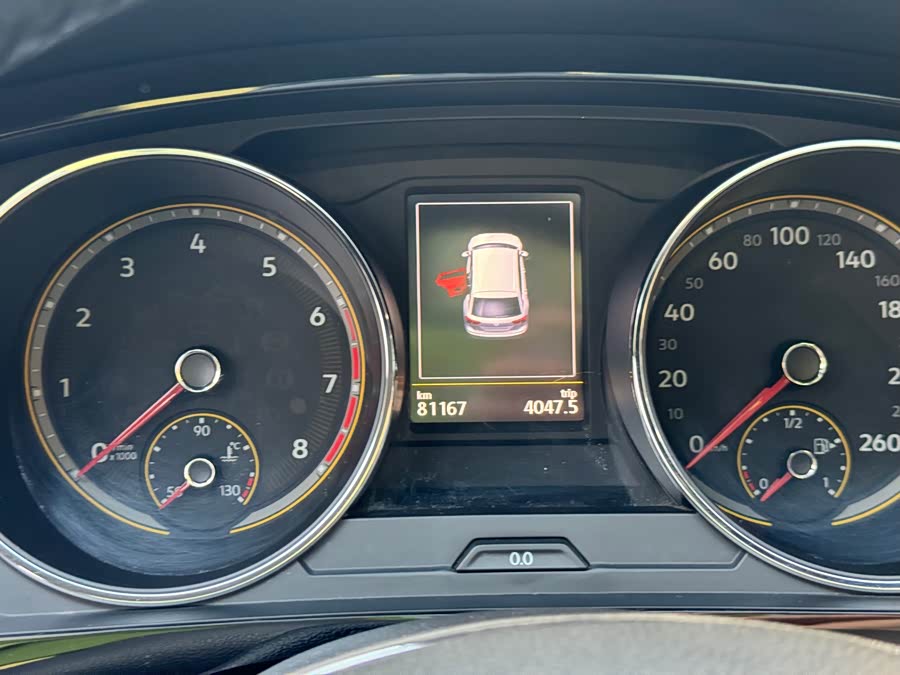
Mileage80,000km
Transfer Count-
FuelGasoline
TransmissionDCT
Engine2.0T 186 L4
ColorBlack
Seats-

Condition Description

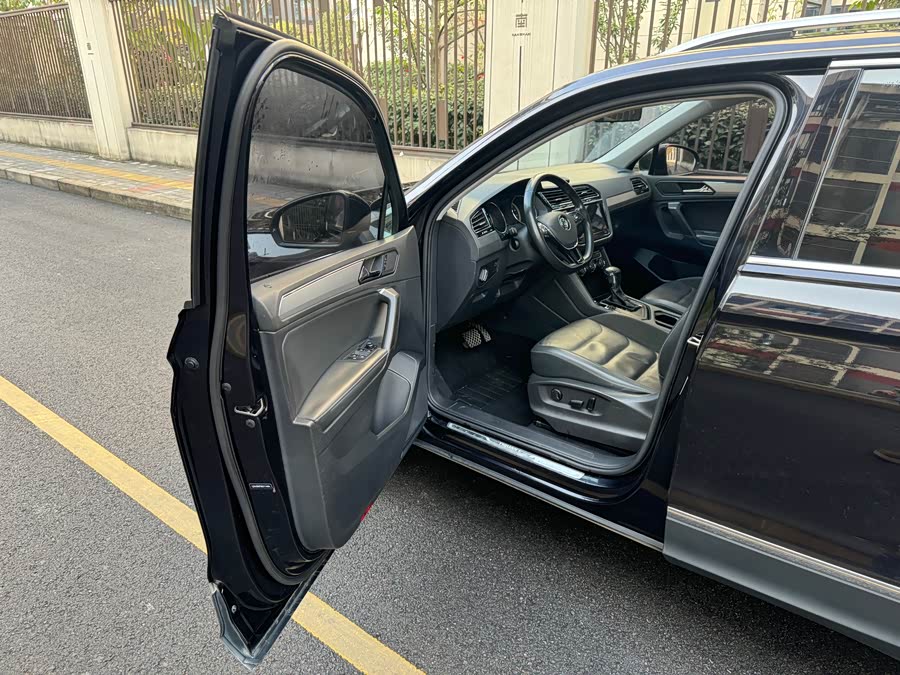
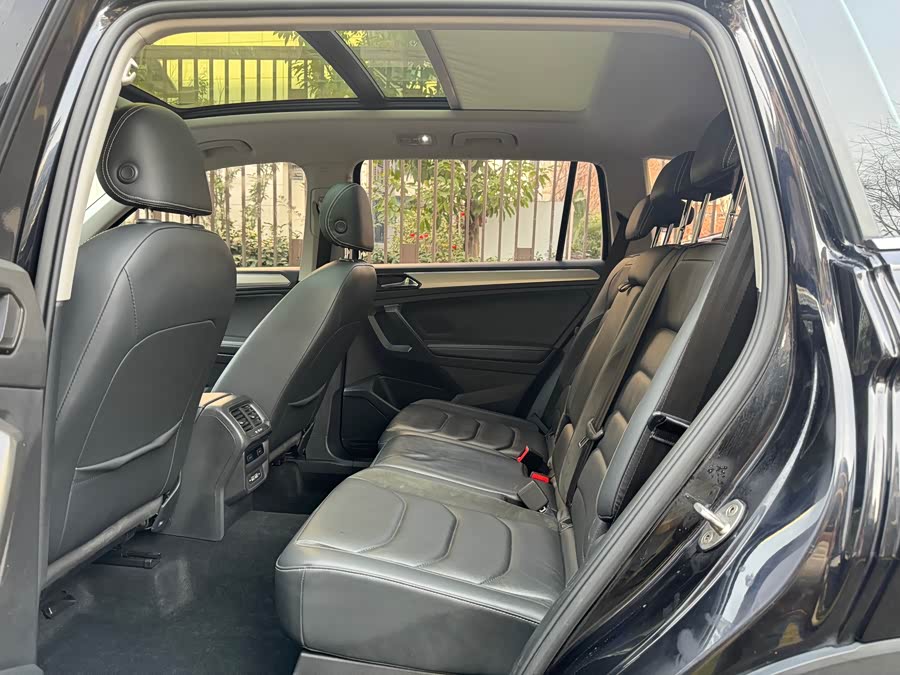
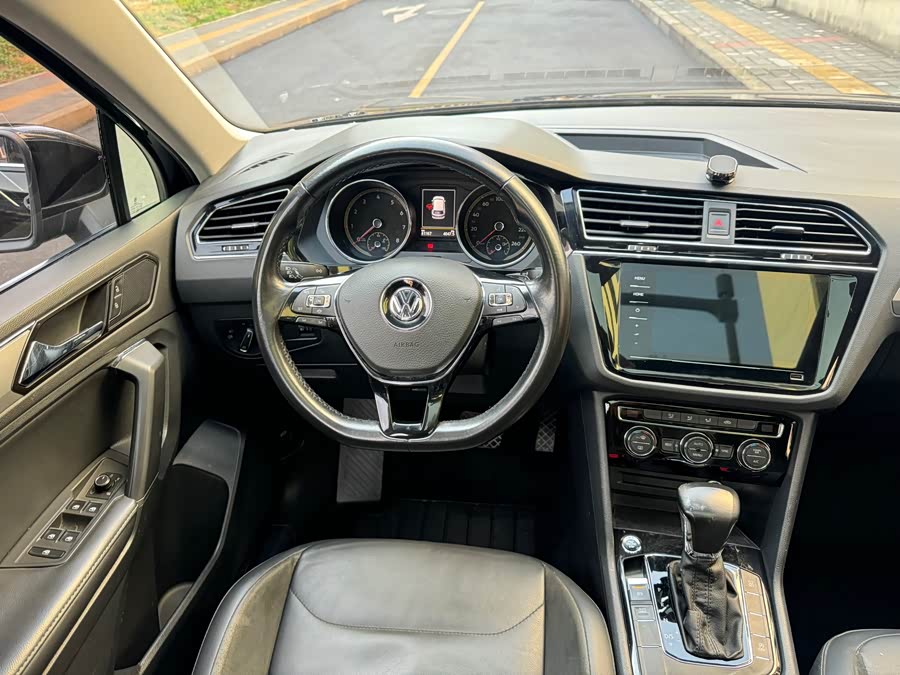
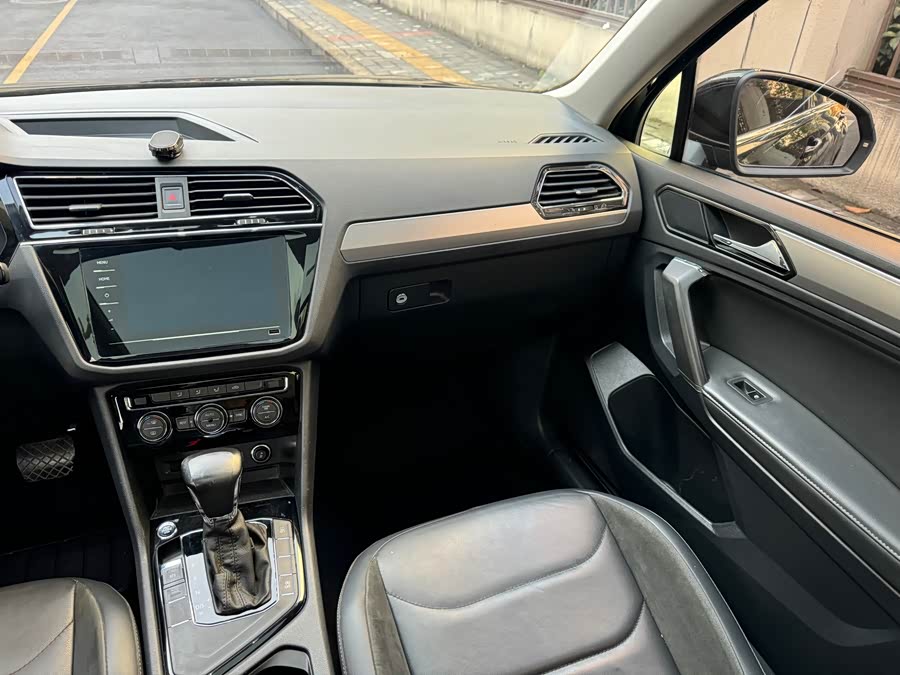
very good

[Original Owner's Vehicle Usage] The original owner had two cars, which they alternated between, so the car was rarely driven, especially since it was close to their workplace. [Original Owner's Maintenance Practices] The car was maintained and serviced at a 4S dealership; records are available. [Original Owner's Reason for Selling] The vehicle is not in use, hence the sale.

90-day repurchase guarantee

Configuration Highlights

✓ISOFIX Child Seat Anchors
✓Auto Hold
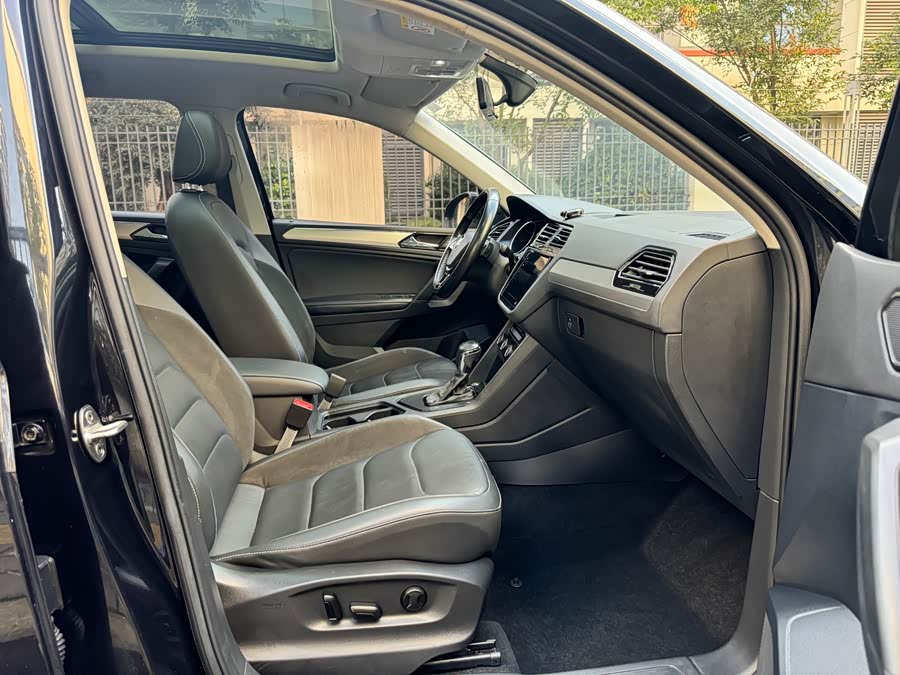
✓Keyless Start System
✓Paddle Shifters
✓Bluetooth/Hands-free
✓Cornering Lights
✓PM2.5 Air Filter
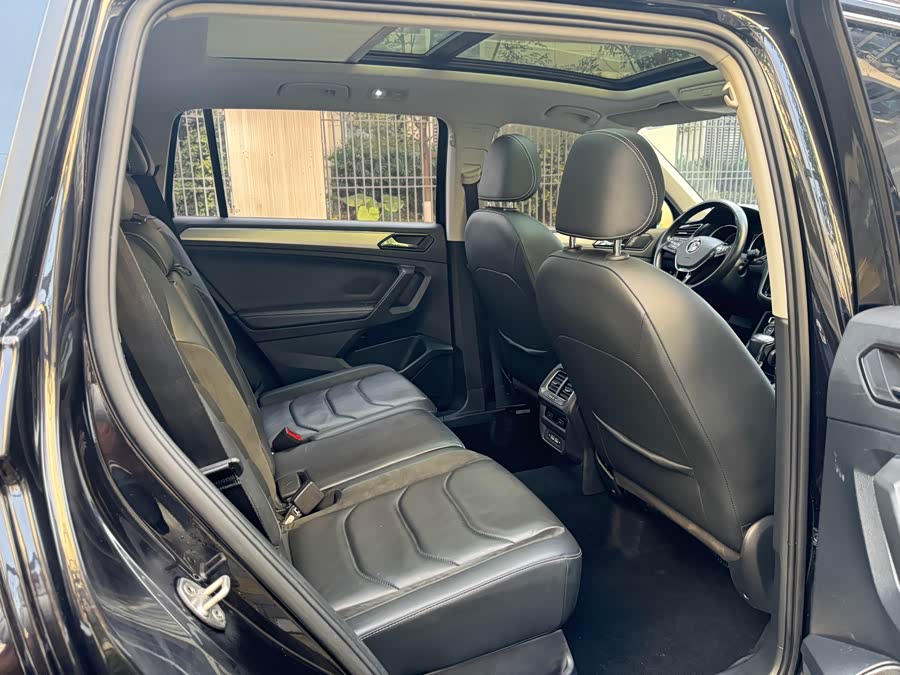
✓Rear Independent Climate Control
✓Rear Air Vents

Accident & Maintenance Records

Accident Record

🔗 Open Link

Maintenance Record

🔗 Open Link

Document Information

Inspection Expiry Date2026/07
Warranty Expiry Date-
Insurance Expiry Date2026/07

Q&A

More

What is a Certificate of Origin and why do I need one when importing a car from China?

A Certificate of Origin (C/O) is an official document stating where the vehicle was manufactured. Customs authorities use it to decide which tariff rates and trade agreements apply to your import. Why it matters: many countries offer preferential tariffs for certain origins. With a valid C/O, such as the ASEAN-China Form E or a GSP Form A, you may pay reduced or zero duty. Without it, you typically pay the standard, higher rate. The certificate must match the vehicle exactly: VIN, make, model and invoice details. It is usually issued by the China Council for the Promotion of International Trade (CCPIT) or customs authorities. Practical tips: request the C/O before shipment, because adding it later is slow; check that your country's customs accepts the specific C/O format; and confirm with your broker whether your vehicle category qualifies for preferential rates. This single document can save you thousands in duty.


Are there specific photos or reports from the lift perspective regarding the concealed parts of the chassis (such as the suspension system and shock absorber leaks)?

Definitely. Lifting the chassis is a mandatory part of our standards. The report will specifically show whether there are oil stains on the front and rear shock absorber cylinders, if the rubber boots of the lower control arm ball joints are torn, and if the steering tie rods are loose or deformed.

Why is there a time difference between the production date on the vehicle nameplate and the first registration date on the registration certificate?

The nameplate date is the absolute time when the vehicle leaves the factory; the registration date is when the vehicle is registered with the traffic management department after sale. The difference represents the time the vehicle spent in the dealer's warehouse or logistics. If the time difference exceeds 6-8 months, the vehicle is considered a "stock vehicle," and we pay special attention to the natural aging of its rubber components.