


Basic Information

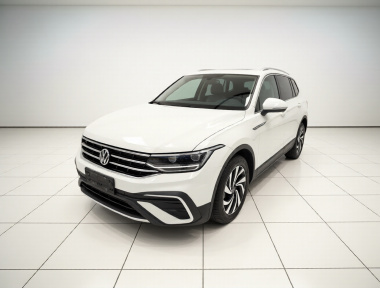
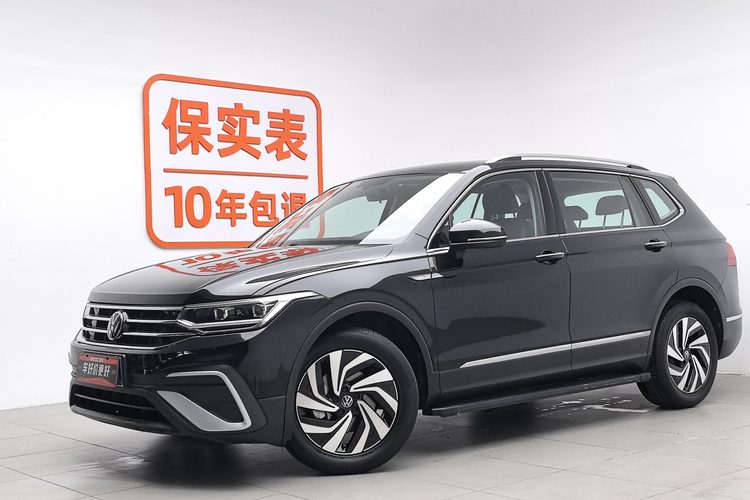
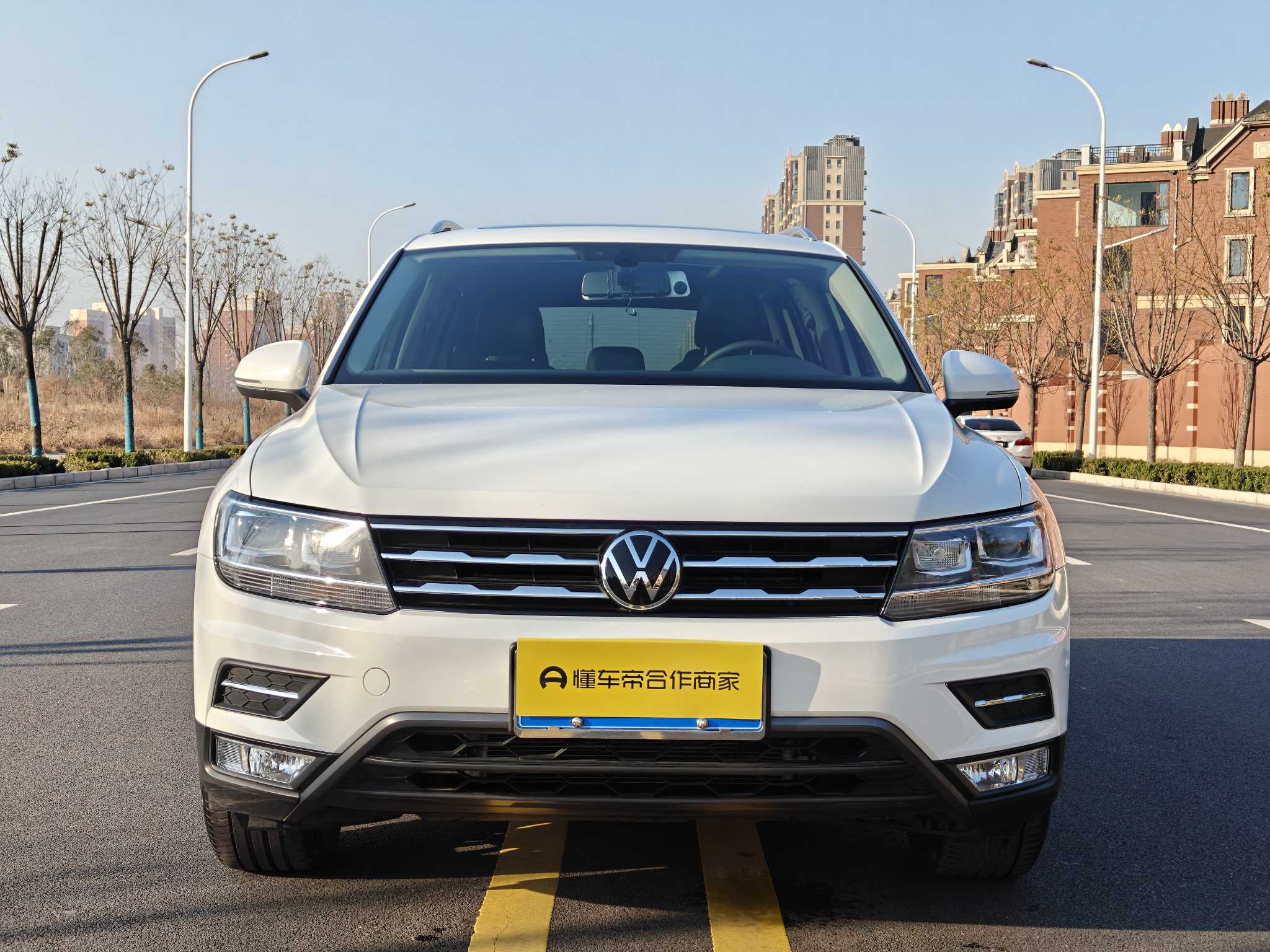
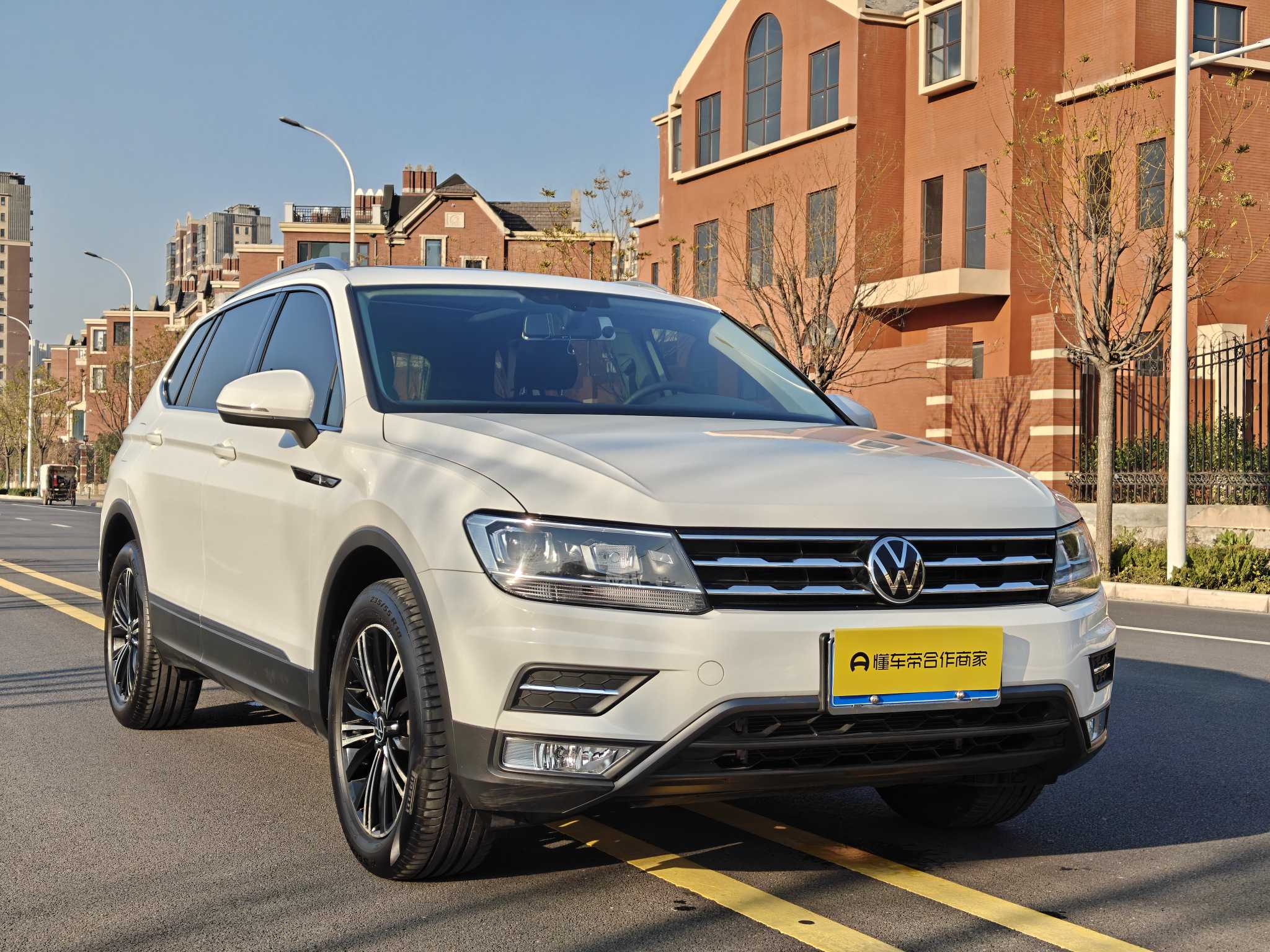
BrandVolkswagen
SeriesTiguan L
Year2021
First Registration2021/03
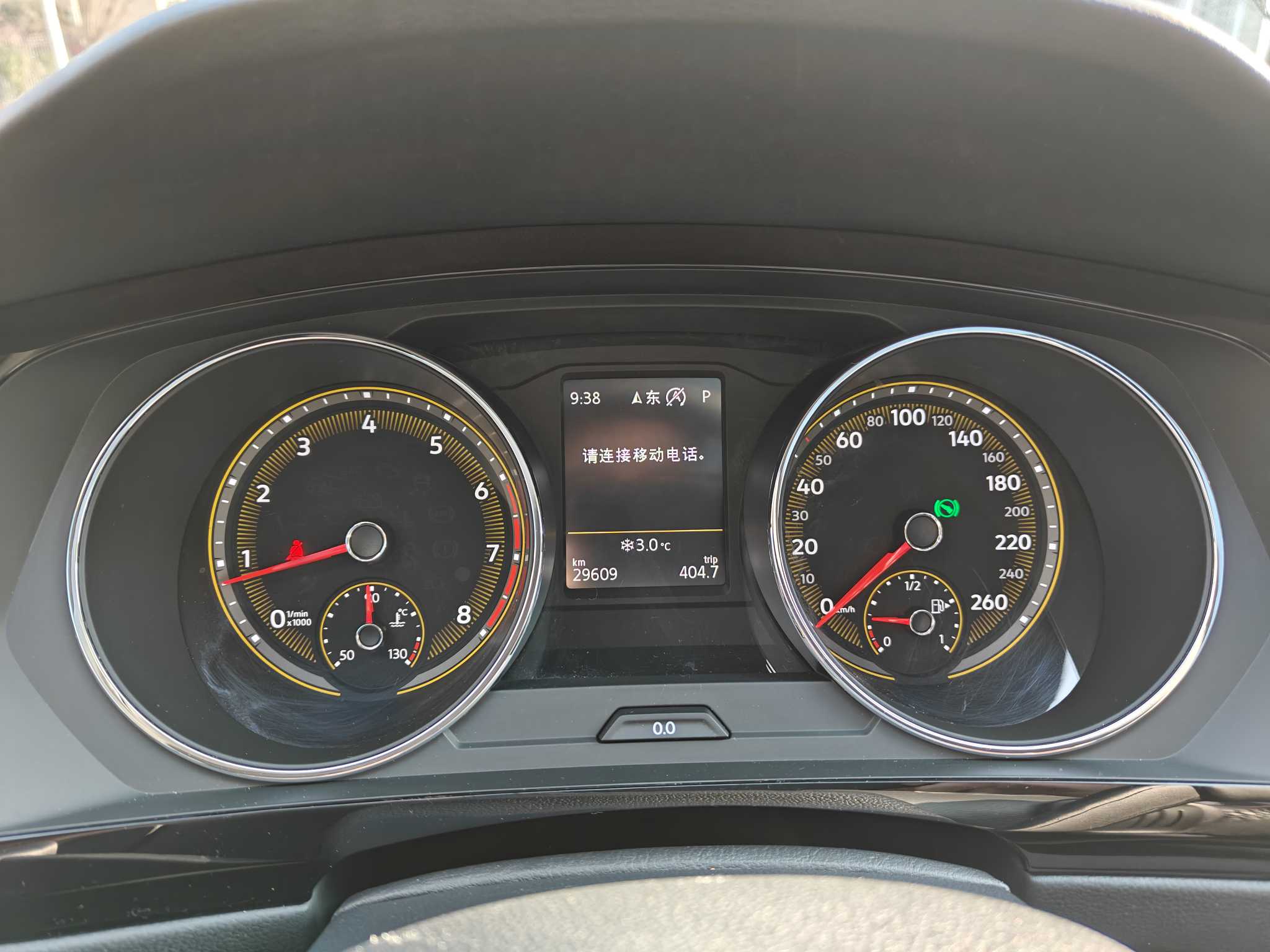
Mileage2.96km
Transfer Count-
FuelGasoline
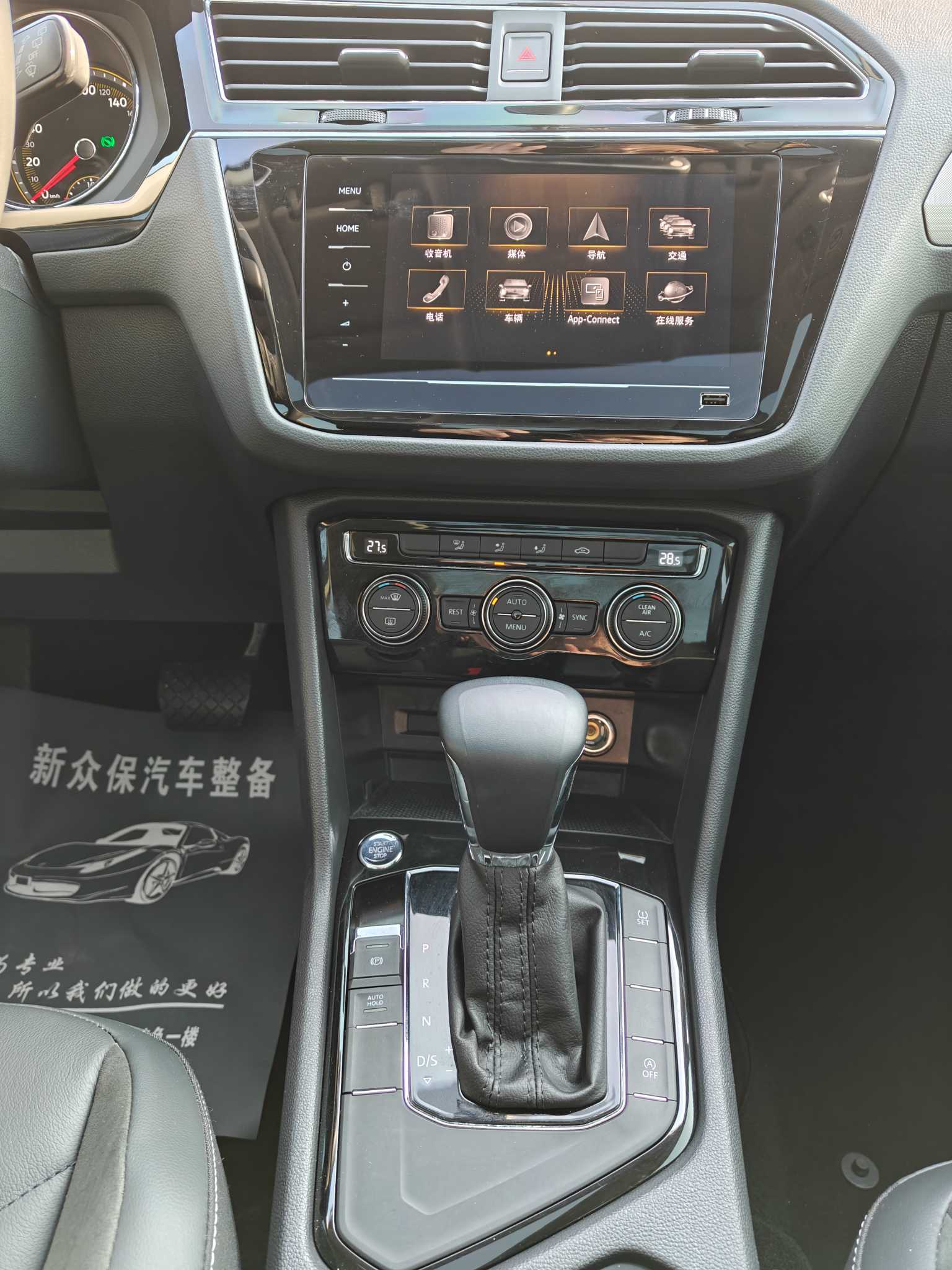
TransmissionDCT
Engine2.0T 186 L4
ColorWhite
Seats-

Condition Description

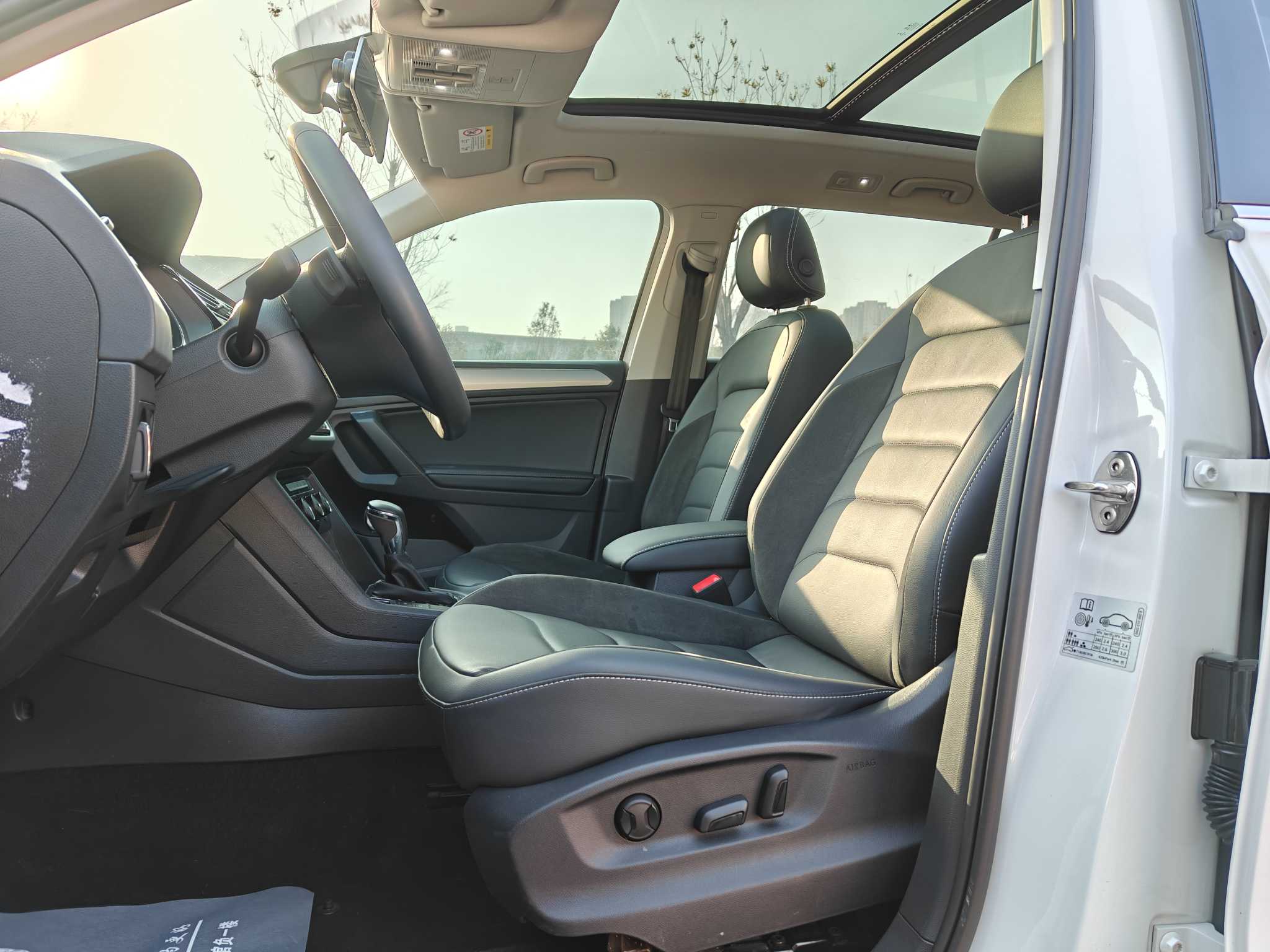
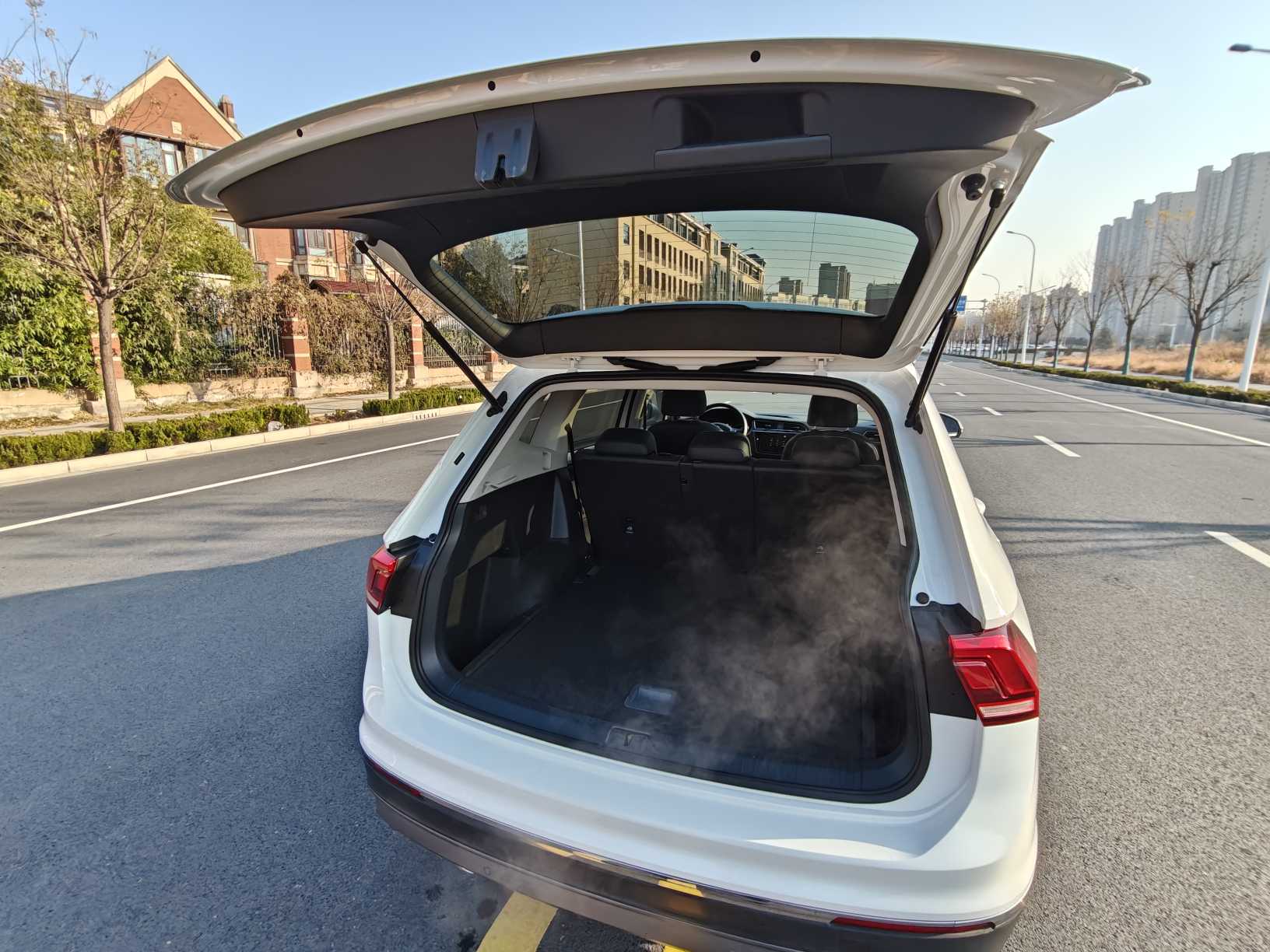
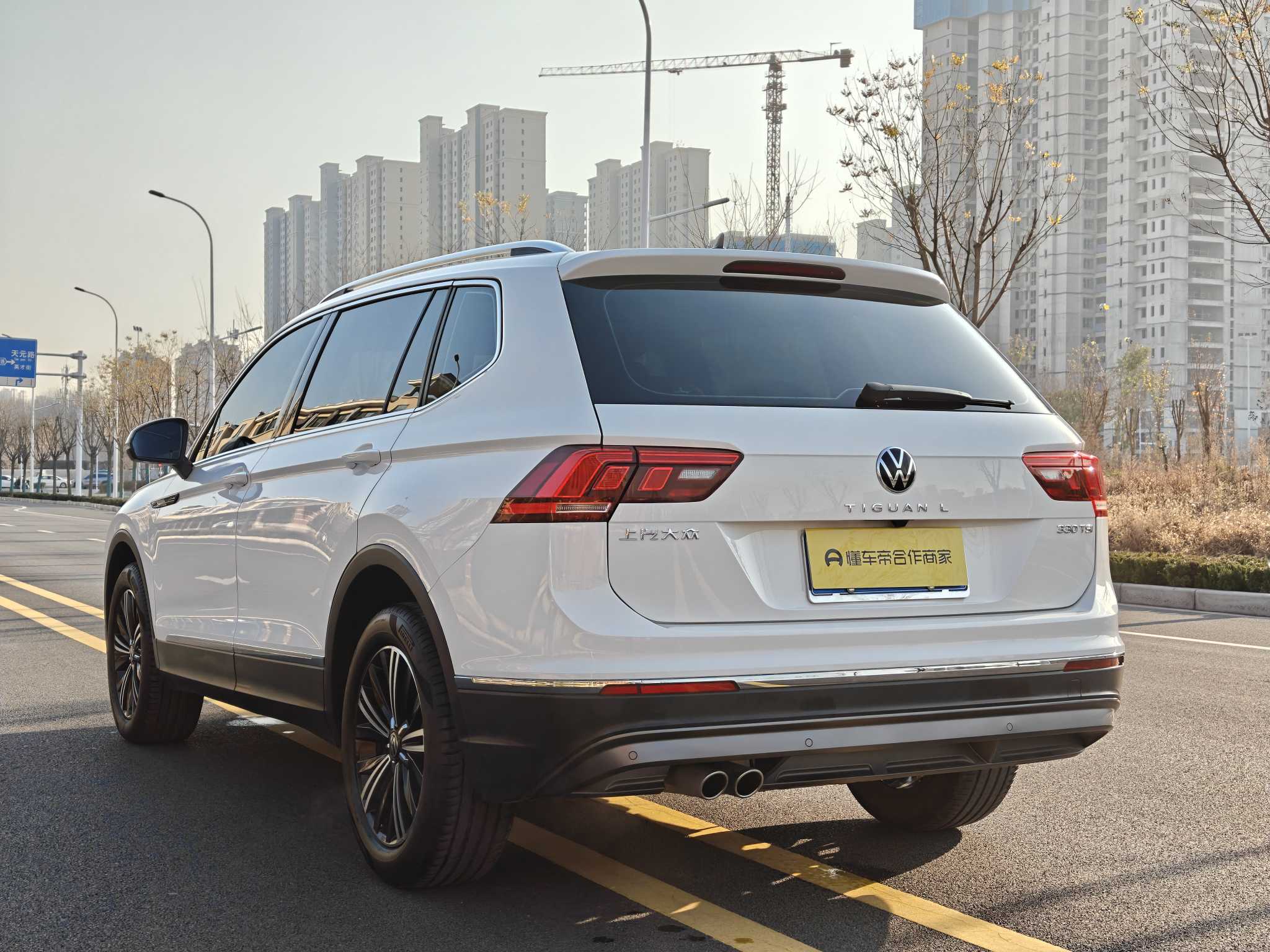
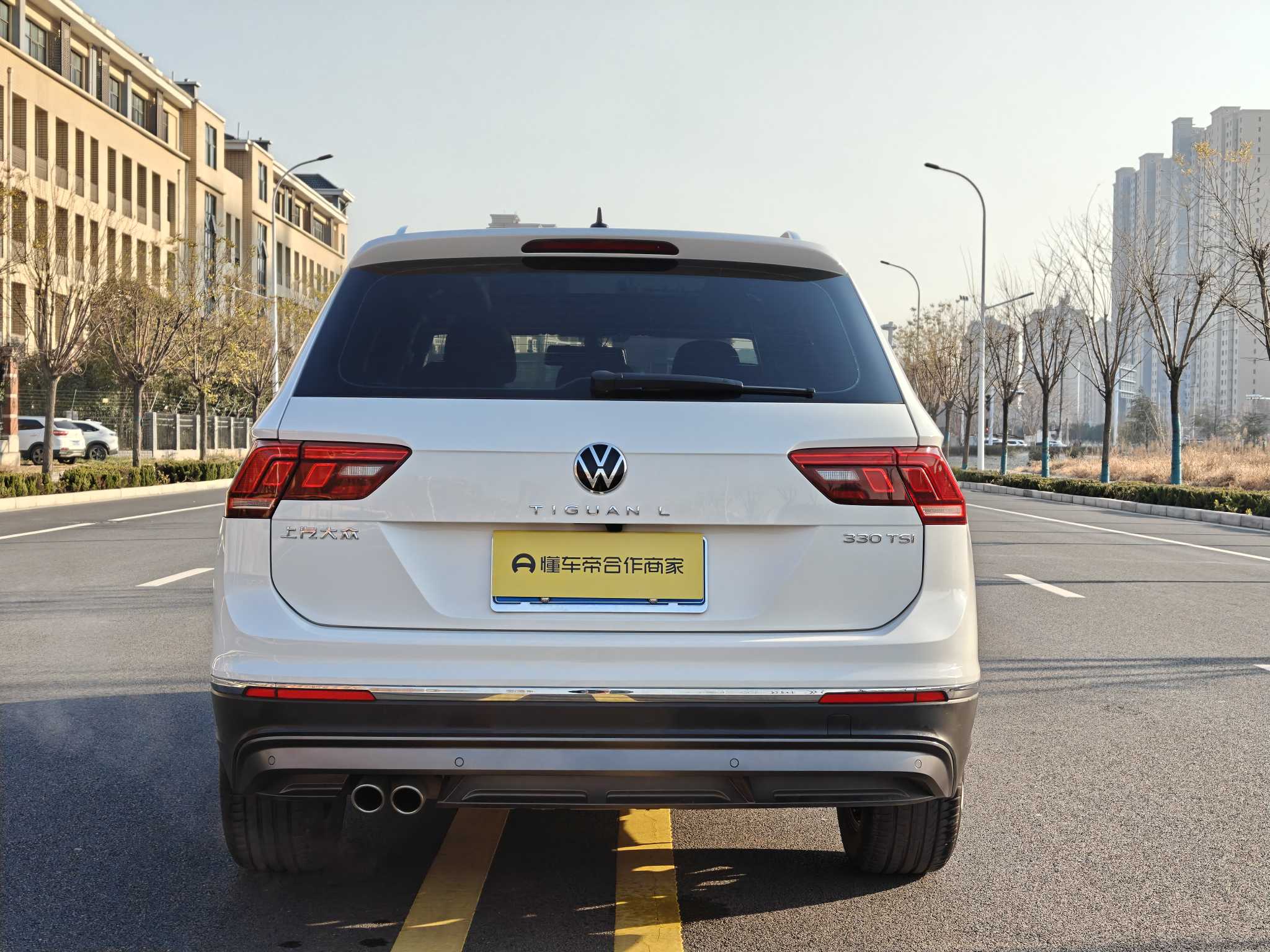
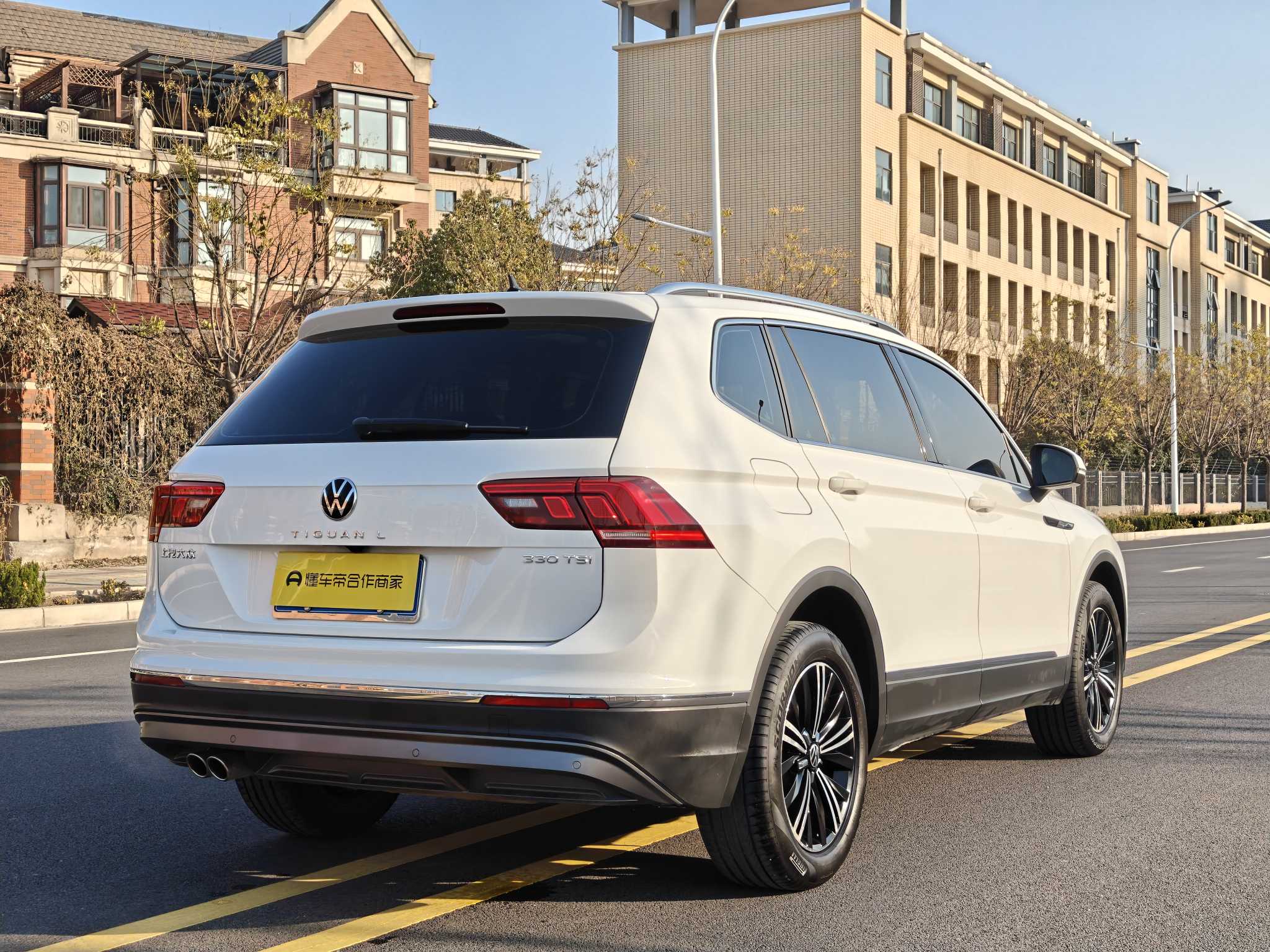
Original right rear door and right rear fender repainted Left front fender bodywork and repainting One owner, zero transfer fee

Configuration Highlights

✓Driver/Passenger Airbags
✓Front/Rear Side Airbags
✓Front/Rear Curtain Airbags
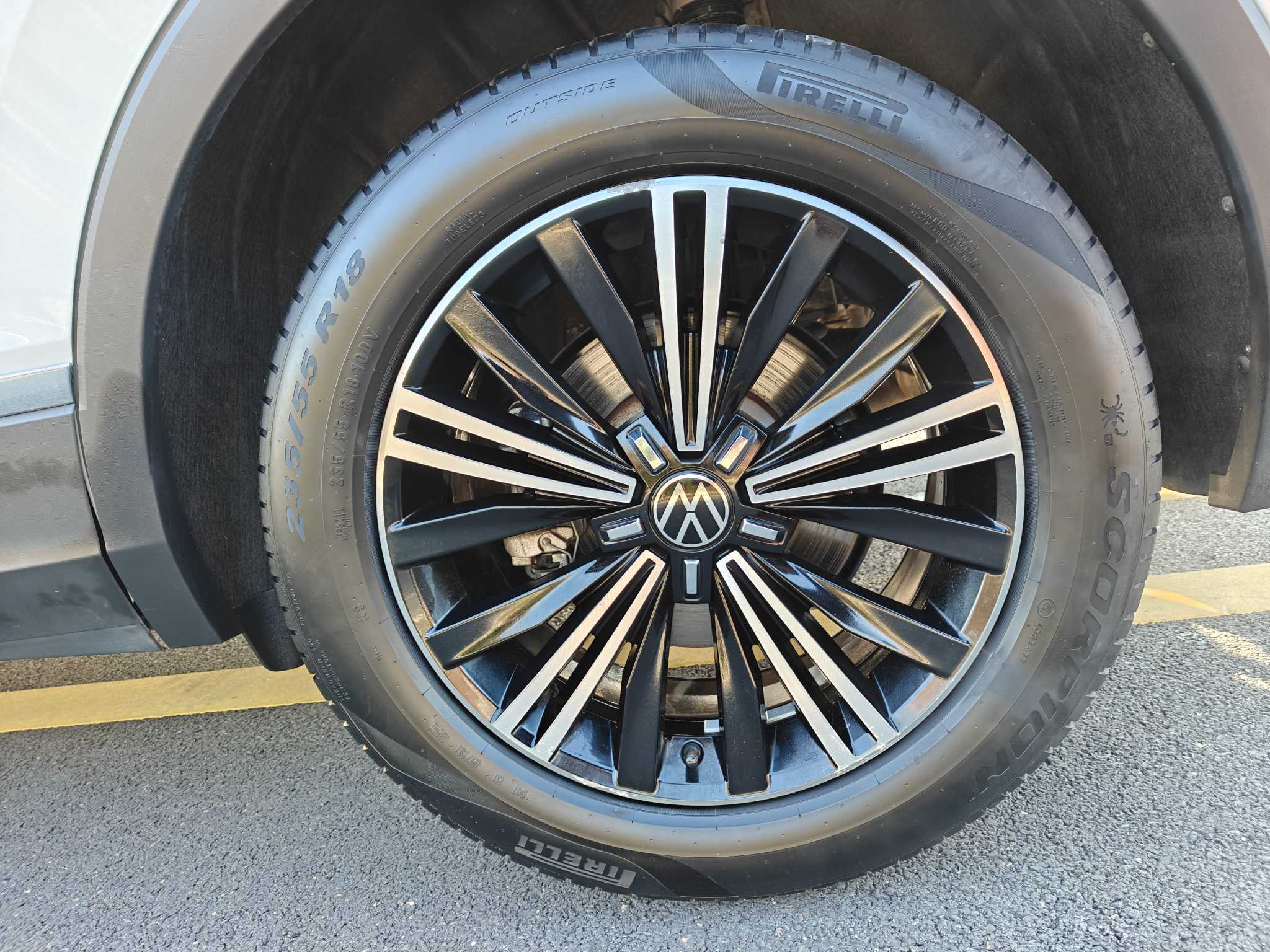
✓Tire Pressure Monitoring
✓ISOFIX Child Seat Anchors
✓Keyless Start System
✓Keyless Entry System
✓ABS Anti-lock Braking
✓Electronic Brake Distribution
✓Electronic Stability Control
✓Hill Start Assist
✓Auto Hold
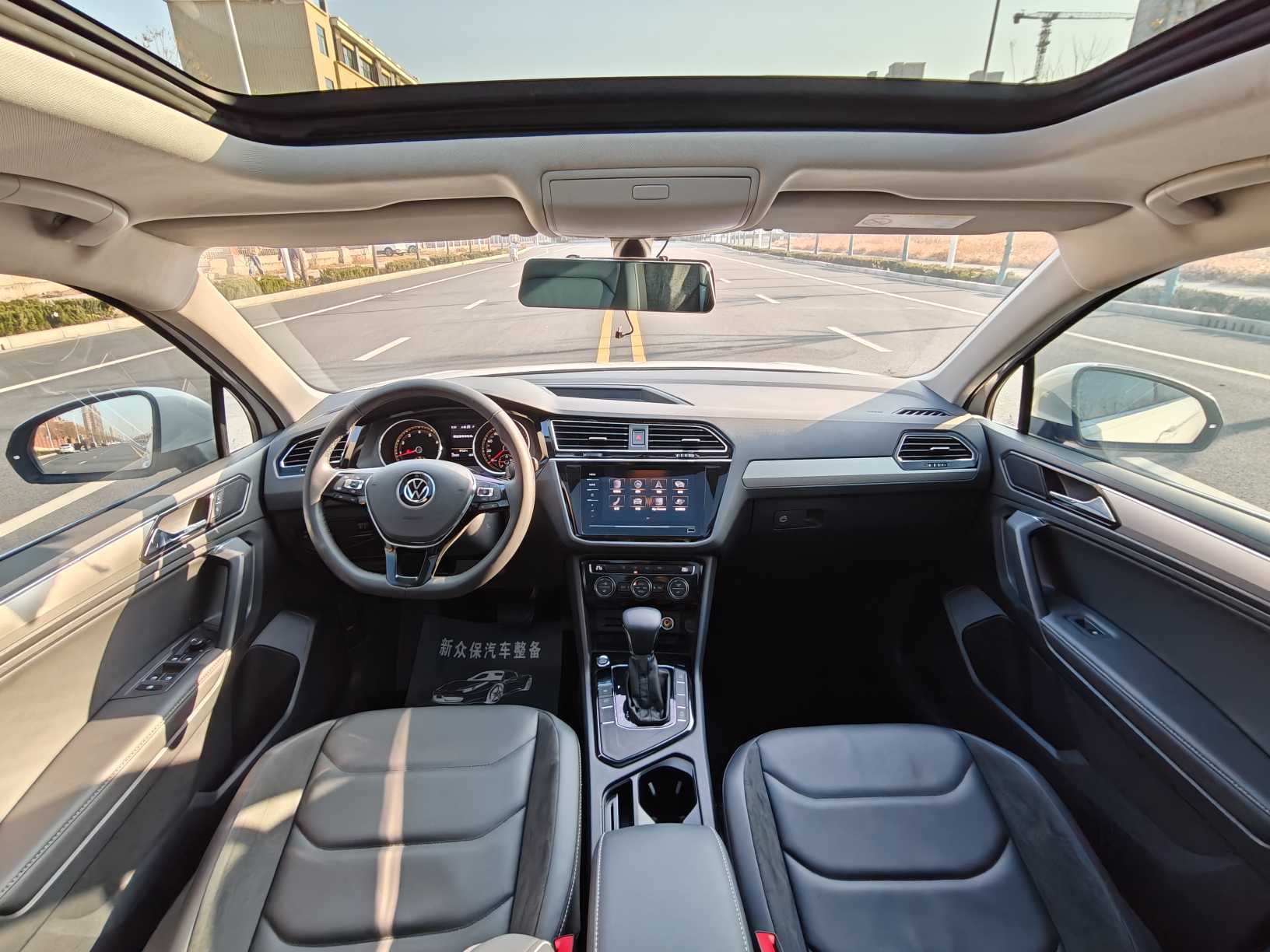
✓Panoramic Sunroof
✓Roof Rack
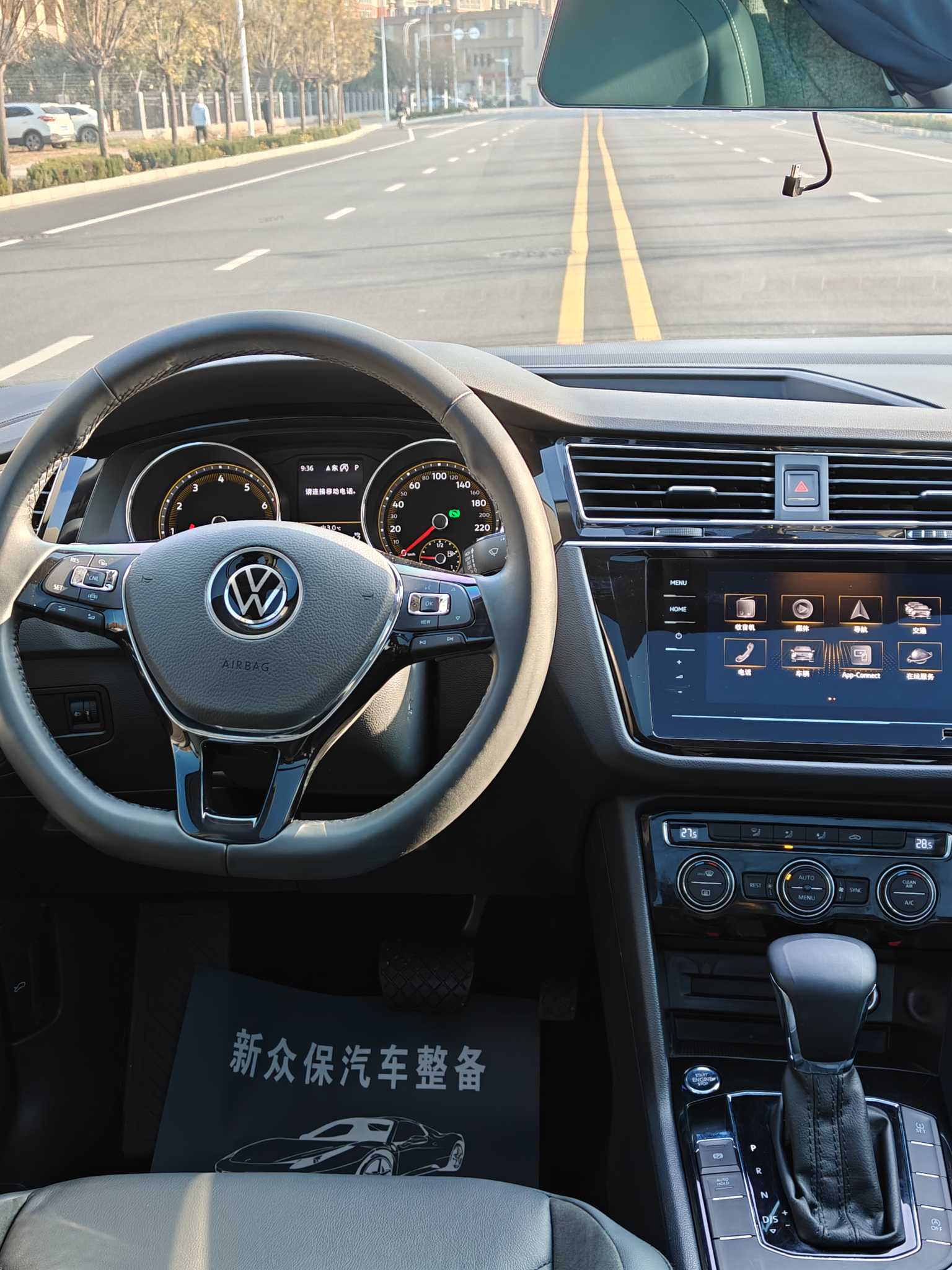
✓Multifunction Steering Wheel
✓Paddle Shifters
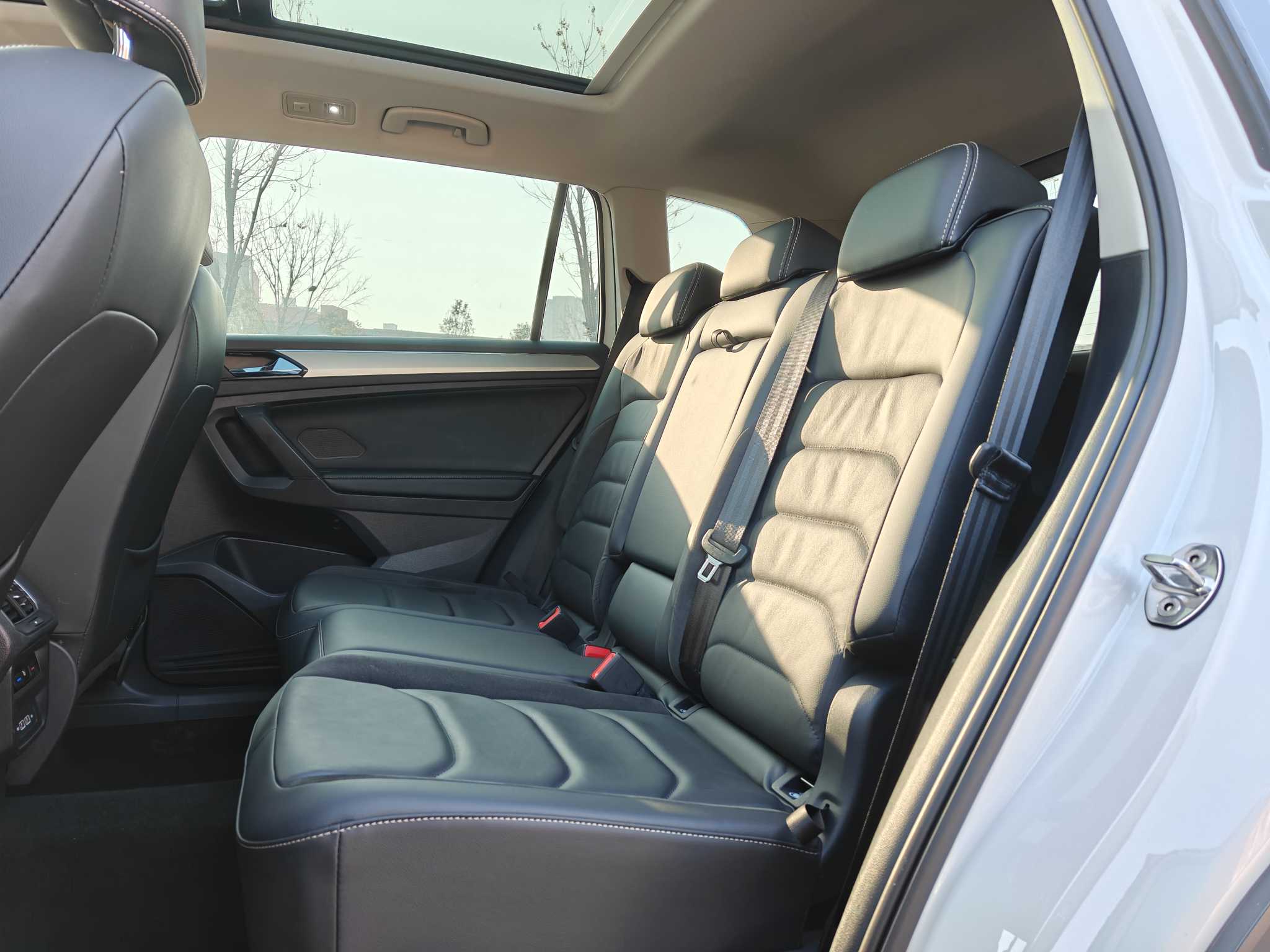
✓Seat Material
✓Driver/Passenger Power Seats
✓Rear Cupholders
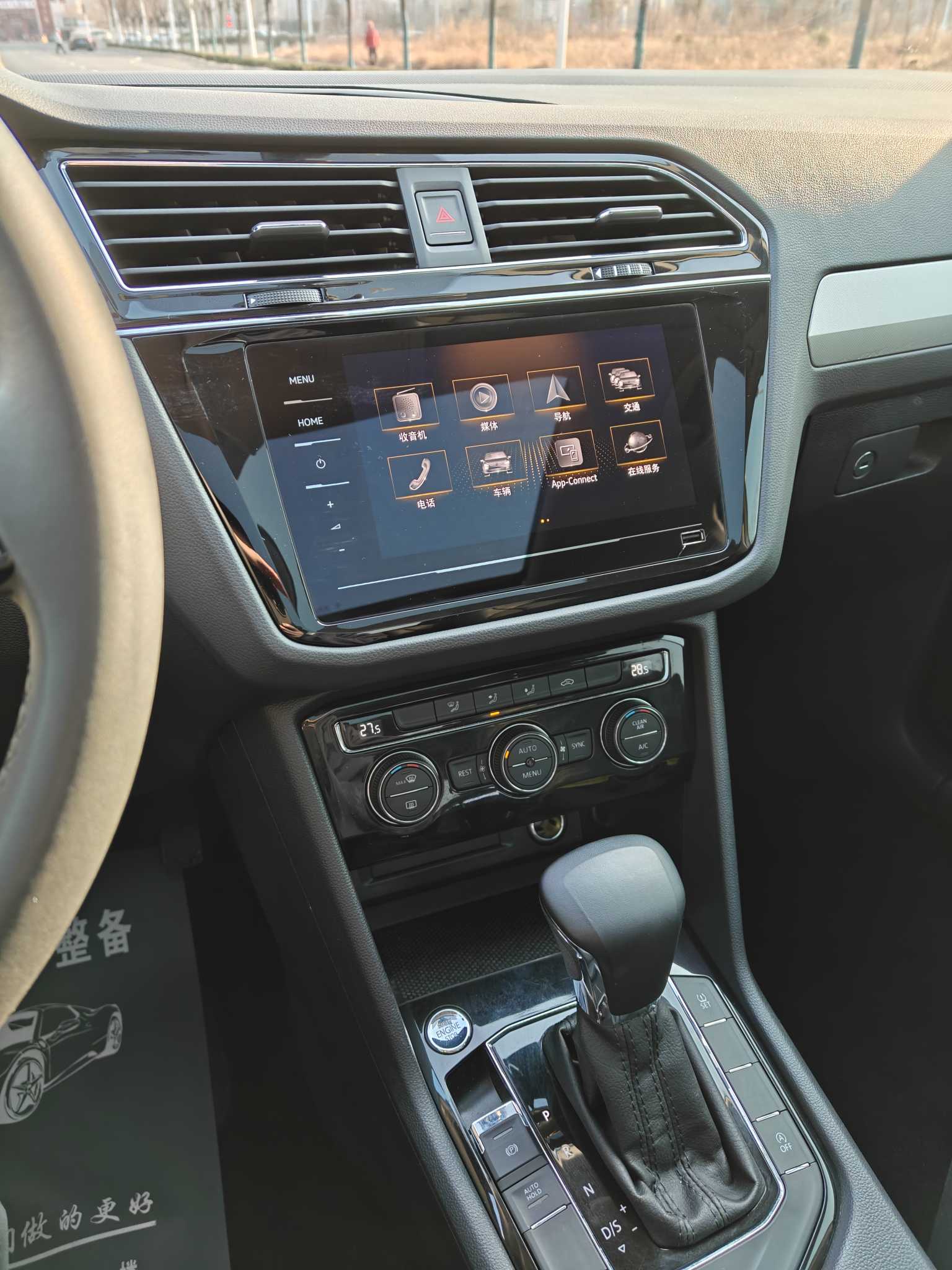
✓GPS Navigation
✓Low Beam Headlights
✓Auto Headlights
✓Adjustable Headlight Height
✓Power Windows
✓Anti-pinch Windows
✓Climate Control Type
✓Rear Independent Climate Control
✓Rear Air Vents
✓Start-Stop System

Q&A

More

What additional fees do I need to pay when picking up the car at the destination port, besides the payment to sellwellauto?

As the importer, you mainly need to bear the following costs at the destination port: import duties, VAT or GST, terminal handling charges, local customs clearance fees, and inland logistics costs from the port to your company. Please consult your local customs broker before placing an order to accurately calculate the total landing costs.


After picking up the car, I found the tire pressure warning (TPMS). How can I reset the tire pressure sensor myself?

Temperature differences during sea transport can easily trigger the tire pressure warning. After inflating the tires to the standard pressure (usually 2.5 Bar), most vehicles will automatically clear the warning after driving a few kilometers; some models require manually clicking "Tire Pressure Reset" in the "Vehicle Settings" on the central screen.

How to check the condition of the turbocharger (oil leaks, unusual noises, insufficient pressure) for turbocharged vehicles?

Experience turbo lag and power surge during road tests; check for significant oil accumulation at the turbo intake and intercooler connections (slight oil vapor is normal); and use OBD to read the real-time boost pressure peak to see if it meets factory settings.