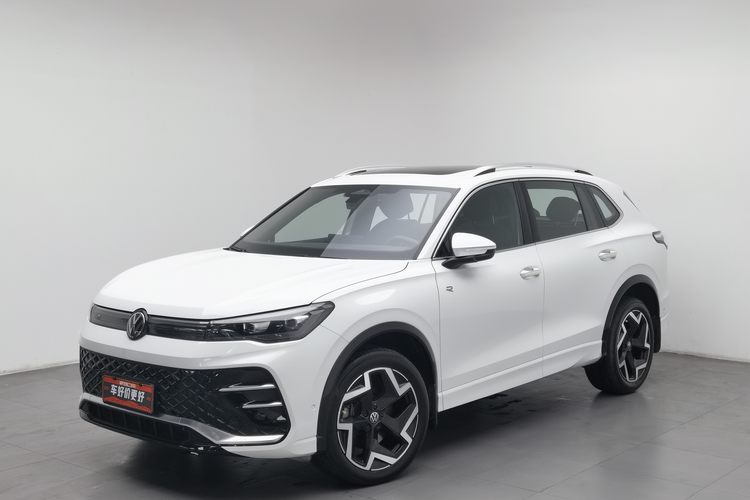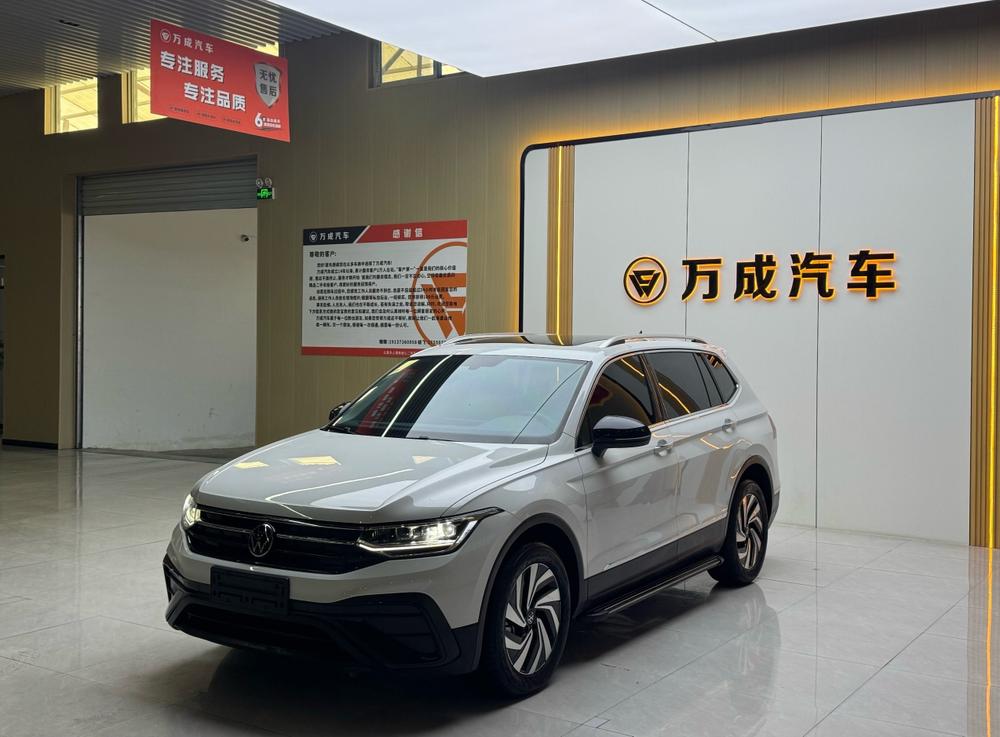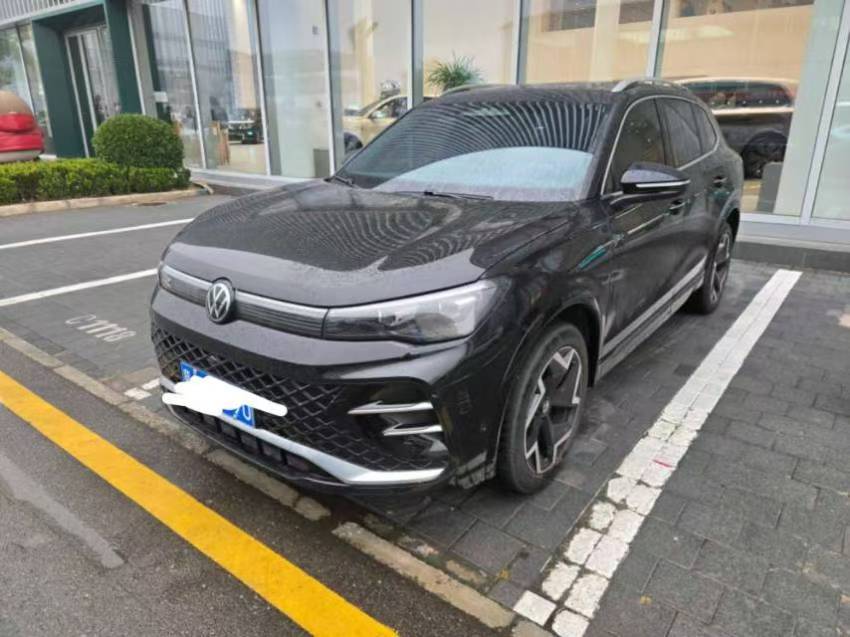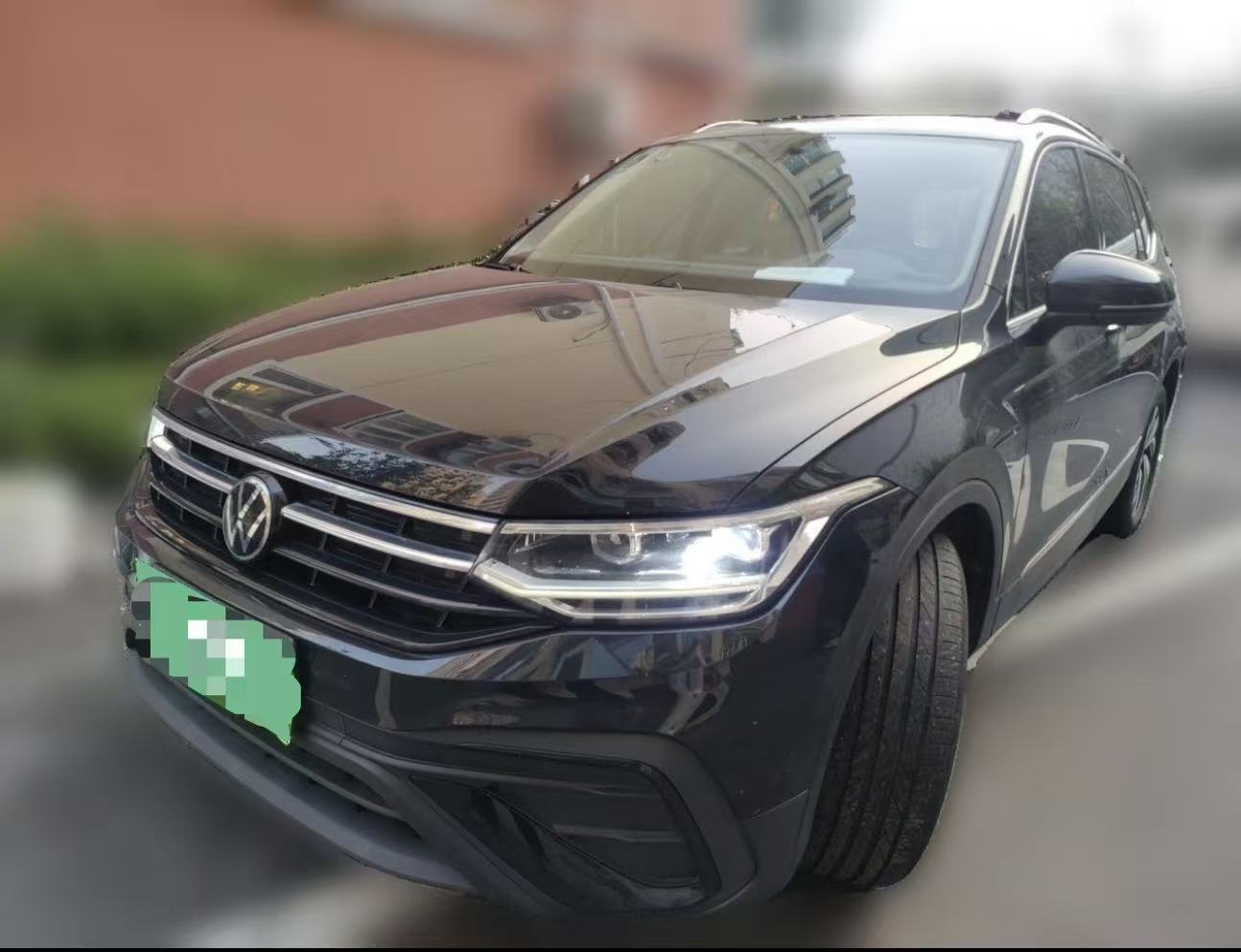



Basic Information

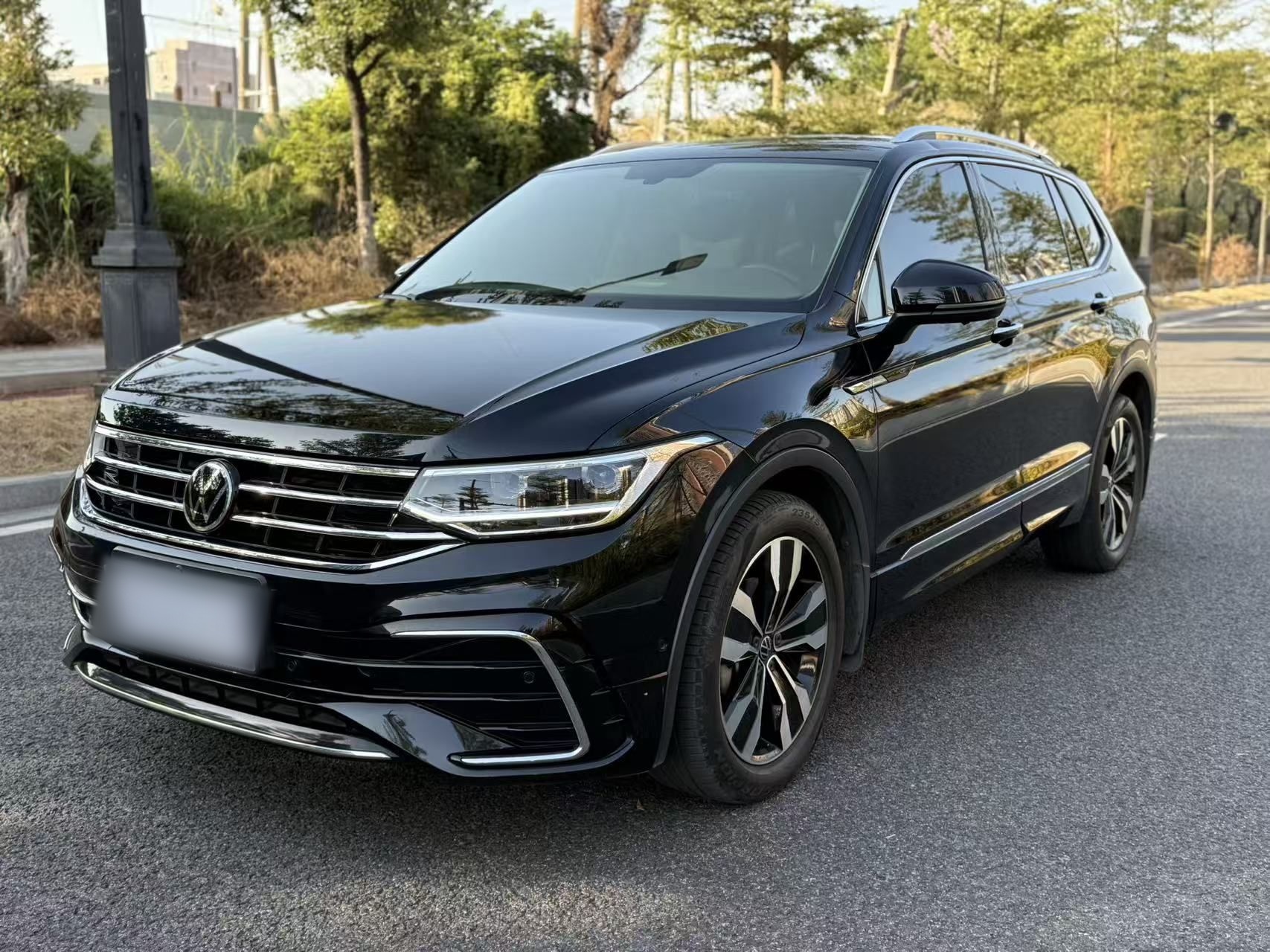
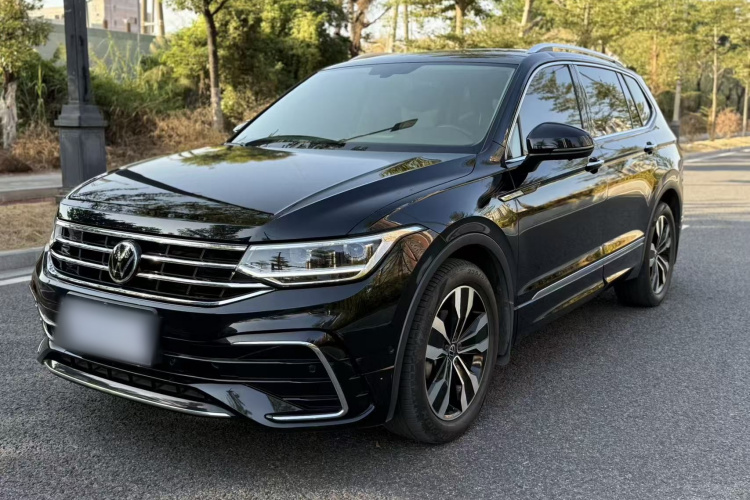
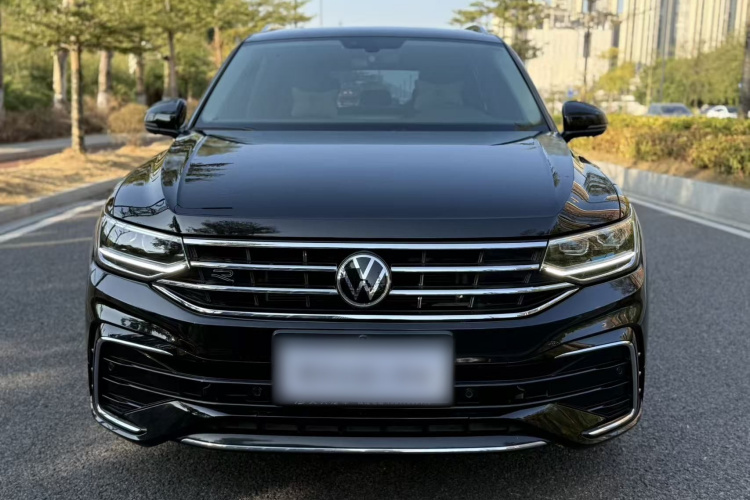
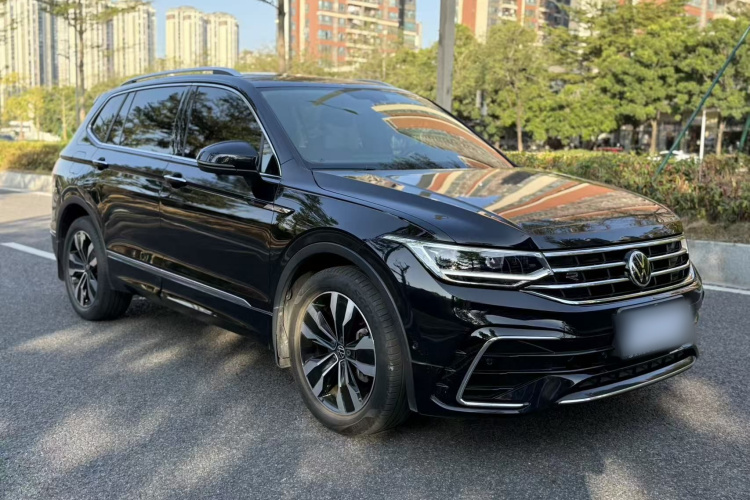
BrandVolkswagen
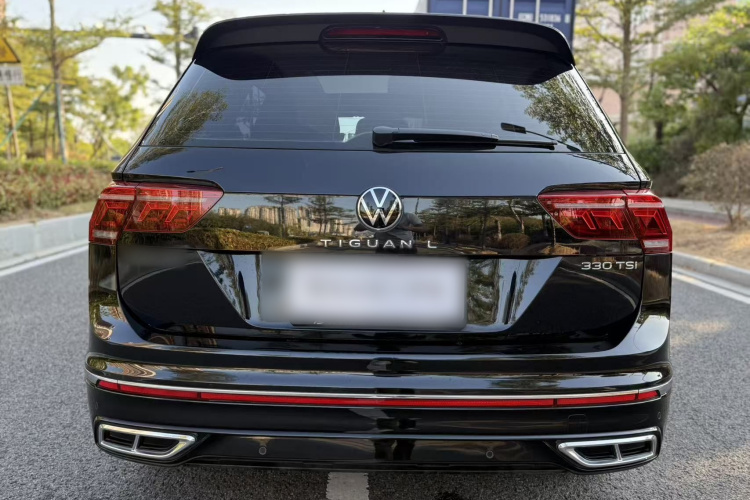
SeriesTiguan L
Year2022
First Registration2022/04
Mileage72,700km
Transfer Count-
FuelGasoline
TransmissionDCT
Engine2.0T 186 L4
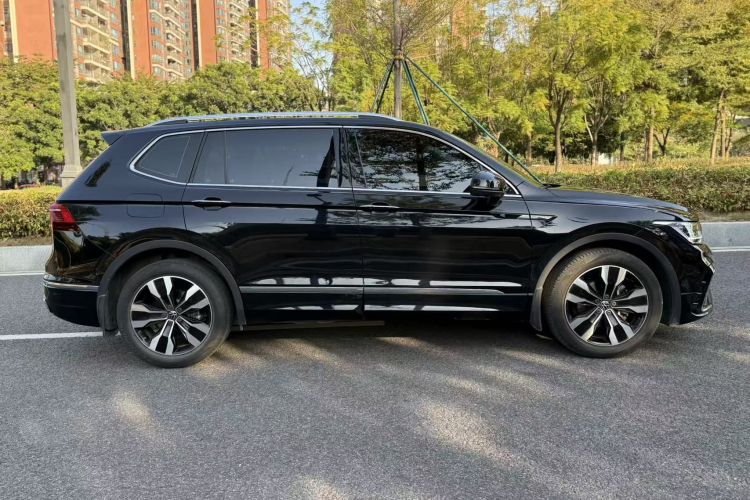
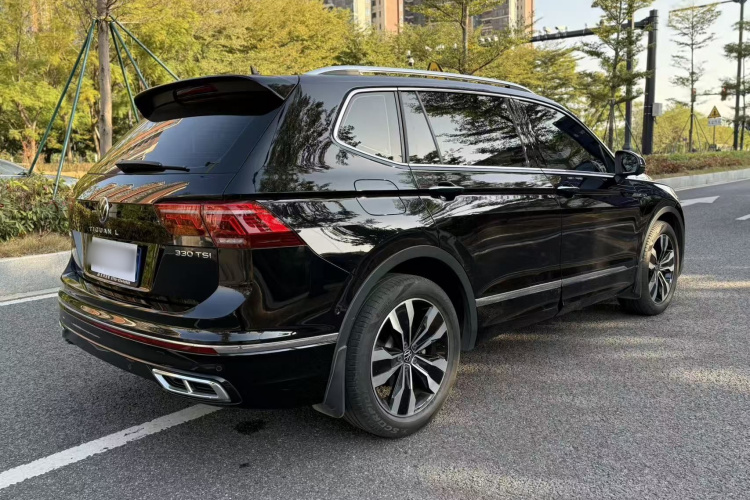
ColorBlack
Seats-

Condition Description

Excellent car condition detection passed the car condition is better than 80%. Excellent car condition claims 1 transfer 0 times

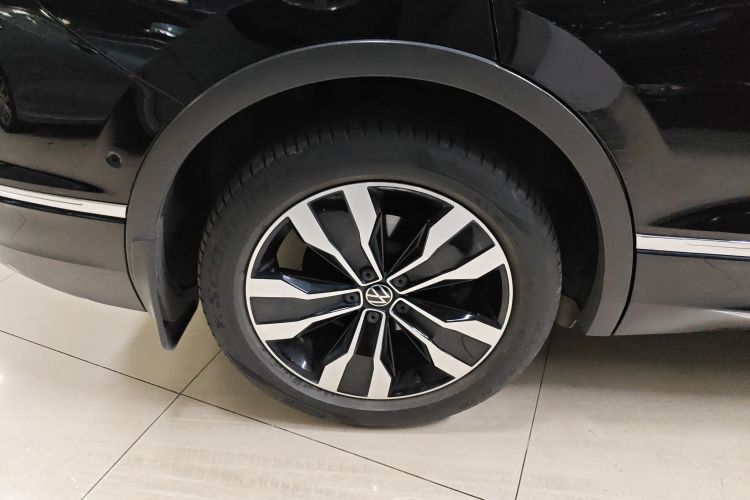
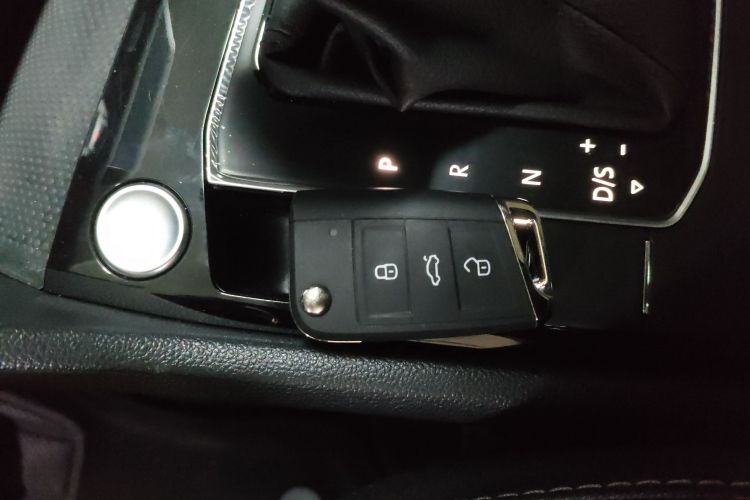
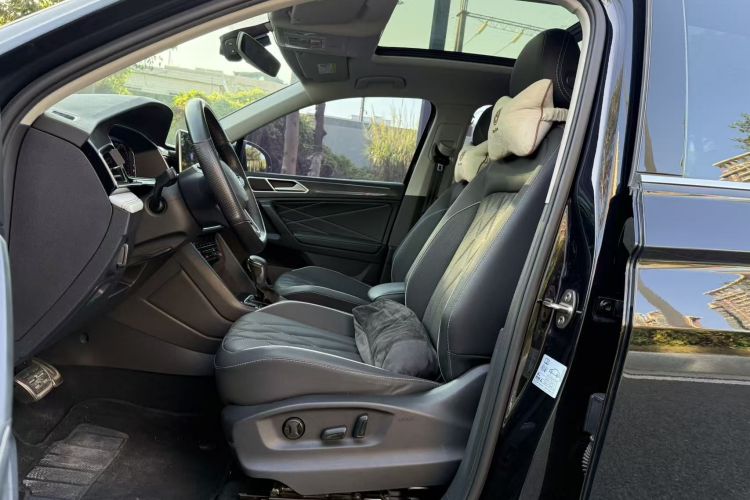
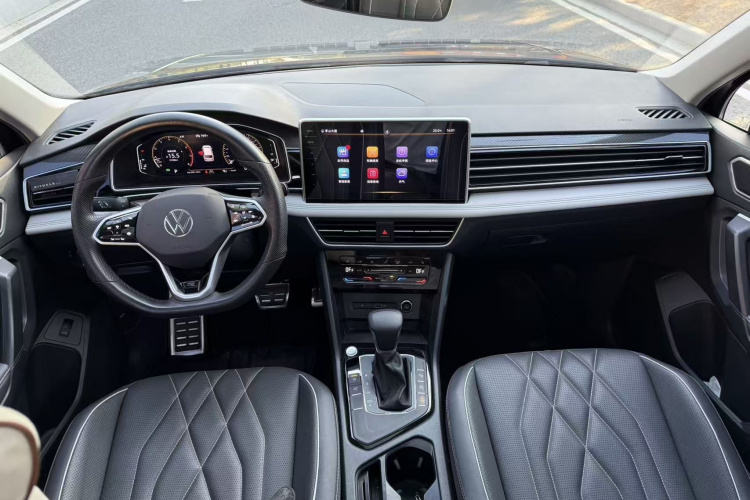
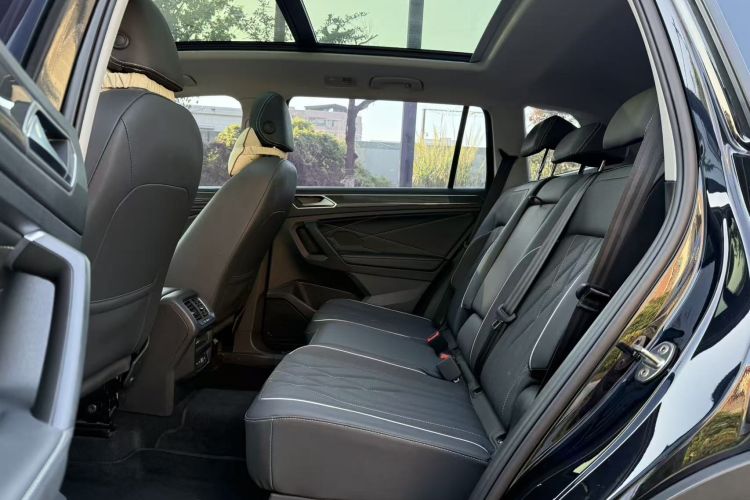
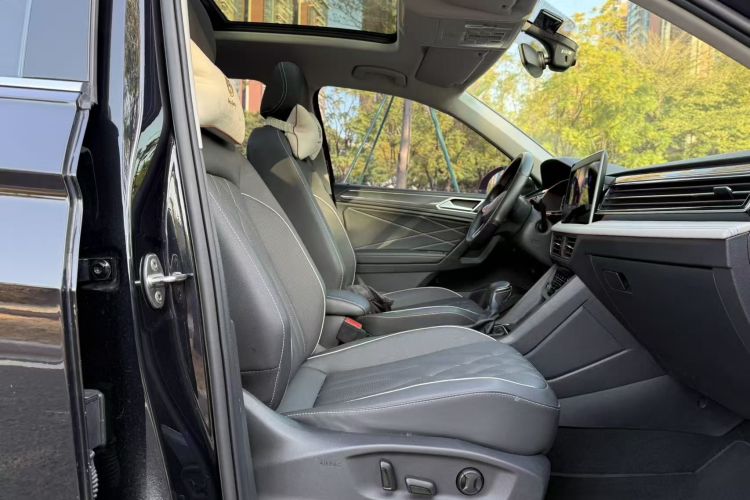
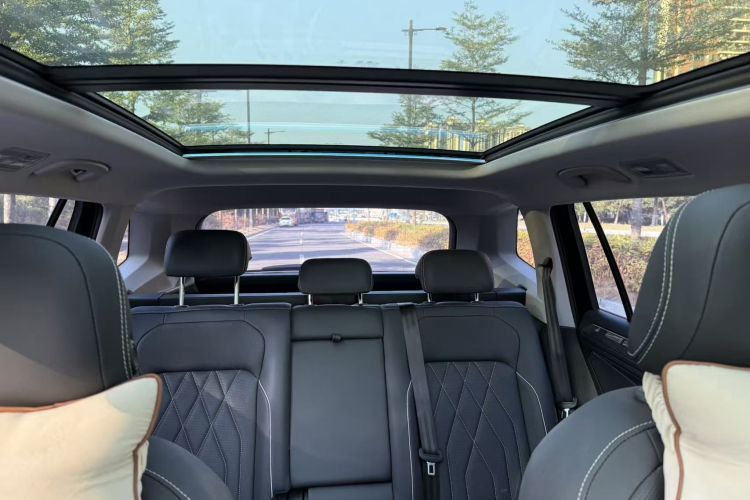
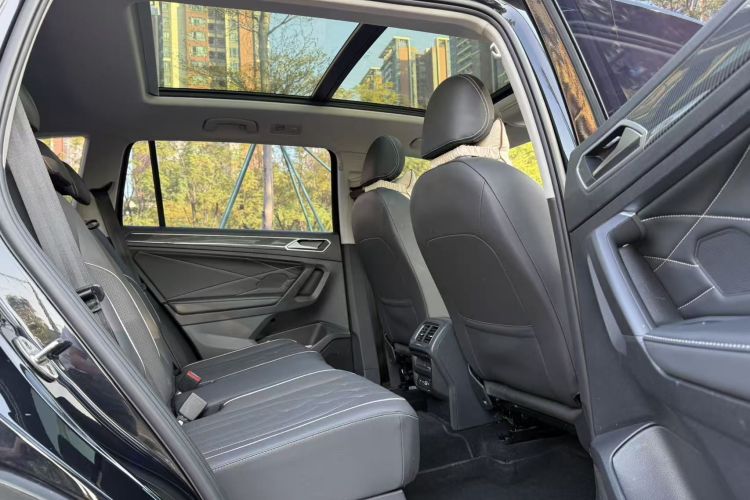
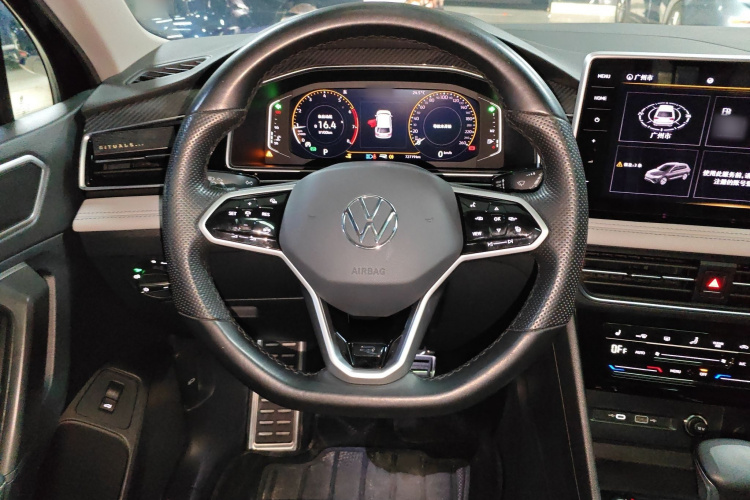
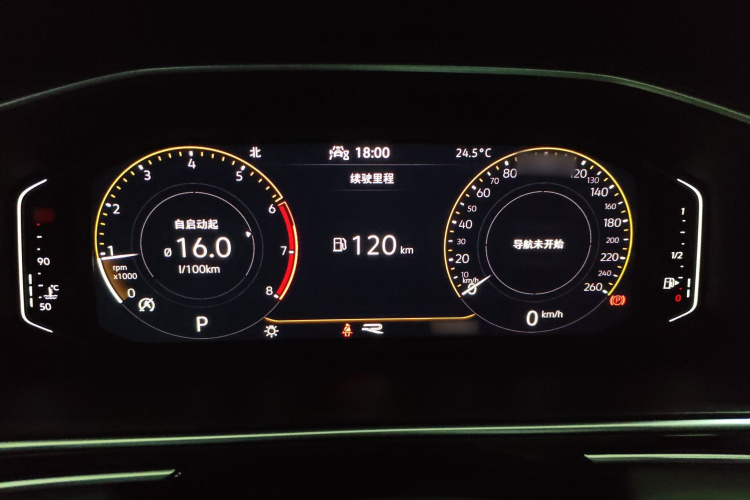
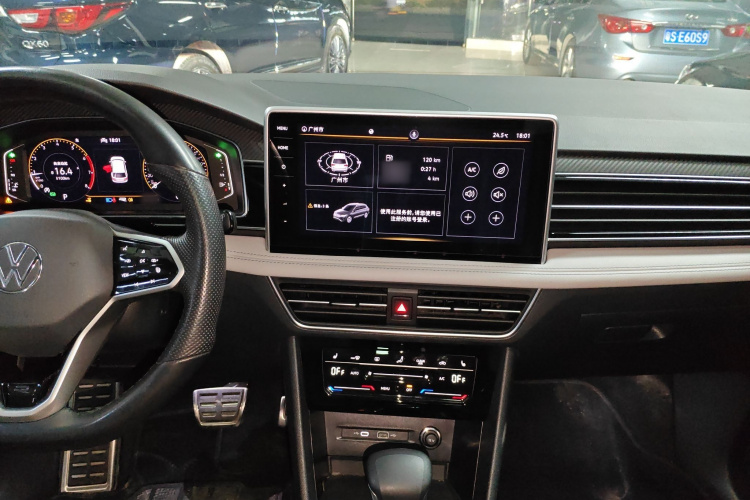
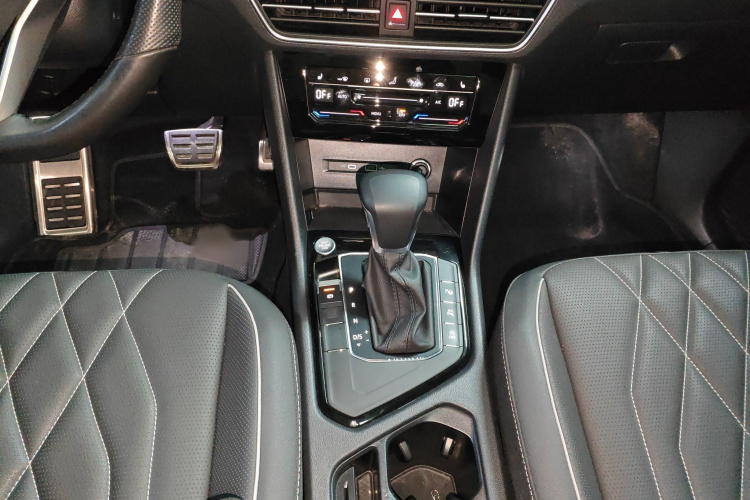
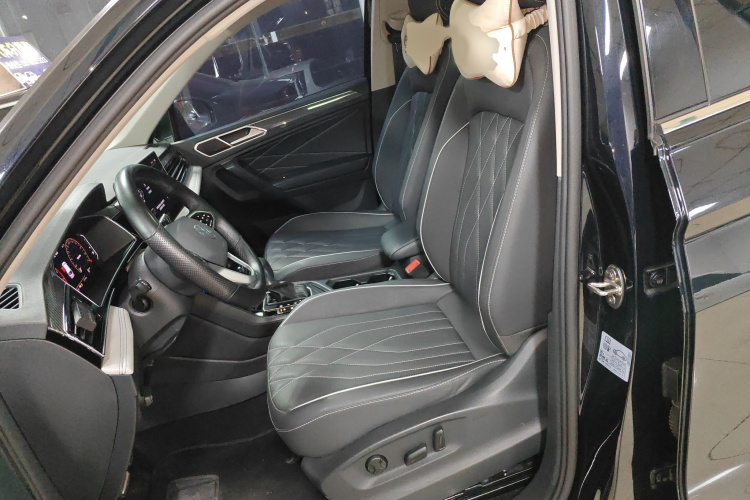
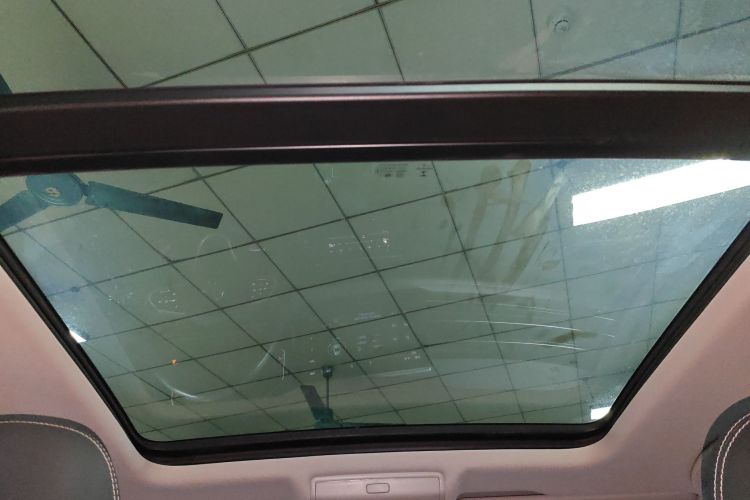
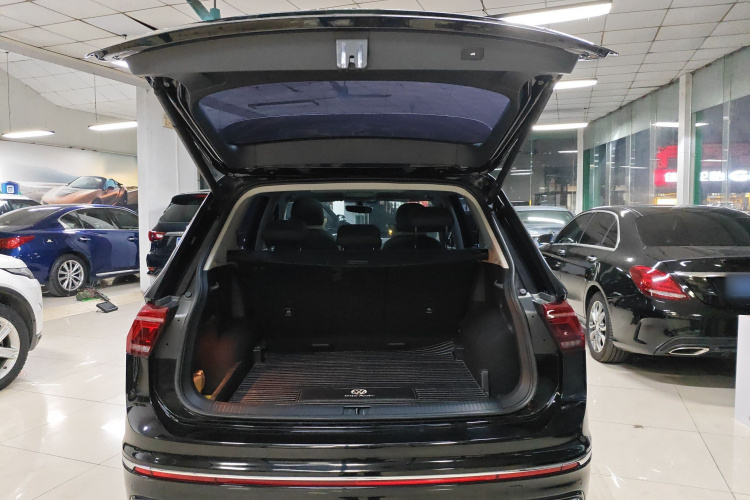
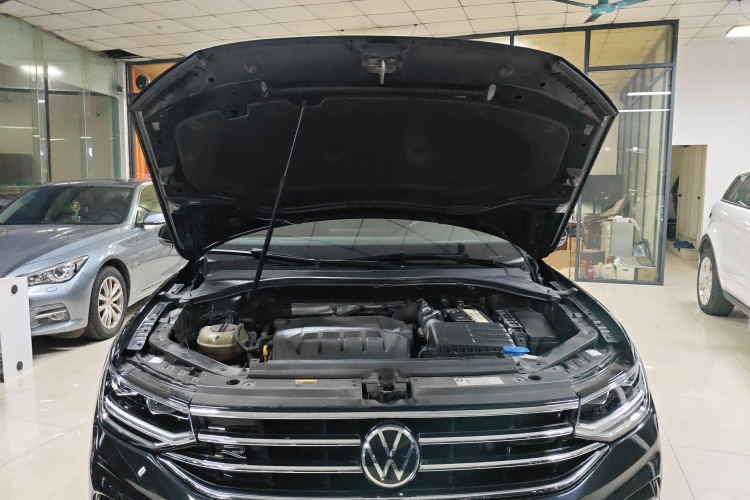
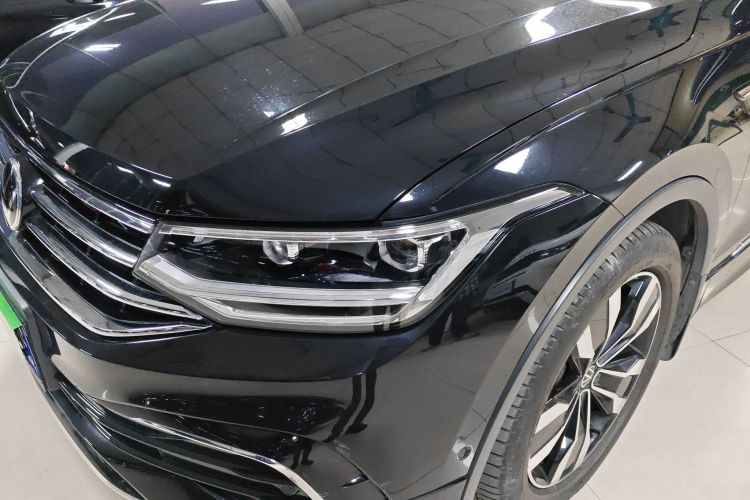
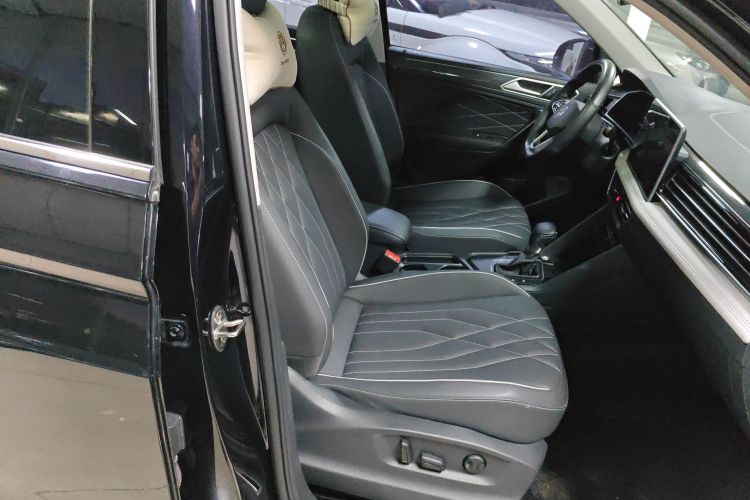
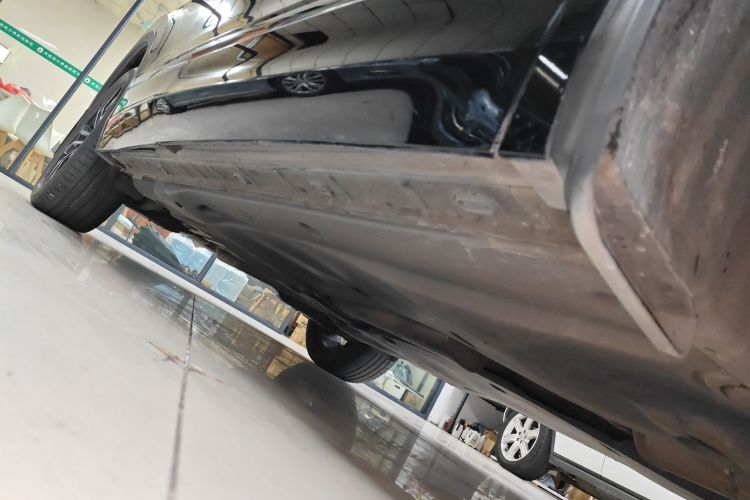
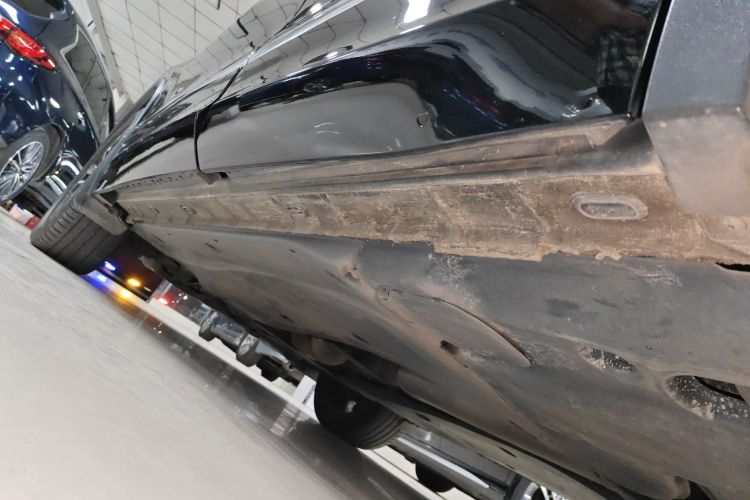
This vehicle is 3 years old with an average annual mileage of 24,200 kilometers. It has been used frequently and has never been transferred to another owner, making it a good first-hand vehicle. The exterior paint is in good condition, although there may be some minor marks. The interior is clean and tidy, with slight signs of use. The overall body frame is intact and without any abnormalities. The fluid levels are normal, and the powertrain operates smoothly without any issues.

Configuration Highlights

✓Heated Steering Wheel
✓Kick-sensor Trunk
✓Adaptive Cruise Control
✓Surround View Camera
✓Digital Instrument Cluster
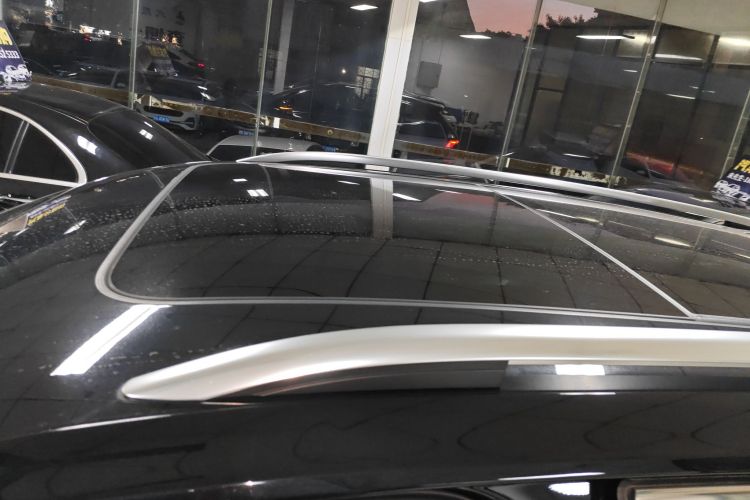
✓Panoramic Sunroof
✓Auto Park
✓Rear Independent Climate Control
✓Power Trunk
✓Ambient Lighting
✓Smartphone Connectivity
✓High Beam Assist
✓Front Radar
✓Auto Hold
✓Keyless Entry
✓Rain-sensing Wipers
✓High-definition Low Beam
✓Power Folding Mirrors
✓Engine Start-Stop
✓Power Seats
✓Auto Headlights
✓Keyless Start
✓Rear Air Vents
✓Tire Pressure Monitoring
✓Heated Mirrors
✓Hill Start Assist
✓Rear Parking Sensors
✓Anti-pinch Windows

Q&A

More

Is there a mechanical emergency switch if the hidden door handle cannot pop out due to extreme cold?

Almost all compliant models with hidden door handles have a mechanical emergency pull cable designed inside the car or under the vehicle. If the target country's climate is extreme, we will record a practical emergency door opening tutorial video for you before shipping.


Should I ship my used car from China in a container or by roll-on/roll-off (RORO)?

It depends on the car's value, type and destination. RORO means the car is driven onto the vessel and secured on deck or in the hull. It is usually cheaper per car and does not involve container packing fees. The downside: the car sits exposed to salt air for weeks, and RORO service is limited to ports with dedicated terminals. Container shipping (one 20ft or 40ft container per 1-2 cars) costs more but gives much better protection. It is strongly recommended for electric vehicles (battery safety regulations), luxury cars, and vehicles going on long voyages or rough sea routes. Practical tips: whichever method you choose, ask for the car to be shipped with a full battery charge disconnected at the terminals, tire pressures adjusted, and a condition report with photos signed at loading. For EVs, confirm the shipping line accepts used electric vehicles and what state-of-charge limits apply.

What is a Certificate of Origin and why do I need one when importing a car from China?

A Certificate of Origin (C/O) is an official document stating where the vehicle was manufactured. Customs authorities use it to decide which tariff rates and trade agreements apply to your import. Why it matters: many countries offer preferential tariffs for certain origins. With a valid C/O, such as the ASEAN-China Form E or a GSP Form A, you may pay reduced or zero duty. Without it, you typically pay the standard, higher rate. The certificate must match the vehicle exactly: VIN, make, model and invoice details. It is usually issued by the China Council for the Promotion of International Trade (CCPIT) or customs authorities. Practical tips: request the C/O before shipment, because adding it later is slow; check that your country's customs accepts the specific C/O format; and confirm with your broker whether your vehicle category qualifies for preferential rates. This single document can save you thousands in duty.