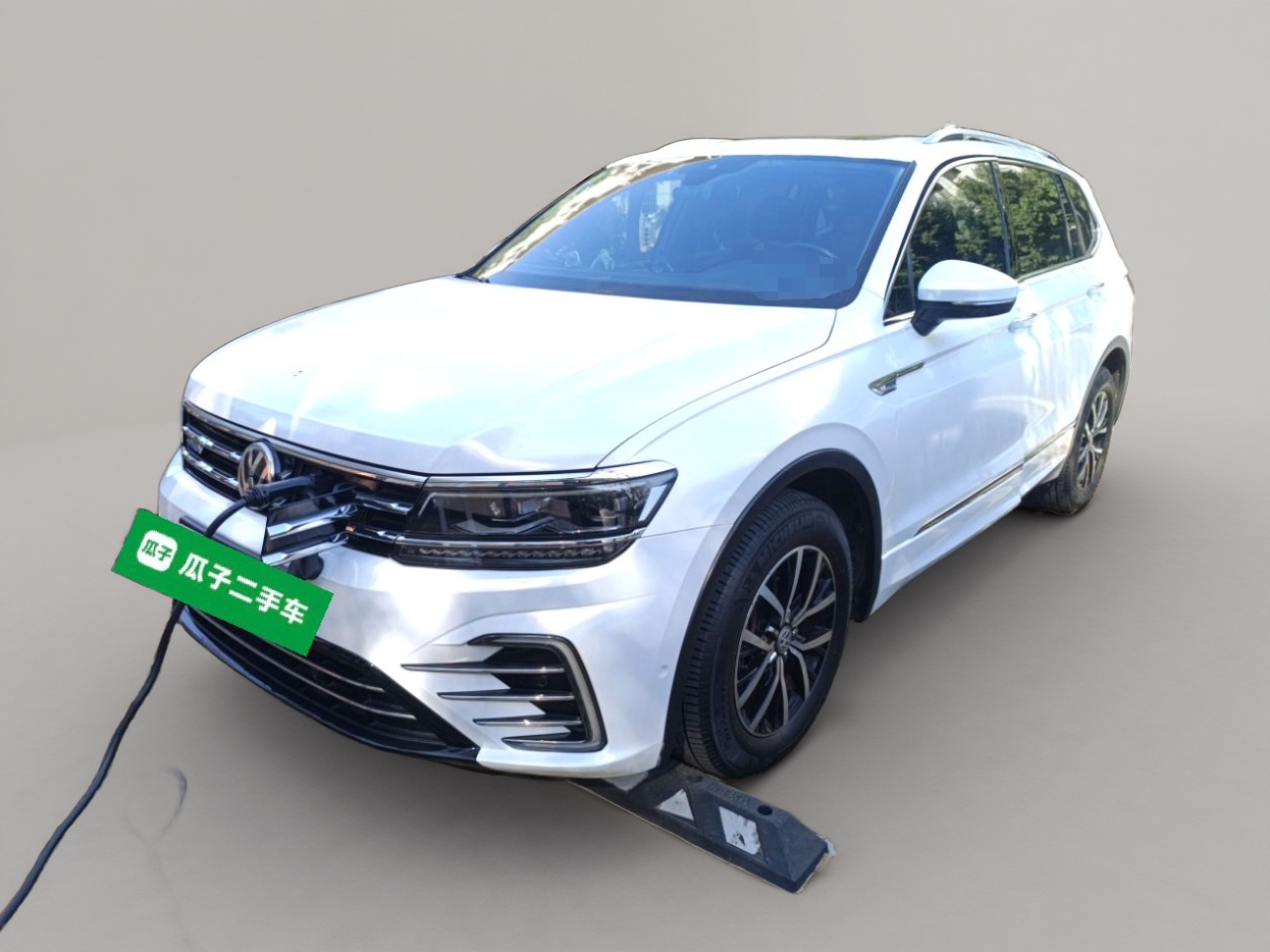
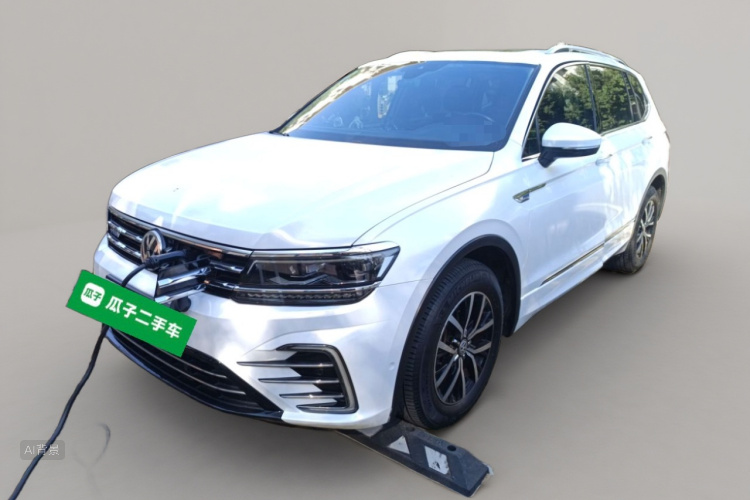
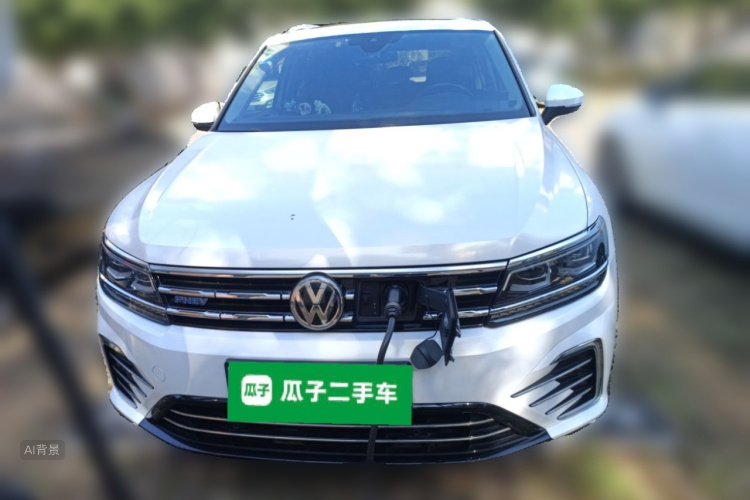
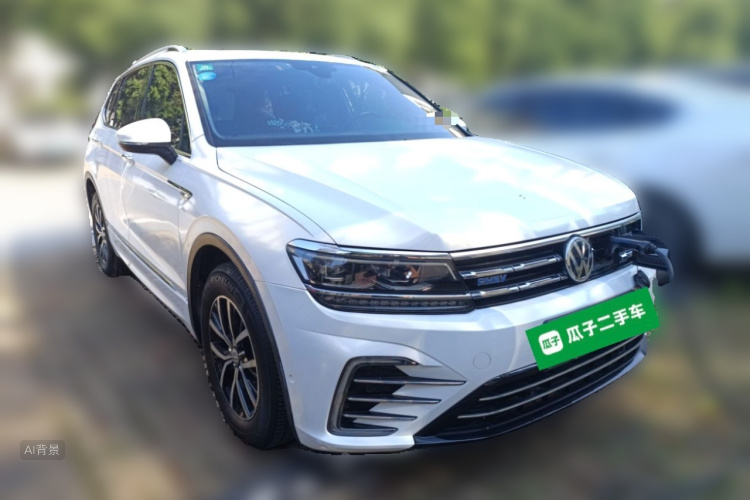
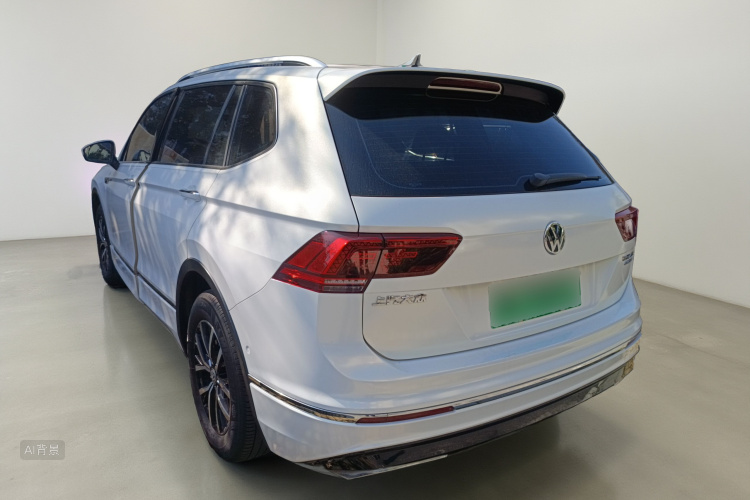
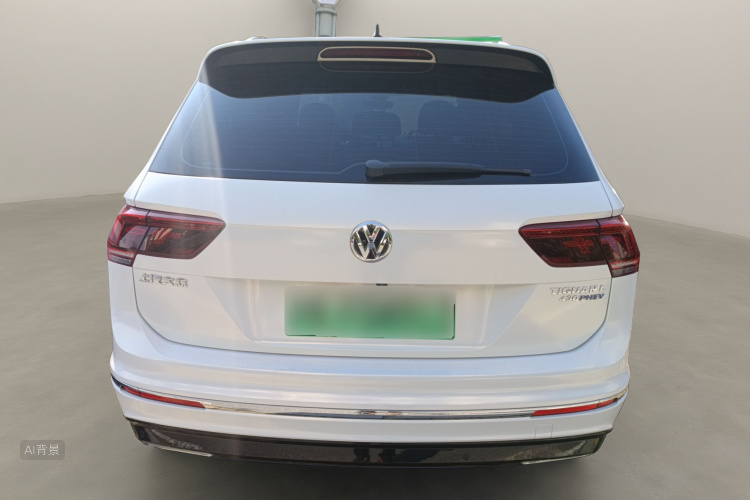
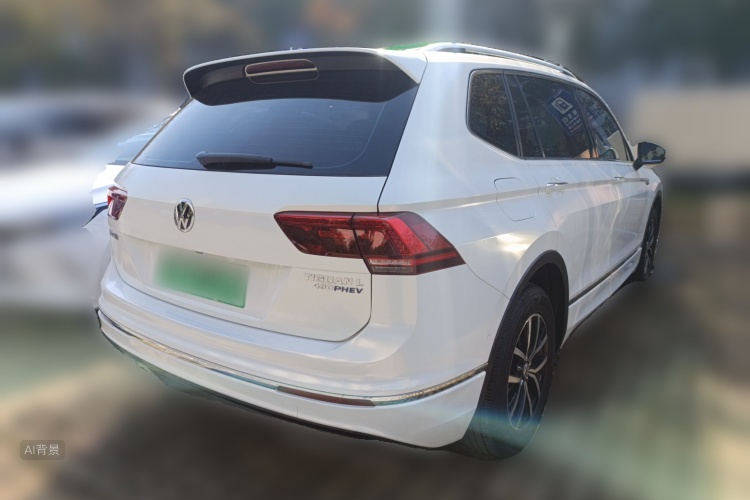
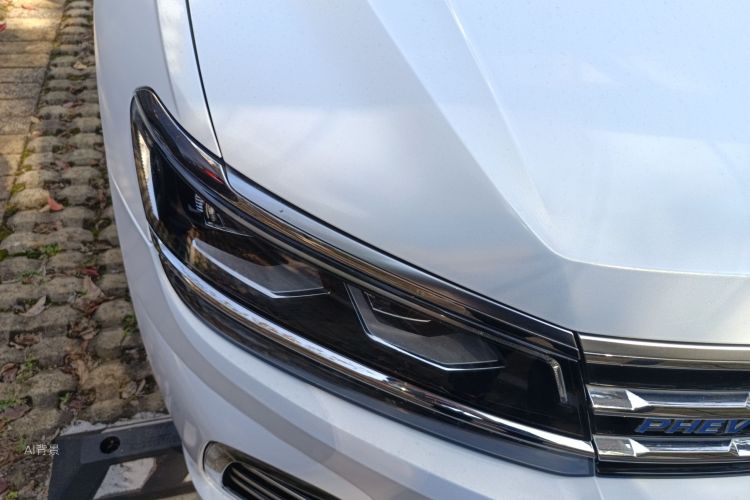

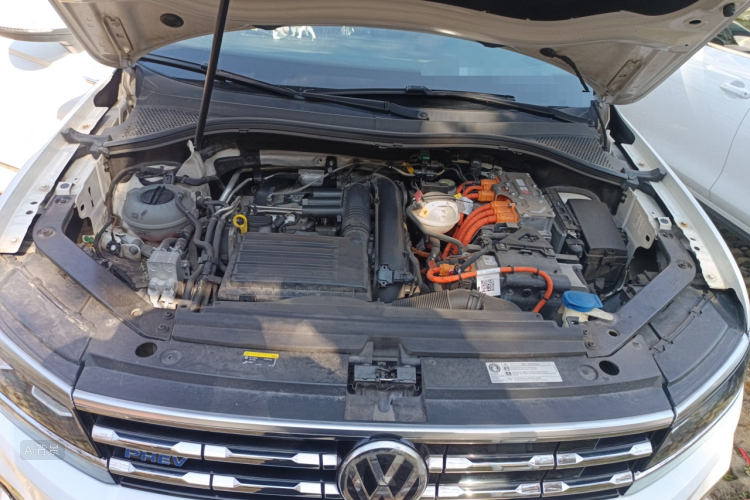



How many times has this car been in an accident? How can I check the claims record?
Use credit check apps (like Check Doctor or Ant Queen) to pull the complete accident record.
Vehicle condition meets standards, passed inspection, good condition, 1 claim, 0 ownership transfers.
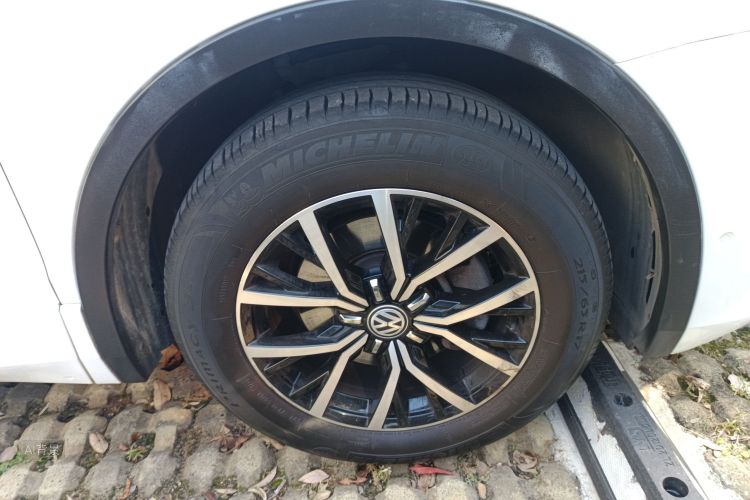
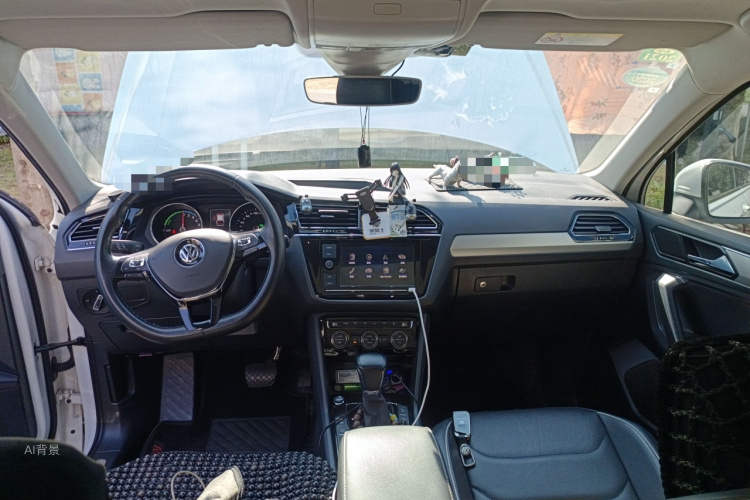
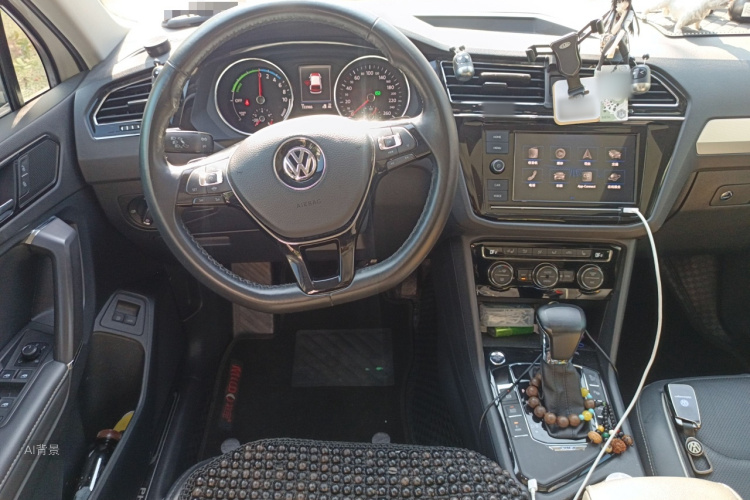
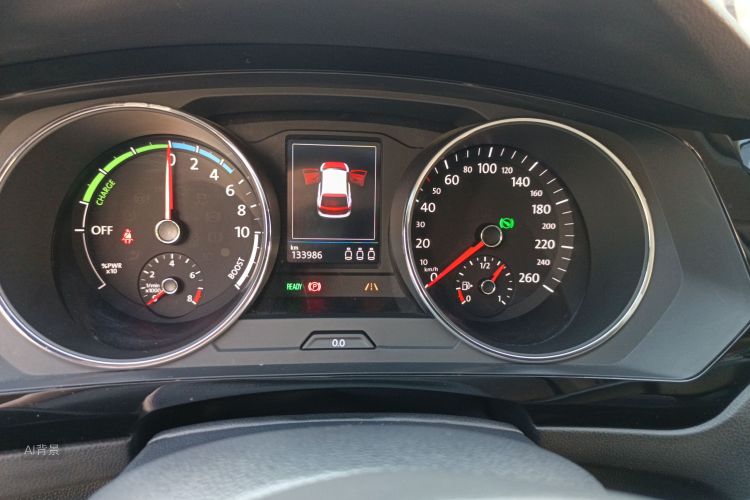
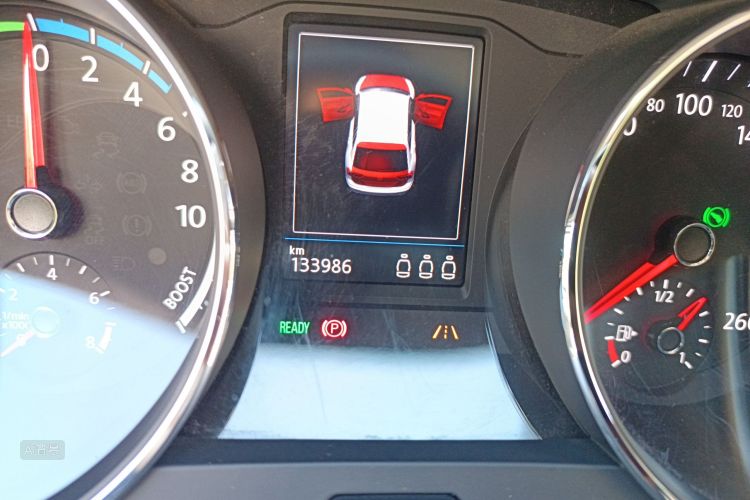
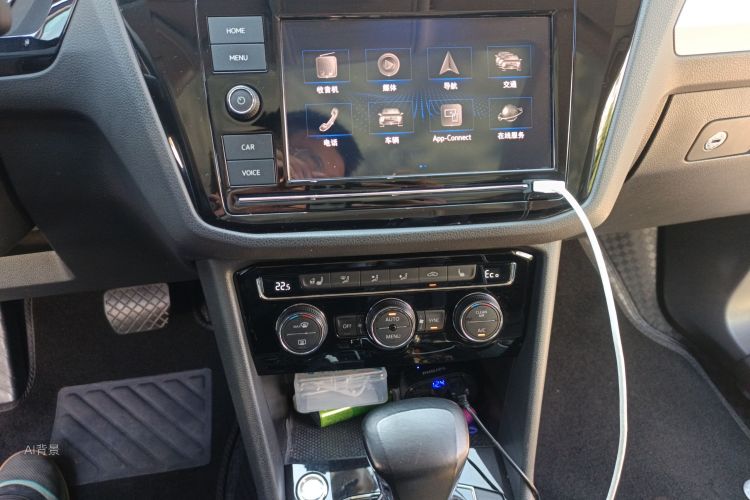
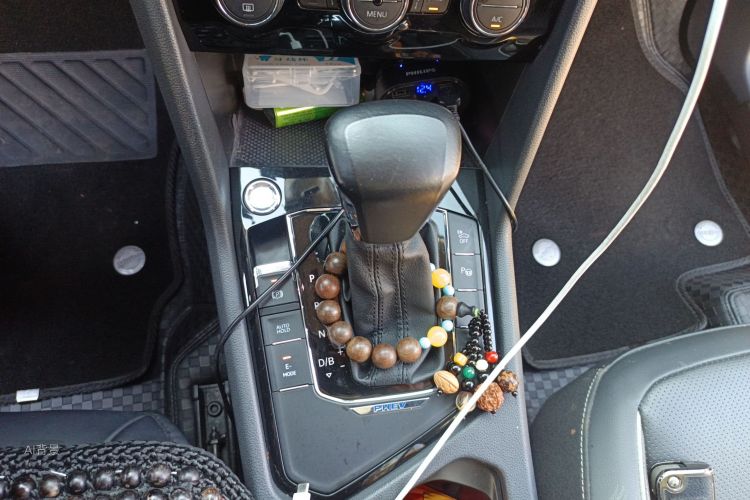
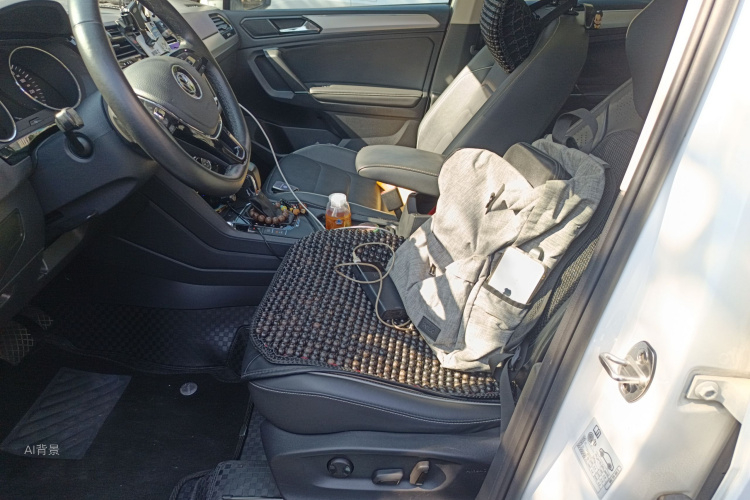
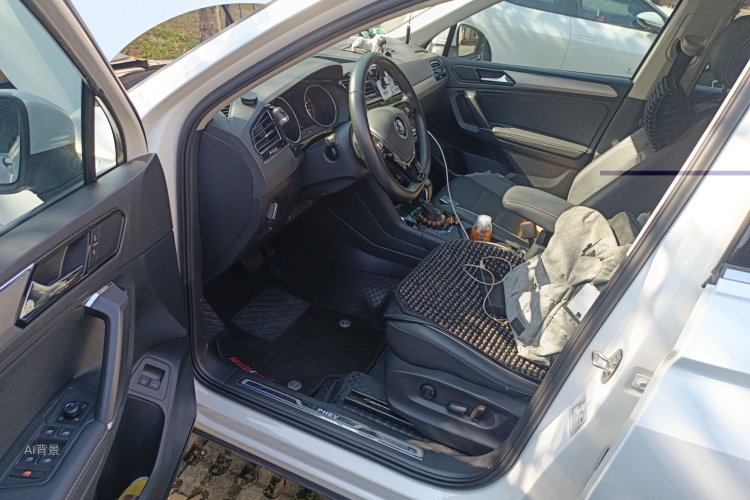
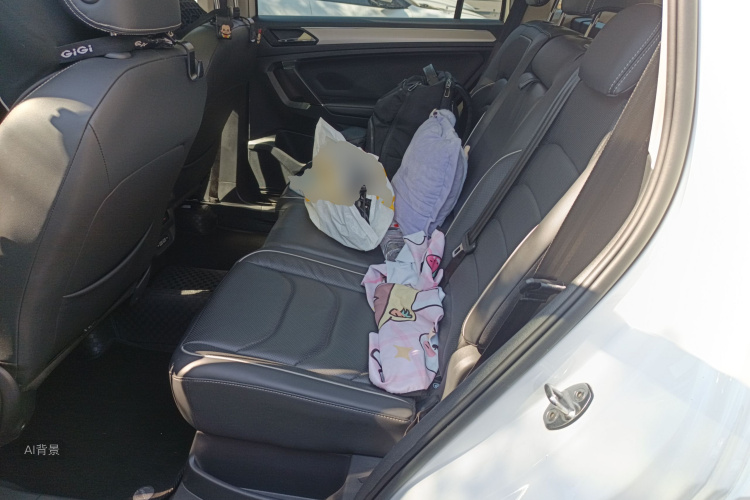
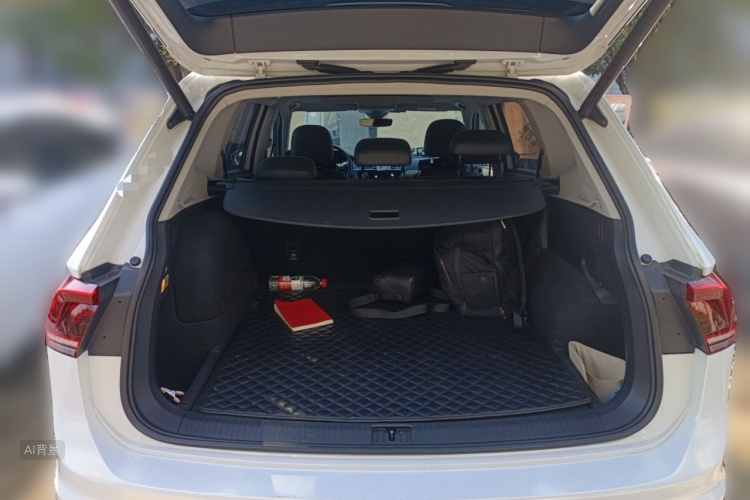
This car is 7 years old, with an average annual mileage of 19,100 kilometers, typical of normal family daily use, and has never been transferred to another owner, making it a good first-hand car; there may be obvious signs of wear and tear on the exterior; the interior shows obvious signs of use or dirt; the overall body frame is intact, but there are a few abnormal issues; fluid levels are normal, and the powertrain is functioning well.
Use credit check apps (like Check Doctor or Ant Queen) to pull the complete accident record.
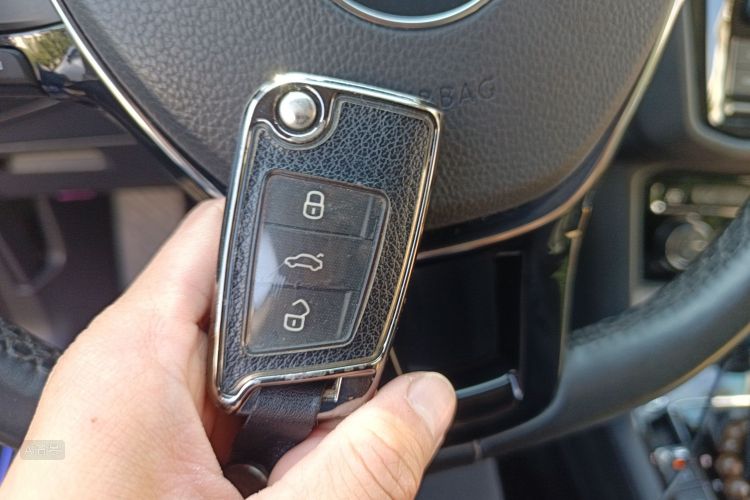
The vehicle's wireless charging module (usually Qi protocol) is considered functional as long as it can properly sense and light up with our tested mainstream models. The seller is not responsible for charging issues caused by the buyer's personal electronic device compatibility.
SOH (State of Health) measures the battery's remaining capacity as a percentage of its original capacity. Two EVs with the same mileage can have very different SOH depending on charging habits and climate exposure, and since the battery represents 30-50% of a used EV's value, the SOH number is effectively the real price tag. A proper certificate includes current SOH percentage, cell voltage balance, charge cycle counts, battery management system fault codes, and often a projected range estimate. In hot-climate markets like the Gulf, a degraded battery degrades even faster, so a documented SOH above 85-90% is strongly recommended. Exporters who provide verified SOH certificates close deals faster and command better prices, so treat the certificate as a core purchase document, not an extra.


