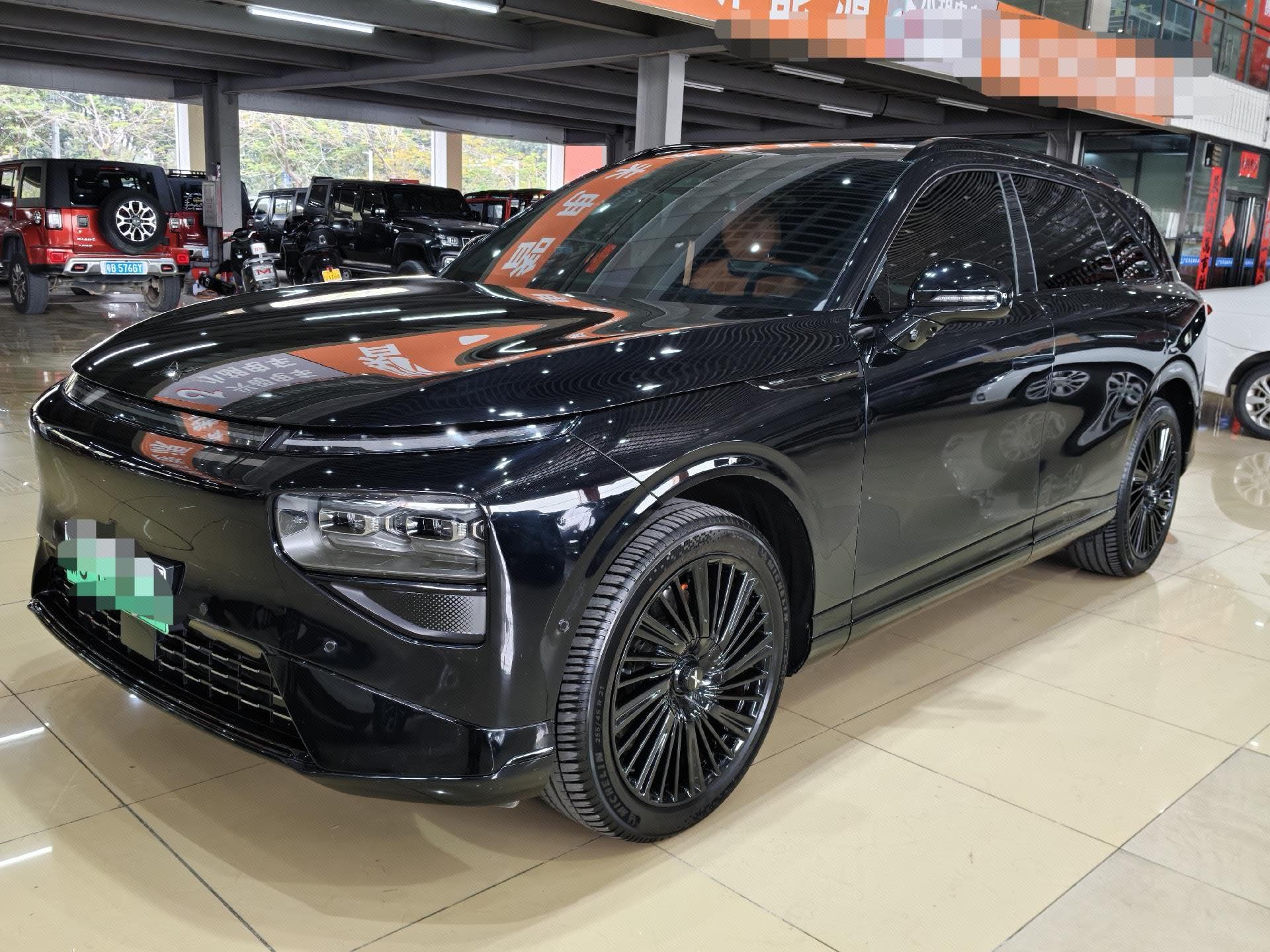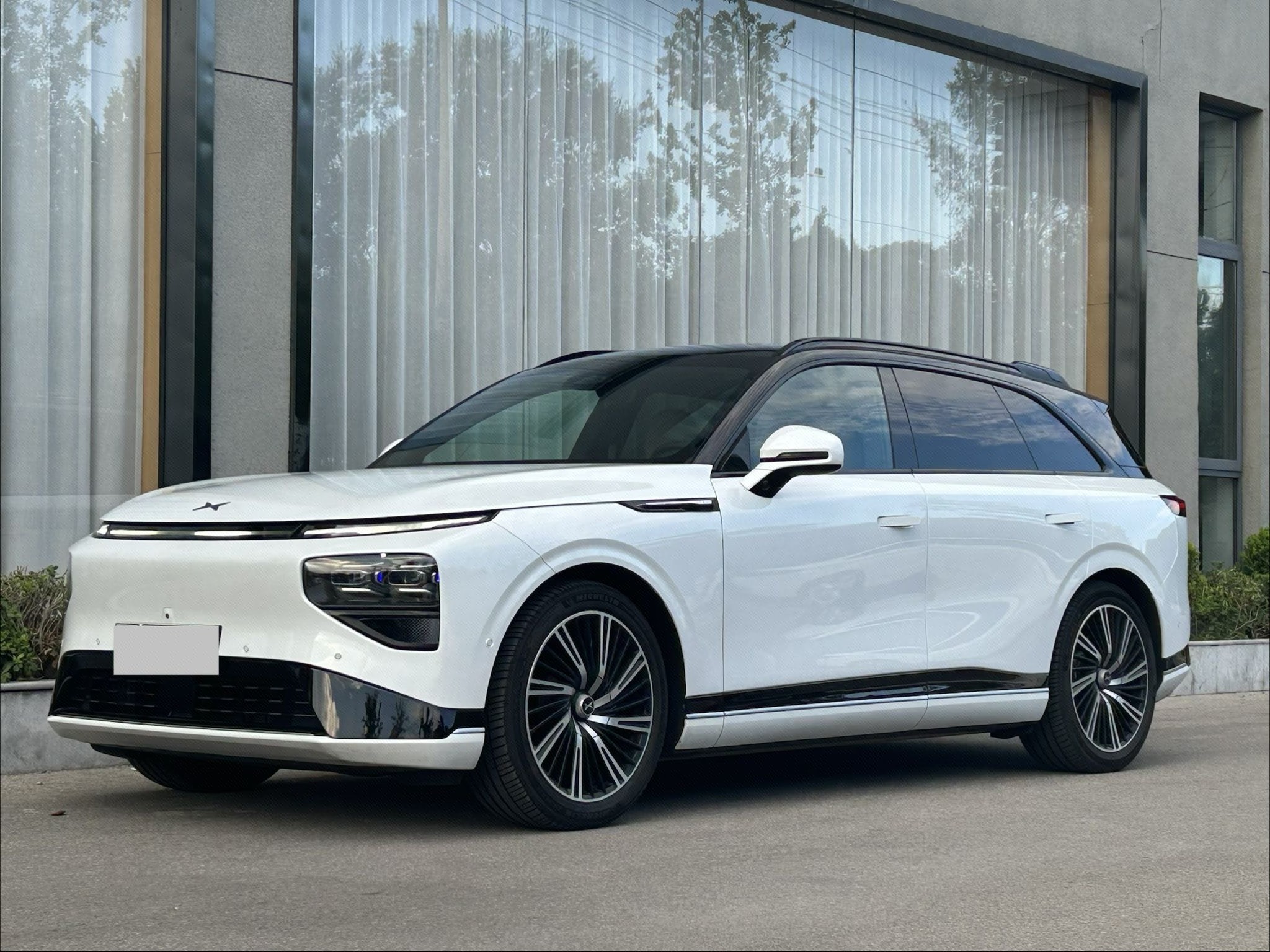
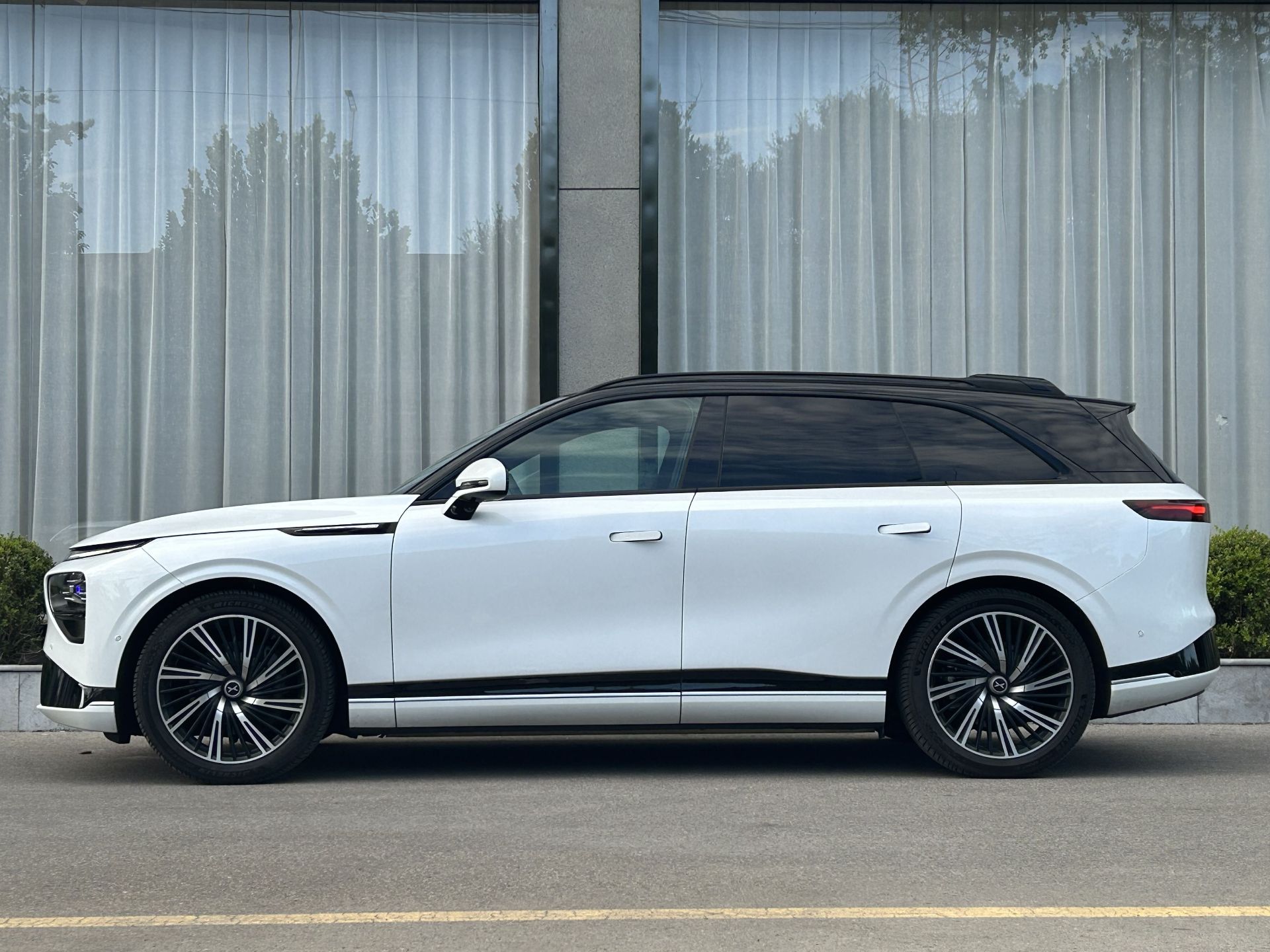
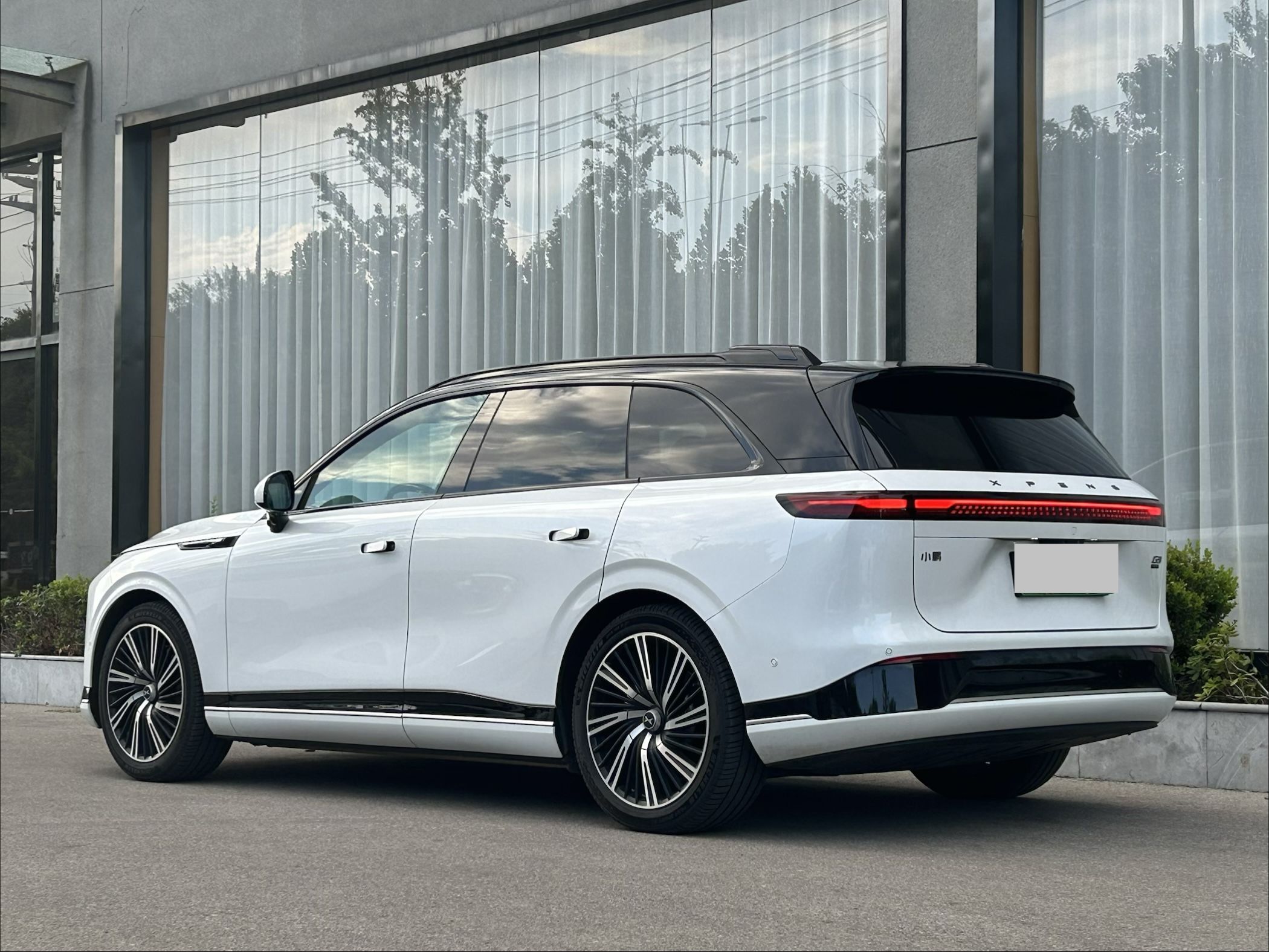
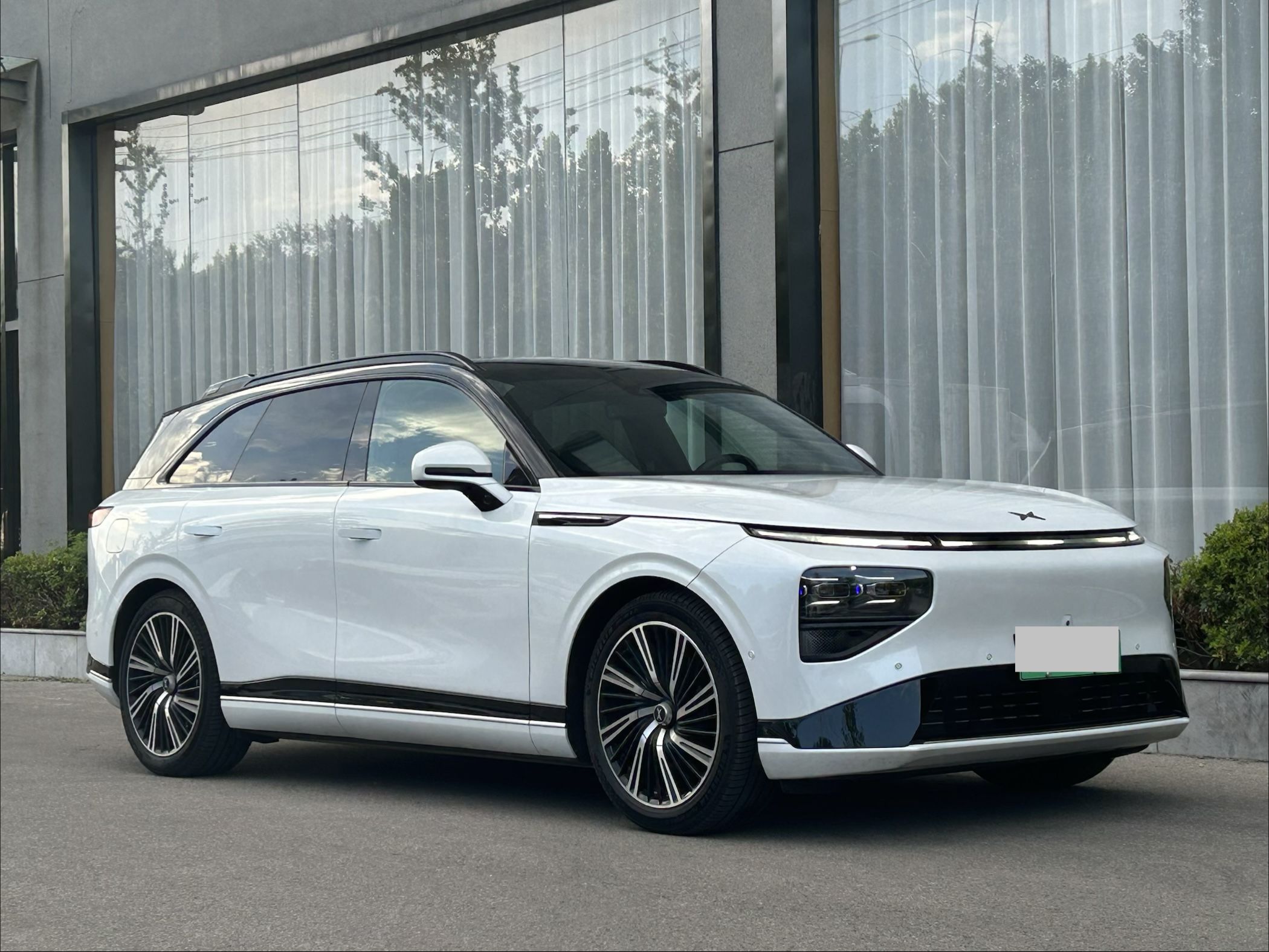
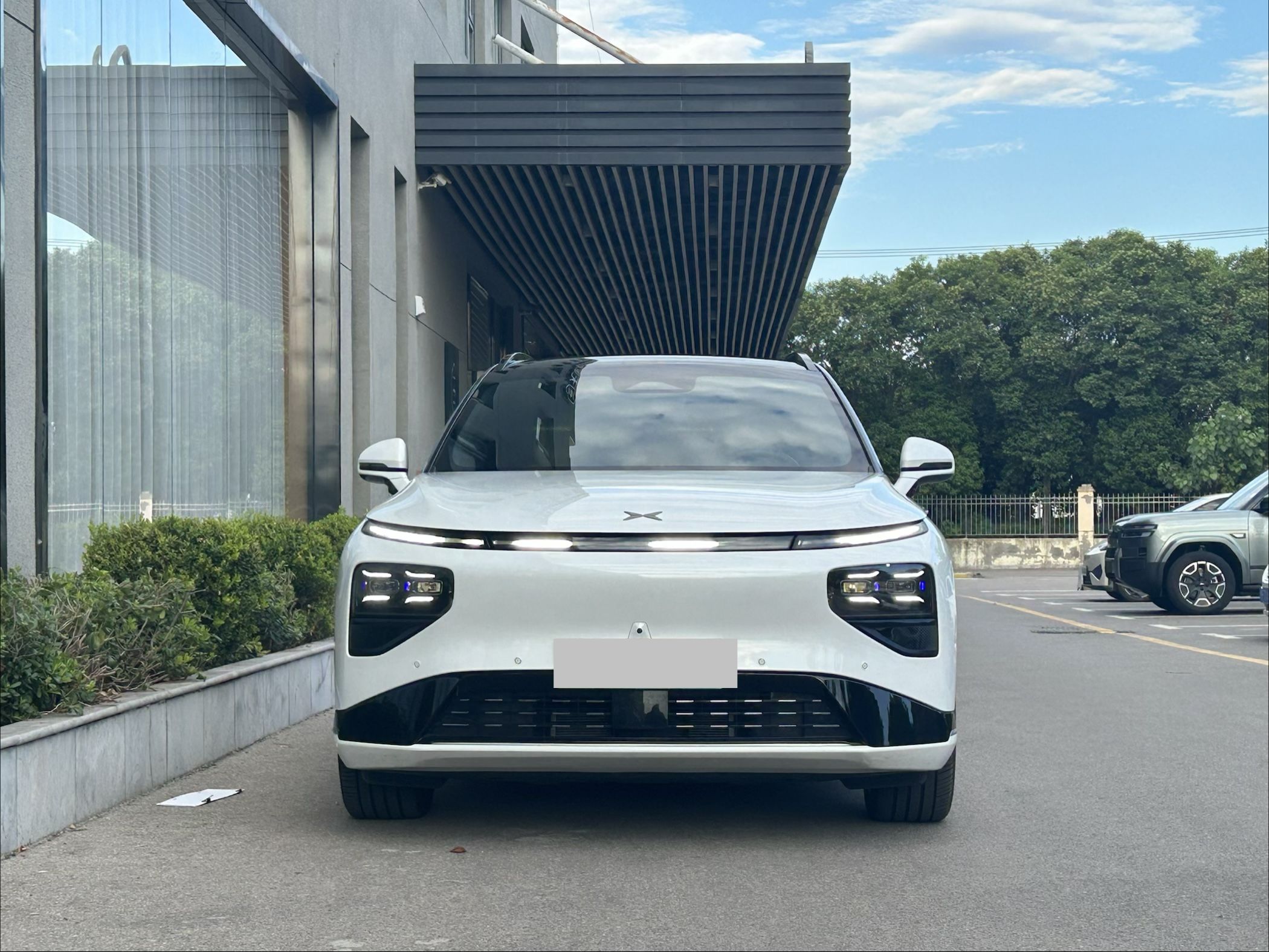
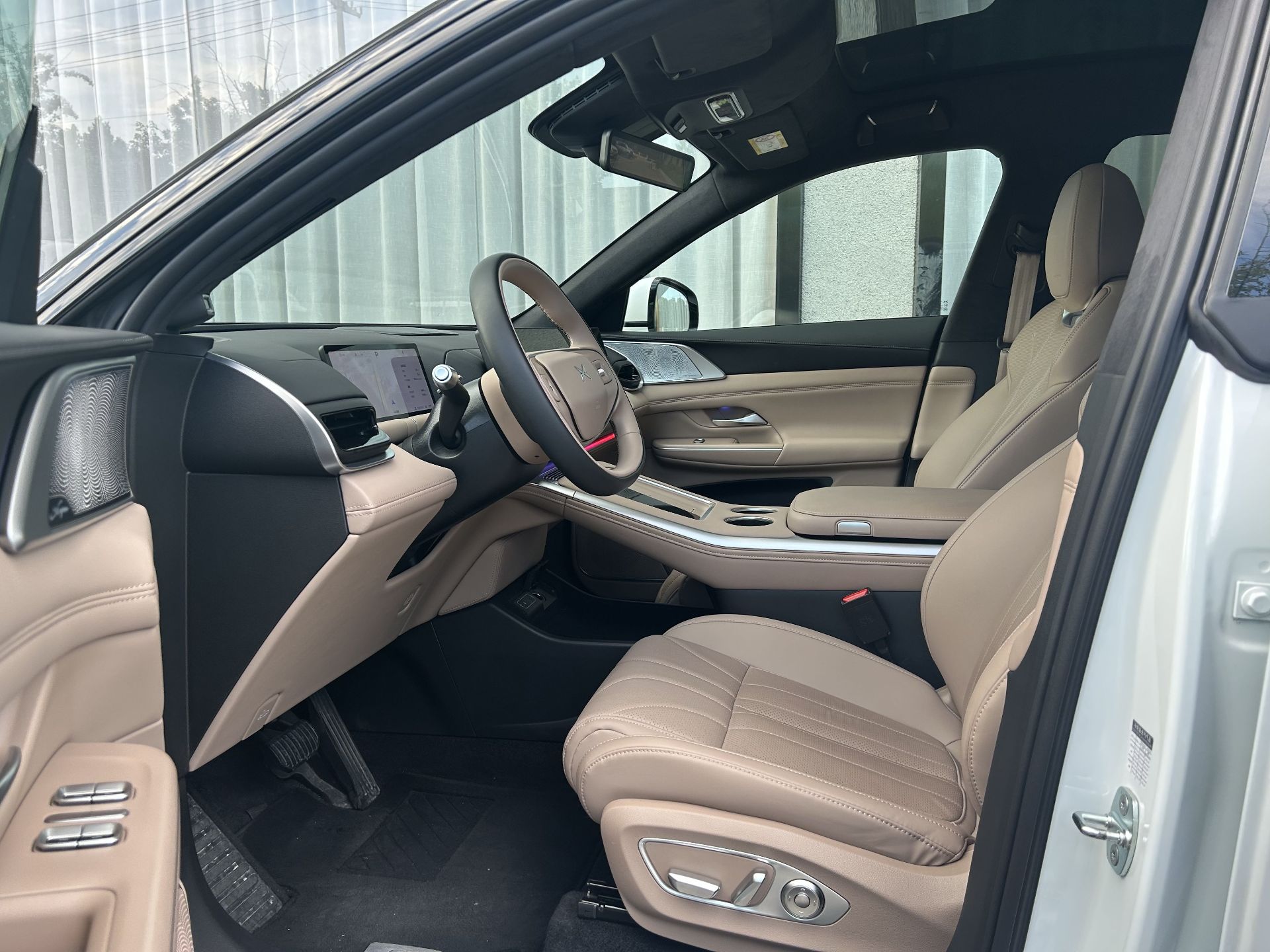
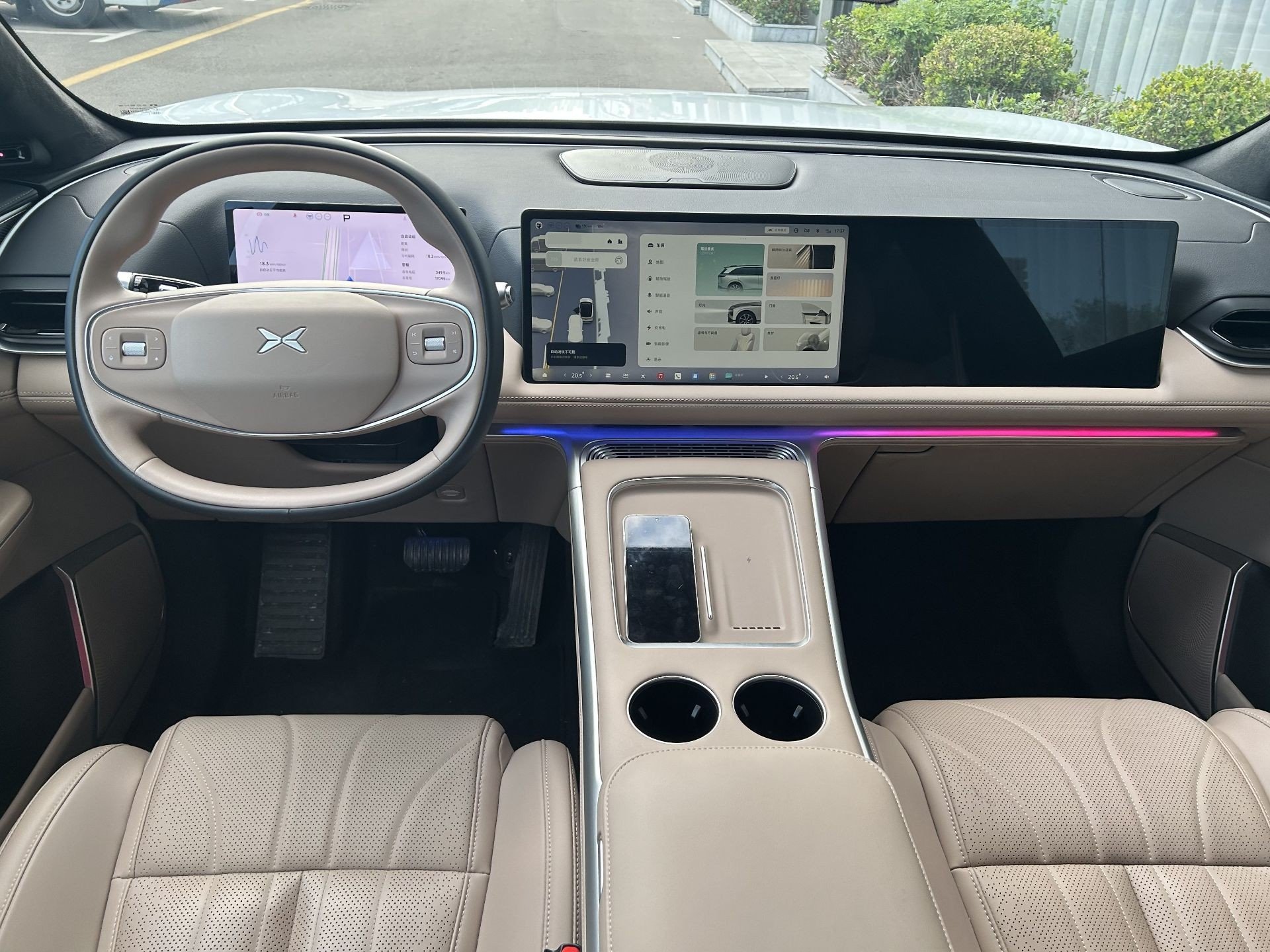
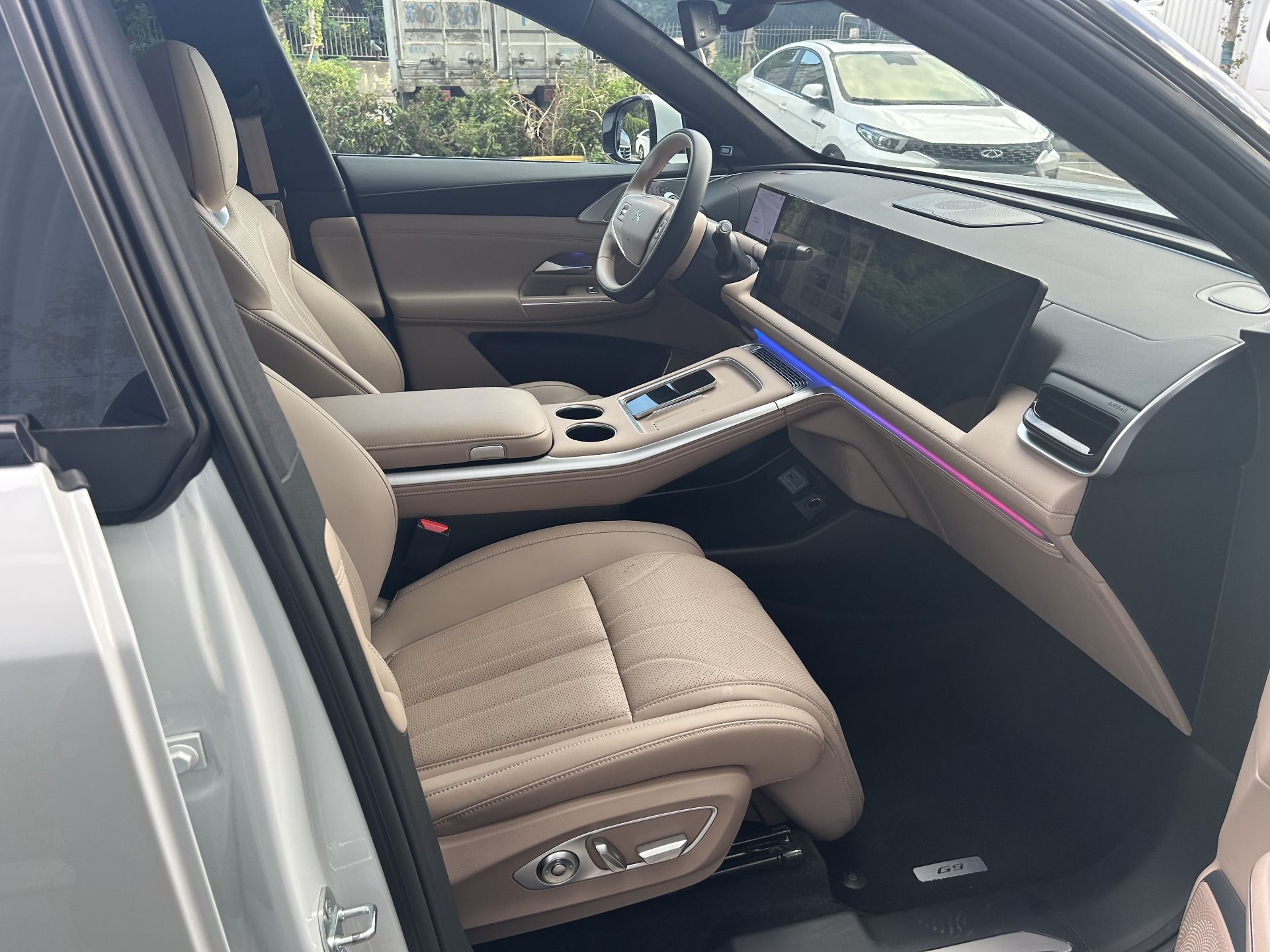
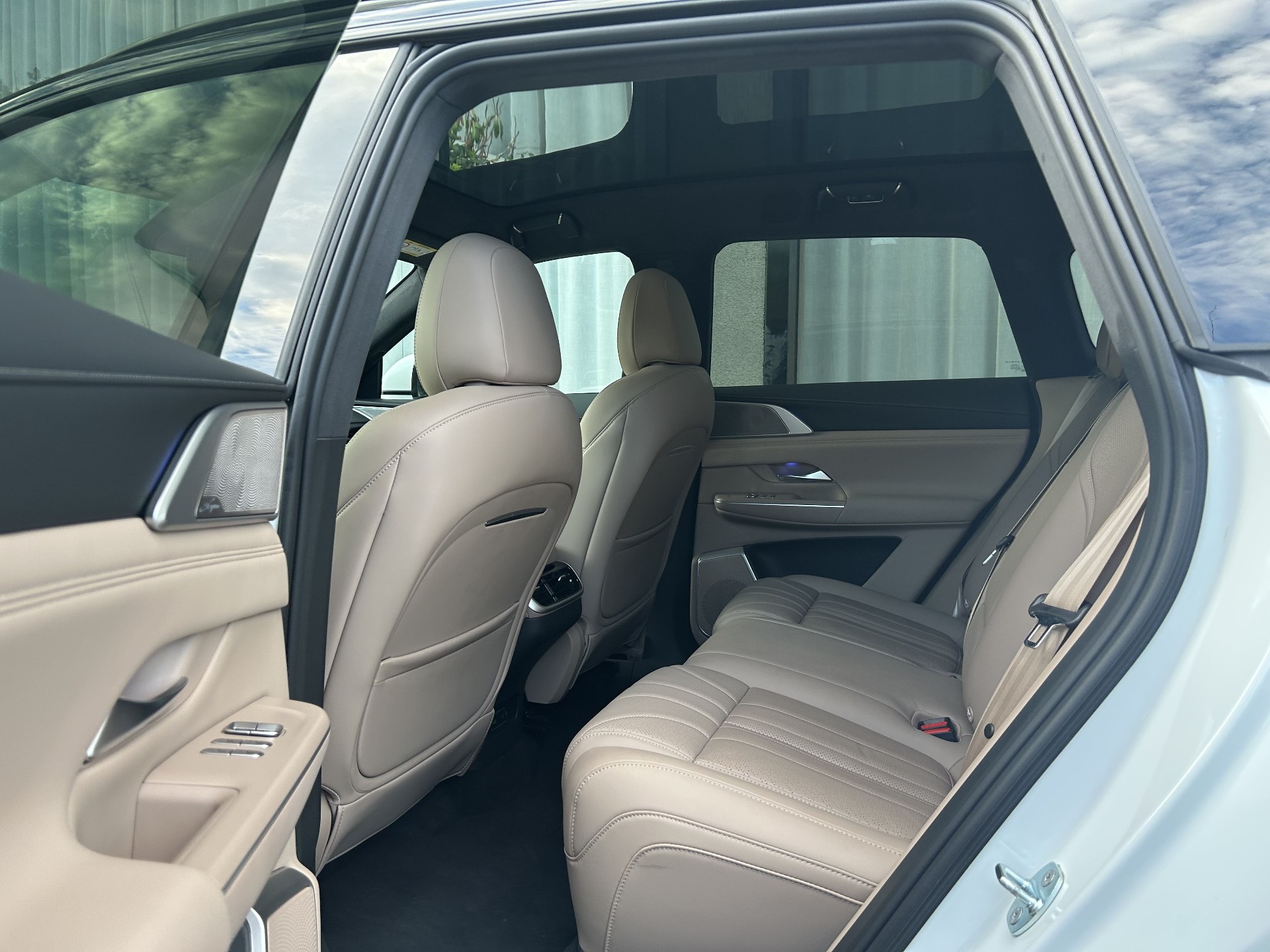
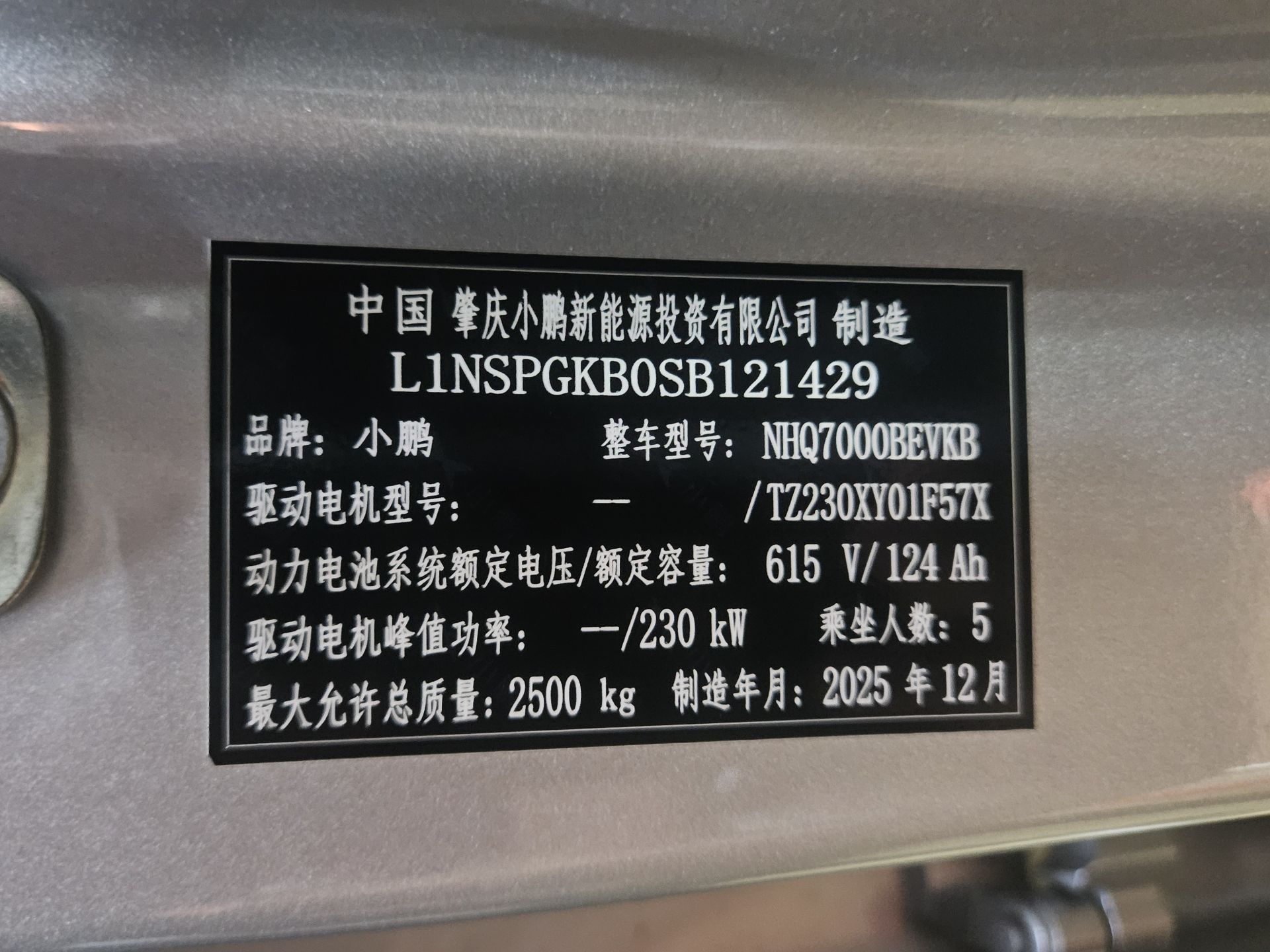



Basic Information

BrandXpeng
SeriesG9
Year2026
First Registration2026/01
Mileage17,000km
Transfer Count0times
FuelElectric
TransmissionOther
Engine-
ColorWhite
Seats5seats

Condition Description

Original paint, one-owner, zero insurance claims. Optional smart upgrade package. Manufactured in December 2025.

Document Information

Inspection Expiry Date-
Warranty Expiry Date-
Insurance Expiry Date2027/01

Q&A

More

Will driver-assistance features (adaptive cruise, lane keeping) on a used Chinese car still work after export?

In most cases the hardware works fine abroad, but check three things before buying. First, map dependence. Adaptive cruise and lane centering work anywhere, but features tied to navigation data (predictive cruise, automatic speed-limit adjustment) may degrade if the built-in maps have no coverage in your country. Ask whether local maps can be loaded, or whether those functions simply switch off. Second, calibration. If the windshield, front bumper, radar or camera was ever replaced, the ADAS needs recalibration with manufacturer software. After a long sea voyage, a calibration check is cheap insurance — ask for the last calibration record, or have the inspector confirm no ADAS fault codes are stored. Third, tuning. Lane-keeping and speed-limit prompts calibrated for Chinese road markings usually behave acceptably elsewhere, though some drivers find the warnings overly sensitive and disable them. Bottom line: core functions travel well. Confirm map coverage and fault-free sensors in the inspection report.


If our country has a Free Trade Agreement (FTA) with China, can you provide a specific certificate of origin?

Yes. We will apply to customs or the trade promotion agency for a specific version of the certificate of origin (such as ASEAN Form E, China-ASEAN FTA certificate, etc.) to assist you in legally enjoying significant or even zero tariff treatment at the destination port.

Should I ship my used car from China in a container or by roll-on/roll-off (RORO)?

It depends on the car's value, type and destination. RORO means the car is driven onto the vessel and secured on deck or in the hull. It is usually cheaper per car and does not involve container packing fees. The downside: the car sits exposed to salt air for weeks, and RORO service is limited to ports with dedicated terminals. Container shipping (one 20ft or 40ft container per 1-2 cars) costs more but gives much better protection. It is strongly recommended for electric vehicles (battery safety regulations), luxury cars, and vehicles going on long voyages or rough sea routes. Practical tips: whichever method you choose, ask for the car to be shipped with a full battery charge disconnected at the terminals, tire pressures adjusted, and a condition report with photos signed at loading. For EVs, confirm the shipping line accepts used electric vehicles and what state-of-charge limits apply.