

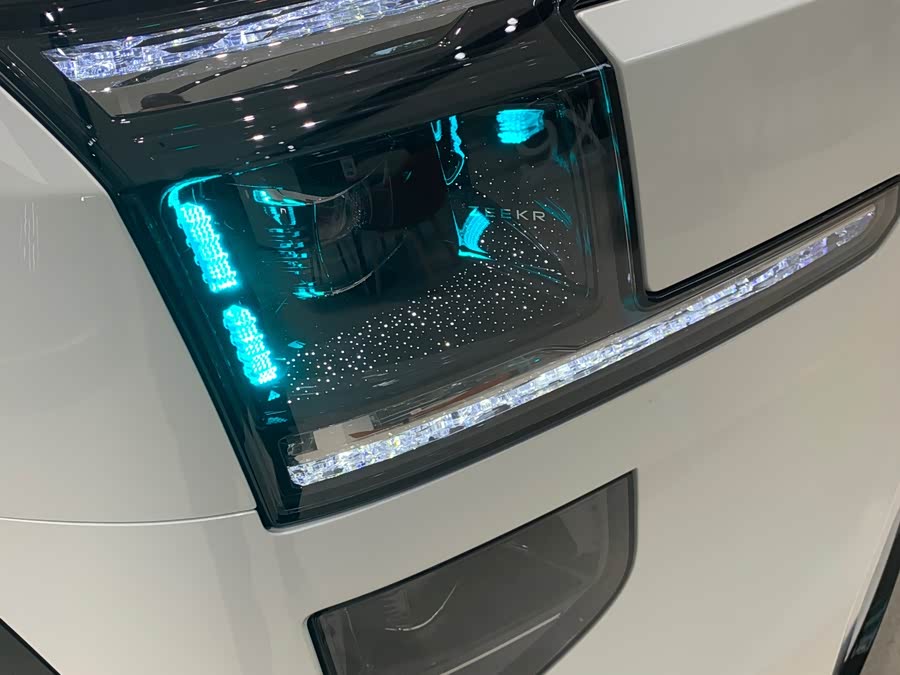
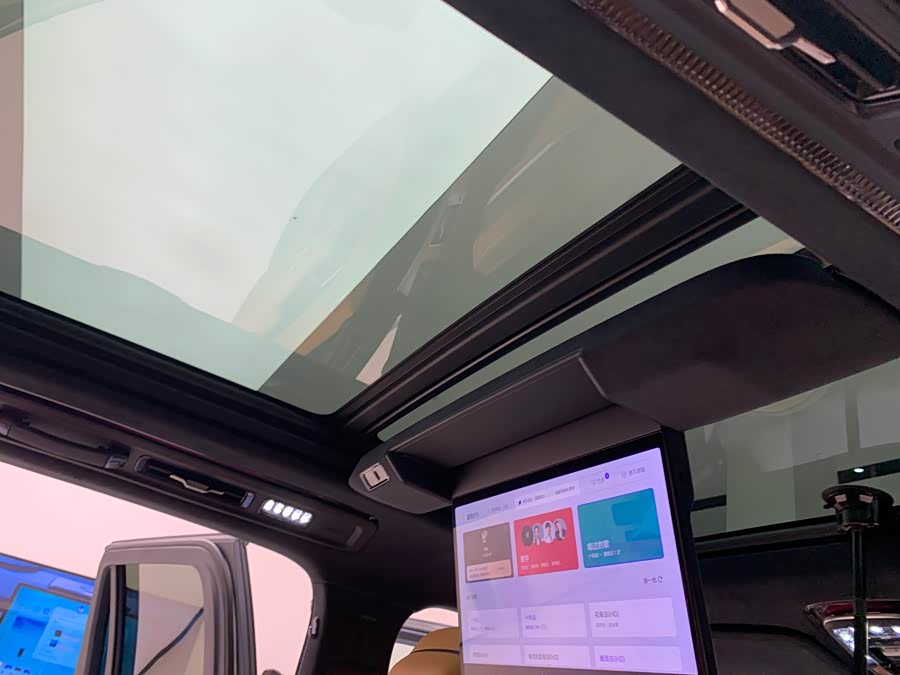
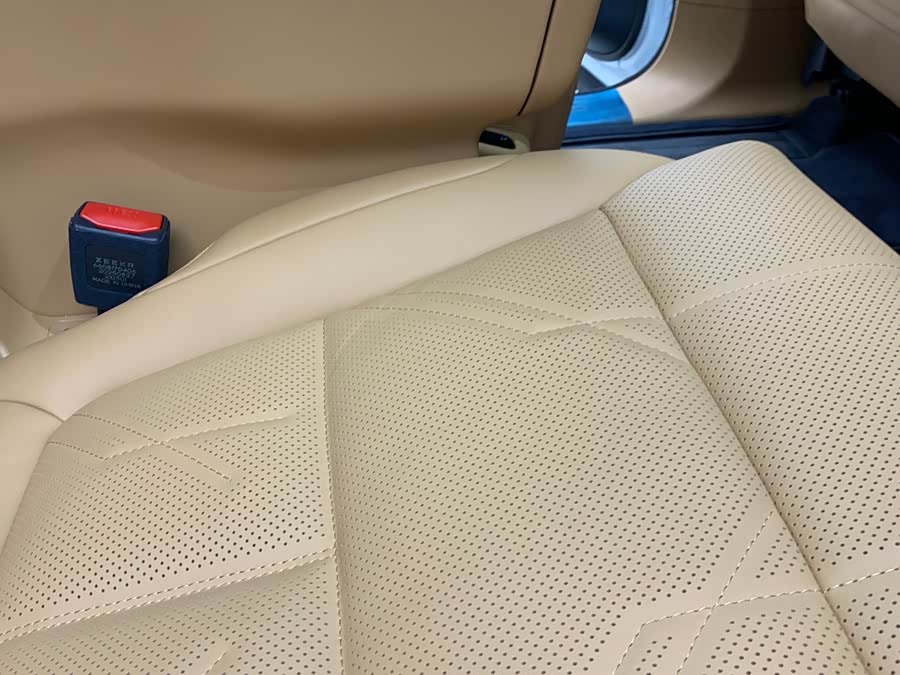
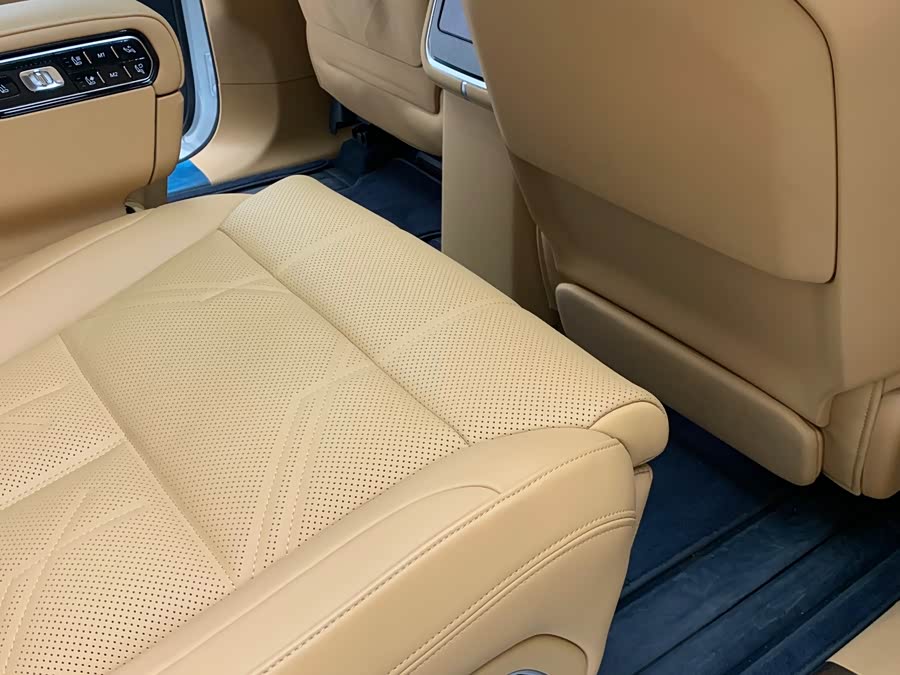
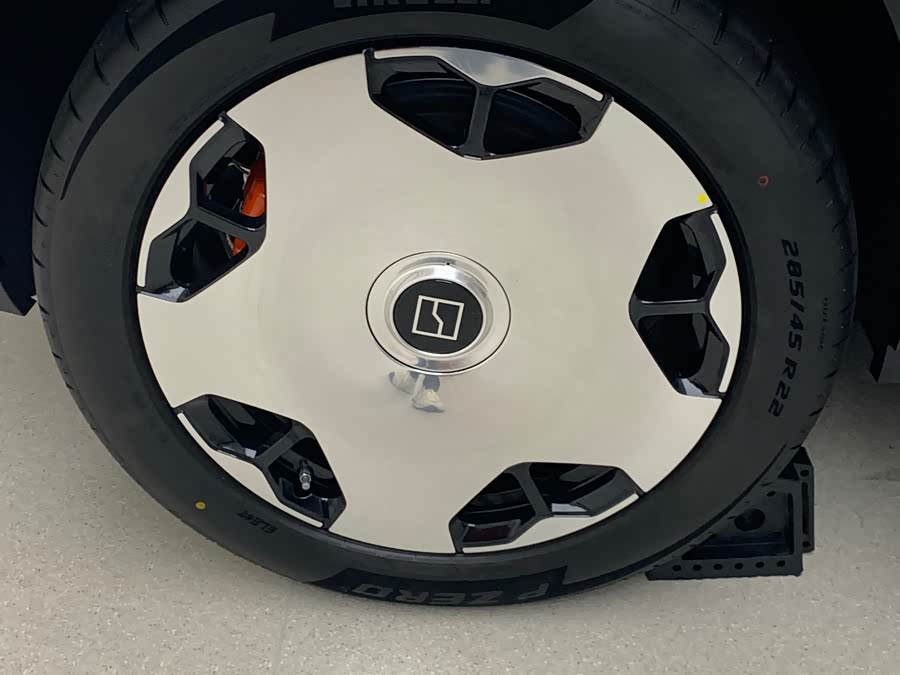
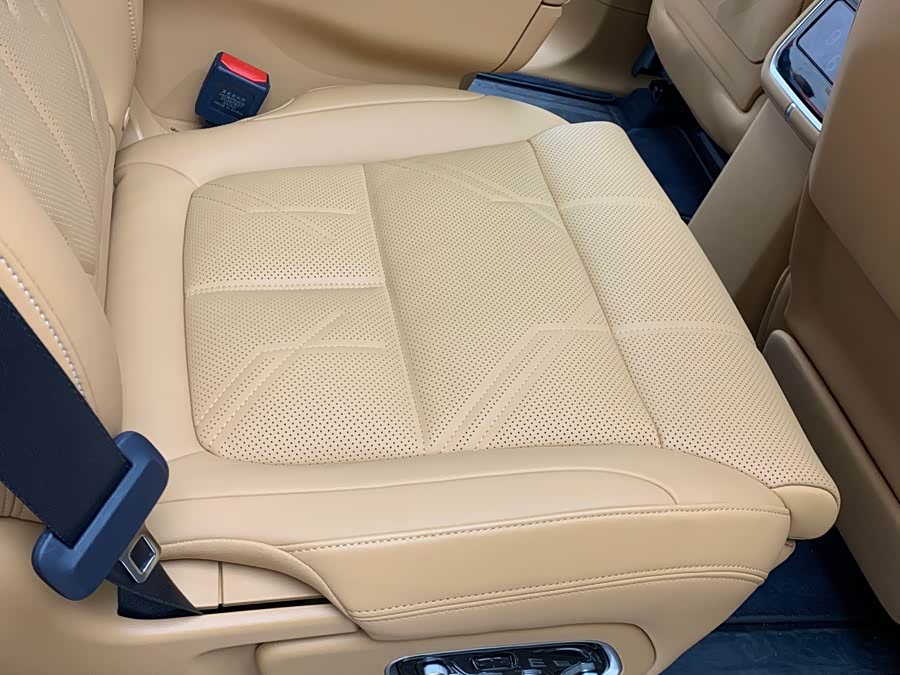
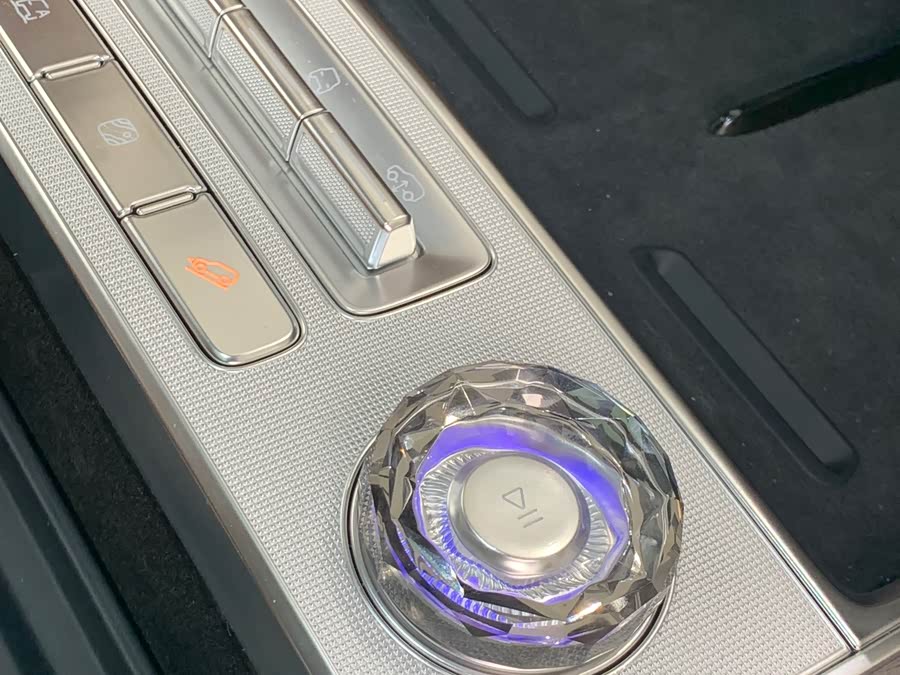
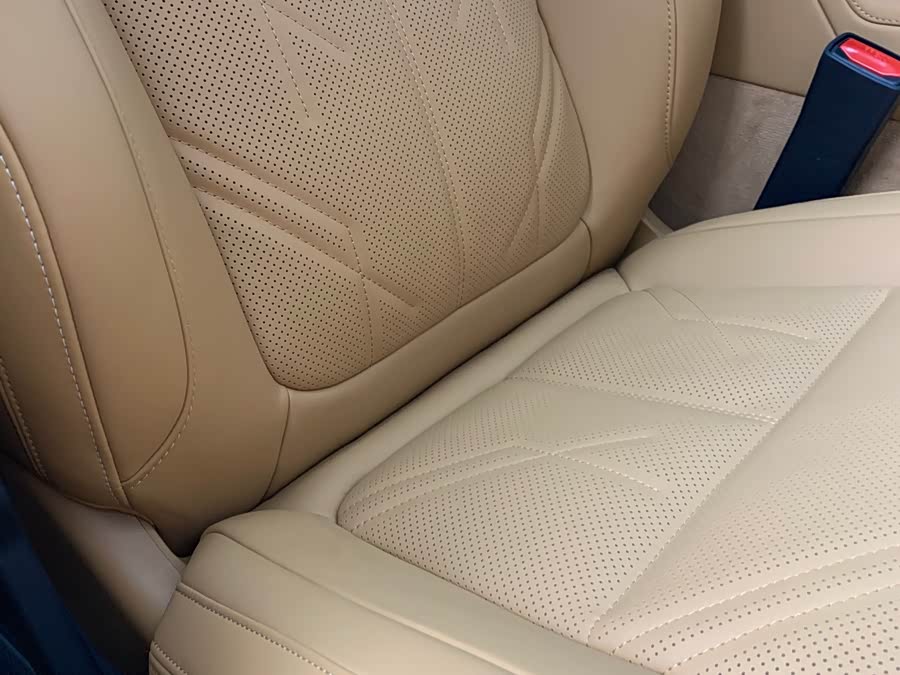
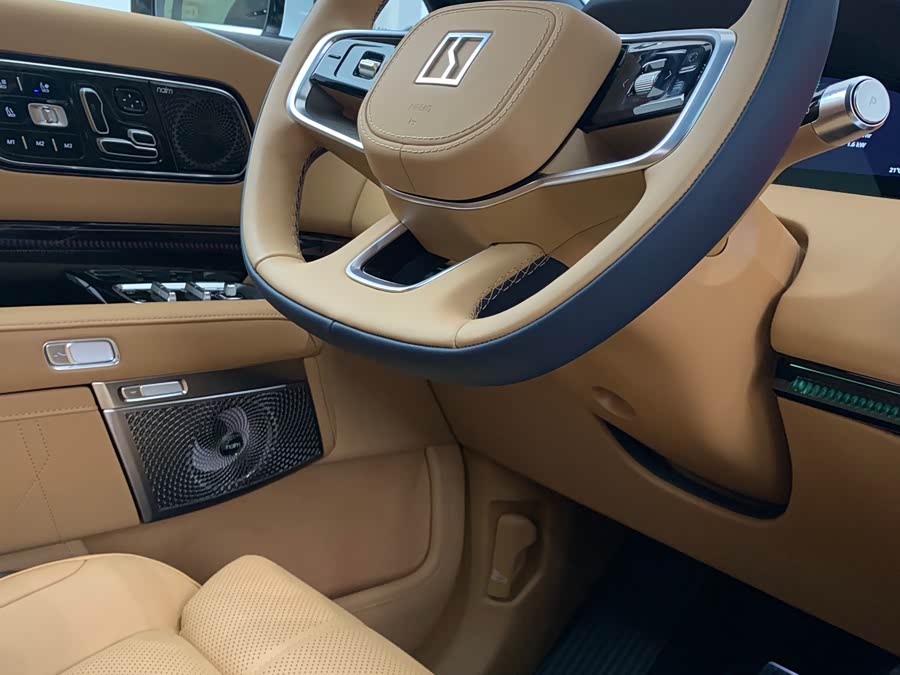
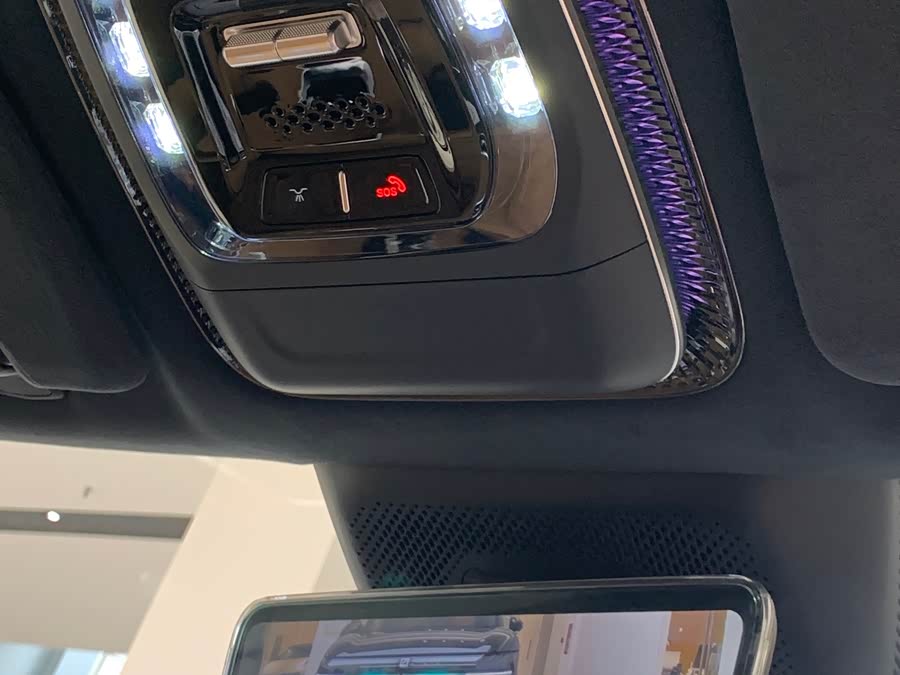
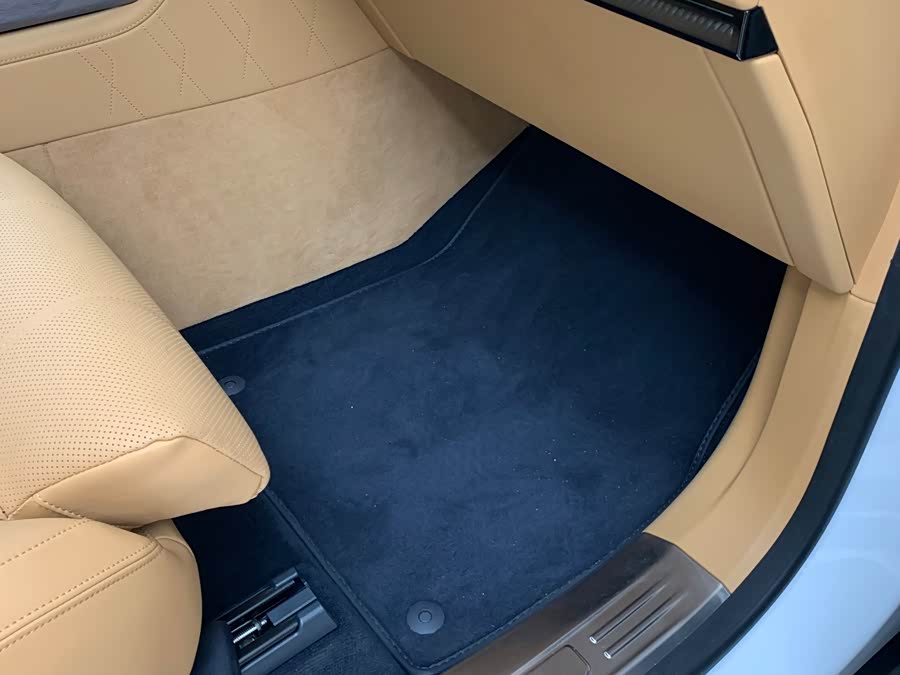
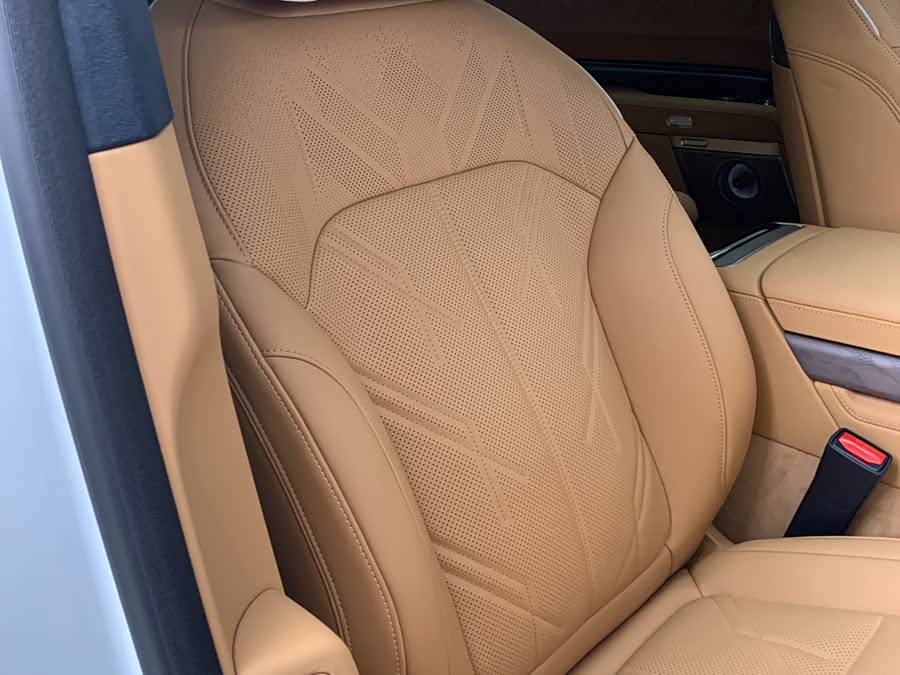
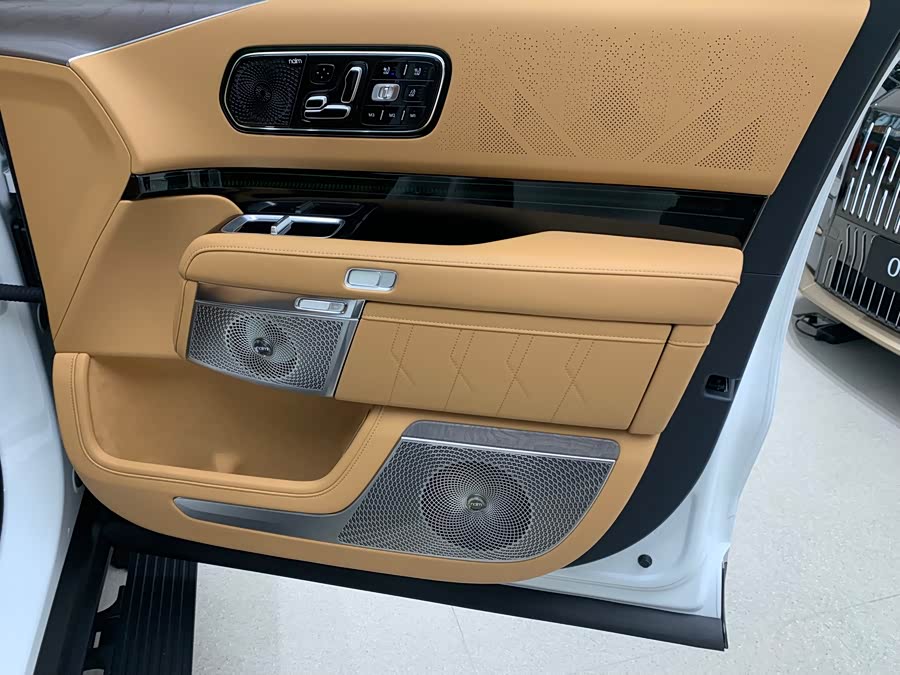
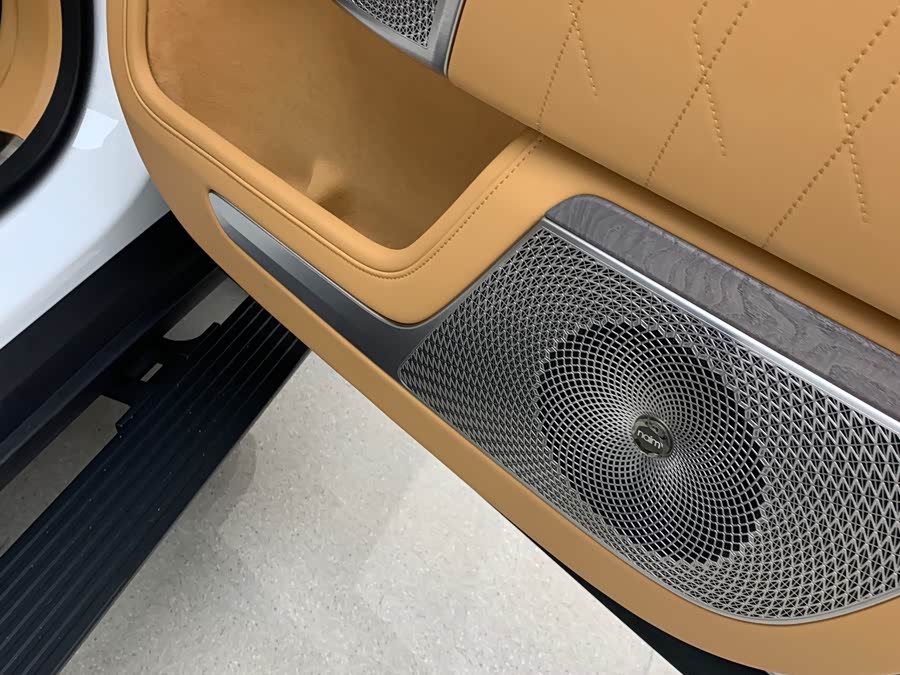
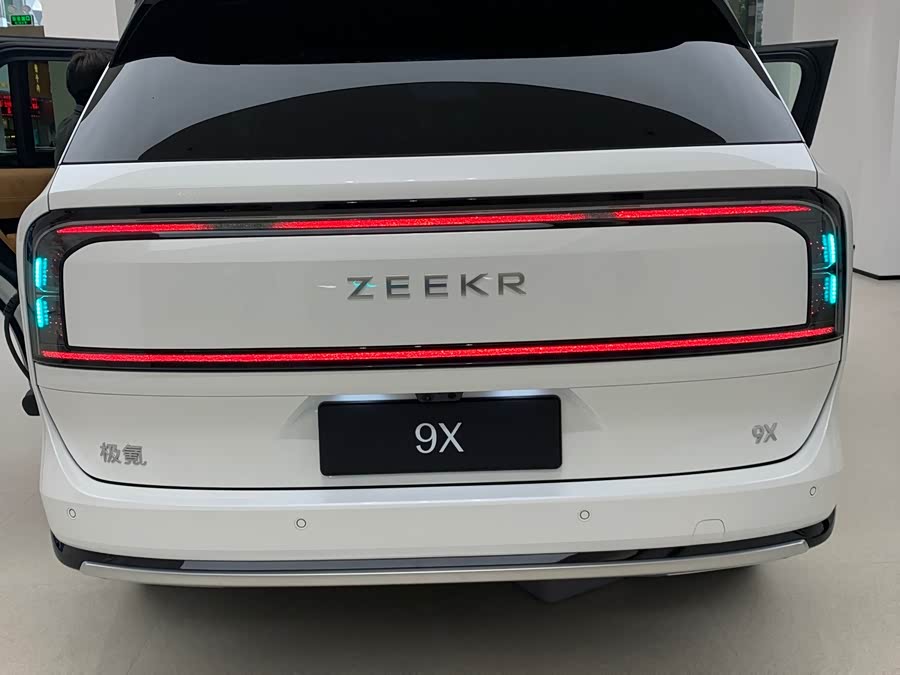



Basic Information

BrandZeekr
Series9X
Year-
First Registration-
Mileage100km
Transfer Count-
FuelPHEV
TransmissionDHT
Engine2.0T 279 L4
ColorWhite
Seats-

Condition Description

Excellent

Brand new, unregistered vehicles available now. Colors and configurations are optional (optional prices are subject to official pricing). Full payment or installment payment is accepted, and low down payment options are available!

Near-new car
0 transfers

Configuration Highlights

✓Blind Spot Assist
✓Lane Keep Assist
✓Lane Departure Warning
✓Active Safety System
✓ISOFIX Child Seat Anchors
✓Auto Hold
✓Auto Park Assist
✓Power Trunk
✓Keyless Start System
✓Active Grille Shutters
✓Heated Steering Wheel
✓Digital Instrument Cluster
✓Built-in Dashcam
✓Bluetooth/Hands-free
✓Connected Car
✓220V/230V Power Outlet
✓OTA Updates
✓Cornering Lights
✓Adaptive Headlights
✓PM2.5 Air Filter
✓Rear Independent Climate Control
✓Rear Air Vents

Accident & Maintenance Records

Accident Record

🔗 Open Link

Maintenance Record

🔗 Open Link

Q&A

More

Can the used cars you export meet the SASO certification or GSO standards required by the Middle Eastern market?

It must be stated objectively: used cars in China are produced according to national standards (GB) and have not been originally certified by Saudi SASO or GSO of Gulf countries. Buyers must find a local agent with customs clearance capabilities to complete the clearance through exemption documents or compliant modifications after arrival (such as wrapping or adding specific alarms).


After picking up the car, I found the tire pressure warning (TPMS). How can I reset the tire pressure sensor myself?

Temperature differences during sea transport can easily trigger the tire pressure warning. After inflating the tires to the standard pressure (usually 2.5 Bar), most vehicles will automatically clear the warning after driving a few kilometers; some models require manually clicking "Tire Pressure Reset" in the "Vehicle Settings" on the central screen.

How to check the condition of the turbocharger (oil leaks, unusual noises, insufficient pressure) for turbocharged vehicles?

Experience turbo lag and power surge during road tests; check for significant oil accumulation at the turbo intake and intercooler connections (slight oil vapor is normal); and use OBD to read the real-time boost pressure peak to see if it meets factory settings.
