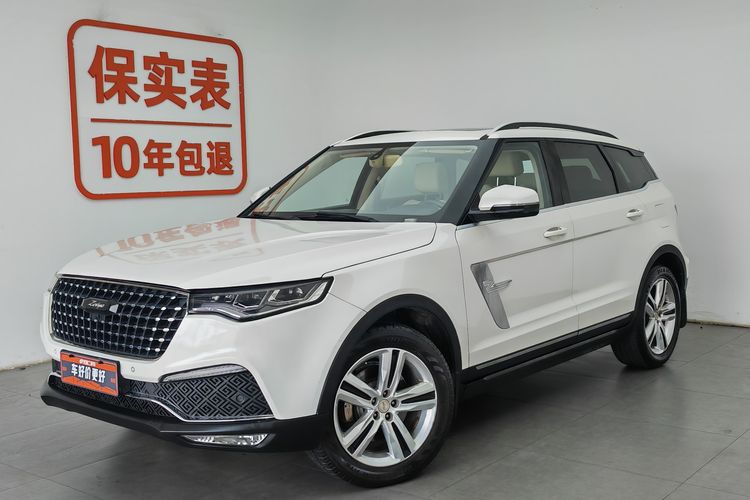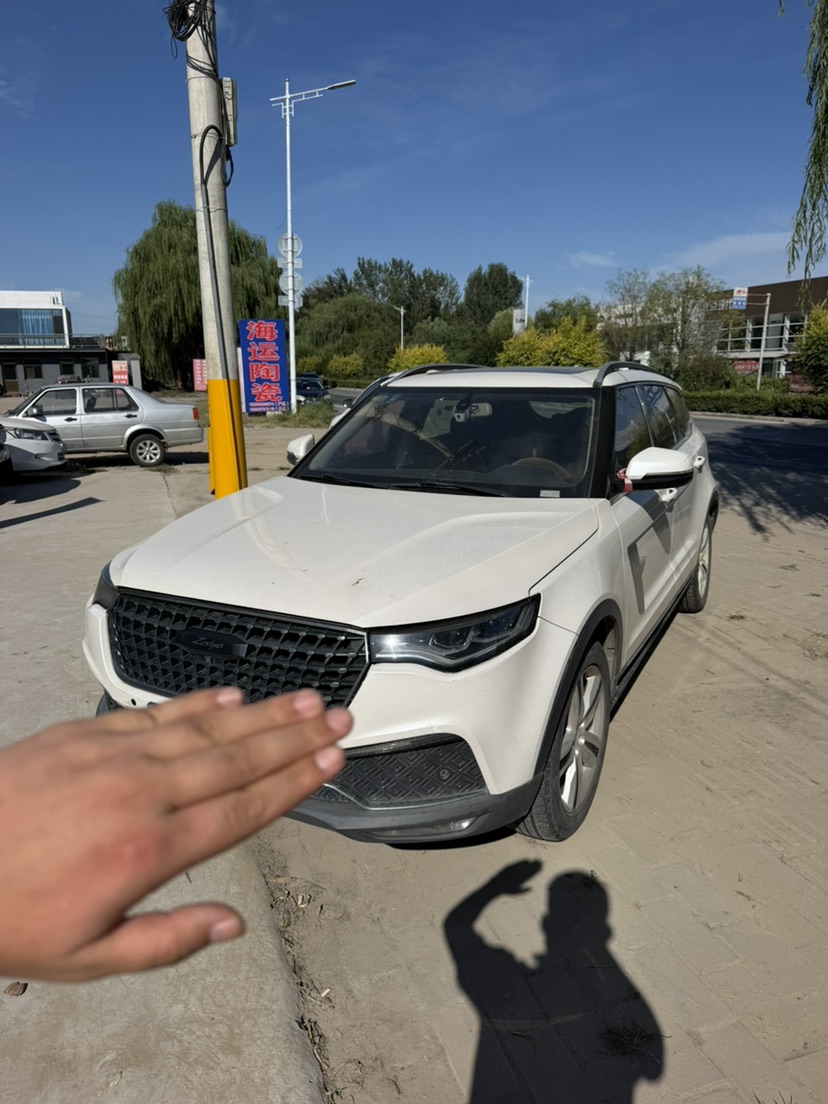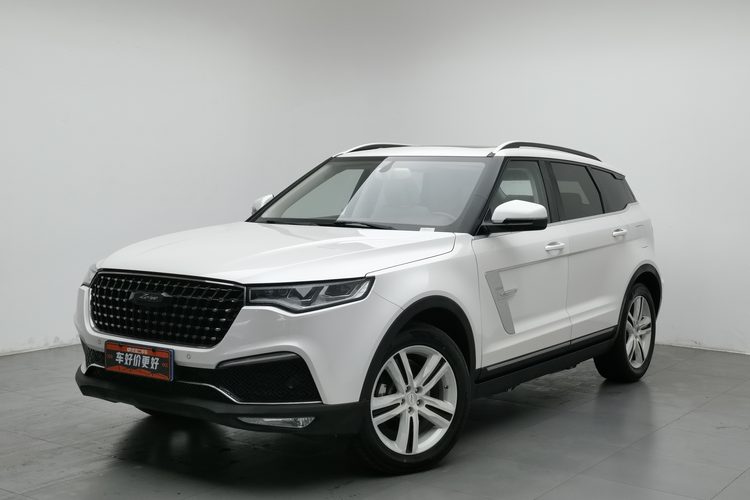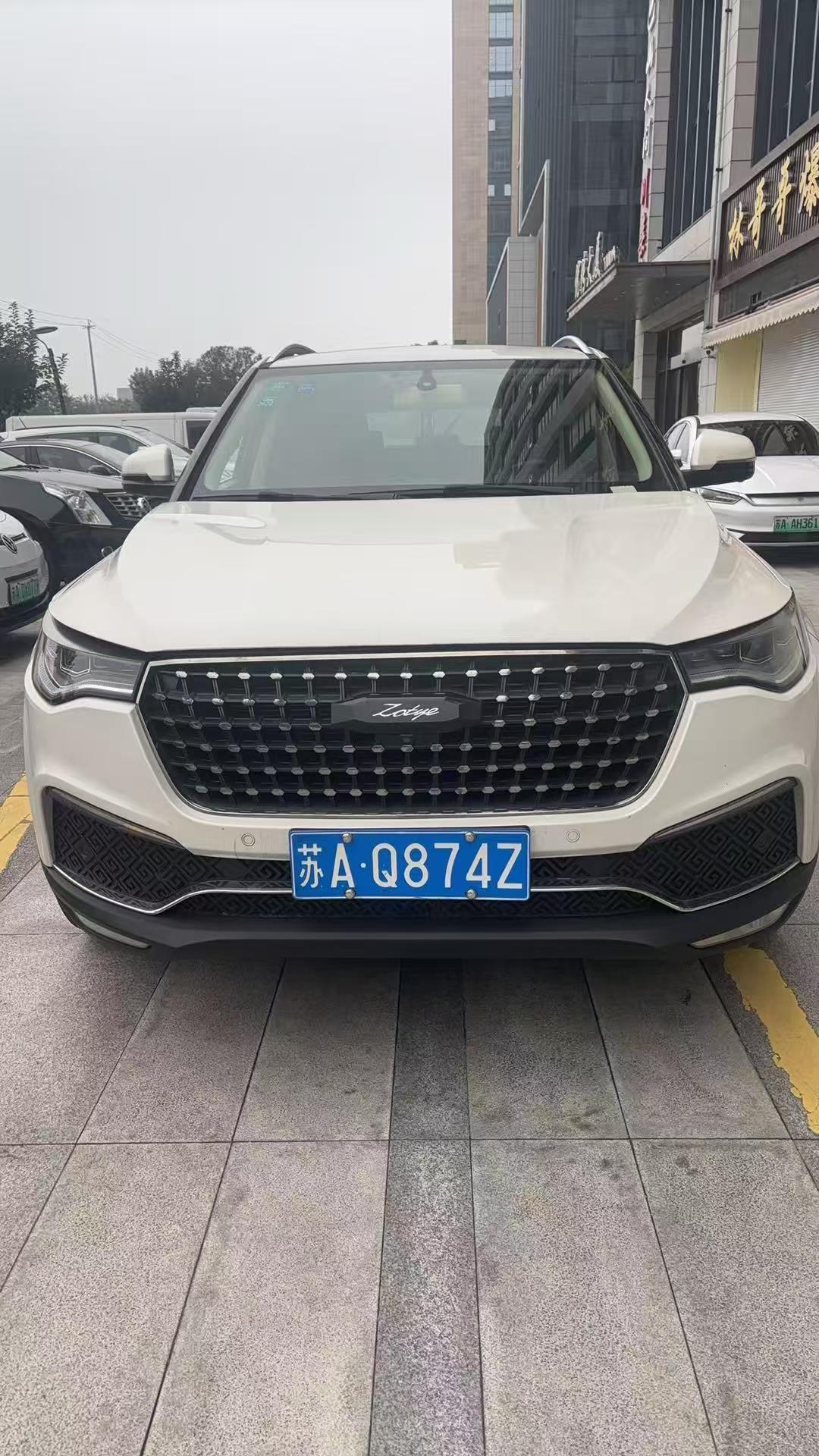

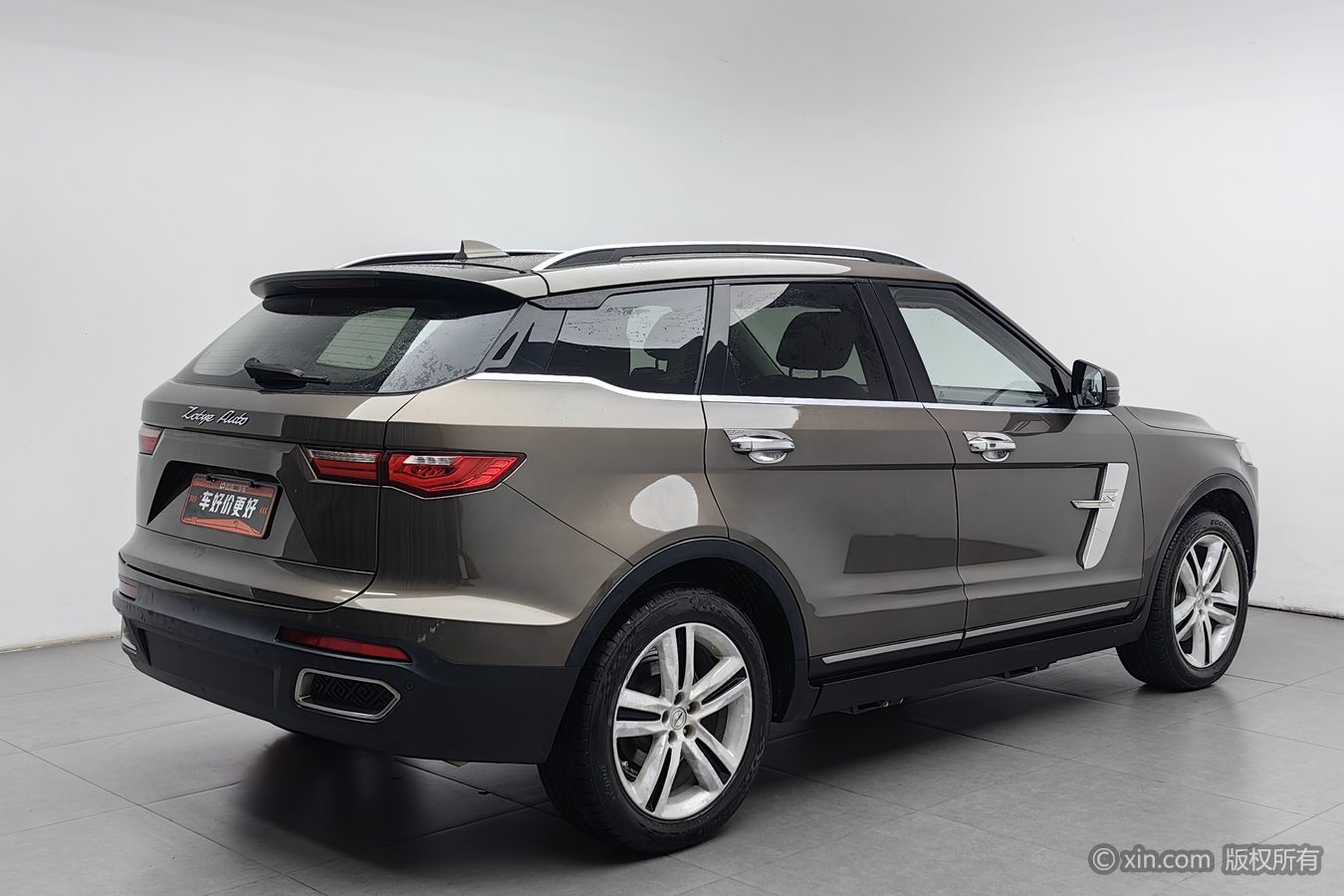
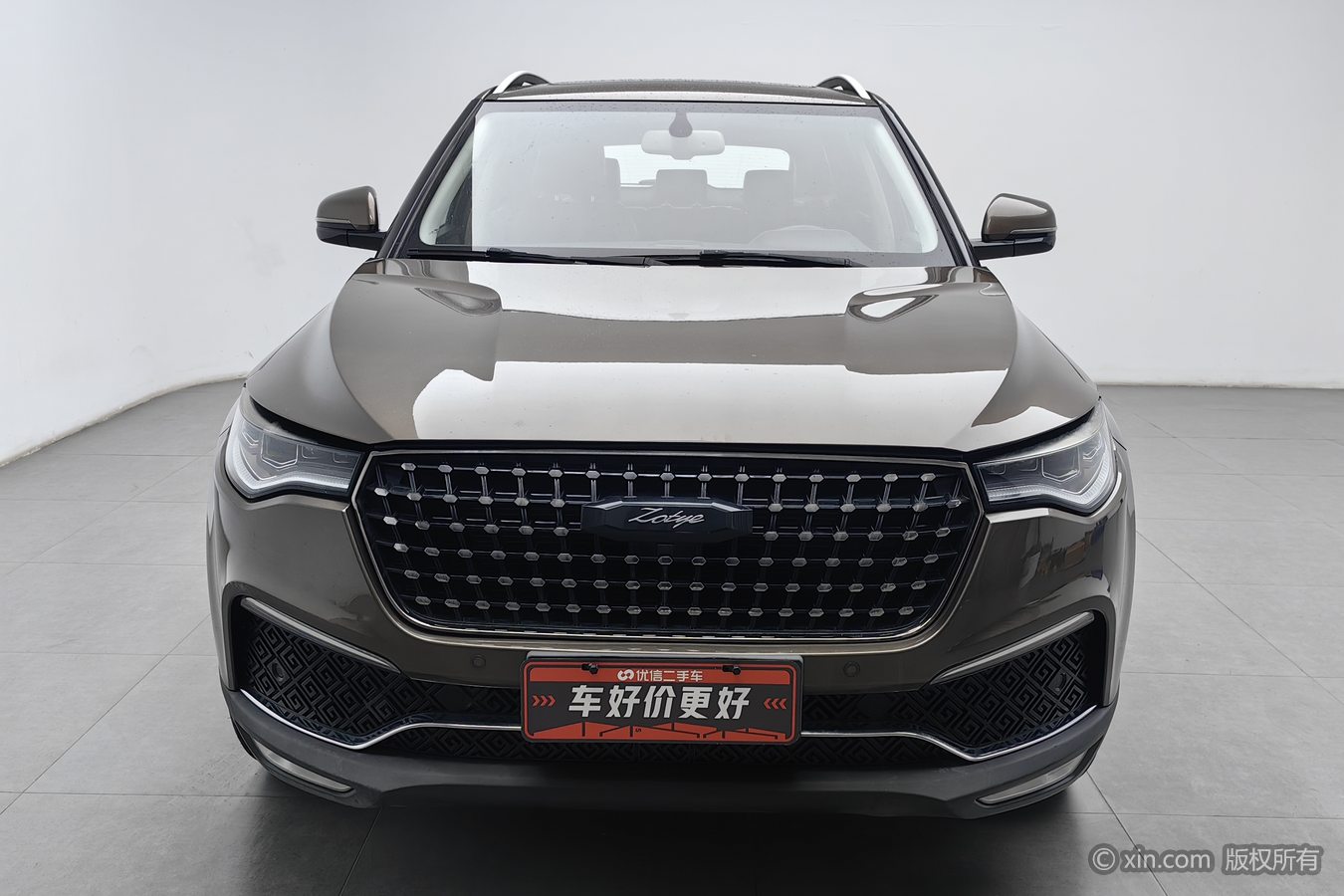
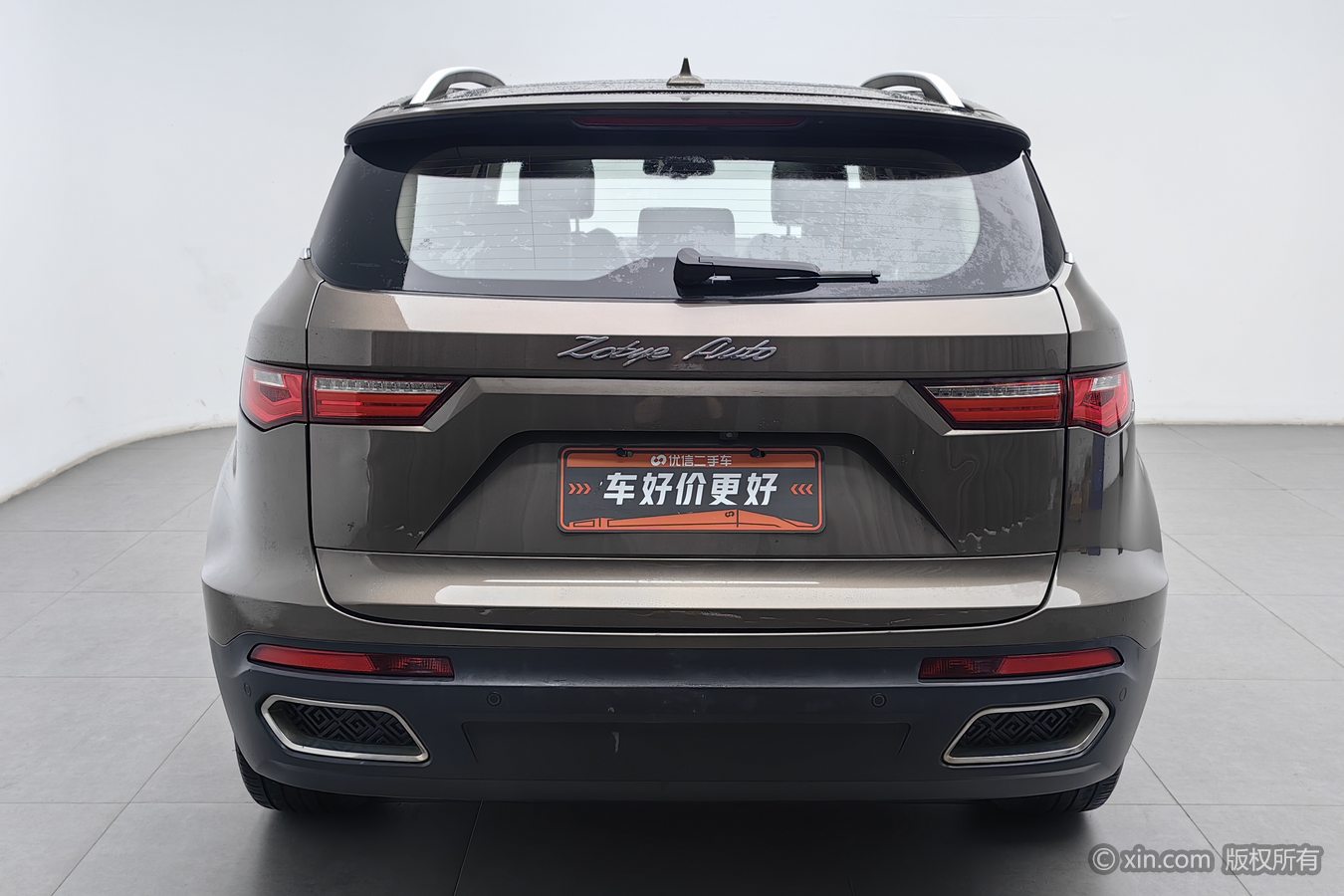
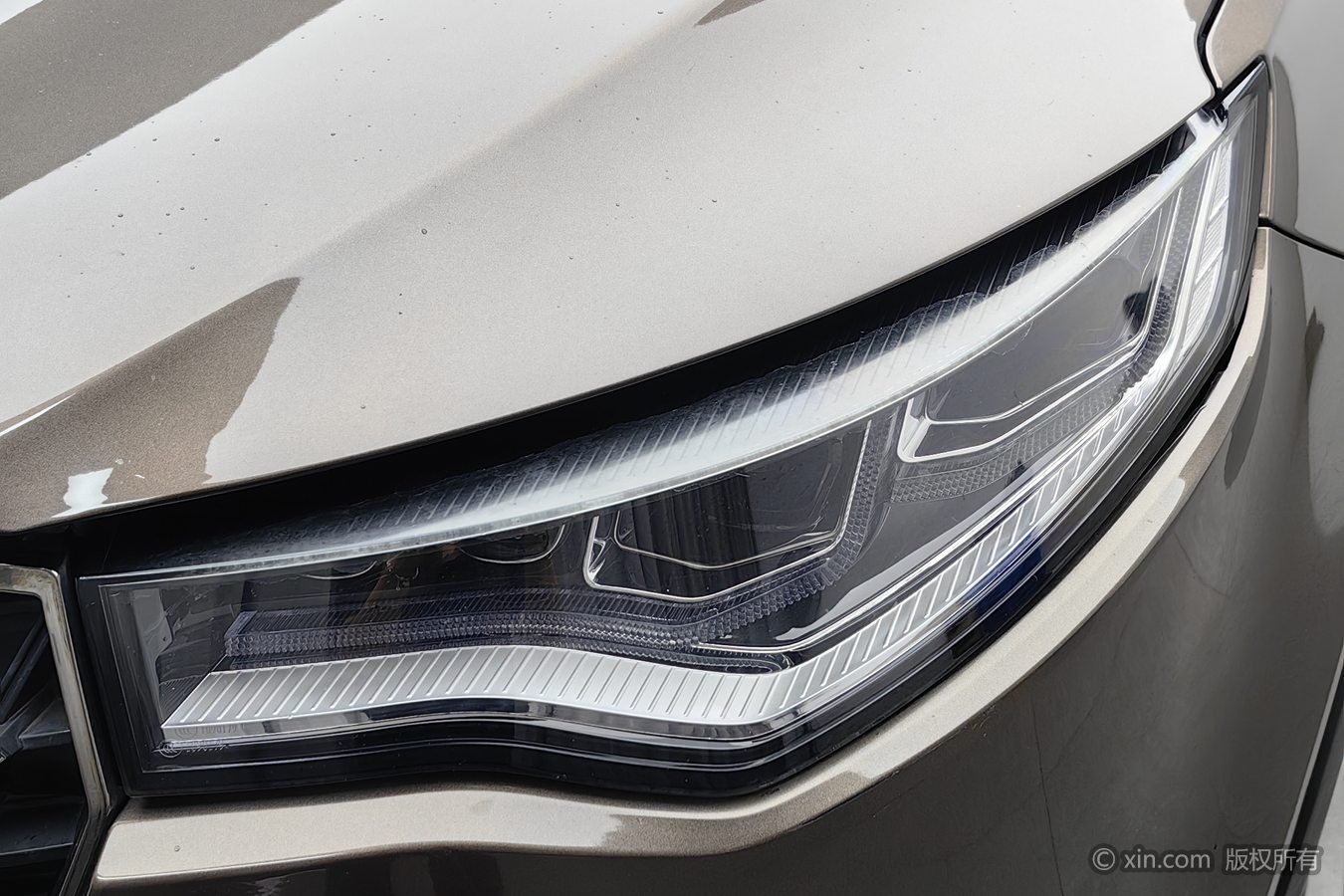
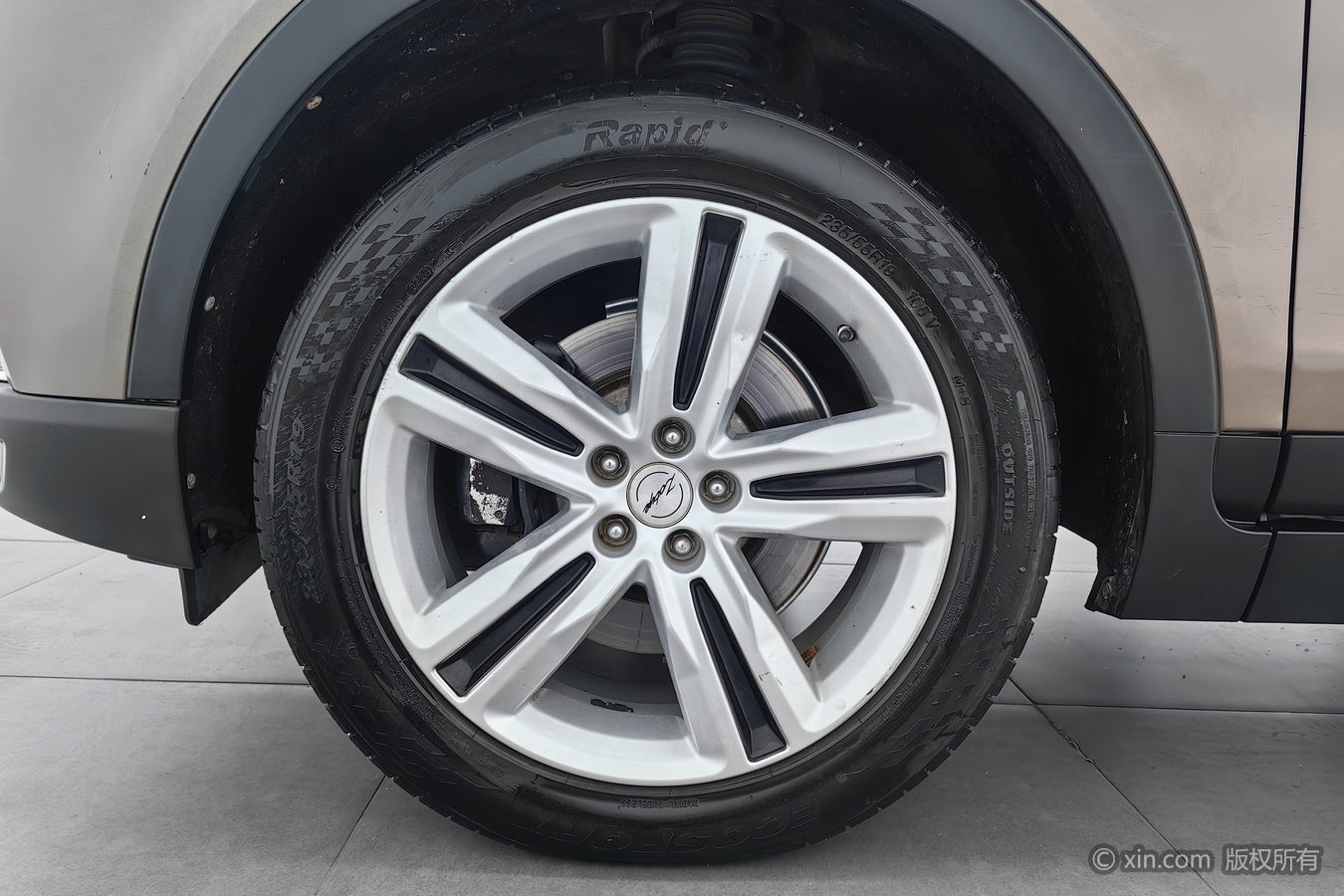
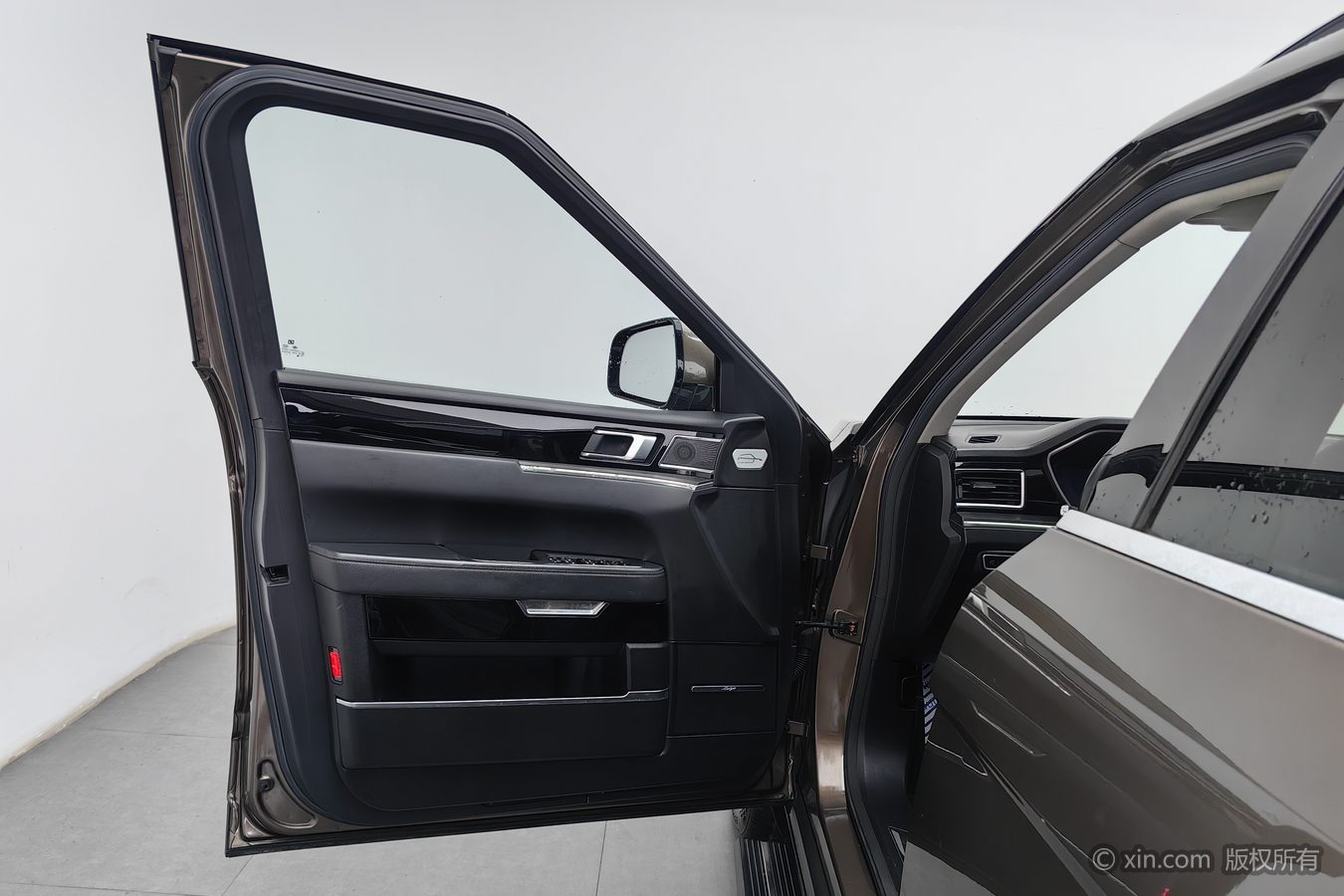
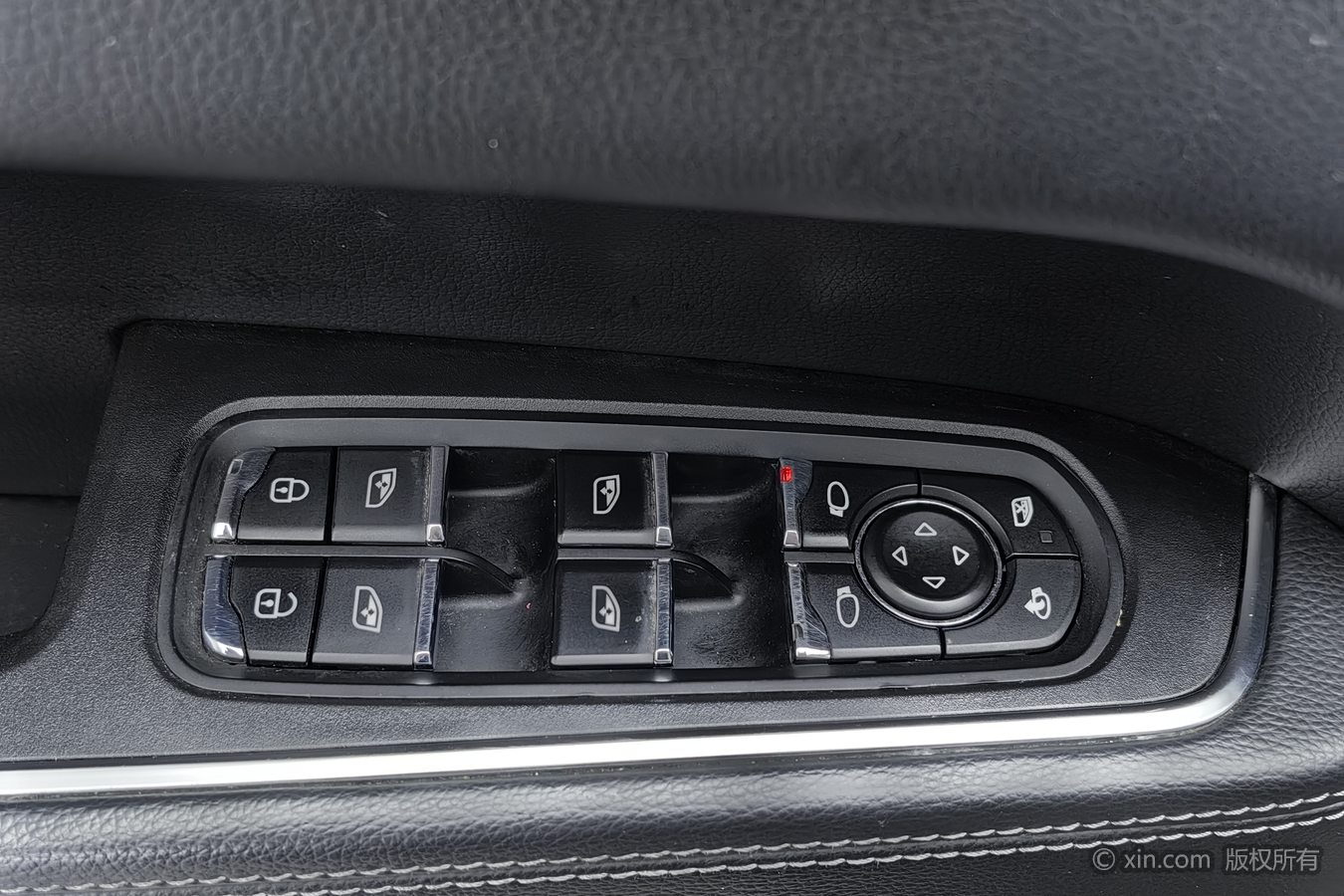
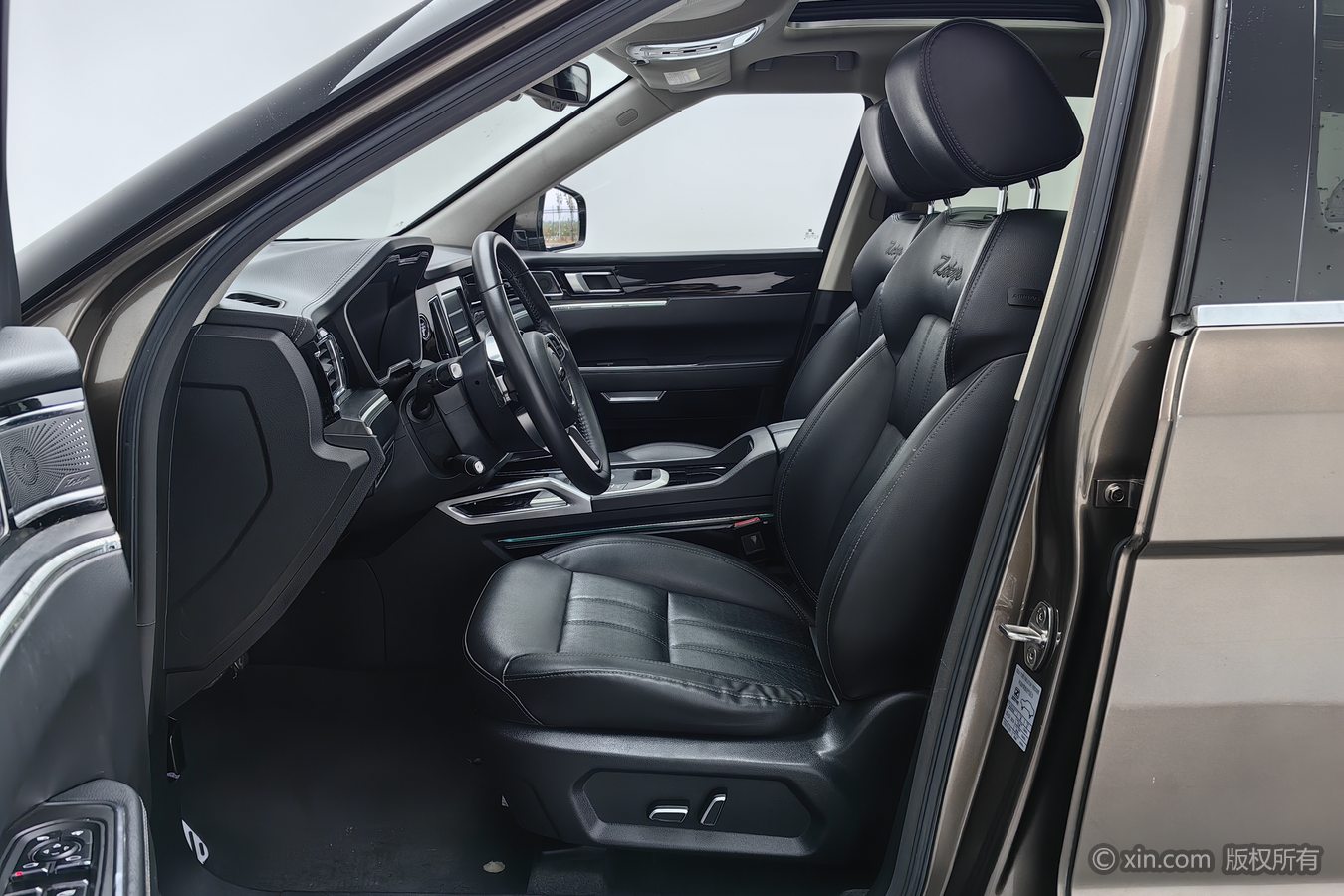
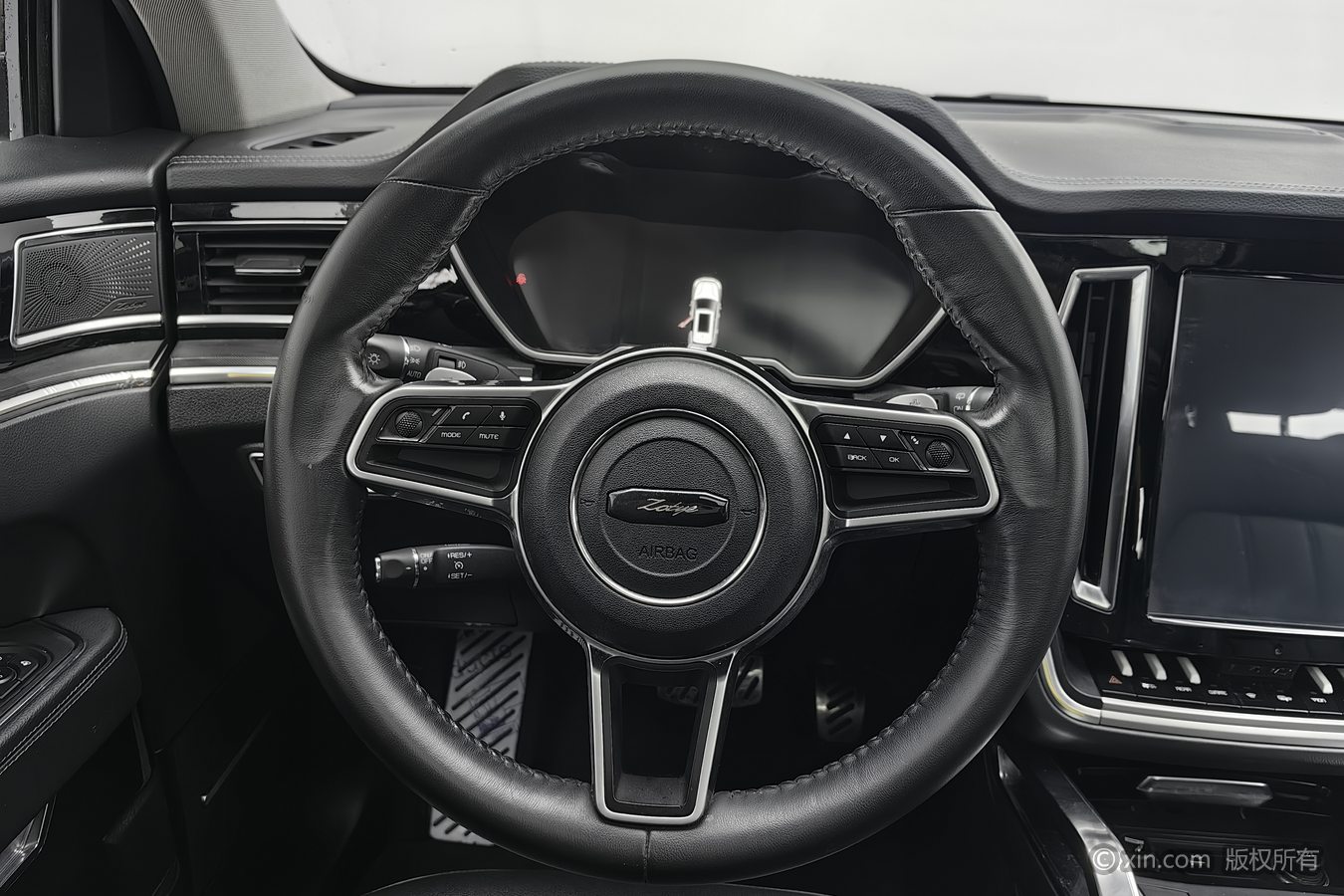
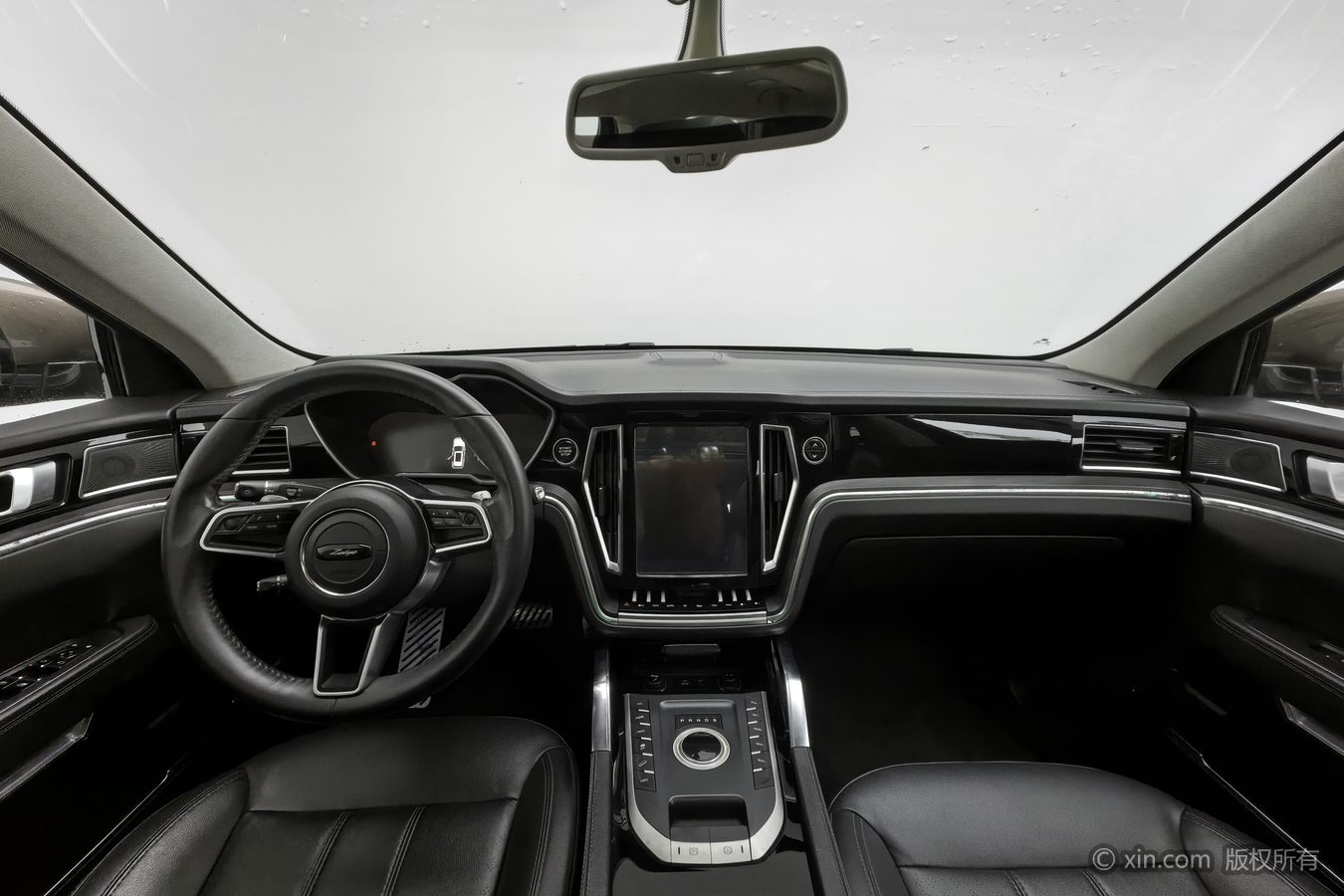
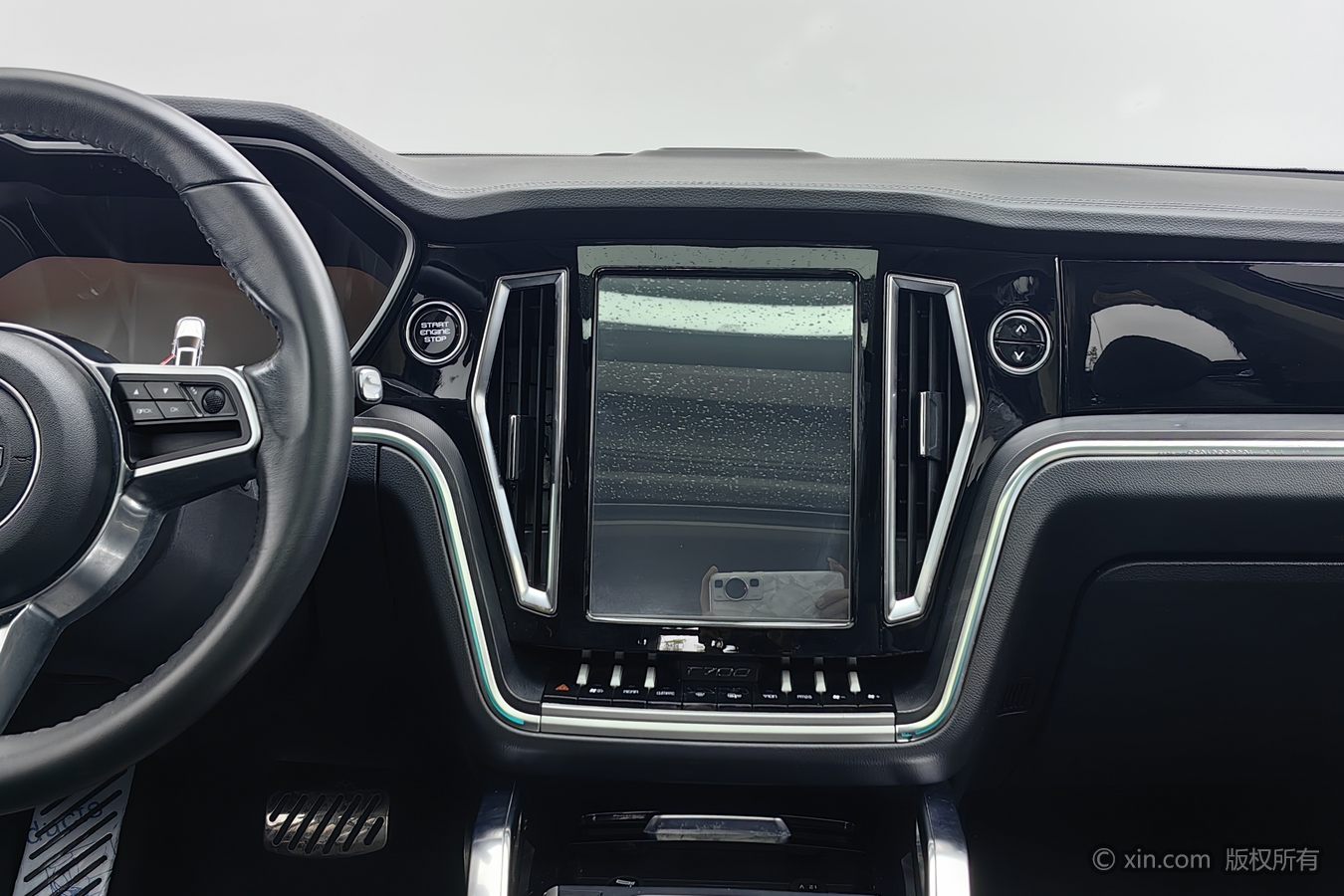
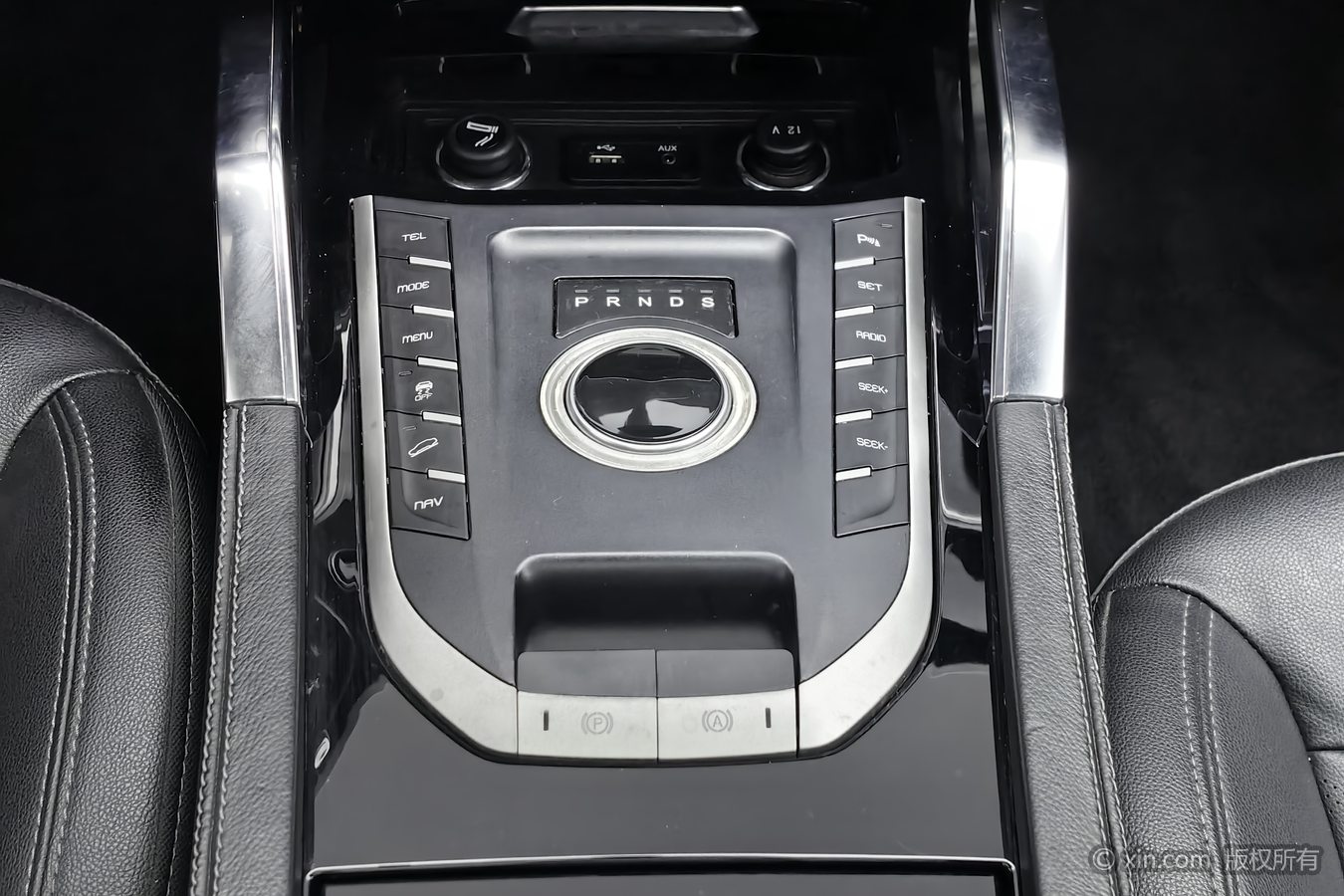
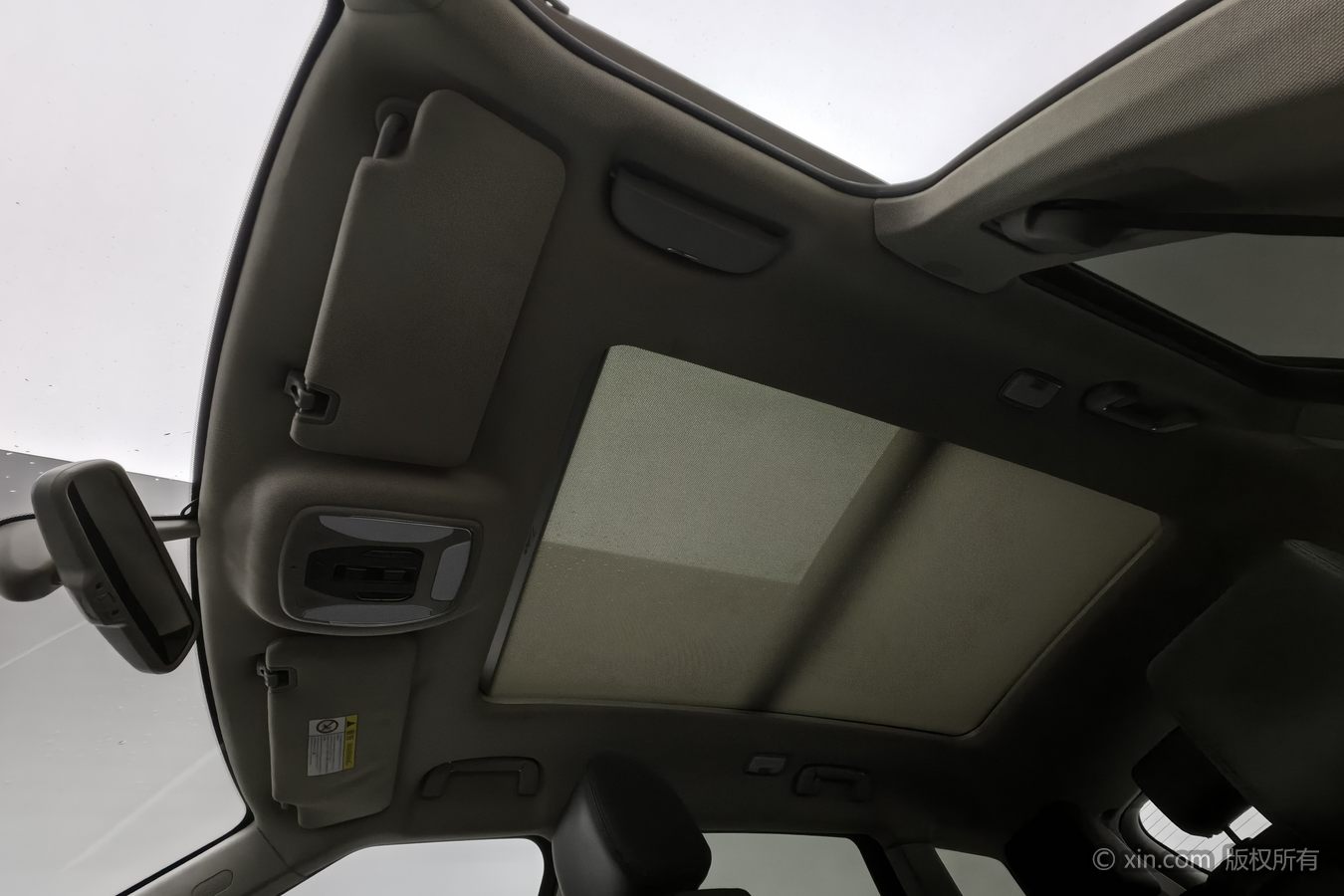
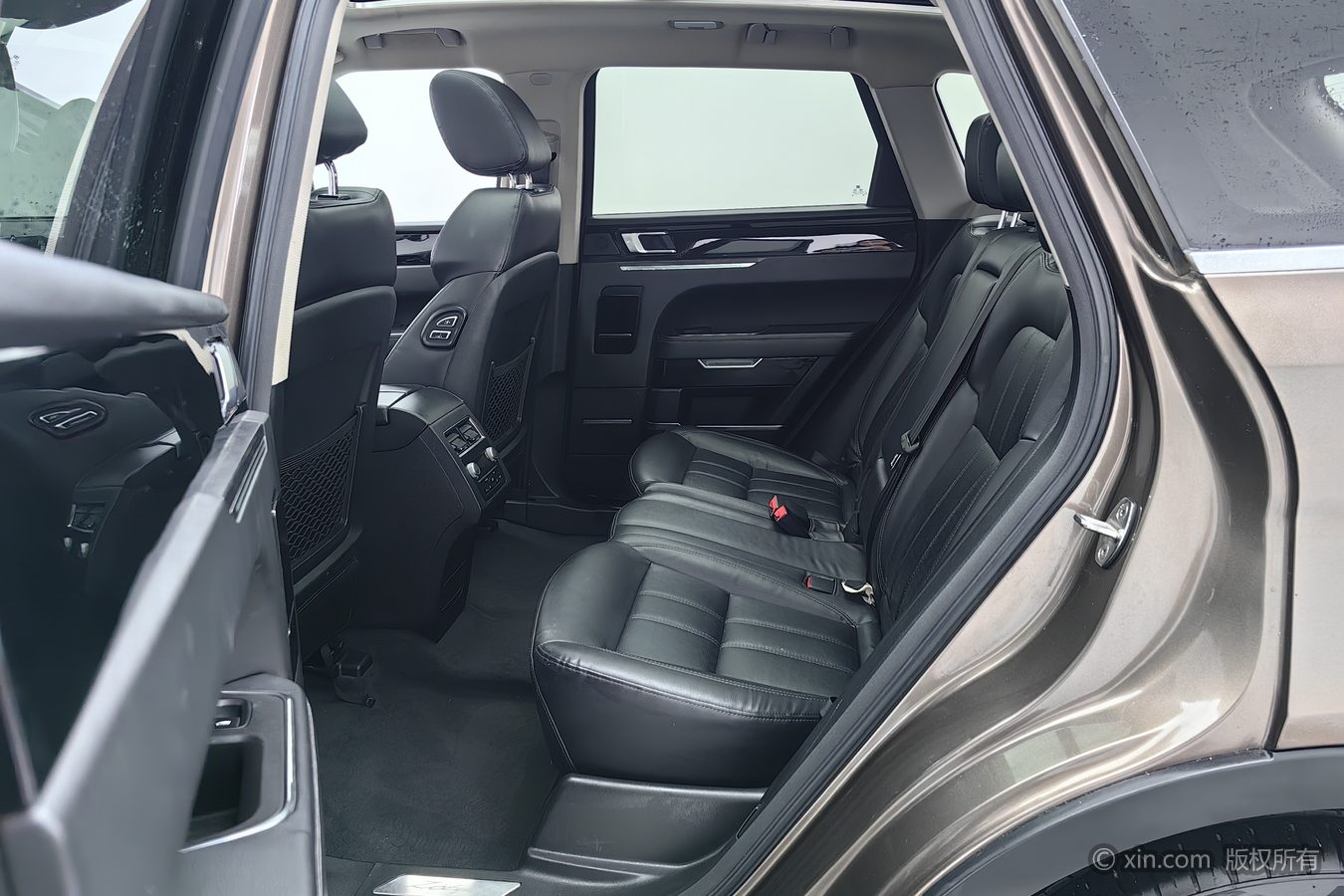
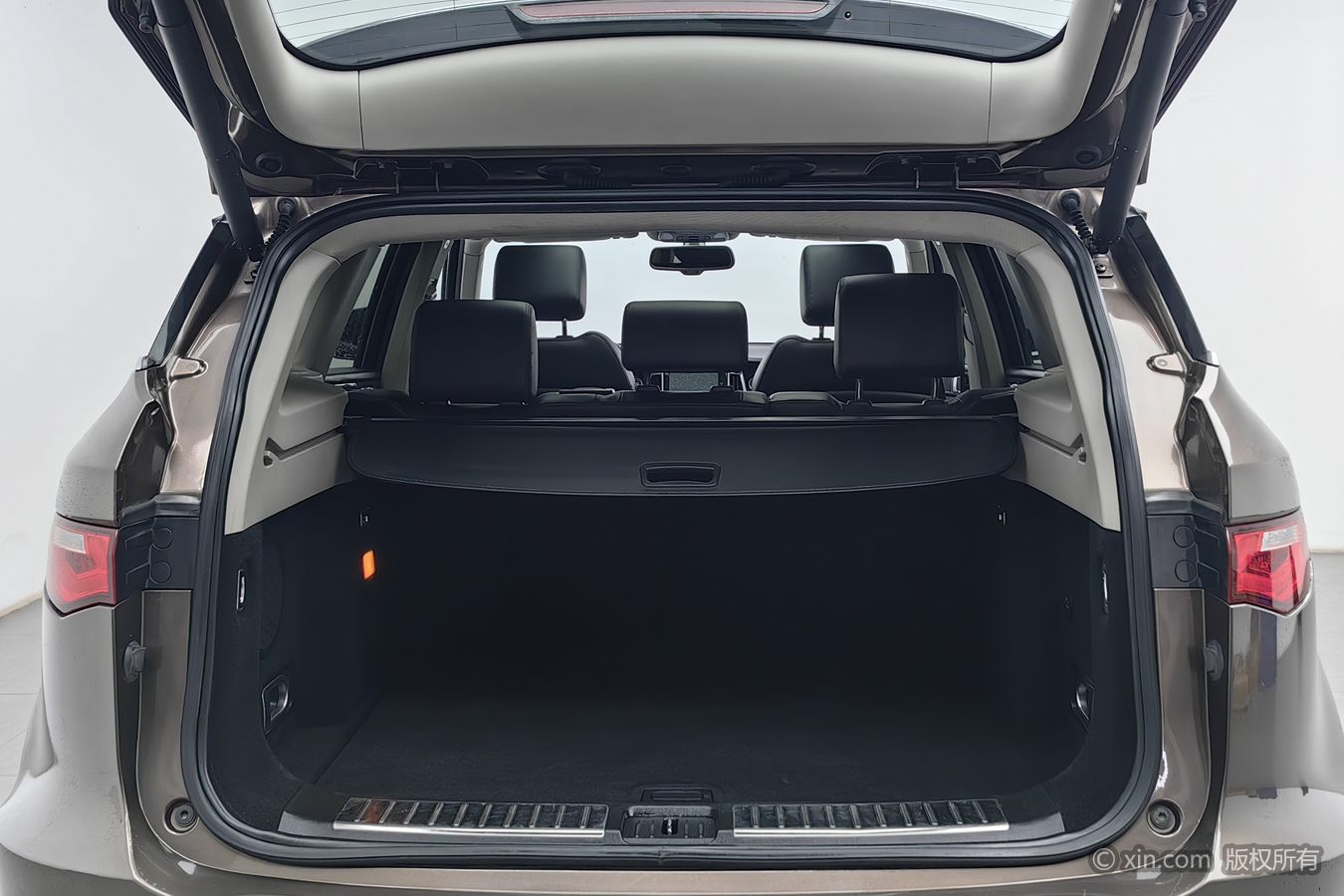
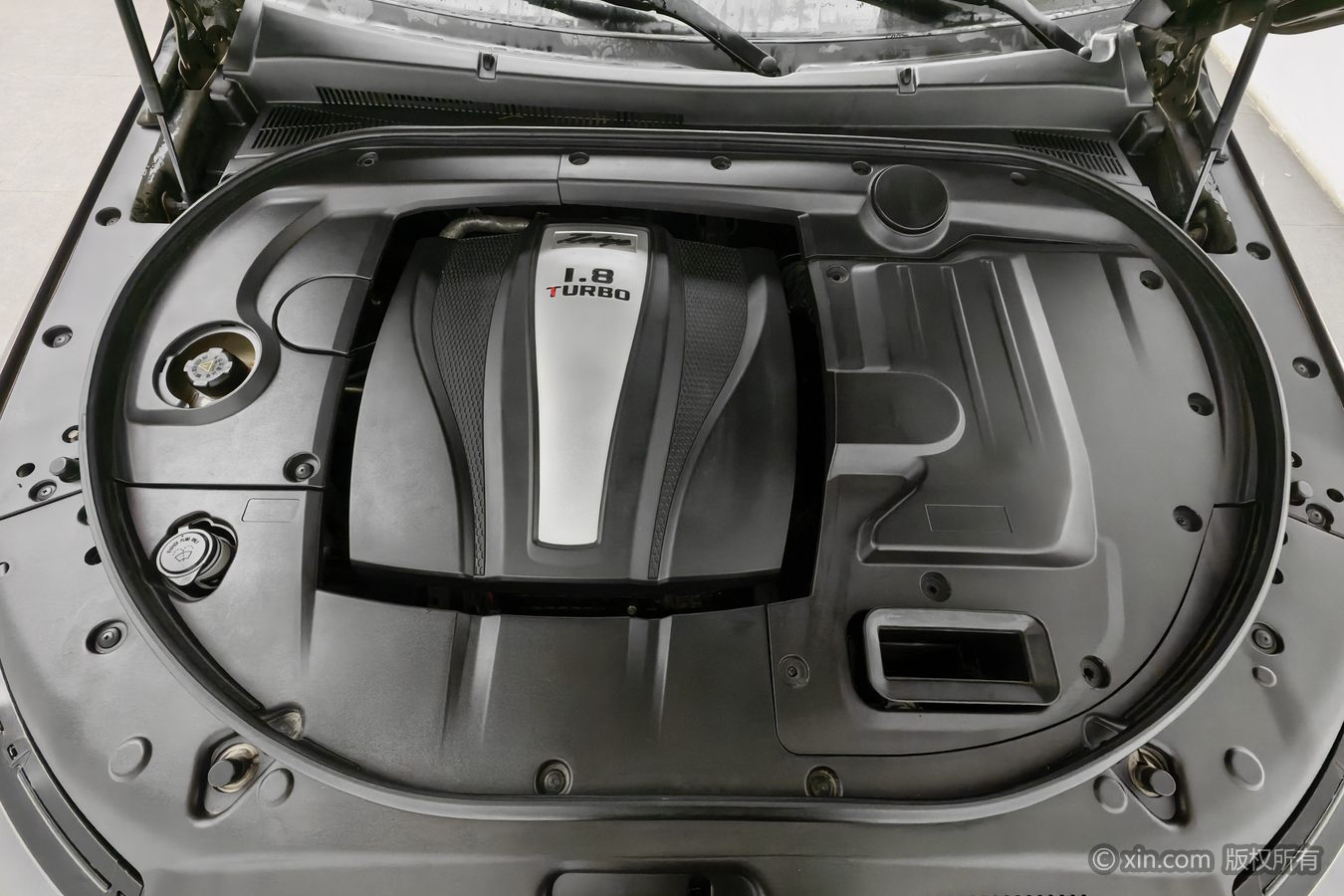



Basic Information

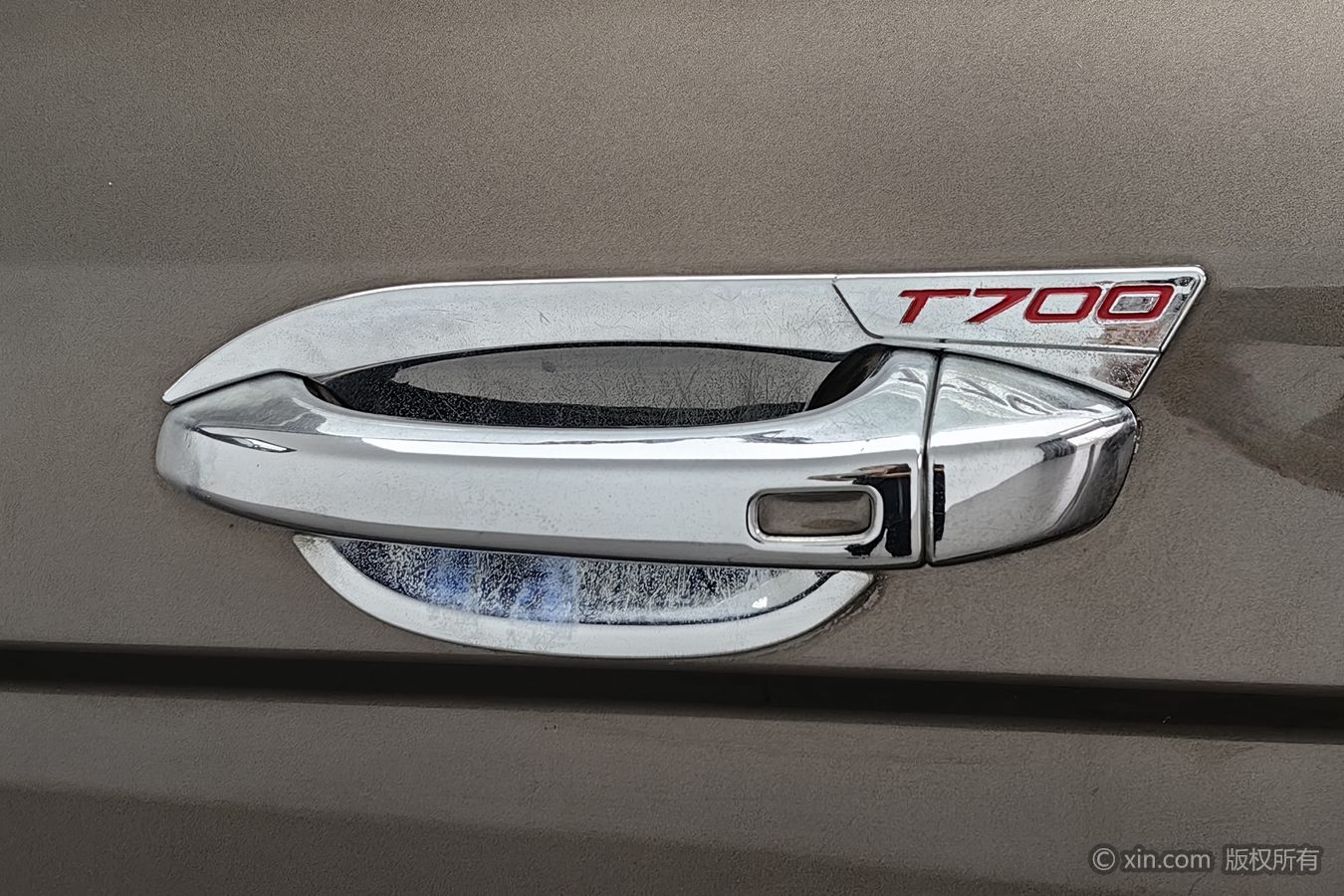
BrandZotye
Series-
Year2018
First Registration2018/01
Mileage63,000km
Transfer Count1times
FuelGasoline
TransmissionDCT
Engine1.8T 177 L4
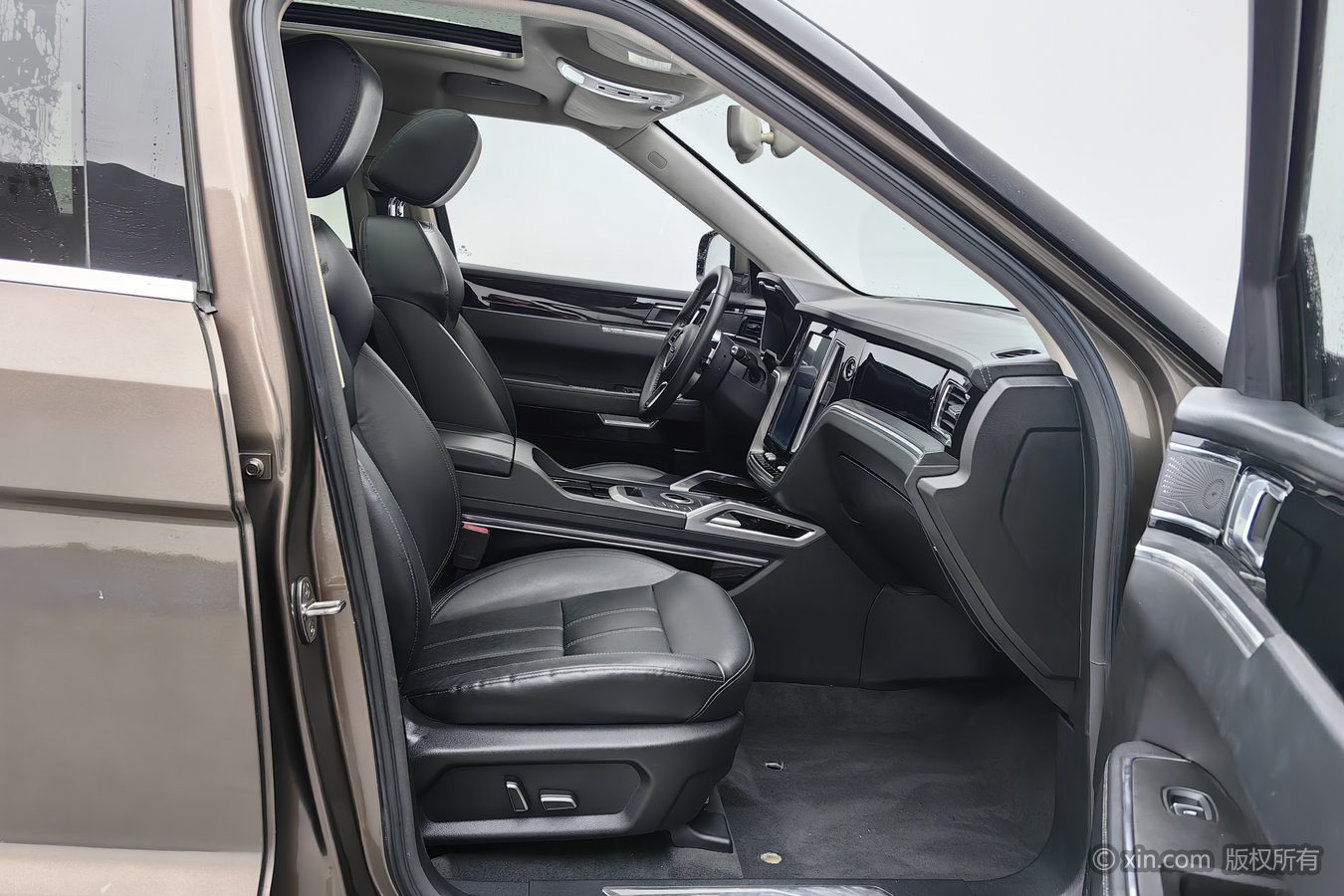
ColorBrown
Seats5seats

Condition Description

No odometer tampering, no structural damage, no water damage, no fire damage.

Configuration Highlights

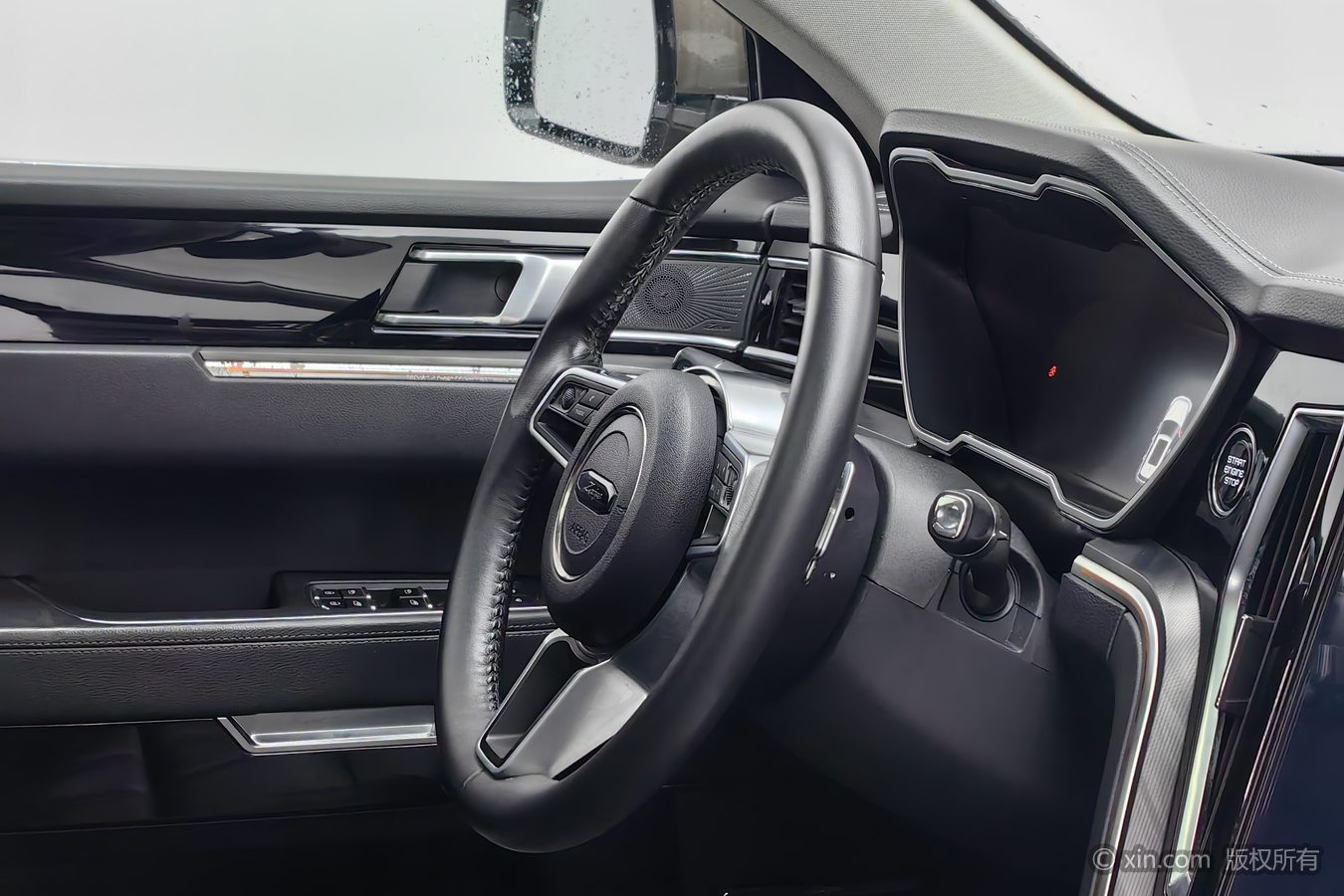
✓液晶仪表盘
✓感应后备箱
✓Auto Hold
✓Paddle Shifters

Document Information

Inspection Expiry Date2028/01
Warranty Expiry Date-
Insurance Expiry Date-

Q&A

More

How do I verify the maintenance and service history of a used car in China before buying it?

A complete service history tells you more about a car than its mileage. In China, most maintenance is done at authorized (4S) dealers, and each visit is recorded in the brand's national database. First, ask the seller for the service booklet and maintenance invoices, then have your inspection agent call the brand's 4S network with the VIN to pull the full service record. This shows oil changes, major repairs, recall work and accident-related repairs. Second, check that the mileage recorded at each service visit increases logically. A gap between the database mileage and the dashboard reading is a red flag. Third, ask for the annual inspection (nianjian) records, which are mandatory in China and show whether the car passed emissions and safety checks on time. If the seller claims a full service history but the database shows no records, assume the car was maintained at small independent shops or neglected. Adjust your offer accordingly — plenty of used cars in China have documented histories.


What does a professional pre-shipment inspection in China cover, and how do I book one independently of the seller?

A proper inspection covers roughly 200 checkpoints in four areas: 1. Body and paint: panel gaps, paint thickness readings, signs of accident repair. 2. Mechanical: engine health report, transmission behavior, suspension, underbody on a lift, fluid condition. 3. Electronics: full OBD diagnostic scan, airbag history, all lights and comfort features. 4. Documentation: VIN matches everywhere, no lien or seizure record. You can book directly with inspection companies in Guangzhou, Shanghai, or Tianjin (typically USD 100–250) without going through the seller—give them the yard address and car details, and they send a report with photos and video within 1–2 days. Pay the inspection fee yourself so the inspector answers to you, not the exporter.

RoRo, container, or flat rack: which shipping method should I choose for a used car from China?

RoRo (roll-on/roll-off): the cheapest per car for running vehicles. Cars are driven onto the vessel and secured on decks. Transit to major ports (Jebel Ali, Rotterdam, Karachi) takes 15 to 35 days. Downside: cars are exposed to weather and salt air, and minor handling scratches happen occasionally. Container (20ft/40ft): one 40ft high-cube fits one car with parts, or two small cars with racking. Cost is higher than RoRo but cars are sealed and protected. Best for high-value vehicles, EVs (battery safety rules often require container), or when shipping spare parts together. Flat rack: for oversized vehicles (trucks, buses, modified cars). Priced per dimensions. Practical advice: for a standard used car to a port with RoRo service, choose RoRo and add marine insurance (0.3%–0.8% of value). If your destination lacks RoRo calls or you ship an EV, use a container. Always get the booking confirmation and bill of lading copy before paying the final balance.