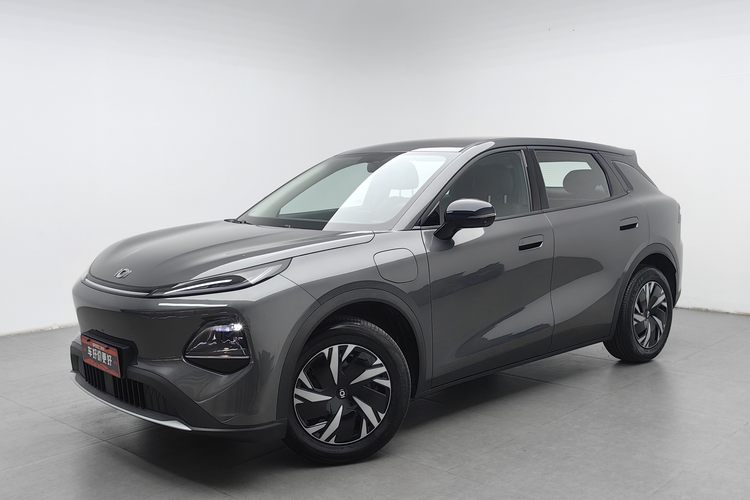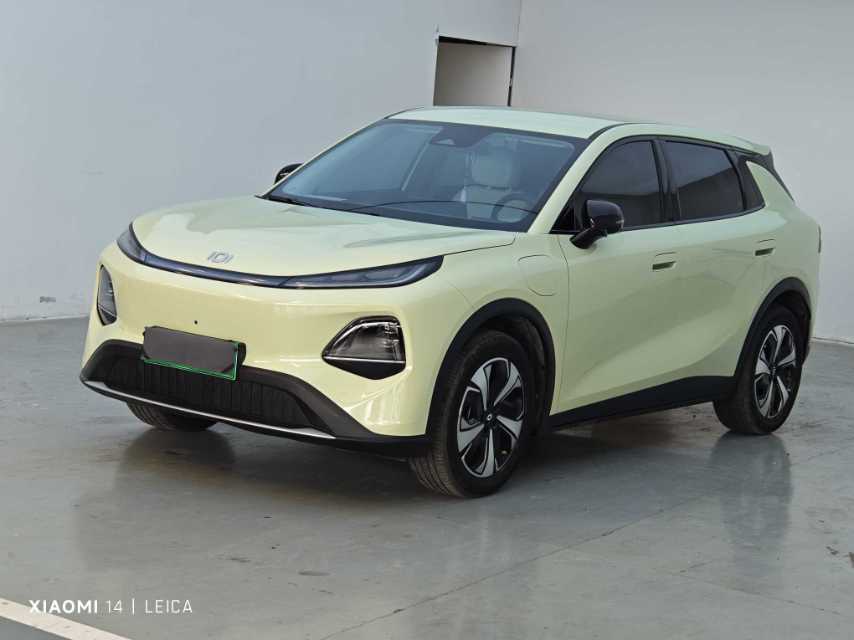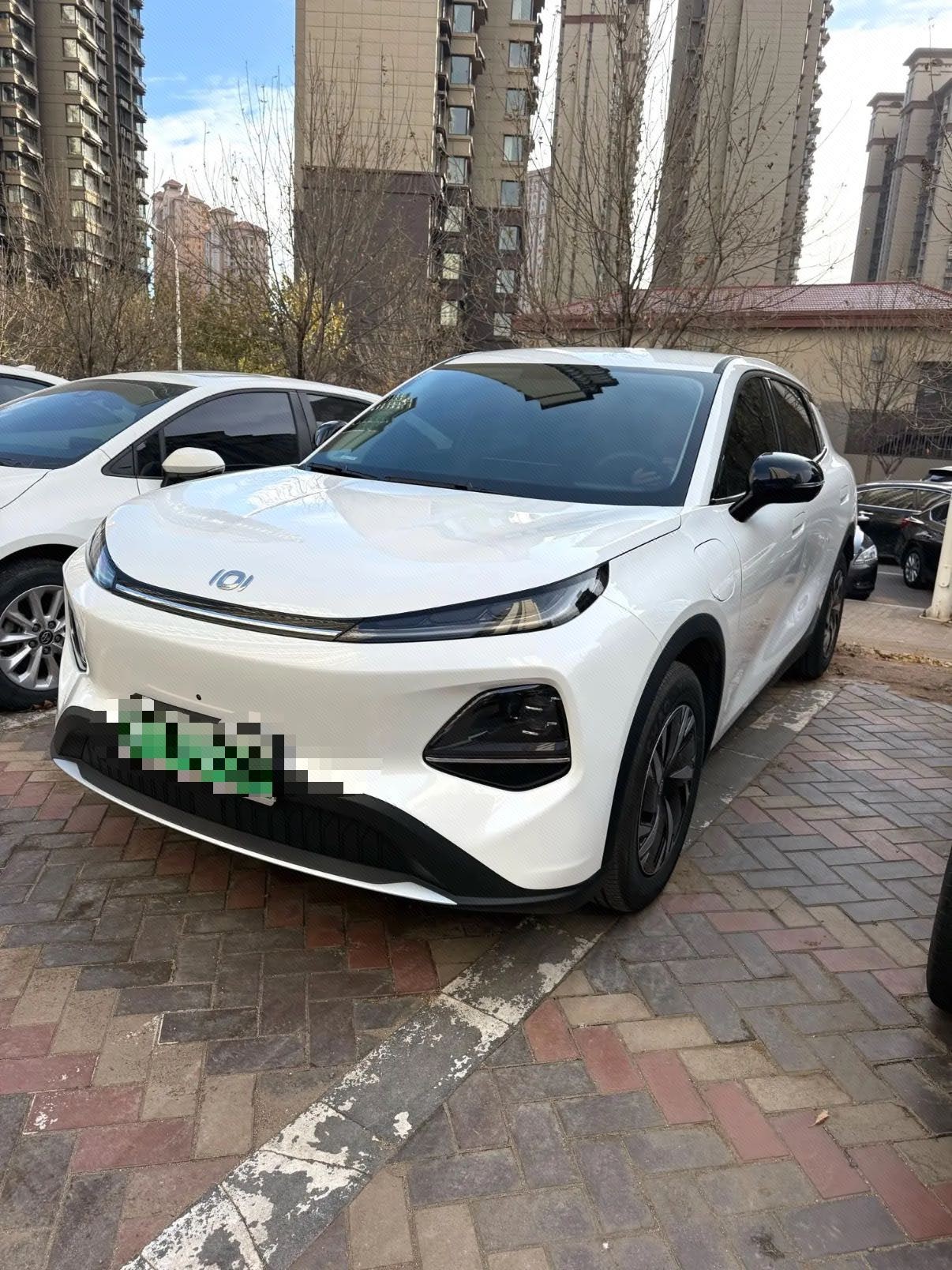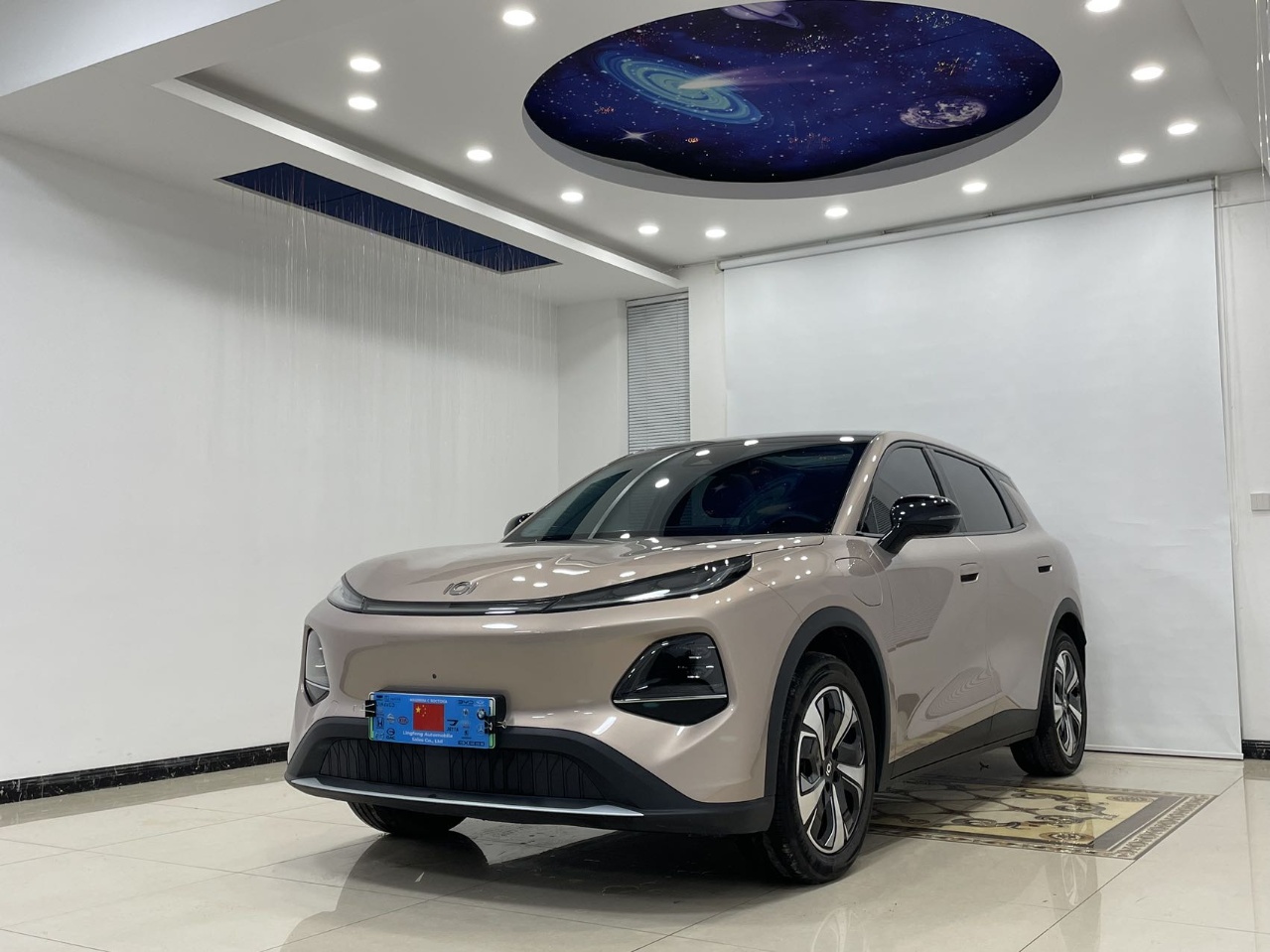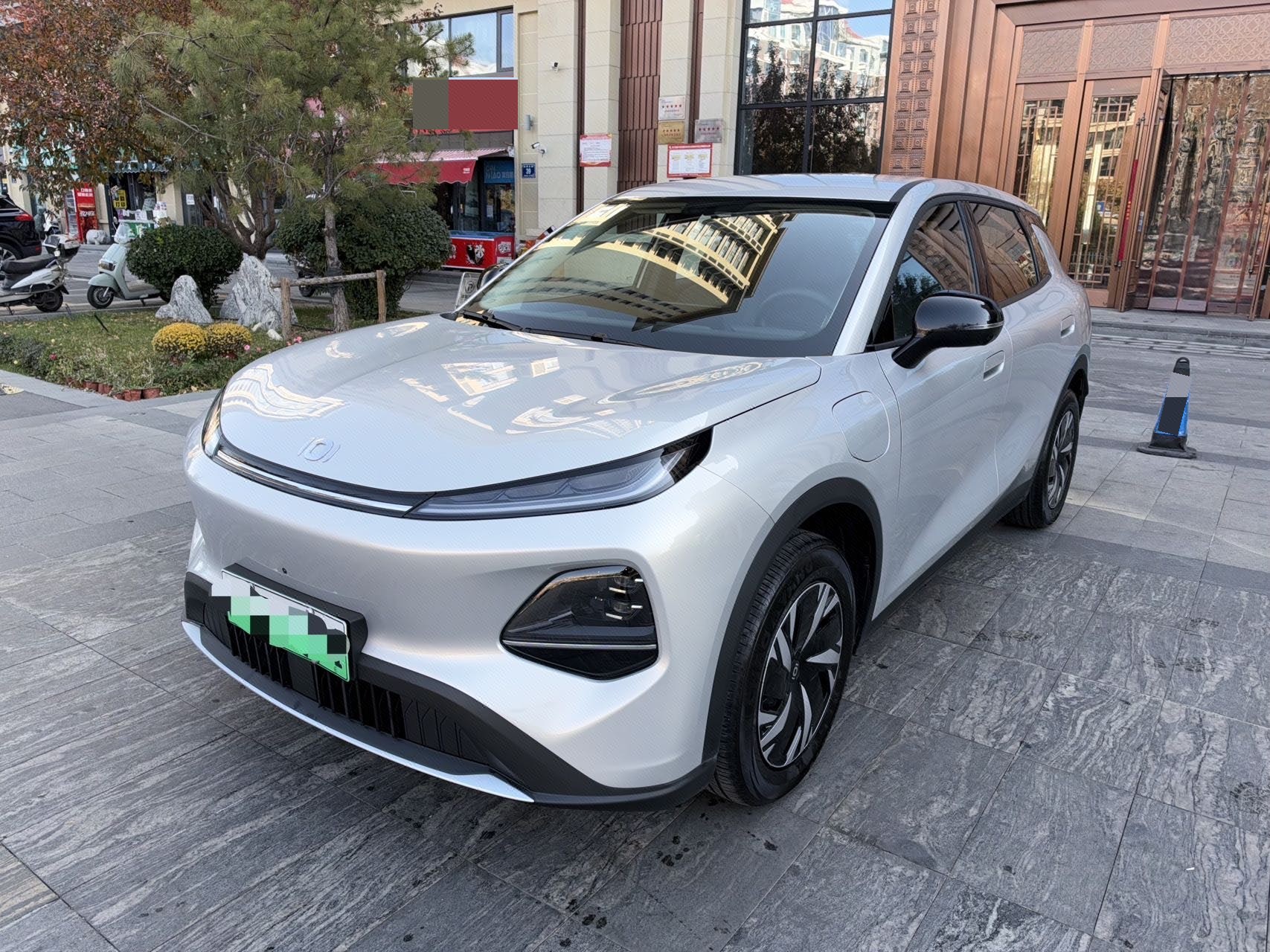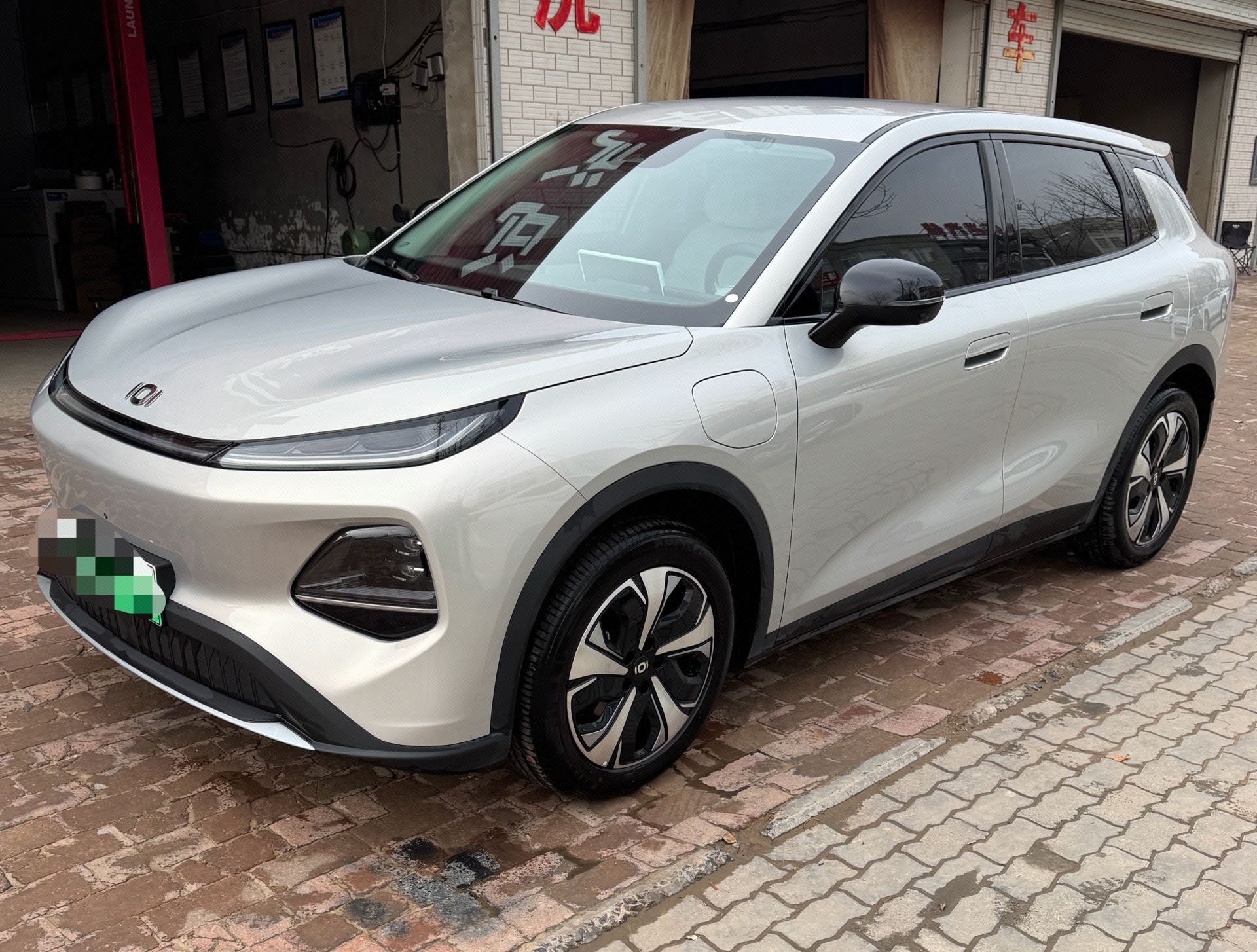
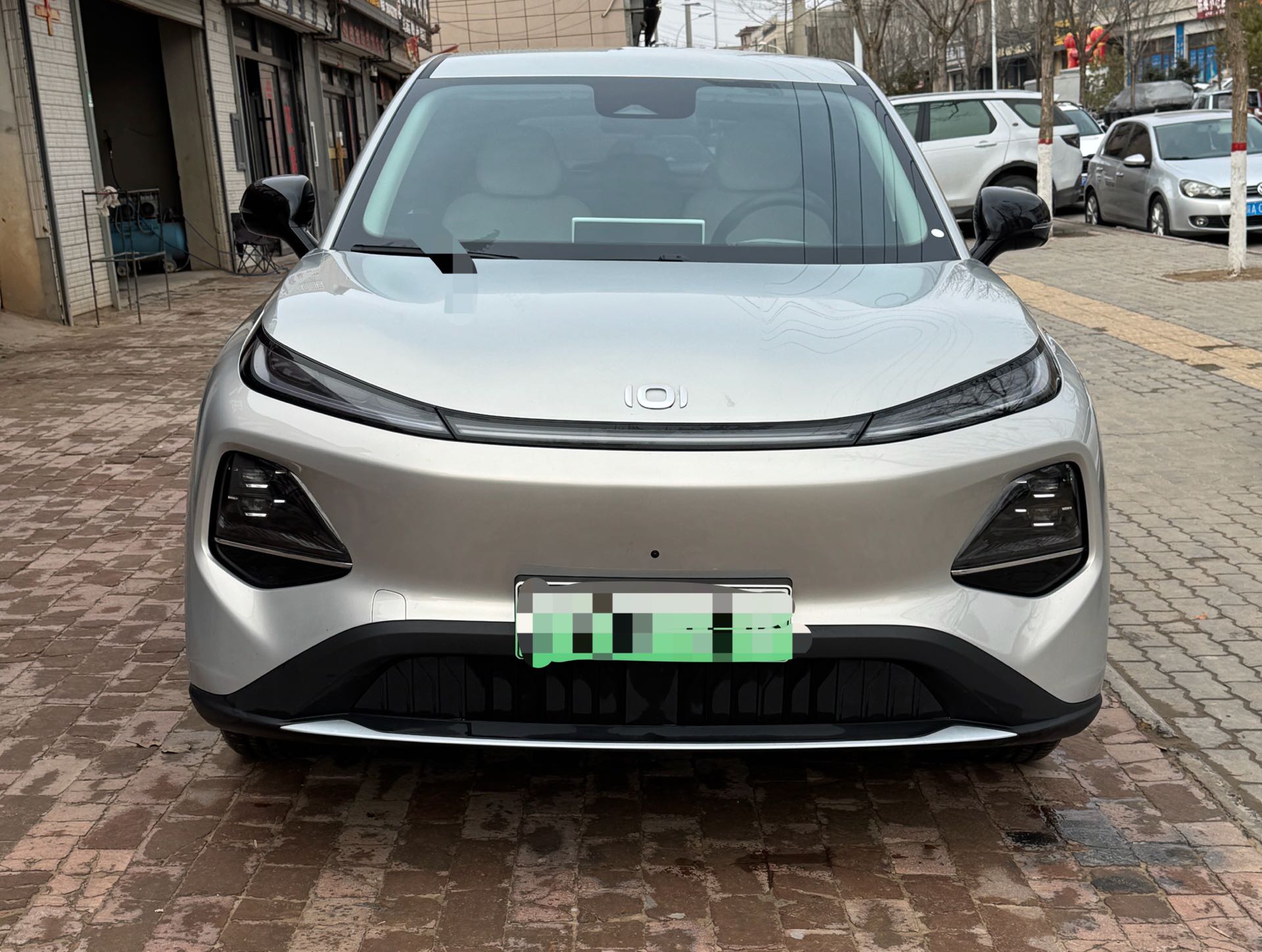
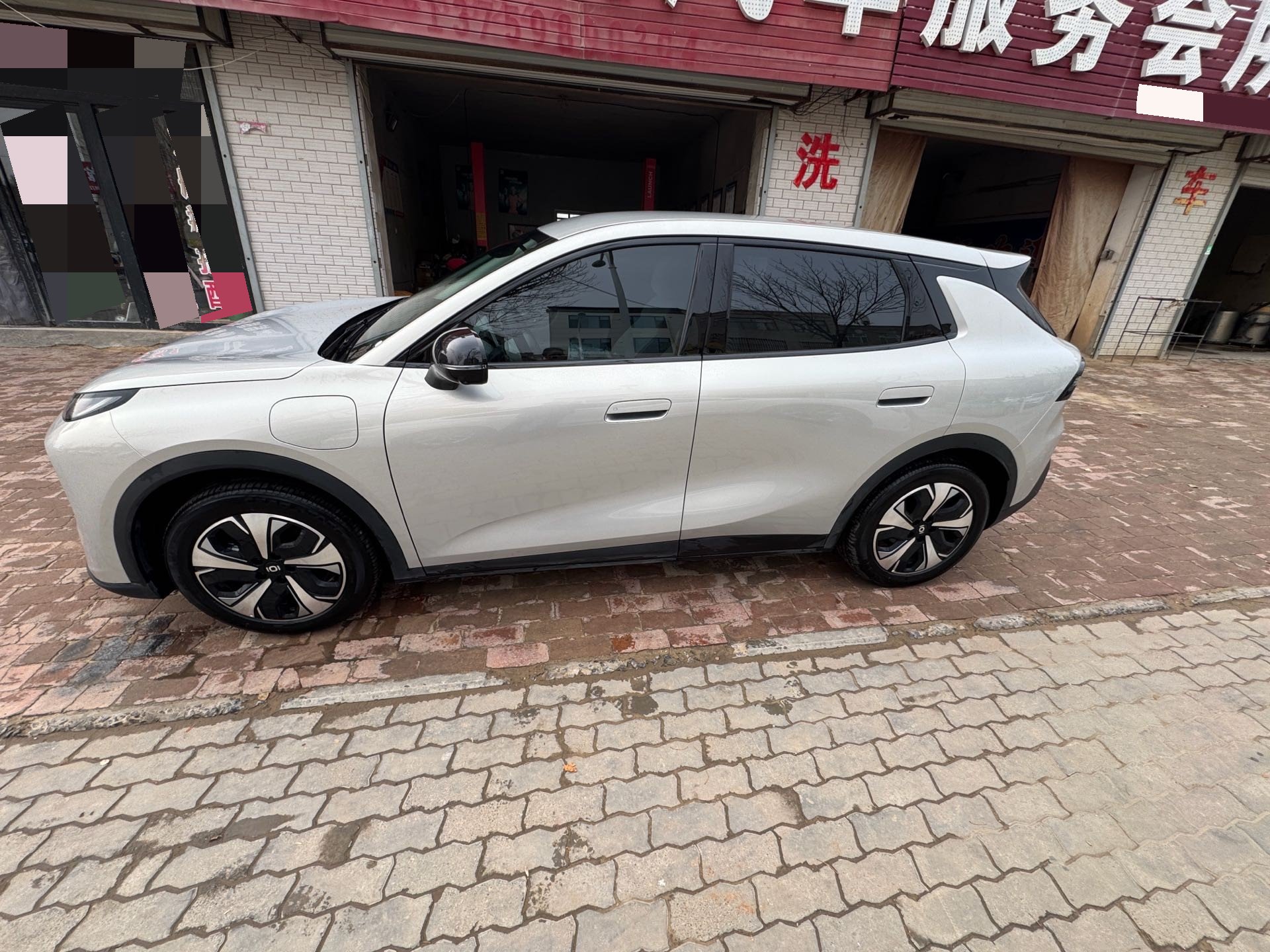
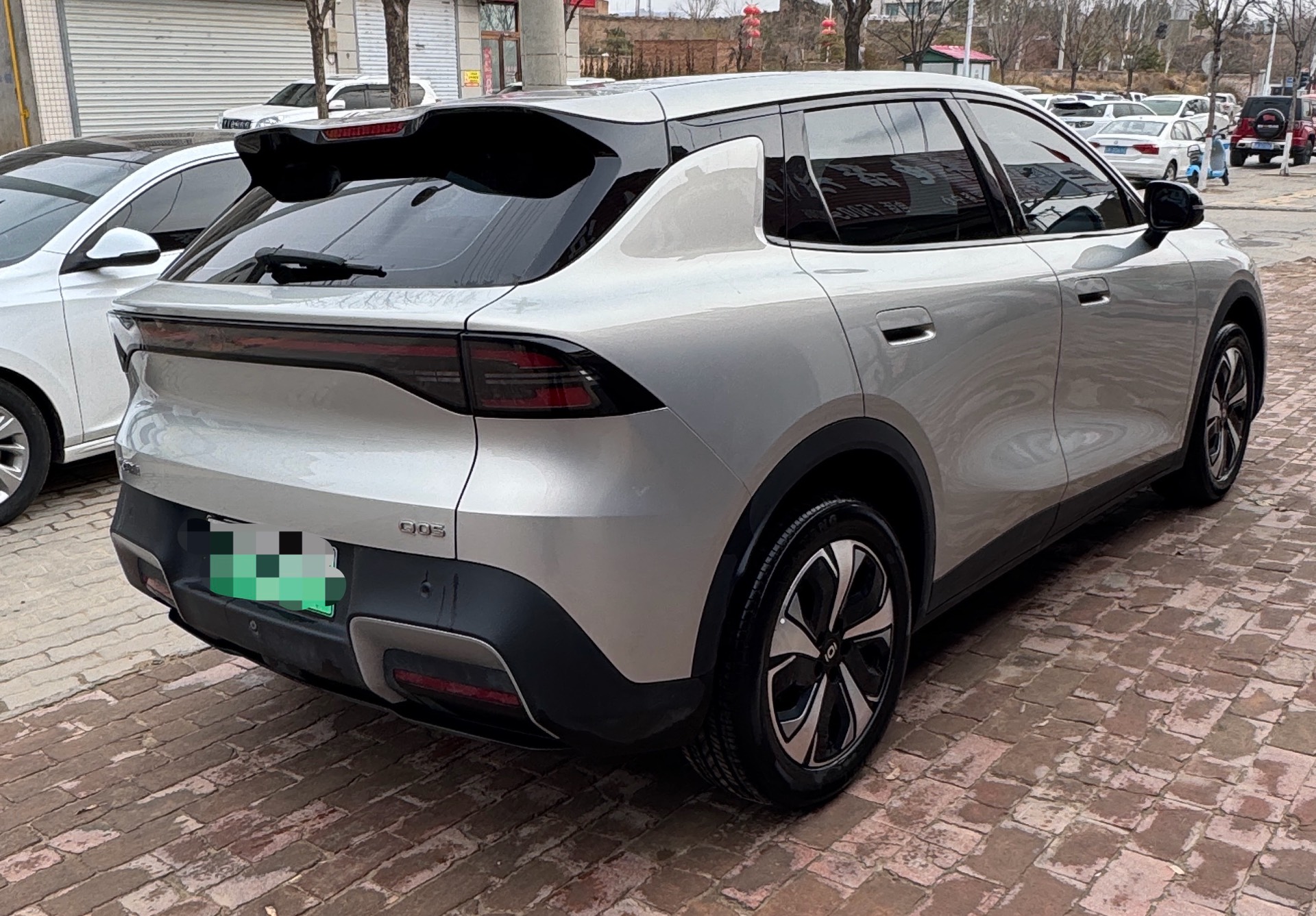
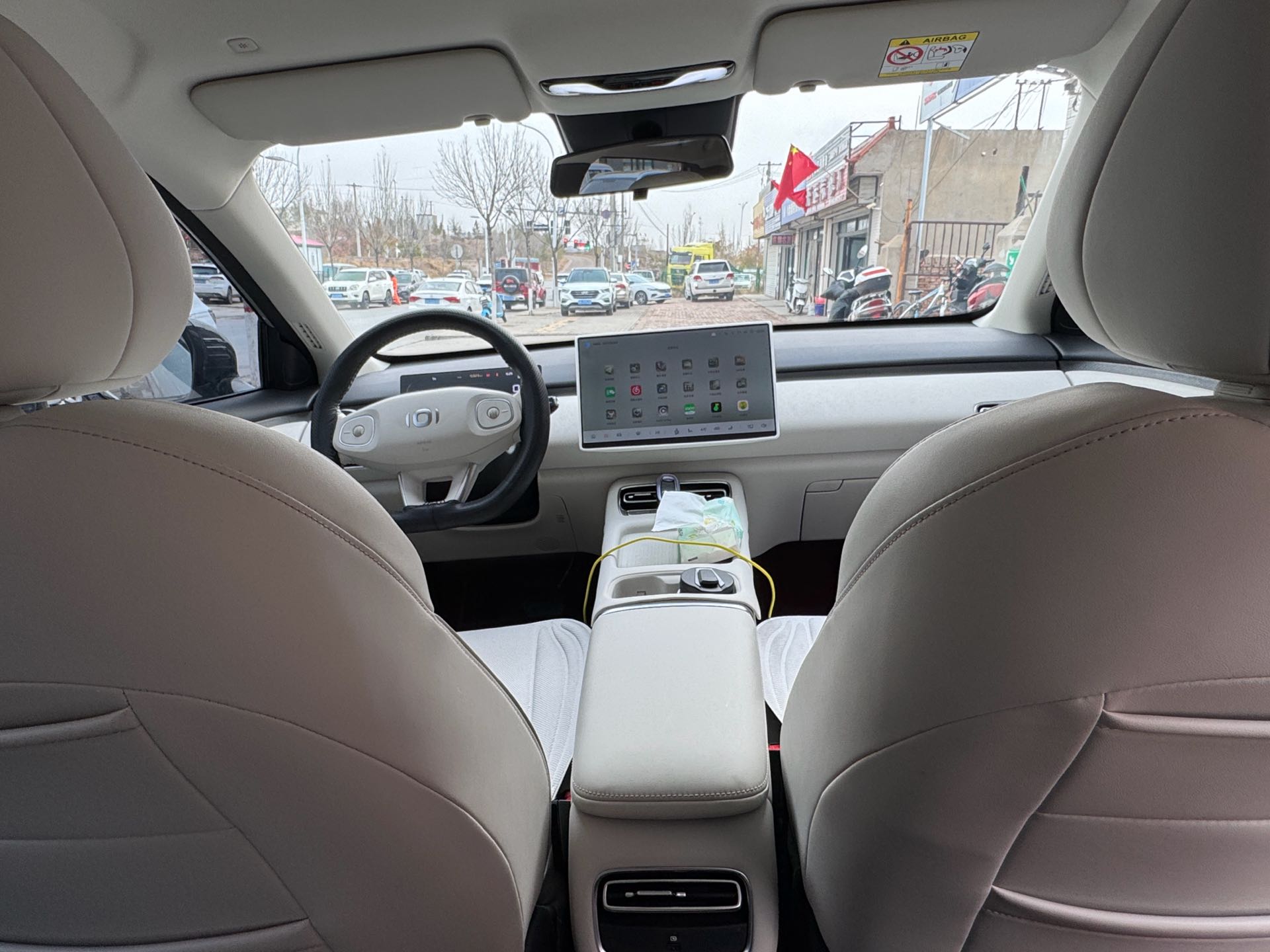
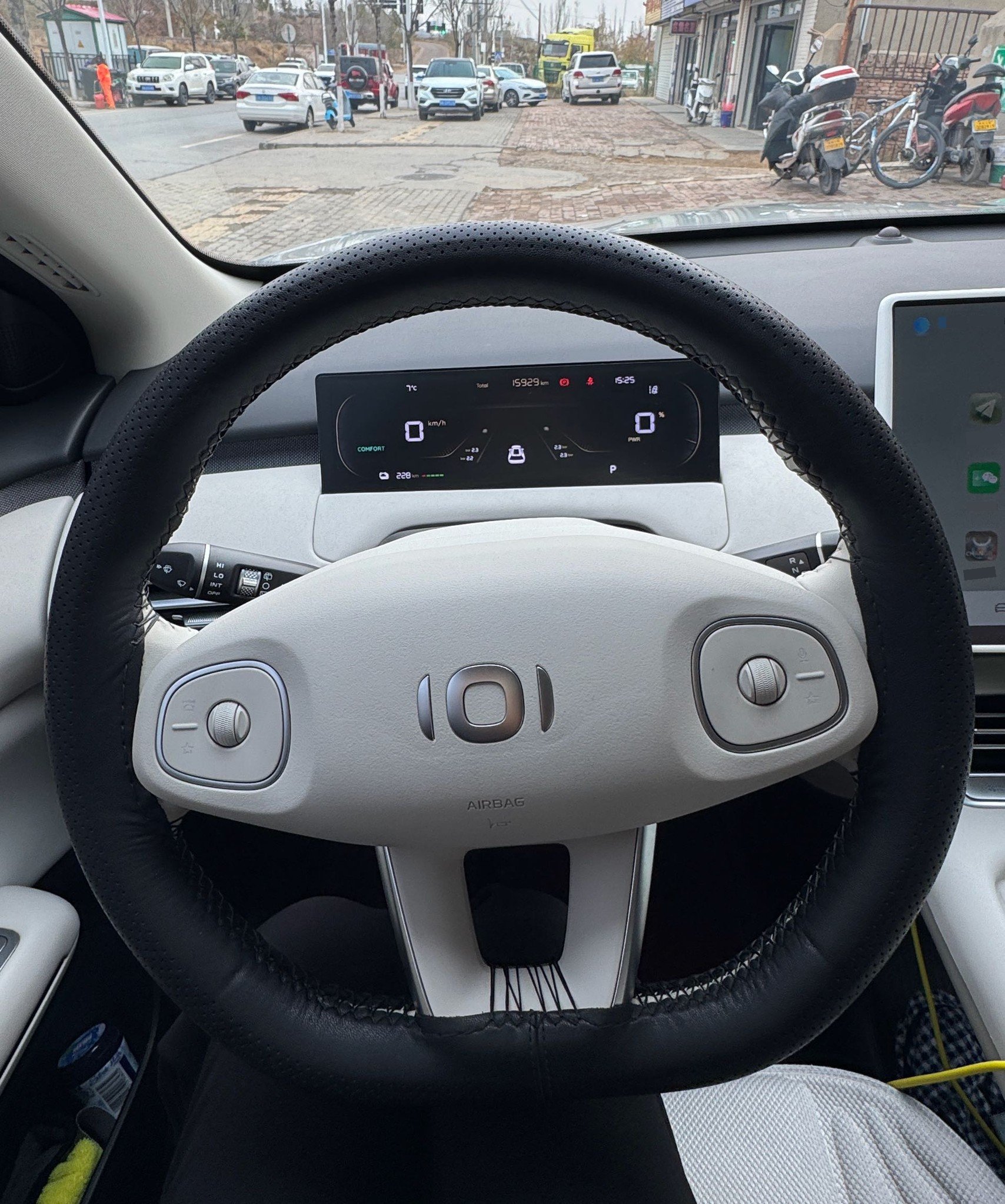



Basic Information

Brand-
Series-
Year2026
First Registration2026/04
Mileage16,000km
Transfer Count0times
FuelOther
TransmissionOther
Engine-
ColorOther
Seats-

Condition Description

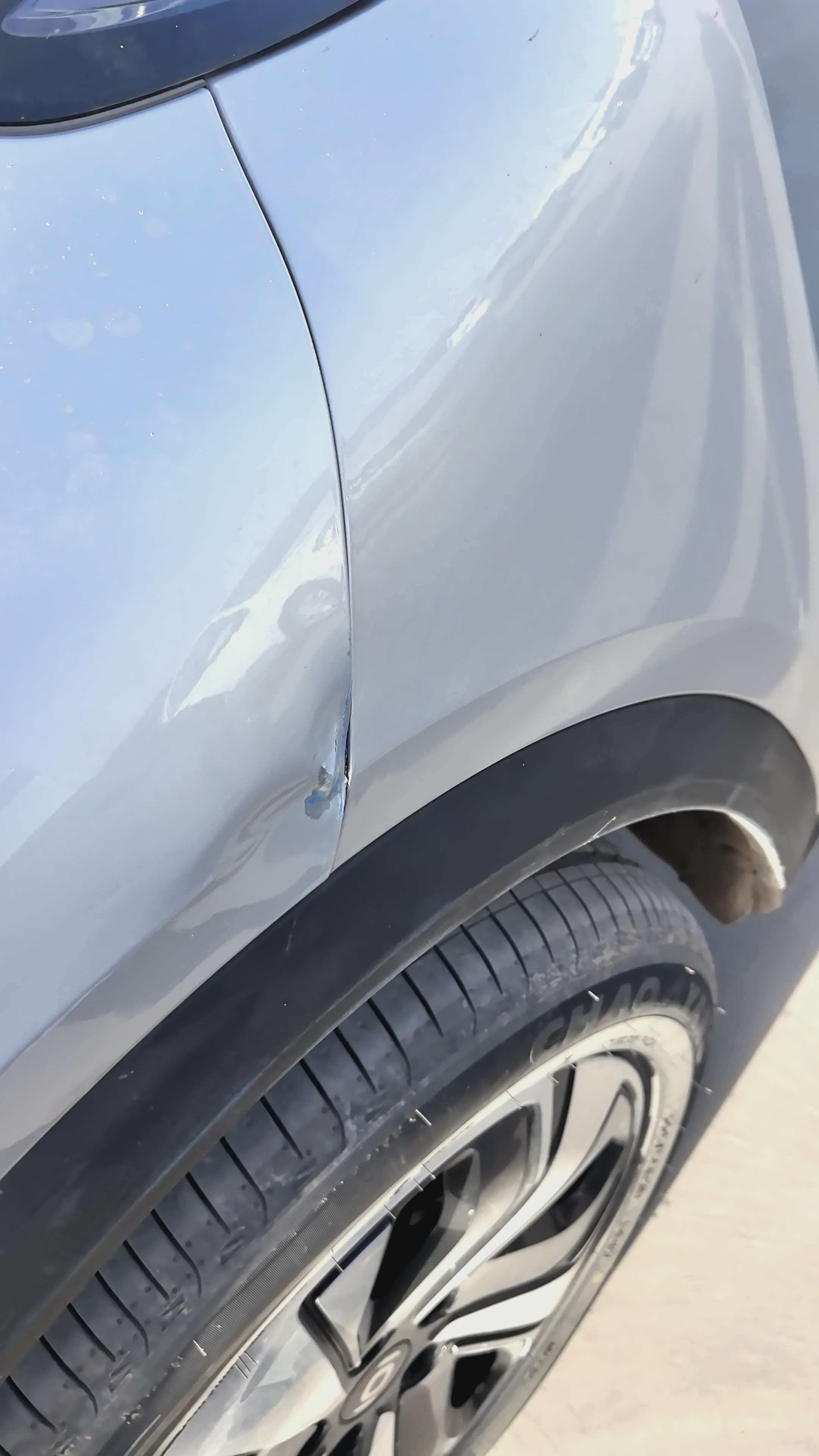
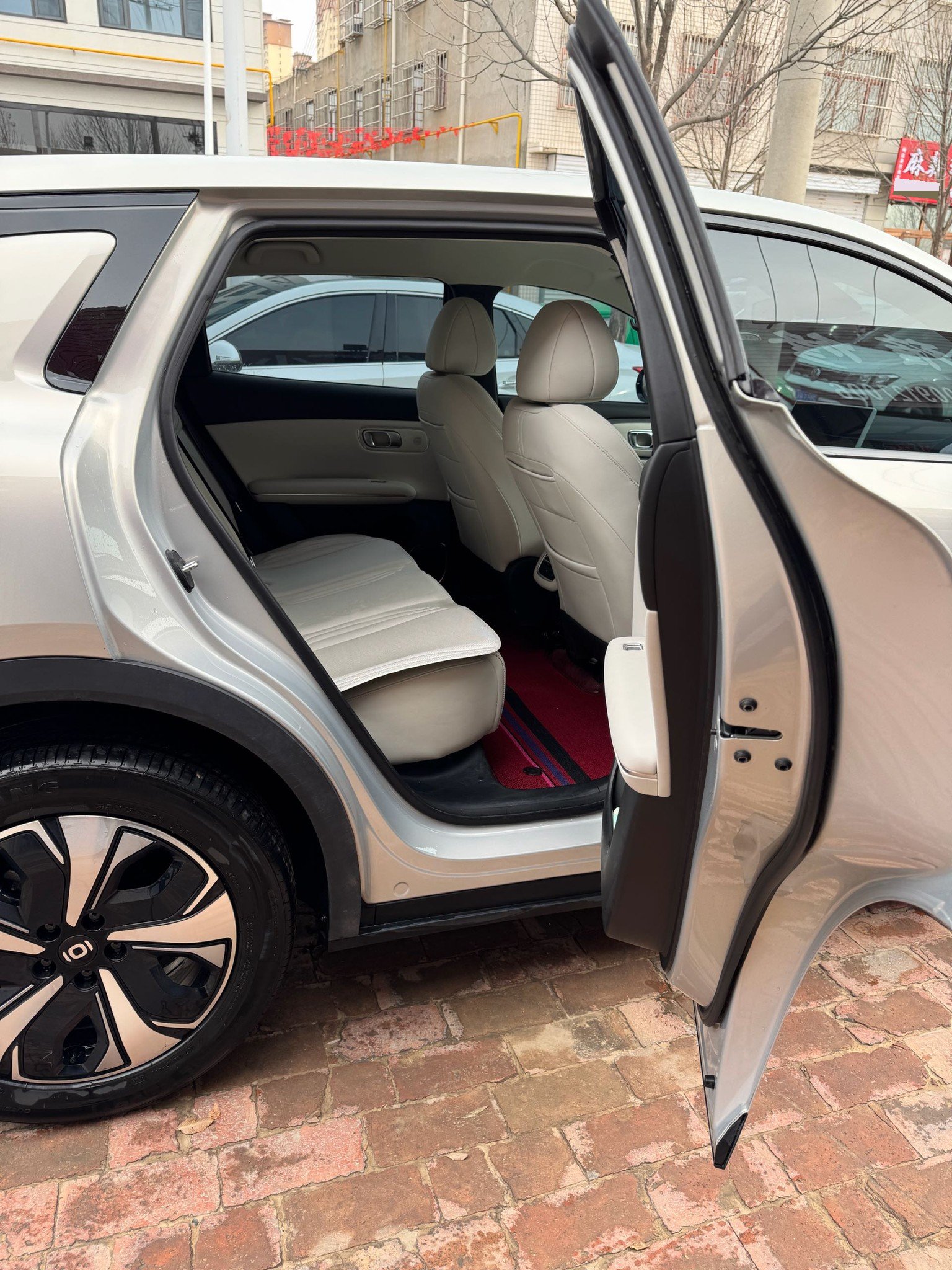
Original condition, one fender repainted.

Document Information

Inspection Expiry Date-
Warranty Expiry Date-
Insurance Expiry Date2027/04

Q&A

More

How do I check whether a used car from China has a clean title — no theft, flood, fire, or major accident record?

A clean title check has three layers. First, run the VIN through maintenance records: dealers in China log service visits with mileage, and gaps or mileage rollbacks are red flags. Second, pull insurance claim history — major accidents, fire and flood damage usually leave claim records even if the car was repaired well. Third, verify registration status: confirm the car is not under finance, court seizure, or theft report. From overseas, you can engage a local inspection agency or law firm to retrieve these records and issue a written report. Cross-check the VIN and engine number on the report against the registration certificate; any mismatch means walk away.


Are there specific photos or reports from the lift perspective regarding the concealed parts of the chassis (such as the suspension system and shock absorber leaks)?

Definitely. Lifting the chassis is a mandatory part of our standards. The report will specifically show whether there are oil stains on the front and rear shock absorber cylinders, if the rubber boots of the lower control arm ball joints are torn, and if the steering tie rods are loose or deformed.

Besides the purchase price, what other fees should I budget for when importing a used car from China?

The purchase price is only part of your total landed cost. Plan for these items: - Inland transport in China: moving the car from the seller's city to the export port, plus transfer and inspection fees. - Export fees: customs declaration, port handling, and terminal charges. Ask for an FOB (Free On Board) quote so these are included. - Ocean freight: RoRo (roll-on/roll-off) is cheapest for regular cars, but EVs often require special containers or dedicated EV shipping due to battery regulations, which costs more. - Insurance: marine cargo insurance, typically 1-3% of the car's value. - Import side: import duty, VAT or sales tax, customs brokerage, port charges at destination, and any homologation or compliance testing fees. As a rule of thumb, add 25-40% on top of the FOB price for a realistic landed-cost estimate, depending on your country's tax rates. Get a written breakdown from both your supplier and a customs broker before committing.