
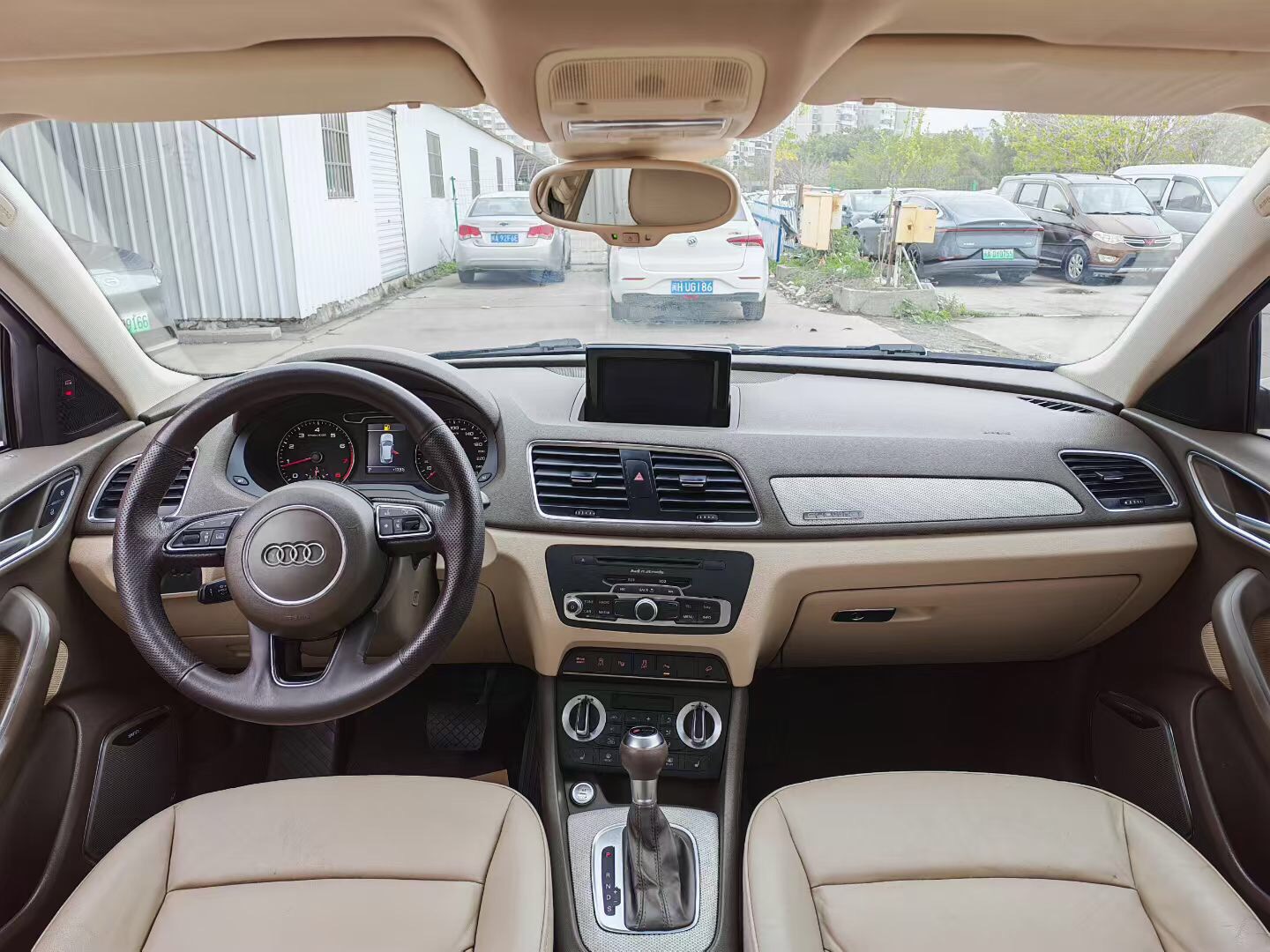
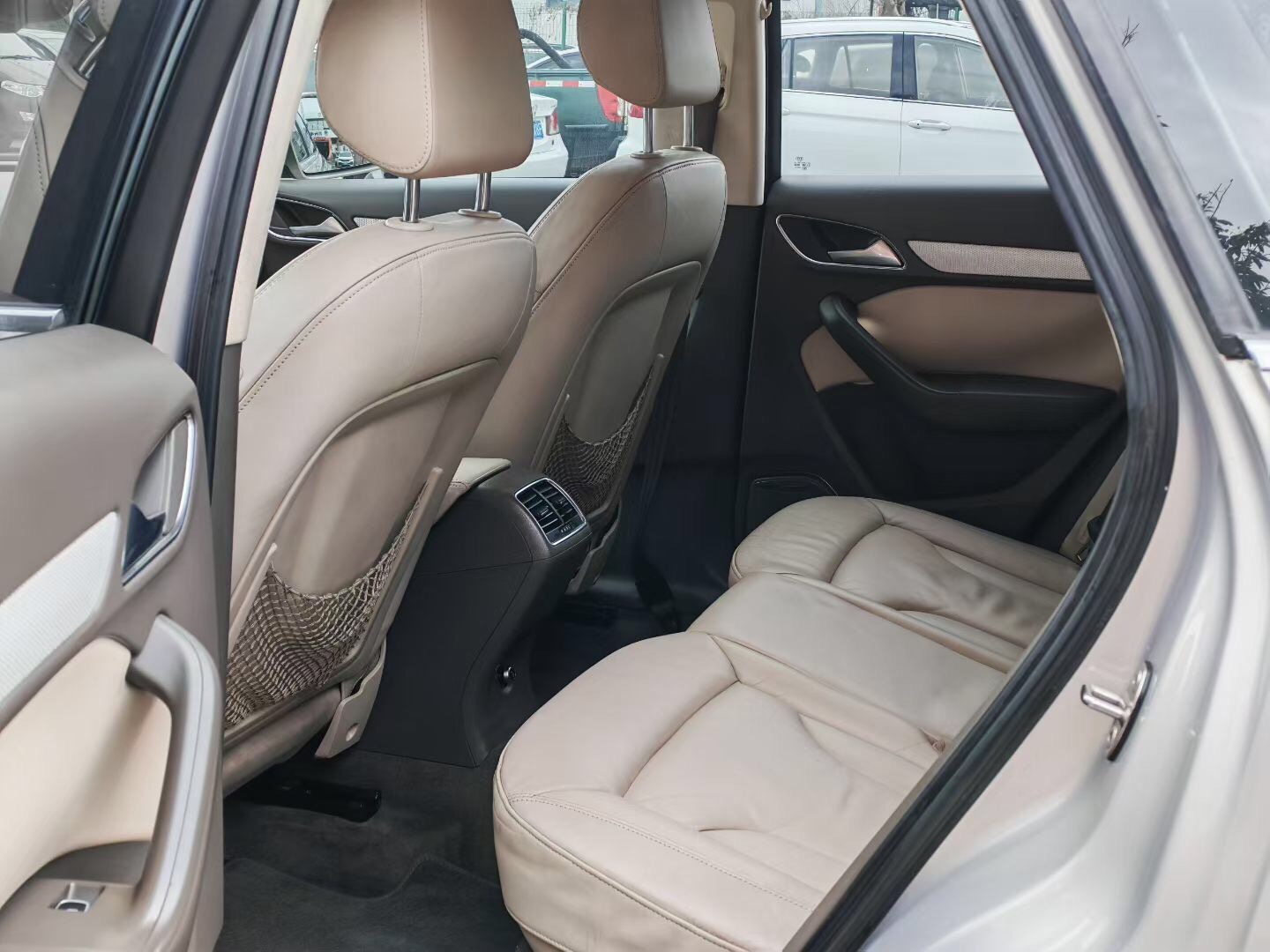
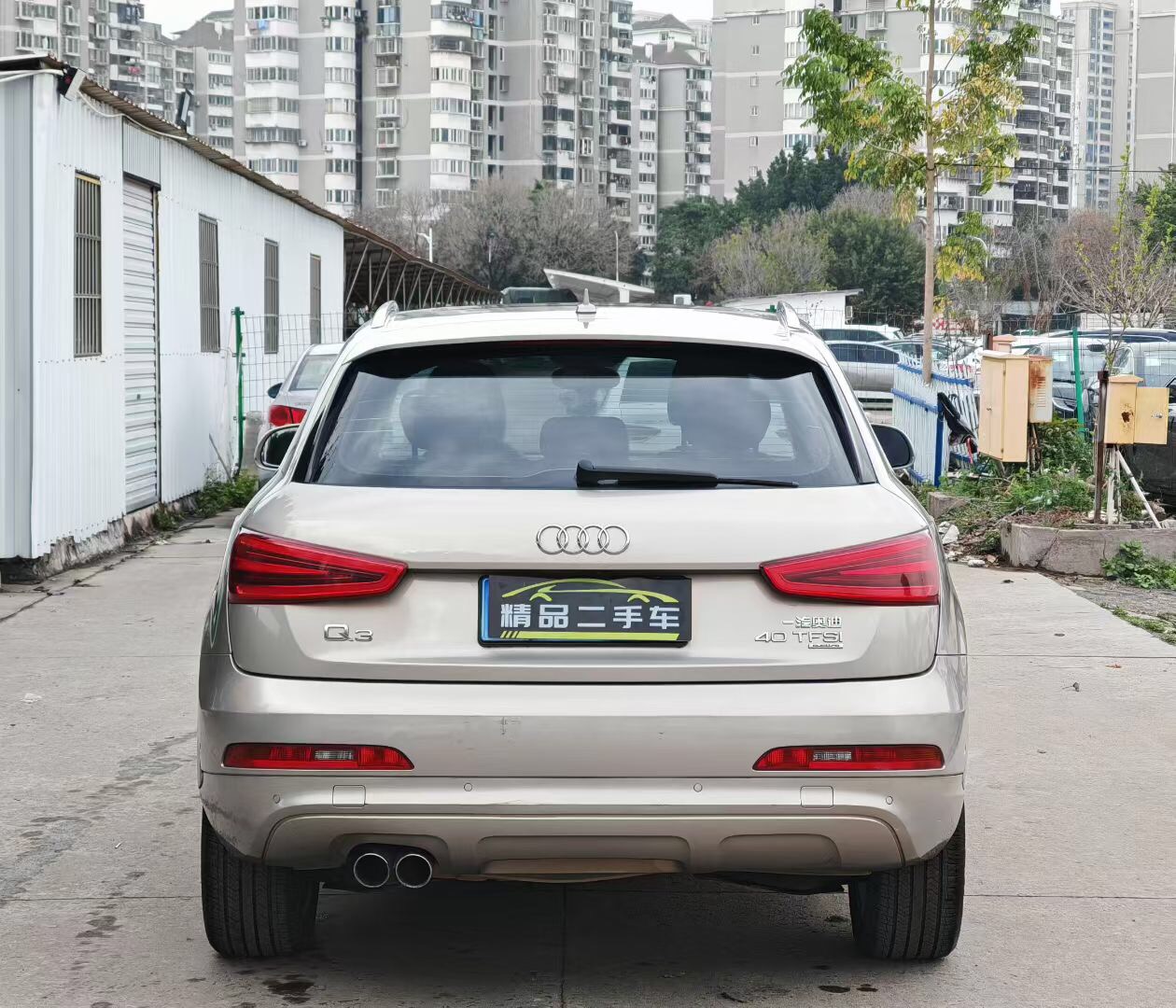
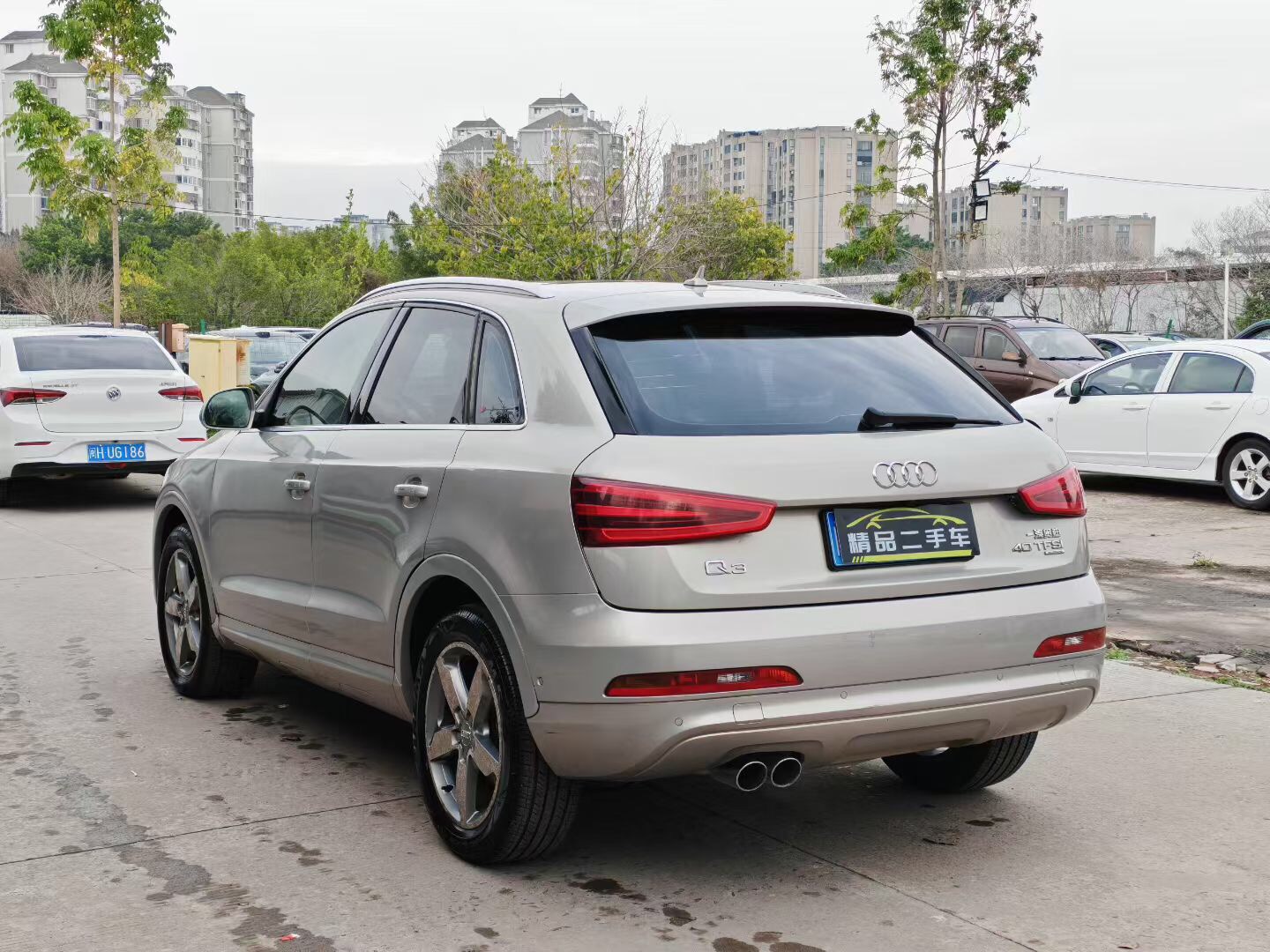



Basic Information

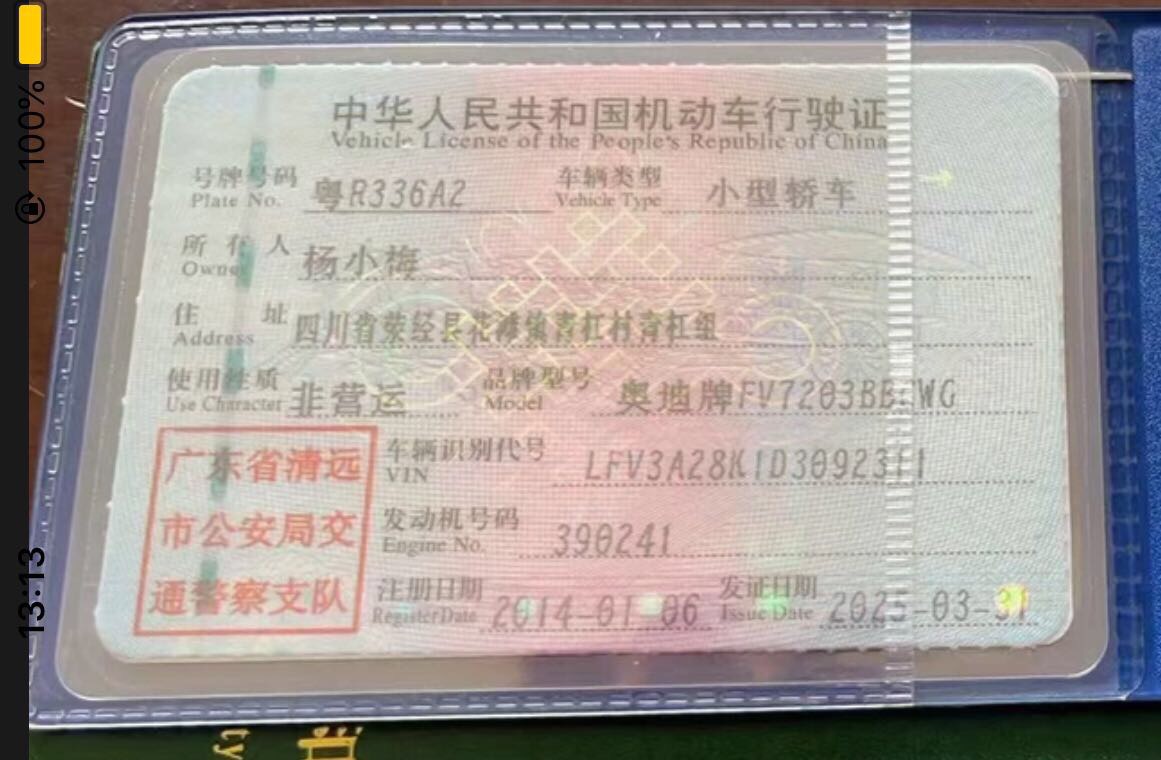
BrandAudi
SeriesQ3
Year2014
First Registration2014/01
Mileage60,000km
Transfer Count0times
FuelGasoline
TransmissionDCT
Engine2.0T 200 L4
ColorOther
Seats-

Condition Description

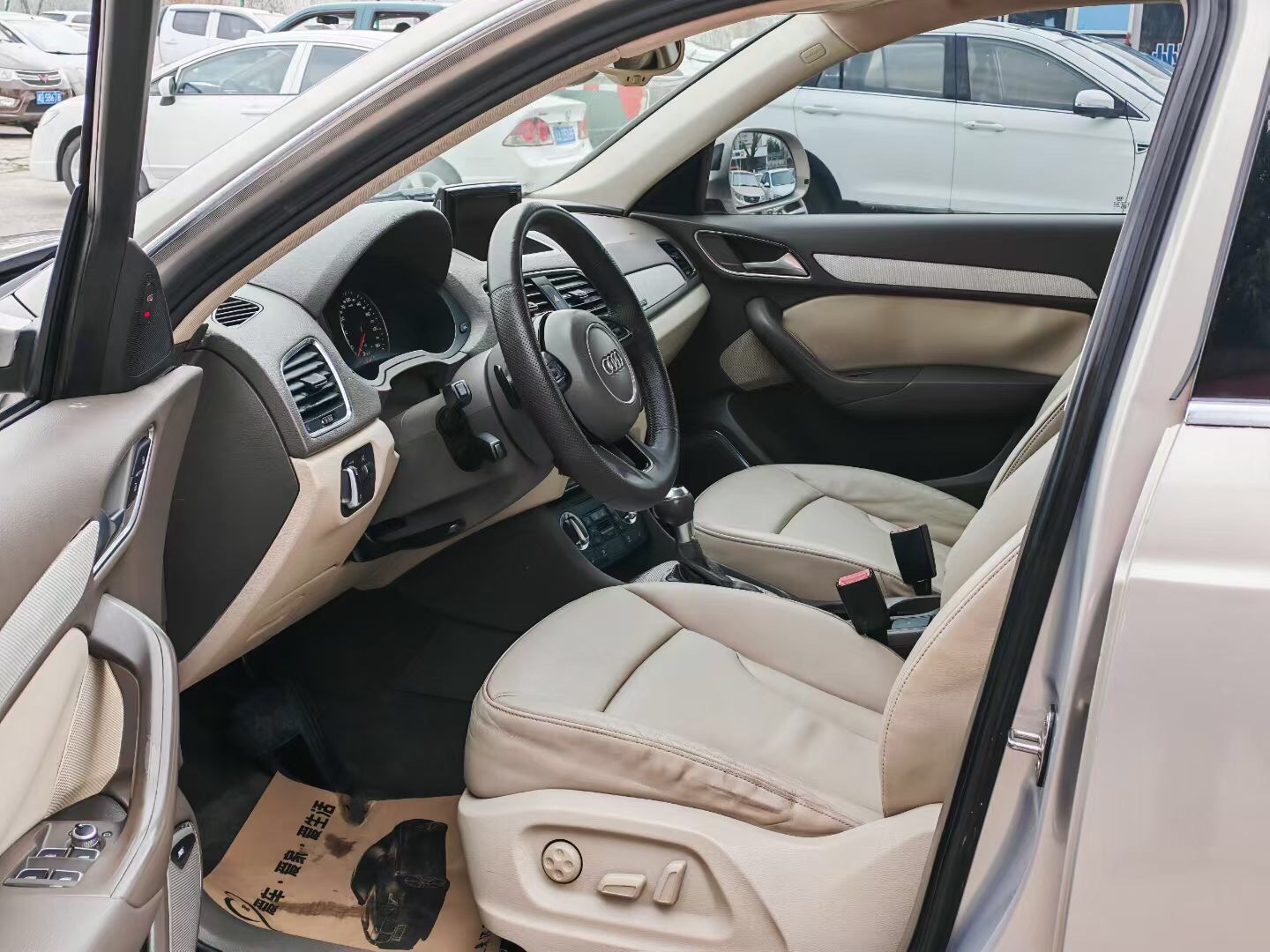
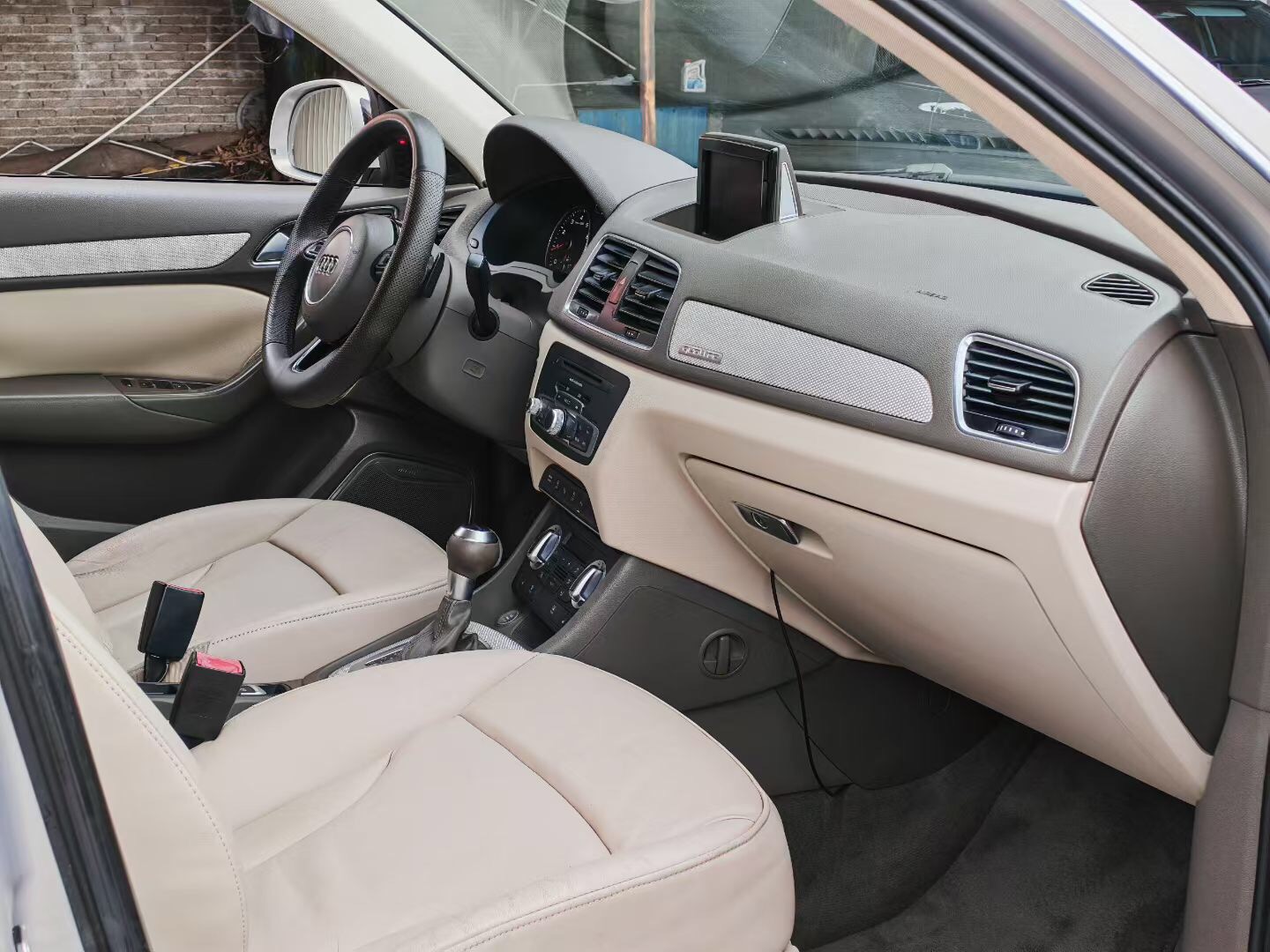
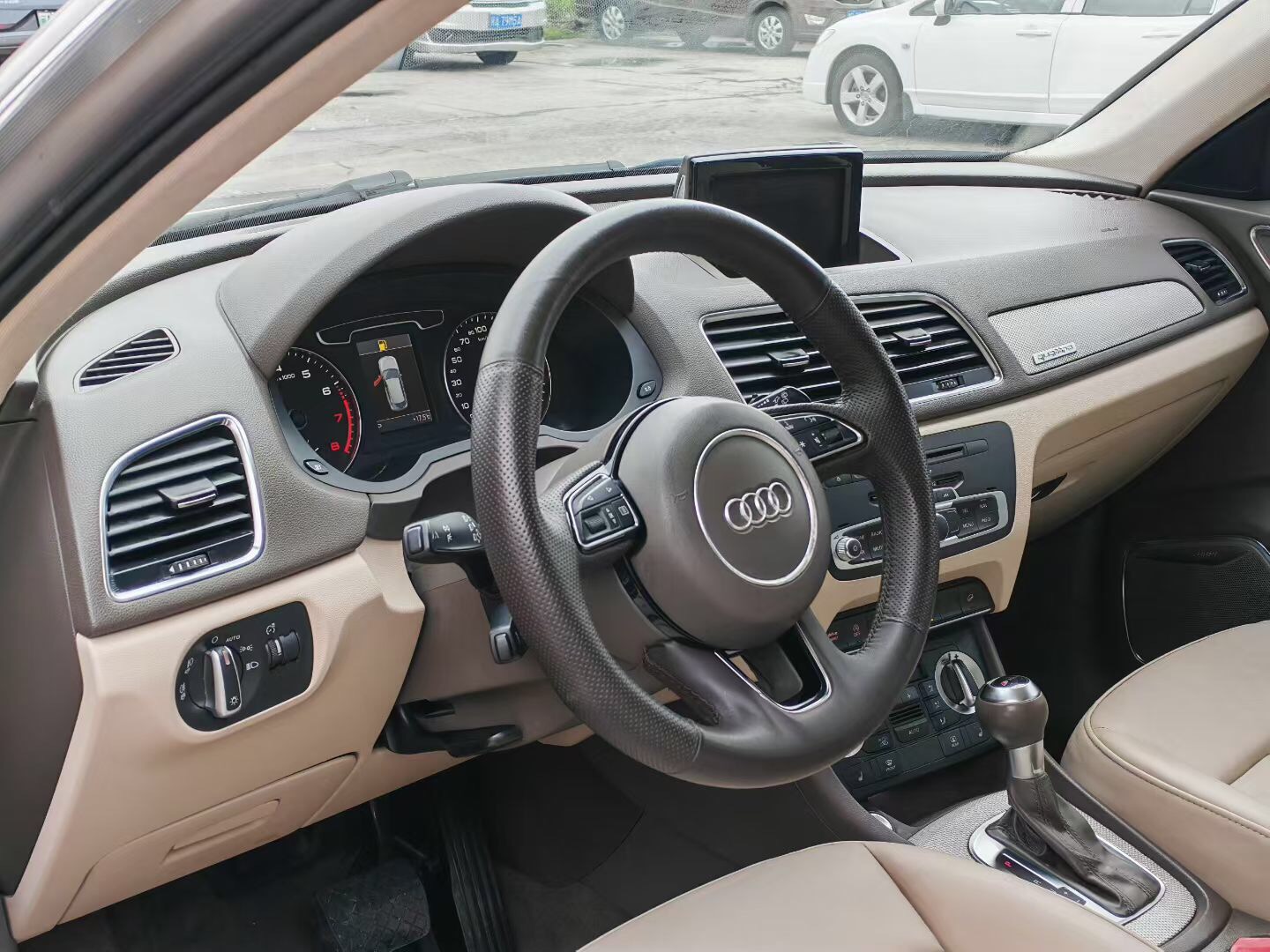
General vehicle condition.

Vehicle has been driven over 60,000 kilometers.

可议价
已上架

Configuration Highlights

✓品牌: 奥迪
✓车系: 奥迪Q3
✓车型: 奥迪Q3 2013款 2.0T 双离合 40TFSI Quattro豪华型
✓能源类型: 燃油车
✓发动机: 2.0T
✓变速箱: 双离合
✓驱动方式: 全时四驱
✓排放标准: 国IV,国V
✓指导价: 42.88万
✓车源编号: 12687999
✓VIN: LFV3A28K1D3092311

Document Information

Inspection Expiry Date2026/11
Warranty Expiry Date-
Insurance Expiry Date2025/11

Q&A

More

What should I do if the roll-on/roll-off vessel carrying my vehicle experiences a fire or a typhoon at sea causing damage?

Under CIF (Cost, Insurance, and Freight) terms, we will insure your vehicle with a reputable international insurance company for "All Risks" before shipment. If total loss or partial damage occurs during sea transport, the risk transfers to you once the goods cross the ship's rail. However, sellwellauto will not stand by; we will assist you in preparing complete claims documentation (such as the bill of lading, invoice, and damage photos) to initiate a cross-border claim process with the insurance company, minimizing your financial loss.


Will the Advanced Driver Assistance Systems (ADAS) work under overseas road conditions?

Basic perception functions (like Adaptive Cruise Control ACC, Lane Keeping Assist LKA, and Automatic Emergency Braking AEB) rely on the vehicle's local radar and cameras, and can operate normally overseas. However, advanced features that heavily depend on high-precision maps and cloud data (like Navigation on Autopilot NOA and Full Self-Driving FSD) cannot be activated overseas.

How do you assess the leak risk of vehicles with panoramic sunroofs?

We maintain an absolute skeptical attitude. In addition to regular visual inspections, we focus on checking for sediment accumulation around the sunroof drainage channels and look for water stains under the A-pillar trim and front floor mats. This is the only effective physical evidence to determine if the sunroof drainage holes are blocked, leading to hidden leaks.