


Basic Information

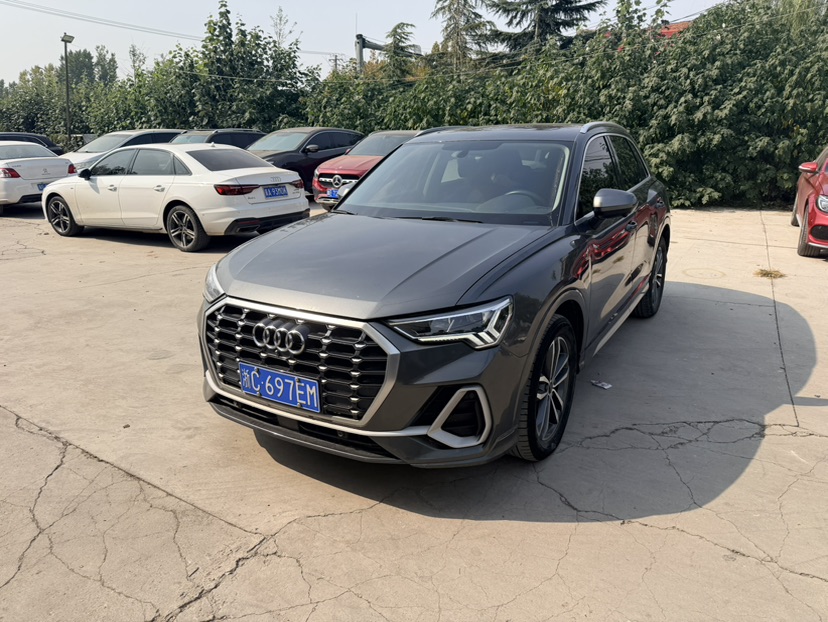
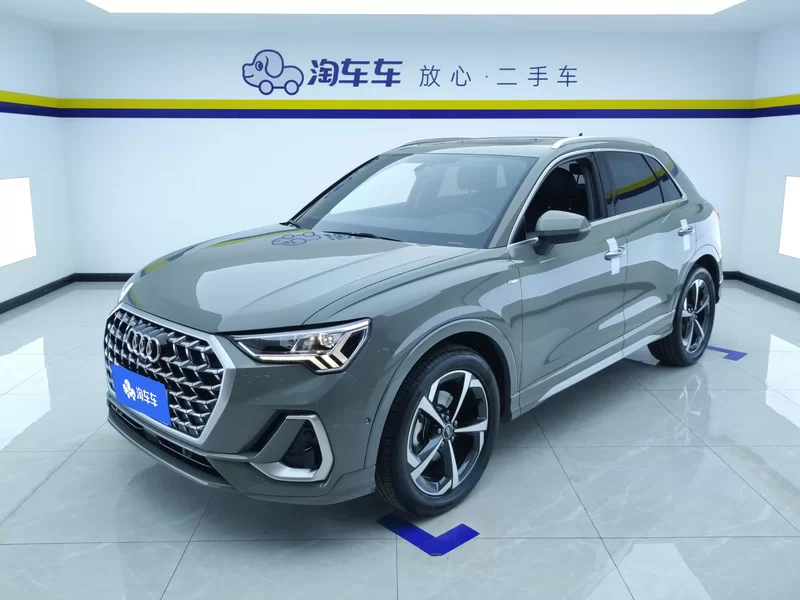
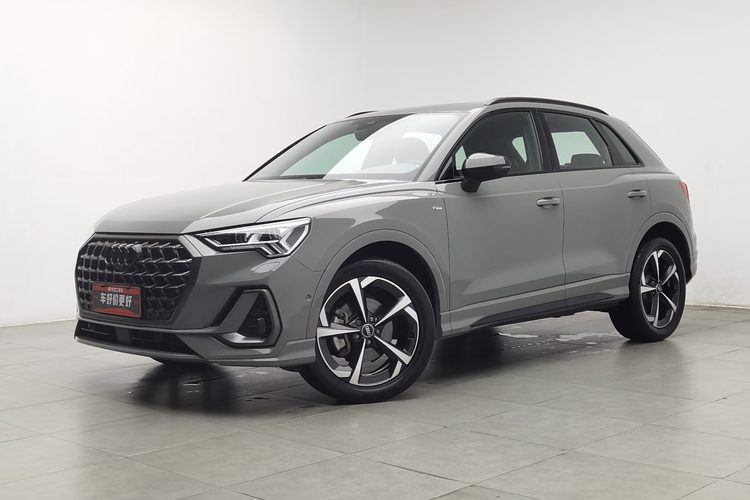
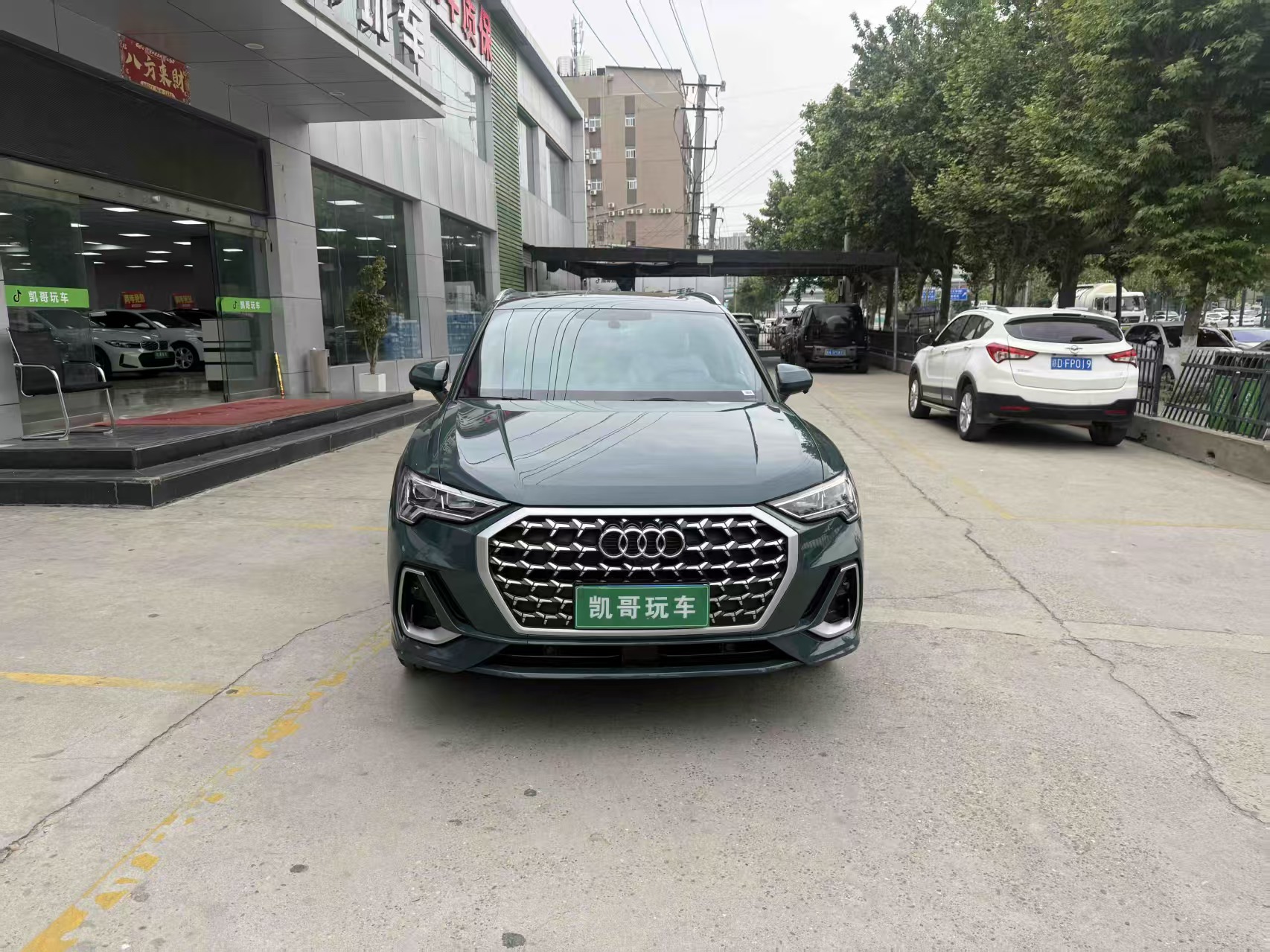
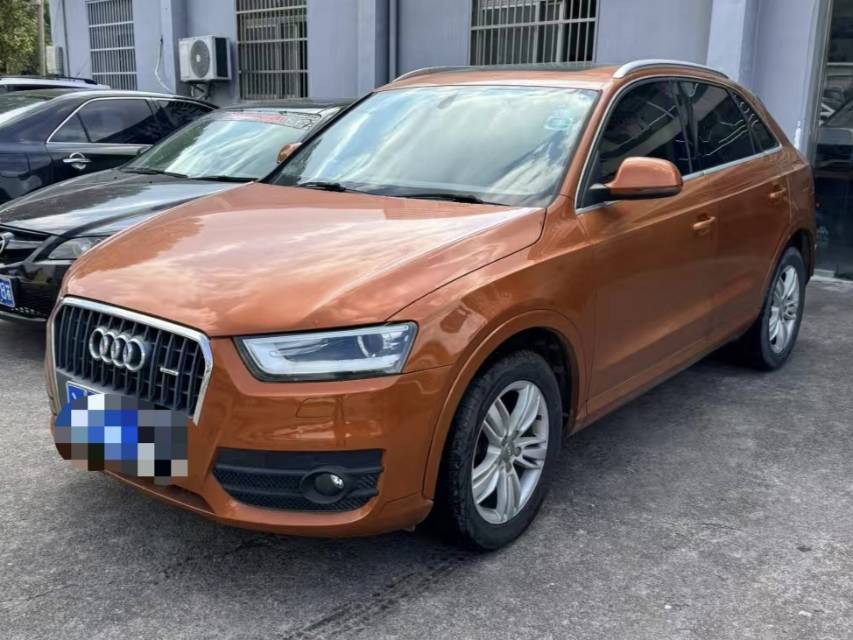
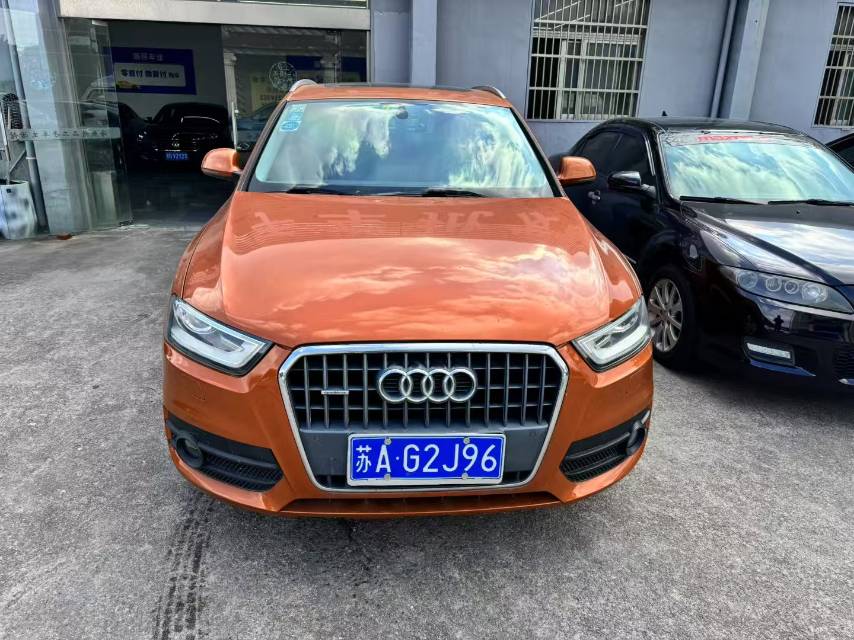
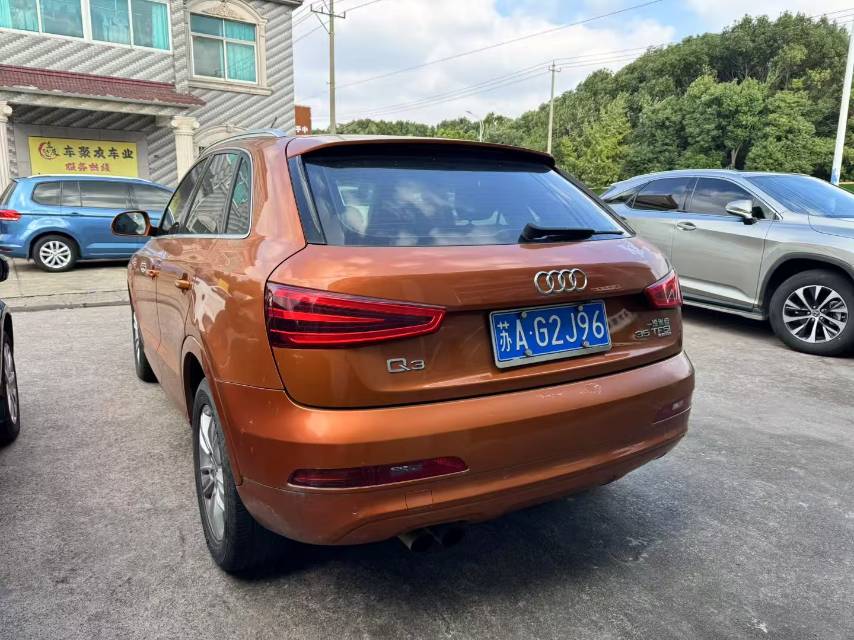
BrandAudi
SeriesQ3
Year2014
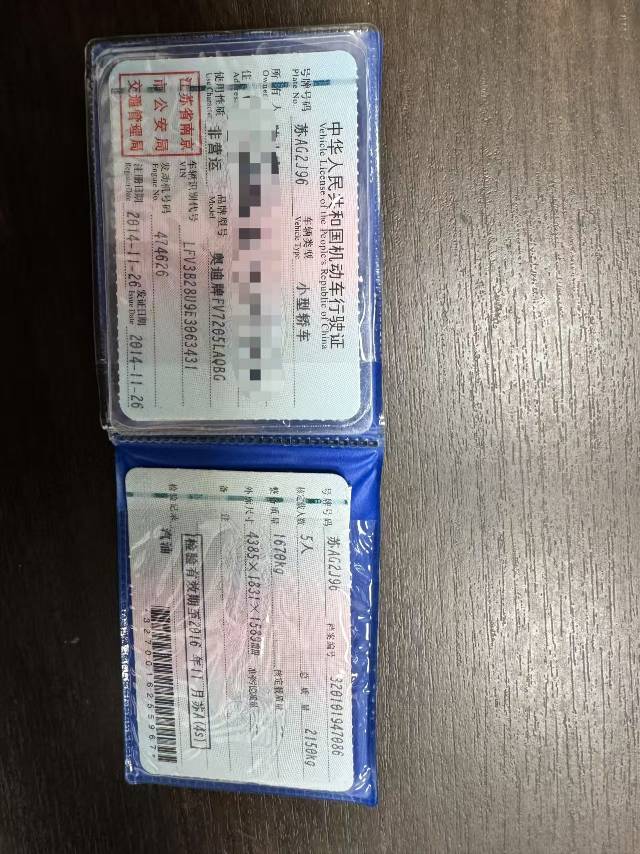
First Registration2014/11
Mileage110,000km
Transfer Count1times
FuelGasoline
TransmissionDCT
Engine2.0T 170 L4
ColorBlack
Seats-

Condition Description

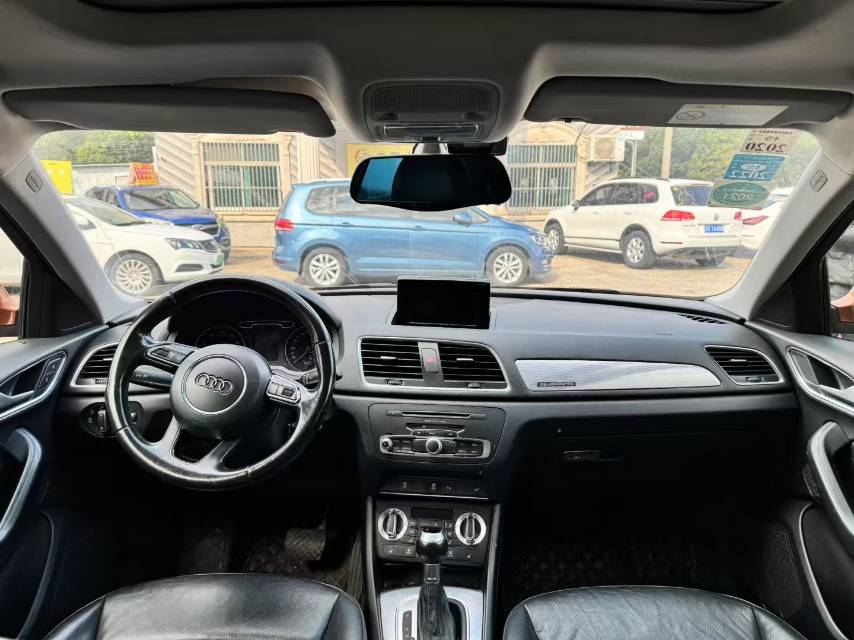
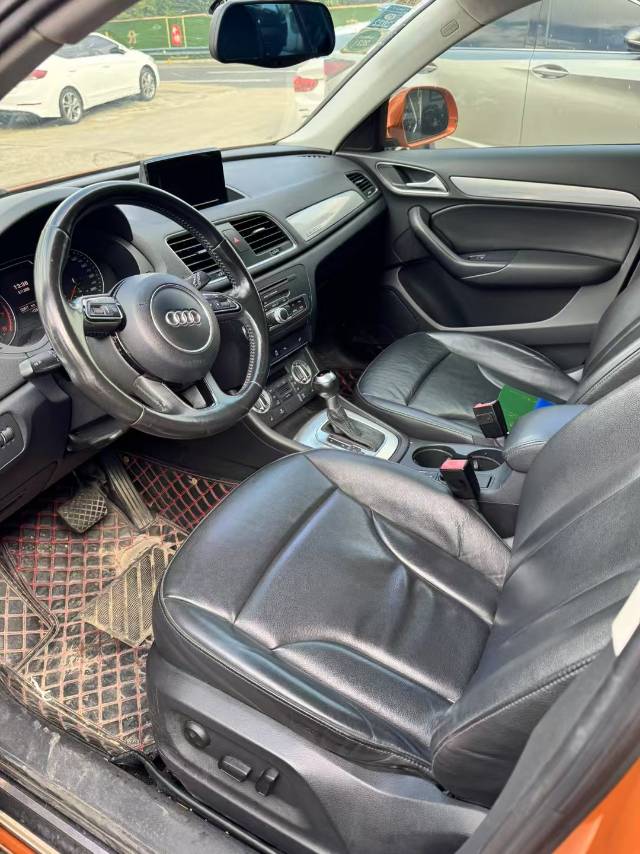
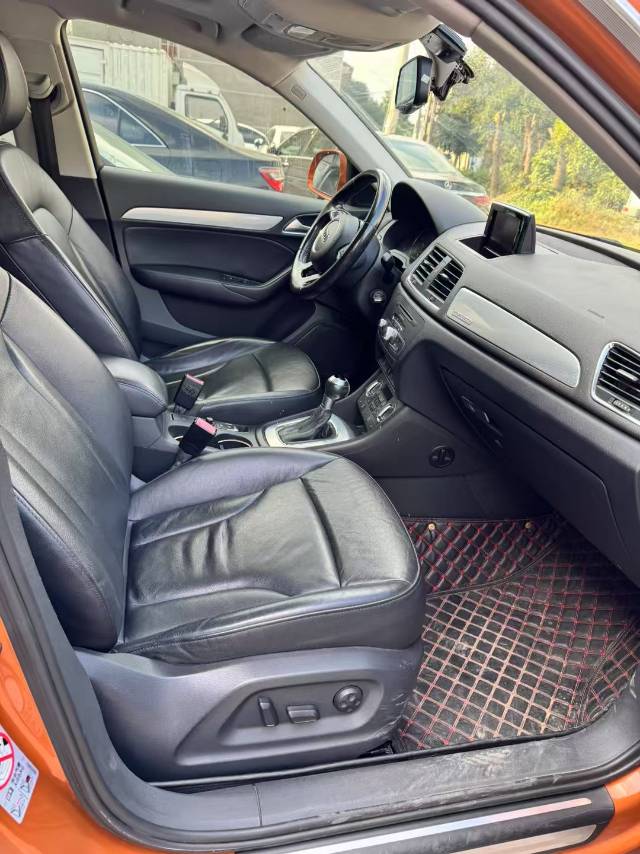
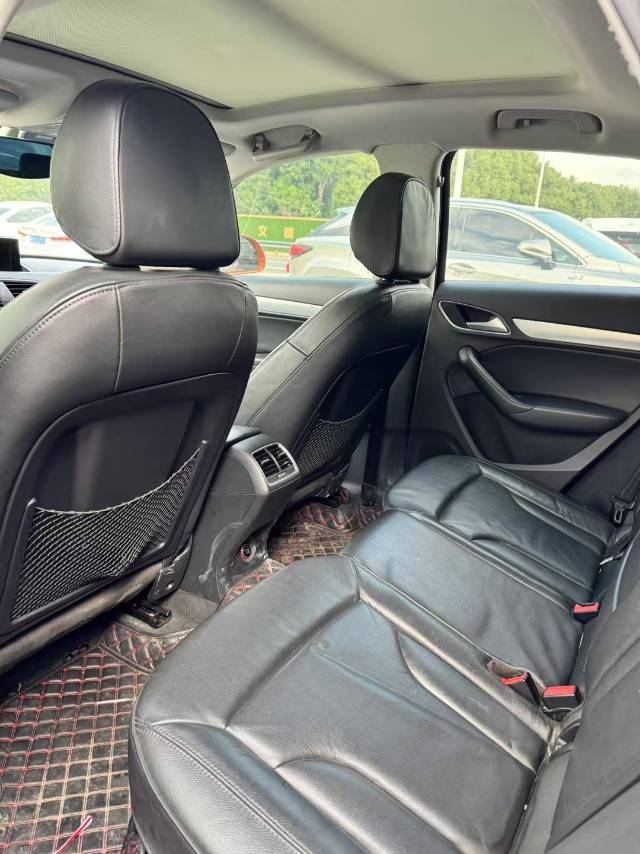
Private first-hand car, interior 70% new.

燃油车
SUV
自动
维保开放
事故开放
查验开放

Configuration Highlights

✓品牌: 奥迪
✓车系: 奥迪Q3
✓车型: 2015款 35 TFSI quattro 技术型
✓车身类型: SUV
✓座位数: 5
✓排量: 2.0T
✓变速箱: 自动
✓能源类型: 燃油车
✓VIN: LFV3B28U9E3063431
✓搜索关键词: 奥迪奥迪Q3 2015款奥迪Q335TFSIquattro技术型

Document Information

Inspection Expiry Date2027/11
Warranty Expiry Date-
Insurance Expiry Date2026/11

Q&A

More

What is the difference between EXW, FOB, and CIF prices from a Chinese exporter, and which incoterm should I choose as a first-time buyer?

EXW means you pay only for the car at the seller's yard—you handle everything else, including inland transport in China and export clearance, which is impractical from overseas. FOB includes delivery to the port and export customs clearance; you pay for ocean freight and insurance. CIF adds freight and basic insurance to a named destination port. For a first-time buyer, FOB is usually the best balance: the exporter, who knows Chinese logistics, handles the complicated part, while you control the freight booking and can shop rates among forwarders. Watch for exporters quoting unrealistically low FOB prices and making margin on inflated 'shipping services' later. Get a separate freight quote before signing, and compare the exporter's CIF offer against FOB plus your own freight estimate. Ask explicitly whether the price includes inspection, export license fees, and port charges—ambiguity here is the most common source of disputes.


How long will the seat heating and ventilation features undergo continuous power testing before export?

To prevent intermittent failures due to aging of the resistance wire, we will start the engine and set the seat heating/ventilation to maximum for at least 5 minutes, confirming significant temperature changes or airflow output in the cushion and backrest using an infrared thermometer or body sensor.

What hidden costs should I budget for when importing a used car from China beyond the FOB price?

Beyond the FOB price, expect: ocean freight (typically $800–2,500 depending on destination), marine insurance (about 0.3–0.5% of the car's value), port handling charges at both ends, customs duty and import tax/VAT in your country, compliance or homologation certification, and inland delivery to your city. Add currency transfer fees and the inspection fee if you hire a third party. Ask the exporter for a landed-cost breakdown and confirm exactly what the quote includes. A cheap FOB price with everything else shifted to you can add 30–50% to the real total. Budget a 15% buffer on top of the estimate, and get fixed quotes for freight and insurance in writing before paying the balance.