




24H

Basic Information

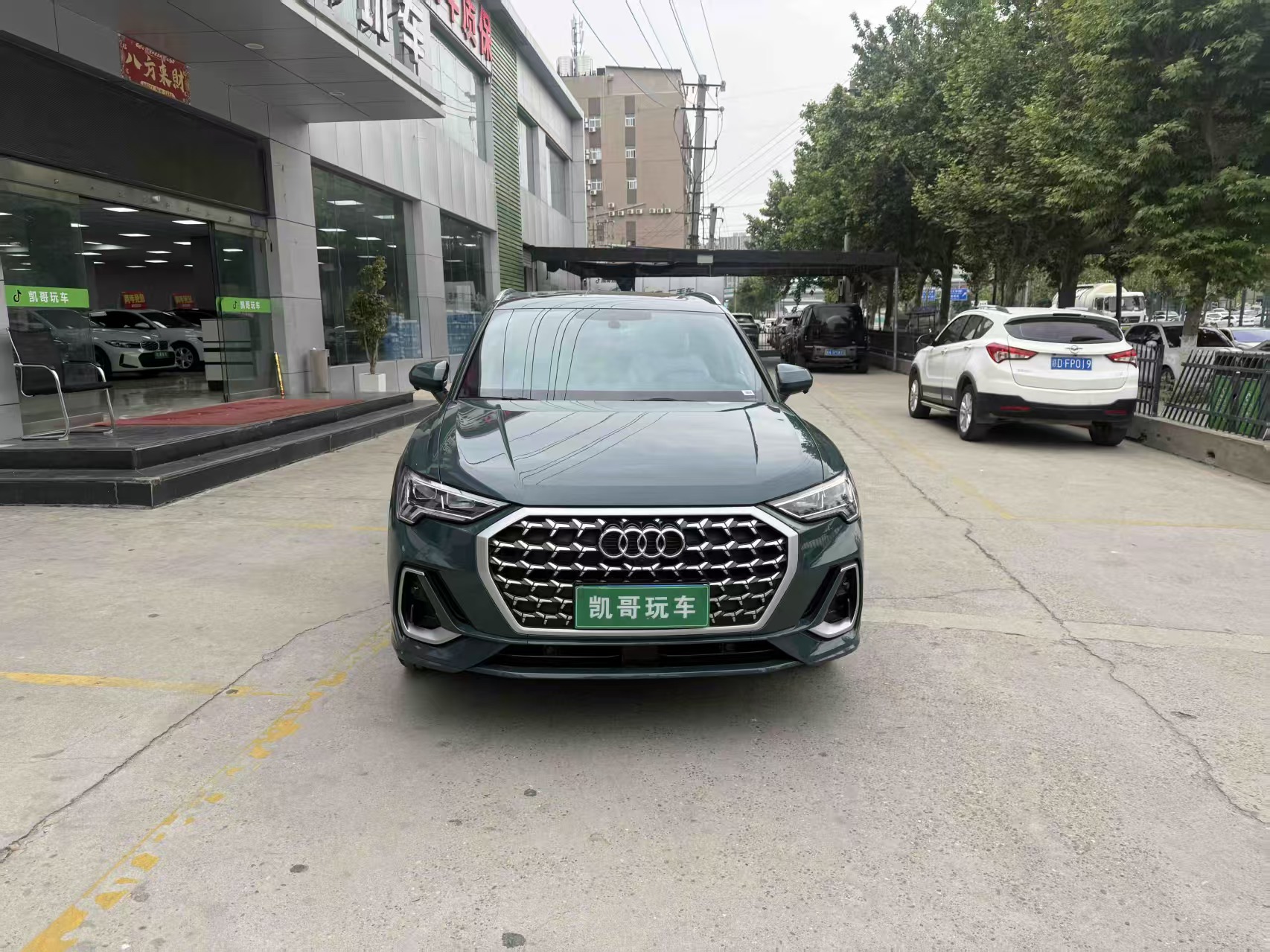
BrandAudi
SeriesQ3
Year2015
First Registration2015/06
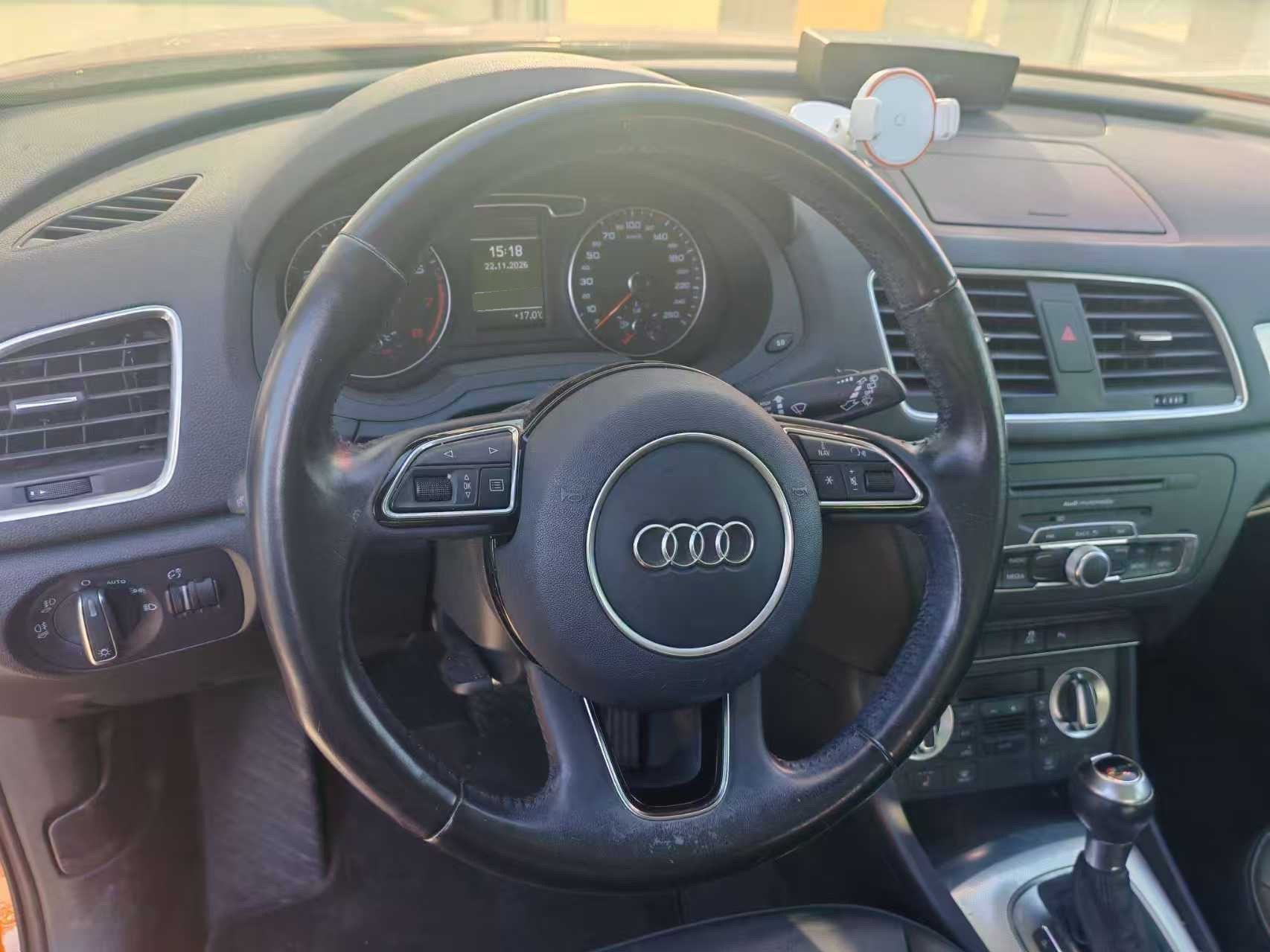
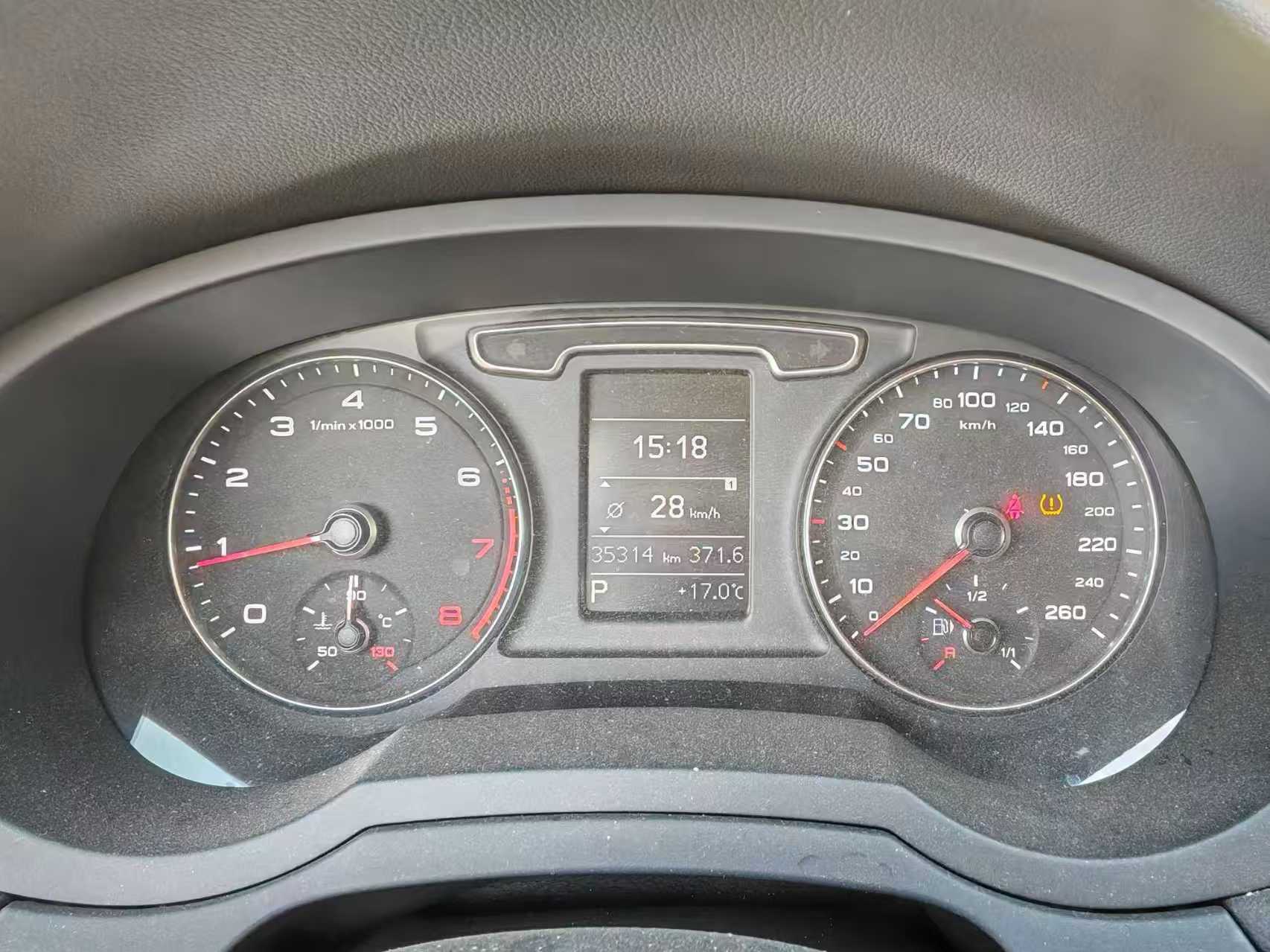
Mileage35,000km
Transfer Count0times
FuelGasoline
TransmissionDCT
Engine2.0T 170 L4
ColorOrigin
Seats-

Condition Description

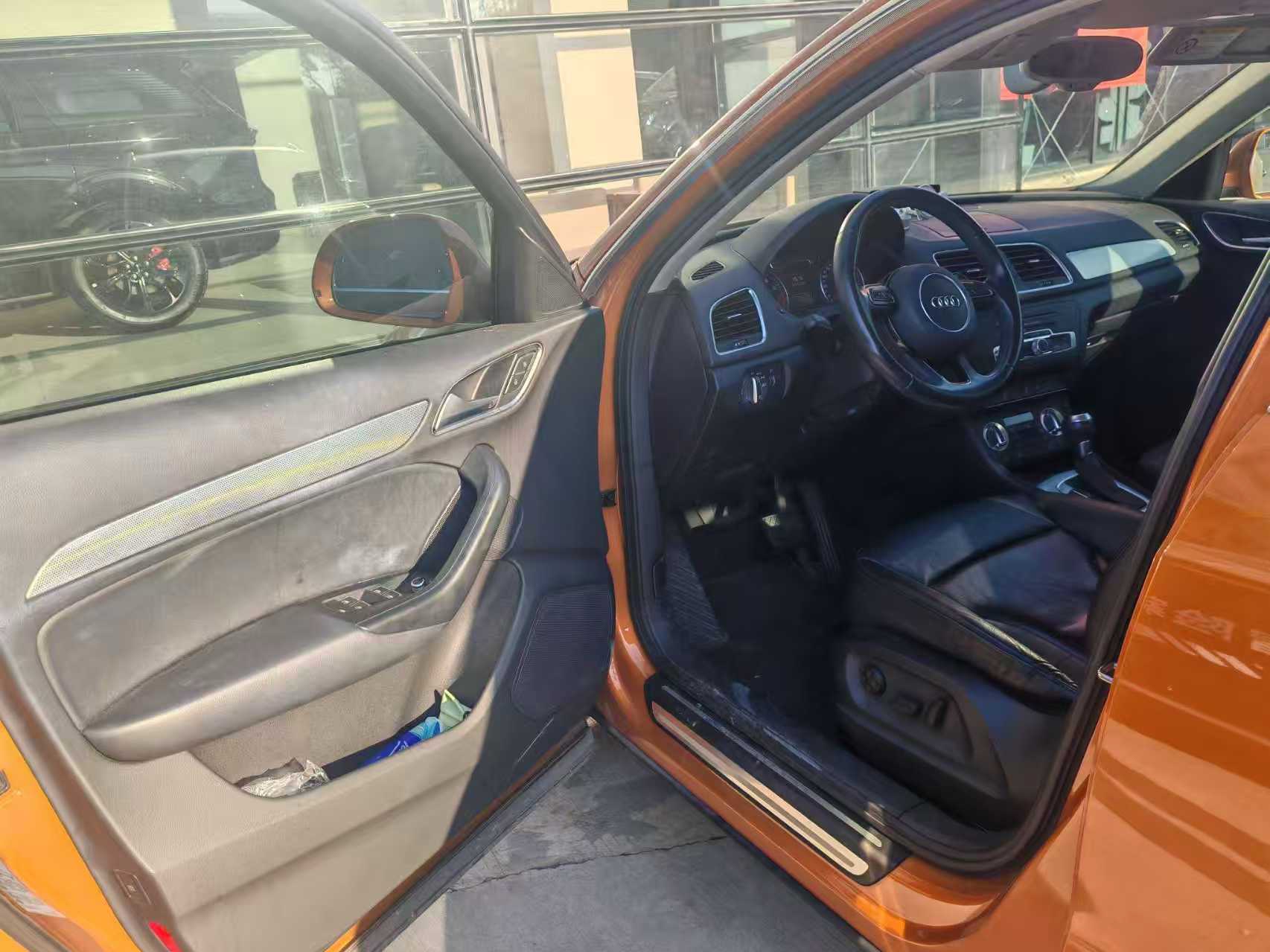
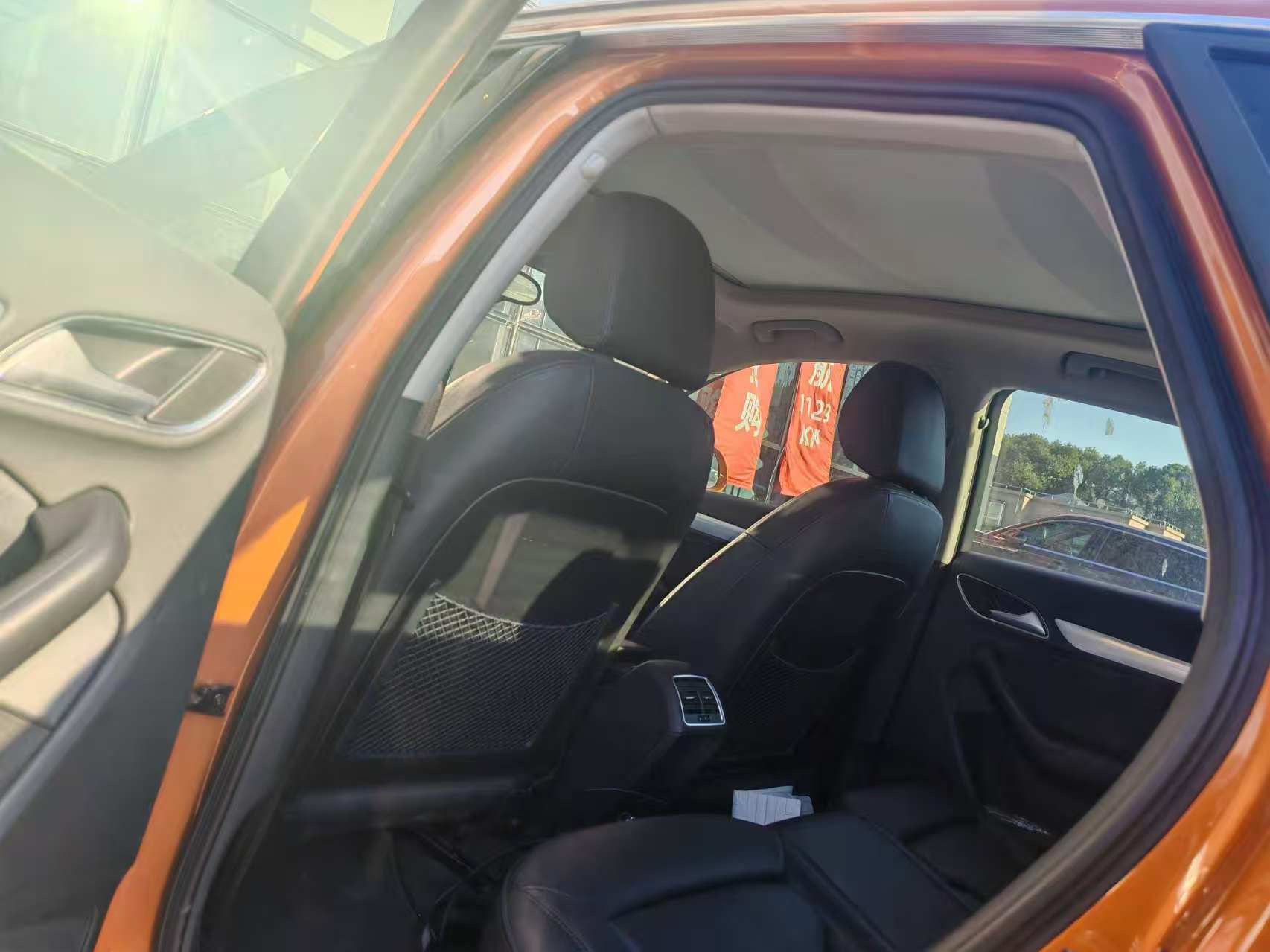
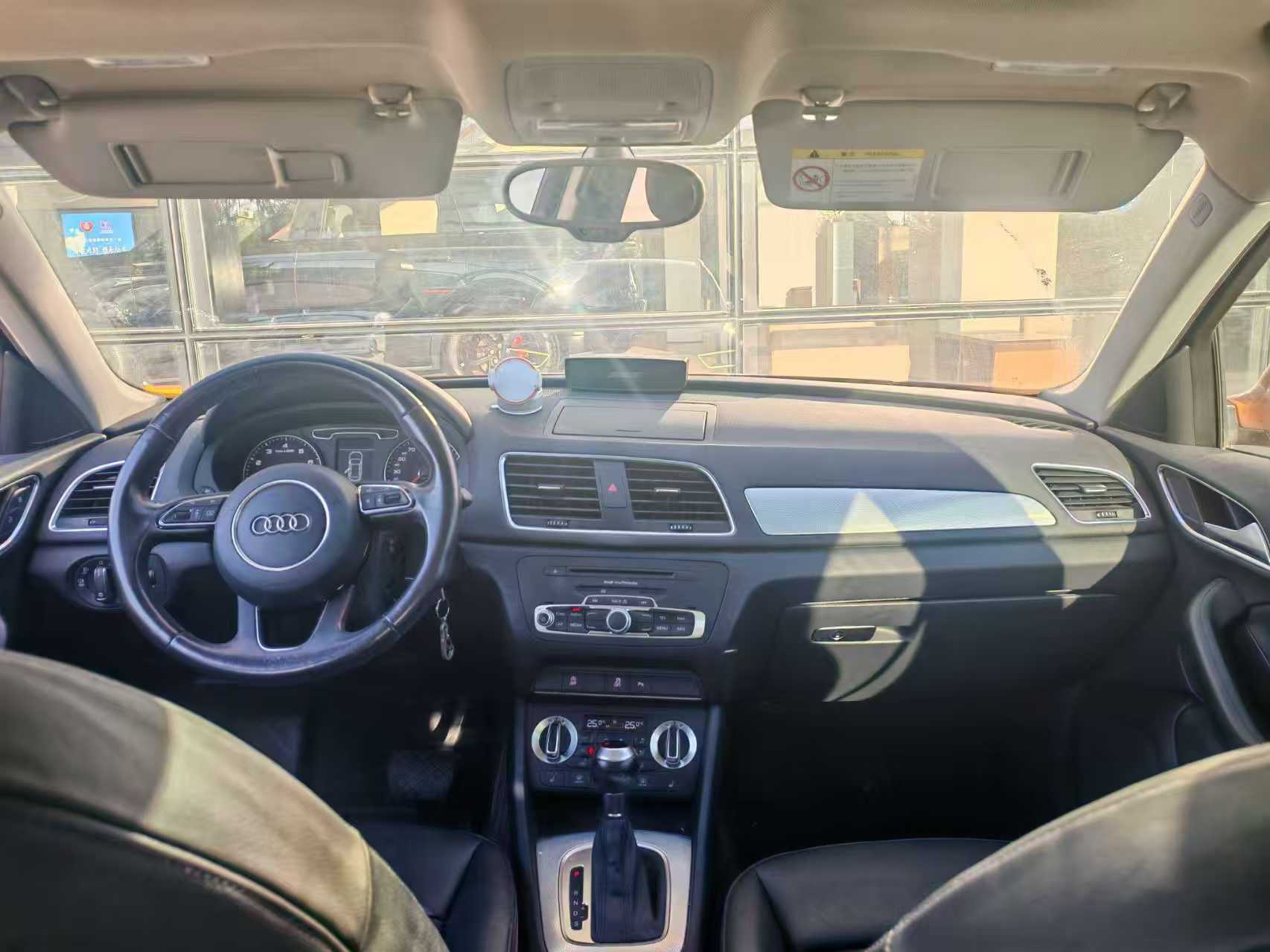
Original frame, one rear door replaced, 5 panels repainted. Single-owner car with actual mileage. Good appearance, no immediate investment needed. Fees valid until next year.

Document Information

Inspection Expiry Date-
Warranty Expiry Date-
Insurance Expiry Date2027/06

Q&A

More

What does the buying process look like when importing a used car from China?

A typical transaction has six steps. 1. Selection: you confirm the vehicle through photos, a video walkaround, an inspection report and the VIN. 2. Deposit: most exporters ask 20%-30% to reserve the car. Pay by bank transfer to the company's corporate account, never a personal one. 3. Inspection: an independent pre-shipment inspection verifies the condition; you receive the report before paying the balance. 4. Balance payment: usually due before loading. Request the booking confirmation and container number. 5. Shipping: the exporter sends you the draft bill of lading for checking, then the original documents by courier. 6. Arrival: you clear customs with the invoice, C/O, B/L and inspection certificate, then register the vehicle. Total timeline is usually 2-6 weeks. Use payment methods with recourse (T/T or escrow) and keep every contract and receipt.


Am I allowed to place other goods (like tires or mats) purchased from China inside the vehicle before shipping it?

Absolutely prohibited. Chinese customs requires a "bare car" declaration for used car exports. If undeclared goods are found inside the vehicle, it could lead to inspection and detention, or even smuggling charges. We refuse any form of concealment requests.

If a car frequently transfers between extremely cold areas (like Northeast China) and extremely hot areas (like Hainan), would you provide special risk warnings?

Absolutely. The extreme temperature fluctuations will significantly accelerate the aging of chassis rubber parts, oil seals, and interior plastics. For vehicles frequently dispatched across such latitudes, we will conduct fatigue resistance checks on chassis rubber parts that are twice as stringent as those for vehicles in temperate regions.