





24H

Basic Information

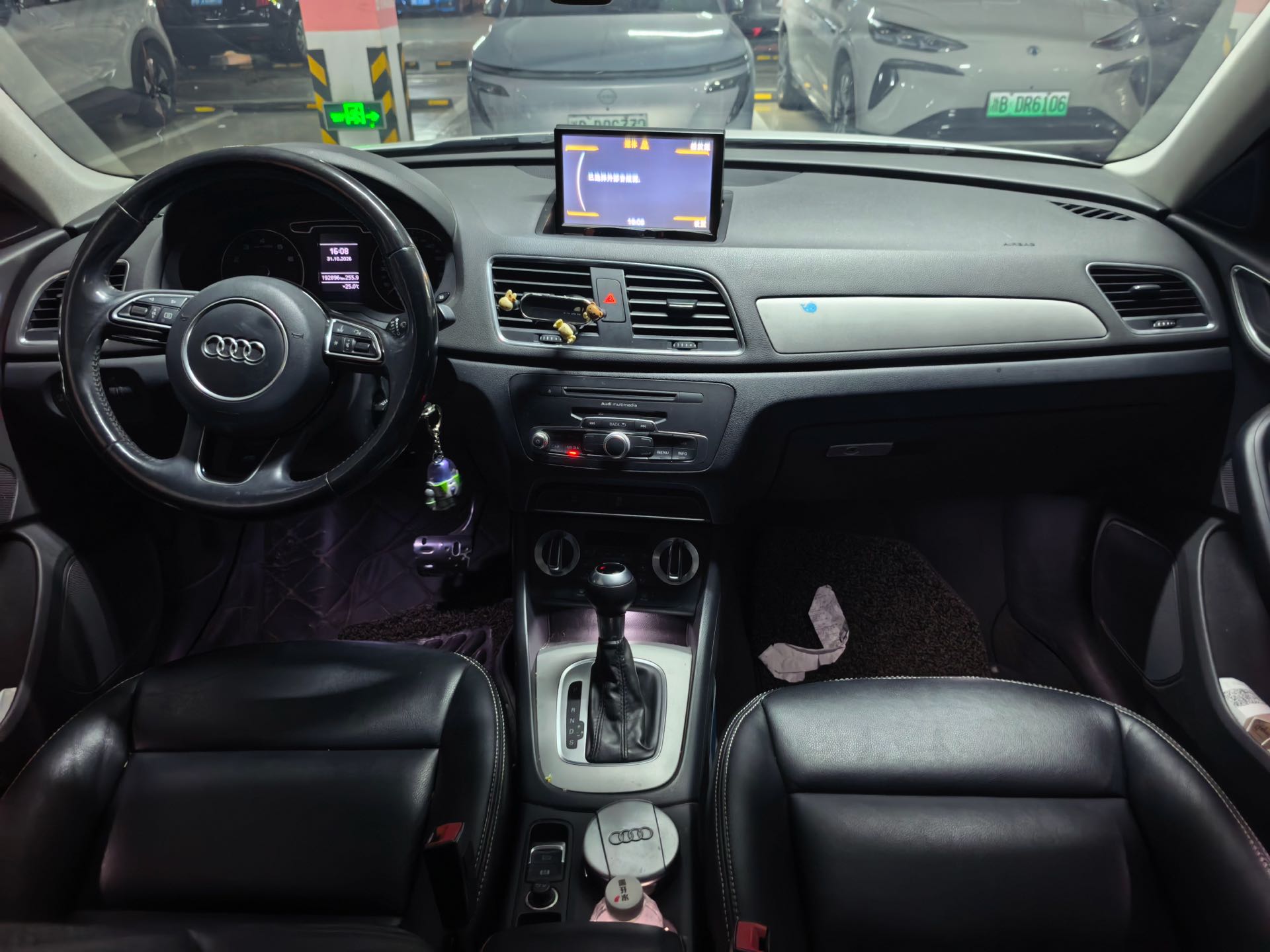
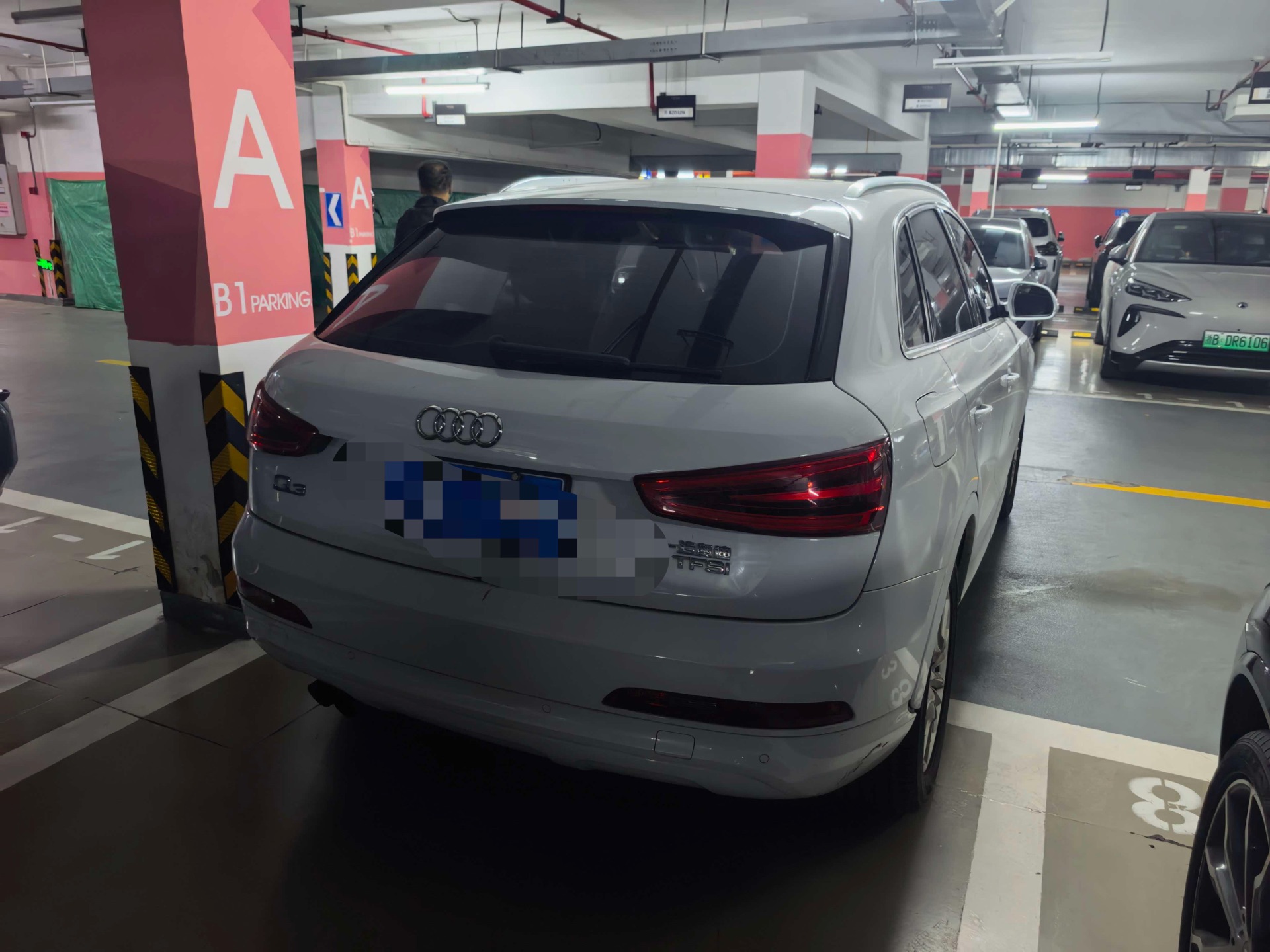
BrandAudi
SeriesQ3
Year2016
First Registration2016/01
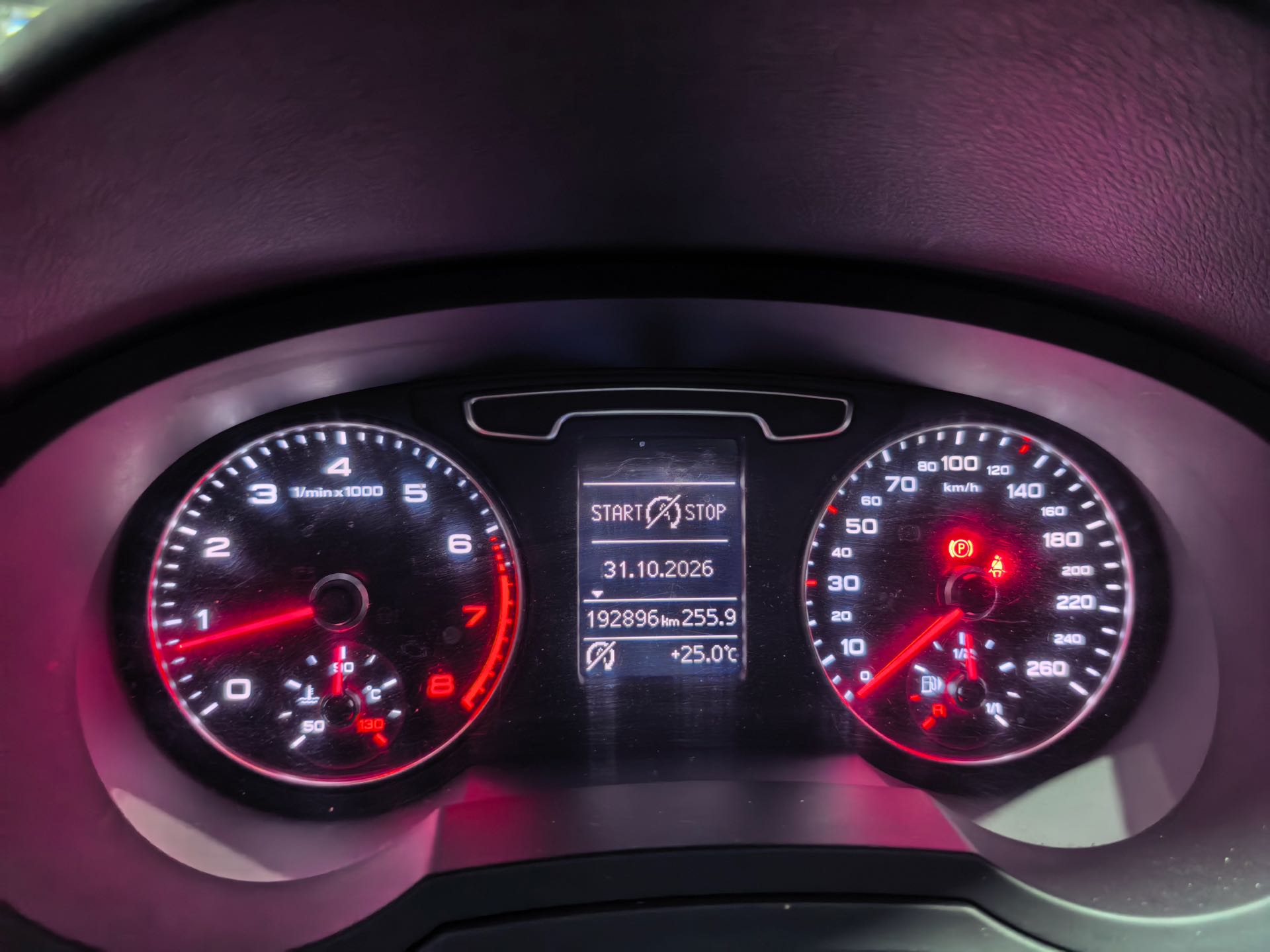
Mileage190,000km
Transfer Count0times
FuelGasoline
TransmissionDCT
Engine2.0T 170 L4
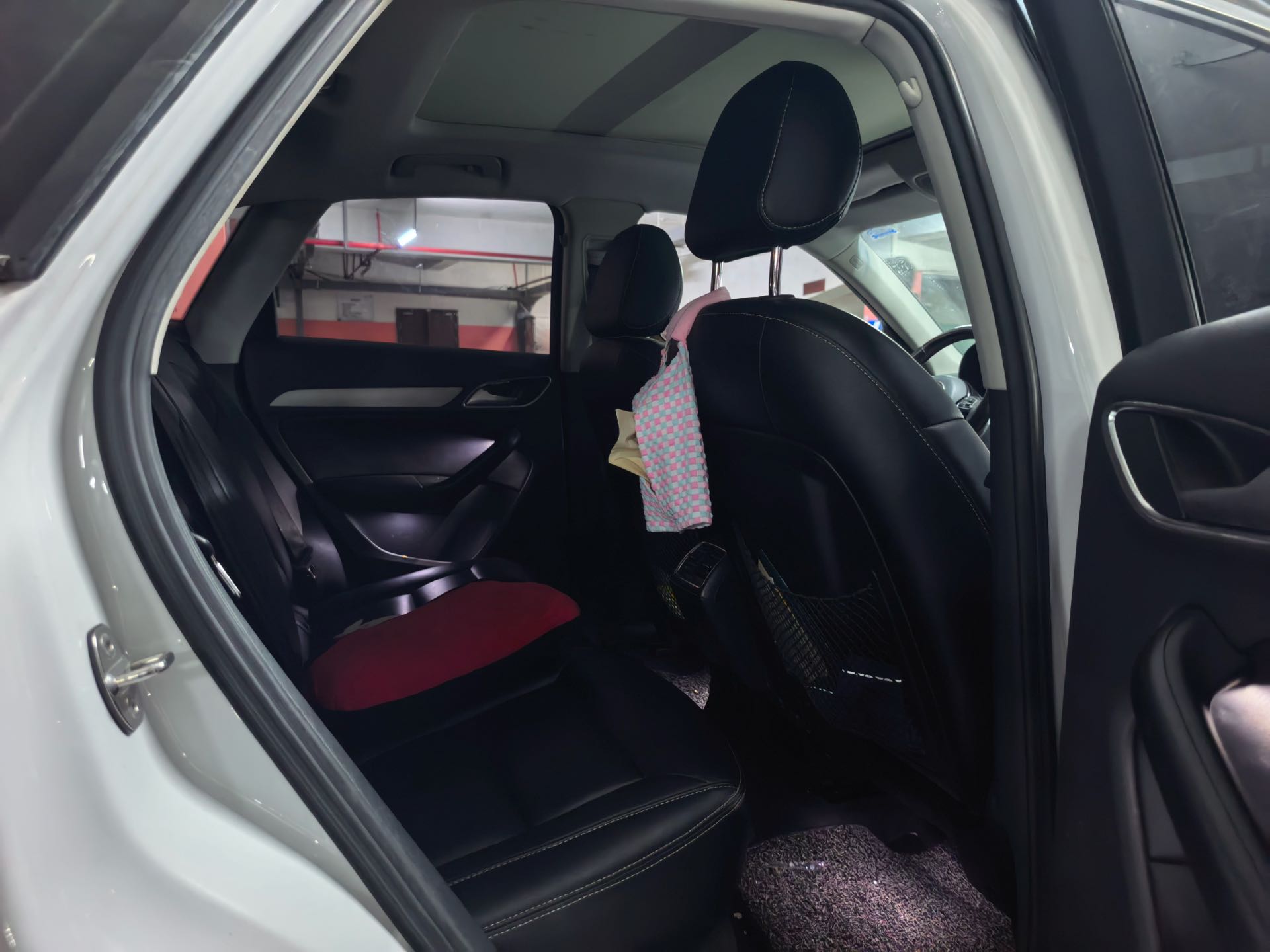
ColorWhite
Seats-

Condition Description

Right front fender replaced; right rear door and right rear fender repaired with bodywork. Inspection found no issues.

Document Information

Inspection Expiry Date-
Warranty Expiry Date-
Insurance Expiry Date2027/01

Q&A

More

What maintenance schedule should I follow for my imported Chinese car, and where can I find the official service intervals?

Start with the owner's manual for your exact model and year—it lists the official service intervals and the required fluid specifications. If the manual is only in Chinese, ask the exporter for the English version, or check the manufacturer's website and owner community forums for your region. After the car arrives, do a baseline service even if the seller says it was just serviced: engine oil and filter, air filter, cabin filter, brake fluid check, coolant, and a 12V battery test. From then on, follow the "severe" or "extreme conditions" schedule rather than the normal one—dusty roads, short trips, and hot or very cold climates all count as severe duty, and intervals are usually shorter. Keep every invoice and record. A documented maintenance history makes warranty claims easier and protects resale value.


How do seasonal factors—peak seasons, weather, holidays—affect shipping times and rates from China?

Timing your shipment can save both money and weeks of waiting. Several predictable patterns affect routes from China. Peak season surcharges: January through March, before Chinese New Year, exporters rush to ship, so container and RoRo space tightens and rates rise 20-50%. Book at least 3-4 weeks ahead during this window. After the holiday (usually February), factories and ports restart gradually, causing 2-3 weeks of backlog. Weather effects: Typhoon season (July-September) can delay departures from southern Chinese ports like Shenzhen and Guangzhou. Winter fog and ice affect northern ports like Dalian and Tianjin, slowing loading operations. Destination-side factors: Monsoon seasons can slow port operations in South and Southeast Asia. Holiday periods at destination (e.g., Ramadan in the Gulf, year-end holidays elsewhere) reduce customs staffing and extend clearance times. Practical advice: ask your forwarder for rate calendars, avoid booking right before major Chinese holidays, and build 1-2 weeks of buffer into delivery promises to your customers. Flexible departure ports (Shanghai vs. Ningbo vs. Shenzhen) can also help you find available space.

I am abroad. How can I verify the authenticity of this car?

SellWellAuto platform strictly controls the export process and collaborates with independent inspection agencies to provide vehicle inspection reports directly on the platform.