



24H

Basic Information

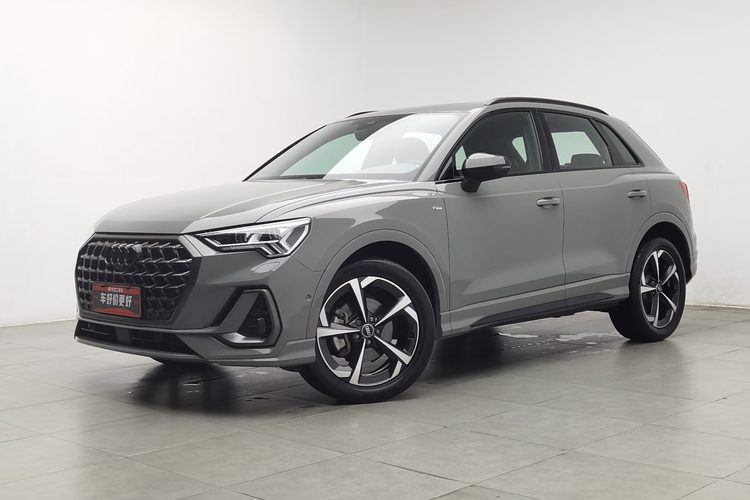
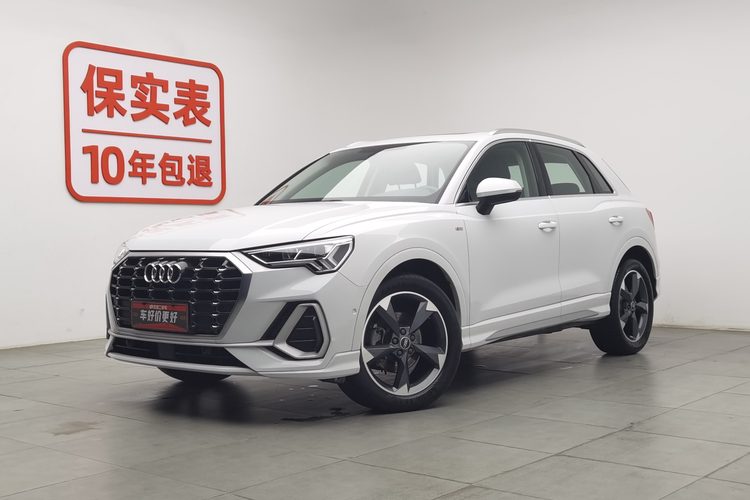
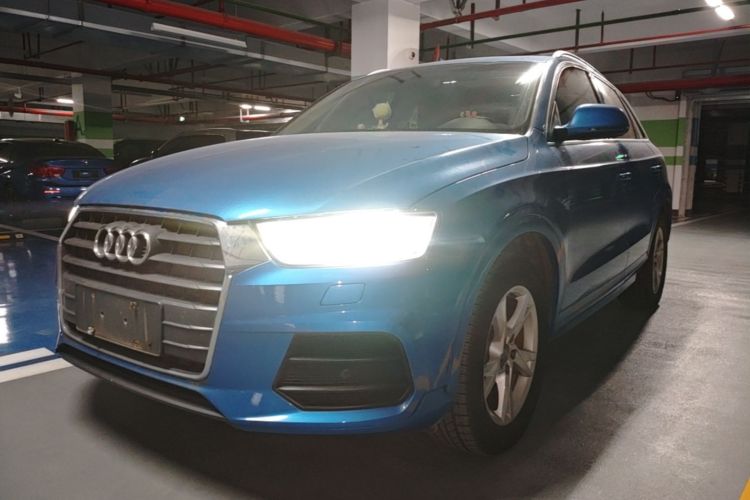
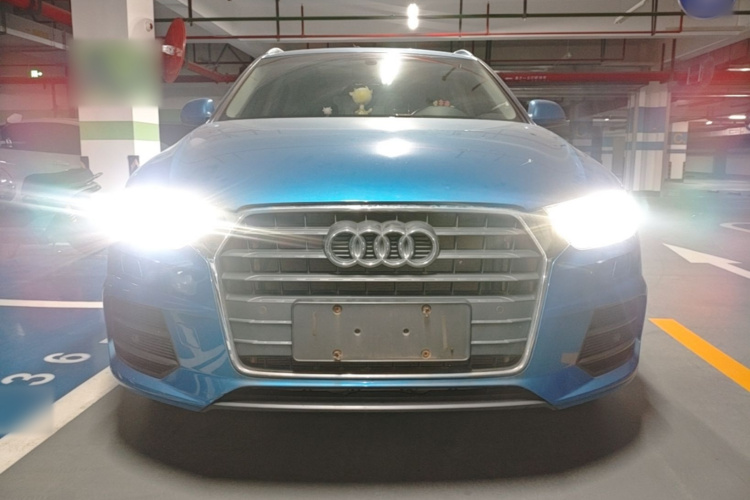
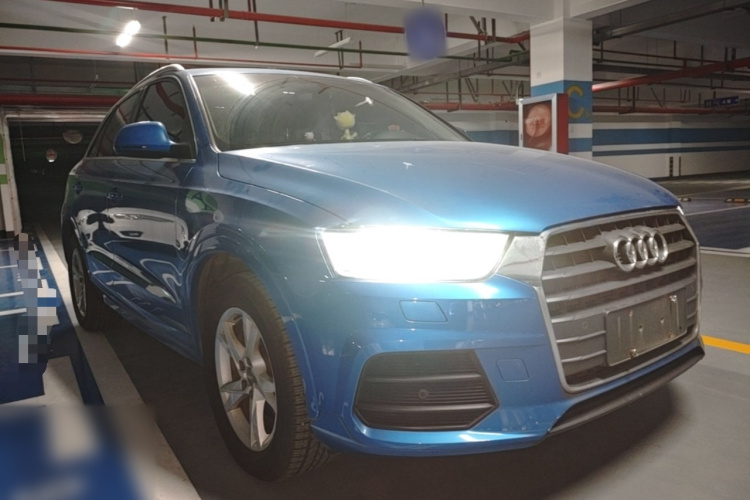
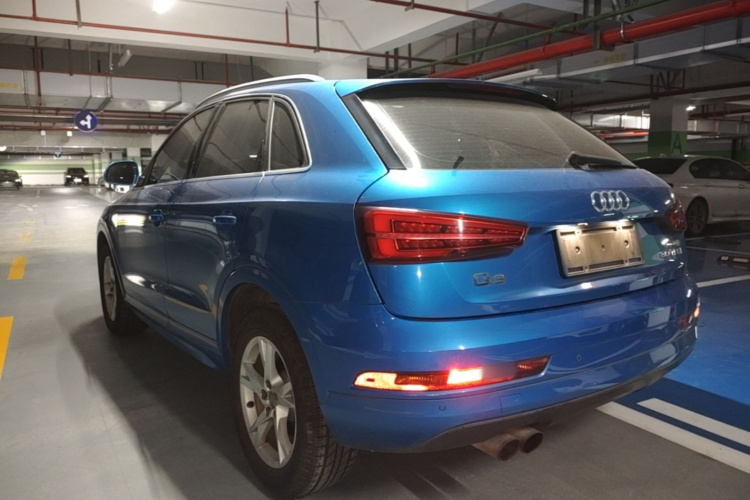
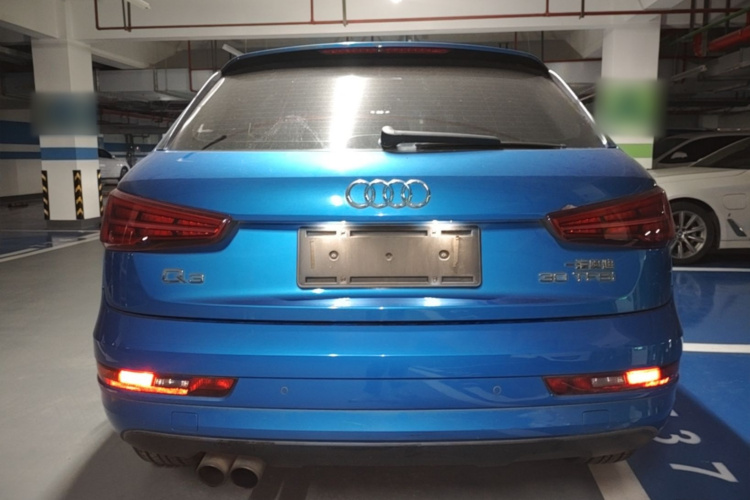
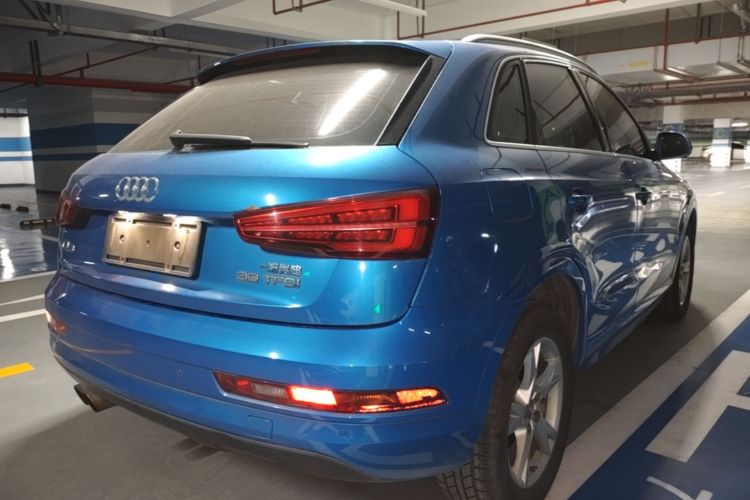
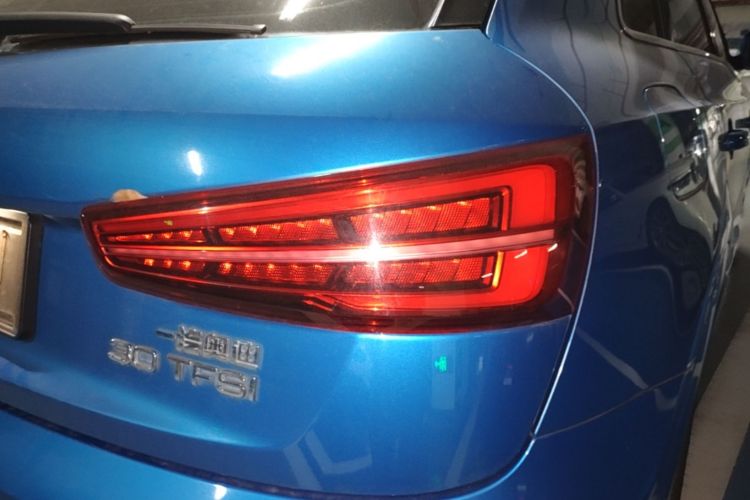
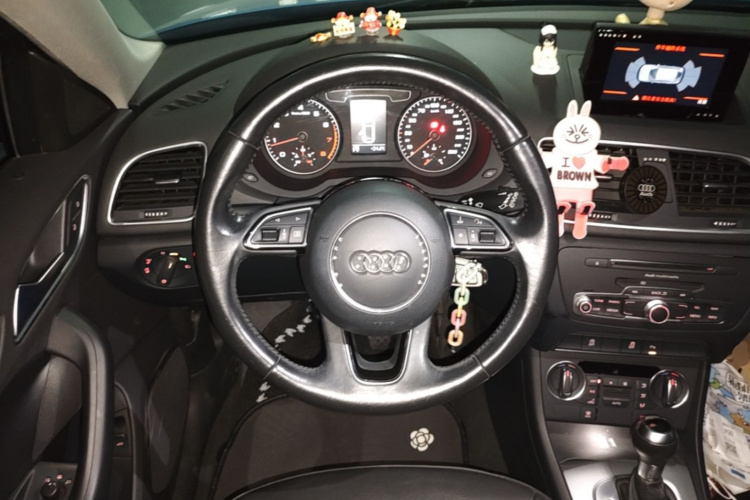
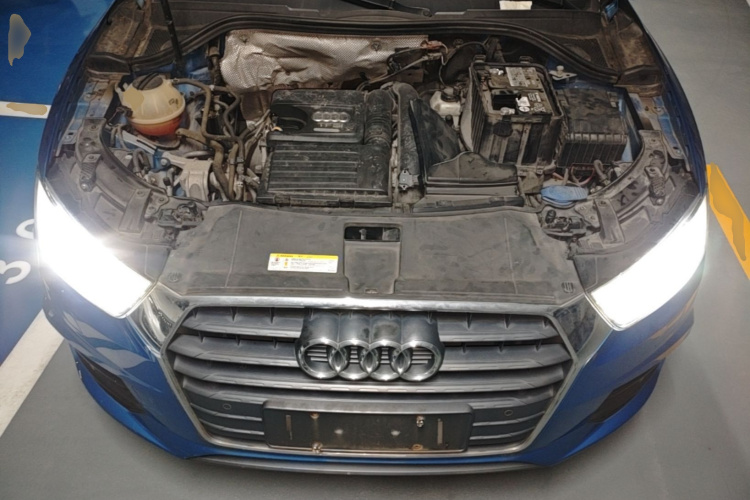
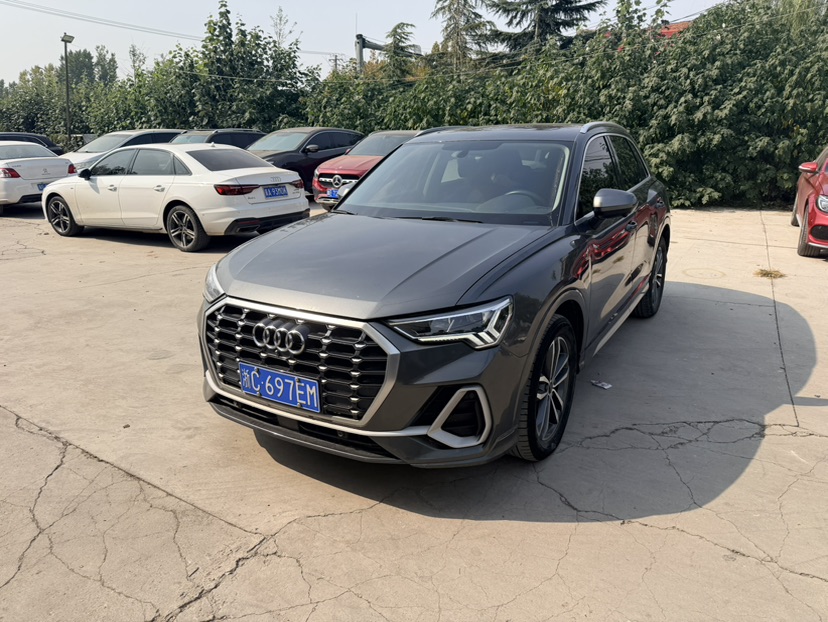
BrandAudi
SeriesQ3
Year2017
First Registration2017/06
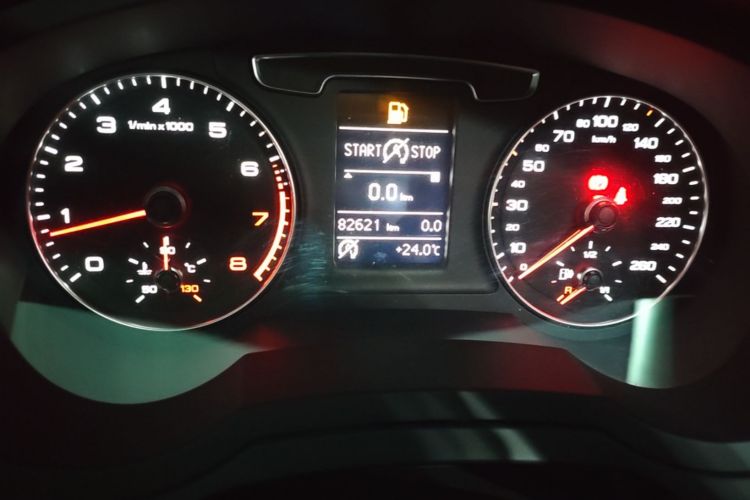
Mileage82,600km
Transfer Count0times
FuelGasoline
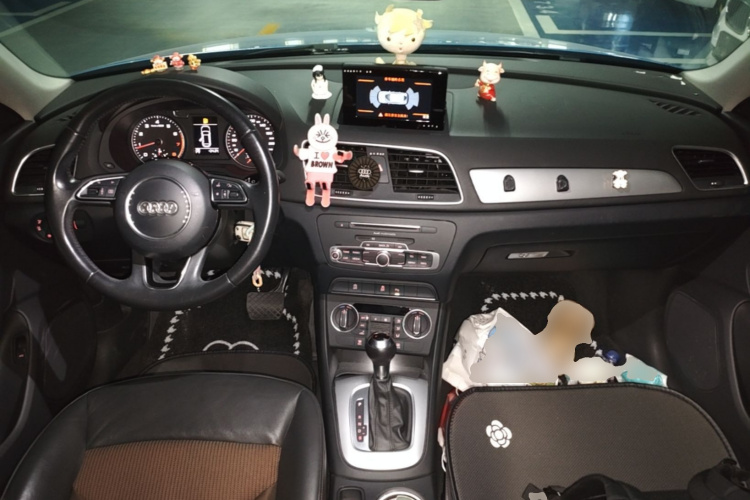
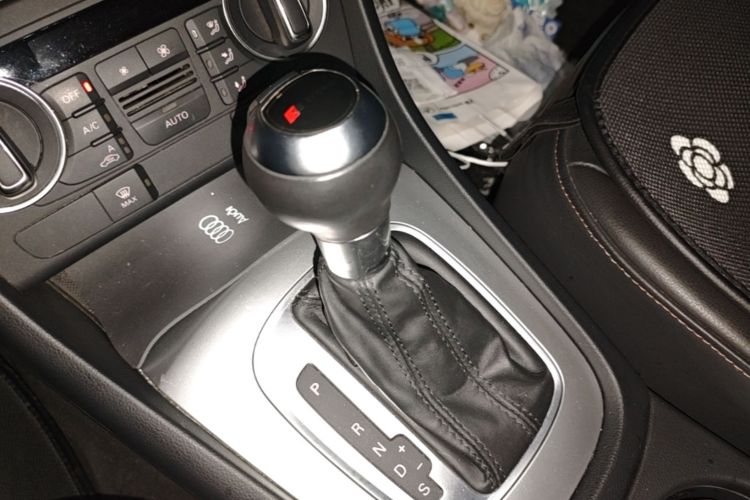
TransmissionDCT
Engine1.4T 150 L4
Color
Seats-

Condition Description

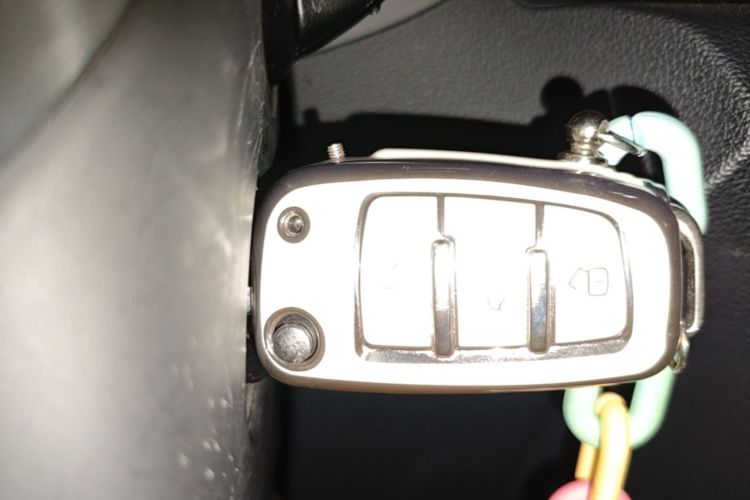
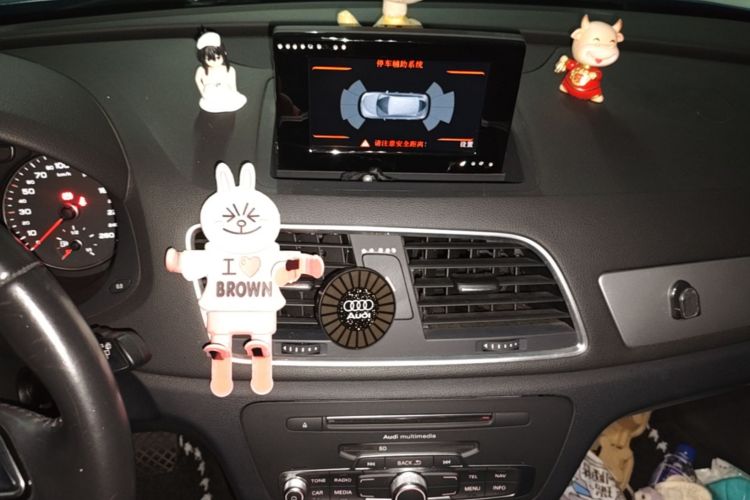
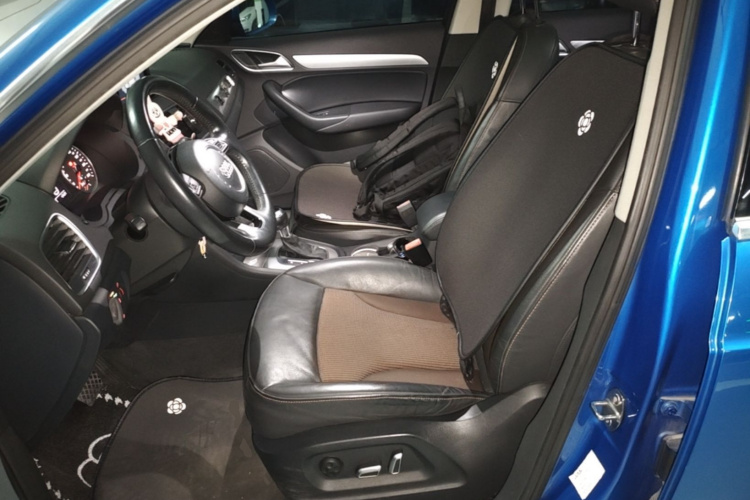
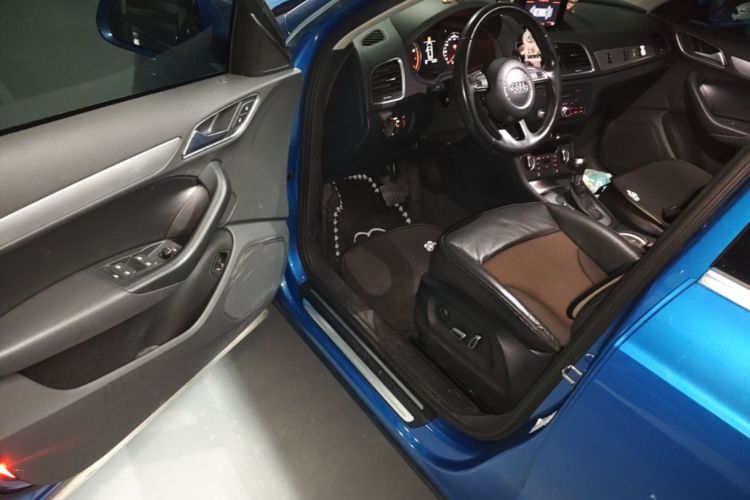
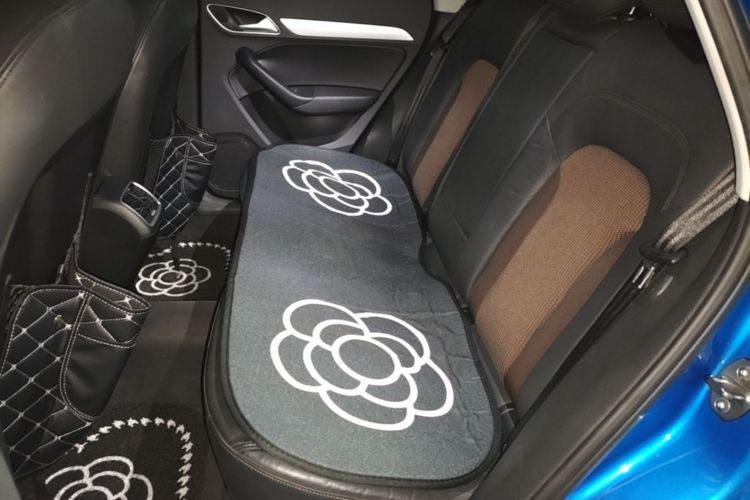
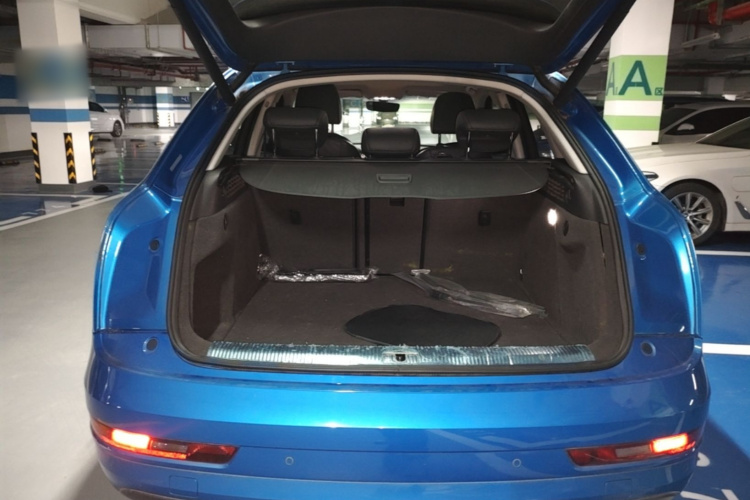
Basic condition excellent | 0 claims | 0 transfers

Q&A

More

What hidden costs should I budget for when importing a used car from China beyond the FOB price?

Beyond the FOB price, expect: ocean freight (typically $800–2,500 depending on destination), marine insurance (about 0.3–0.5% of the car's value), port handling charges at both ends, customs duty and import tax/VAT in your country, compliance or homologation certification, and inland delivery to your city. Add currency transfer fees and the inspection fee if you hire a third party. Ask the exporter for a landed-cost breakdown and confirm exactly what the quote includes. A cheap FOB price with everything else shifted to you can add 30–50% to the real total. Budget a 15% buffer on top of the estimate, and get fixed quotes for freight and insurance in writing before paying the balance.

What is a Certificate of Origin and why do I need one when importing a car from China?

A Certificate of Origin (C/O) is an official document stating where the vehicle was manufactured. Customs authorities use it to decide which tariff rates and trade agreements apply to your import. Why it matters: many countries offer preferential tariffs for certain origins. With a valid C/O, such as the ASEAN-China Form E or a GSP Form A, you may pay reduced or zero duty. Without it, you typically pay the standard, higher rate. The certificate must match the vehicle exactly: VIN, make, model and invoice details. It is usually issued by the China Council for the Promotion of International Trade (CCPIT) or customs authorities. Practical tips: request the C/O before shipment, because adding it later is slow; check that your country's customs accepts the specific C/O format; and confirm with your broker whether your vehicle category qualifies for preferential rates. This single document can save you thousands in duty.

How do I read and interpret a Chinese vehicle history report—what do the records and codes mean, and which findings should stop the deal?

A Chinese history report (查博士, 精真估, or 4S-shop records) usually contains several sections. Here's how to read them. Accident records: entries tagged 重大事故 (major accident) or listings at an insurance payout above 30% of the car's value are serious red flags. Airbag deployment is a deal-breaker for most buyers. Mileage timeline: check that mileage increases logically between service visits. A sudden drop between two dates means odometer tampering—walk away. Ownership count: more than 3 owners in 5 years suggests a problem car. Also check the 使用性质 field: a car registered as 营运 (commercial/taxi use) has a much shorter legal lifespan. Maintenance entries: consistent 4S dealership records are a good sign; long gaps aren't necessarily fatal if the owner used independent shops, but ask for receipts. Cross-check the report against the VIN plate, registration certificate, and physical inspection. If the report shows no accidents but paint thickness readings say otherwise, trust the metal, not the paper.