48H

Basic Information

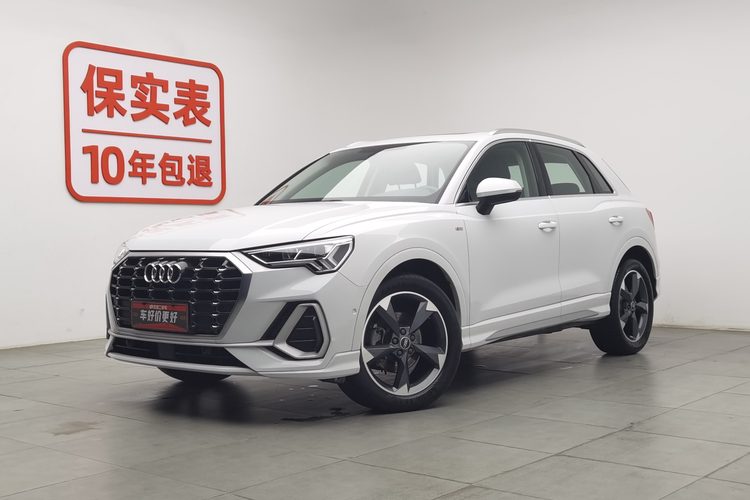
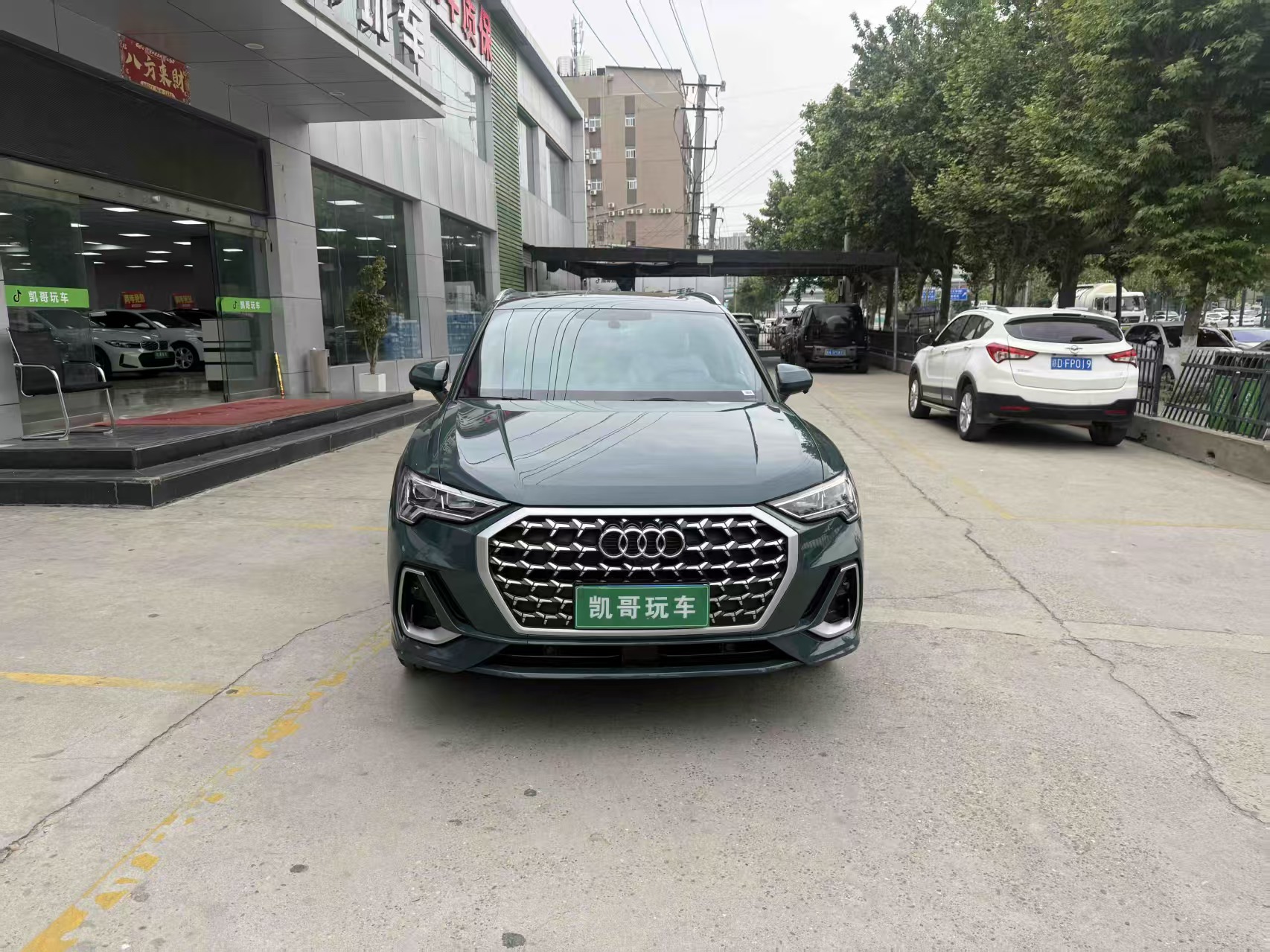
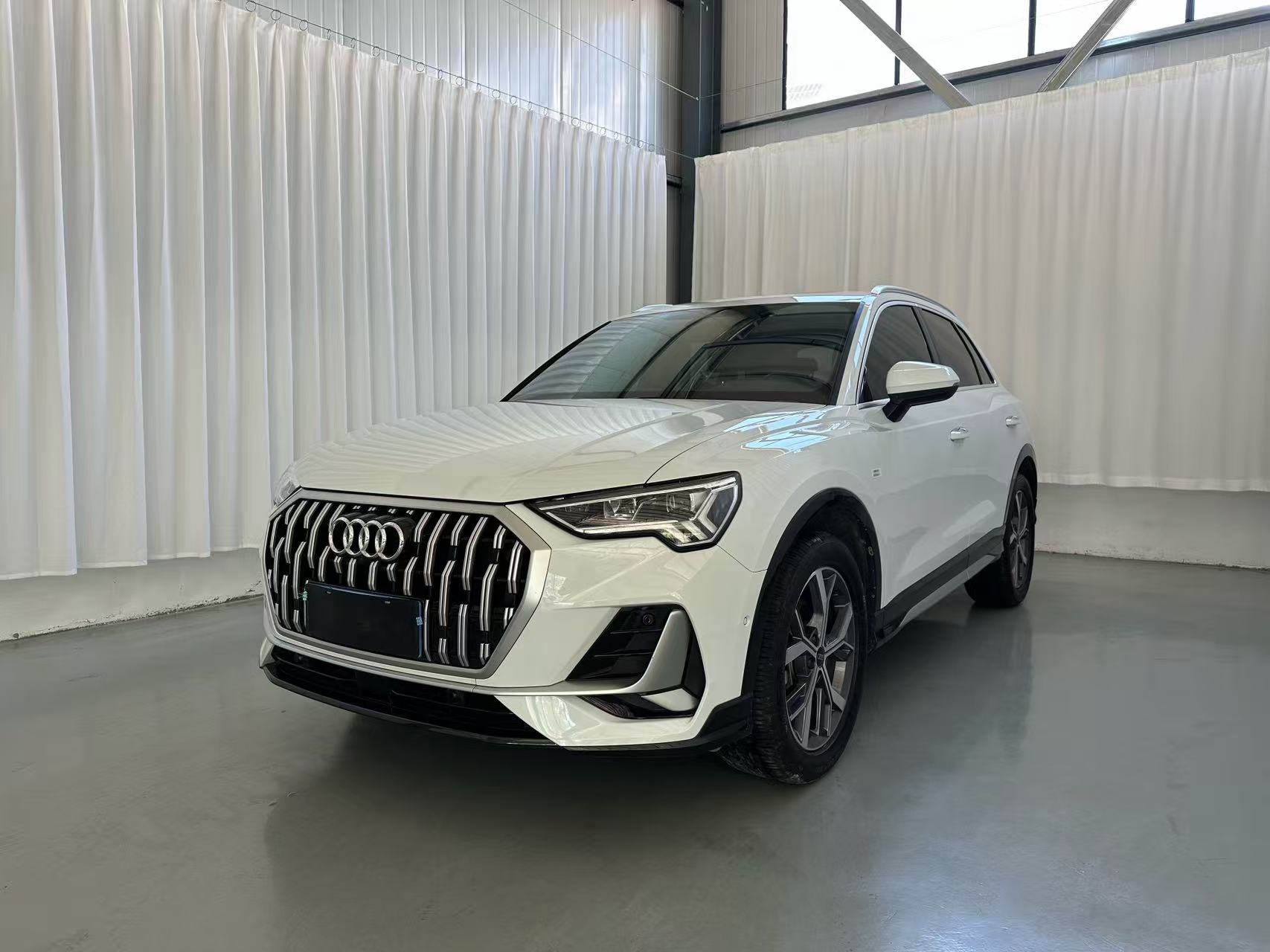
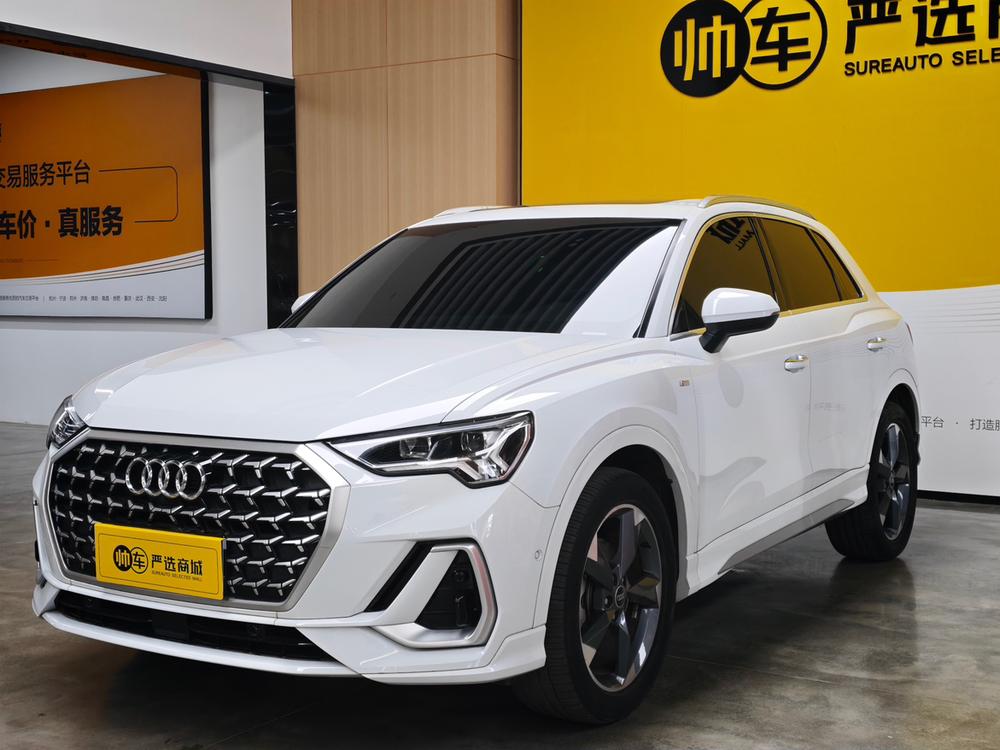
BrandAudi
SeriesQ3
Year2017
First Registration2017/08
Mileage60,500km
Transfer Count1times
FuelGasoline
TransmissionDCT
Engine2.0T 180 L4
ColorWhite
Seats-

Condition Description

Localized body damage or repair marks present. No accident damage or repairs to structural or reinforcement components. Vehicle performance (including three-electric system) has degraded or is limited.

Accident inspection: main structure undamaged, reinforcement parts undamaged, cover panels undamaged, hinges normal. Engine bay: valve cover gasket oil leak, timing cover (chain) oil leak. Exterior: 1 panel repair, 3 paint spots. Interior: headliner dirty, most features normal, airbag system normal, lighting system normal. Startup check: main components normal. Tool kit: missing.

电话直连
可讲价
平台物流
可转售
车主降价
新检测标准升级>
非泡水

Document Information

Inspection Expiry Date2027/08
Warranty Expiry Date-
Insurance Expiry Date2027/08

Q&A

More

Besides the purchase price, what other fees should I budget for when importing a used car from China?

The purchase price is only part of your total landed cost. Plan for these items: - Inland transport in China: moving the car from the seller's city to the export port, plus transfer and inspection fees. - Export fees: customs declaration, port handling, and terminal charges. Ask for an FOB (Free On Board) quote so these are included. - Ocean freight: RoRo (roll-on/roll-off) is cheapest for regular cars, but EVs often require special containers or dedicated EV shipping due to battery regulations, which costs more. - Insurance: marine cargo insurance, typically 1-3% of the car's value. - Import side: import duty, VAT or sales tax, customs brokerage, port charges at destination, and any homologation or compliance testing fees. As a rule of thumb, add 25-40% on top of the FOB price for a realistic landed-cost estimate, depending on your country's tax rates. Get a written breakdown from both your supplier and a customs broker before committing.


What is a safe step-by-step process for buying a used car from a Chinese exporter without visiting in person?

1) Verify the company: business license, export track record, and a live video call where they show the actual car and its VIN. 2) Hire an independent pre-shipment inspection. 3) Sign a contract stating the VIN, specs, price, Incoterm, and refund conditions. 4) Pay a 20–30% deposit by bank transfer only after the contract is signed — never the full amount, and never to a personal account. 5) After the inspection passes, pay the balance against a copy of the bill of lading. 6) Track the shipment and prepare import documents. 7) Inspect the car on arrival before releasing any final documents. Each step is a checkpoint. Don't let the seller rush you past one.

My imported Chinese car needs a repair part. How do I claim warranty or order parts from the exporter?

Start by checking the after-sales clause in your contract—reputable exporters typically offer 3-12 months of parts support. The usual process: send the exporter a fault description with photos or a short video, plus your VIN and contract number. They will confirm whether it is a warranty case or a paid parts order. For warranty claims, common resolutions are free parts shipped with your next container, or a credit/refund for parts you source locally. Keep all communication in writing. To avoid long waits, ask for the OE part numbers in advance and check whether local dealers stock the same components—many Chinese brands share suppliers. Ordering common wear parts (filters, brake pads) together with the car shipment is the cheapest option by far.