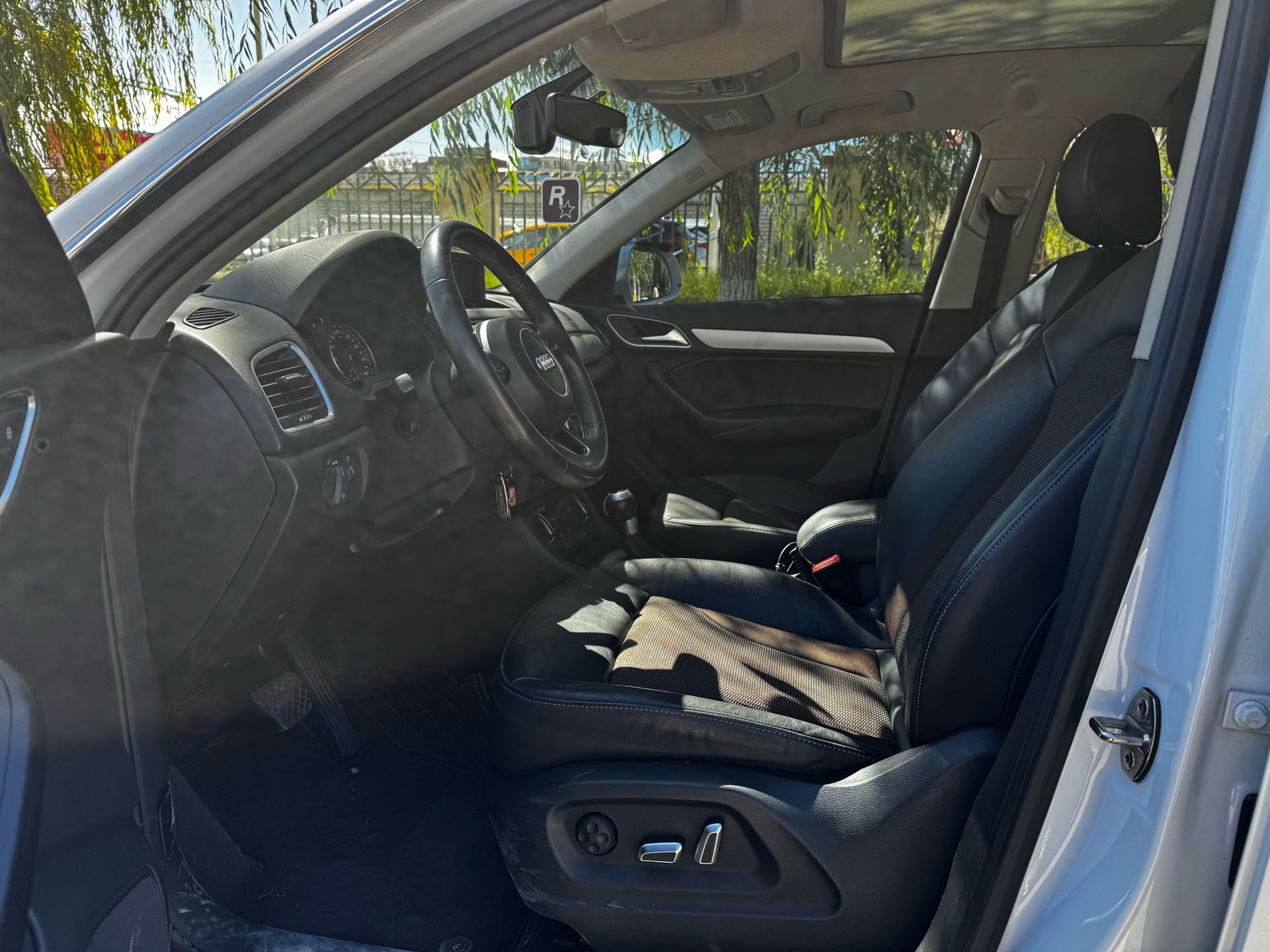
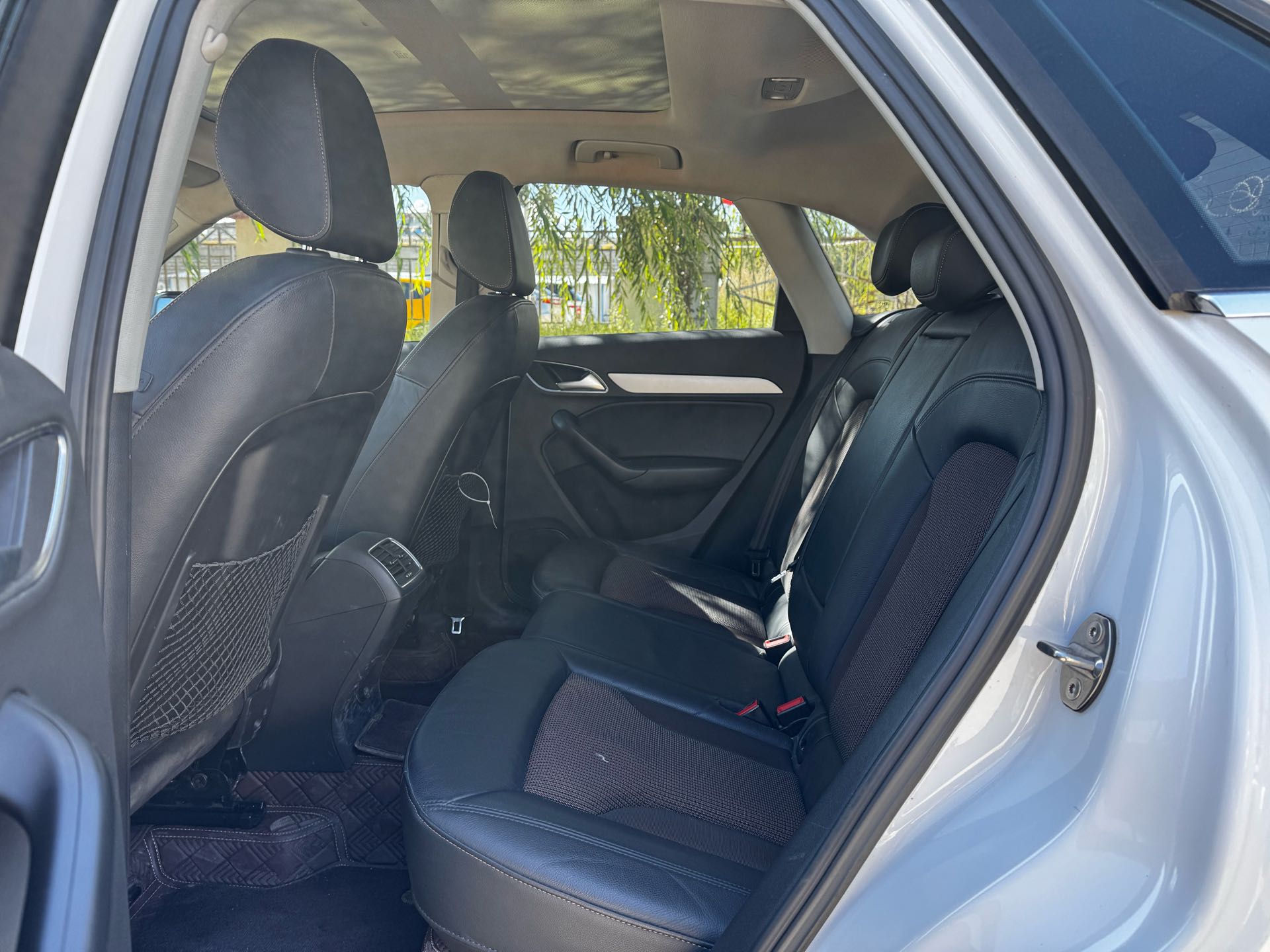
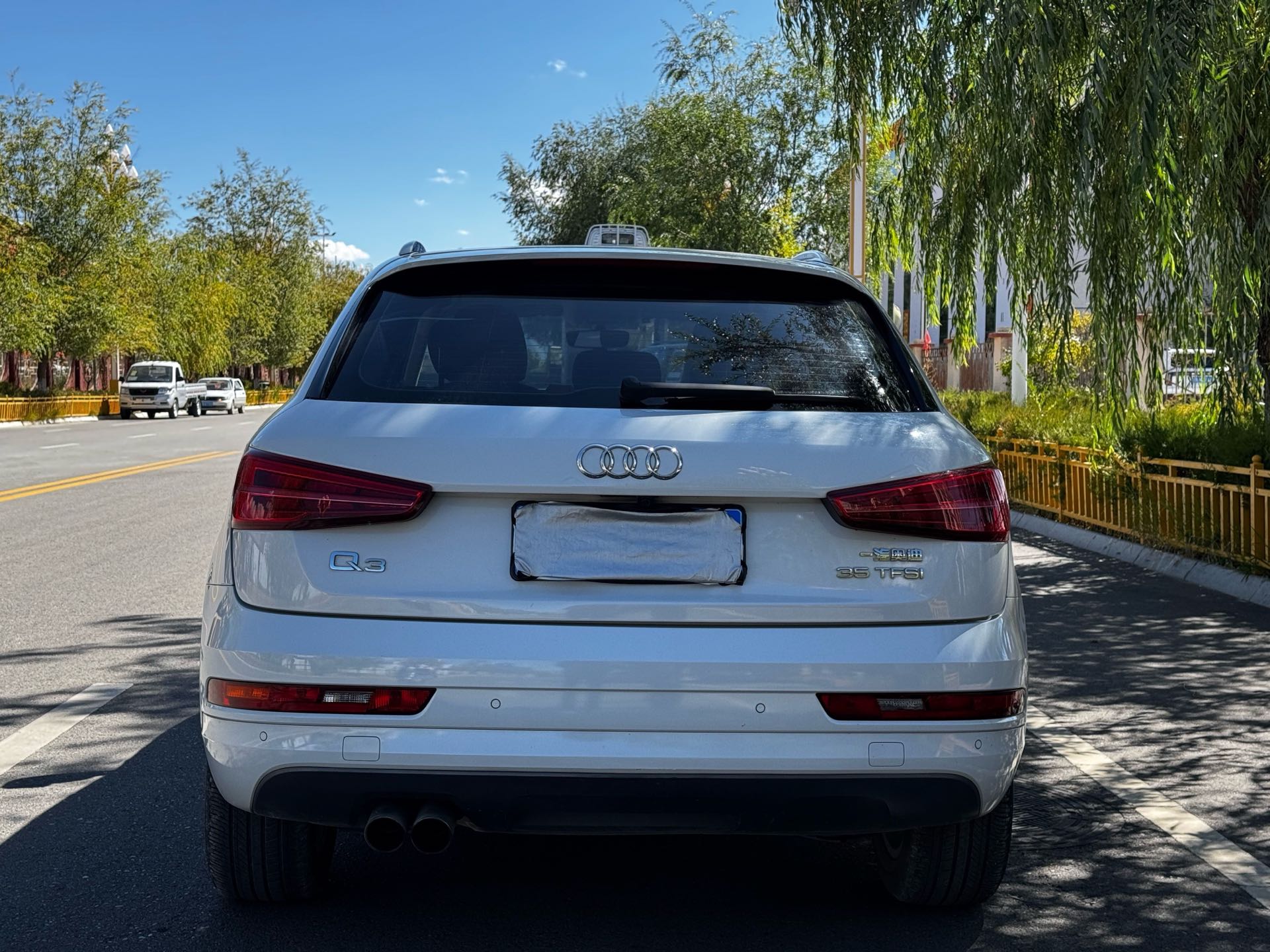



48H

Basic Information

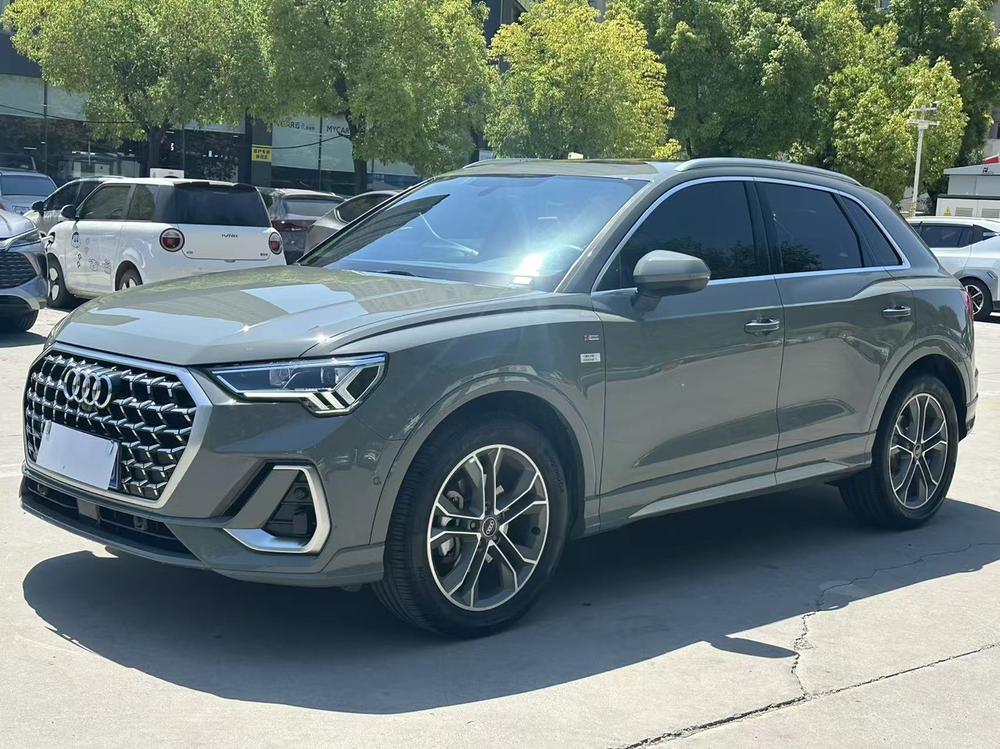
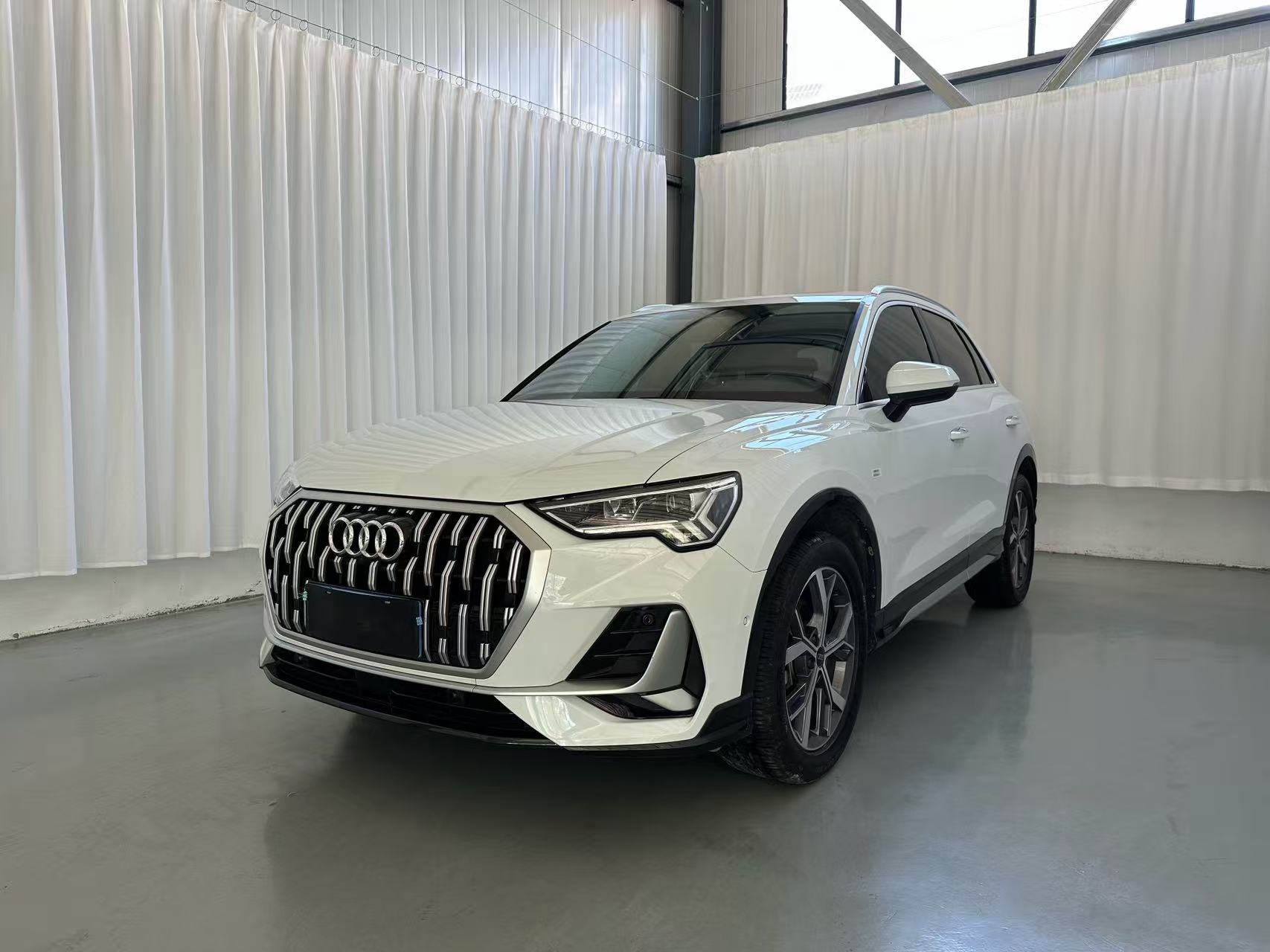
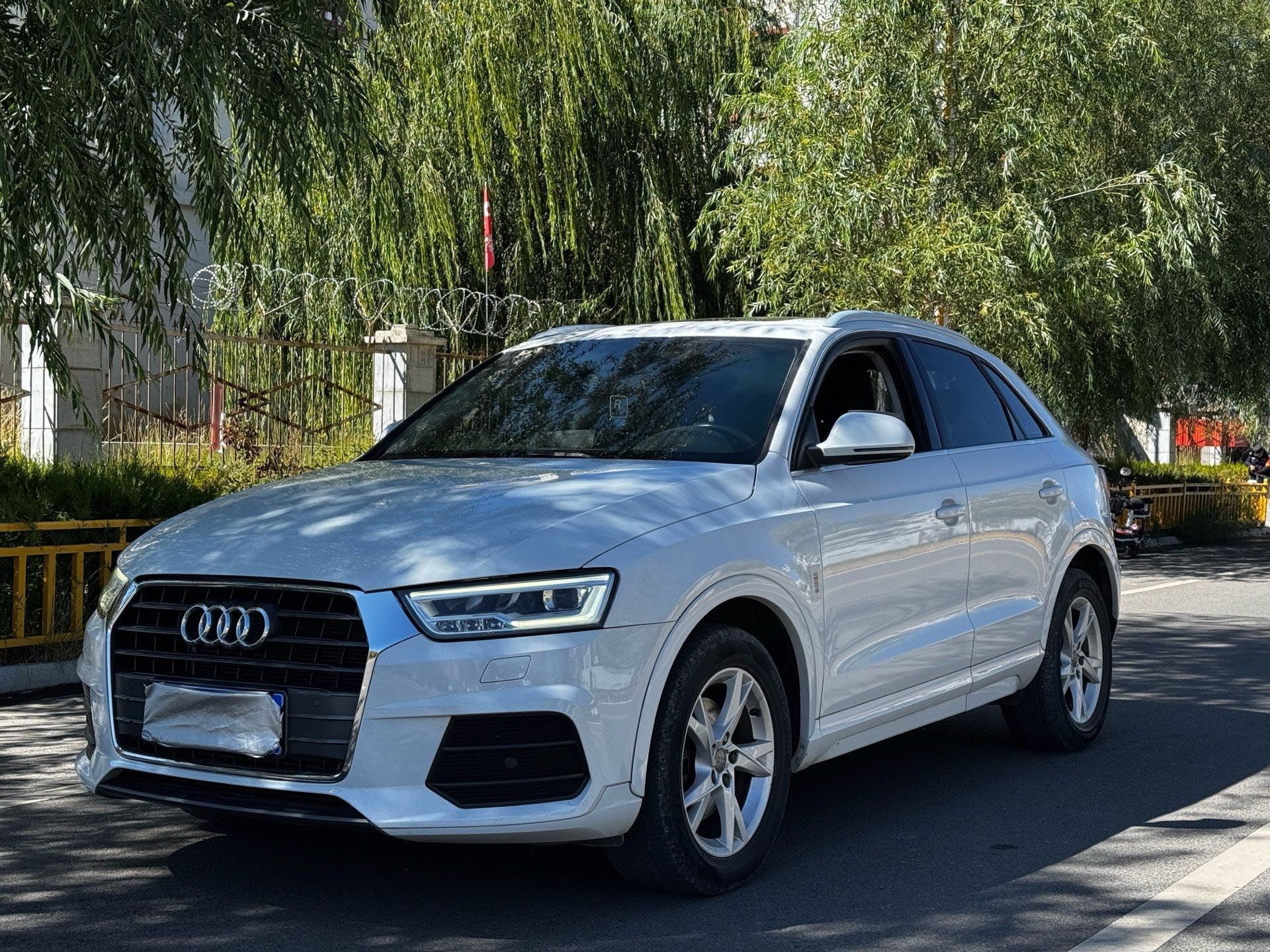
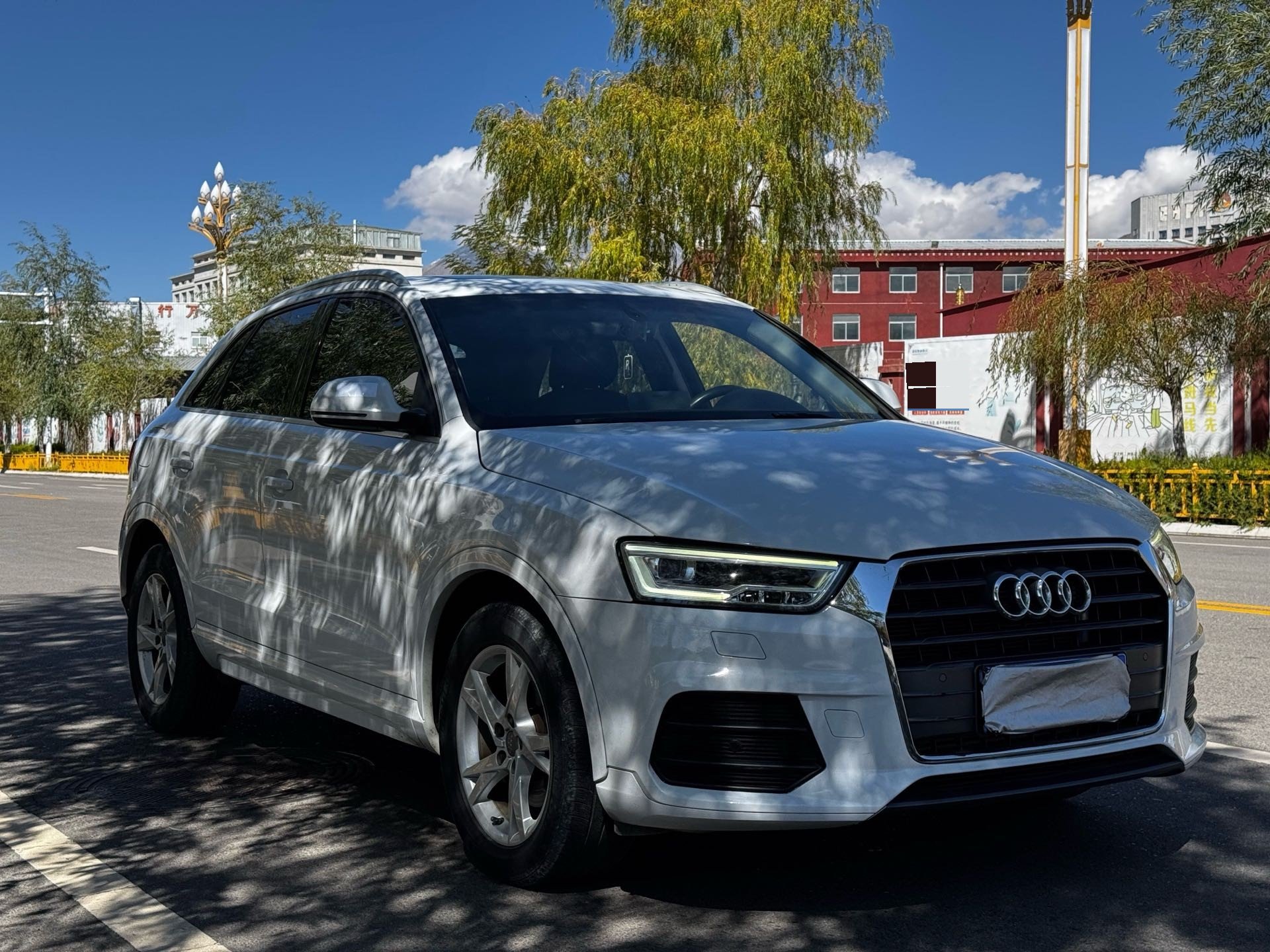
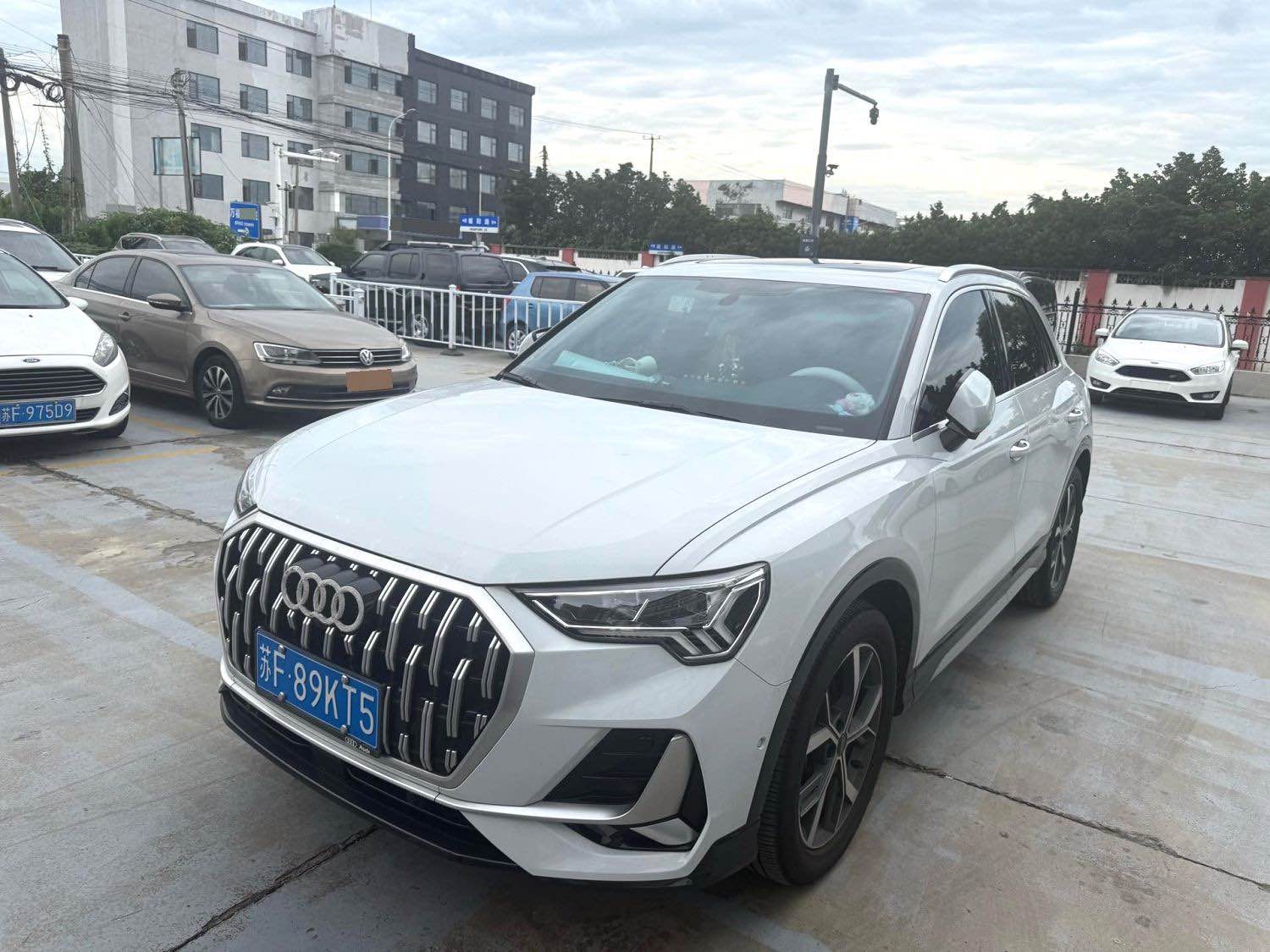
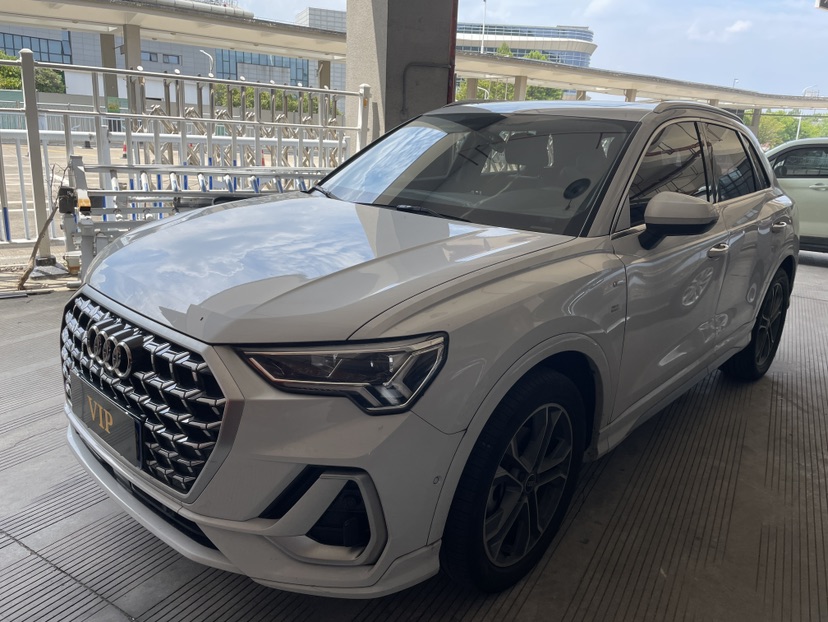
BrandAudi
SeriesQ3
Year2018
First Registration2018/10
Mileage110,000km
Transfer Count0times
FuelGasoline
TransmissionDCT
Engine2.0T 180 L4
ColorWhite
Seats-

Condition Description

Front-end assembly replaced.

Document Information

Inspection Expiry Date-
Warranty Expiry Date-
Insurance Expiry Date2027/10

Q&A

More

What should I do if the roll-on/roll-off vessel carrying my vehicle experiences a fire or a typhoon at sea causing damage?

Under CIF (Cost, Insurance, and Freight) terms, we will insure your vehicle with a reputable international insurance company for "All Risks" before shipment. If total loss or partial damage occurs during sea transport, the risk transfers to you once the goods cross the ship's rail. However, sellwellauto will not stand by; we will assist you in preparing complete claims documentation (such as the bill of lading, invoice, and damage photos) to initiate a cross-border claim process with the insurance company, minimizing your financial loss.
How do I verify the real battery health and range of a used Chinese EV before buying from overseas?

Battery health is the single biggest risk when buying a used Chinese EV remotely. Ask for a battery report showing state of health (SOH) and cell voltage balance from the car's BMS or a diagnostic scan — anything below 85% SOH deserves a price reduction or a pass. Check fast-charge counts and whether the pack has warranty remaining; many Chinese EVs carry 8-year/150,000 km battery warranties that may or may not transfer. Verify real-world range from energy consumption history rather than the dashboard estimate. Also confirm the on-board charger works with your country's voltage, and ask whether the connected app and OTA updates will remain accessible in your region before you pay.

Can I get spare parts for a Chinese-brand car in my country, and how do I order them from China?

Parts availability depends on the brand's official presence in your market, but even unsupported brands can be maintained through direct ordering. Check three channels first: the brand's official dealer network (if any), third-party importers who specialize in Chinese auto parts, and generic equivalents. For wear items like brake pads, filters, and wipers, aftermarket suppliers usually stock cross-references by VIN. For model-specific parts — headlights, sensors, control modules — order directly from China. Ask your exporter for the parts catalog by VIN, confirm OEM part numbers, and compare prices. A turbocharger that costs $900 from a local dealer often ships from China for $350 plus $80 freight. Practical tips: bundle multiple parts into one shipment to amortize freight; ask for DDP (delivered duty paid) pricing so customs clearance is handled; and always verify part numbers against your VIN before paying, as Chinese models have running changes mid-year. Keep a small stock of common wear parts — oil filters, air filters, spark plugs — to avoid a 4-6 week wait for routine maintenance.