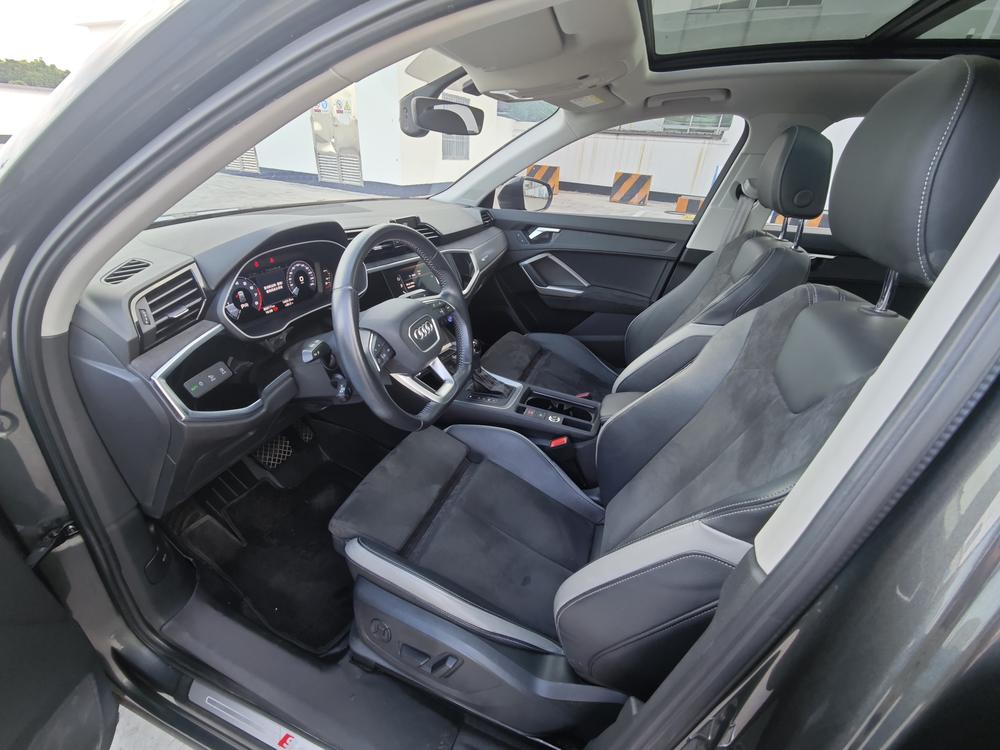
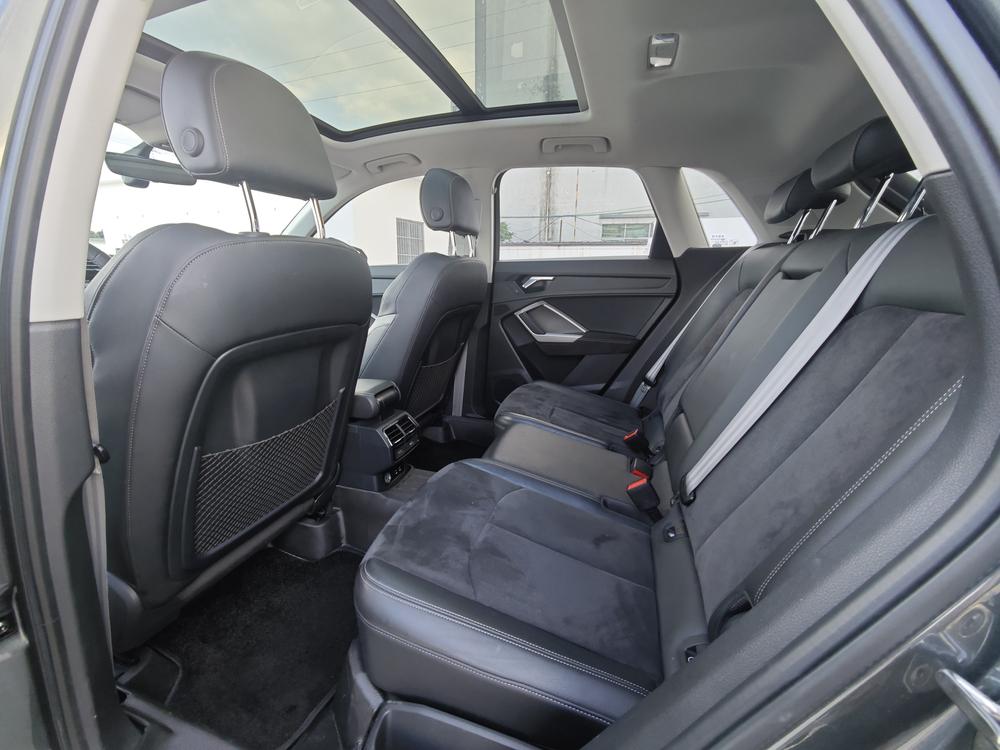
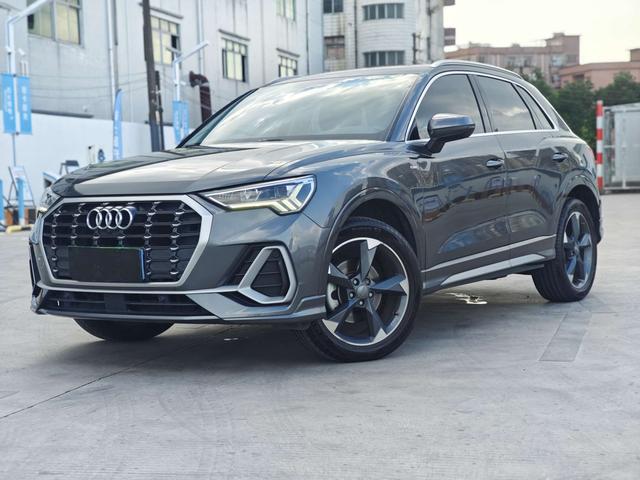



48H

Basic Information

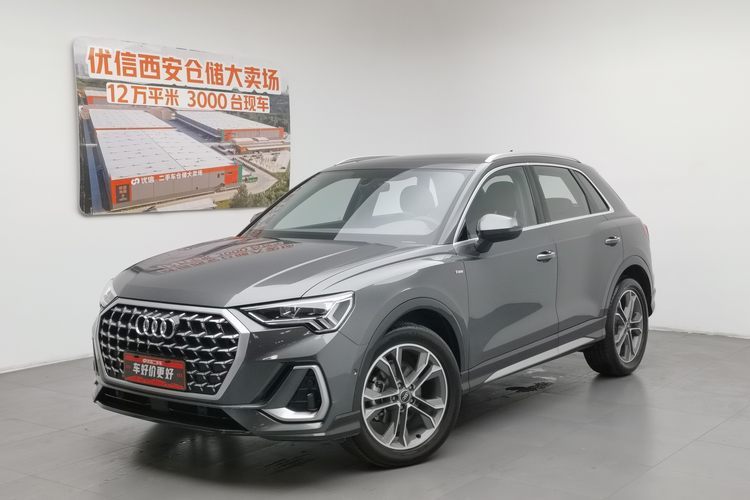
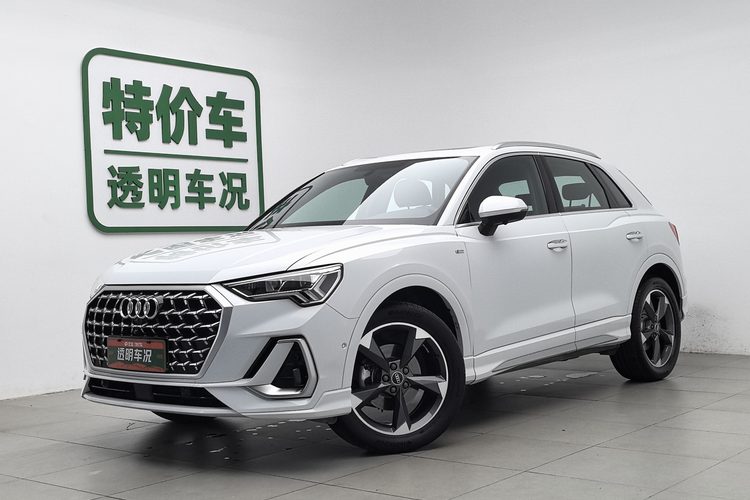
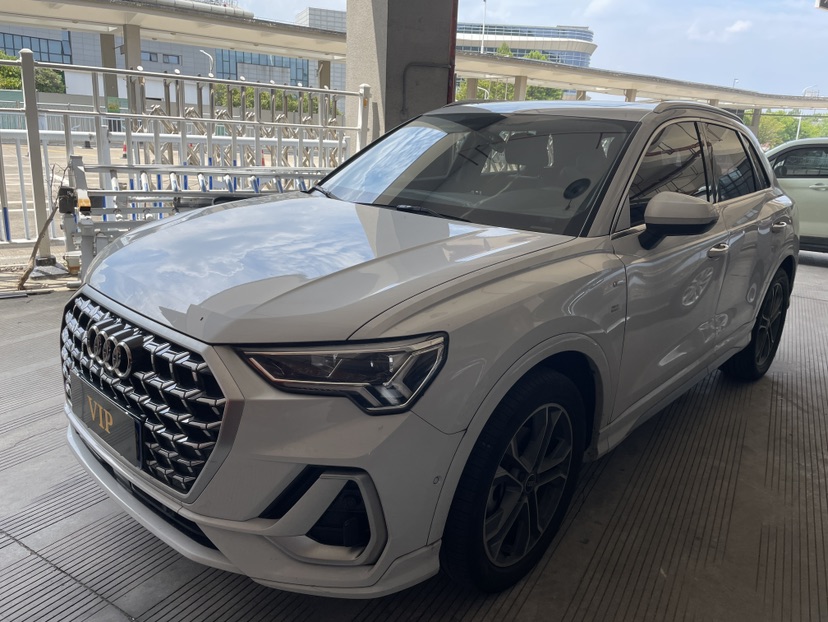
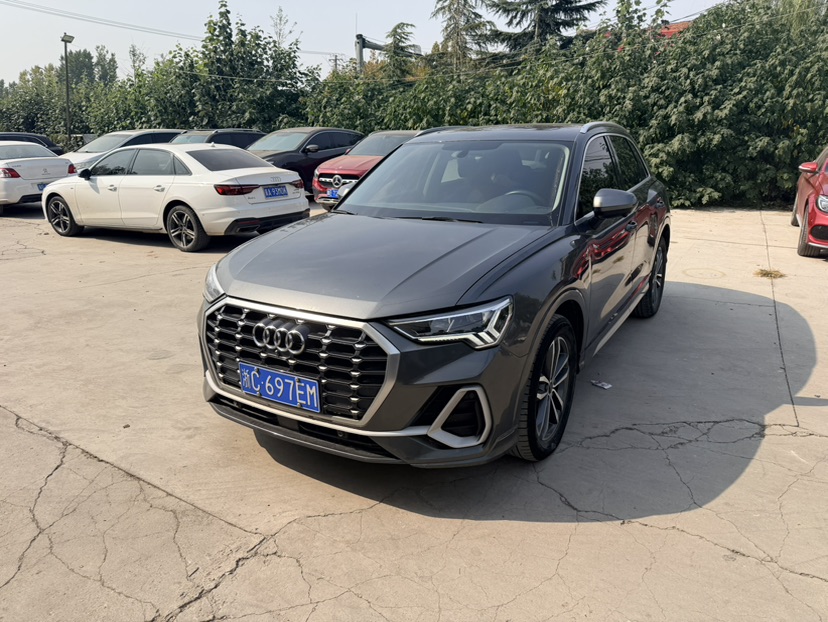
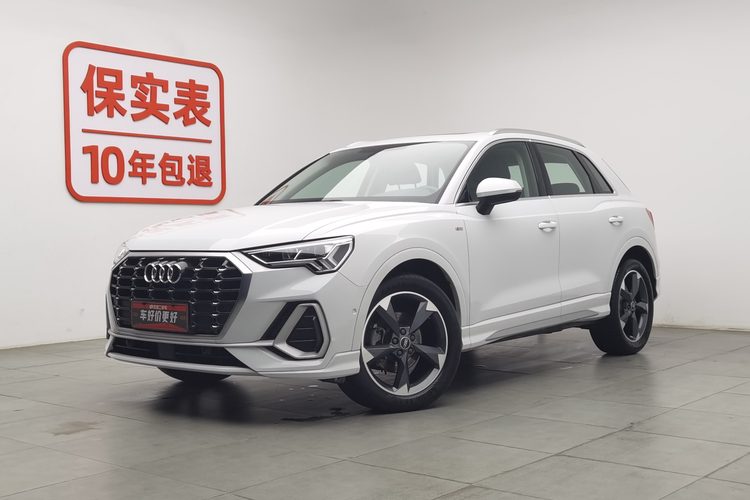
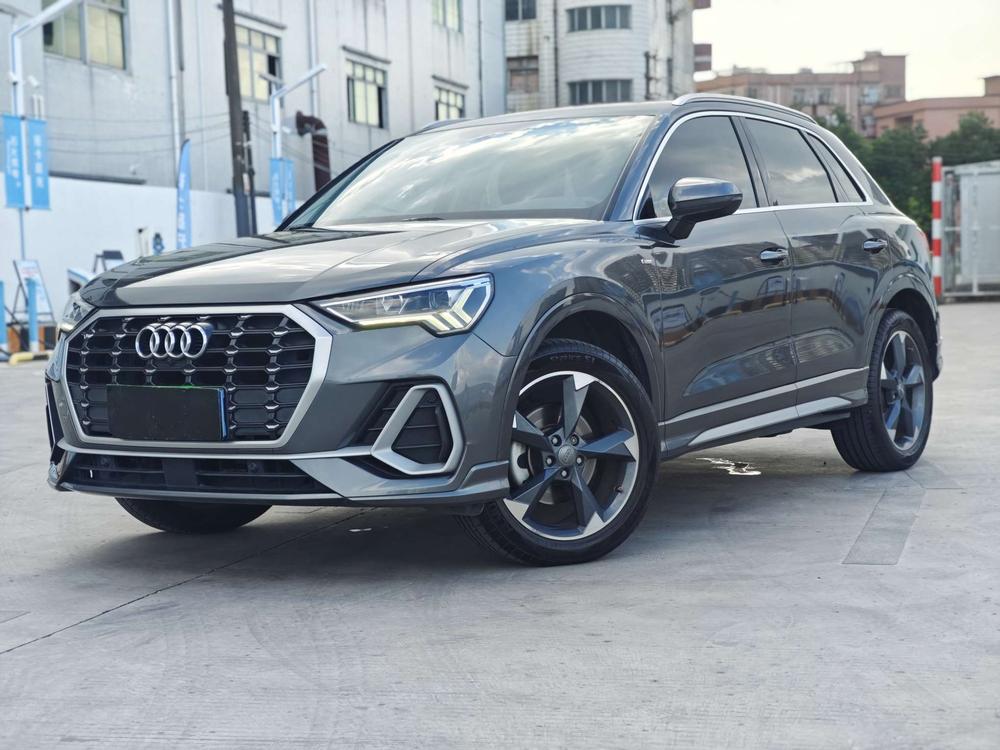
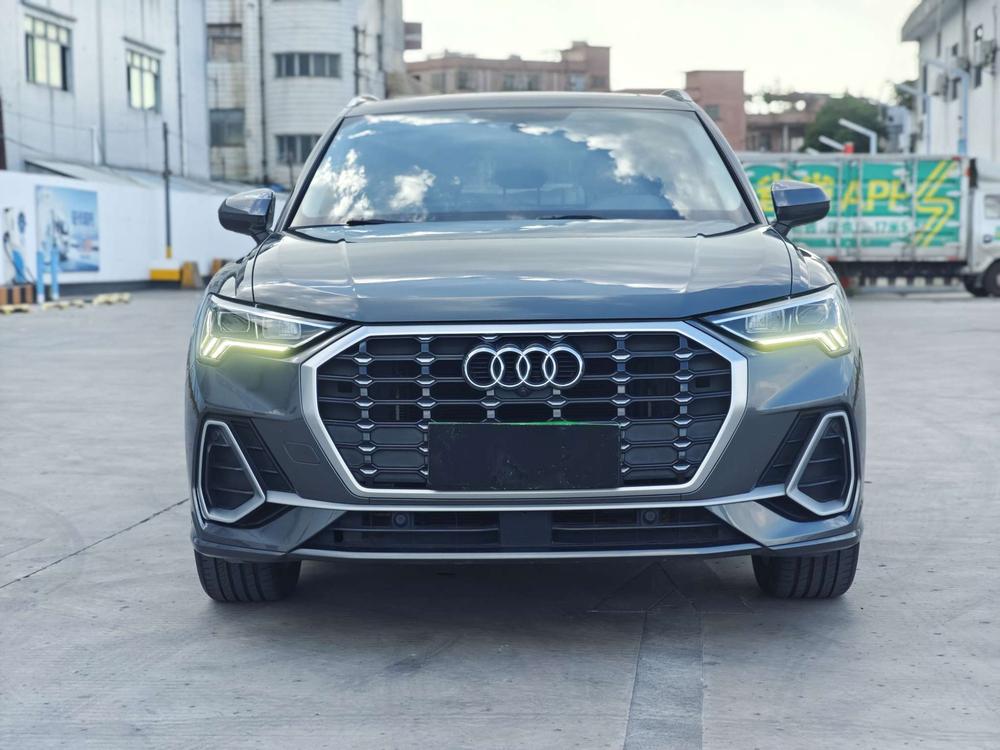
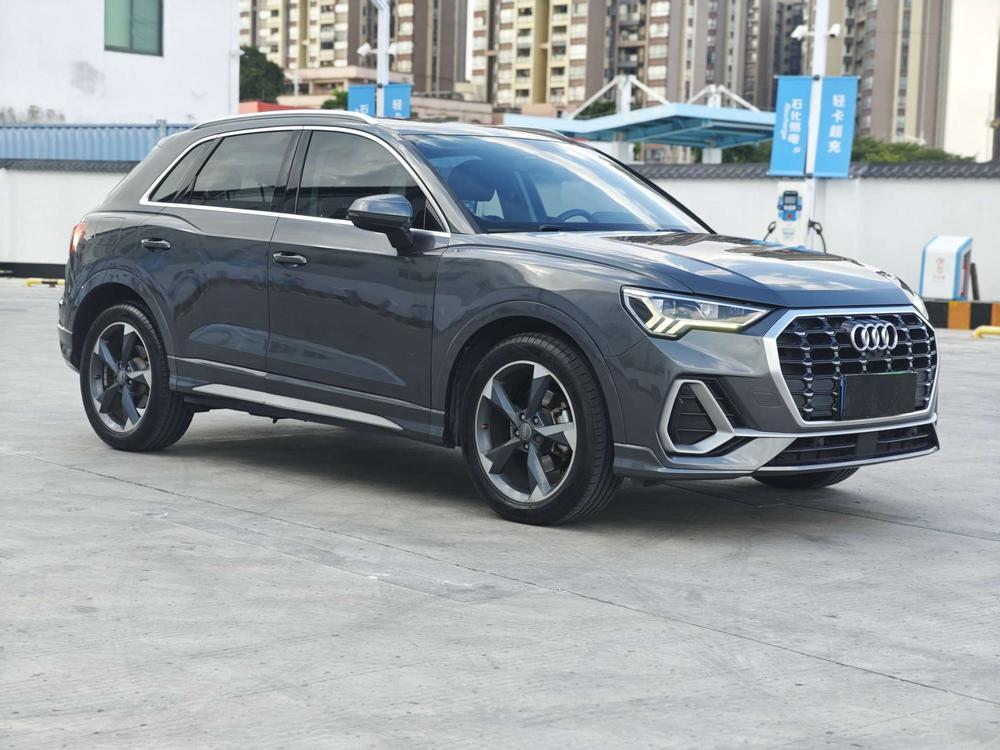
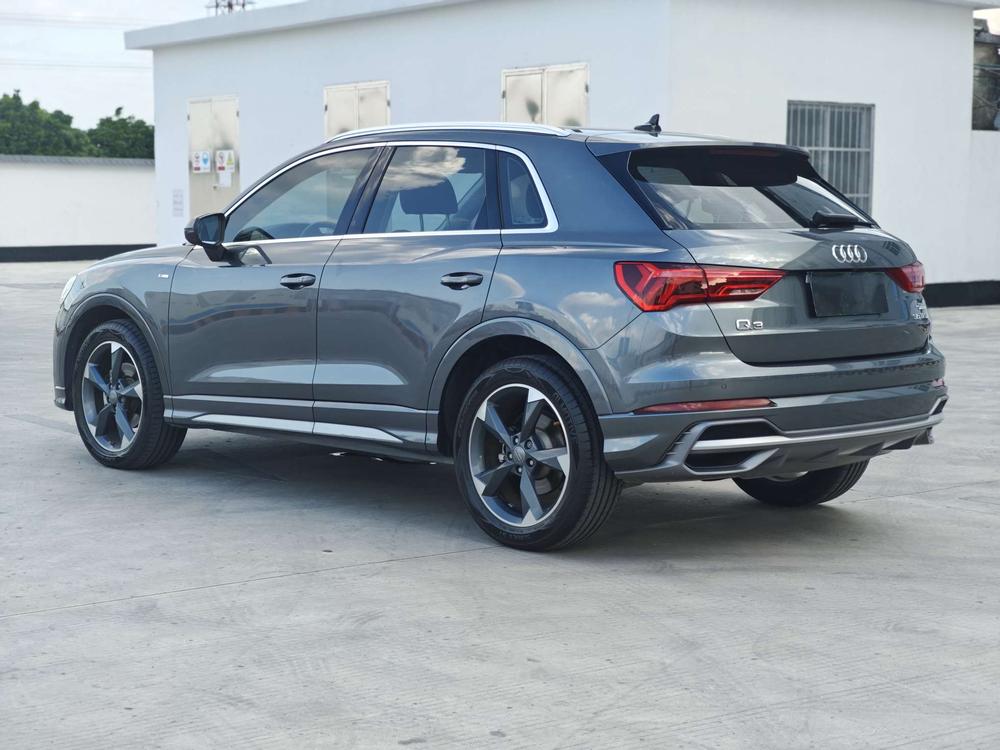
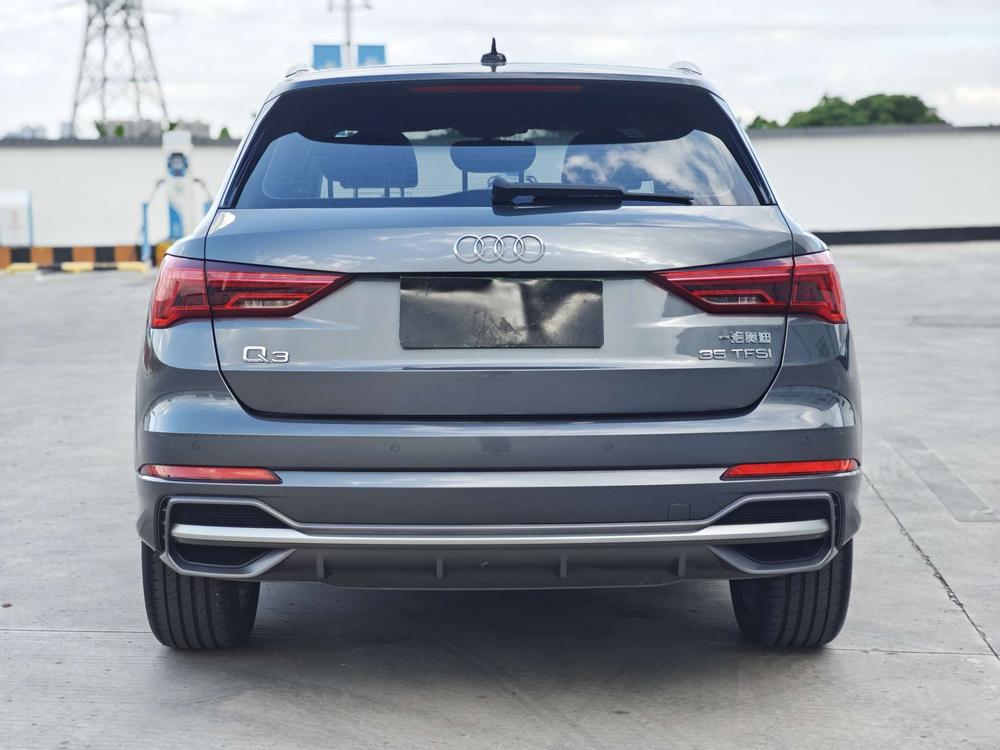
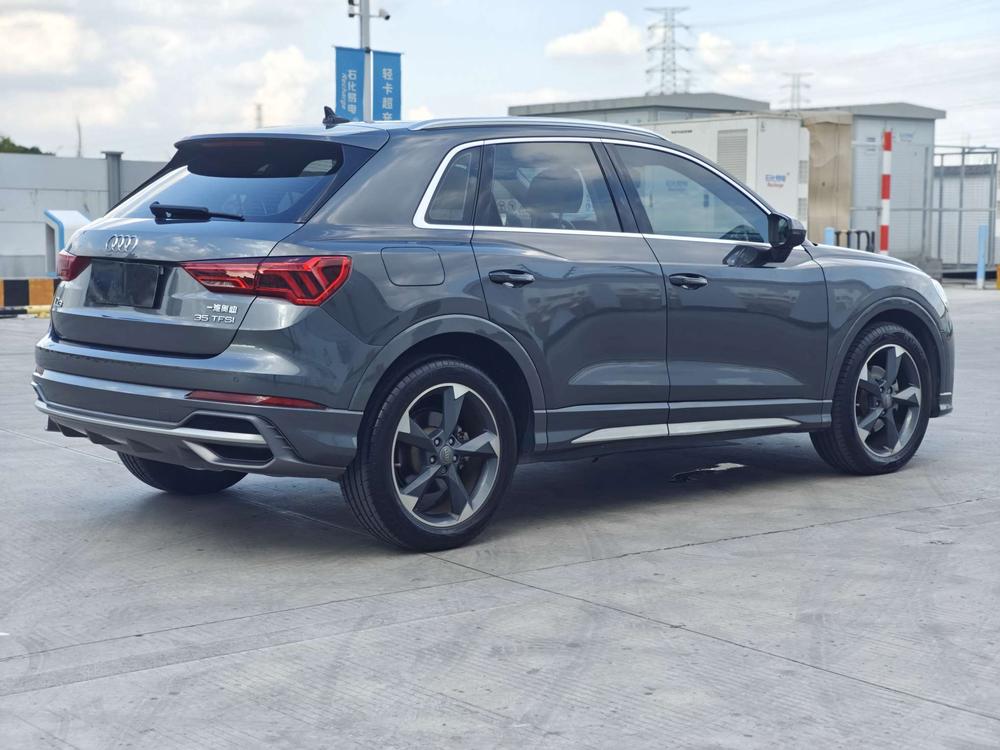
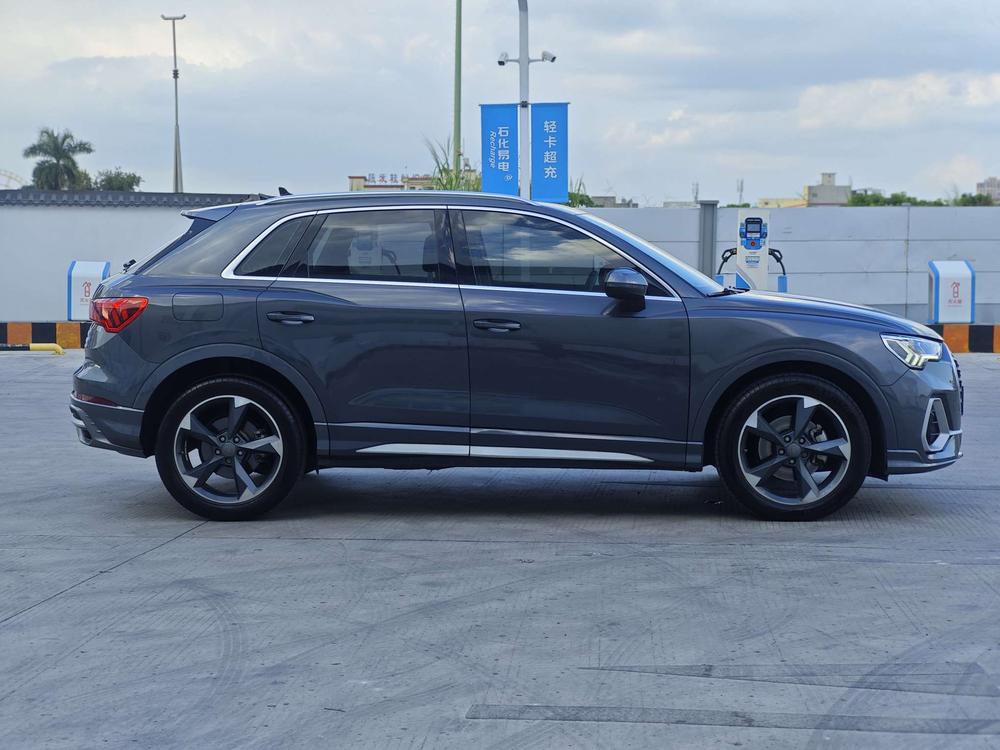
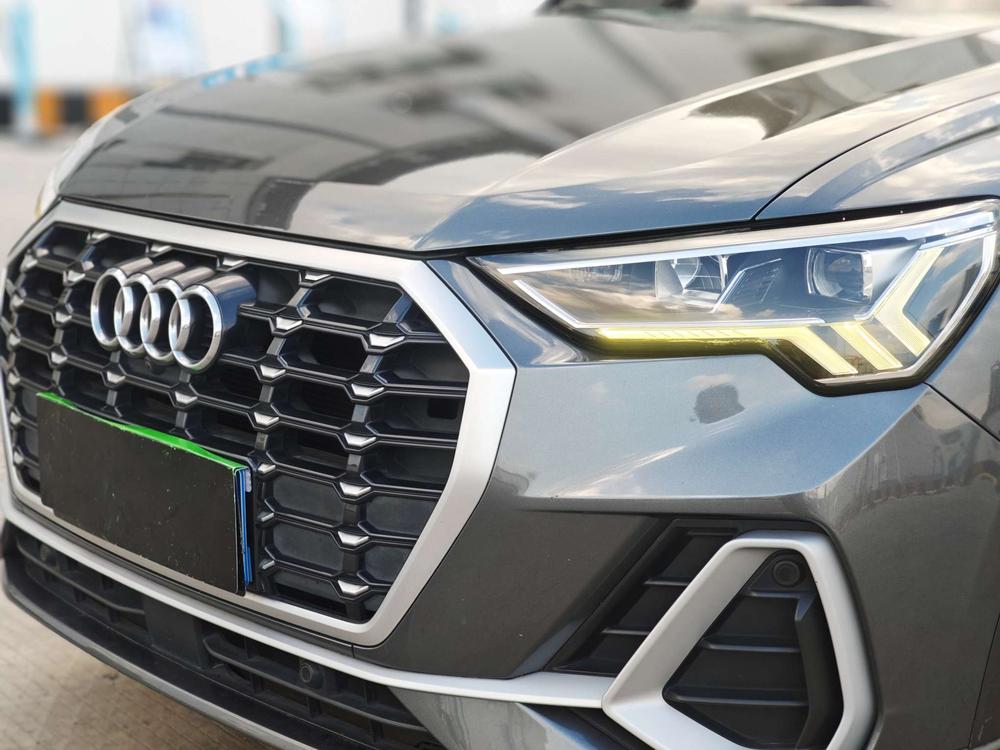
BrandAudi
SeriesQ3
Year2020
First Registration2020/07
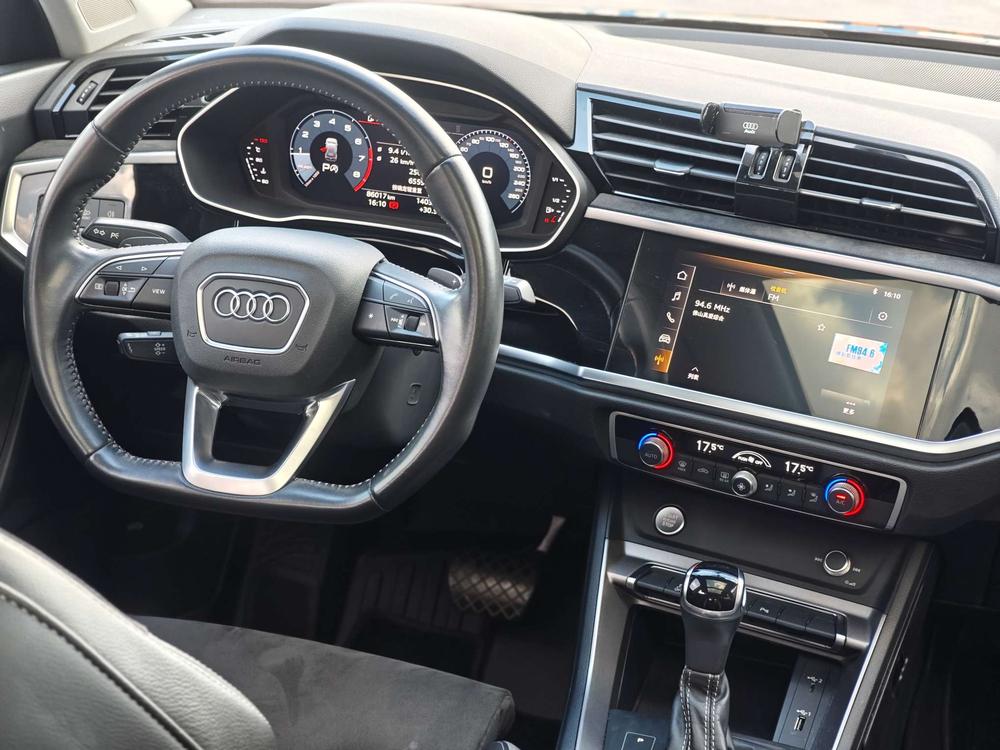
Mileage86,000km
Transfer Count0times
FuelGasoline
TransmissionDCT
Engine1.4T 150 L4
Color
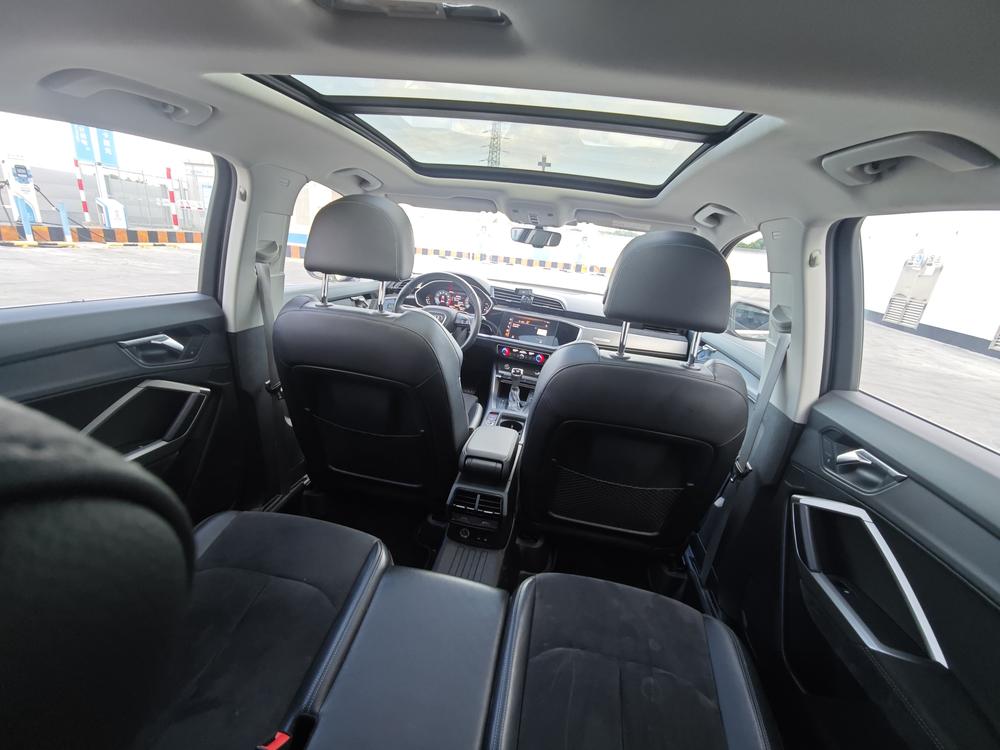
Seats-

Condition Description

官方质检 · 60天全车质保· 7天无理由有偿退车

Configuration Highlights

✓上牌时间: 2020-07
✓表显里程: 8.6万公里
✓车源地: 东莞
✓排放标准: 国六
✓百公里加速: 9.8s
✓发动机: 1.4T
✓轴距: 2680mm
✓变速箱: 自动
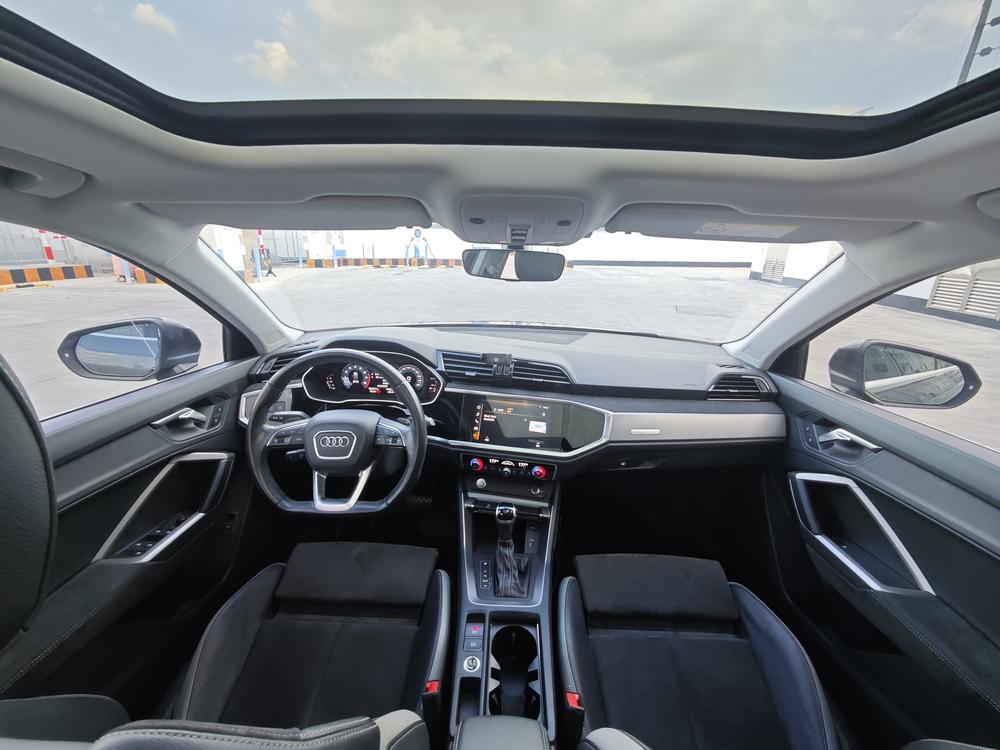
✓功能配置: 16项
✓安全配置: 5项
✓动力类型: 前驱
✓空间舒适性: 好

Q&A

More

What does a professional pre-shipment inspection in China cover, and how do I book one independently of the seller?

A proper inspection covers roughly 200 checkpoints in four areas: 1. Body and paint: panel gaps, paint thickness readings, signs of accident repair. 2. Mechanical: engine health report, transmission behavior, suspension, underbody on a lift, fluid condition. 3. Electronics: full OBD diagnostic scan, airbag history, all lights and comfort features. 4. Documentation: VIN matches everywhere, no lien or seizure record. You can book directly with inspection companies in Guangzhou, Shanghai, or Tianjin (typically USD 100–250) without going through the seller—give them the yard address and car details, and they send a report with photos and video within 1–2 days. Pay the inspection fee yourself so the inspector answers to you, not the exporter.


Can the Chinese electric vehicles (EVs) you export use charging interfaces directly overseas?

Chinese standard electric vehicles use the national standard (GB/T) charging interface. If your country uses the European standard (CCS2), American standard (CCS1), or Japanese standard (CHAdeMO), the vehicle cannot be plugged directly into local charging stations. To address this issue, we will recommend or provide high-quality certified adapters (Adapter) with CE/UL safety certification. Please confirm the charging station specifications in your area with our sales personnel before purchasing.

Which export documents should the Chinese seller provide, and how do I verify they are authentic?

The standard set: commercial invoice, packing list, bill of lading, export customs declaration, certificate of origin, and a copy of the vehicle title/registration. How to verify: the bill of lading number should be trackable on the shipping line's website; the certificate of origin is verifiable through CCPIT's online system; and the VIN must match across all documents, the inspection report, and the car itself. Ask for scans of everything before paying the balance, and have a freight forwarder review the set. Mismatched VINs, missing title copies, or vague promises that "documents will follow" are red flags worth pausing the deal over.