








24H

Basic Information

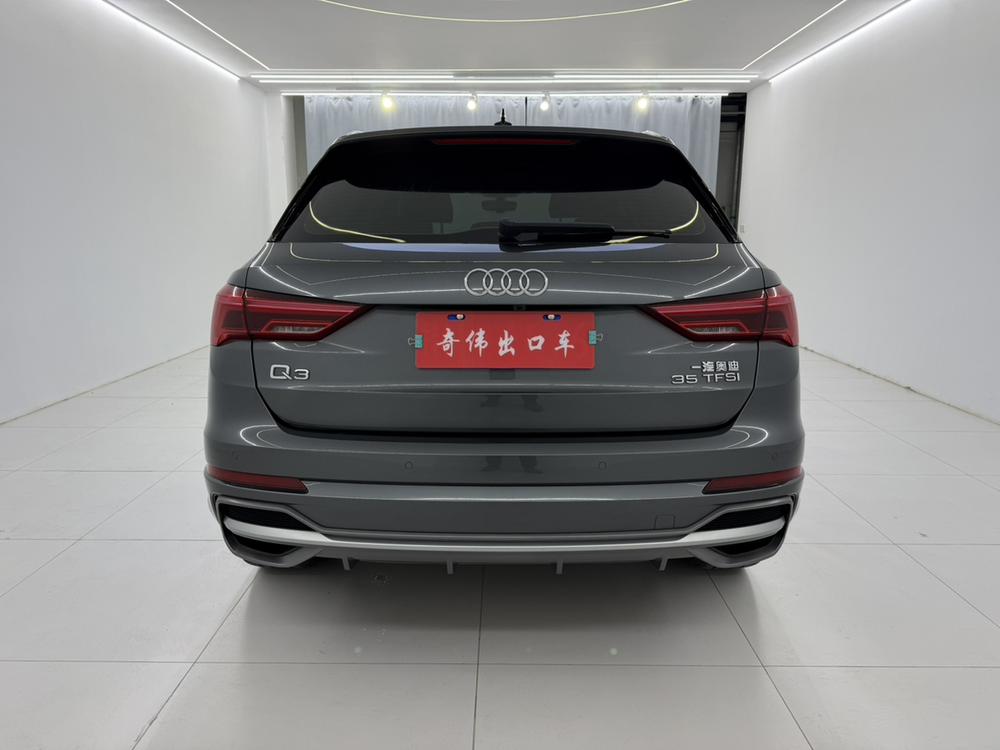
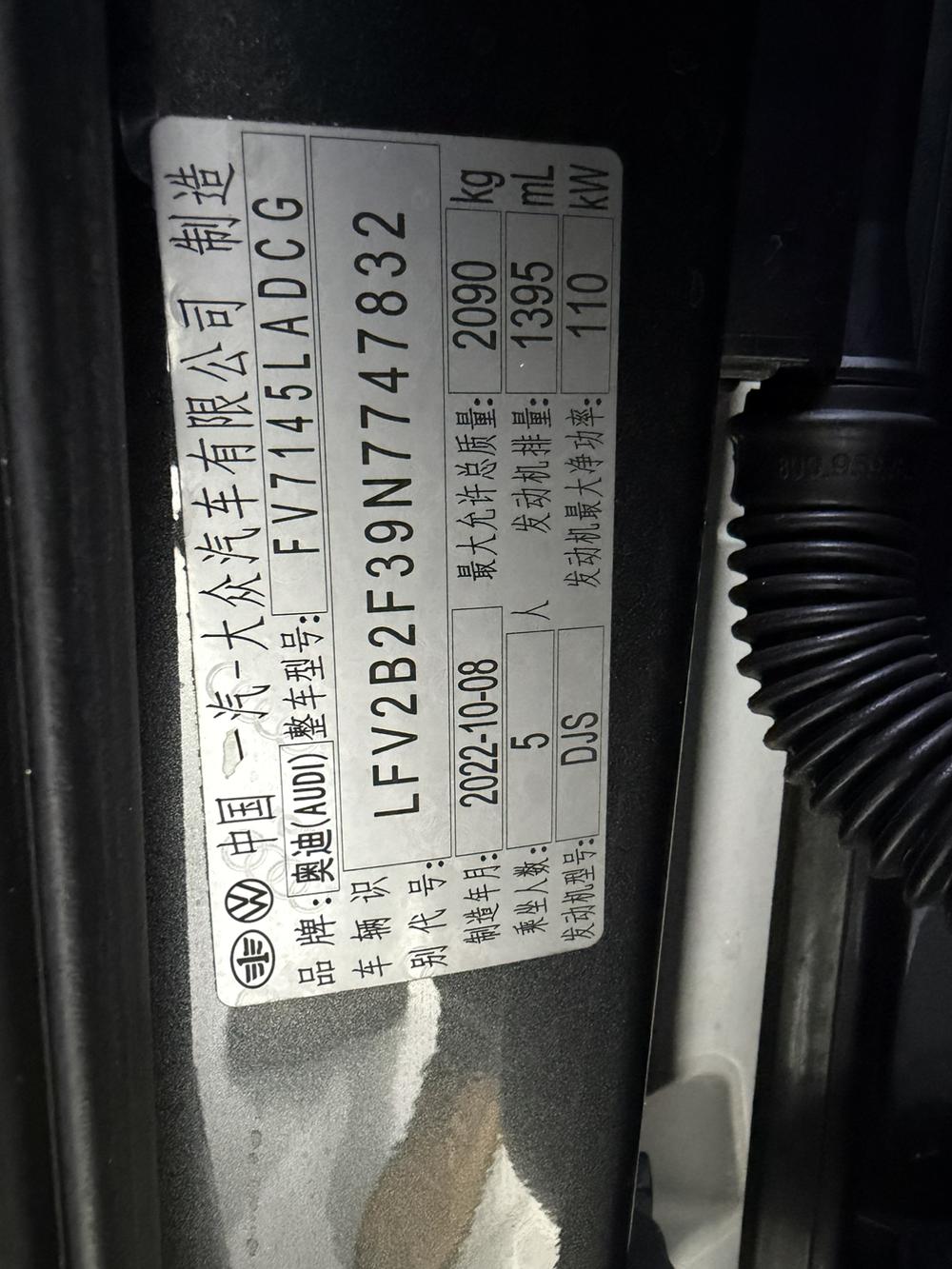
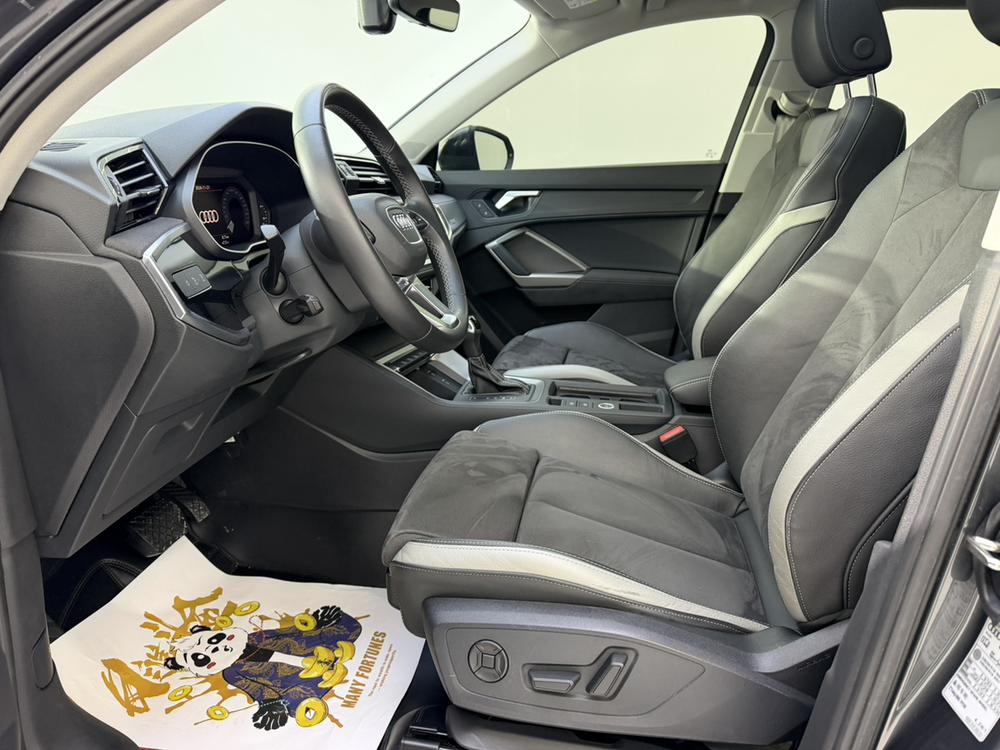
BrandAudi
SeriesQ3
Year2022
First Registration2022/12
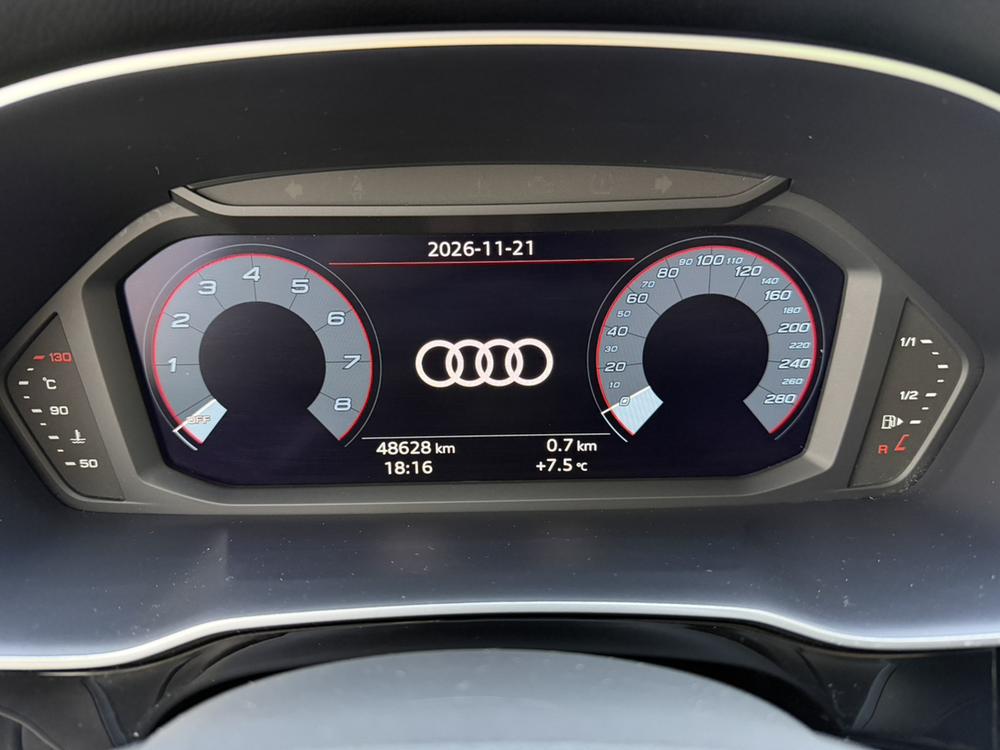
Mileage48,000km
Transfer Count0times
FuelGasoline
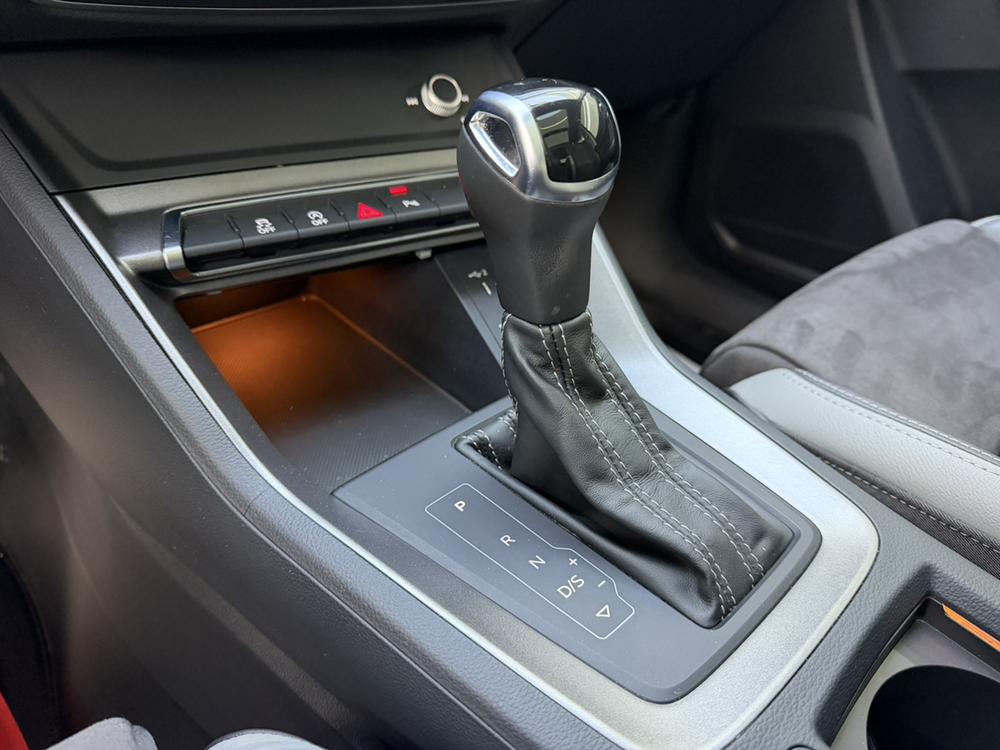
TransmissionDCT
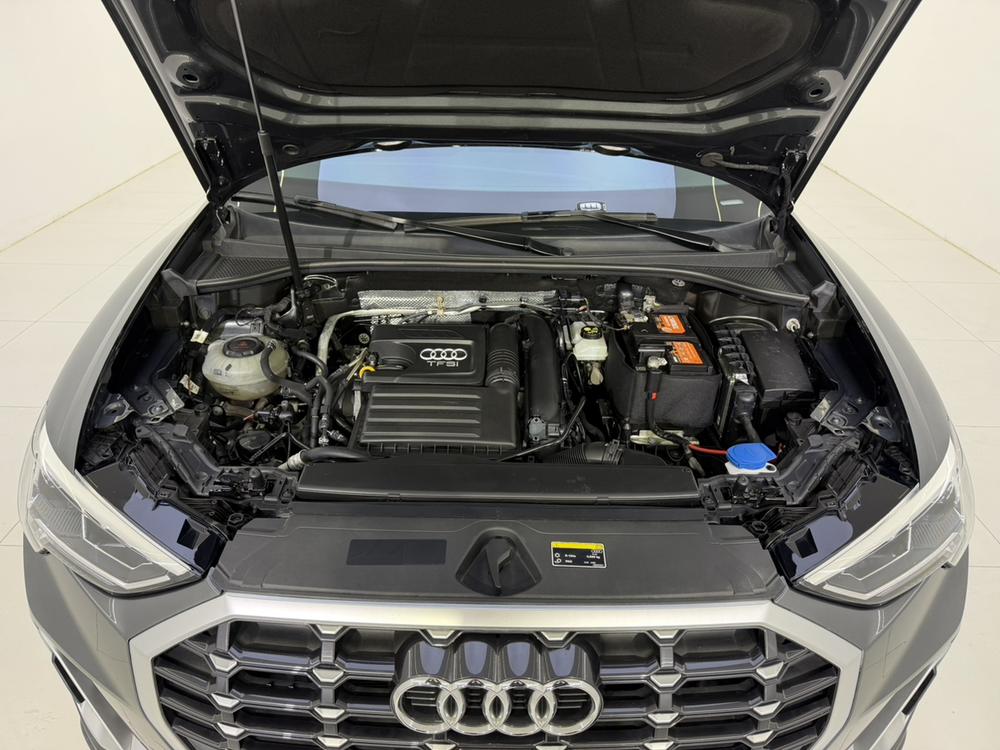
Engine1.4T 150 L4
Color
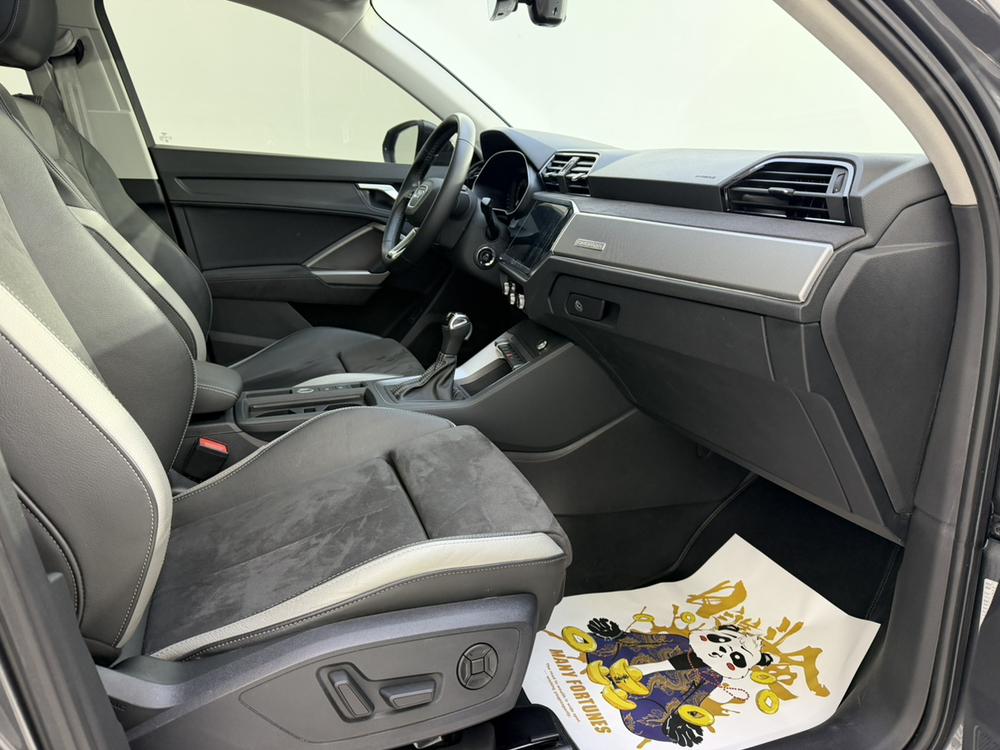
Seats-

Condition Description

官方质检 · 60天全车质保· 7天无理由有偿退车

Configuration Highlights

✓上牌时间: 2022-12
✓表显里程: 4.8万公里
✓车源地: 哈尔滨
✓排放标准: 国六
✓百公里加速: 9.8s
✓发动机: 1.4T
✓轴距: 2680mm
✓变速箱: 自动
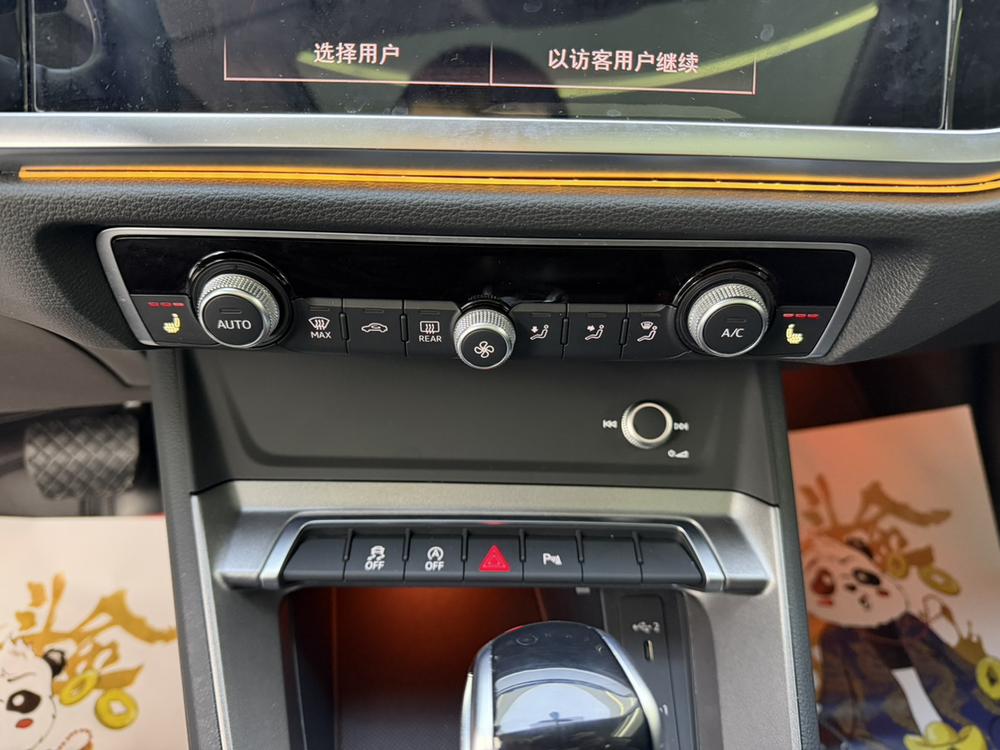
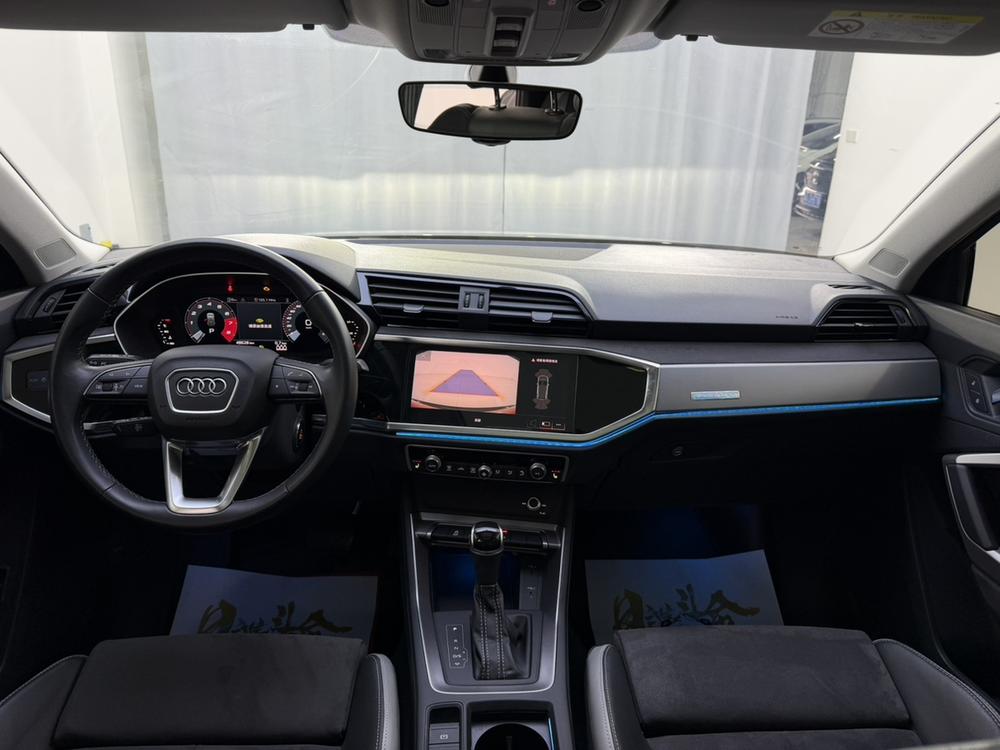
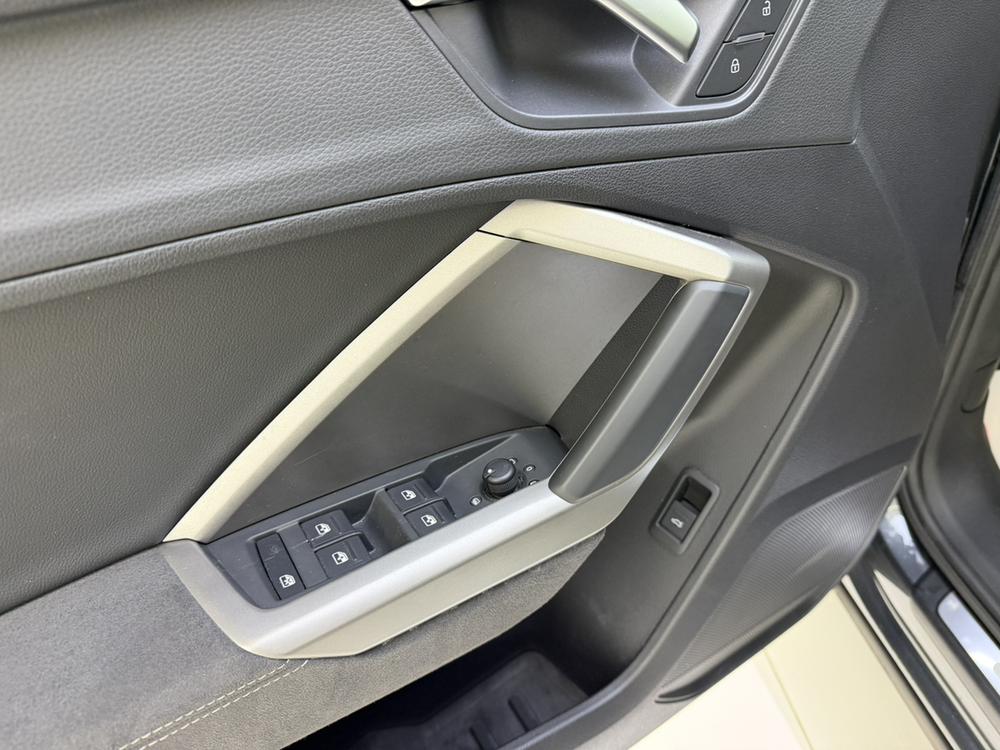
✓功能配置: 12项
✓安全配置: 4项
✓动力类型: 前驱
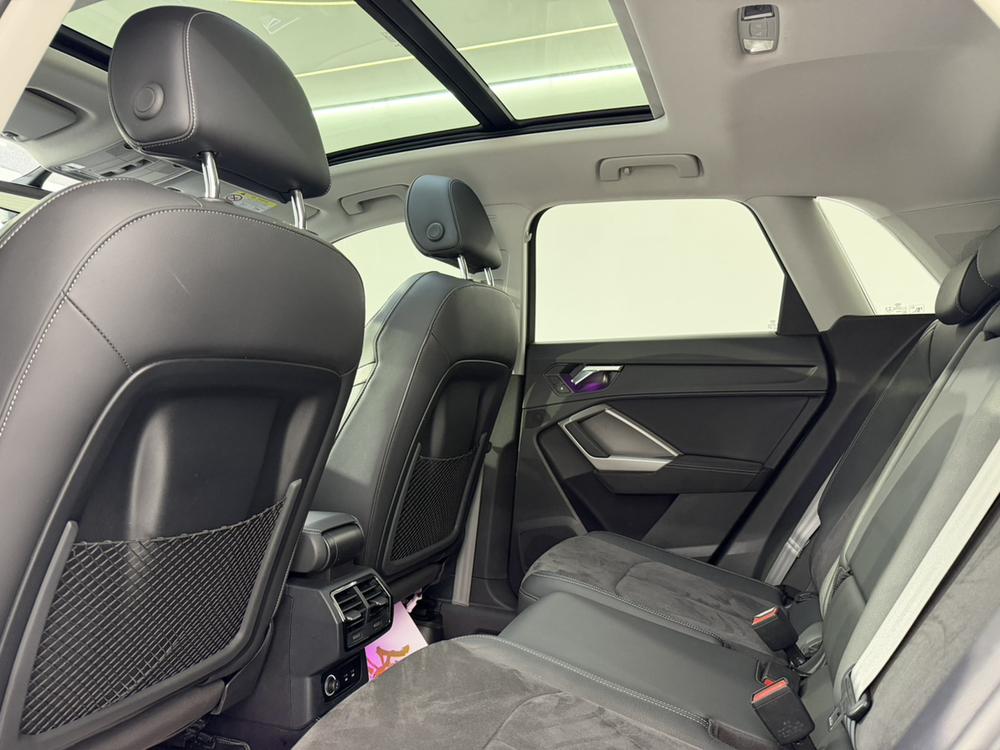
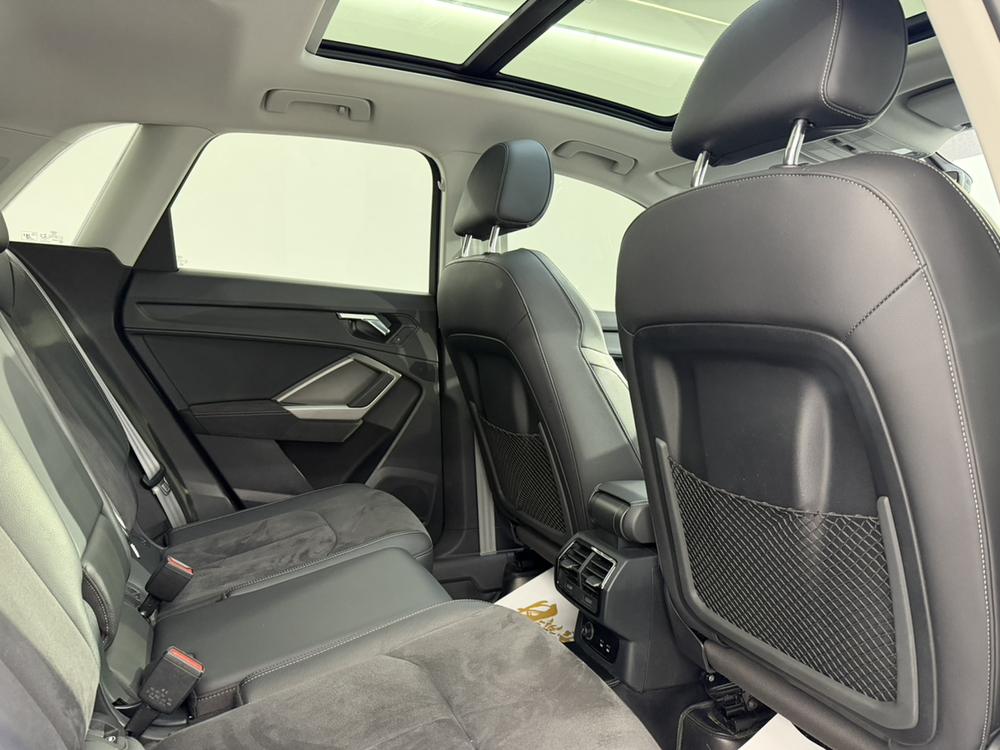
✓空间舒适性: 好

Q&A

More

Will you provide a full vehicle electronic fault code scan report read by the OBD (On-Board Diagnostics) computer?

Yes. We will use a professional diagnostic tool to scan all vehicle systems, including the Engine Control Unit (ECU), Transmission Control Module (TCM), Anti-lock Braking System (ABS), and Airbag Module (SRS), and provide English screenshots of all current and historical Diagnostic Trouble Codes (DTCs).


Why are some vehicle license plate details obscured or removed in the displayed images?

The original Chinese license plates are obscured to protect the previous owner's personal privacy, and also because the plates have been forcibly reclaimed by Chinese traffic management after the vehicle completed the "transfer pending export" registration. This serves as physical proof that the vehicle has legally and compliantly completed the upgrade.

What engine checks beyond a cold start should a pre-purchase inspection of a used Chinese car include?

A cold start tells you a lot, but it isn't enough. Ask your inspector for these additional checks: Compression test: measures cylinder pressure in each cylinder. Consistent readings across cylinders mean healthy piston rings and valves; one low cylinder suggests internal wear. Timing system: listen at idle and at 2000 rpm for chain rattle or belt squeal. On turbo engines, check for play in the turbo shaft and oil in the intake piping. Exhaust analysis: blue smoke means oil burning (worn rings or valve seals); white sweet-smelling smoke can mean head gasket issues; black smoke points to running too rich. Fluid condition: engine oil on the dipstick should not smell burnt or look milky; coolant should be clean without oil traces. Fault codes: a full OBD scan beyond pending codes — look at misfire counters, fuel trim values, and any history codes that were recently cleared. Ask for photos of the dipstick, exhaust at idle and revving, and the live OBD data. These give you an objective engine health record.