


48H

Basic Information

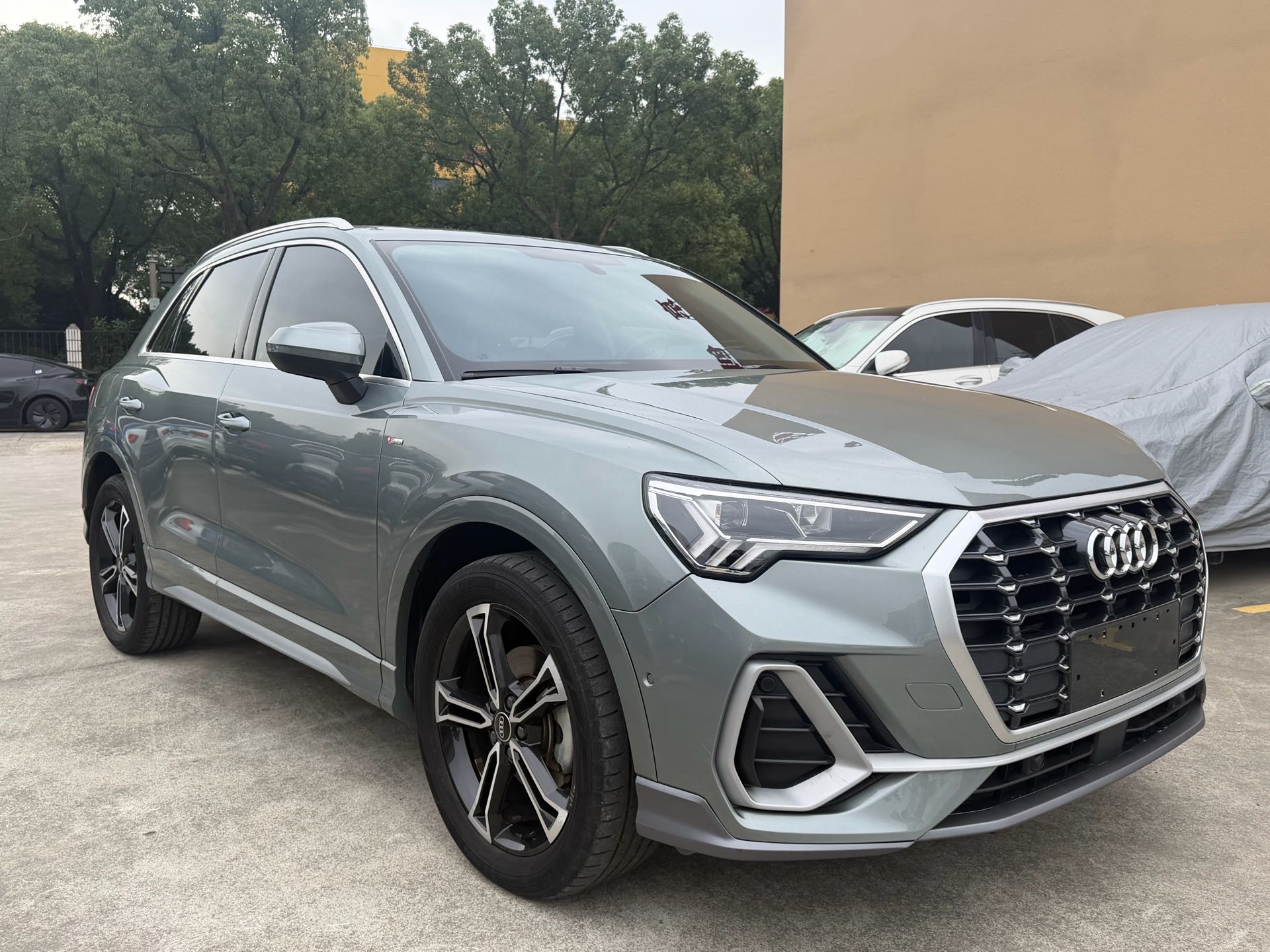
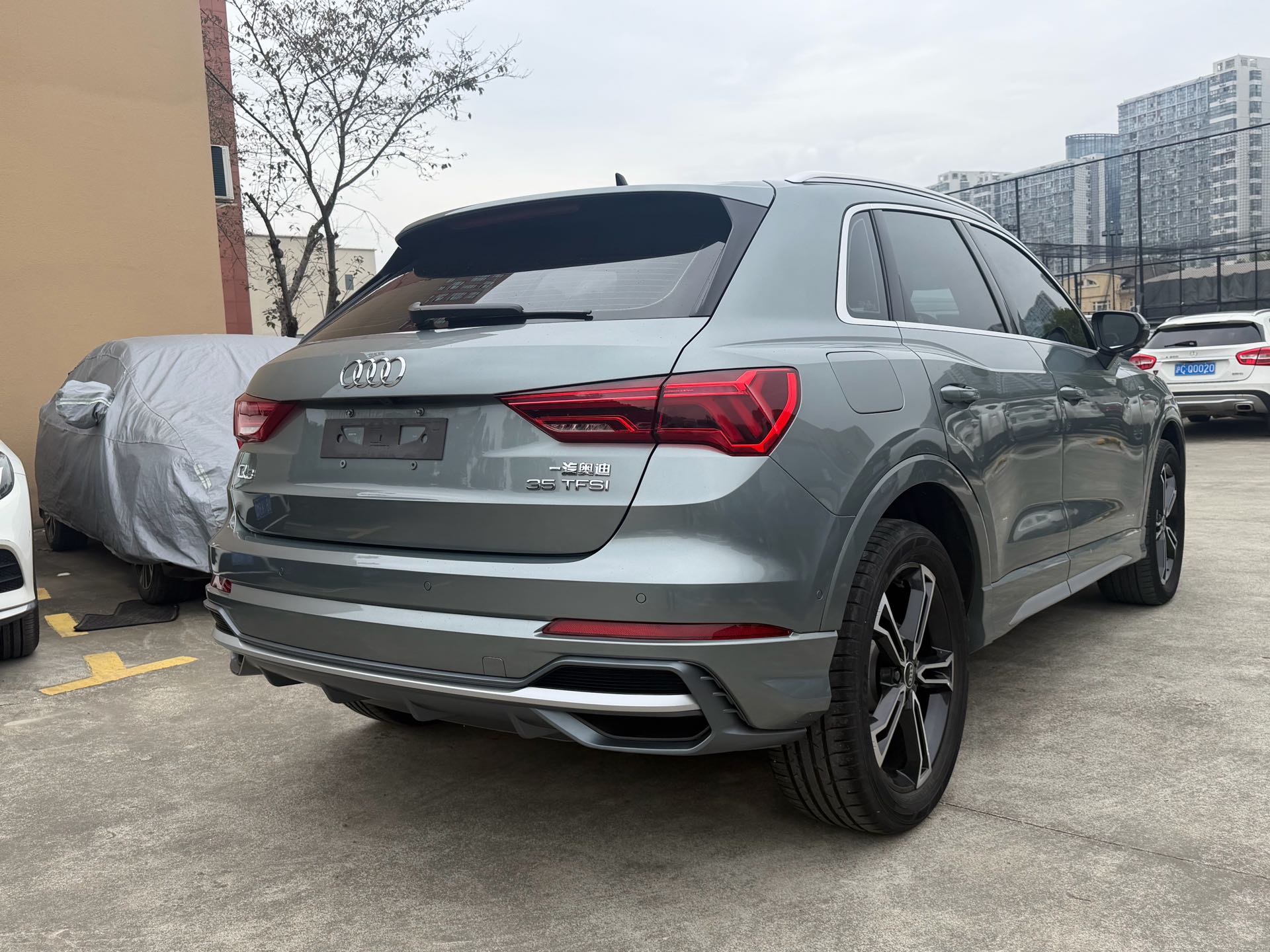
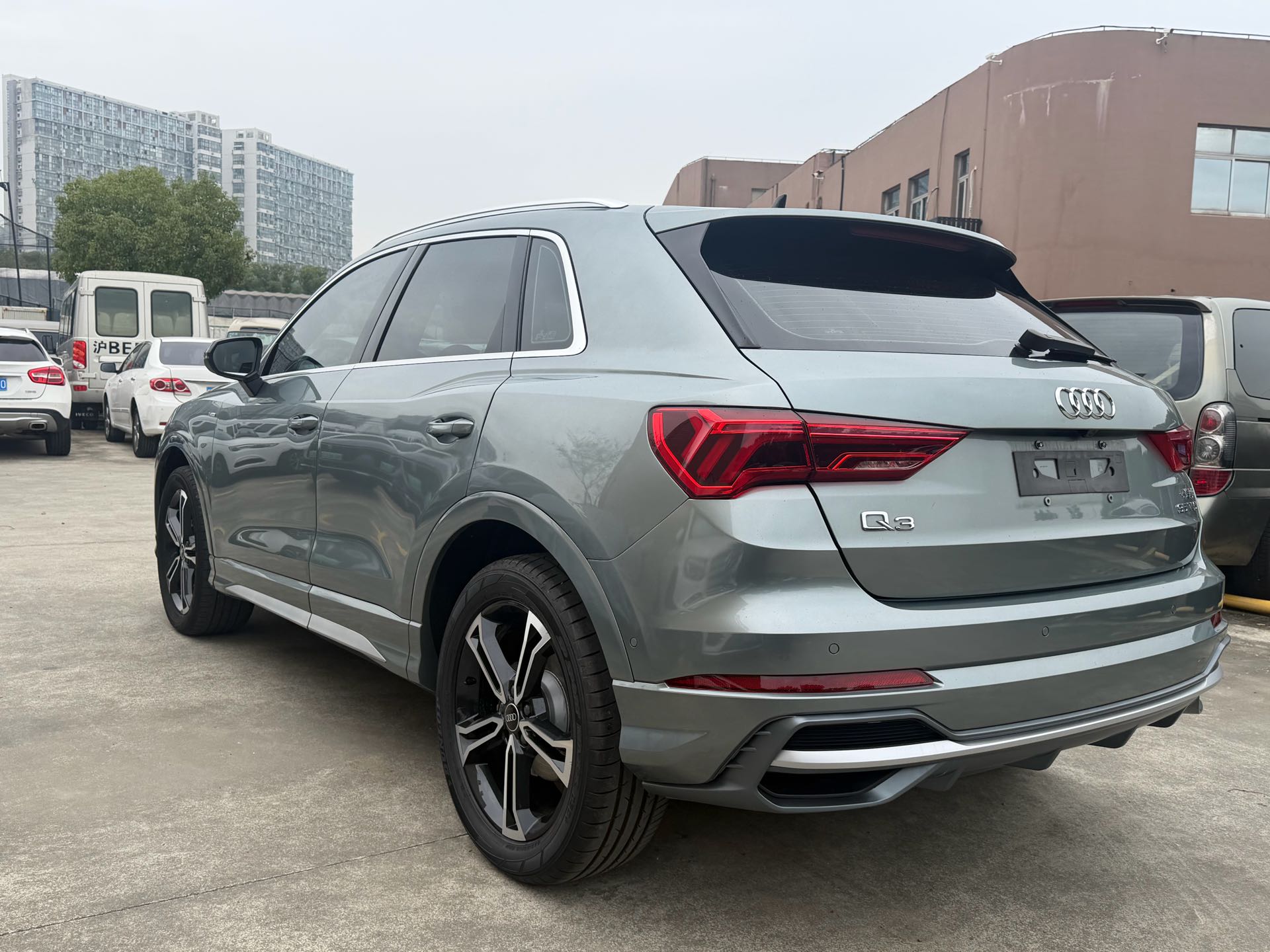
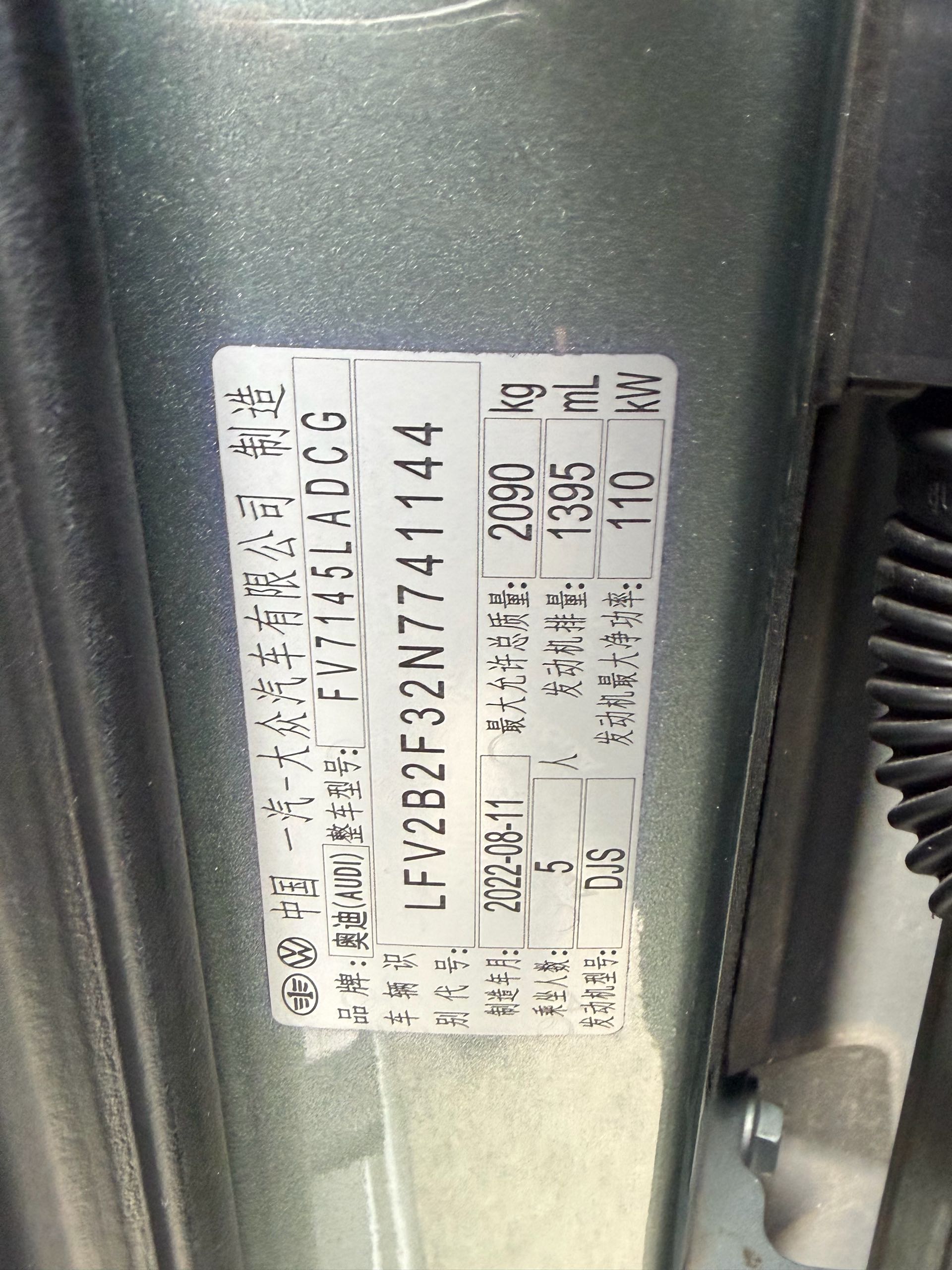
BrandAudi
SeriesQ3
Year2022
First Registration2022/09
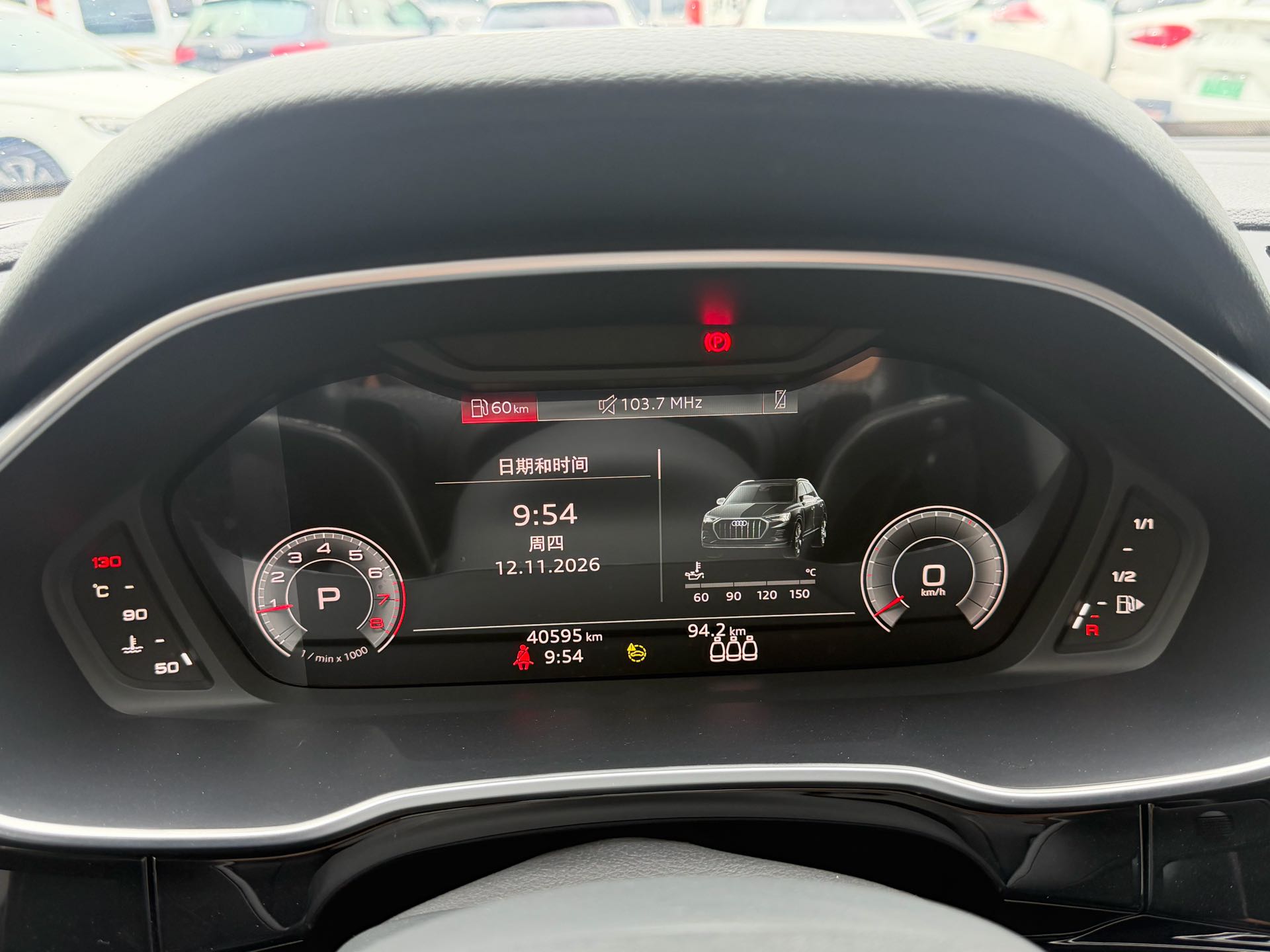
Mileage40,000km
Transfer Count0times
FuelGasoline
TransmissionDCT
Engine1.4T 150 L4
ColorGreen
Seats-

Condition Description

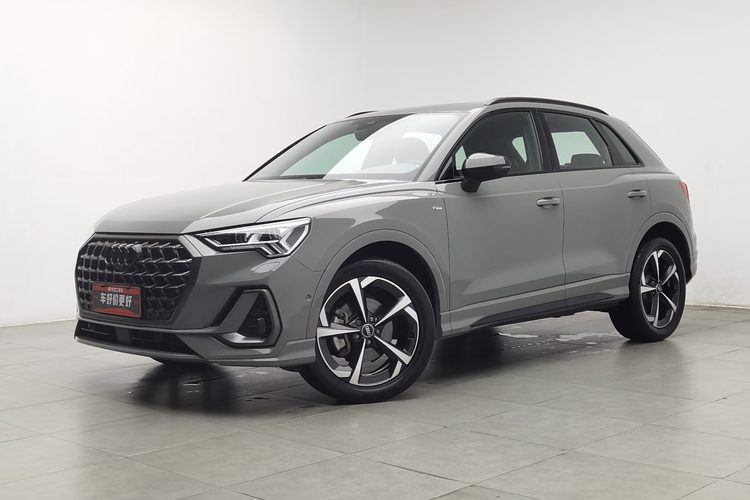
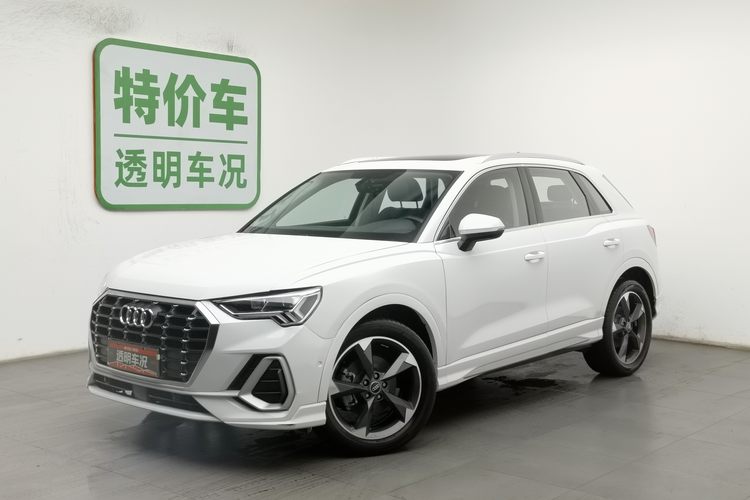
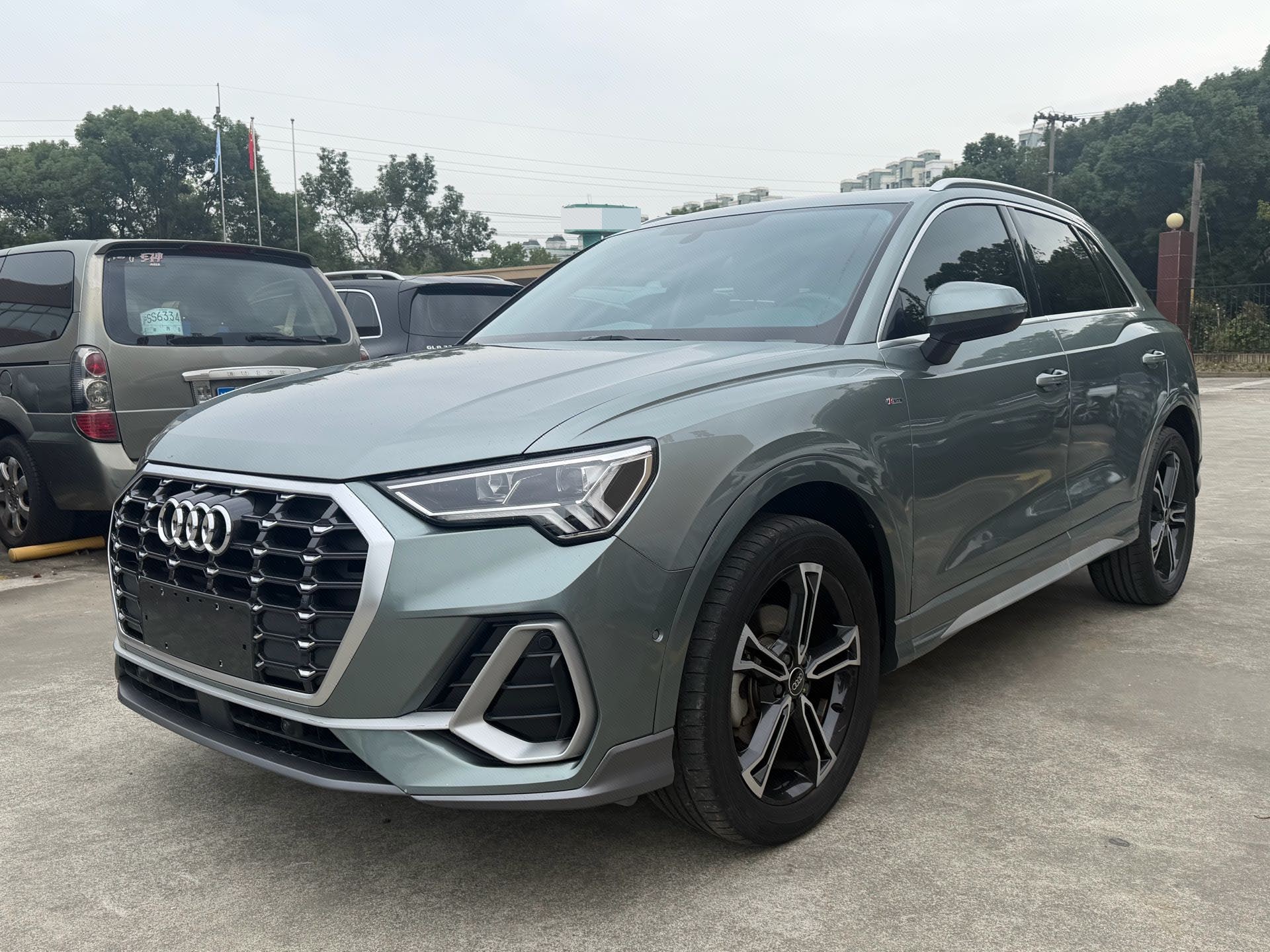
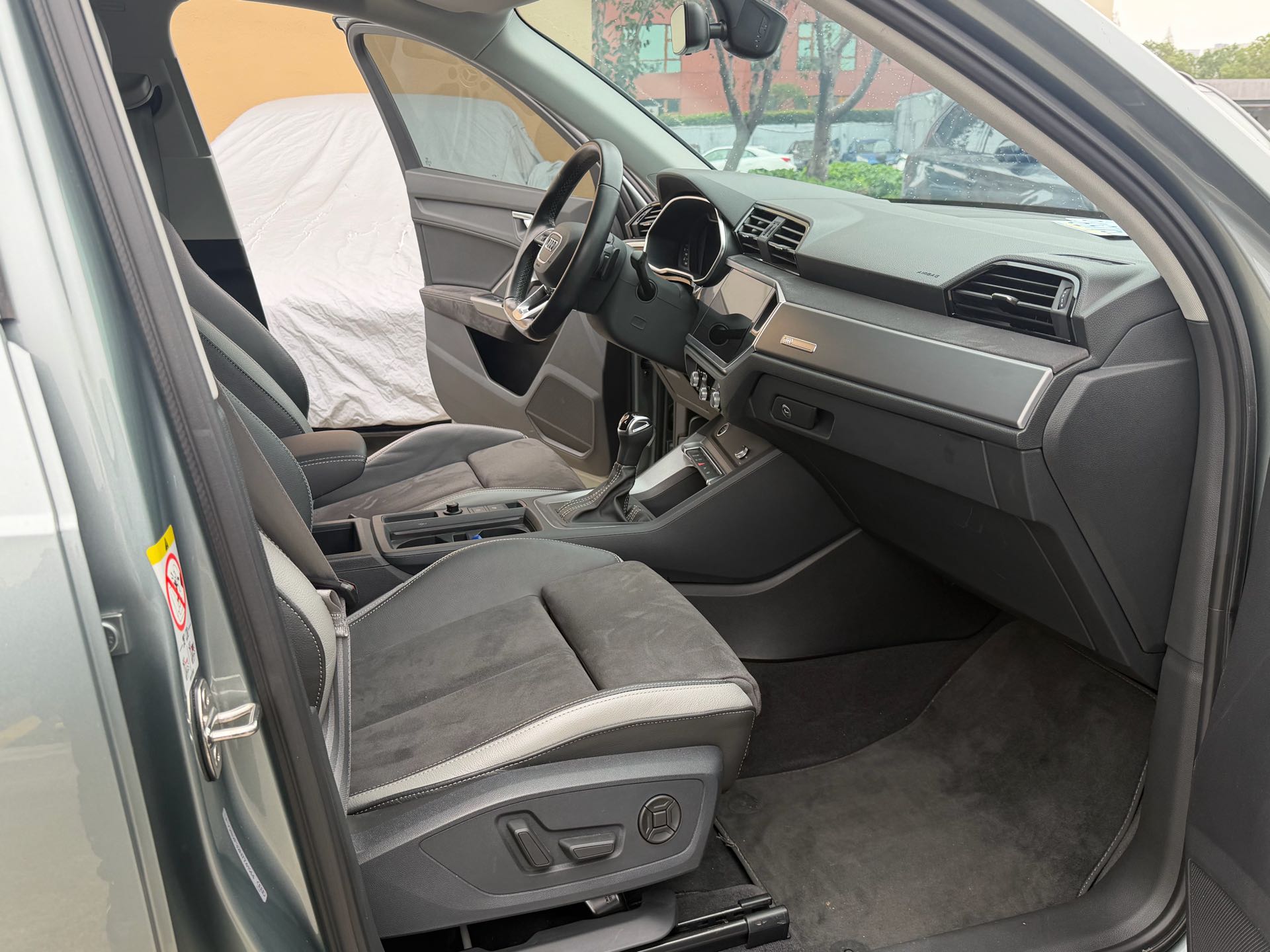
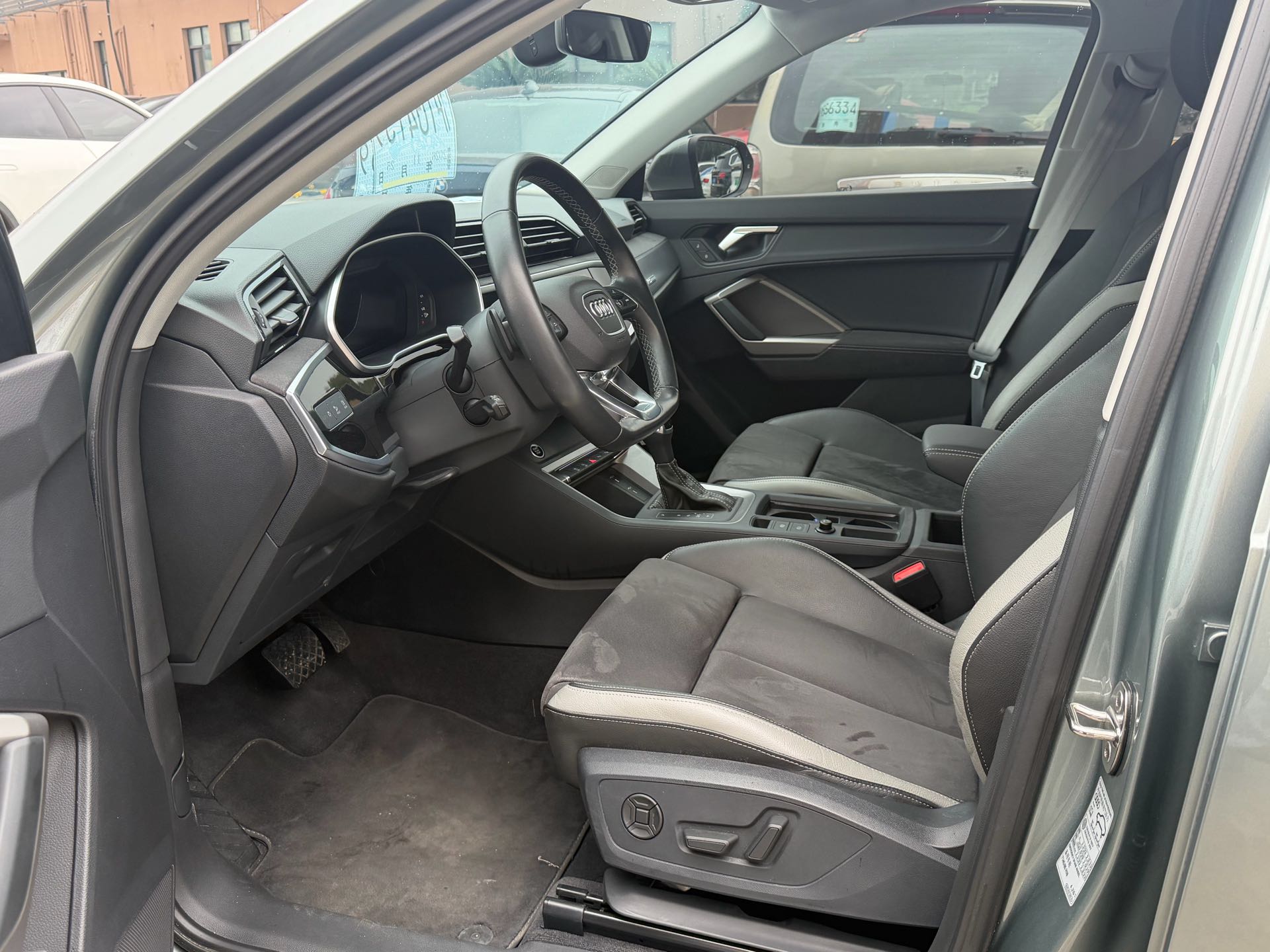
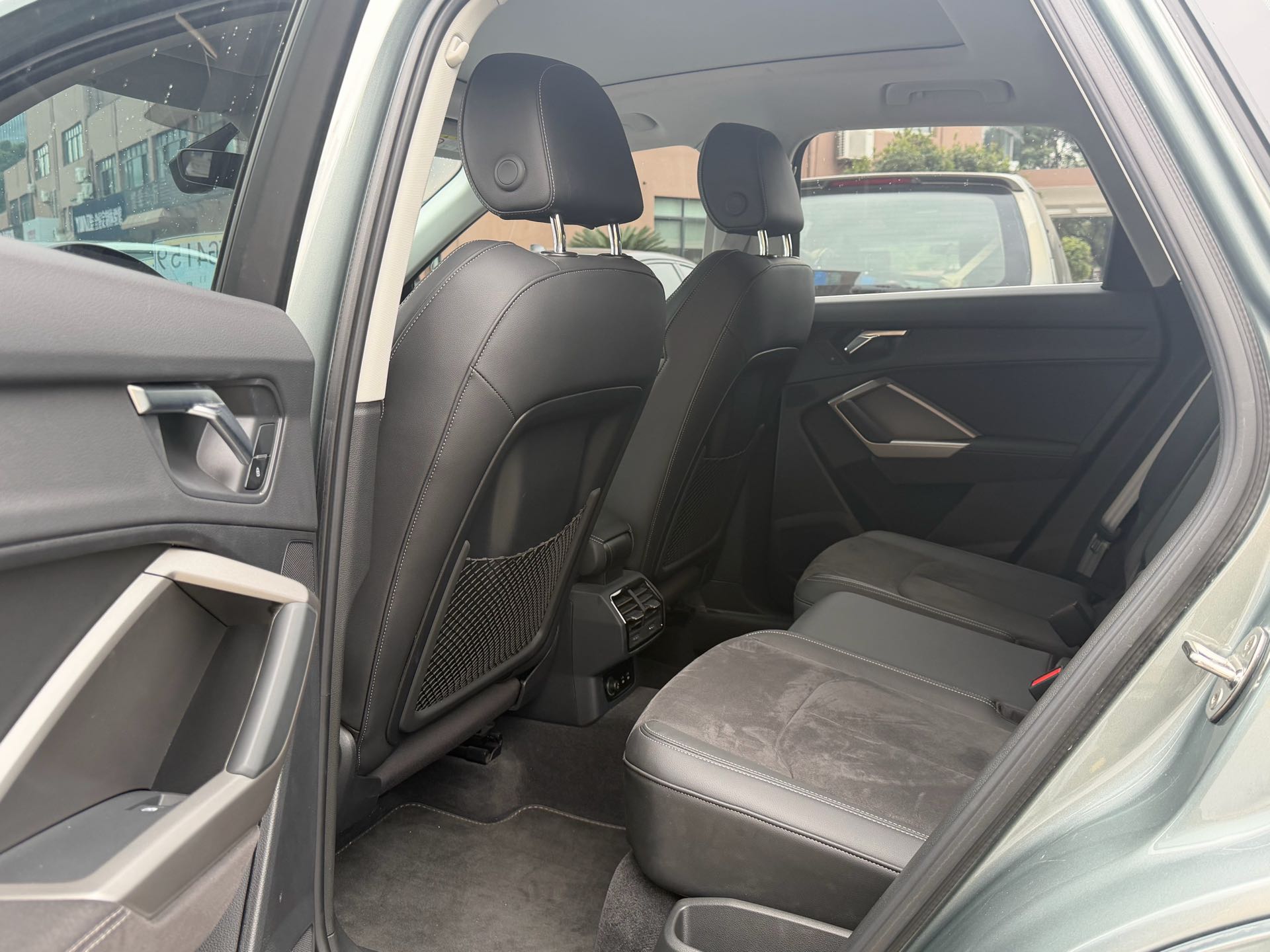
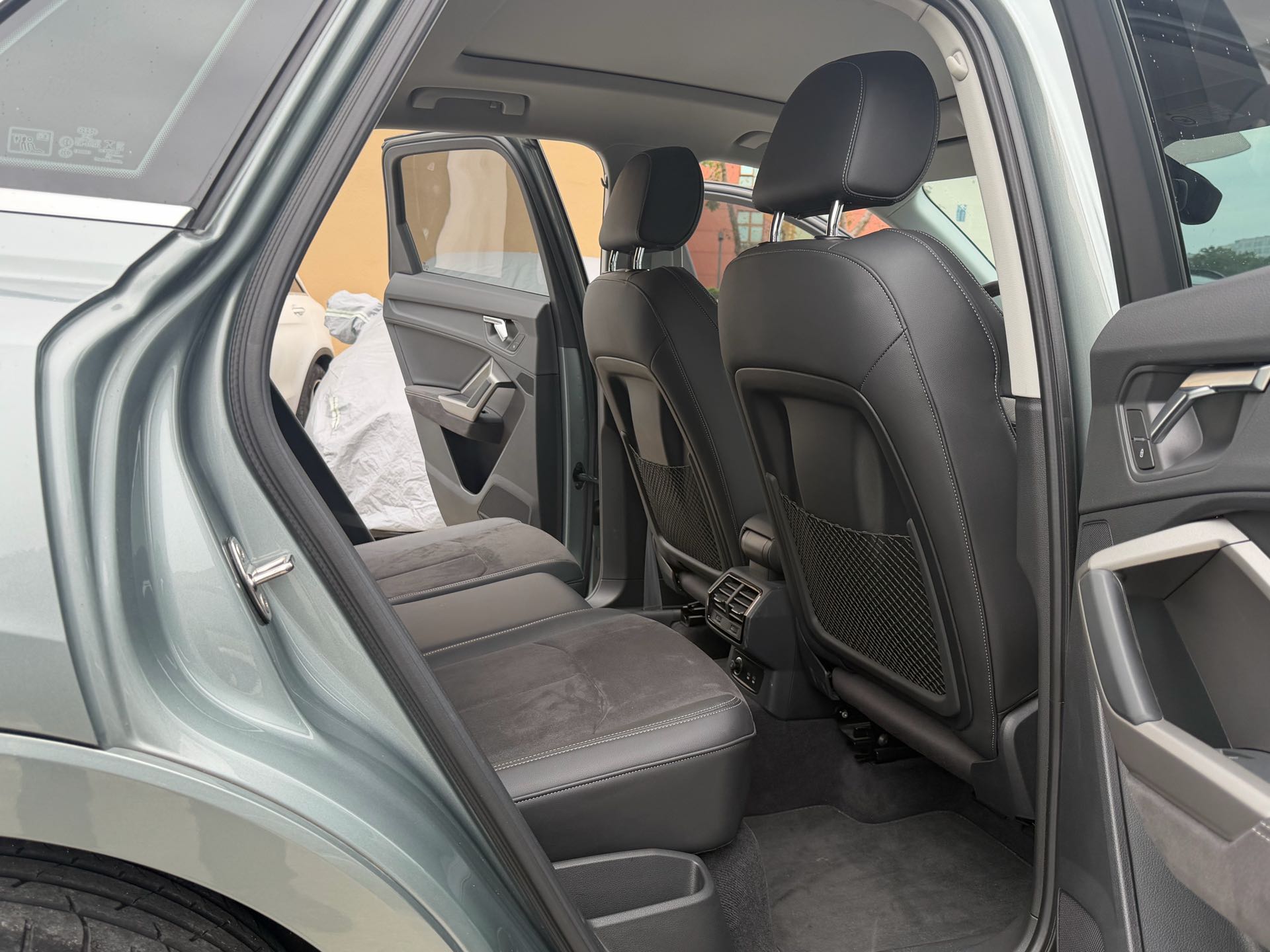
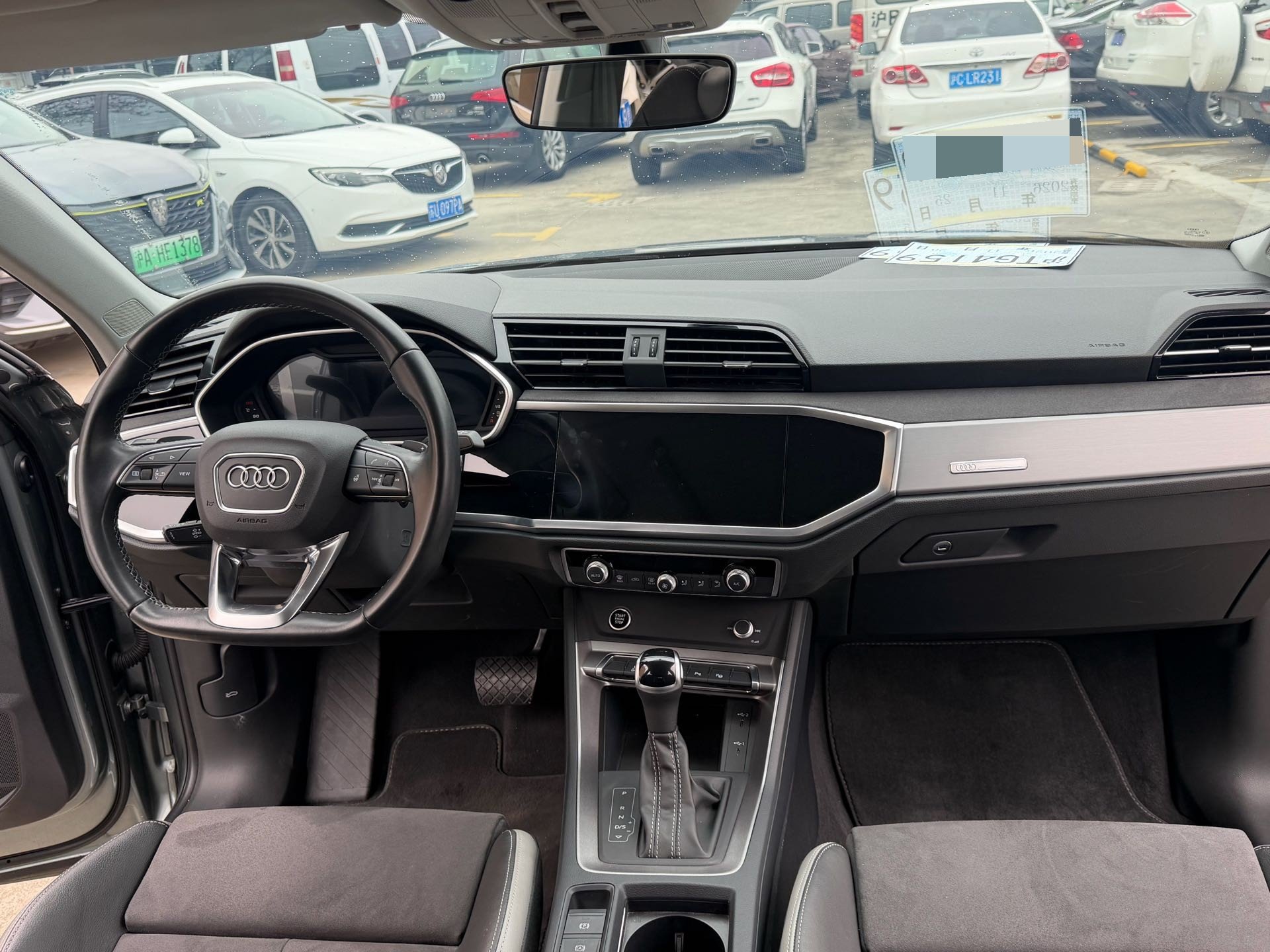
Manufactured August 2022. Three repainted panels: left rear door repainted, left rear fender repaired and repainted, right front fender repainted. Left rear C-pillar lower inner edge has body repair. Not a third-party certified vehicle, no accident record. Actual mileage 40,000 km, one transfer. Records uploaded.

Document Information

Inspection Expiry Date-
Warranty Expiry Date-
Insurance Expiry Date2027/09

Q&A

More

What should a pre-purchase inspection in China include if I cannot be there in person?

A proper third-party inspection has four parts, and you should insist on all of them. 1. Lift inspection: the car goes on a hoist to examine the underbody, frame rails, suspension arms and oil pan for impact damage or leaks — areas no photo set can cover. 2. Paint thickness check: a gauge reading from every panel. Inconsistent or very high values reveal repainting; structural points like the A/B/C pillars matter most because they indicate accident repairs. 3. OBD diagnostics: fault codes and live data from the engine, transmission, ABS and airbag modules. Stored historical codes often tell the truth the dashboard hides. 4. Road test: cold and warm driving to check shifting, braking and unusual noises. The report should carry the VIN, inspection date and the agency's stamp or digital signature. It costs very little compared to the price of the car, and it filters out most problem vehicles before your money moves.


When buying a used Chinese EV, how do I read the battery health (SOH) report, and what percentage is still acceptable for import?

State of Health (SOH) tells you how much of the original battery capacity remains. Here's how to use it. Reading the report: SOH is usually shown as a percentage of original capacity. A car at 90% SOH retains roughly 90% of its original range. Also check for cell imbalance (voltage spread between modules)—a low SOH with balanced cells is often fine, but high imbalance causes sudden range drops and charging problems. Acceptable thresholds: for a car under 3 years old, expect 90%+ SOH. For 3-5 years, 85-90% is normal. Below 80% SOH, the battery may soon need replacement—replacement costs can exceed the car's value, so negotiate hard or walk away. How to verify: don't trust a screenshot. Ask for a live screen recording of the diagnostic app (like the brand's official tool) starting from the car's VIN page. Cross-check the fast-charging curve: a healthy battery charges at near-peak rate up to 60-70%; a degraded one tapers early. Finally, remember that hot climates degrade batteries faster—if the car spent its life in southern China, scrutinize SOH more carefully.

What can a pre-purchase OBD diagnostic scan actually reveal about a used Chinese car?

An OBD scan is one of the most cost-effective tools in a remote pre-purchase inspection, but you need to know what it can and cannot tell you. What it reveals well: current and stored fault codes across the engine, transmission, ABS, airbag, and body modules. A car with dozens of cleared codes in multiple modules may have electrical problems or a history of tampering. It also shows readiness monitors — if all monitors show 「not ready」 on a car that claims to be freshly serviced, the codes were probably cleared recently to hide something. What it reveals with the right software: live data. You can watch engine idle stability, coolant temperature under load, transmission shift behavior, and battery cell voltages on EVs. Abnormal fuel trims or misfire counters can flag worn injectors or coils before any warning light appears. What it cannot do: prove real mileage (odometers can be corrected digitally), detect physical accident repairs, or judge paint and rust. Practical advice: ask your inspector for a full-system scan report with screenshots, not just a 「no codes」 verbal summary. For Chinese brands, make sure the tool supports their protocols — mainstream scanners cover BYD, Geely, and Chery well, but some small brands need brand-specific software.