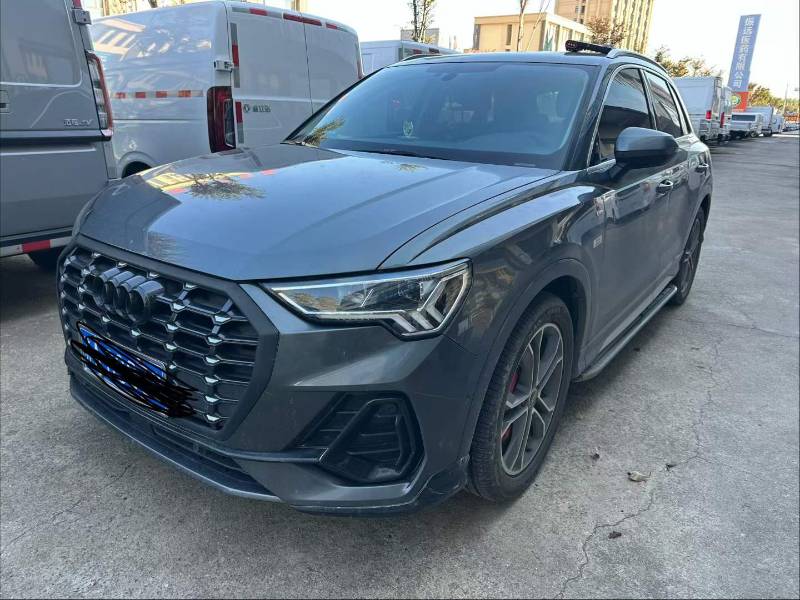
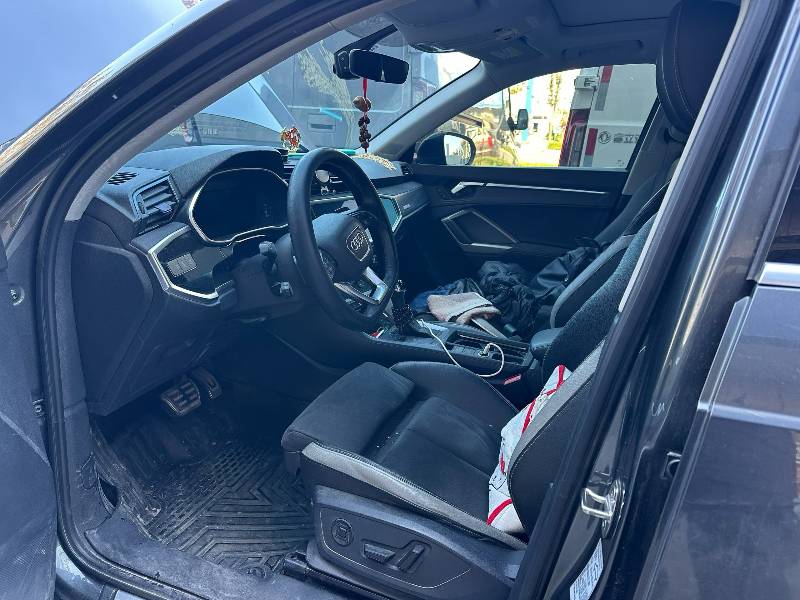
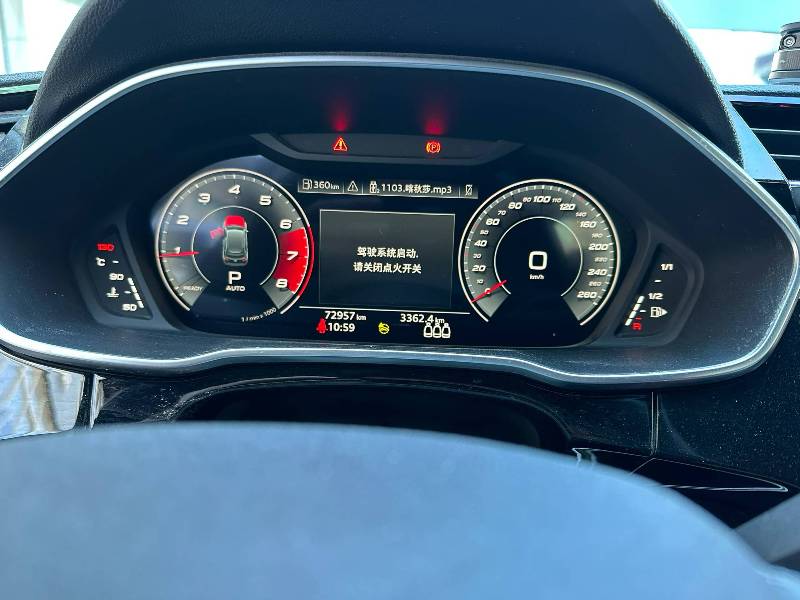
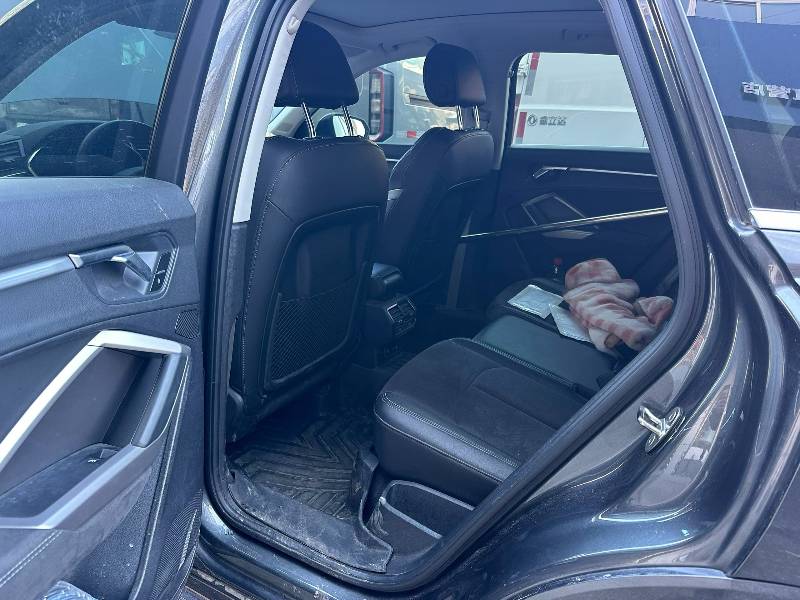
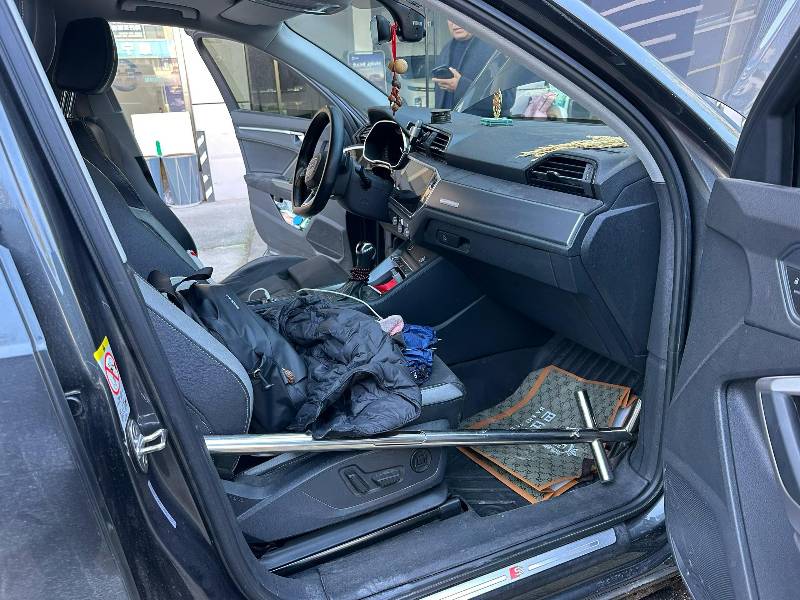
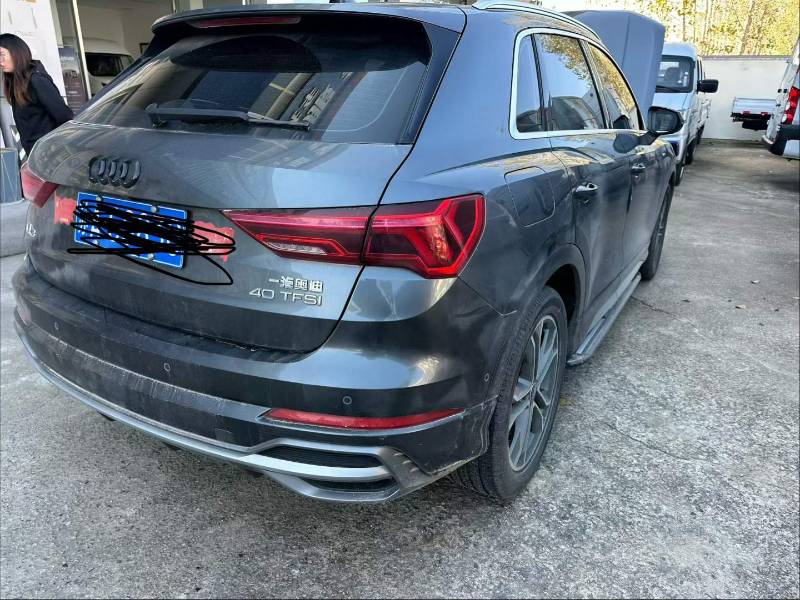
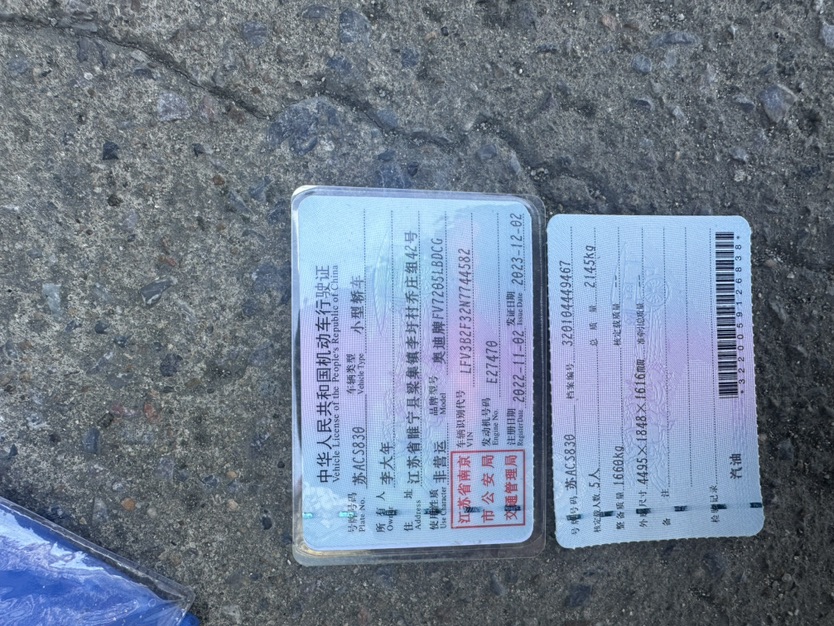



Basic Information

BrandAudi
SeriesQ3
Year2022
First Registration2022/11
Mileage72,000km
Transfer Count1times
FuelGasoline
TransmissionDCT
Engine2.0T 186 L4
ColorGrey
Seats-

Condition Description

November 2022 Audi Q3, original condition, one panel repainted, actual mileage over 70,000 km, 2.0L engine.

燃油车
SUV
自动
维保开放
事故开放
查验开放

Configuration Highlights

✓品牌: 奥迪
✓车系: 奥迪Q3
✓车型: 2022款 40 TFSI RS套件燃速型
✓车身类型: SUV
✓座位数: 5
✓排量: 2.0T
✓变速箱: 自动
✓能源类型: 燃油车
✓VIN: LFV3B2F32N7744582
✓搜索关键词: 奥迪奥迪Q3 2022款奥迪Q340TFSIRS套件燃速型

Document Information

Inspection Expiry Date2028/11
Warranty Expiry Date-
Insurance Expiry Date2027/11

Q&A

More

How long does it usually take from when I pay the full amount to when the vehicle is loaded at the port in China?

Under normal circumstances, it takes 15 to 25 working days. This includes: domestic transfer of ownership (3-5 days), applying for an export license (3-5 days), inland trucking to the port (2-5 days), customs inspection and waiting for loading schedule (5-10 days). Do not trust false promises from other channels claiming 'loading within a week.'


What are "fire-damaged" or "flood-damaged" cars? How do you completely rule them out?

We thoroughly rule them out by checking if the cabin wiring harness is melted, if the seat belts have water stains or mold, if there is unusual rust or debris in the seat tracks and cigarette lighter, and by verifying with the insurance company for any "total loss claims." These two types of cars are an absolute sales ban for us.

How can I detect signs of flood or water damage inside a used car from China during a remote inspection?

Water damage is one of the most common hidden problems in used cars, and it often escapes basic photo reviews. During a live video inspection, ask the inspector to check these specific points: 1. Smell test: A musty or moldy odor inside the cabin is the first red flag. Have them open all doors, run the AC briefly, and smell the air from the vents—musty AC often indicates water in the HVAC system. 2. Under the carpets: Lift the floor mats and look for water lines, rust stains, or dampness on the carpet backing and the metal floor underneath. Sediment or silt residue is a giveaway. 3. Seat rails and bolts: Pull the seats fully forward and backward. Rust on seat rails or fresh-looking bolts suggests the seats were removed for cleaning after flooding. 4. Trunk area: Check the spare tire well and under the trunk carpet for standing water marks or rust. 5. Electronics: Test every window, seat adjustment, and the infotainment screen—water-damaged electronics behave erratically. Also request a scan report: flood cars often store history codes for multiple control modules that failed simultaneously. Cross-check the car's origin; vehicles from flood-prone southern regions deserve extra scrutiny.