


24H

Basic Information

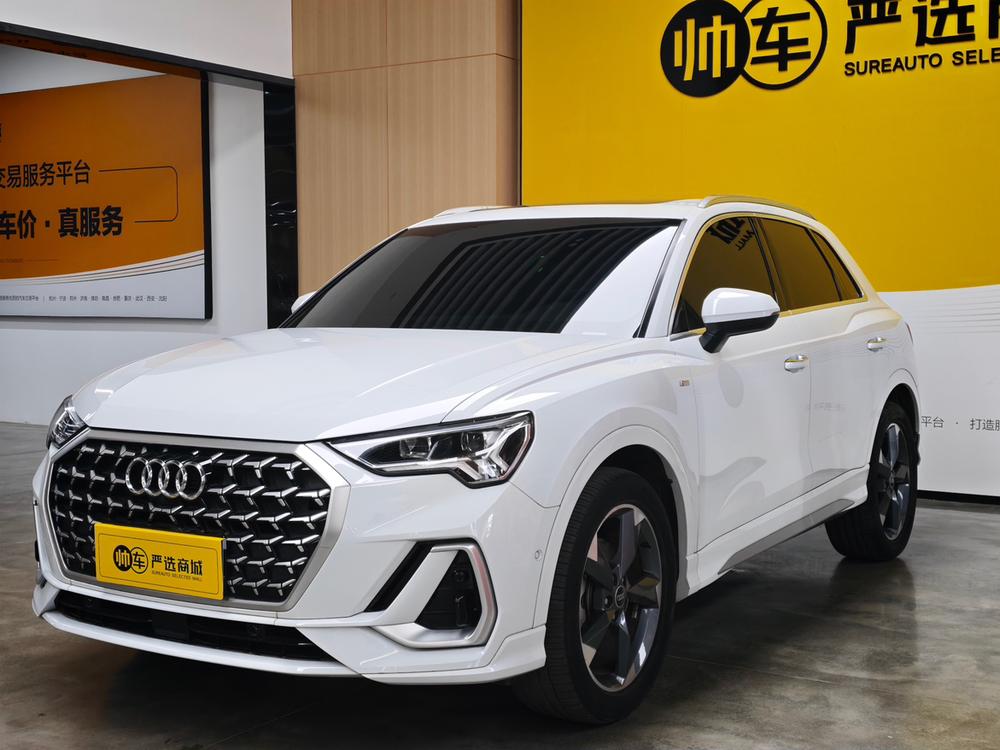
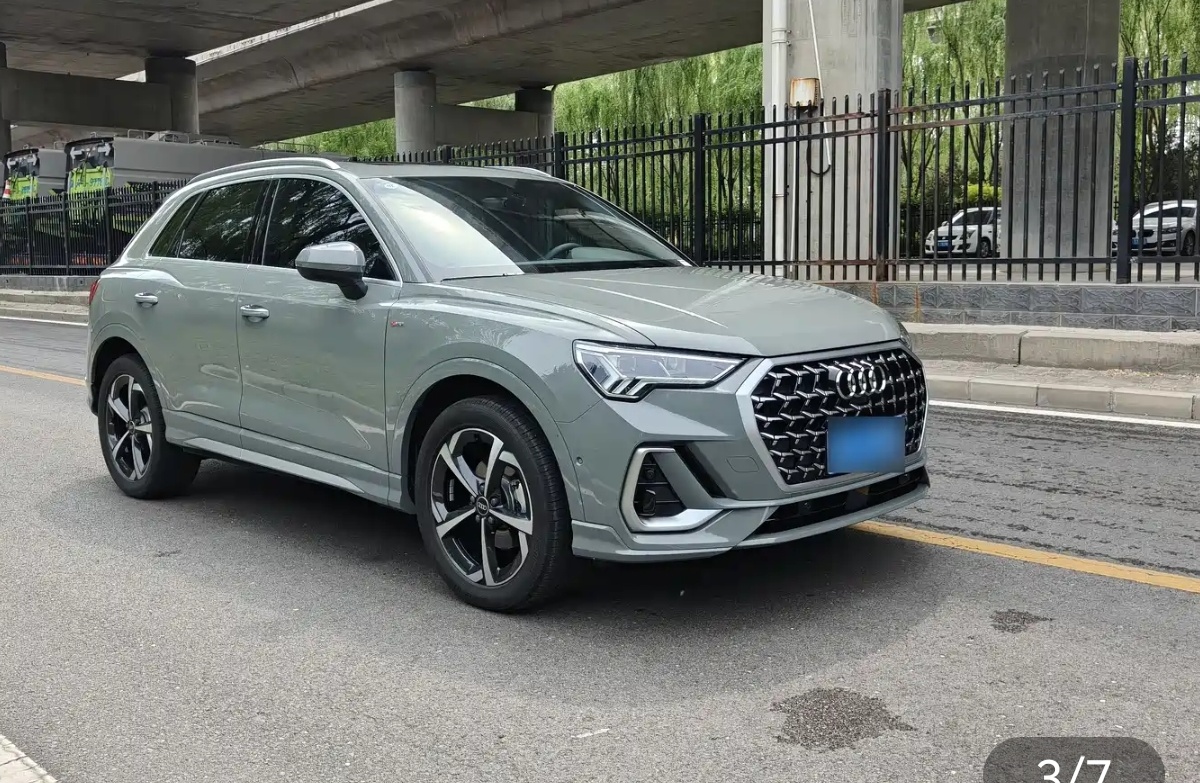
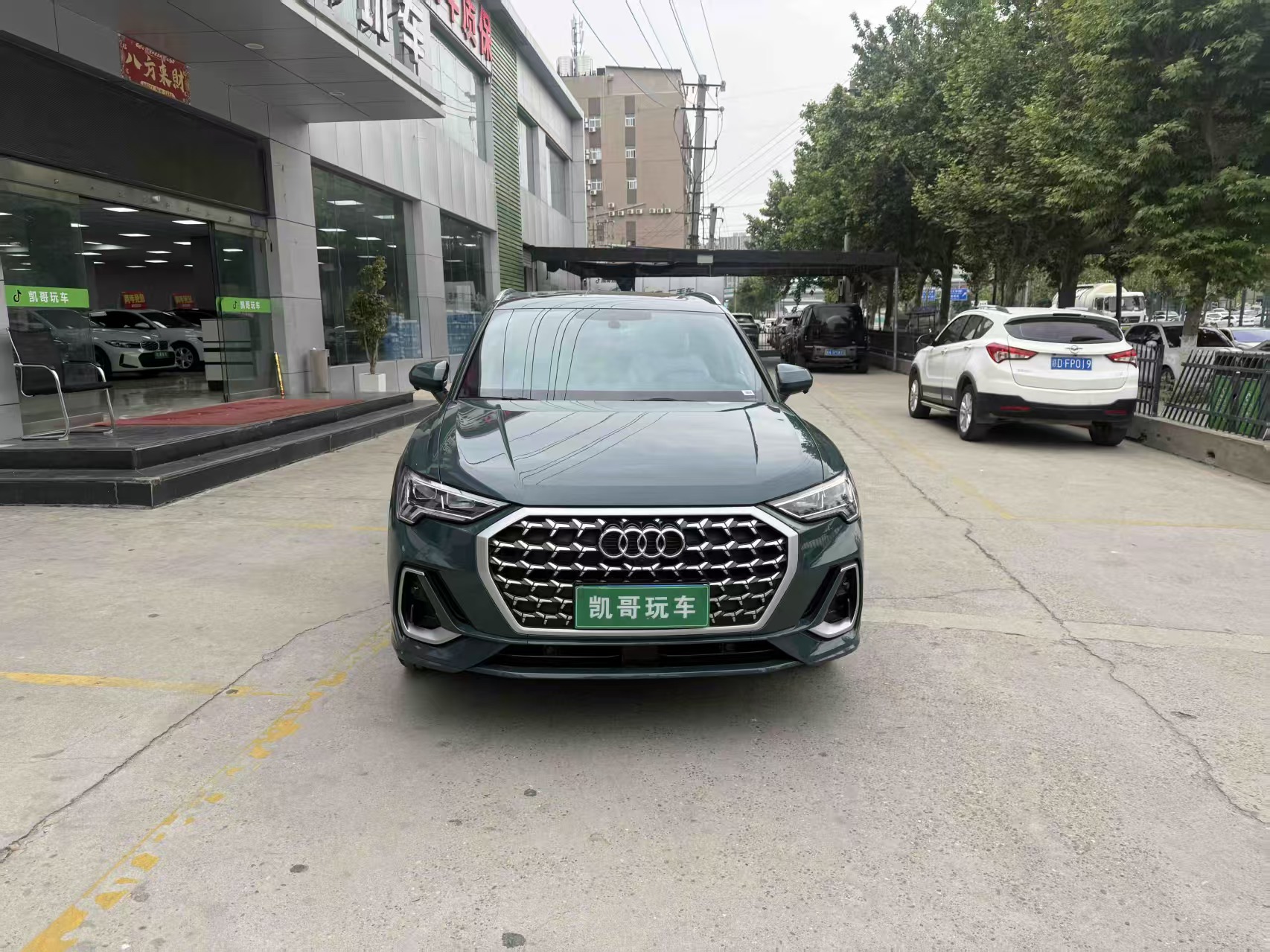
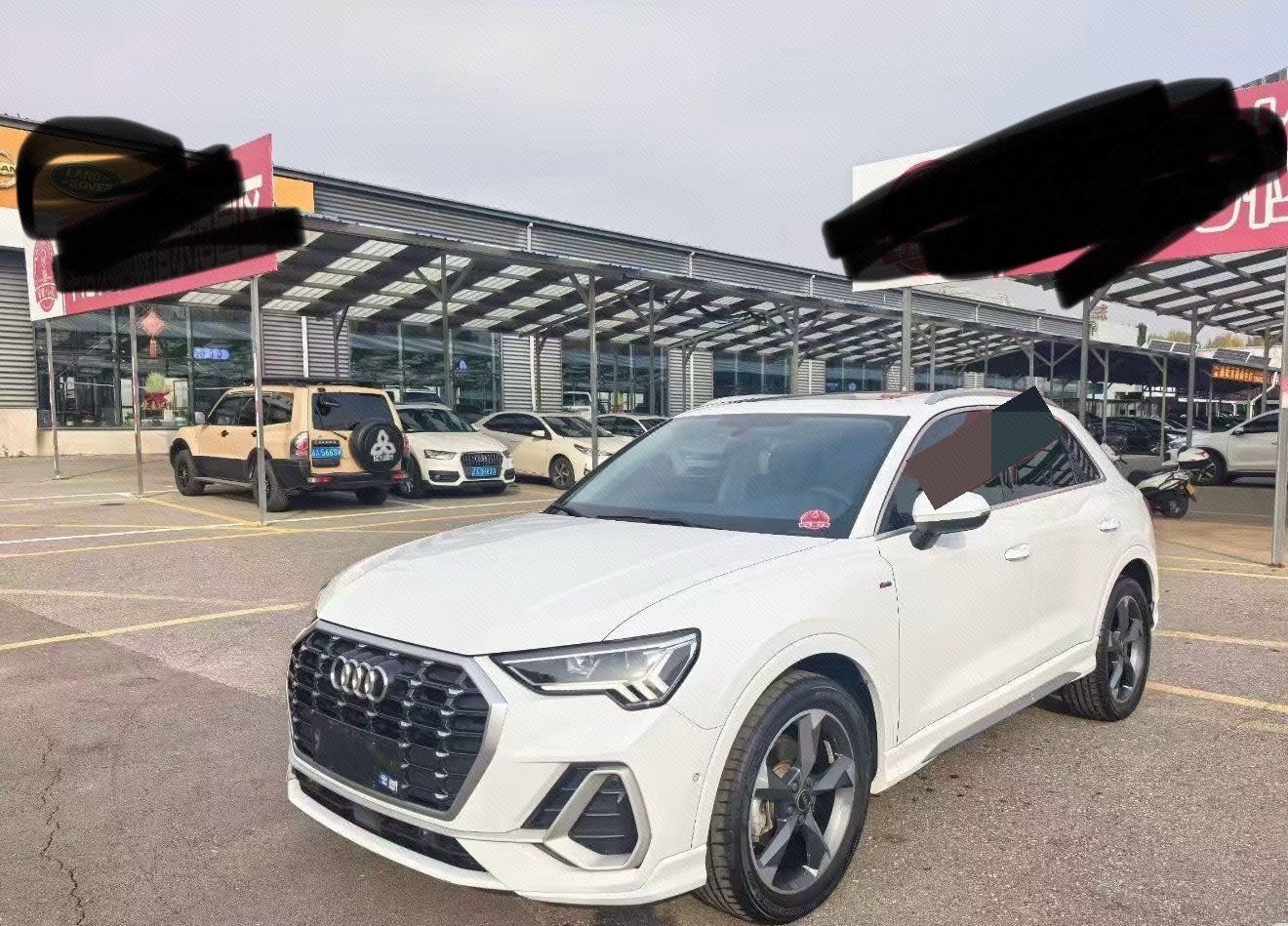
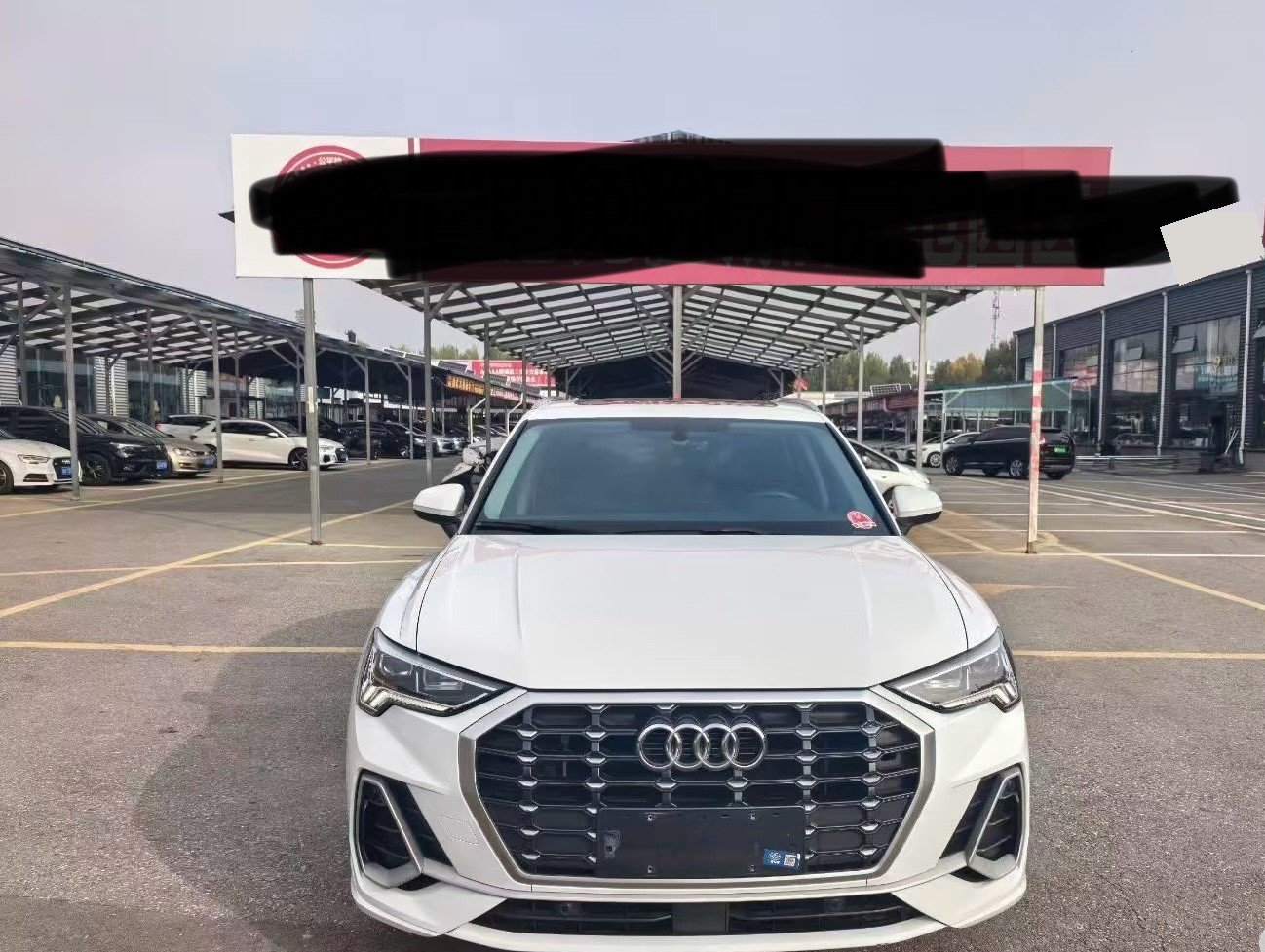
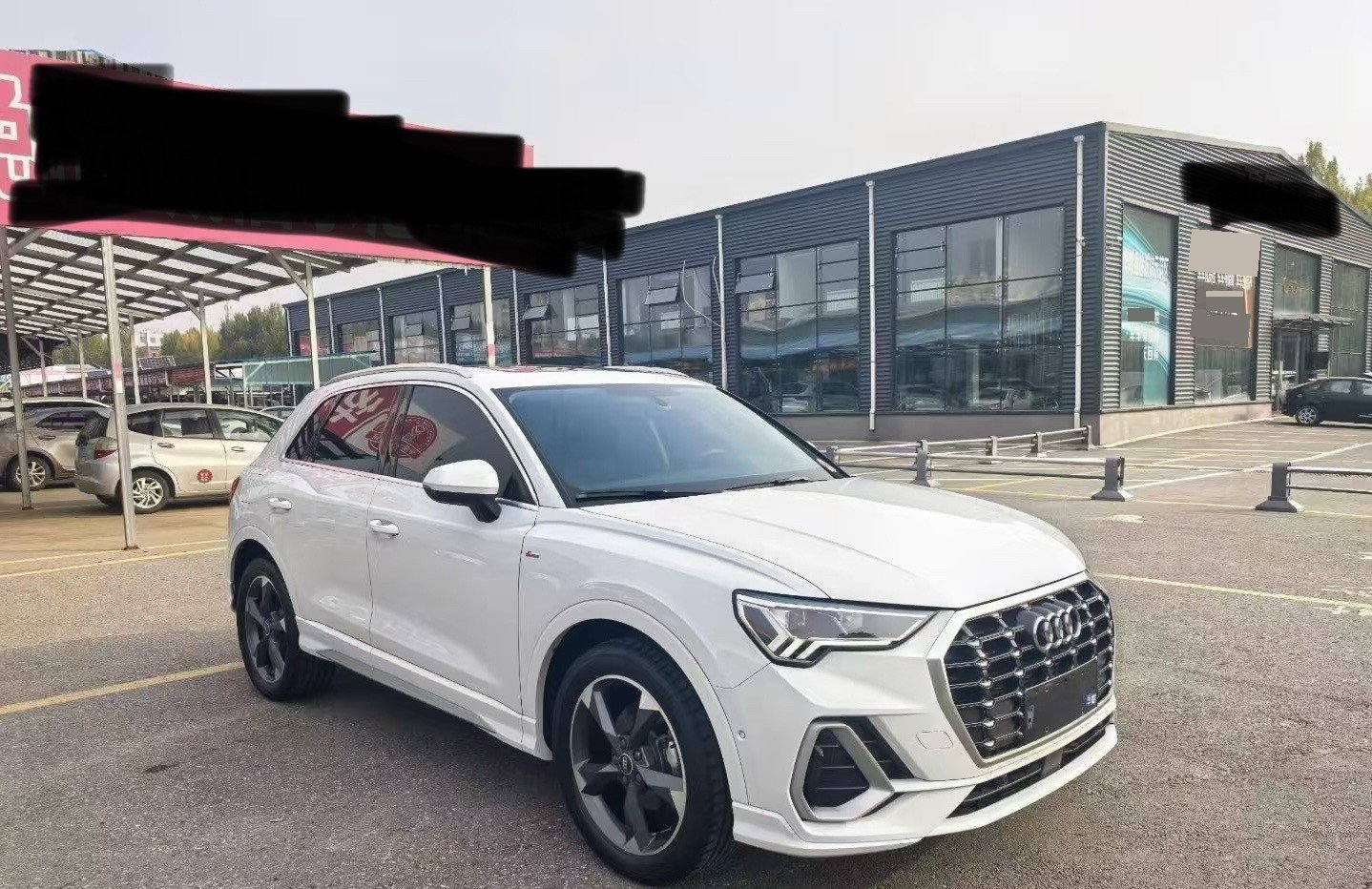
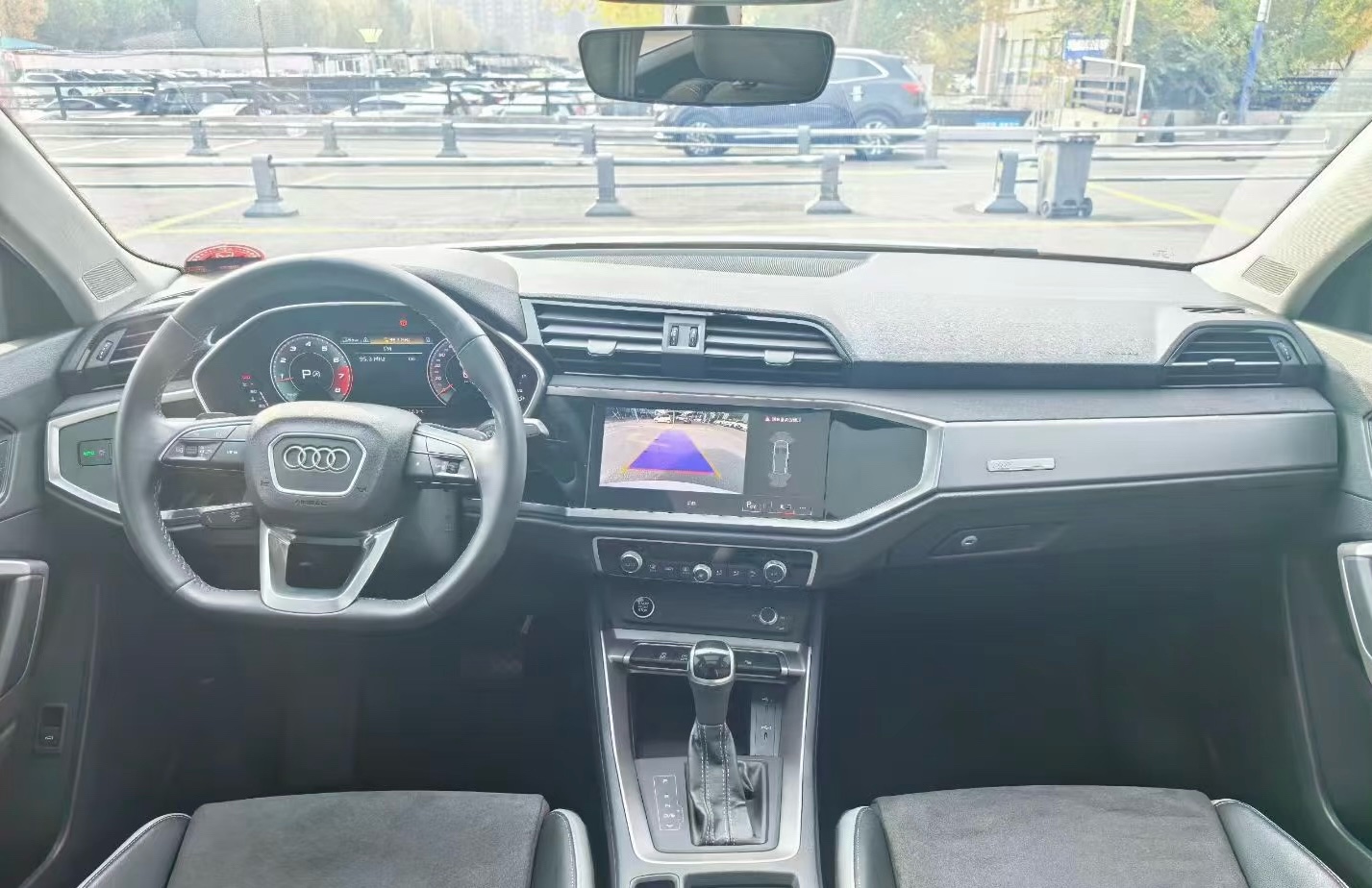
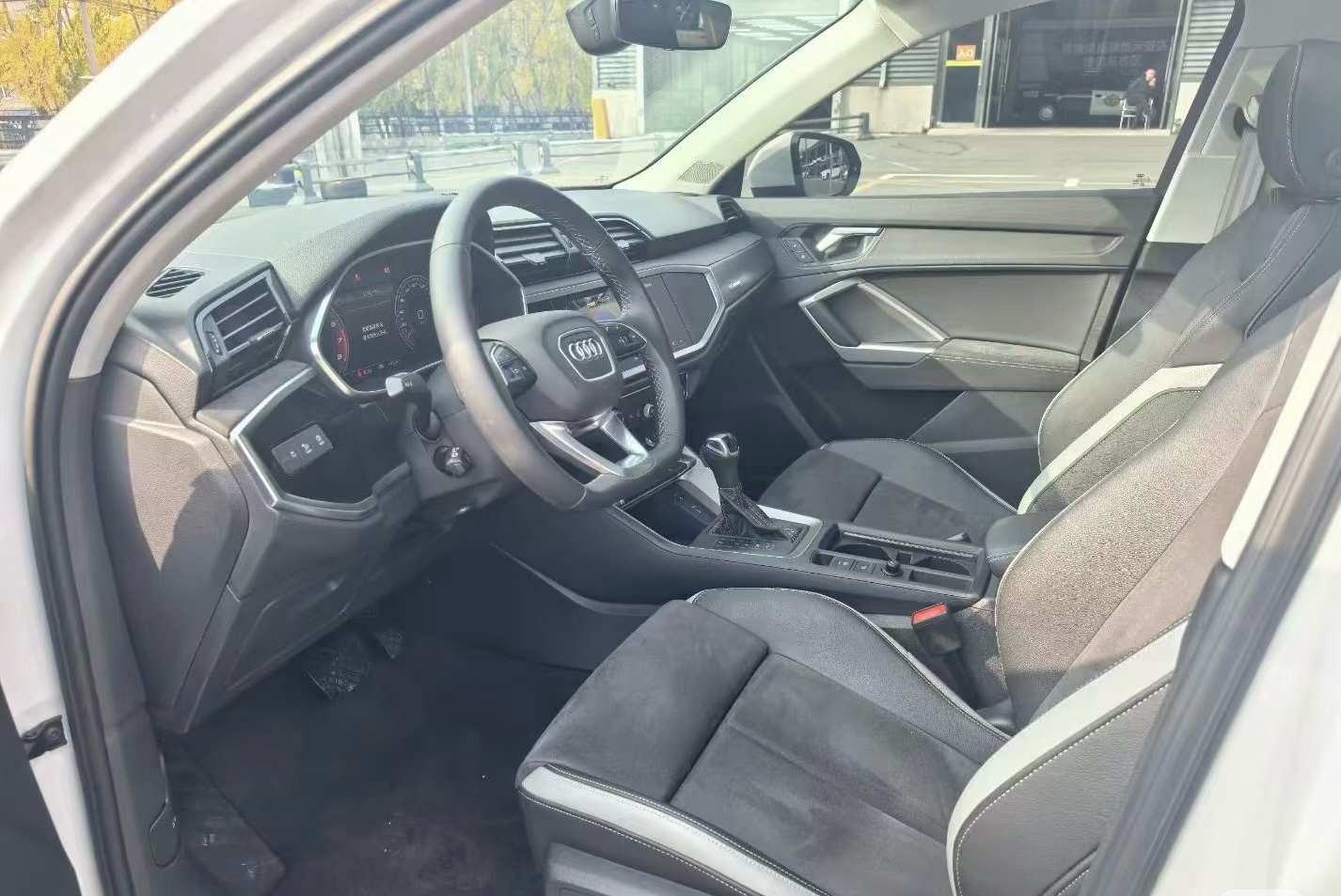
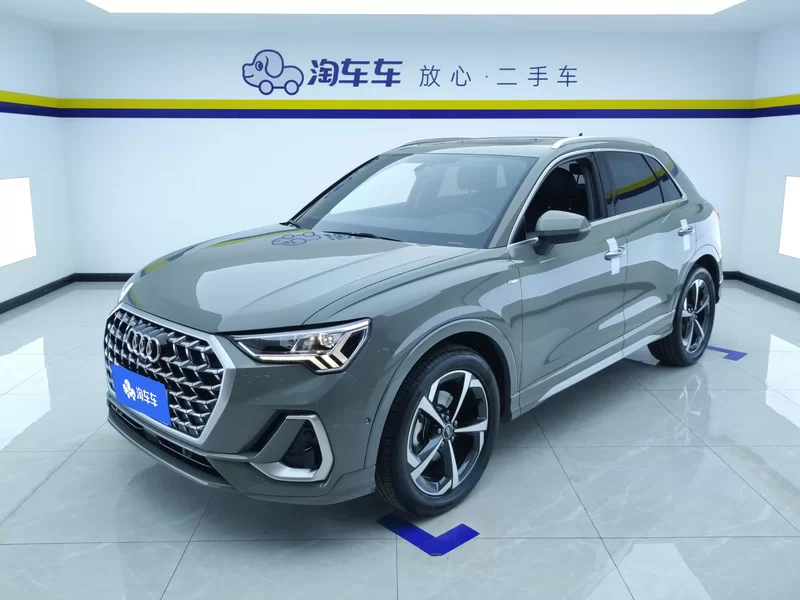
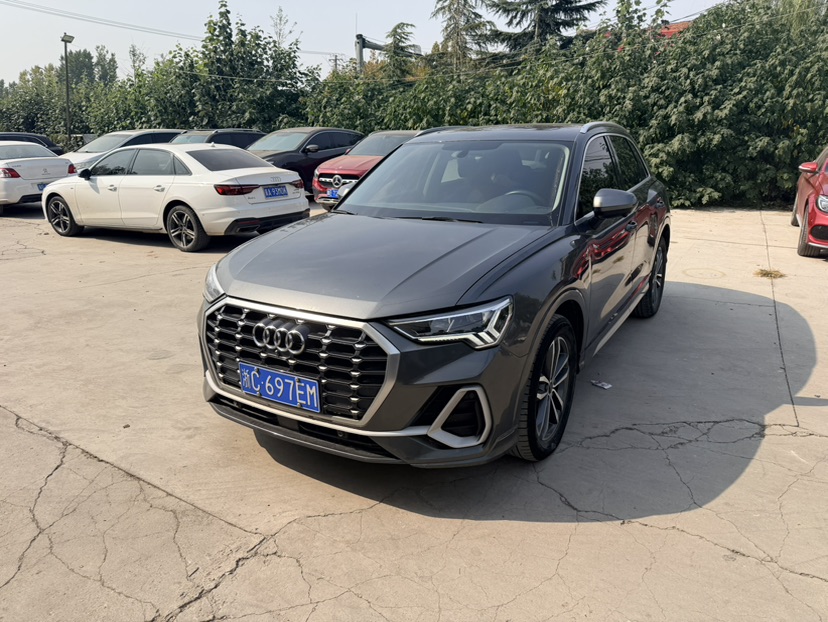
BrandAudi
SeriesQ3
Year2023
First Registration2023/01
Mileage50,200km
Transfer Count0times
FuelGasoline
TransmissionDCT
Engine1.4T 150 L4
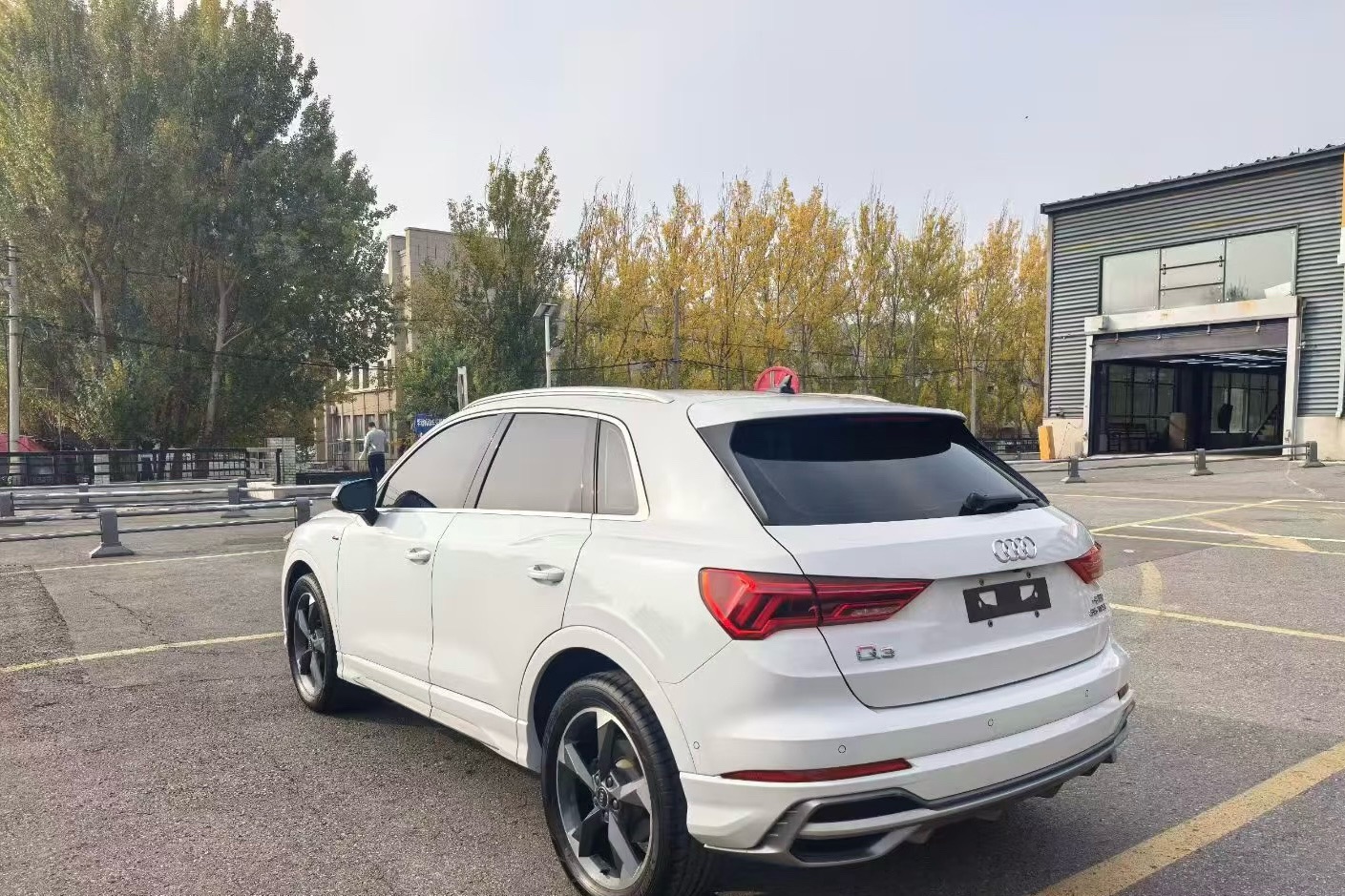
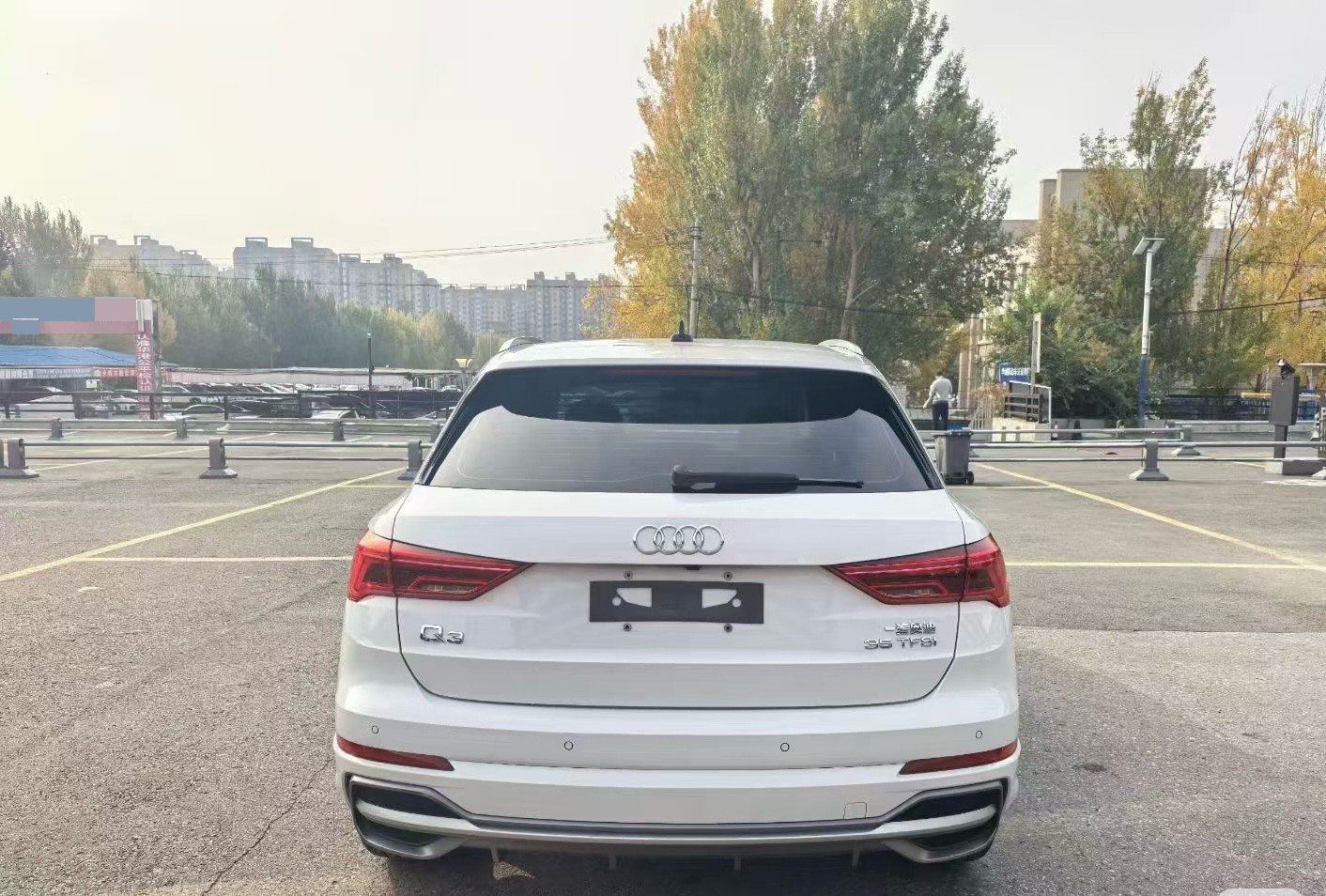
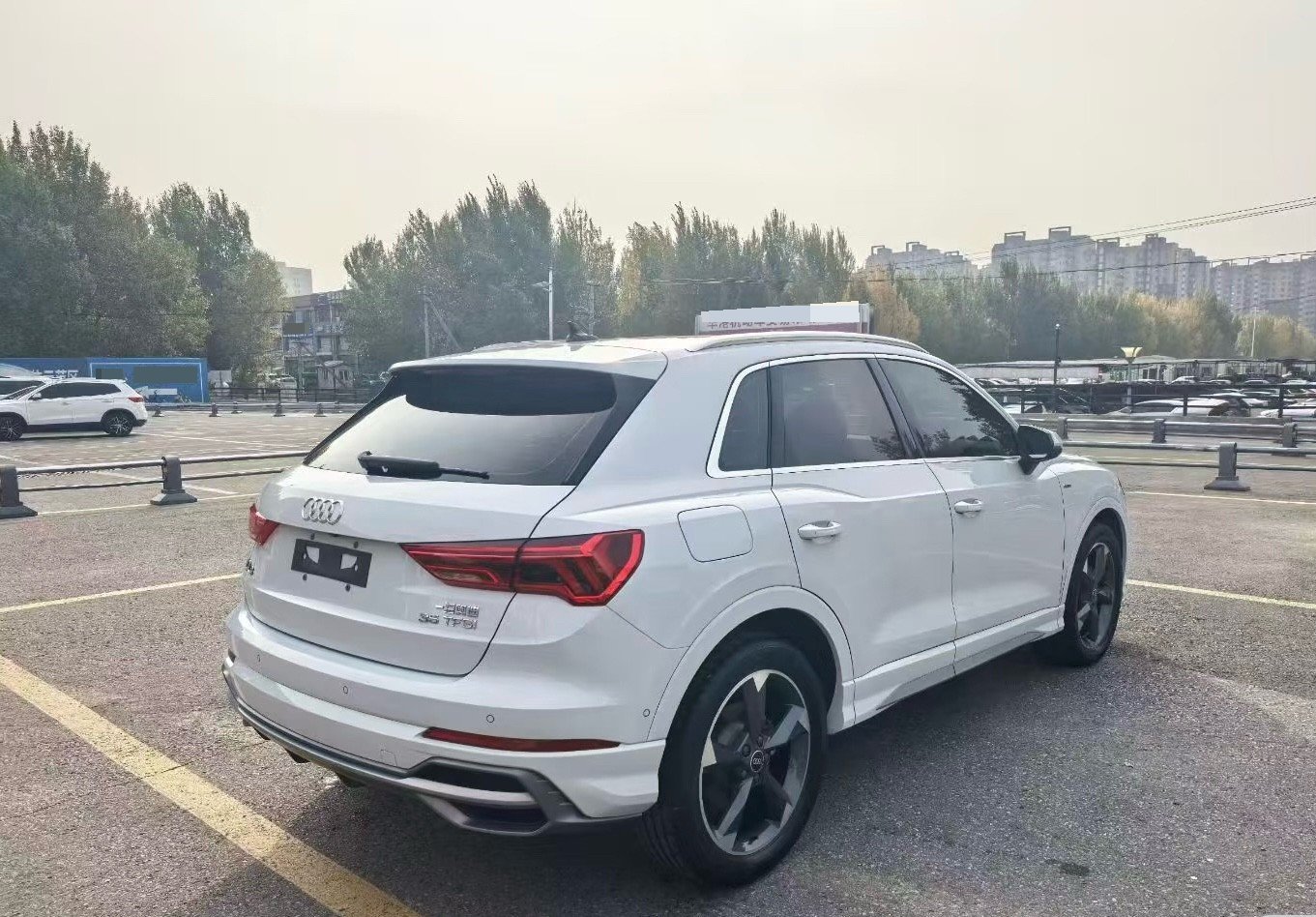
ColorWhite
Seats-

Condition Description

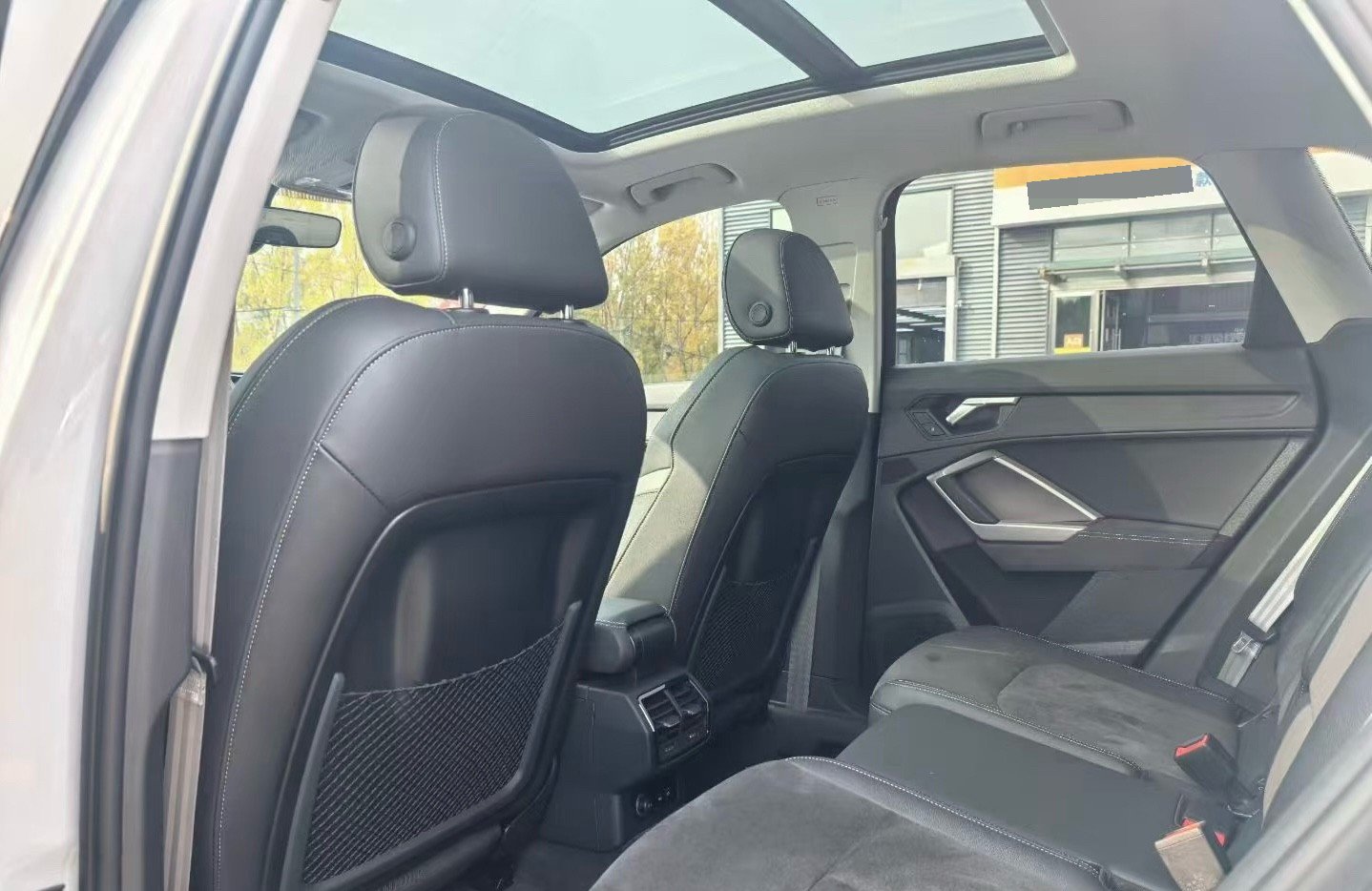
Right front fender, right front door, and left rear door have repainted; the rest is original paint.

Document Information

Inspection Expiry Date-
Warranty Expiry Date-
Insurance Expiry Date2026/10

Q&A

More

What are "fire-damaged" or "flood-damaged" cars? How do you completely rule them out?

We thoroughly rule them out by checking if the cabin wiring harness is melted, if the seat belts have water stains or mold, if there is unusual rust or debris in the seat tracks and cigarette lighter, and by verifying with the insurance company for any "total loss claims." These two types of cars are an absolute sales ban for us.
Will the connected app, remote control, and OTA updates of a used Chinese EV keep working in my country after import?

Usually yes, but with conditions. The seller must transfer the vehicle's account binding to you — without that, the app stays locked to the previous owner. Ask for a screen recording showing the unbinding and re-binding process. OTA updates and remote functions depend on the manufacturer keeping servers accessible from your region. Most major brands now support overseas accounts, but features like voice assistants or map data may be limited outside China. In-car navigation may default to Chinese maps, so plan to use Android Auto, CarPlay, or phone mirroring instead. Before purchase, confirm with the exporter in writing: which connected functions work in your country, and whether a regional account conversion is included in the price.

Why are the shipping costs for used electric vehicles (EVs) usually higher than for internal combustion engine vehicles (ICEs)?

Pure electric vehicles are classified as Class 9 Dangerous Goods due to their large lithium batteries, leading to strict shipping regulations. Shipping companies have high requirements for the loading position and fire isolation measures for dangerous goods, and some roll-on/roll-off ships refuse to accept used EVs. As a result, EVs often require more expensive special container shipping and incur additional handling fees for hazardous materials.