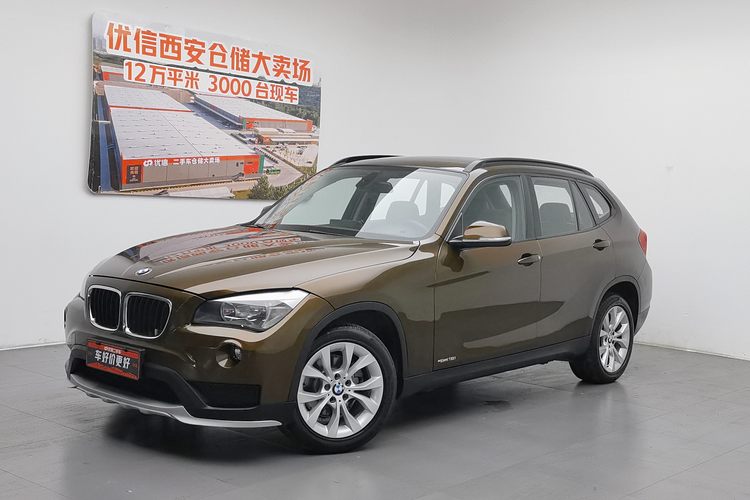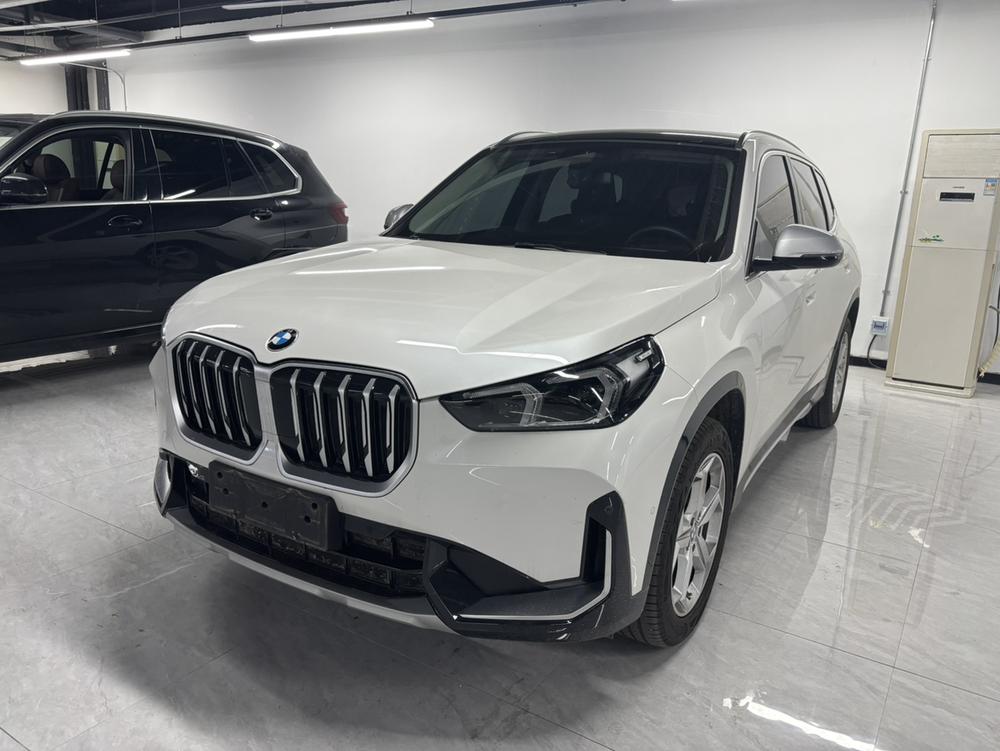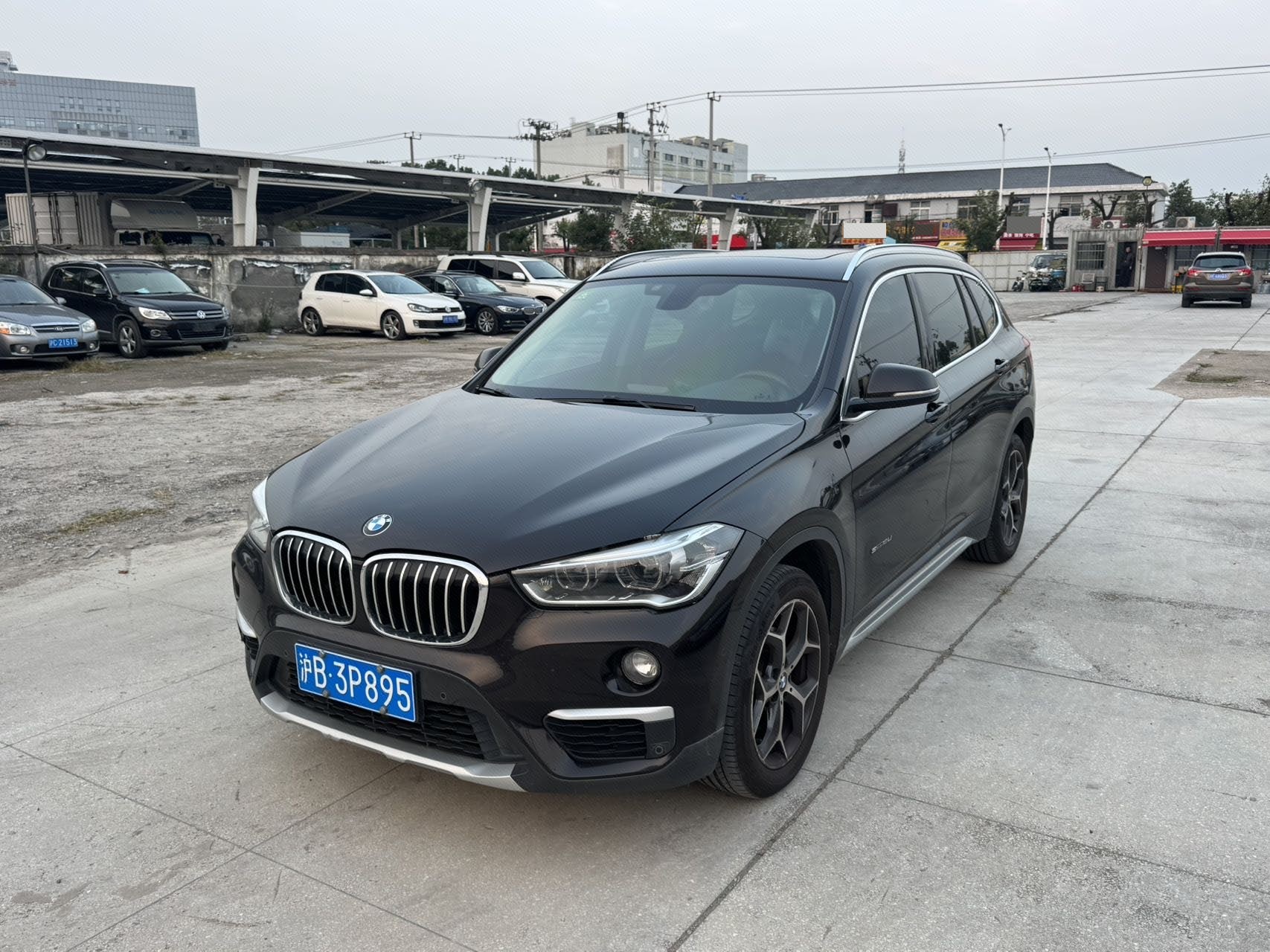
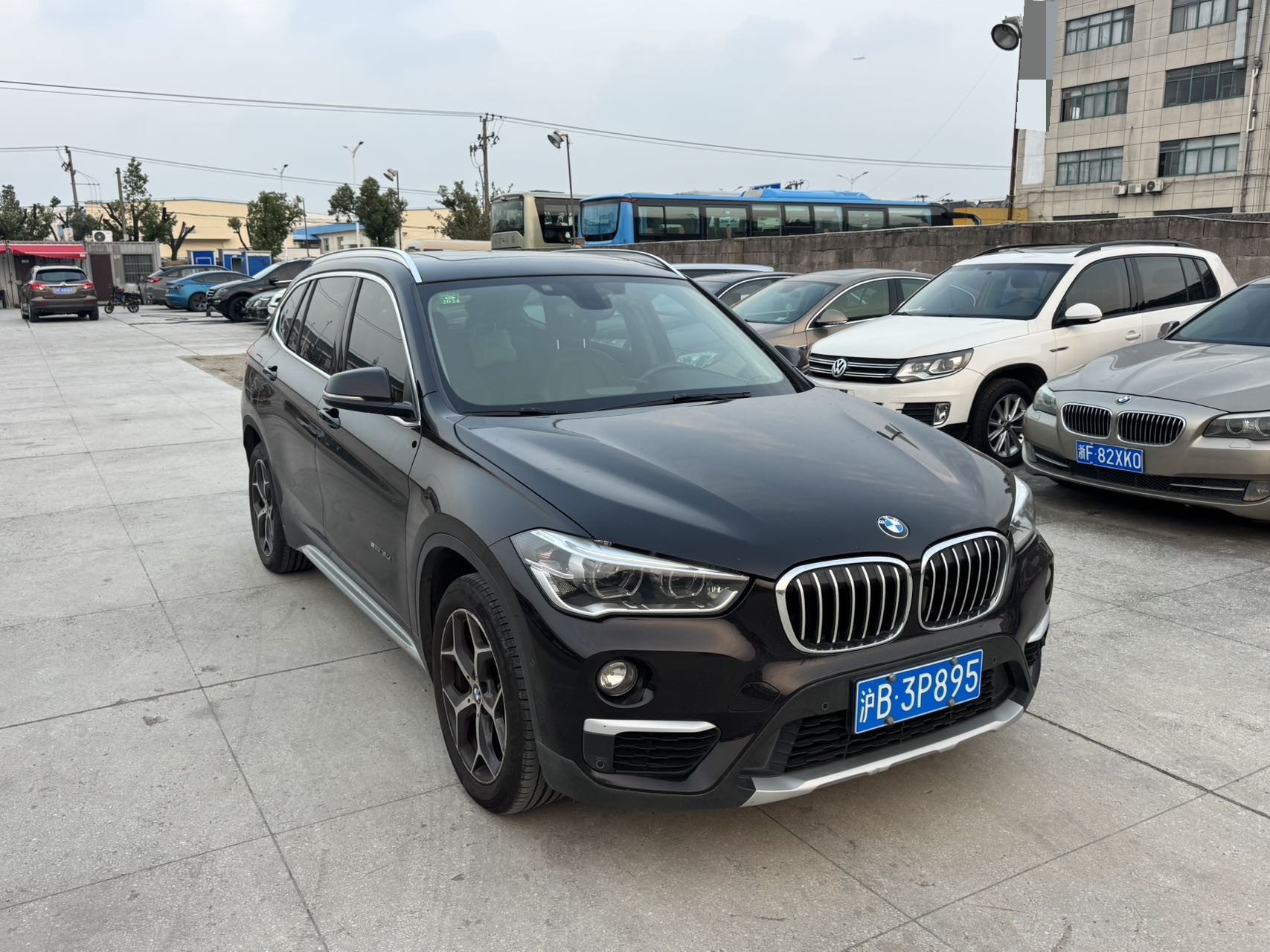
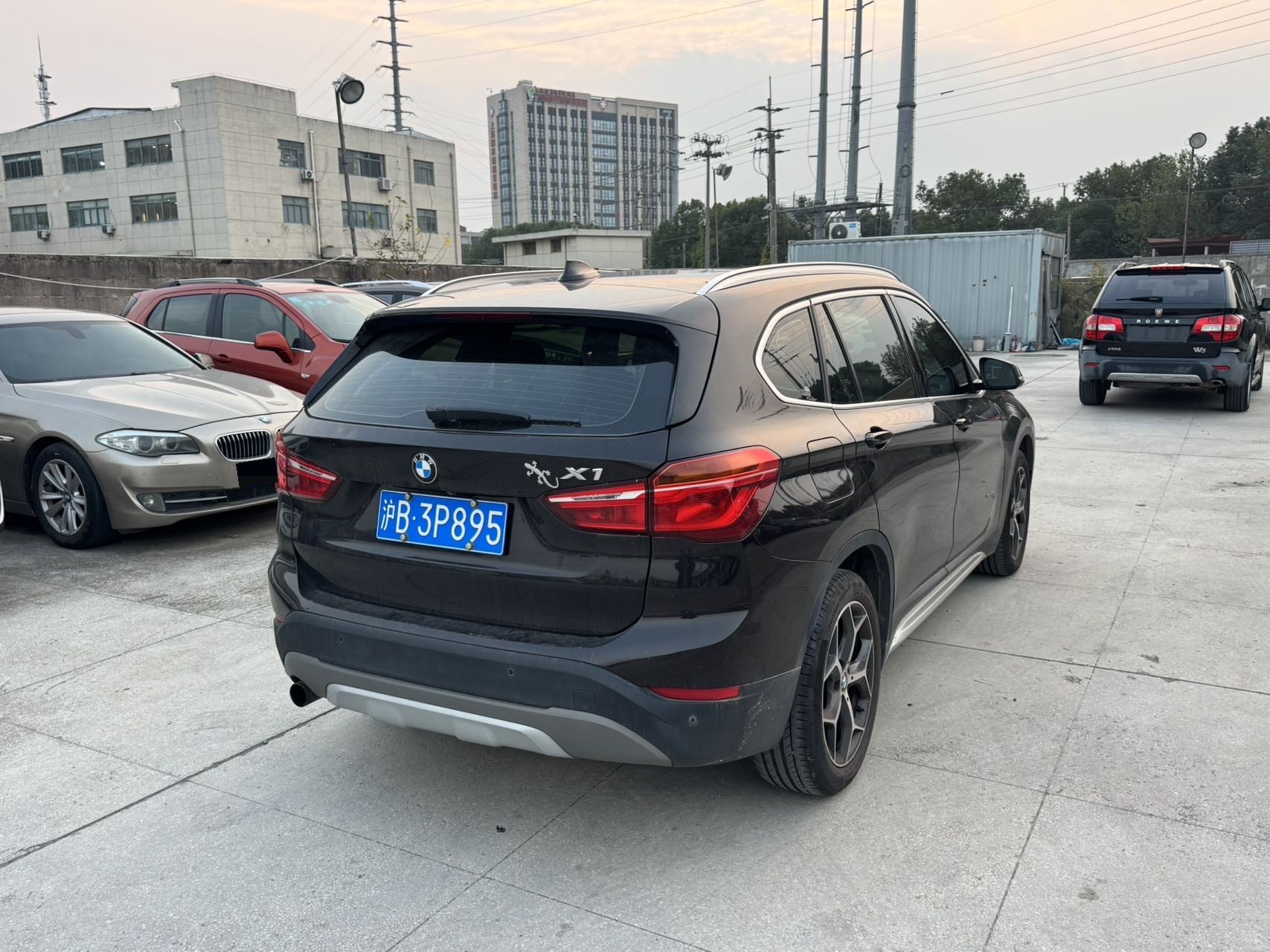
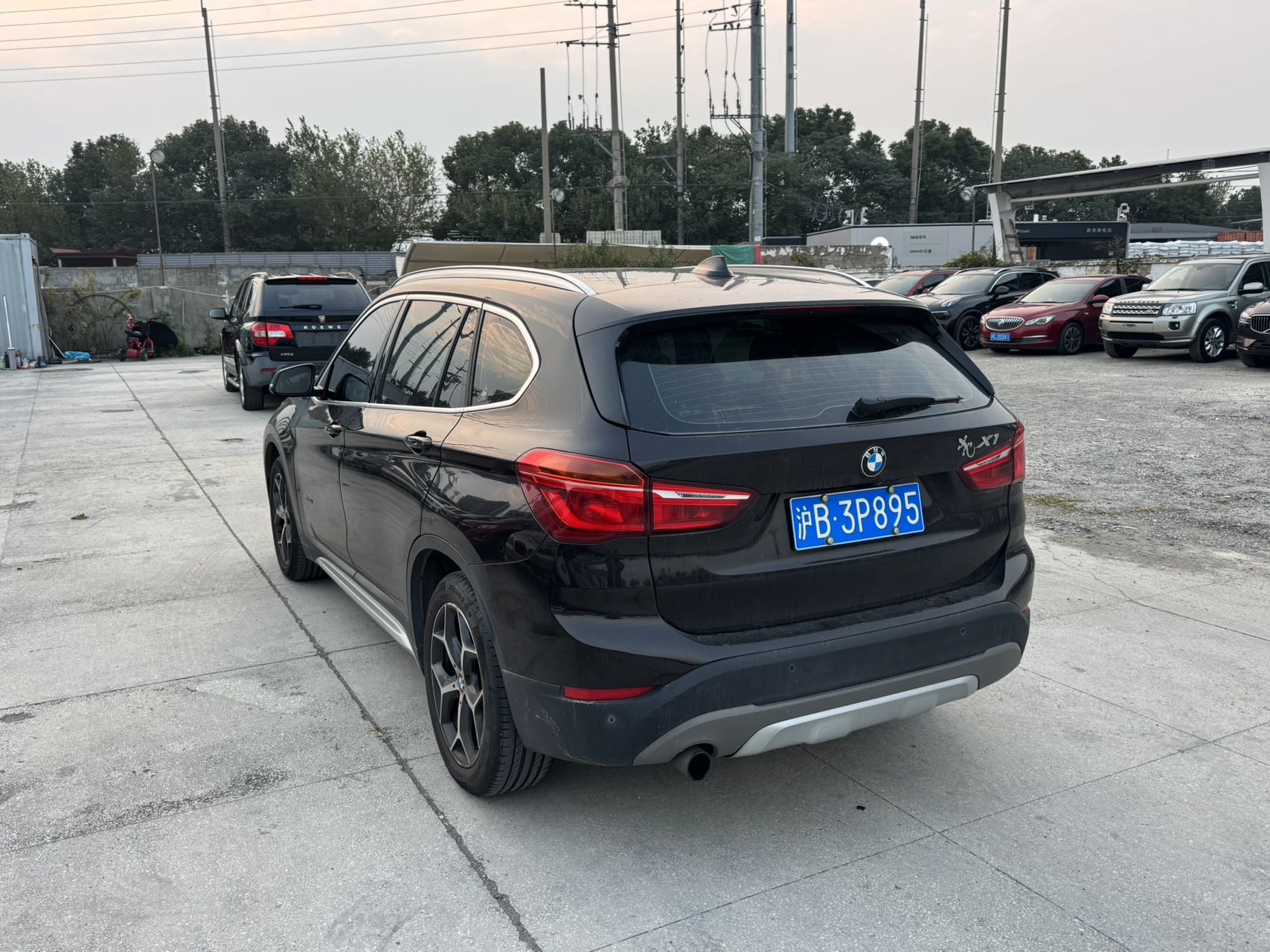
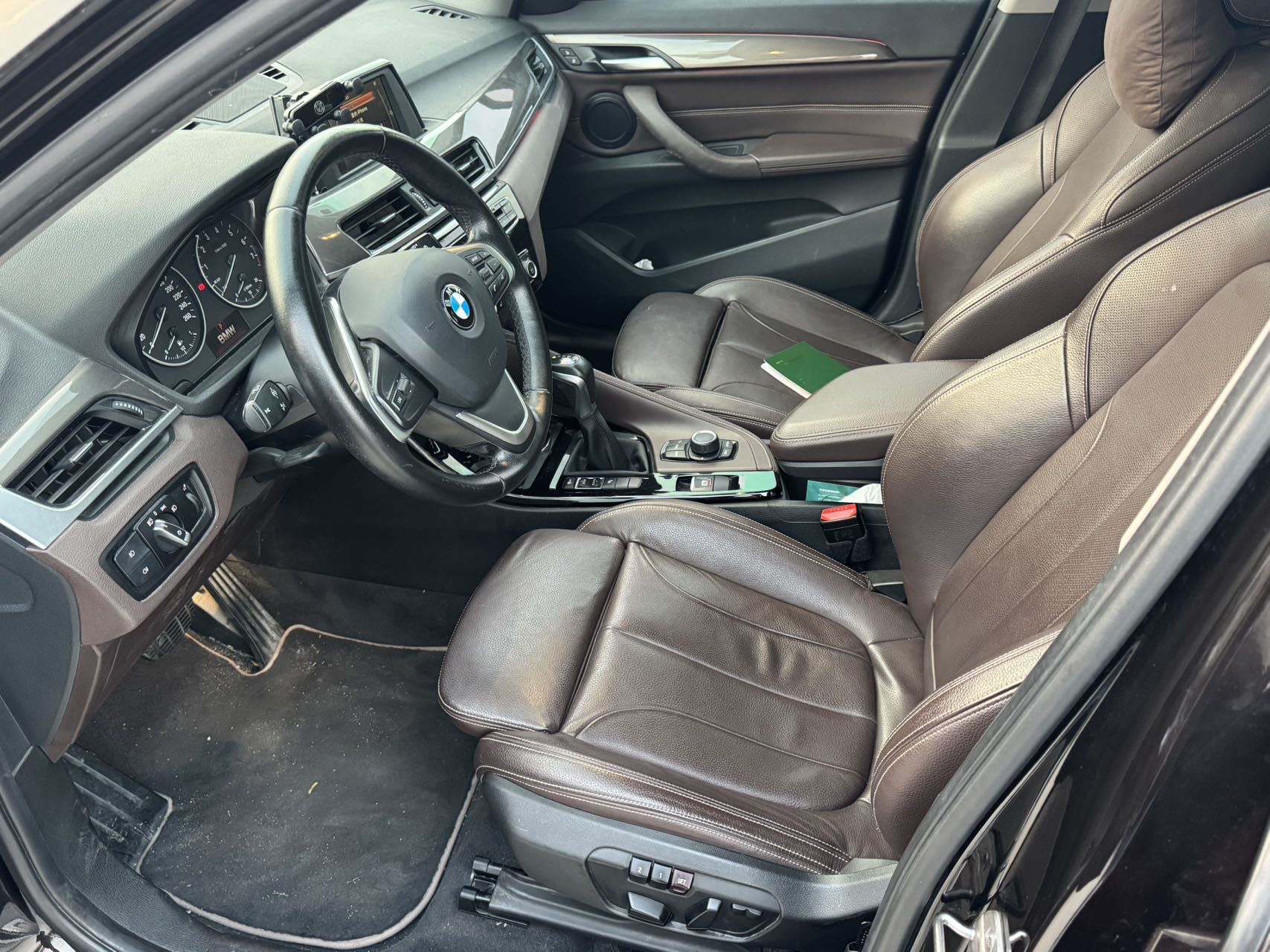
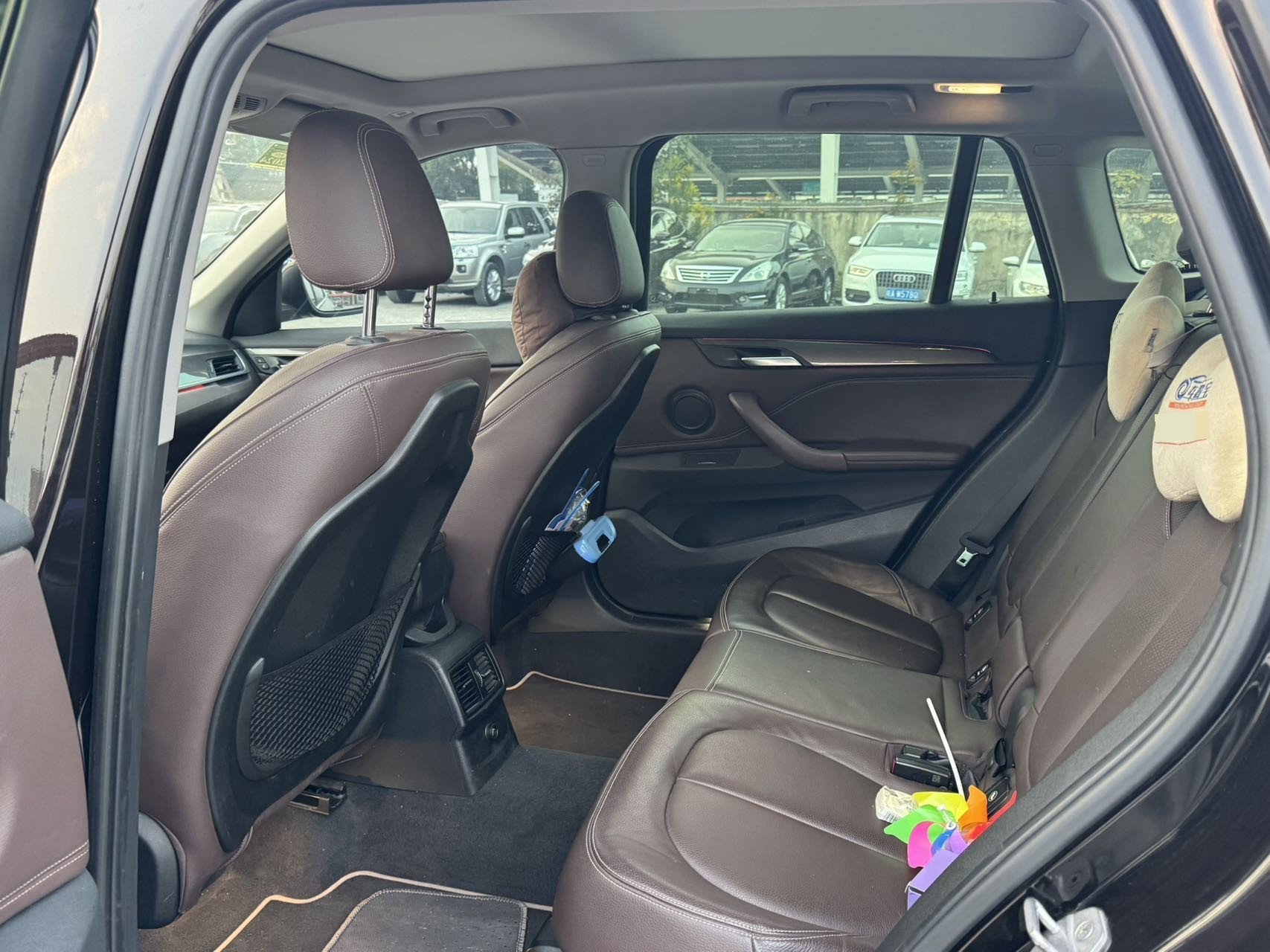
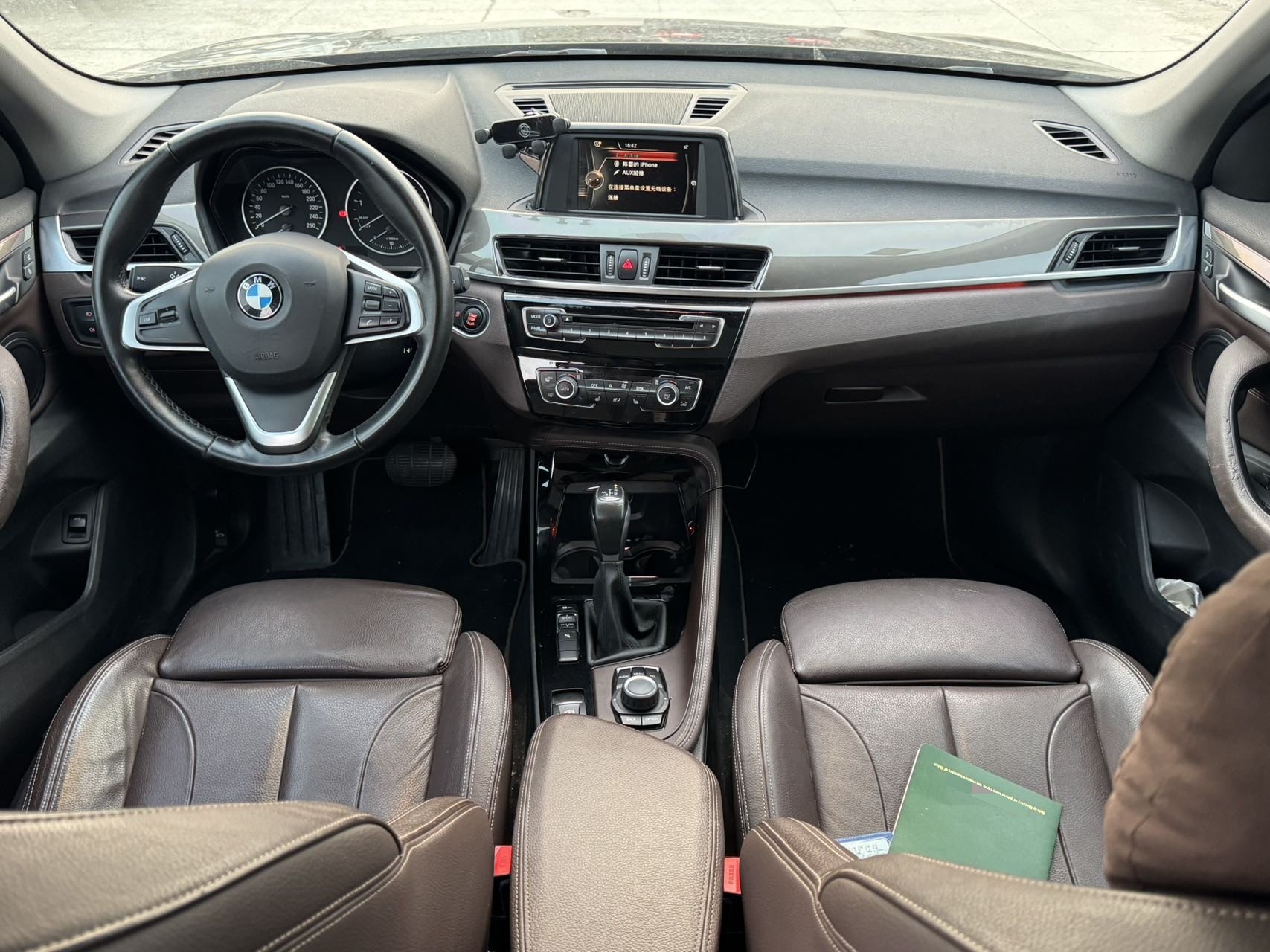
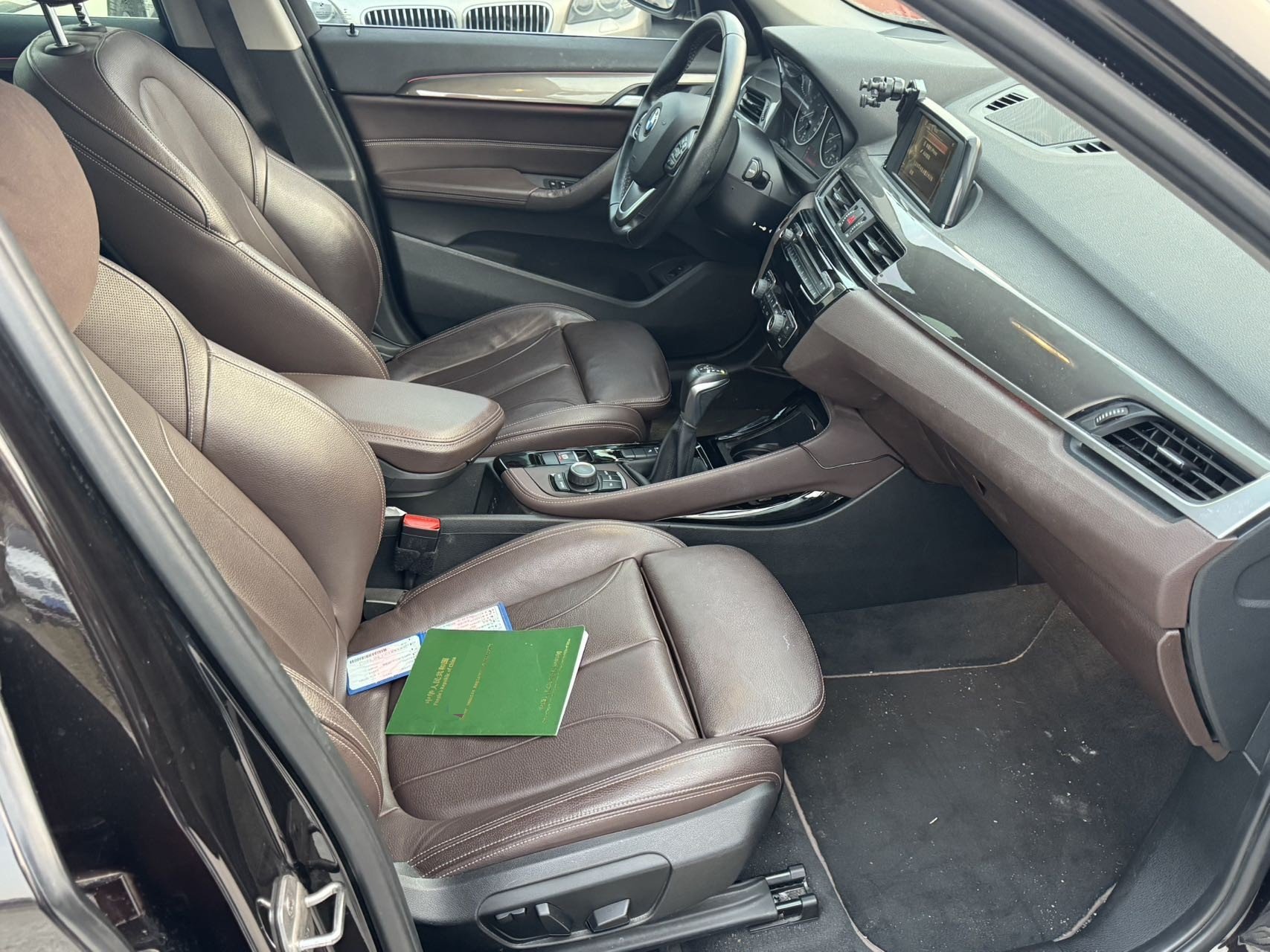
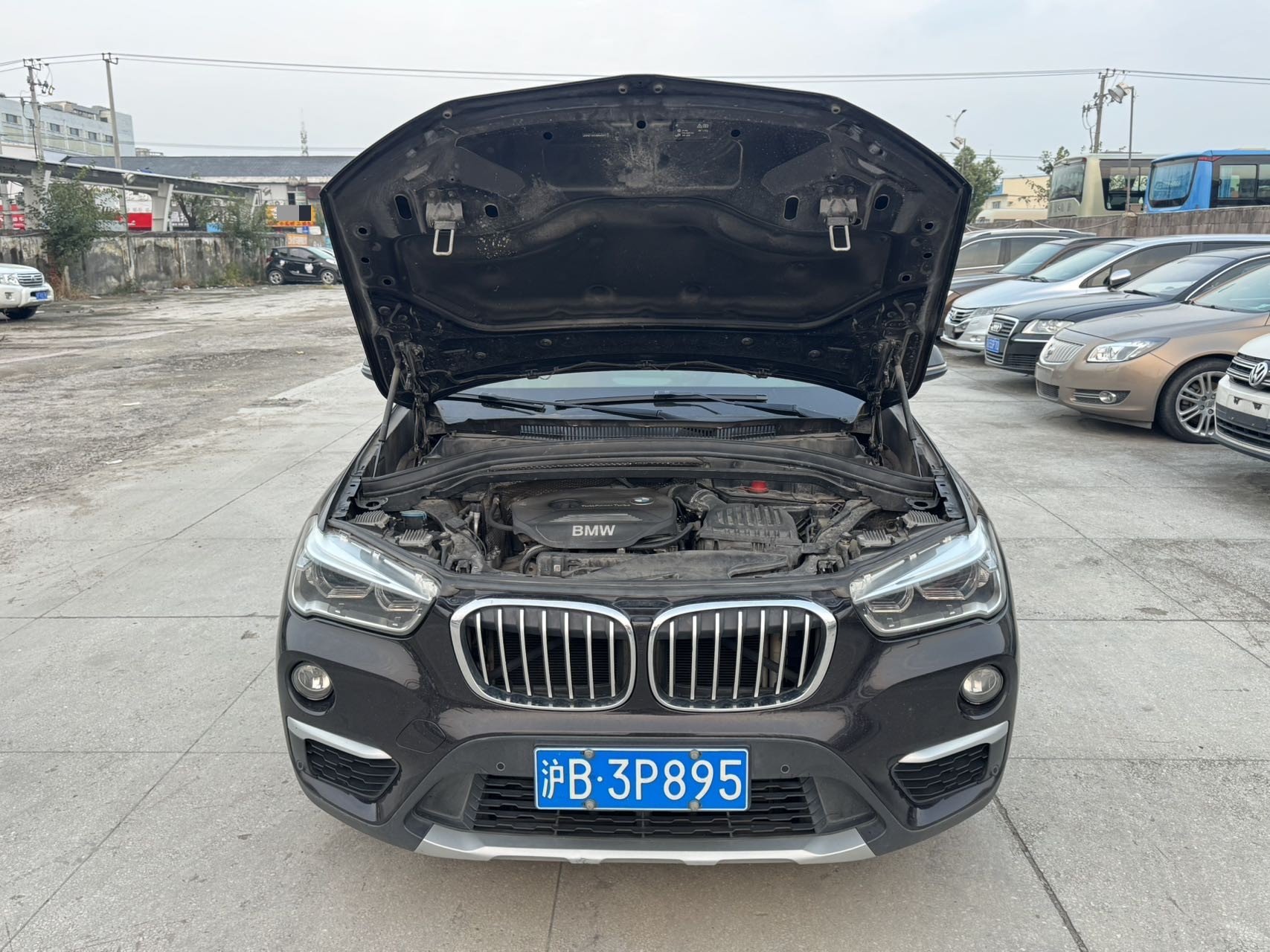



Basic Information

BrandBMW
SeriesX1
Year2016
First Registration2016/09
Mileage210,000km
Transfer Count0times
FuelGasoline
TransmissionManumatic
Engine1.5T 136 L3
ColorBlack
Seats-

Condition Description

One-owner vehicle, actual odometer 210,000 km, one panel repainted, screws untouched, no immediate repairs needed, fees up to date.

Document Information

Inspection Expiry Date-
Warranty Expiry Date-
Insurance Expiry Date2027/09

Q&A

More

Beyond the car price, what costs should I budget for when importing a used car from China?

Plan for roughly 25-40% on top of the vehicle price. The main items are: 1. Pre-purchase: deposit (10-30%), third-party inspection fee (100-300 USD). 2. In China: inland trucking to the port, export declaration fees. 3. Shipping: ocean freight (container 20ft usually 1,500-4,000 USD depending on destination), marine insurance (about 0.3-0.5% of car value). 4. In your country: customs duty, VAT/GST, port handling and storage, customs broker, quarantine or pre-shipment inspection if required, registration and plates. Always ask the exporter for an itemized landed-cost estimate for your specific port before paying the deposit, and confirm which Incoterm the quote is based on (FOB, CIF or DDP makes a big difference).


Under FOB terms, what should I do if the overseas freight forwarder I designated is inefficient and causes delays in booking?

Under FOB terms, booking is a legal obligation of the buyer. If your freight forwarder fails to provide the shipping order (S/O) in time, resulting in vehicles exceeding the free storage period at our warehouse or port, the buyer will have to pay the high daily storage fees before shipment.

What if the used car I imported from China turns out to be a bad deal—can I return it or get a refund?

In practice, returning an imported car is extremely difficult, so your protection must be built in before payment, not after. Once a used car has been exported, reversing the transaction involves re-export paperwork, duties, and freight costs that typically exceed any refund you'd recover. Most exporters' contracts treat the sale as final once the bill of lading is issued. What you can realistically do: 1. If the car differs materially from the contract (wrong VIN, undisclosed accident, tampered odometer), you have grounds for a claim. Document everything and negotiate a partial refund or repair credit—full refunds are rare. 2. If the seller committed outright fraud, you can pursue legal action in China or report to the platform, but cross-border enforcement is slow and costly. 3. Some exporters offer a short arrival warranty (usually 30-90 days) covering major mechanical failures. Claims require immediate notification, third-party inspection reports, and proof the damage existed at shipment. The practical takeaway: never rely on the possibility of a return. Spend the money on a thorough pre-shipment inspection and clear contract terms instead—it's far cheaper than a dispute.