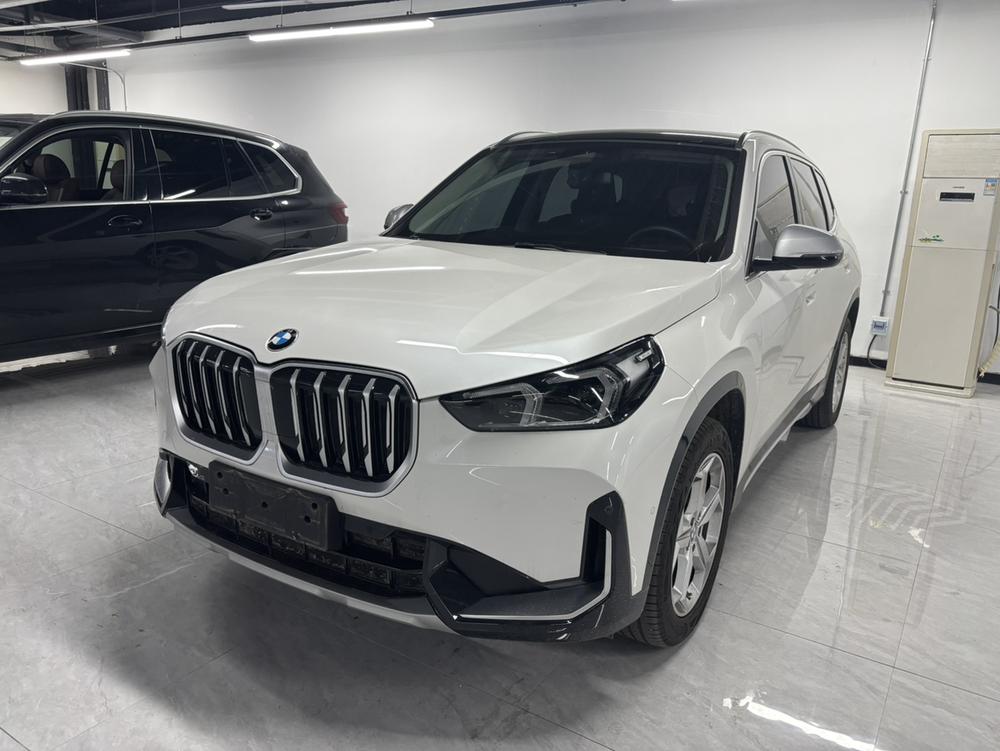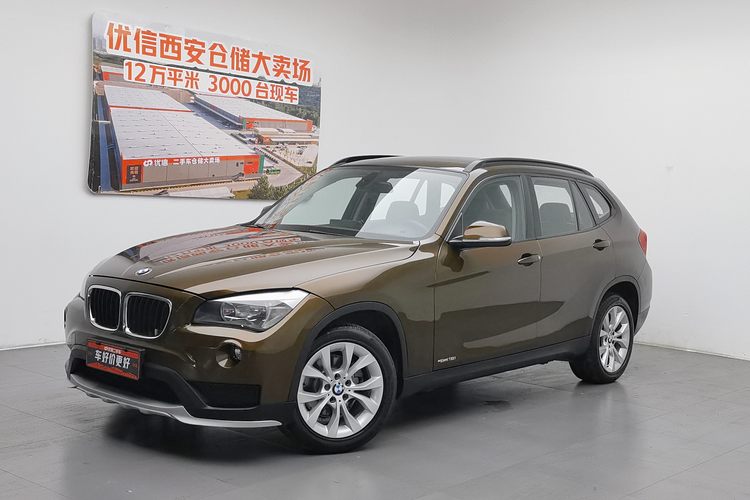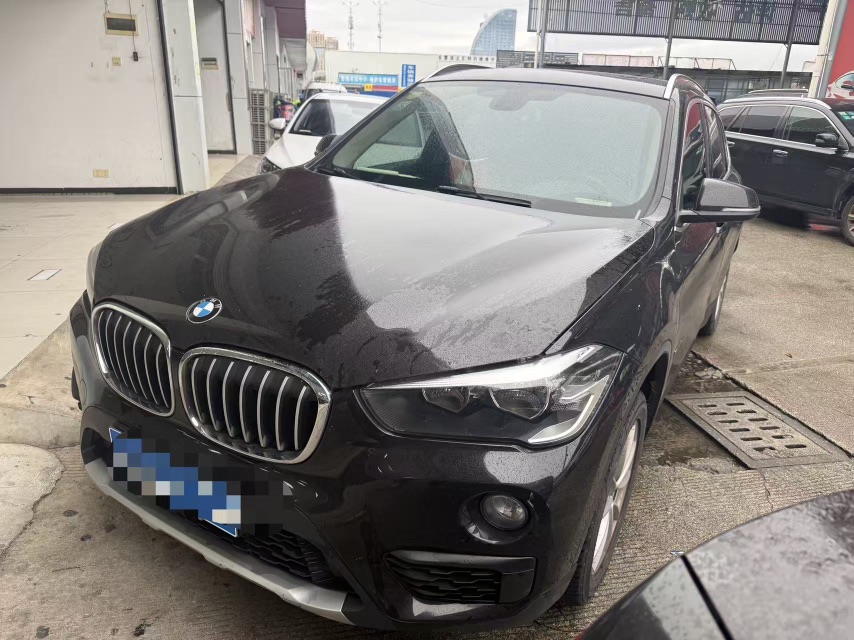
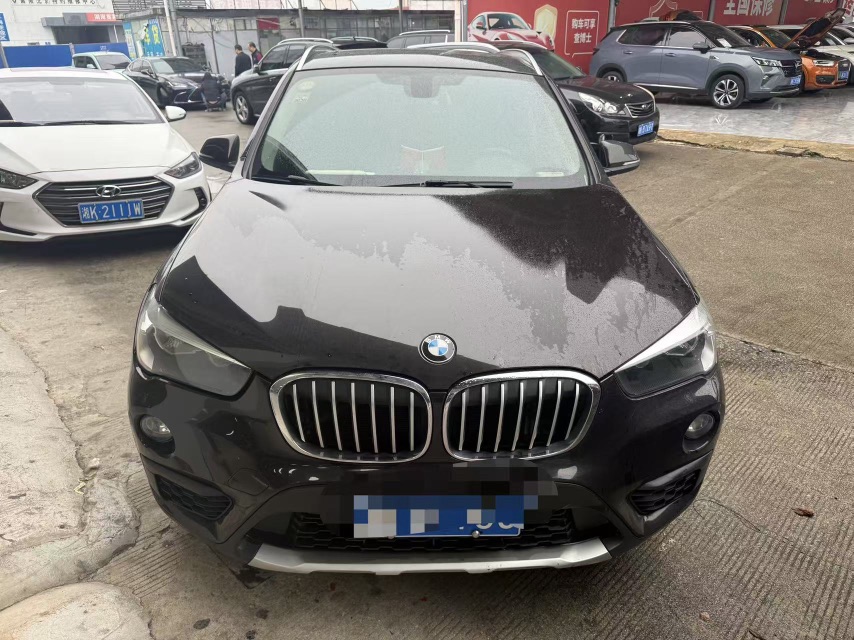



Basic Information

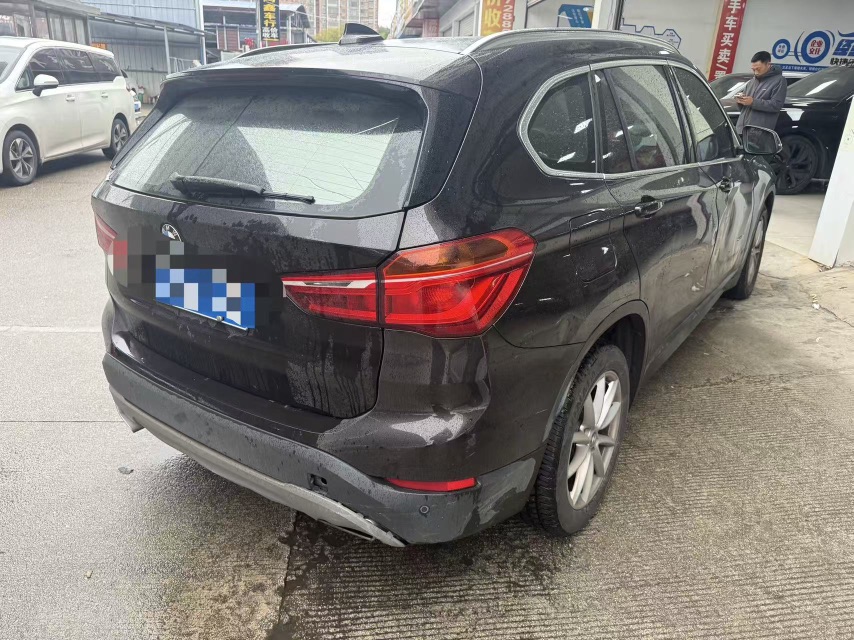
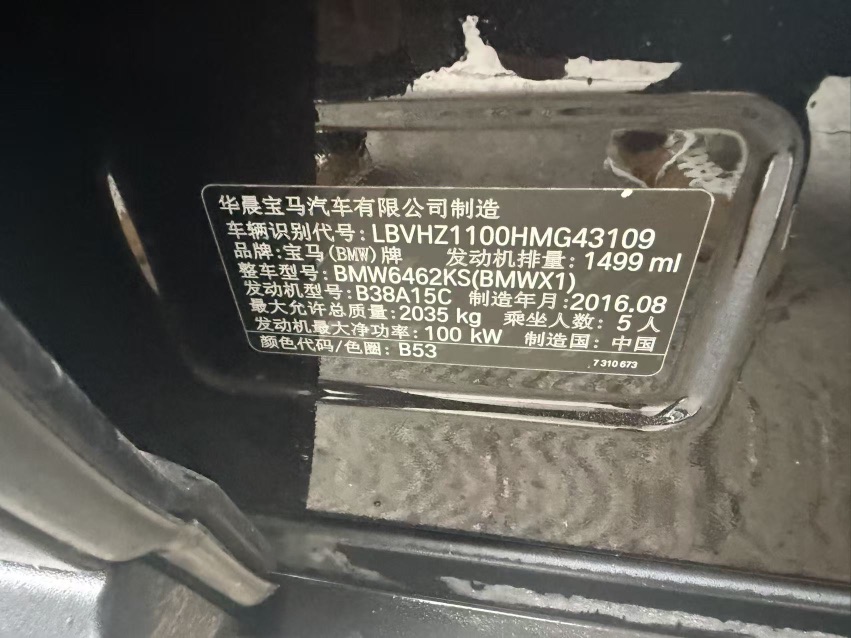
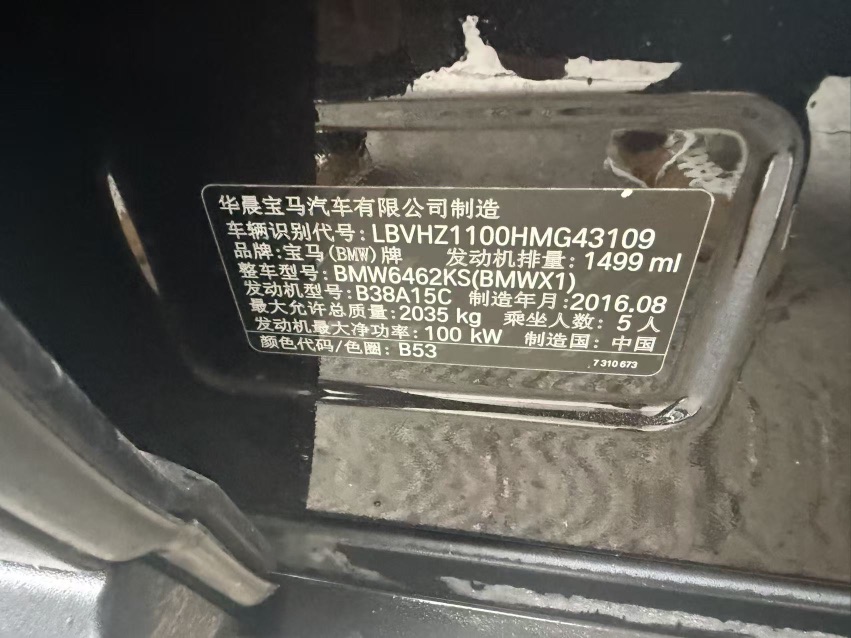
BrandBMW
SeriesX1
Year2016
First Registration2016/11
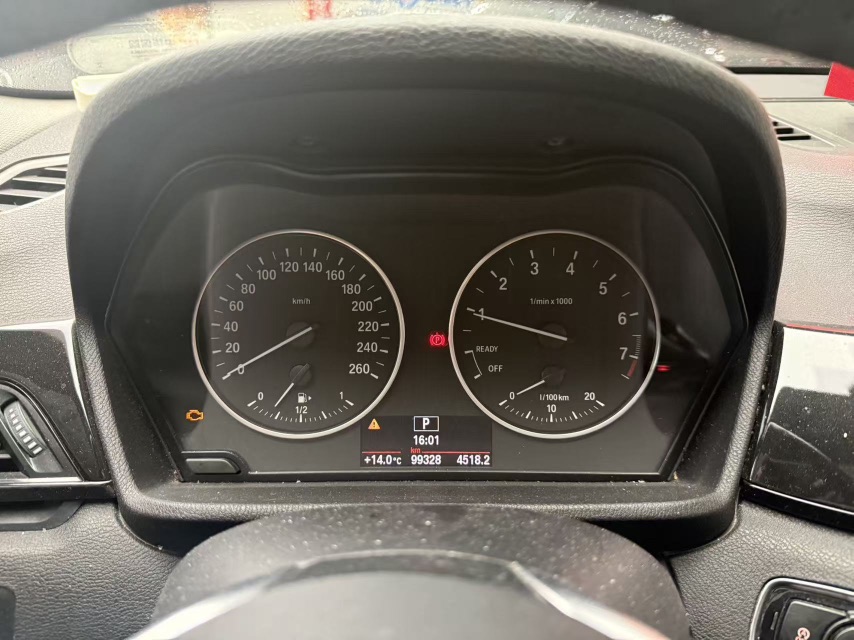
Mileage90,000km
Transfer Count1times
FuelGasoline
TransmissionManumatic
Engine1.5T 136 L3
ColorBrown
Seats-

Condition Description

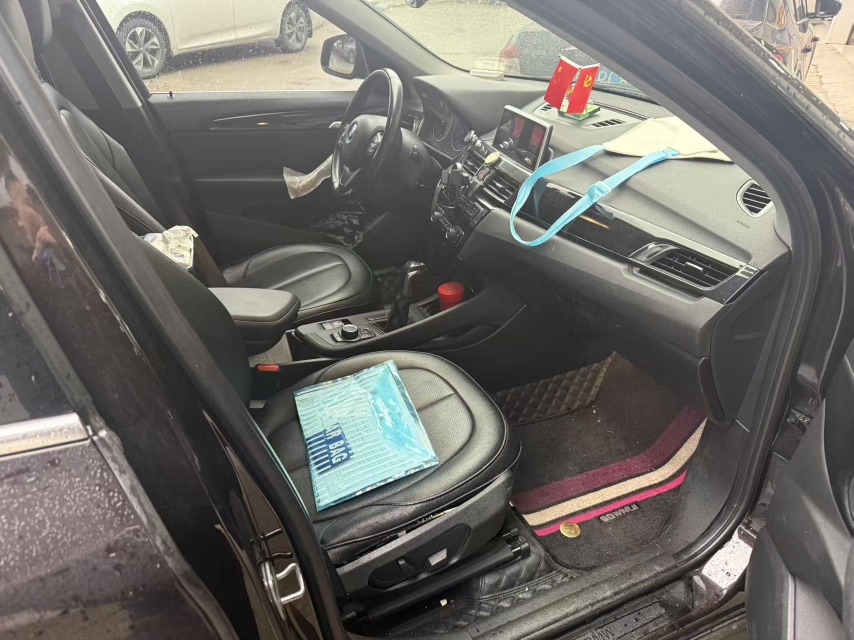
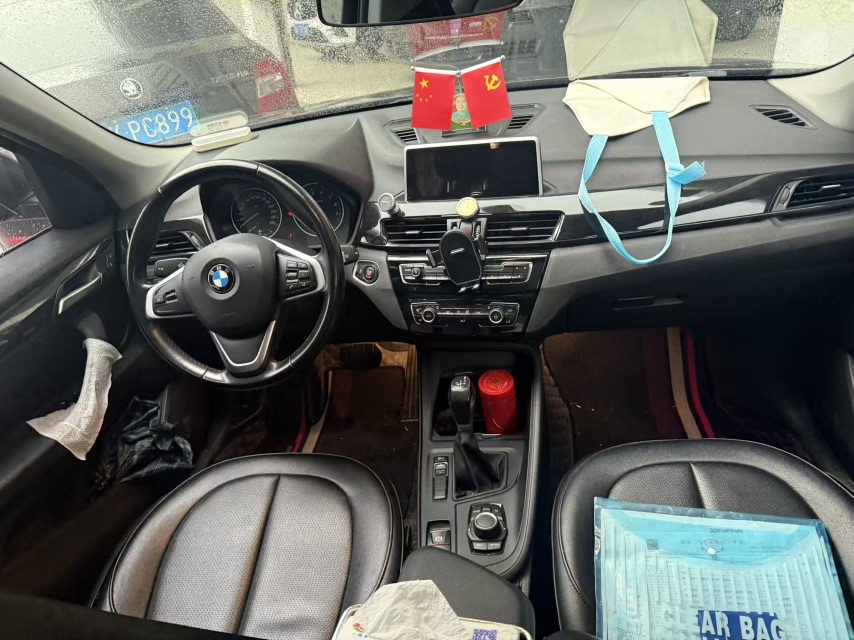
Transferred three times. Hood, headlight, and one door replaced.

燃油车
SUV
自动
维保开放
事故开放
查验开放

Configuration Highlights

✓品牌: 宝马
✓车系: 宝马X1
✓车型: 2016款 sDrive18Li 时尚型
✓车身类型: SUV
✓座位数: 5
✓排量: 1.5T
✓变速箱: 自动
✓能源类型: 燃油车
✓VIN: LBVHZ1100HMG43109
✓搜索关键词: 宝马宝马X1 2016款宝马X1sDrive18Li时尚型

Document Information

Inspection Expiry Date2026/11
Warranty Expiry Date-
Insurance Expiry Date2026/11

Q&A

More

How do you prove to overseas buyers that this car has never had a major structural accident?

We do not rely on the seller's verbal assurances. We provide multi-dimensional accident-free certification by cross-referencing insurance claims records, service orders from authorized dealerships, and conducting on-site paint thickness measurements and weld point inspections of the chassis and structural components (longitudinal beams, A/B/C pillars, shock absorber mounts).


Beyond the car price, what costs should I budget when importing a used car from China?

A realistic budget has several layers beyond the vehicle price. First, inland logistics in China: moving the car to the export port typically costs $300-$800. Second, export handling: inspection, customs declaration and paperwork usually add $500-$1,000. Third, ocean freight. A 20ft container to most destinations runs $1,200-$3,000 depending on route; RoRo shipping can be cheaper for driveable cars. Add marine insurance, usually 0.3%-0.5% of the car value. Fourth, destination charges: port handling, customs duties, VAT/GST and local registration fees. These vary widely; some countries charge duties of 20%-80% of the vehicle value plus an excise based on engine capacity. Finally, any compliance work: inspection certificates, modifications to meet local standards, or homologation. Ask your exporter for a full CIF quote and have a local customs broker confirm destination taxes before you commit.

How do I track my car's shipment from China, and which shipping documents should I receive?

Once the car is loaded, the exporter (or freight forwarder) should send you a booking confirmation and, after departure, the Bill of Lading (B/L). The B/L is the key document: it shows the shipper, consignee, vessel, ports, and usually the VIN and container number. You can track the vessel on the shipping line's website using the B/L number or container number, or through third-party trackers like MarineTraffic. As the shipment approaches, the agent at destination issues an Arrival Notice. To collect the car you will typically need the original B/L (or a telex release/e-release), the arrival notice, your ID, and customs clearance paperwork. Check the B/L carefully as soon as you receive it—VIN, container number, and your name must be exactly right, because correcting a B/L mid-voyage is slow and expensive.