


48H

Basic Information

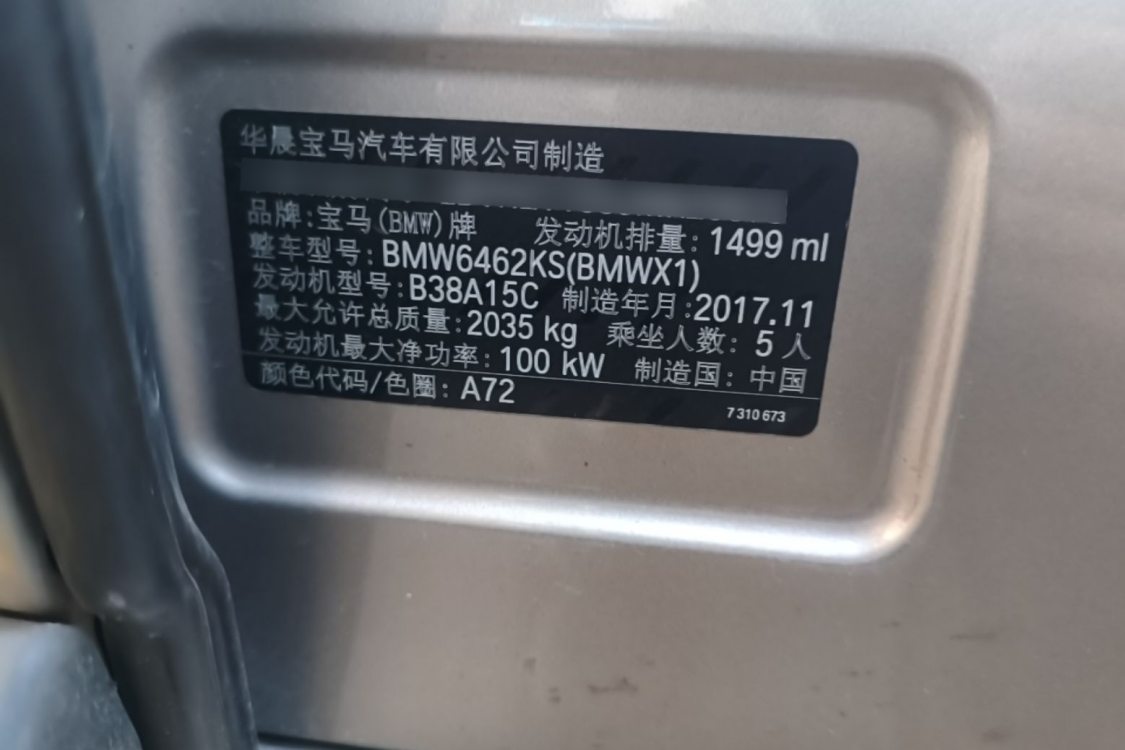
BrandBMW
SeriesX1
Year2018
First Registration2018/01
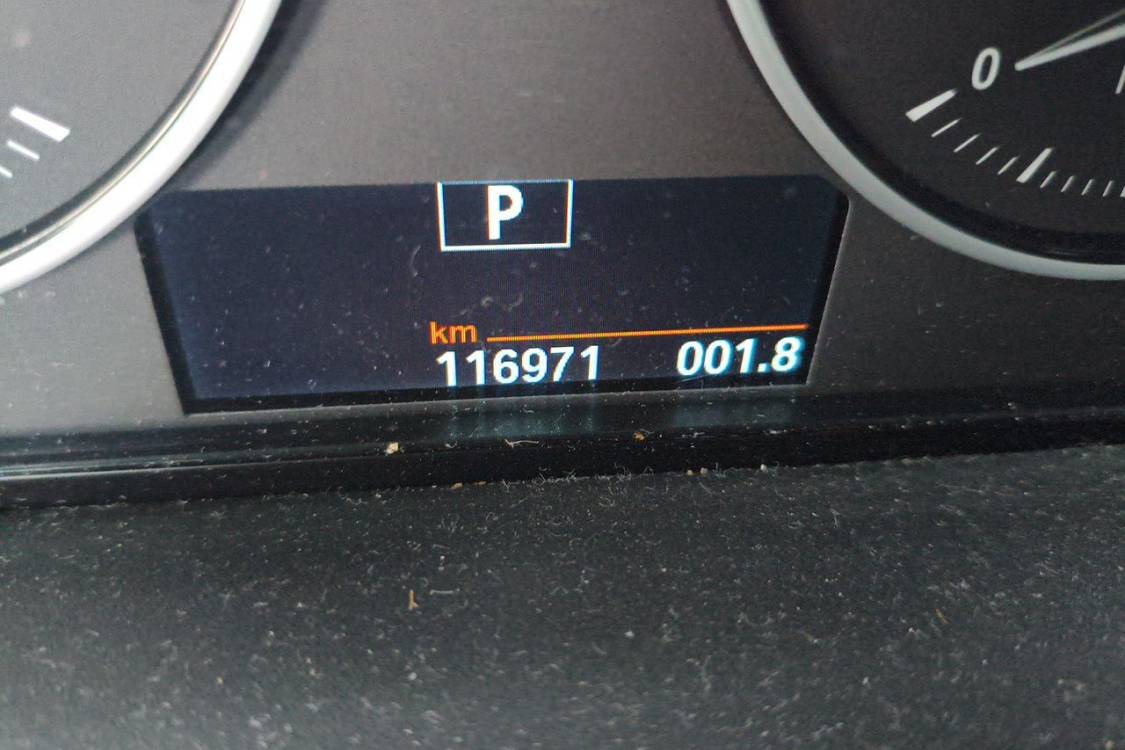
Mileage116,900km
Transfer Count-
FuelGasoline
TransmissionManumatic
Engine1.5T 136 L3
ColorOther
Seats-

Condition Description

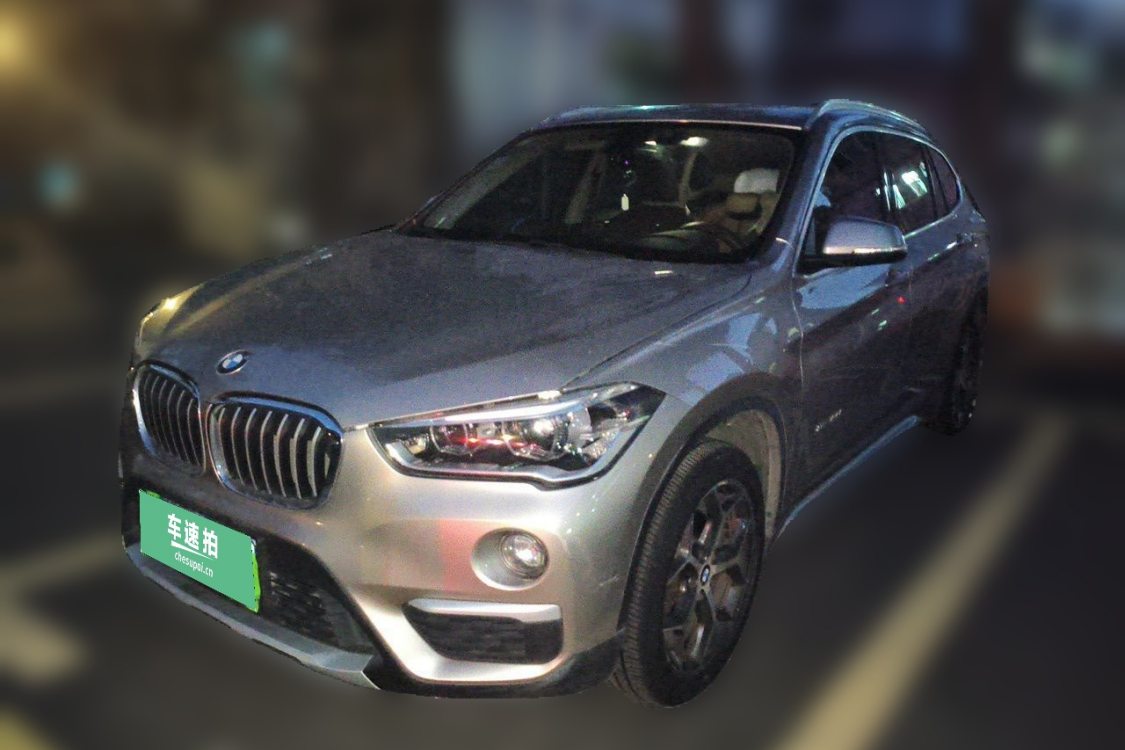
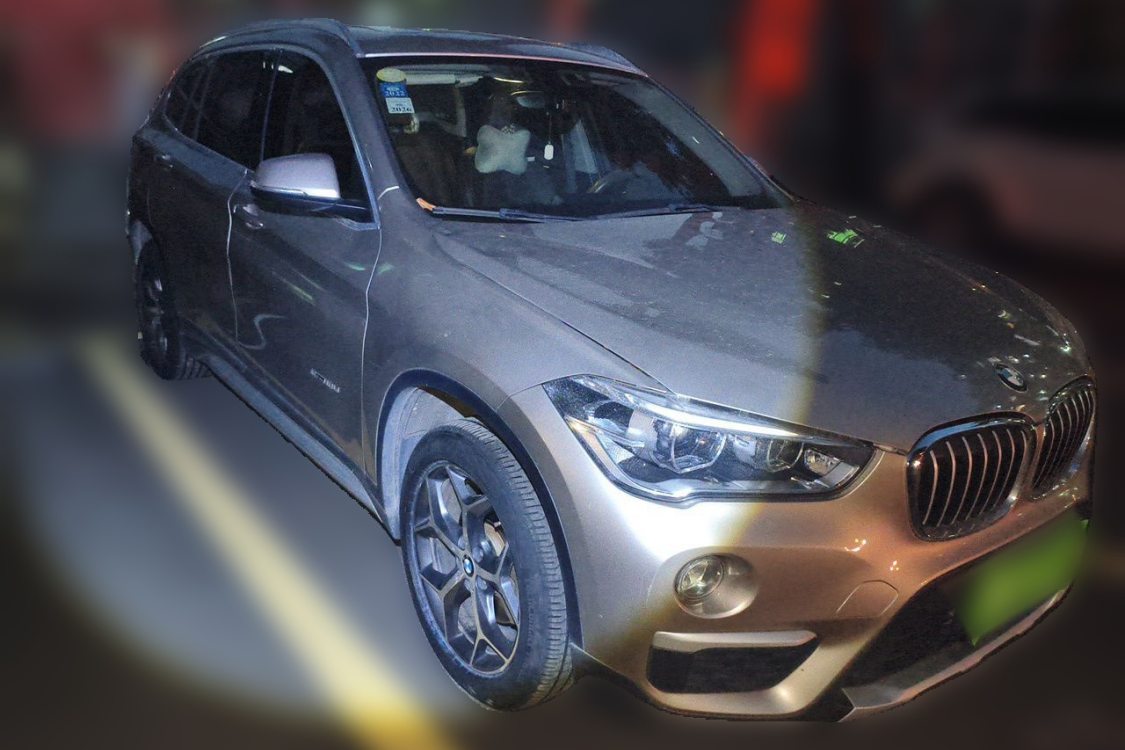
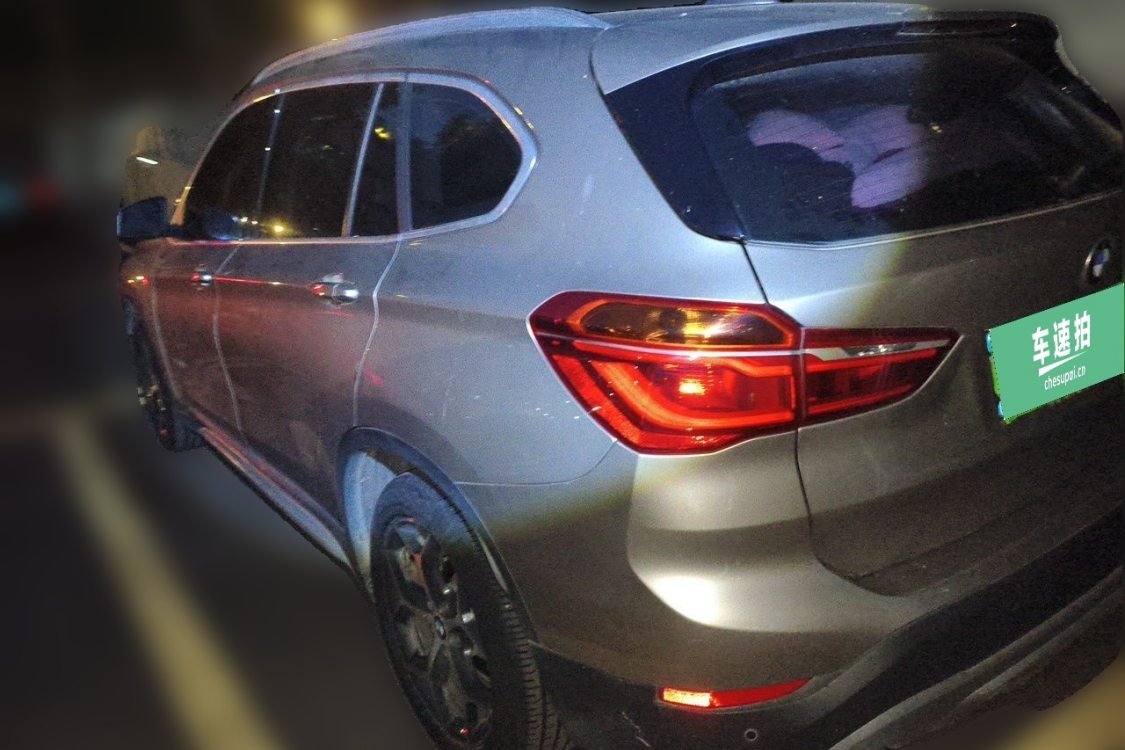
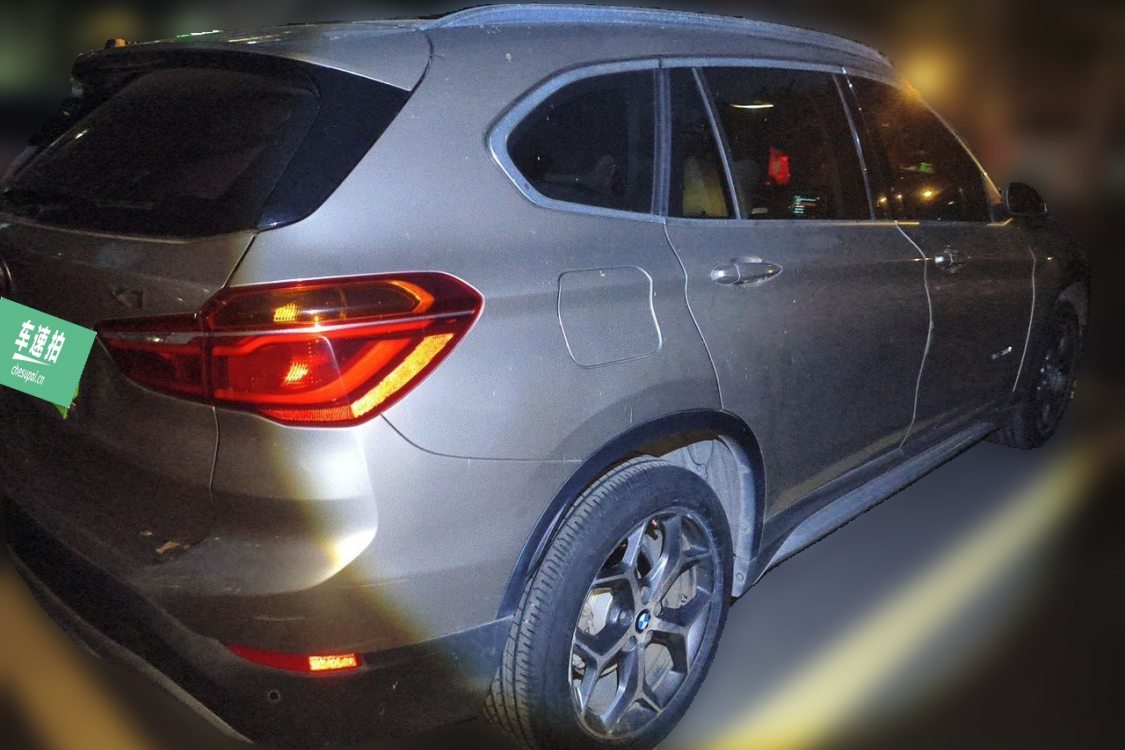
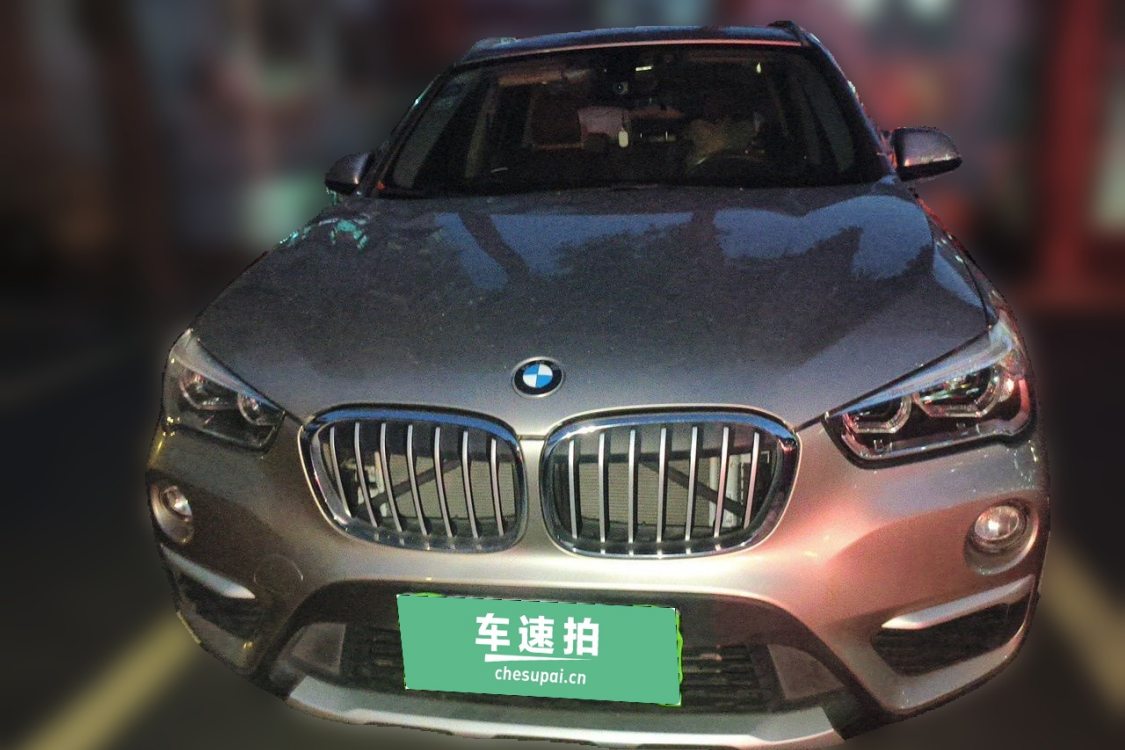
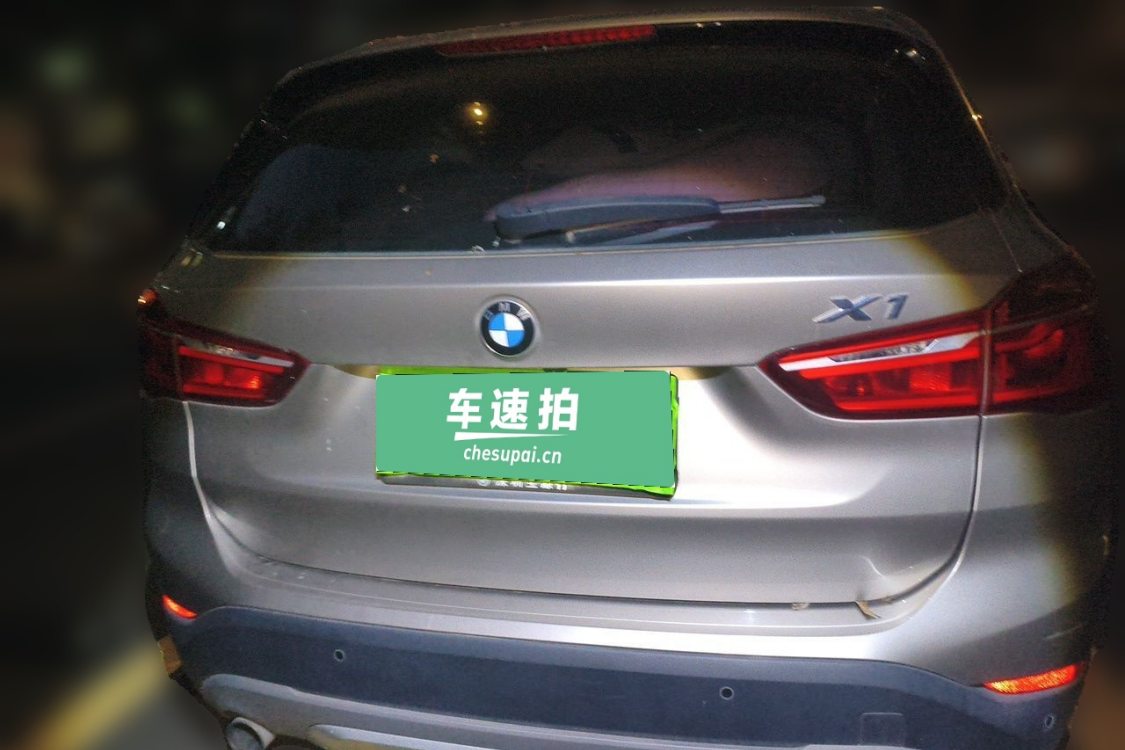
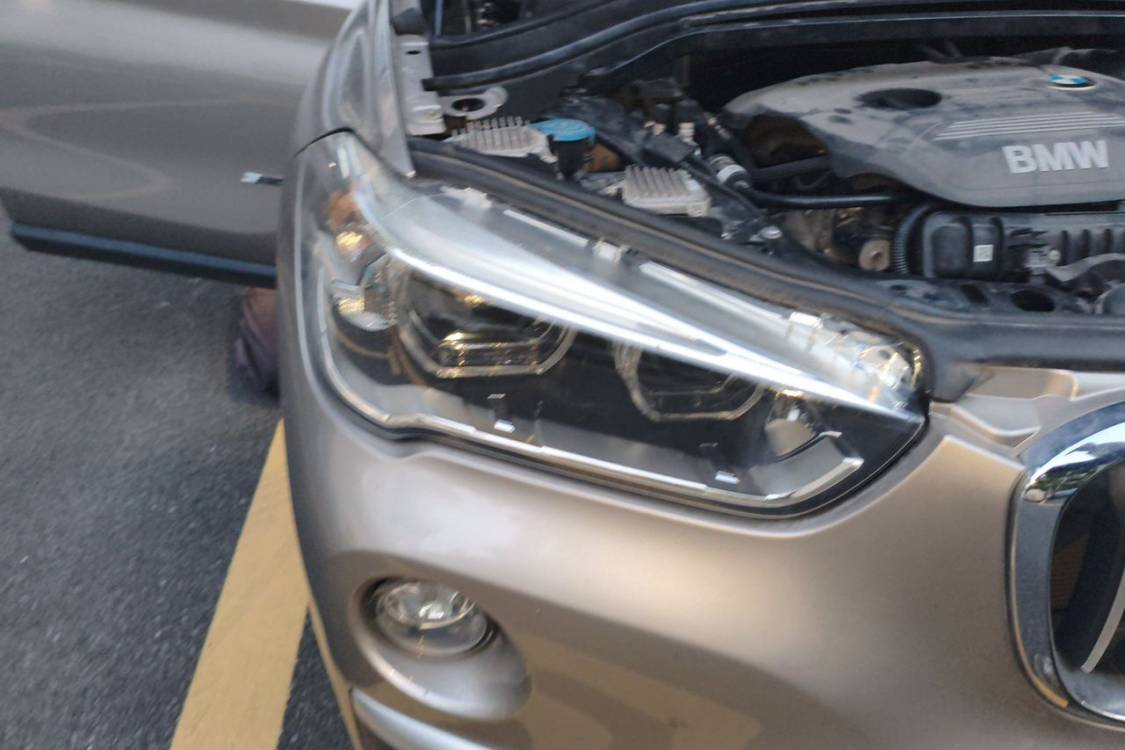
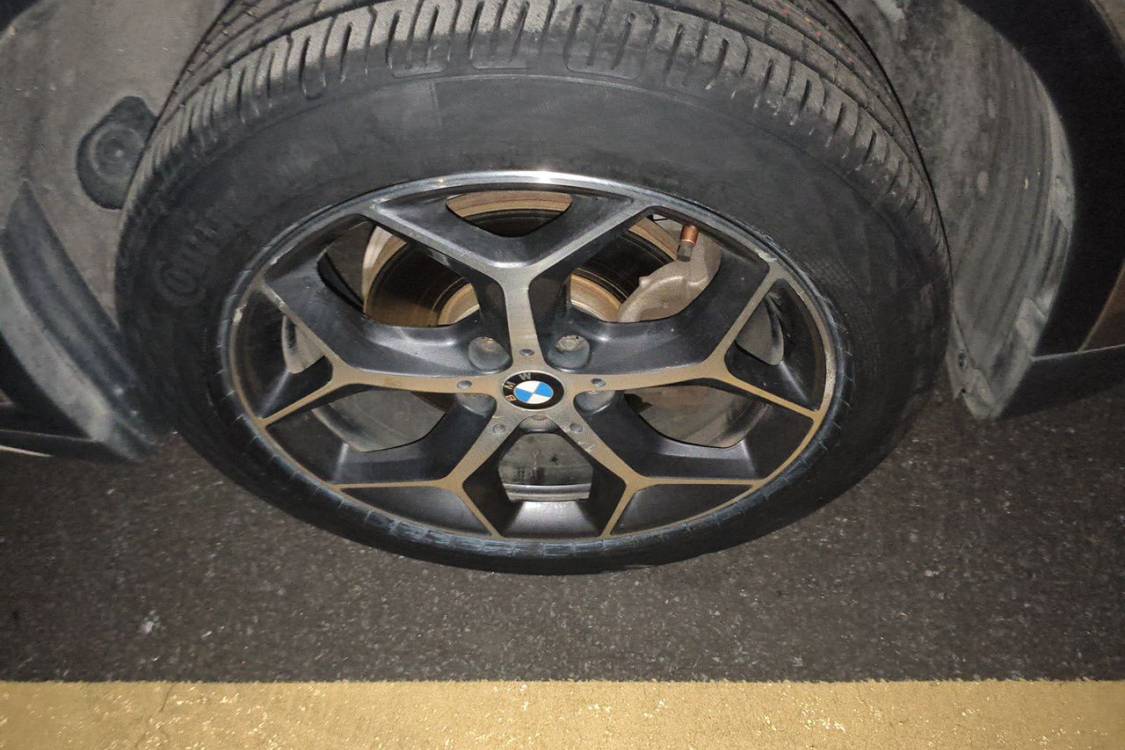
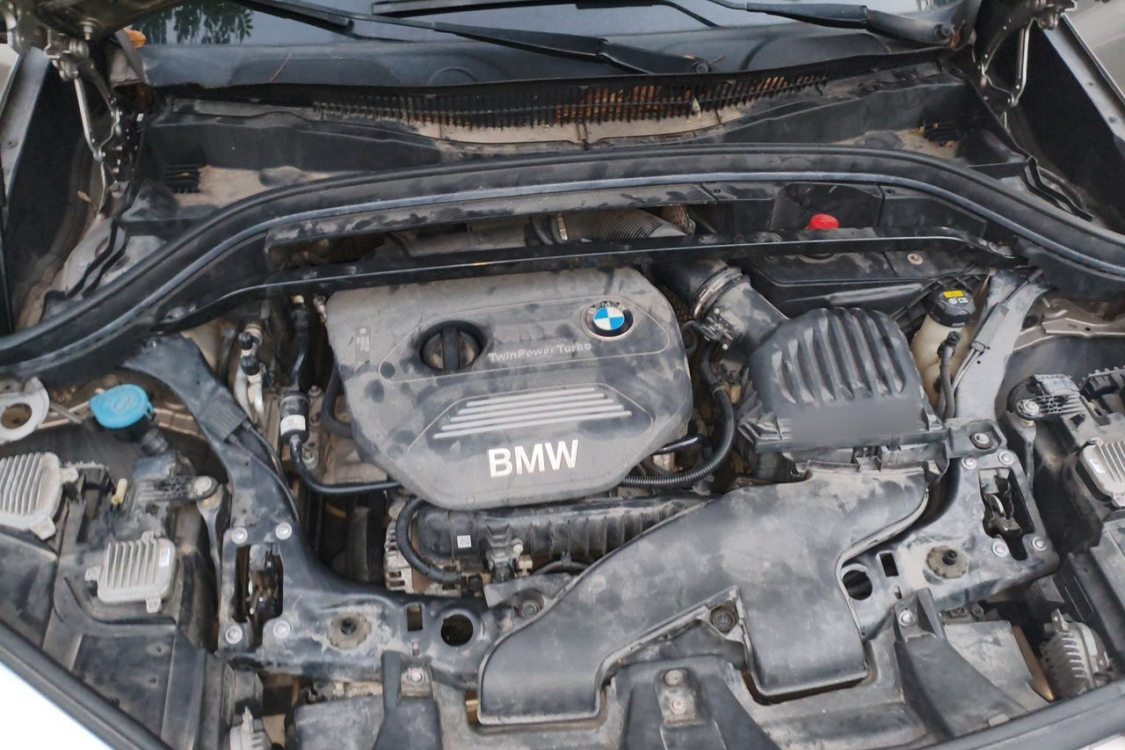
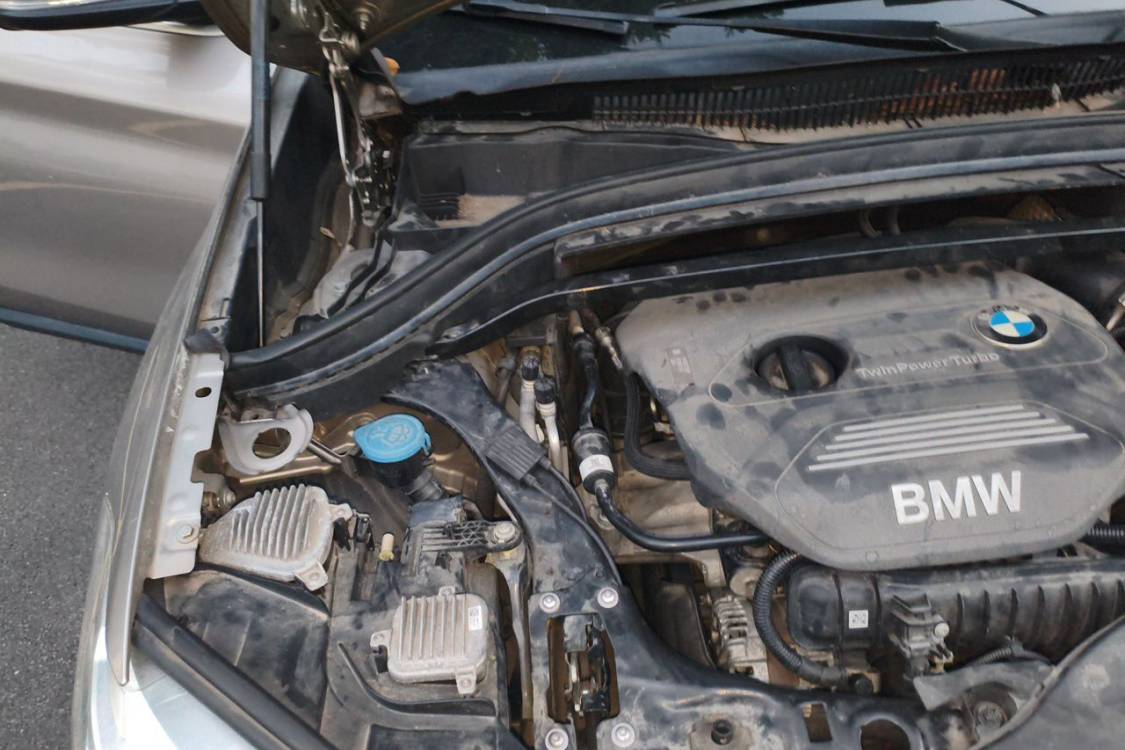
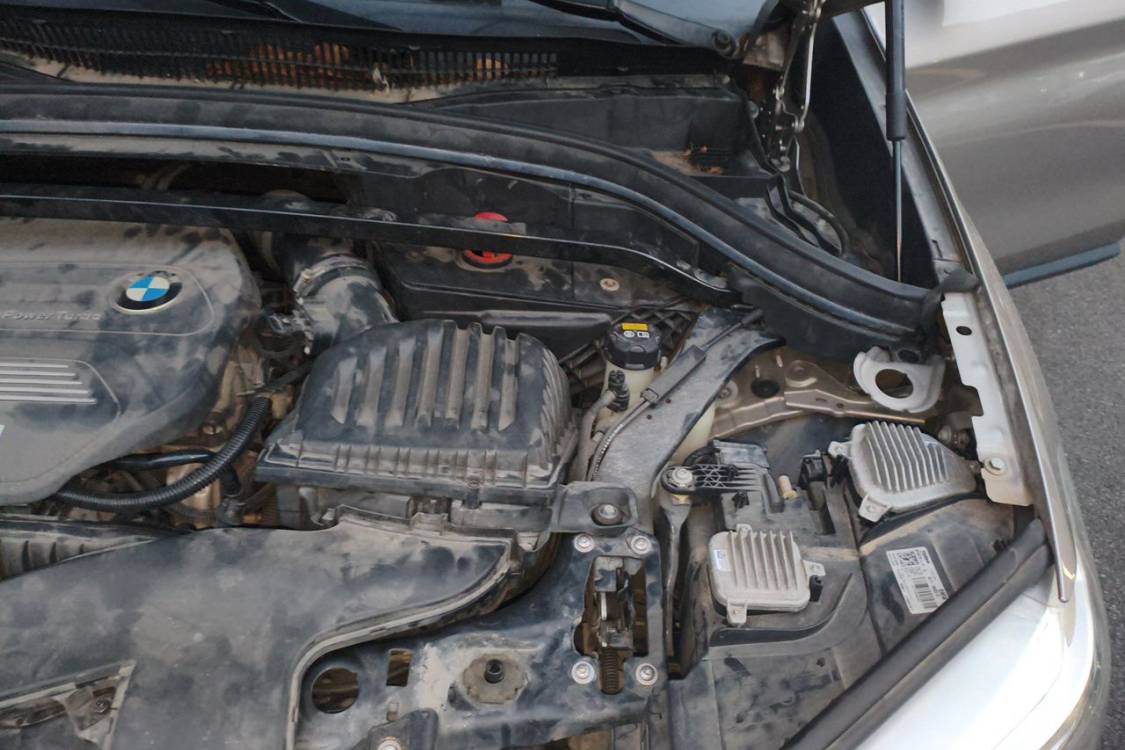
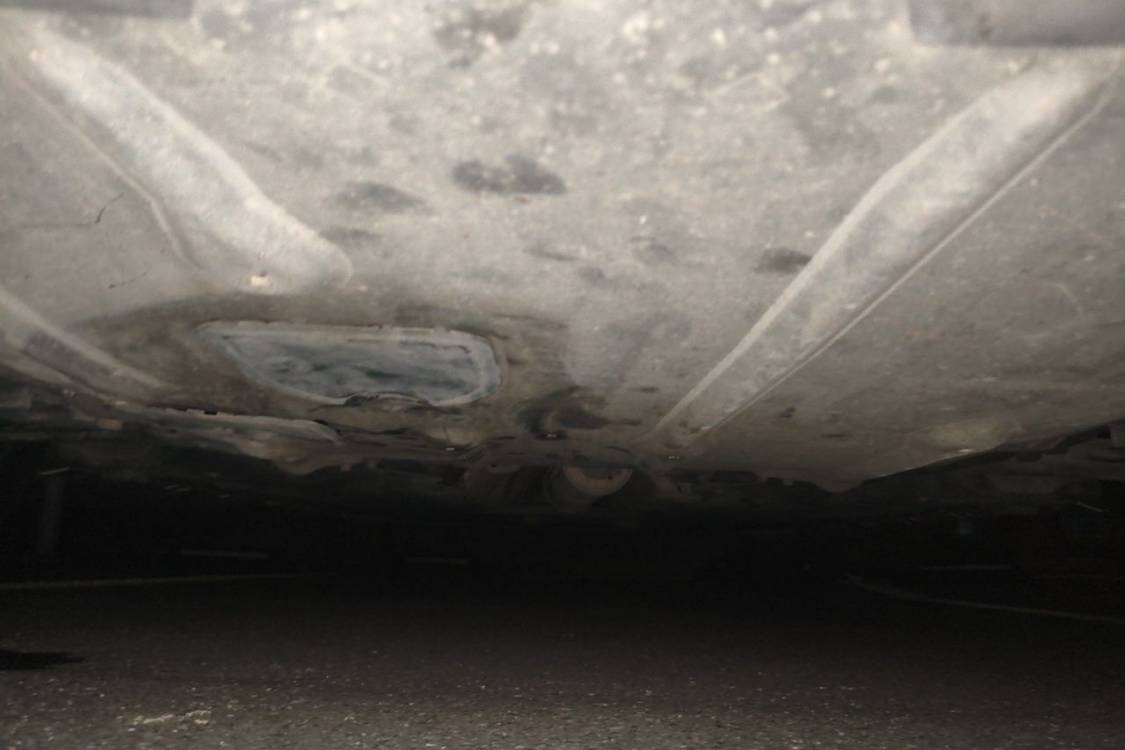
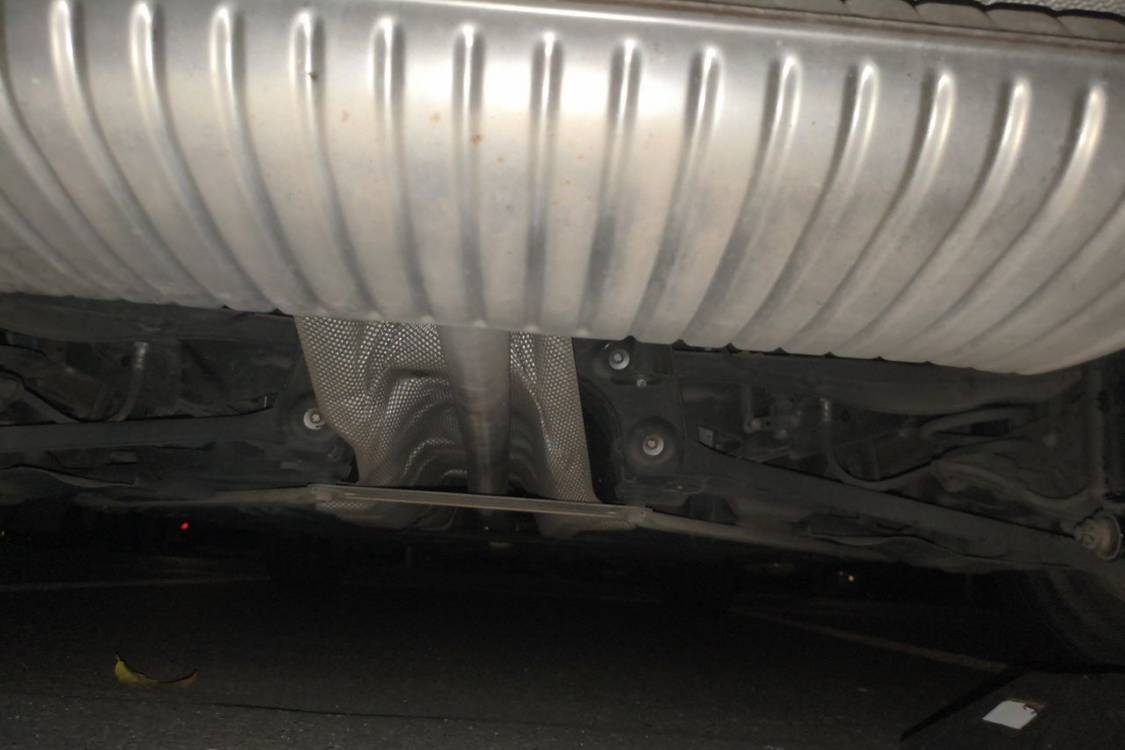
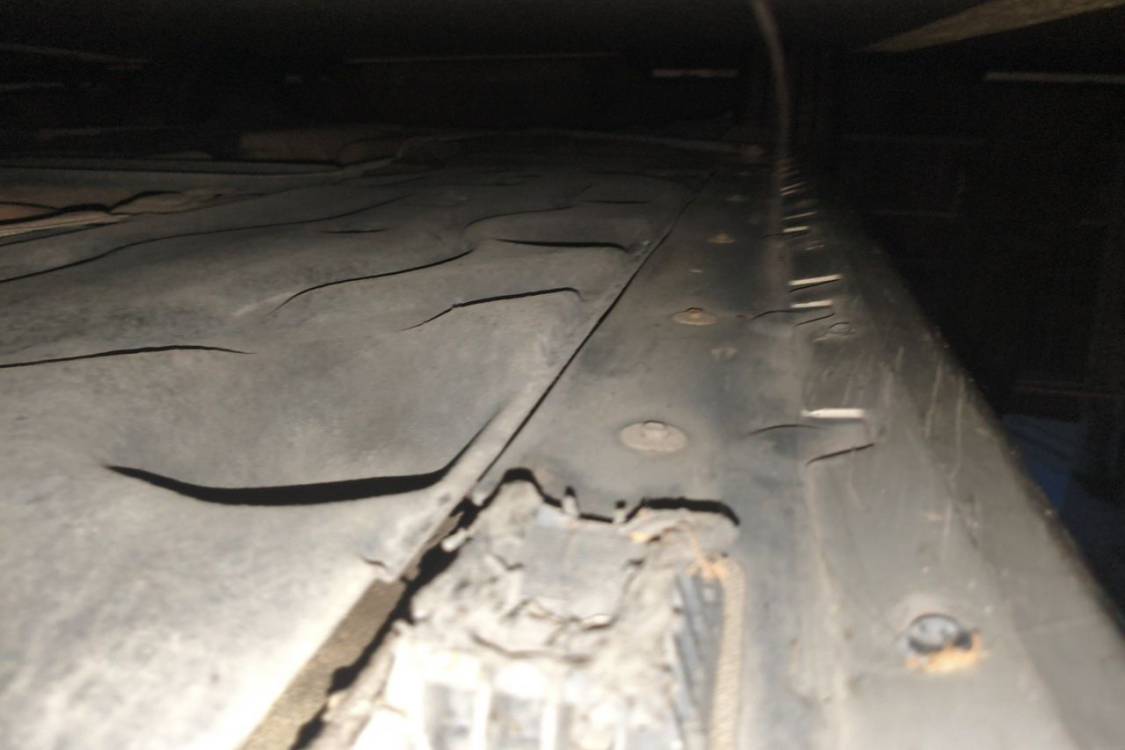
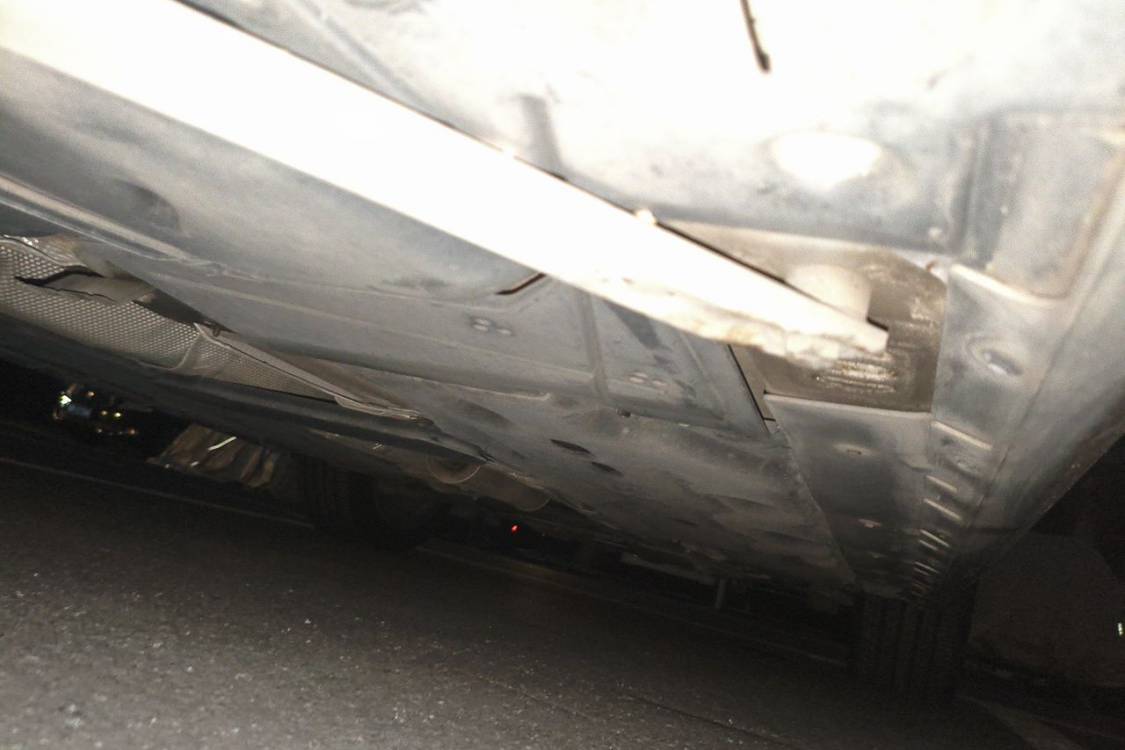
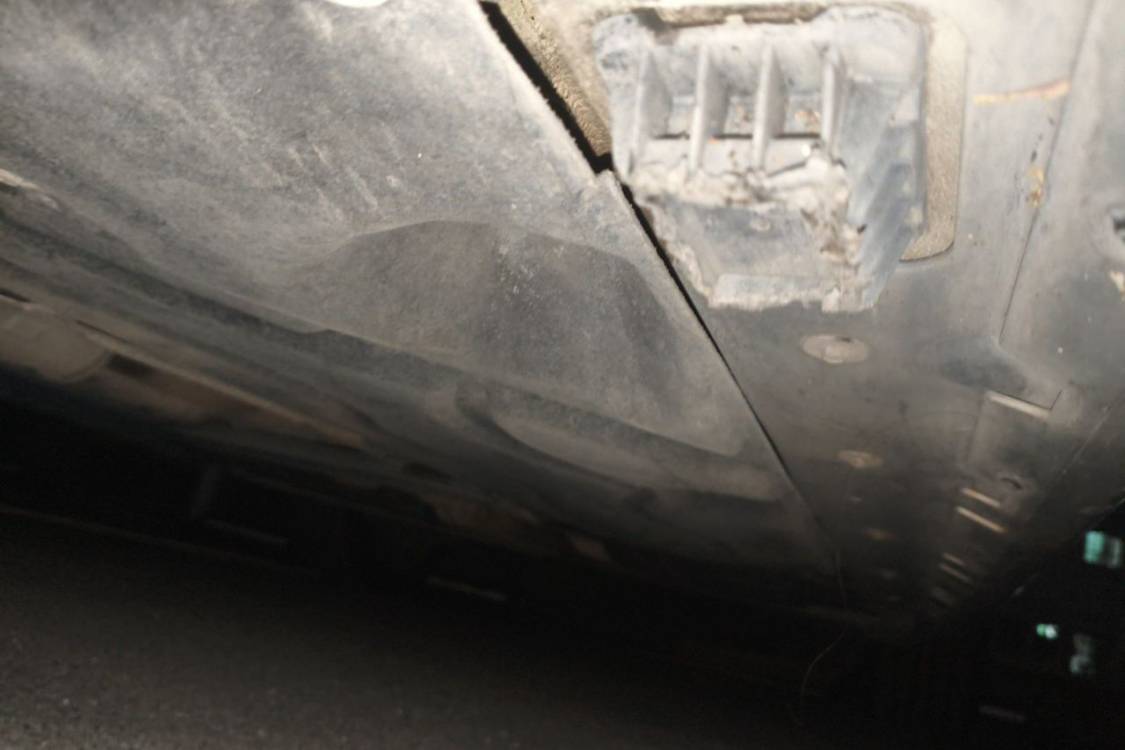
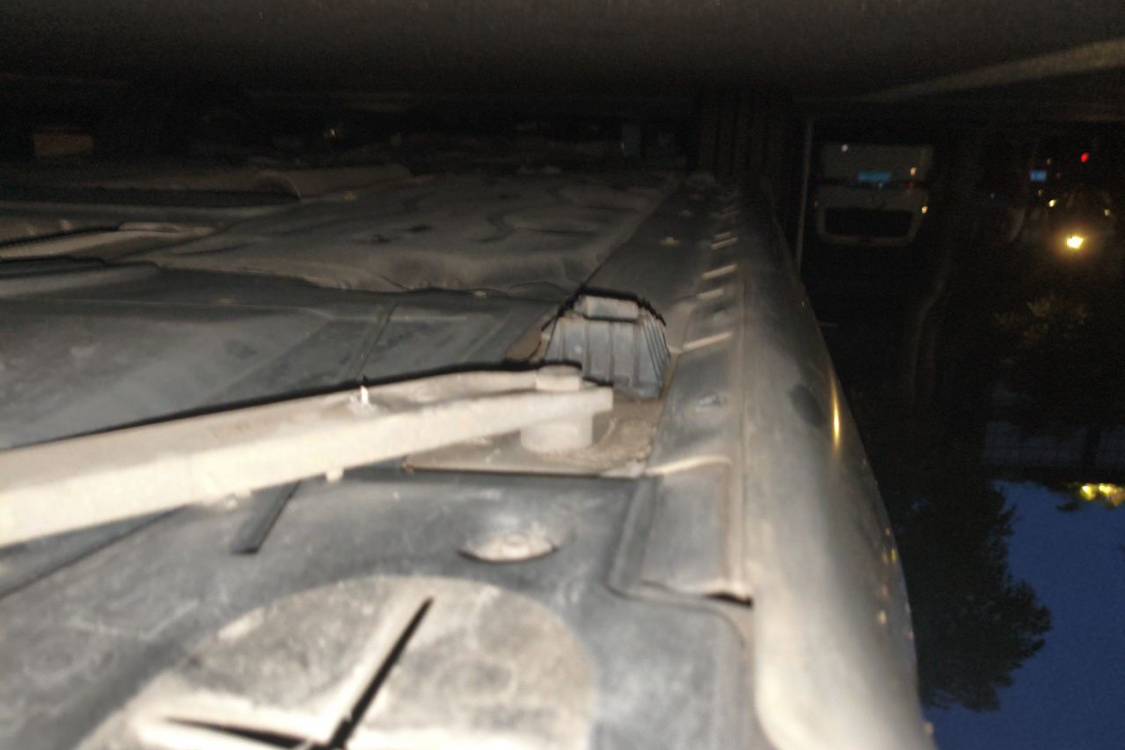
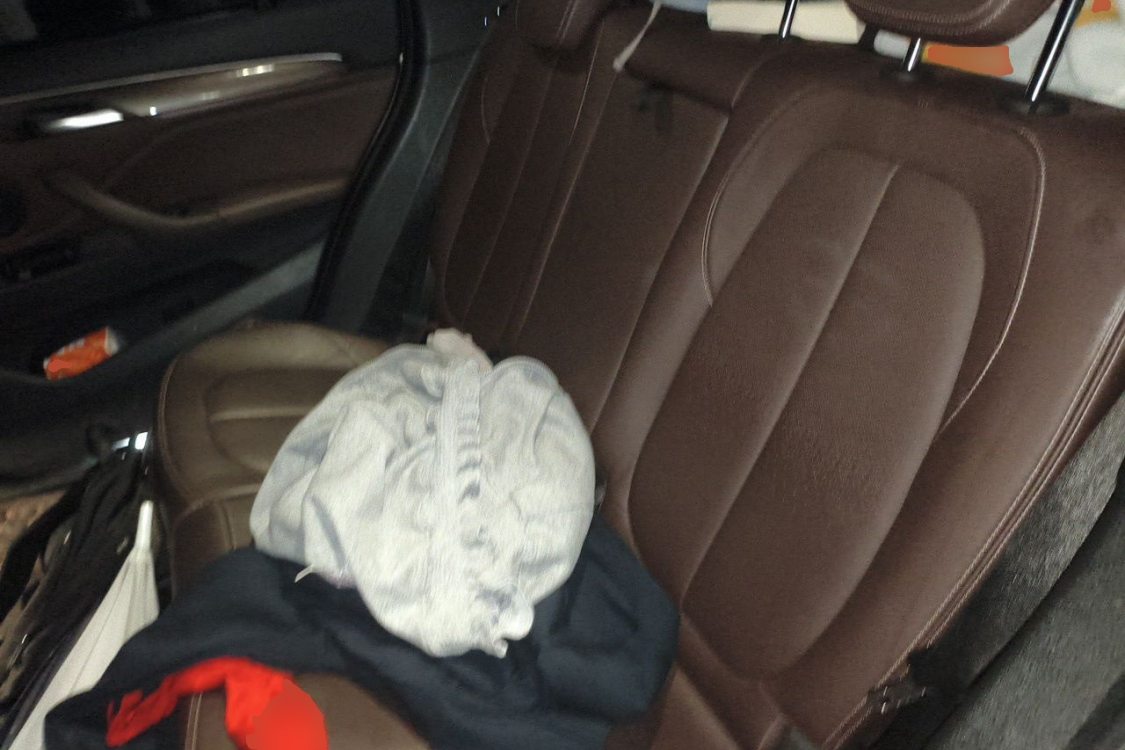
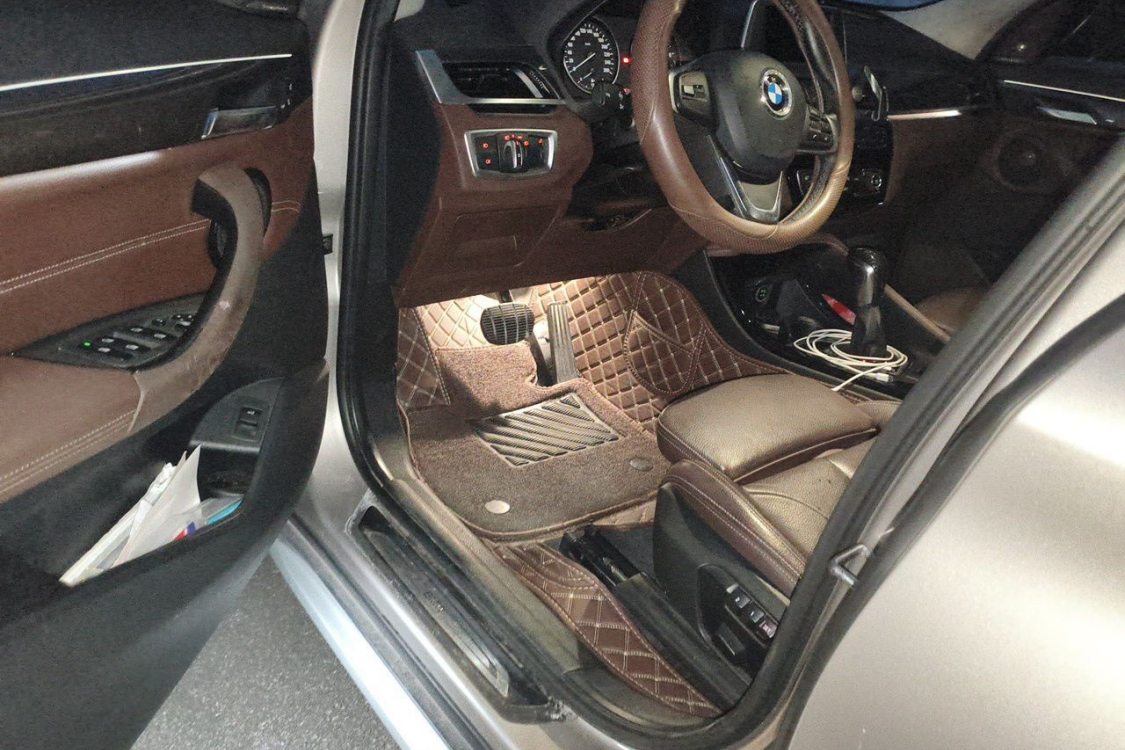
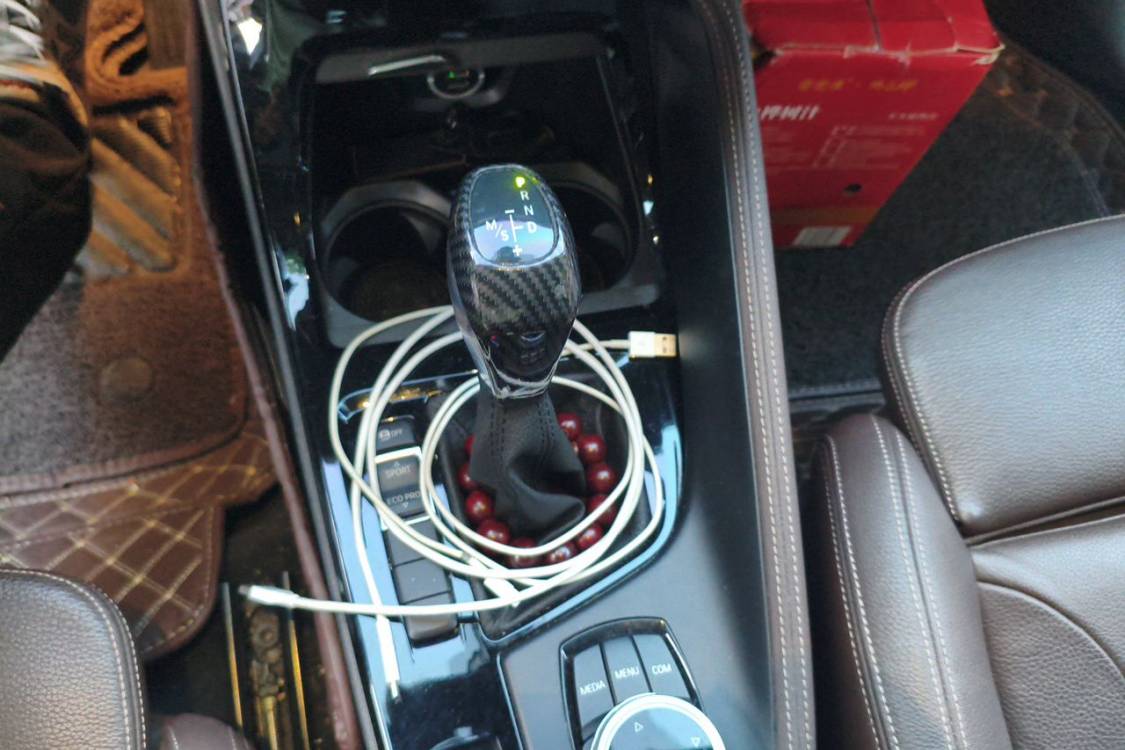
Localized body damage or repair marks present. No accident damage or repairs to structural or reinforcing components. Vehicle performance (including three-electric system) has degraded or is limited.

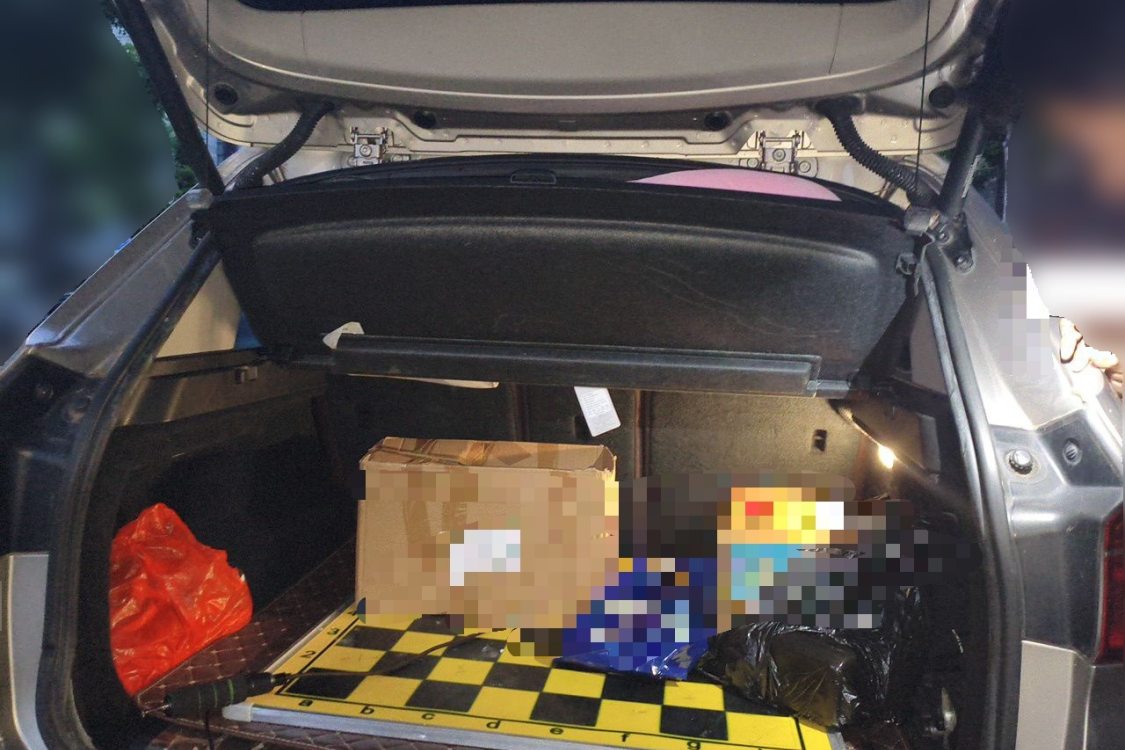
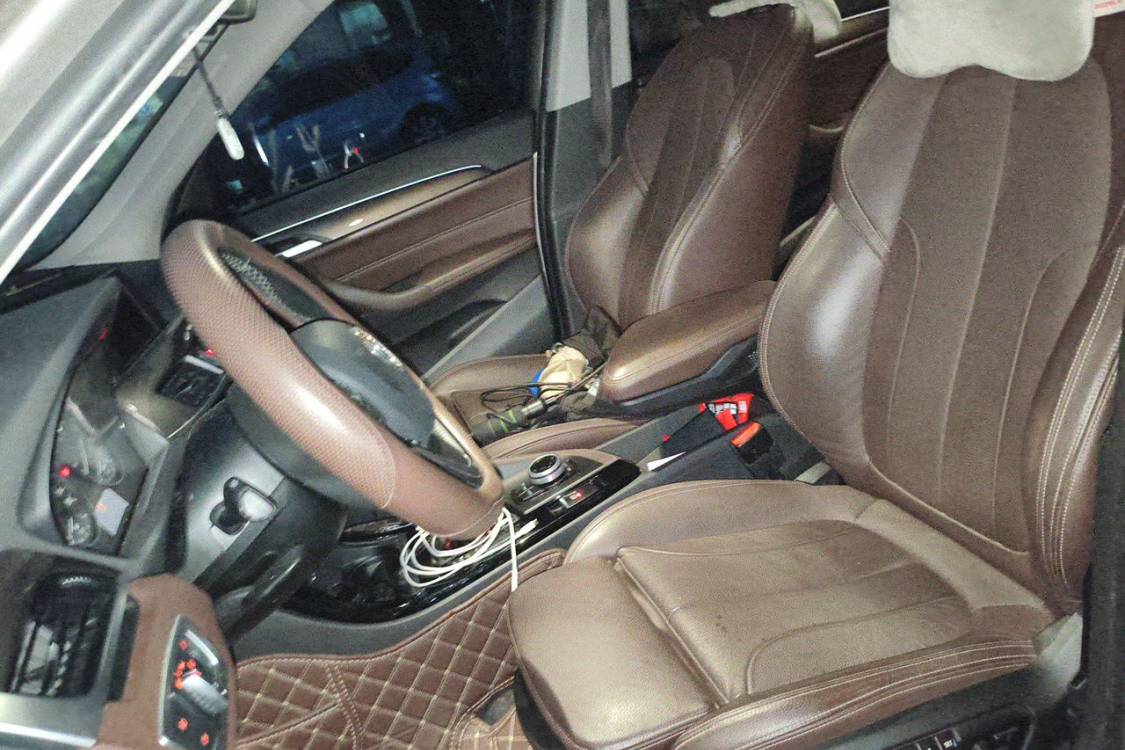
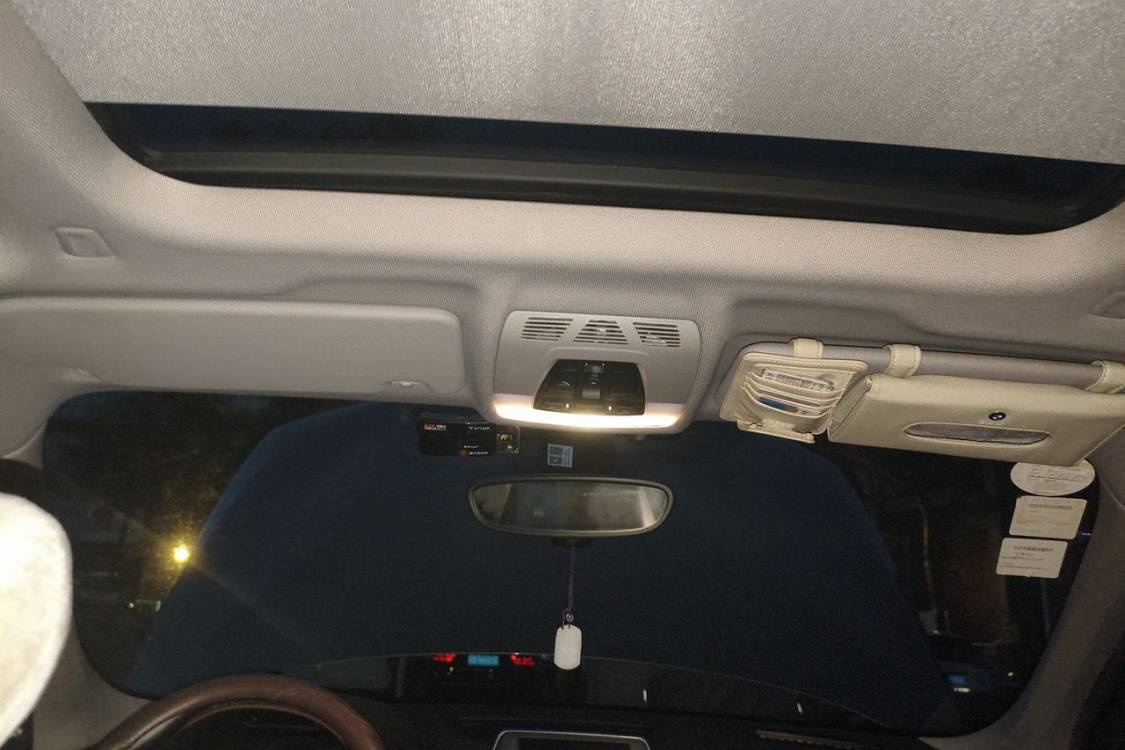
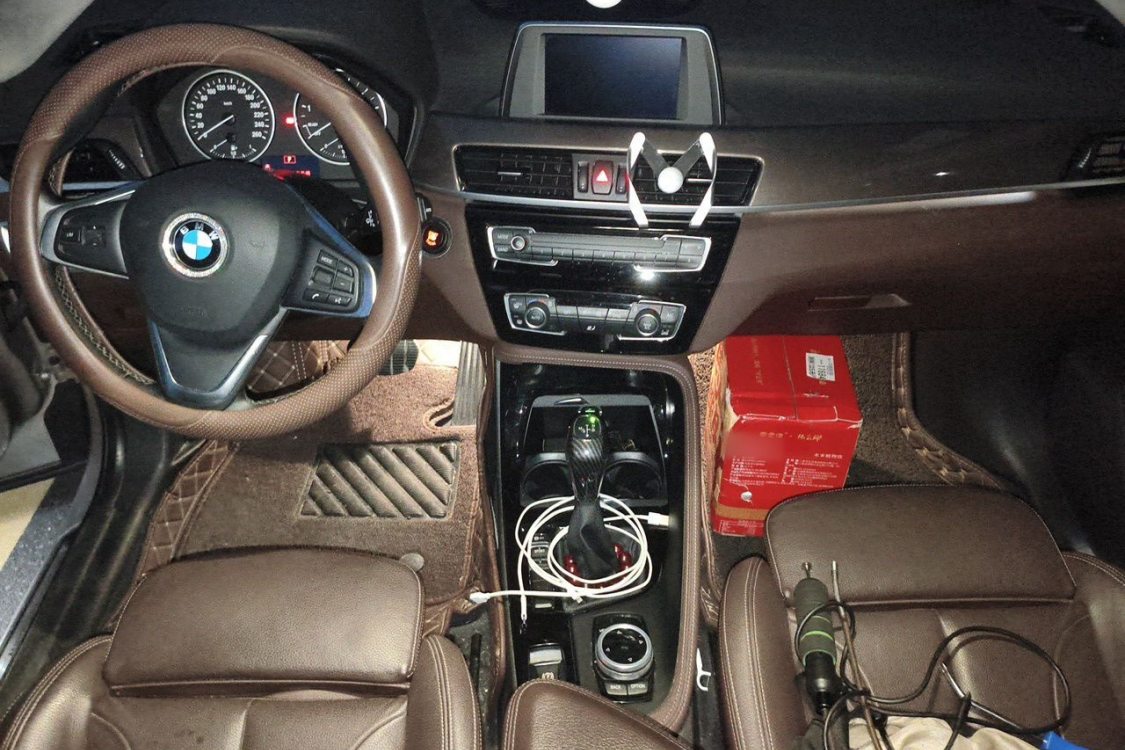
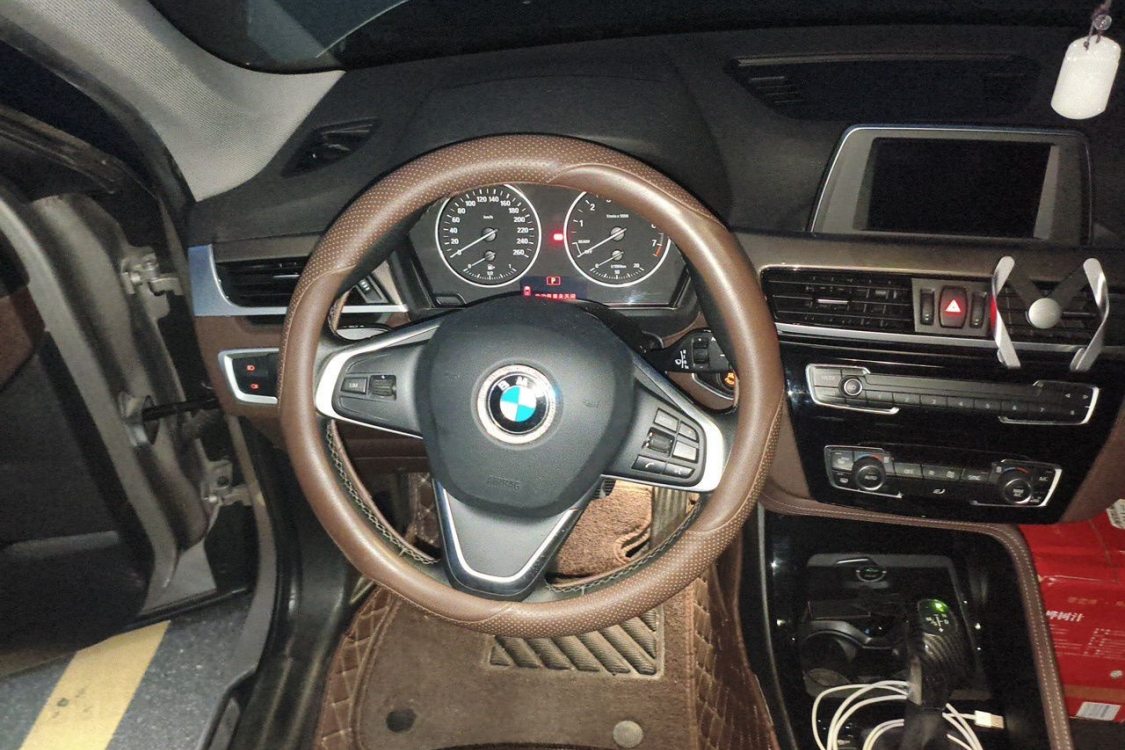
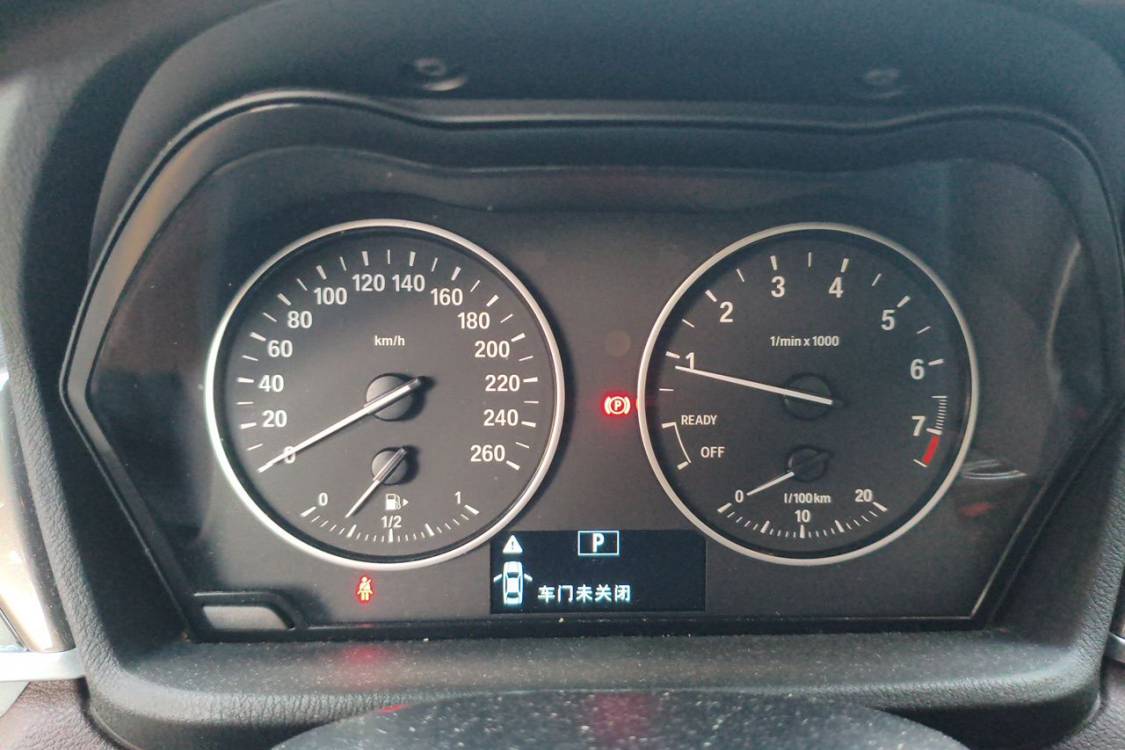
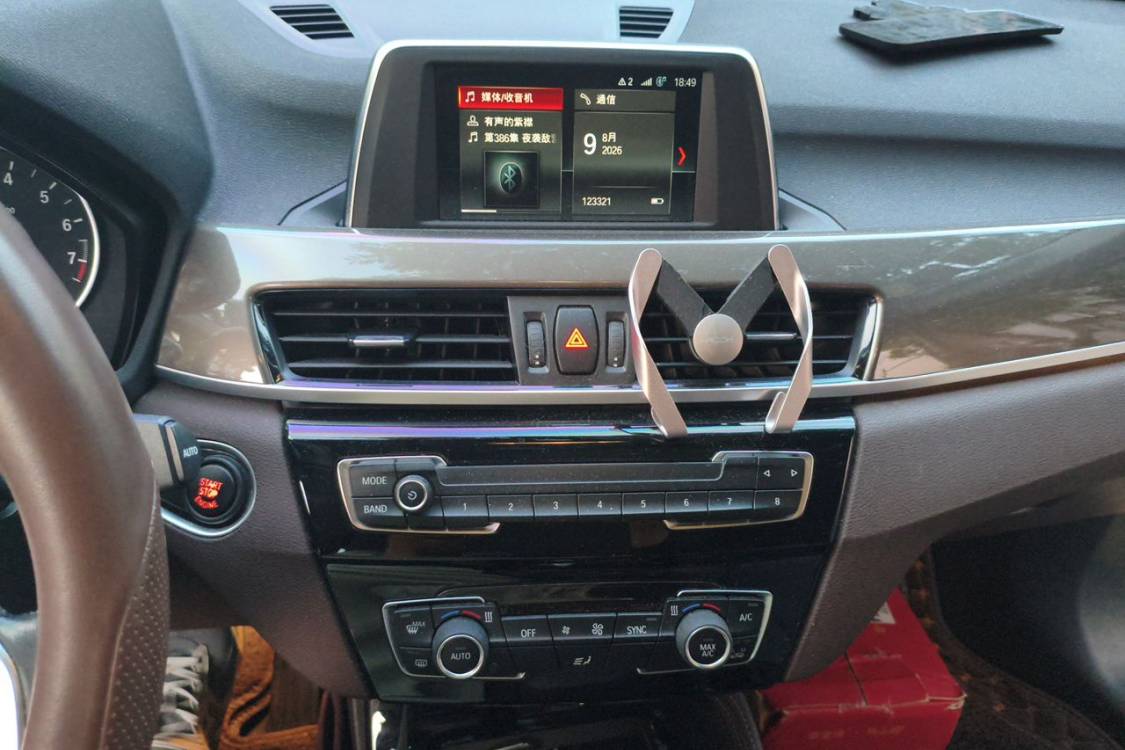
Accident inspection: main structure damaged, reinforcing parts damaged, cover panels undamaged, hinges normal. Engine bay inspection: engine assembly repaired/disassembled. Exterior: 4 sheet metal repairs, 1 paint repair. Interior: most features normal, airbags normal, seatbelts normal, dashboard normal, instrument check normal, lighting system normal. Startup check: sunroof fails to start. Onboard tools: none.

电话直连
可讲价
可转售
零过户
非泡水

Document Information

Inspection Expiry Date2027/01
Warranty Expiry Date-
Insurance Expiry Date2026/12

Q&A

More

What is a Certificate of Origin and why do I need one when importing a car from China?

A Certificate of Origin (C/O) is an official document stating where the vehicle was manufactured. Customs authorities use it to decide which tariff rates and trade agreements apply to your import. Why it matters: many countries offer preferential tariffs for certain origins. With a valid C/O, such as the ASEAN-China Form E or a GSP Form A, you may pay reduced or zero duty. Without it, you typically pay the standard, higher rate. The certificate must match the vehicle exactly: VIN, make, model and invoice details. It is usually issued by the China Council for the Promotion of International Trade (CCPIT) or customs authorities. Practical tips: request the C/O before shipment, because adding it later is slow; check that your country's customs accepts the specific C/O format; and confirm with your broker whether your vehicle category qualifies for preferential rates. This single document can save you thousands in duty.

When buying a used Chinese EV or smart car, how do I confirm the smart features will actually work in my country?

Many connected features are tied to the car's original market. Start with the basics: the infotainment language, navigation maps and voice assistant may only support Chinese, and some systems require a local SIM or account that cannot be transferred to overseas owners. For driver-assistance systems, check whether the model relies on hardware that works without Chinese map data. Lane keeping and adaptive cruise usually work abroad, but map-dependent features like highway pilot may not. Ask the seller to test each key function on video before shipment: boot-up, touchscreen response, app connectivity and over-the-air update status. Also confirm the battery management system and motor controllers have no region locks. Get written confirmation that the features you are paying for are functional in your destination country, and keep that document with the purchase contract.

The target country has strict age and emission (such as Euro V/Euro VI) restrictions on imported used cars. Will you help me review this?

Our system provides basic risk alerts based on the general regulations of the main exporting countries, but the final responsibility for confirming whether the vehicle meets the import country's regulations lies with the buyer. We will rigorously indicate the vehicle's production year, first registration date, and Chinese emission standards (such as National V, National VI) on the details page. We recommend that you submit this accurate data to the local vehicle management department or customs agent for verification before placing an order.

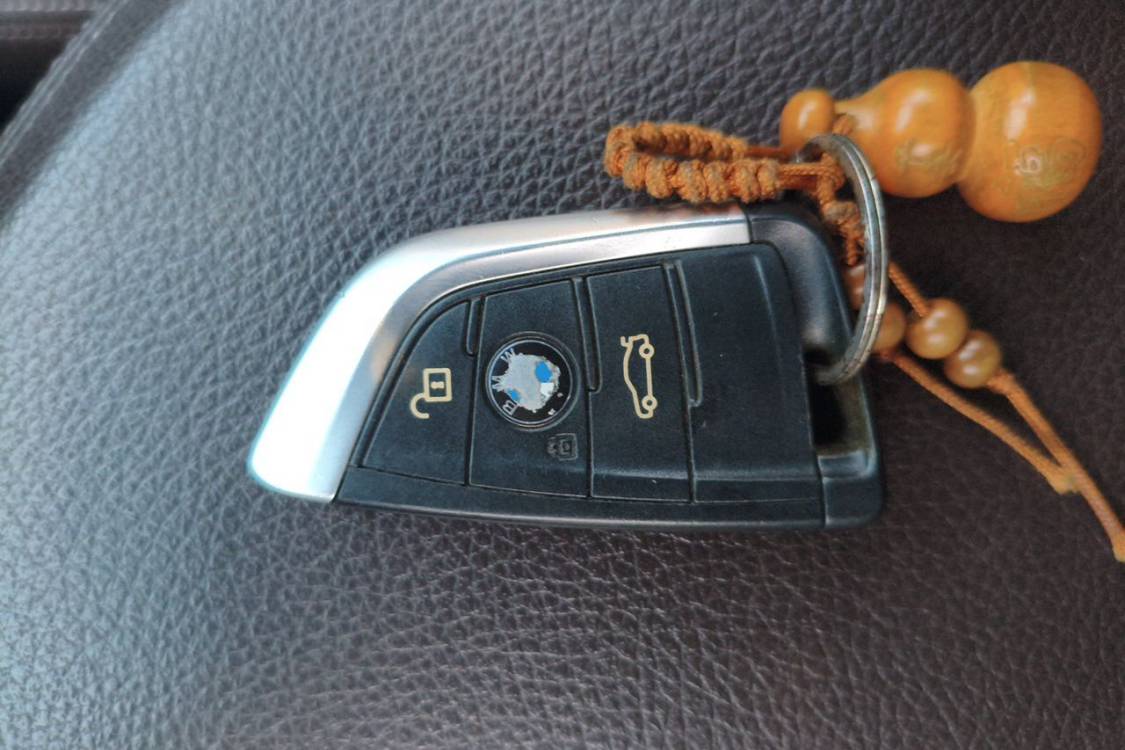
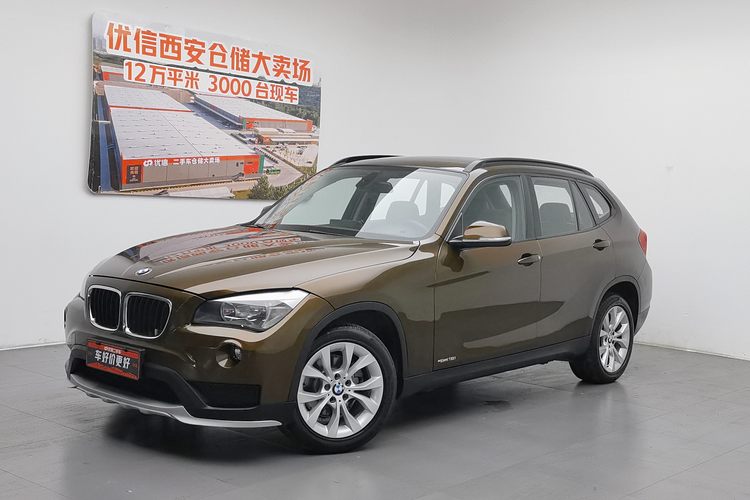
BMW X1 1.5T 136 L3

[深圳.粤M]宝马X1 2018款 sDrive18Li 尊享型

EXW: $6,970
Car CodeSWA1895650
Publish Date
