



24H

Basic Information

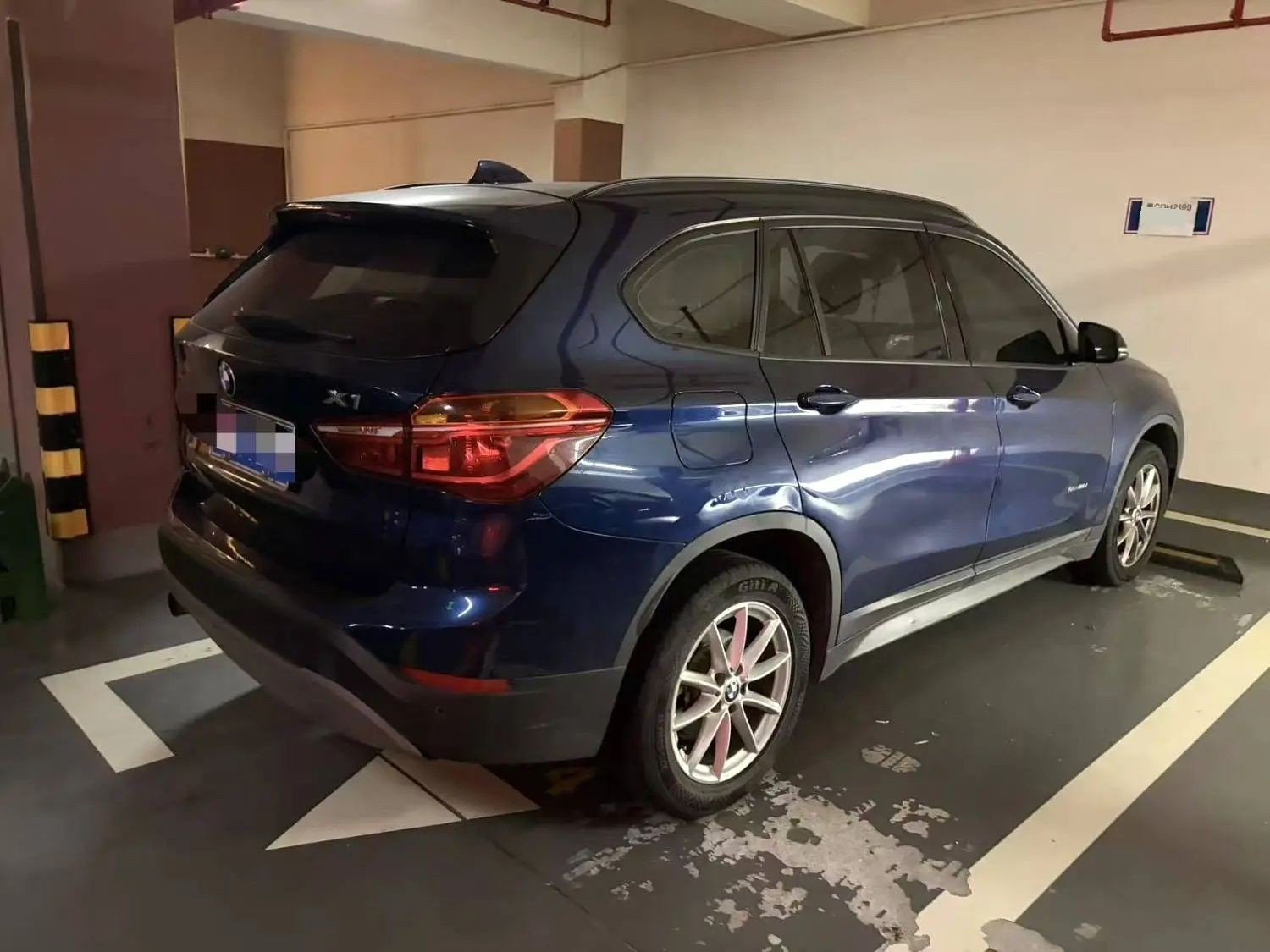
BrandBMW
SeriesX1
Year2017
First Registration2017/08
Mileage110,000km
Transfer Count0times
FuelGasoline
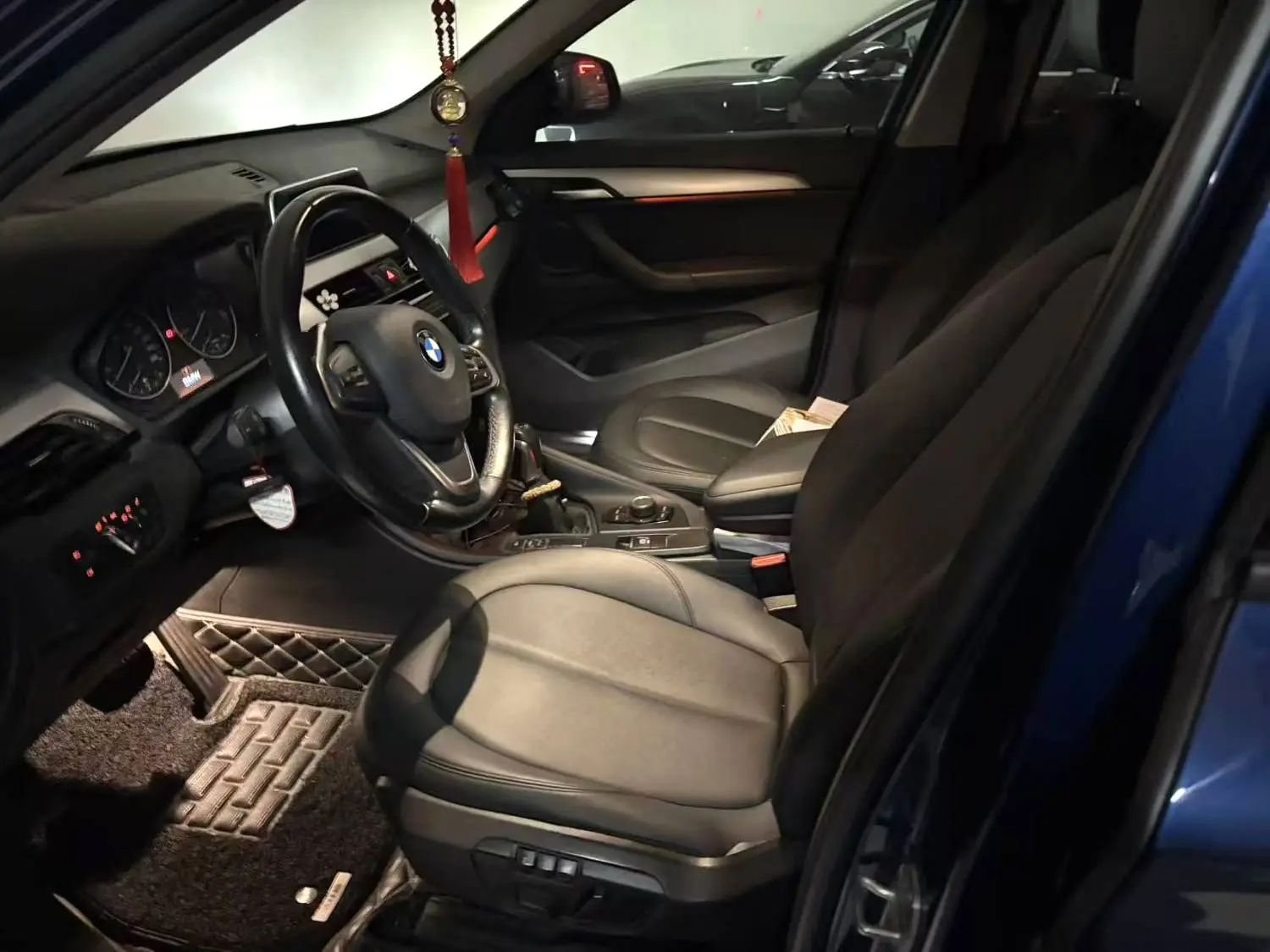
TransmissionManumatic
Engine1.5T 136 L3
ColorBlack
Seats-

Condition Description

Two repainted areas, passed third-party inspection, replaced lights.

Document Information

Inspection Expiry Date-
Warranty Expiry Date-
Insurance Expiry Date2026/11

Q&A

More

If a car frequently transfers between extremely cold areas (like Northeast China) and extremely hot areas (like Hainan), would you provide special risk warnings?

Absolutely. The extreme temperature fluctuations will significantly accelerate the aging of chassis rubber parts, oil seals, and interior plastics. For vehicles frequently dispatched across such latitudes, we will conduct fatigue resistance checks on chassis rubber parts that are twice as stringent as those for vehicles in temperate regions.


Are there specific photos or reports from the lift perspective regarding the concealed parts of the chassis (such as the suspension system and shock absorber leaks)?

Definitely. Lifting the chassis is a mandatory part of our standards. The report will specifically show whether there are oil stains on the front and rear shock absorber cylinders, if the rubber boots of the lower control arm ball joints are torn, and if the steering tie rods are loose or deformed.

How can I check the body and paint quality of a used car from China to spot hidden accident repairs?

Ask the exporter for a paint thickness gauge report, or request a live video where they measure the car in front of you. What to look for: · Factory paint on most Chinese cars measures 80–120 microns. Readings above 150–200 microns on a panel usually mean repainting; above 300 microns often means body filler (putty) underneath. · Inconsistent readings between panels (e.g., left door 95µm, right door 180µm) suggest the right side was repaired. · Check gaps between panels (doors, hood, trunk). Uneven gaps or misaligned headlights/bumper clips point to past collision repairs. · Look for overspray on rubber seals, plastic trim, or inside door jambs — a clear sign of repainting. · Check bolt heads on fenders, doors, and hood. Wrench marks or fresh paint over bolts mean the panel was removed. Combine these checks with an OBD scan for airbag or crash-related fault codes. Any repainting should be declared by the seller; if discovered undeclared, you have grounds to renegotiate or reject the car.