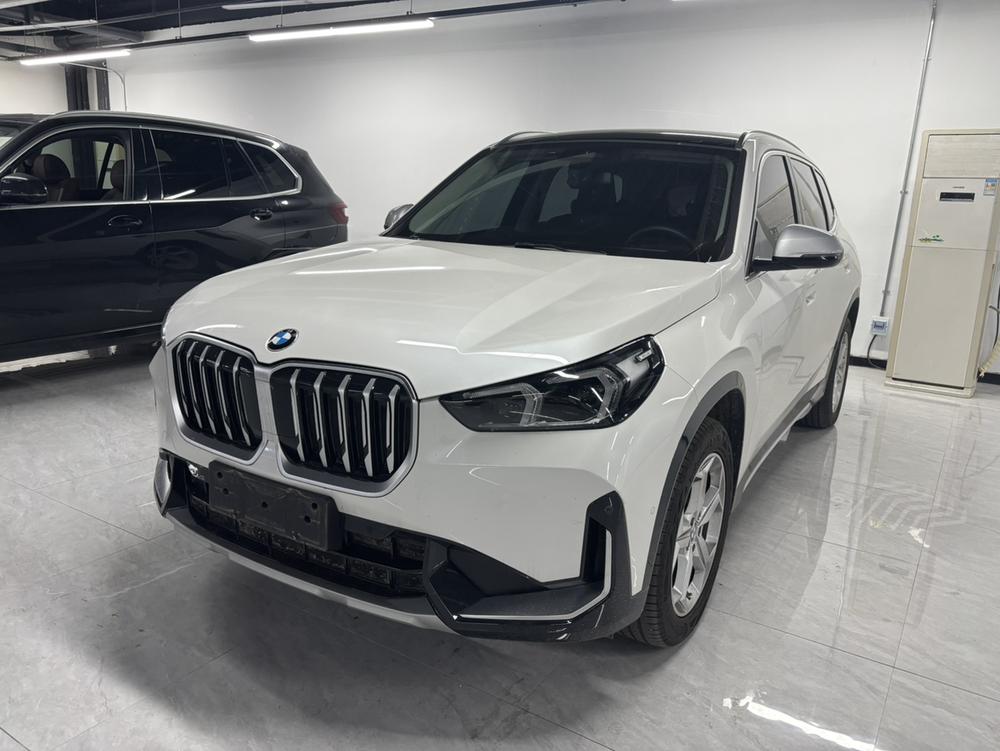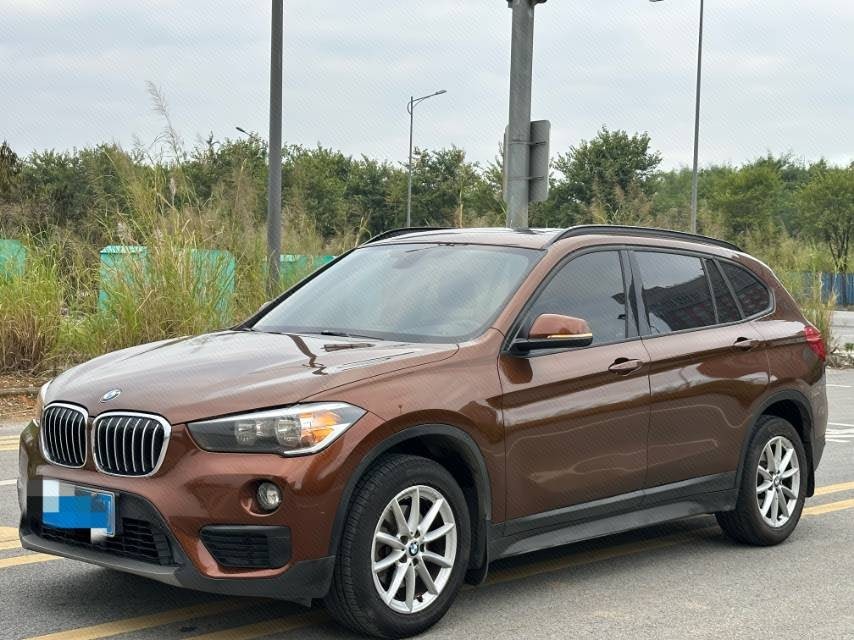



Sold

Basic Information

BrandBMW
SeriesX1
Year2017
First Registration2017/03
Mileage120,000km
Transfer Count0times
FuelGasoline
TransmissionManumatic
Engine1.5T 136 L3
ColorBrown
Seats-

Condition Description

Excellent condition overall; only two panels repainted. No additional investment needed.

Document Information

Inspection Expiry Date-
Warranty Expiry Date-
Insurance Expiry Date2027/09

Q&A

More

Beyond the car price, what costs should I budget when importing a used car from China?

A realistic budget has several layers beyond the vehicle price. First, inland logistics in China: moving the car to the export port typically costs $300-$800. Second, export handling: inspection, customs declaration and paperwork usually add $500-$1,000. Third, ocean freight. A 20ft container to most destinations runs $1,200-$3,000 depending on route; RoRo shipping can be cheaper for driveable cars. Add marine insurance, usually 0.3%-0.5% of the car value. Fourth, destination charges: port handling, customs duties, VAT/GST and local registration fees. These vary widely; some countries charge duties of 20%-80% of the vehicle value plus an excise based on engine capacity. Finally, any compliance work: inspection certificates, modifications to meet local standards, or homologation. Ask your exporter for a full CIF quote and have a local customs broker confirm destination taxes before you commit.


What level of condition should overseas buyers expect for cars older than 5 years?

Maintain objective expectations. Vehicles over 5 years old inevitably show signs of decreased paint gloss, slight aging of rubber seals, irreversible patina on interiors, and surface rust on chassis components. As long as core structure and mechanical failures are not involved, these are normal depreciation characteristics over time.

What does the buying process look like when importing a used car from China?

A typical transaction has six steps. 1. Selection: you confirm the vehicle through photos, a video walkaround, an inspection report and the VIN. 2. Deposit: most exporters ask 20%-30% to reserve the car. Pay by bank transfer to the company's corporate account, never a personal one. 3. Inspection: an independent pre-shipment inspection verifies the condition; you receive the report before paying the balance. 4. Balance payment: usually due before loading. Request the booking confirmation and container number. 5. Shipping: the exporter sends you the draft bill of lading for checking, then the original documents by courier. 6. Arrival: you clear customs with the invoice, C/O, B/L and inspection certificate, then register the vehicle. Total timeline is usually 2-6 weeks. Use payment methods with recourse (T/T or escrow) and keep every contract and receipt.