48H

Basic Information

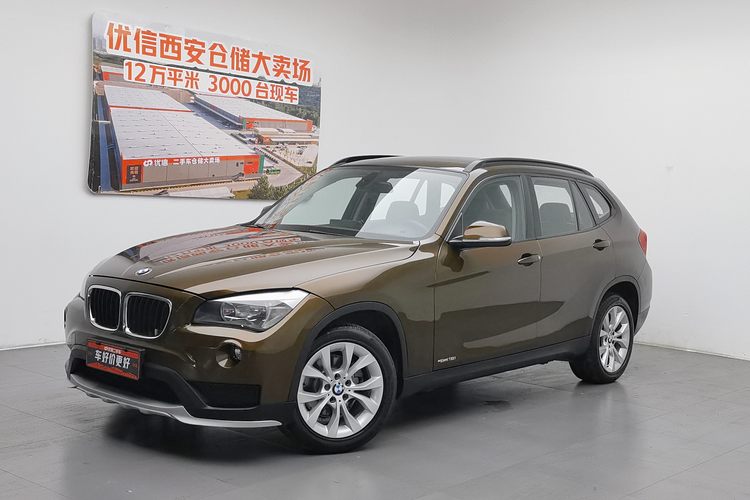
BrandBMW
SeriesX1
Year2017
First Registration2017/06
Mileage89,500km
Transfer Count1times
FuelGasoline
TransmissionManumatic
Engine1.5T 136 L3
ColorWhite
Seats-

Condition Description

Localized body damage or repair marks present. No accident-related damage or repairs to structural or reinforcement components. Vehicle performance (including three-electric system) has degraded or is limited.

Accident inspection: main structure undamaged, reinforcement parts undamaged, cover panels damaged, hinges normal. Engine bay inspection: key mechanical components normal. Exterior: 2 areas of sheet metal repair, 1 area repainted. Interior: most features normal, airbag system normal, seatbelts normal, dashboard normal, instrument cluster normal, lighting system normal. Start-up inspection: main components normal. Tool kit: absent.

可讲价

Document Information

Inspection Expiry Date2027/06
Warranty Expiry Date-
Insurance Expiry Date2027/06

Q&A

More

What should I do if a hardware recall for my vehicle model is announced in China while it is being used overseas?

Unfortunately, cross-border used cars are not covered by the manufacturer's free recall. If a physical recall occurs involving safety issues (like brake pump defects), we will notify you and offer improved new batch parts at cost price, but you will need to cover the labor costs for the replacement.


What hidden costs should I budget for when importing a used car from China beyond the FOB price?

Beyond the FOB price, expect: ocean freight (typically $800–2,500 depending on destination), marine insurance (about 0.3–0.5% of the car's value), port handling charges at both ends, customs duty and import tax/VAT in your country, compliance or homologation certification, and inland delivery to your city. Add currency transfer fees and the inspection fee if you hire a third party. Ask the exporter for a landed-cost breakdown and confirm exactly what the quote includes. A cheap FOB price with everything else shifted to you can add 30–50% to the real total. Budget a 15% buffer on top of the estimate, and get fixed quotes for freight and insurance in writing before paying the balance.

How are import duties on used cars from China calculated, and which HS code applies?

Used cars are classified under HS heading 8703 (motor vehicles for transport of persons), with the last four digits determined by engine type and size. Gasoline cars usually fall in 8703.21–8703.80 depending on displacement; pure EVs fall under 8703.80; hybrids have their own subheadings. The duty amount depends on your country's tariff schedule: 1. Most countries charge duty on the CIF value (car price + freight + insurance), not the FOB price. 2. Many developing markets levy higher duties on used vehicles than new ones, and some add a surcharge based on age — older cars can cost significantly more to clear. 3. After duty, you typically pay VAT/GST on the CIF + duty total, plus port and customs fees. Practical tips: ask your exporter to state the exact HS code on the commercial invoice and confirm it with a local customs broker before shipping. A wrong code can trigger reclassification, penalties, or delays. Also budget for any excise tax tied to engine capacity — in several markets a 2.5L car clears far cheaper than a 3.5L one.