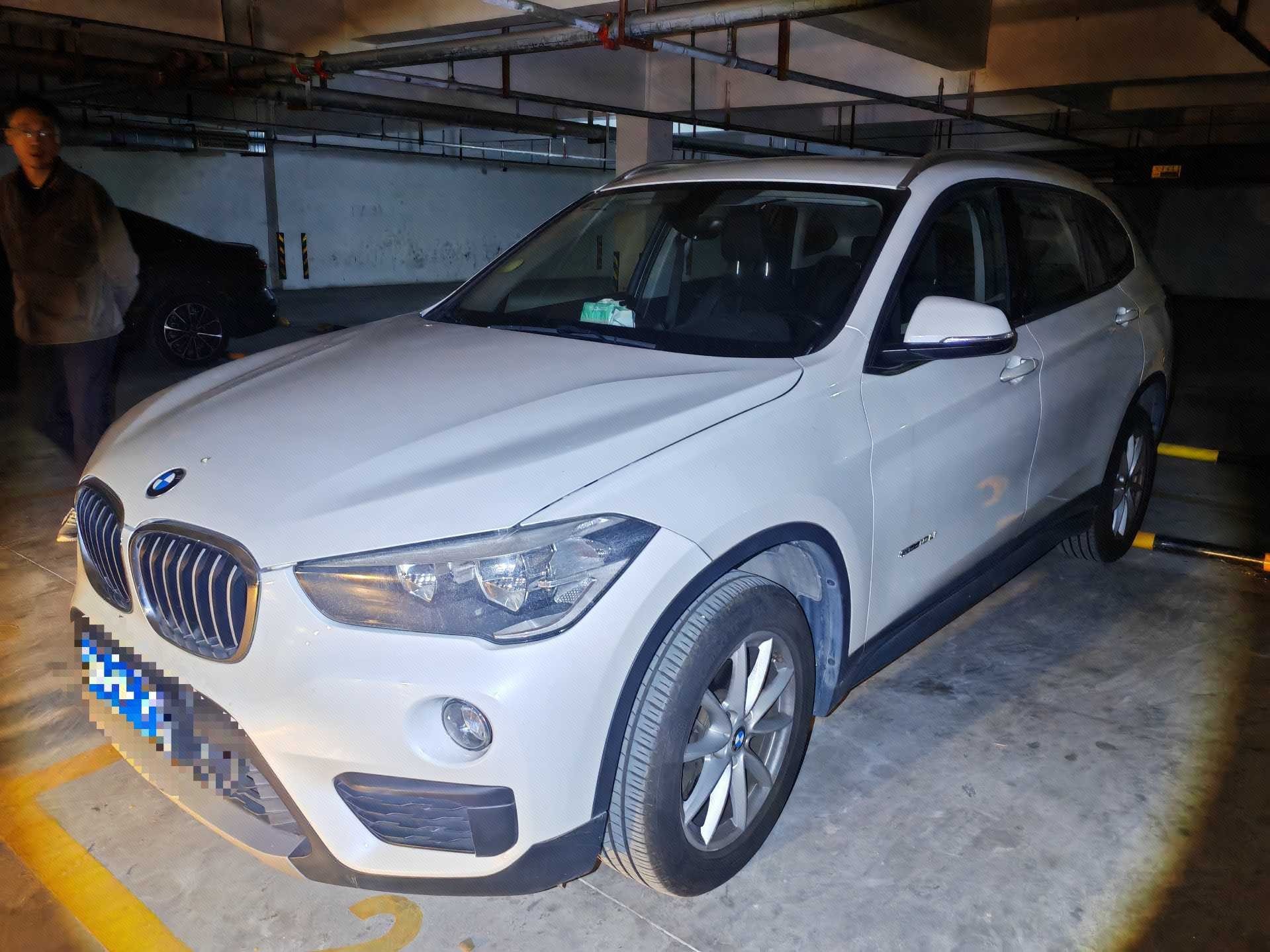
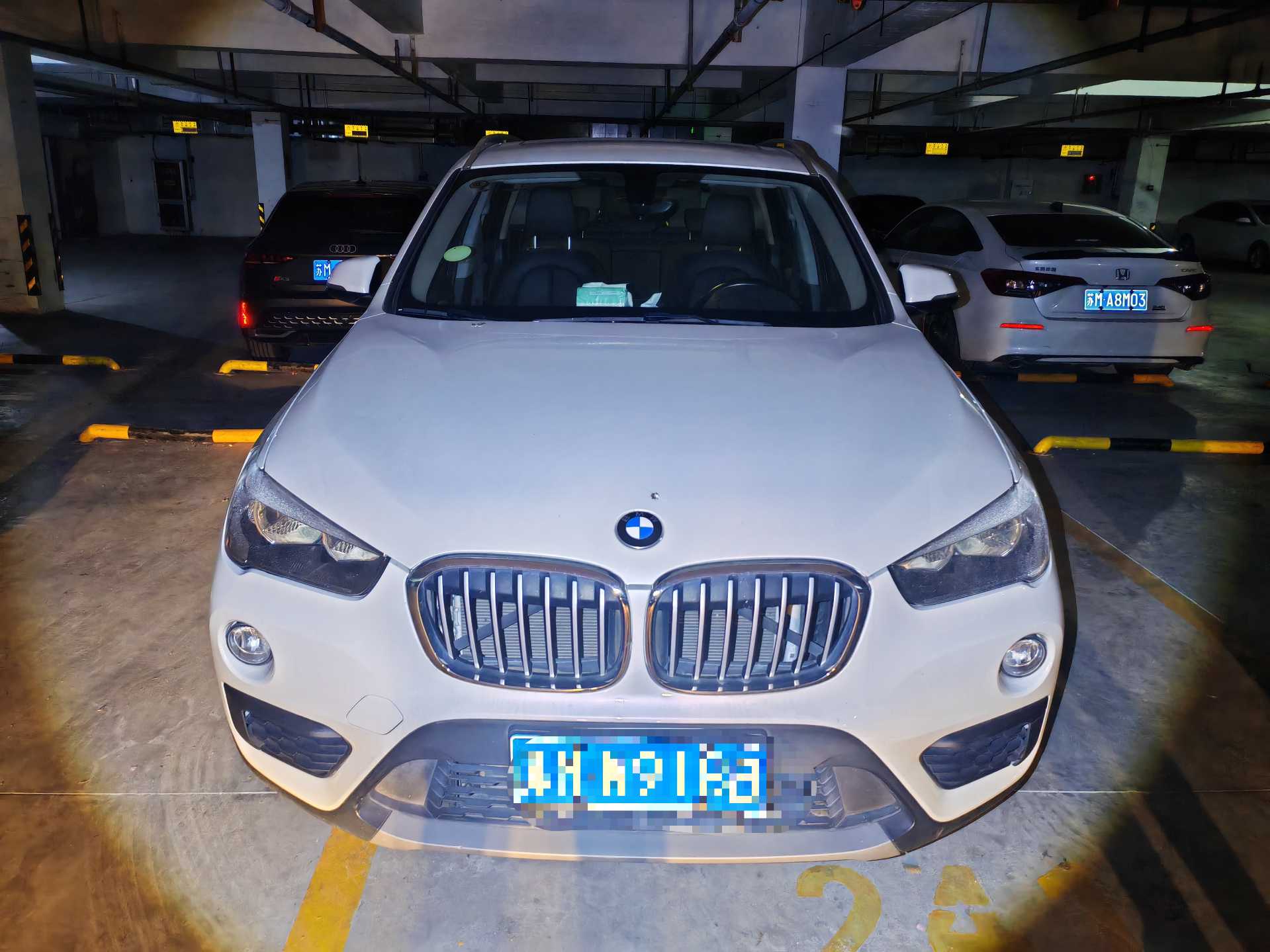
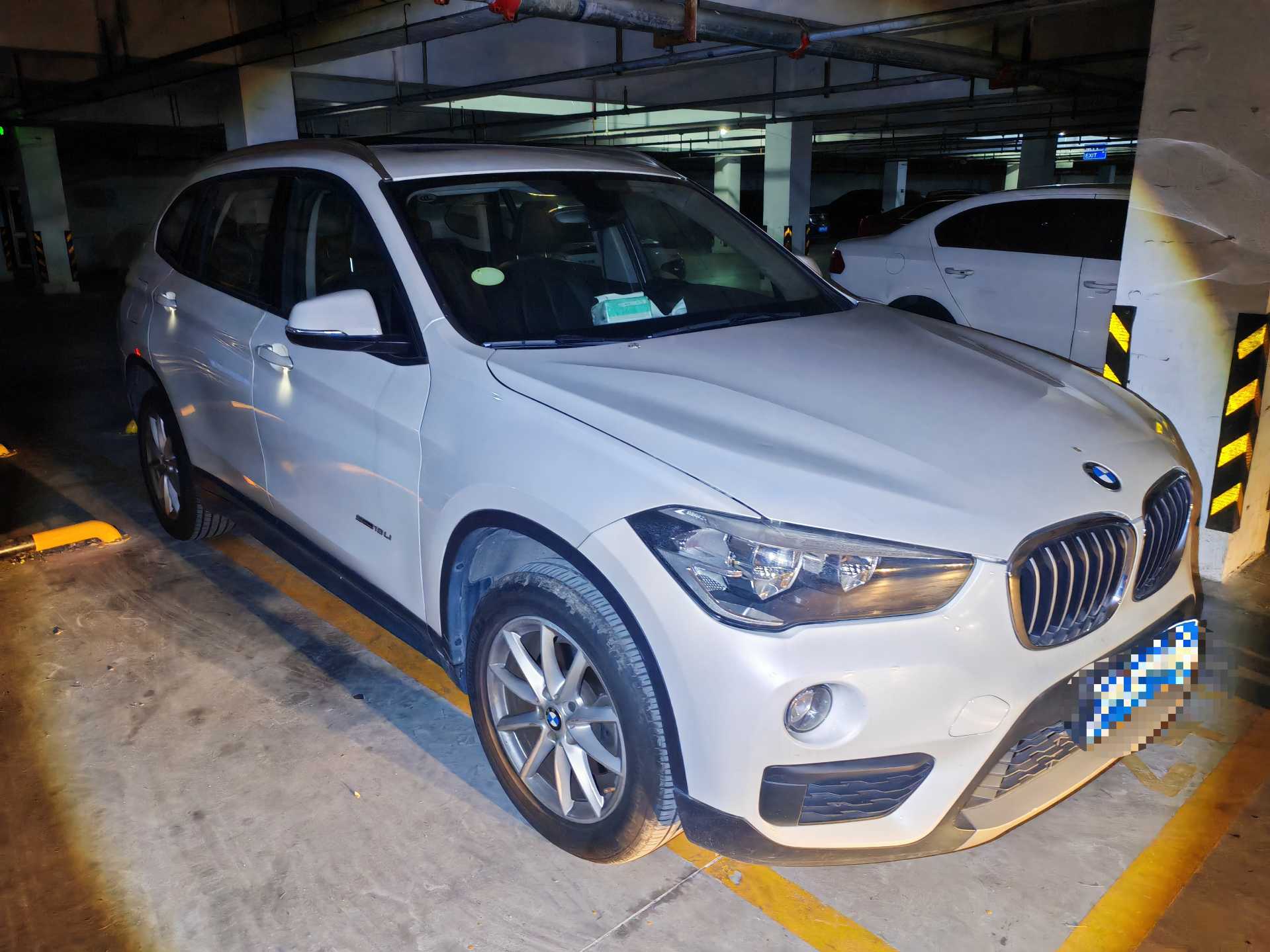
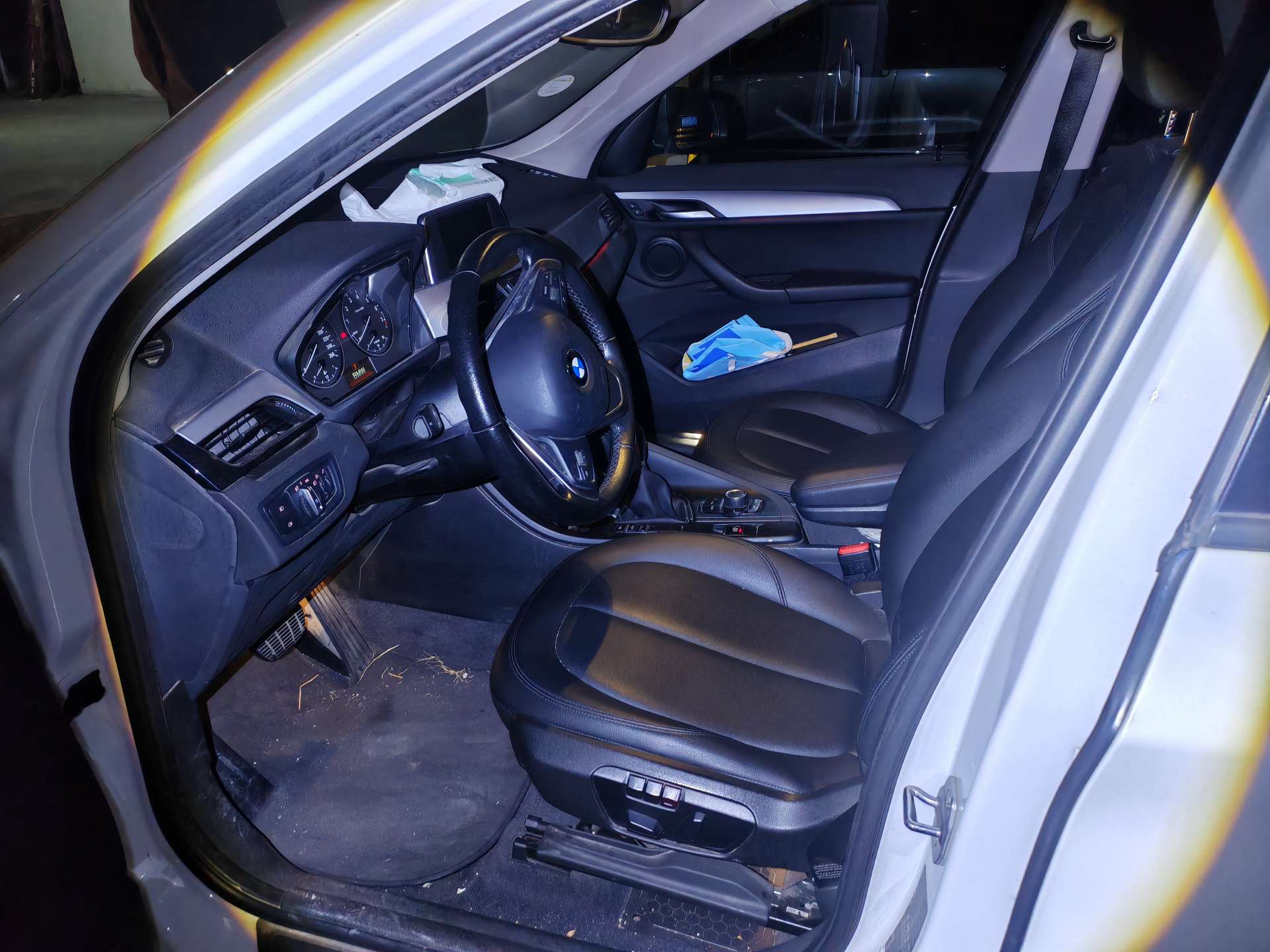
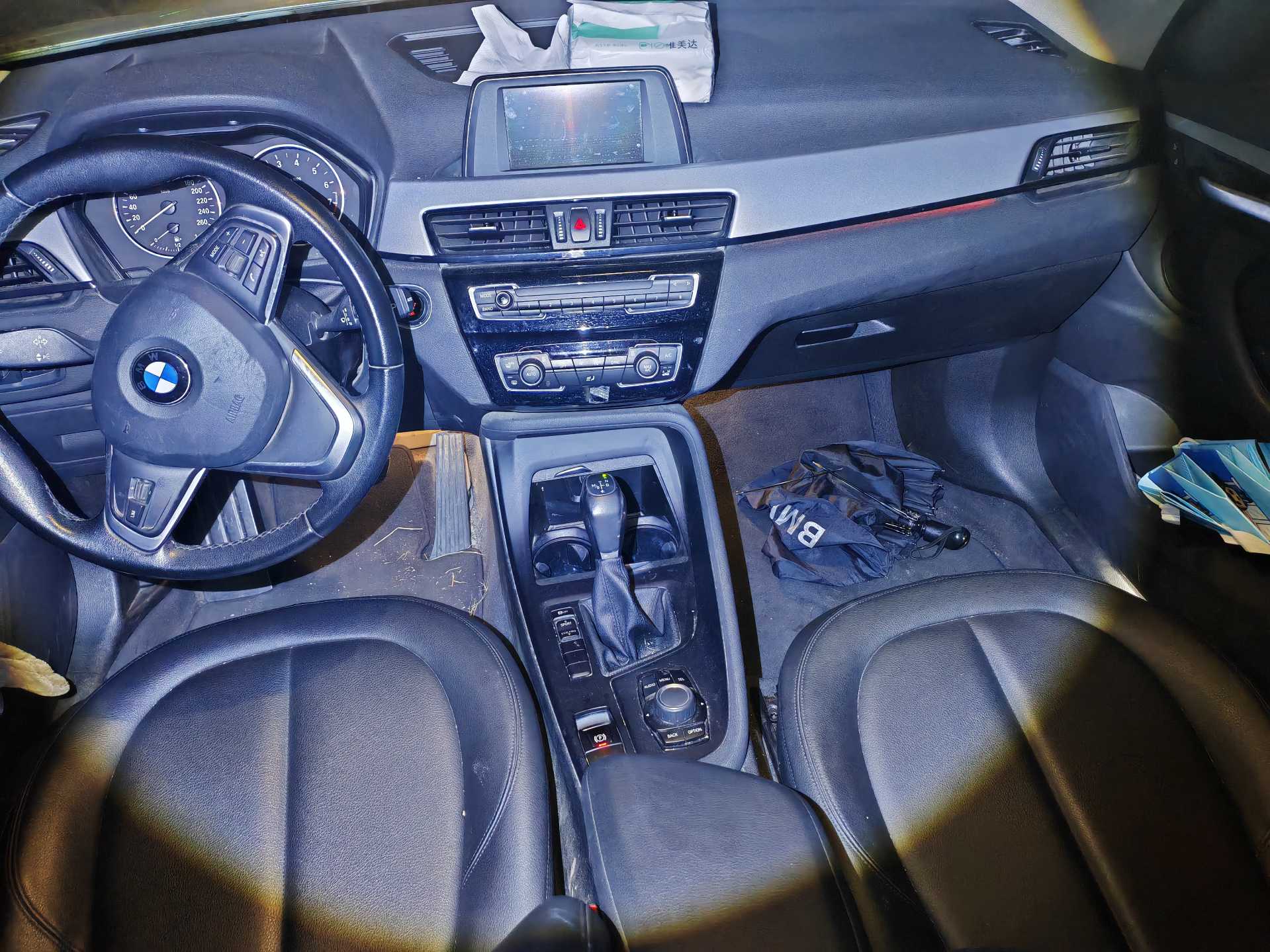
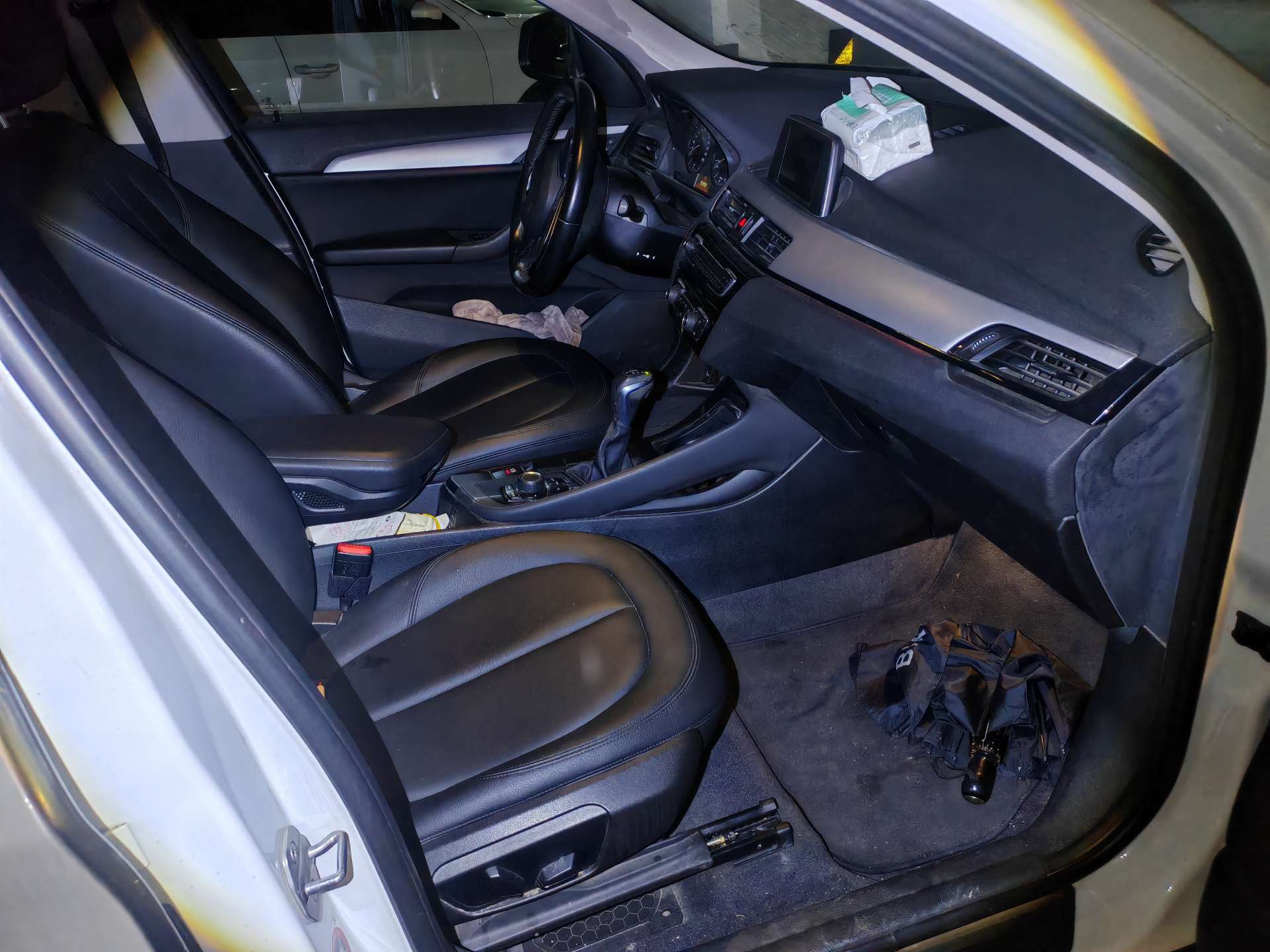
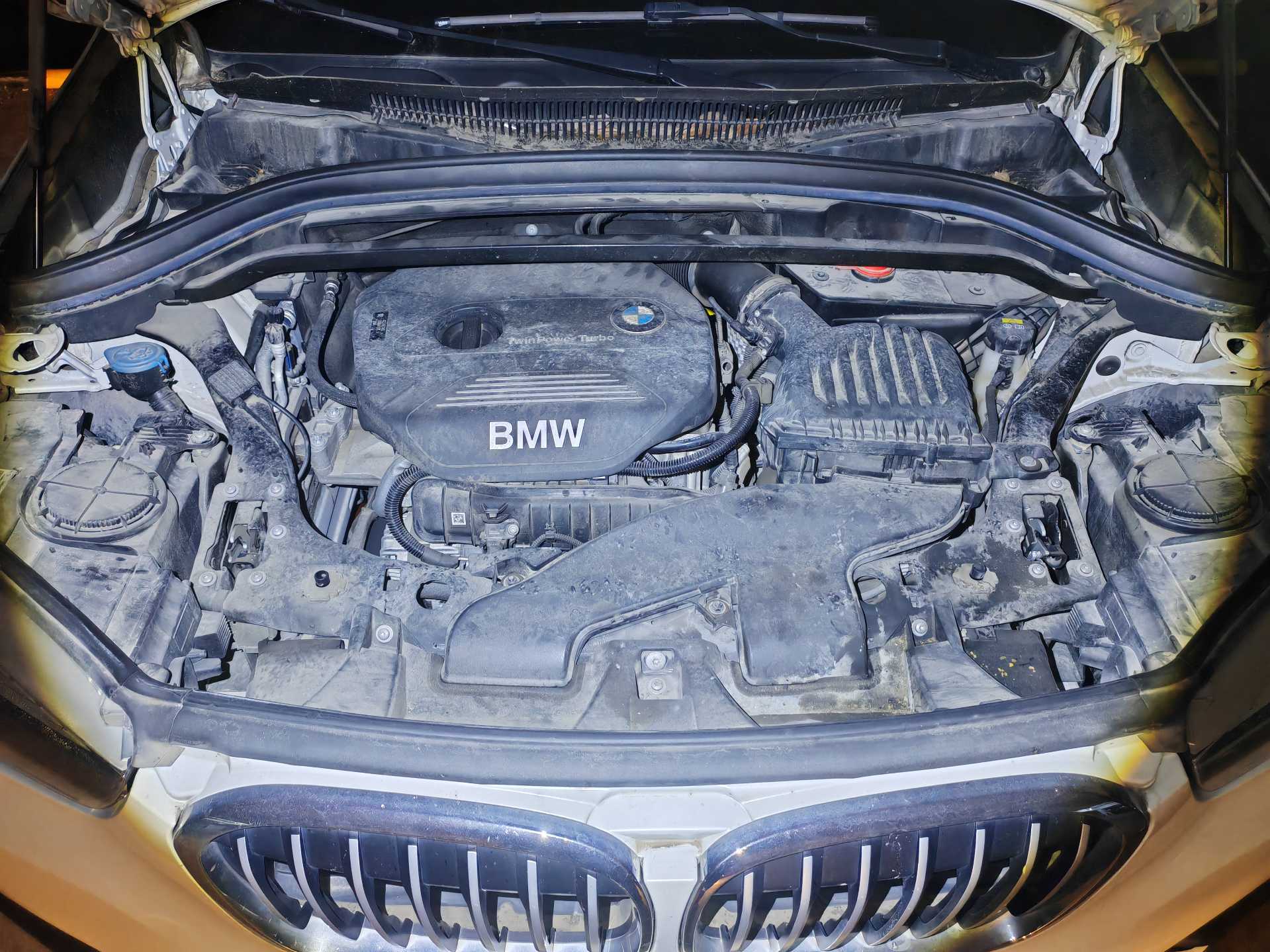
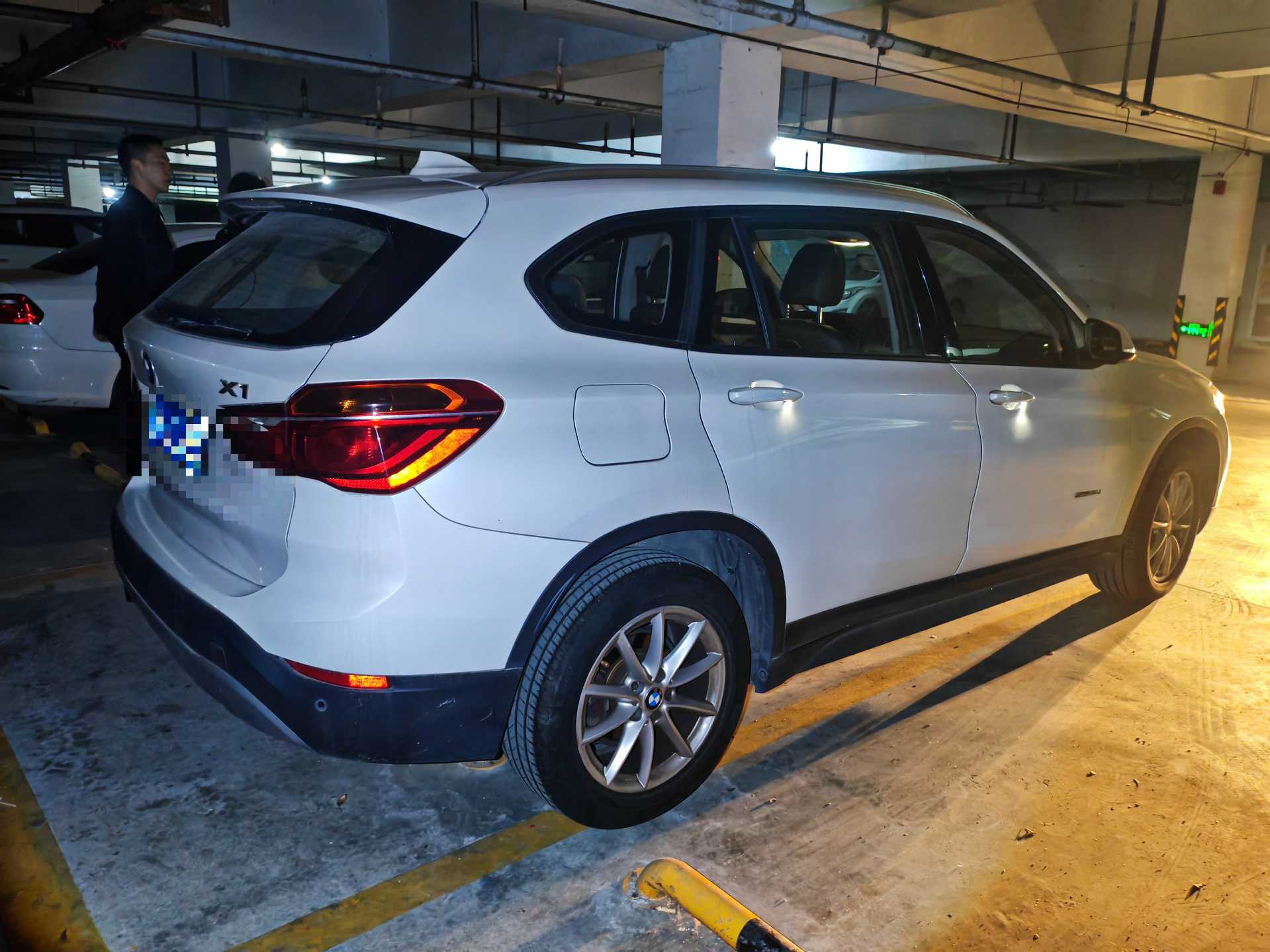
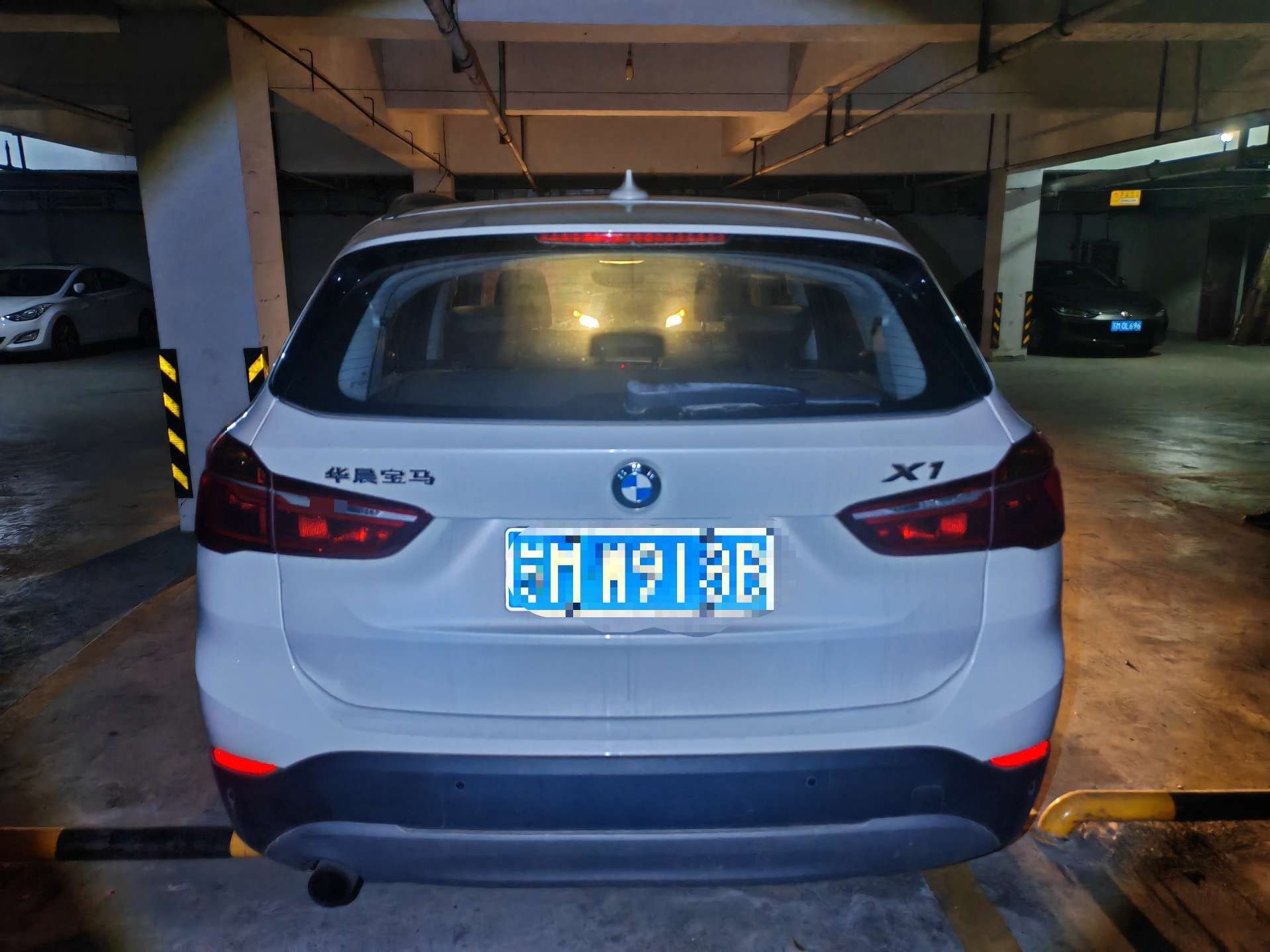
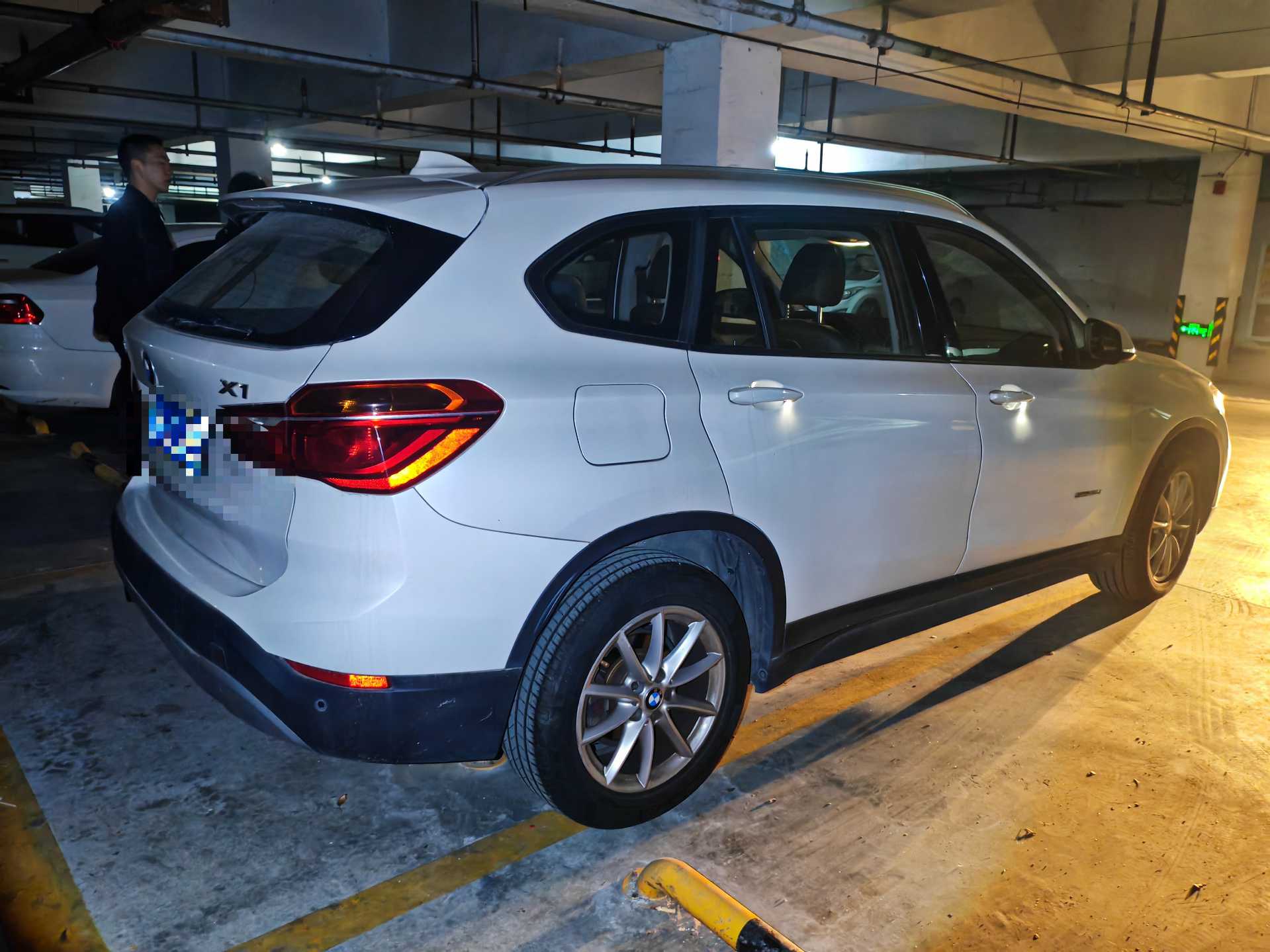
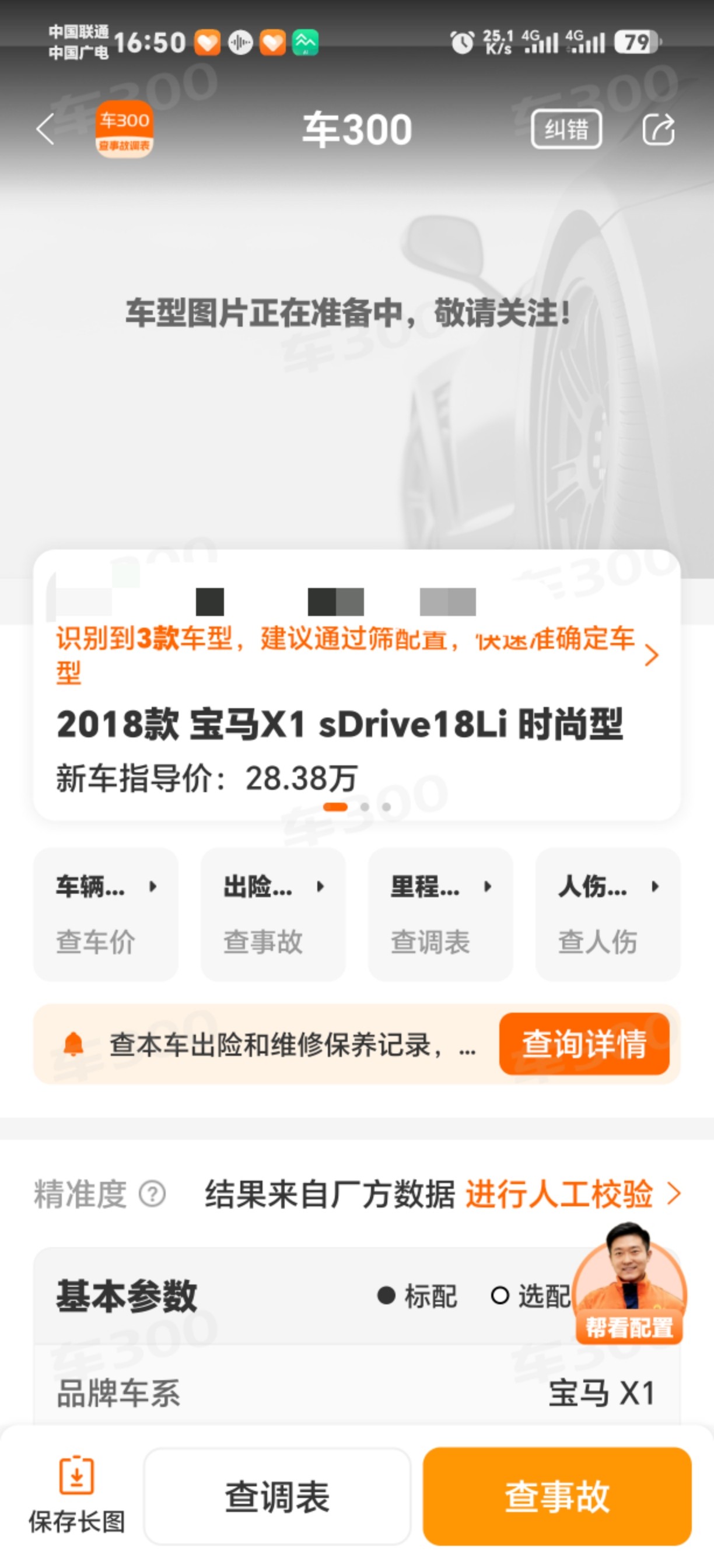



Basic Information

BrandBMW
SeriesX1
Year2017
First Registration2017/10
Mileage60,000km
Transfer Count0times
FuelGasoline
TransmissionManumatic
Engine1.5T 136 L3
ColorWhite
Seats-

Condition Description

Can pass third-party inspection. June 2017 registration, 60,000 km, one owner. Right front headlight replaced, paint on two panels (right front door, right rear door).

Document Information

Inspection Expiry Date-
Warranty Expiry Date-
Insurance Expiry Date2026/06

Q&A

More

Will a used Chinese EV's apps, OTA updates and connected services work in my country?

It depends on the brand and model, so verify before you buy. Three things to check. First, connectivity: many Chinese EVs use embedded SIMs tied to Chinese carriers. Abroad, remote app control, live navigation and some cloud services may stop working unless the car can switch to a local SIM or the brand operates servers in your region. Second, language and navigation: ask the exporter to show the system menu in English or your language, and confirm the maps can be switched to your region — some head units carry China-only map data. Third, charging: verify the charge port standard (GB/T, CCS or Type 2) and whether the onboard AC charger accepts your local grid voltage and frequency. Also ask about OTA updates: official overseas models usually receive them; grey-import cars often do not. Get these answers in writing from the seller, and test the connected features over a video call before shipping.


What export documents come with a used car shipped from China, and which ones do customs in my country require?

A compliant shipment from China includes a standard document set. Verify you receive all of them before the ship departs, because correcting documents mid-transit is slow and expensive. The core set: commercial invoice, bill of lading (original, if your country requires presentation for customs), packing list, certificate of origin, and the export customs declaration. For used cars, also expect the Chinese registration certificate copy, deregistration proof, and a condition/inspection report. Some destinations require additional certificates — GCC states need GSO conformity, EU countries need COC or individual approval, several African nations require BESC/ECTN tracking numbers issued before loading. Your customs broker will typically need the invoice and bill of lading at minimum, plus proof of vehicle age and emissions where age limits apply. Ask your exporter for scanned copies the day the vessel sails, not when it arrives: pre-clearance can cut port storage fees significantly. One caution: the invoice value must match your payment records. Under-declaring to save duties is customs fraud in most countries and risks seizure.

If a problem arises after the car arrives, how are disputes and claims typically handled with a Chinese exporter?

Handling claims with an overseas exporter works best when expectations are set before payment. Prevention: put the inspection standard, photo/video evidence requirements, and a dispute clause into the sales contract. Keep all chat records and payment receipts. Typical process if issues arise: 1) Notify the exporter within 48-72 hours of delivery with photos/videos as evidence. 2) Most disputes fall into two buckets: shipping damage (handled via marine insurance — this is why insurance matters) or undisclosed mechanical defects (handled per contract, often via partial refund, spare parts, or repair cost sharing). Realistic expectations: exporters rarely accept returns, so negotiate compensation instead. A reputable company will usually cover reasonable repair costs for defects confirmed to pre-exist shipment. Tip: for higher-value cars, hire a local third-party inspection at destination as final evidence — it strengthens any claim significantly.