


24H

Basic Information

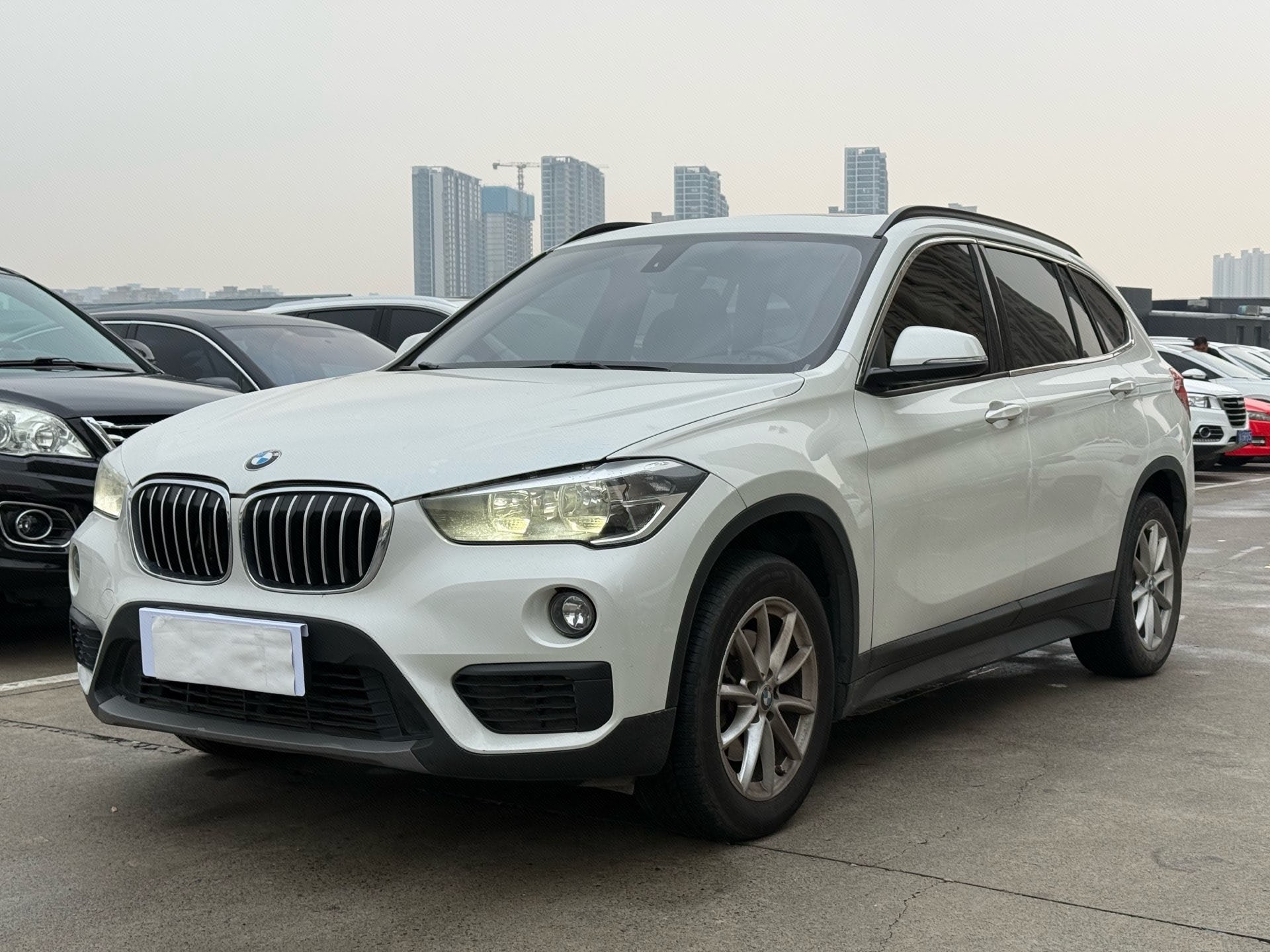
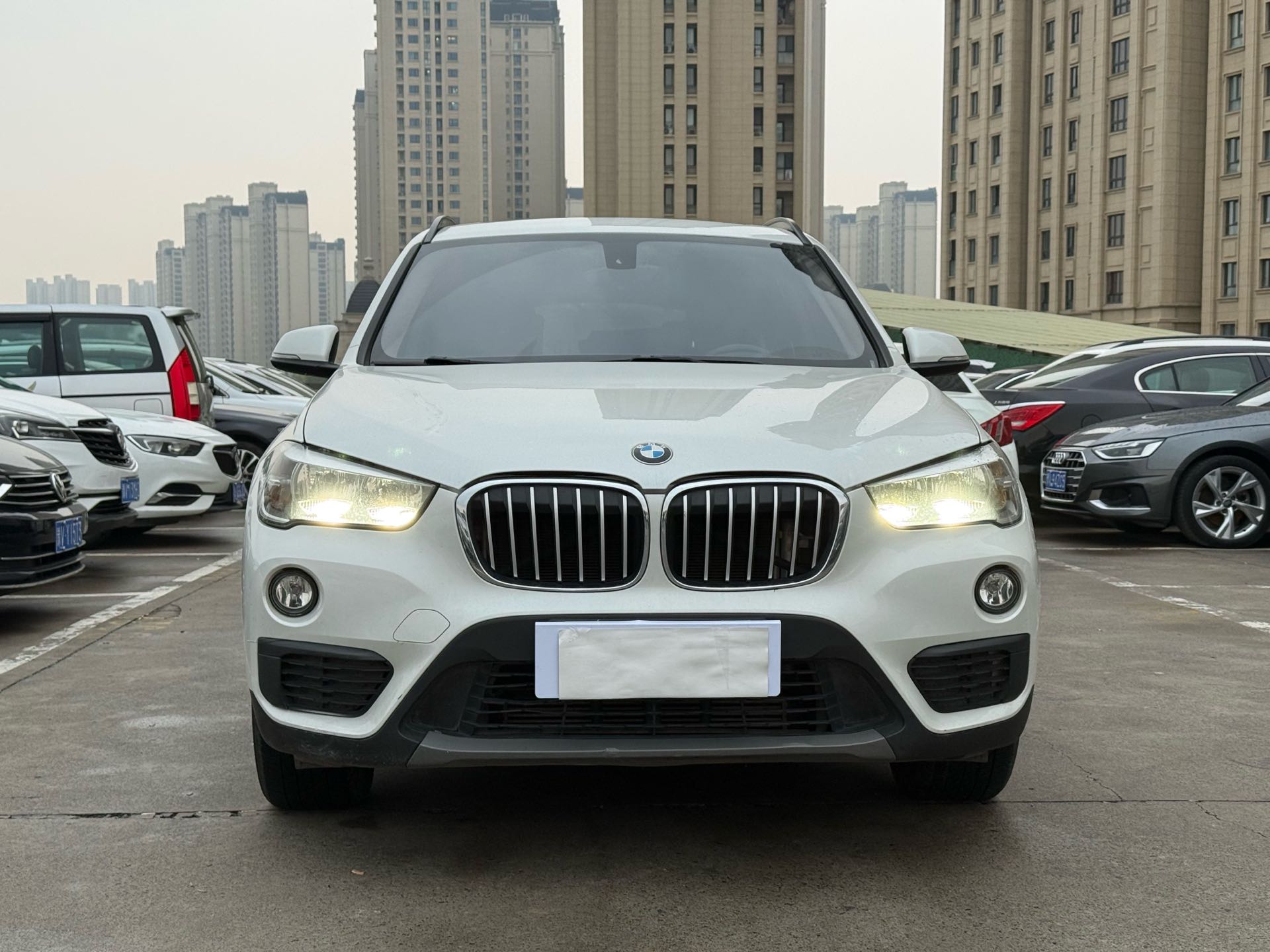
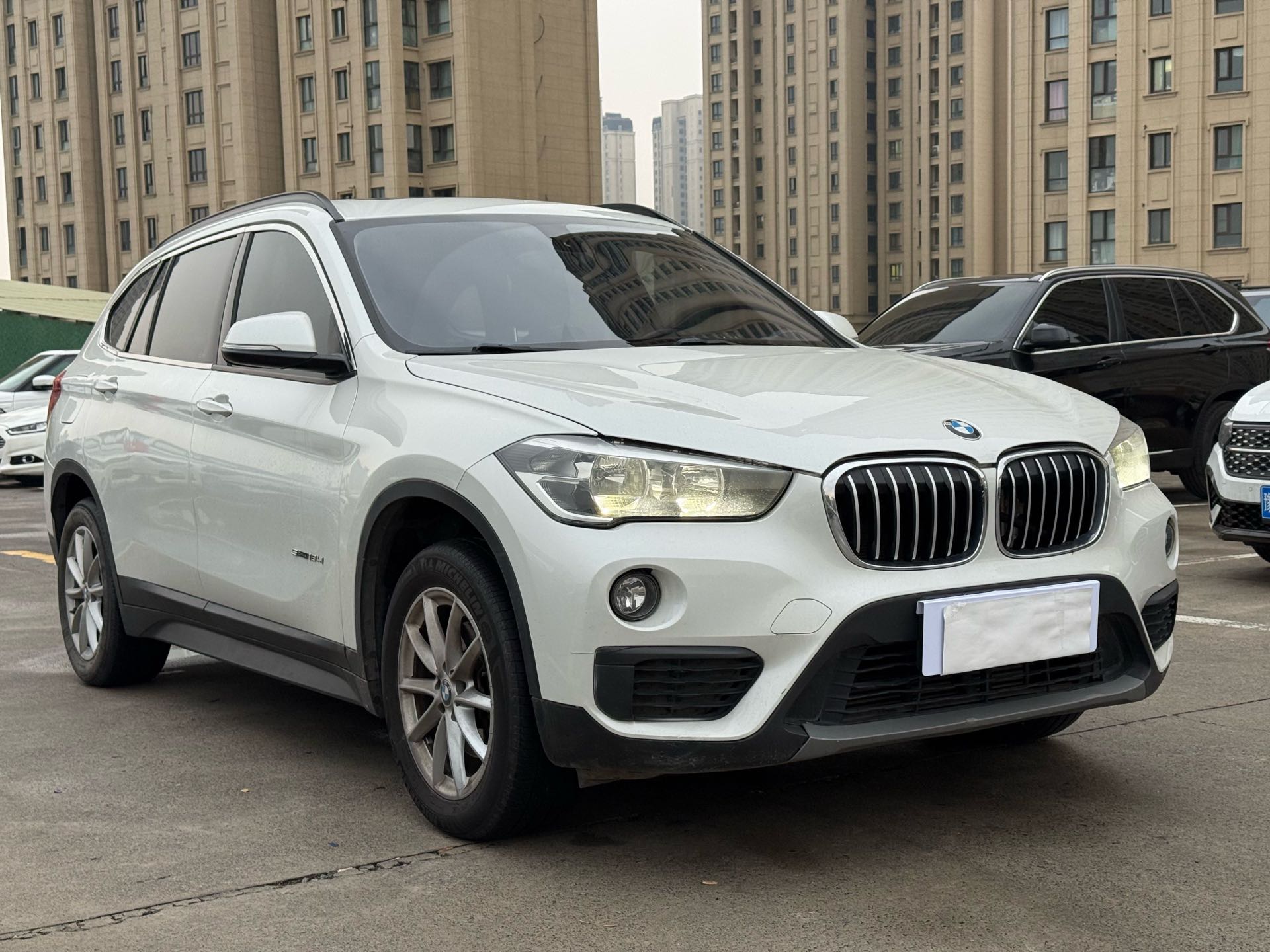
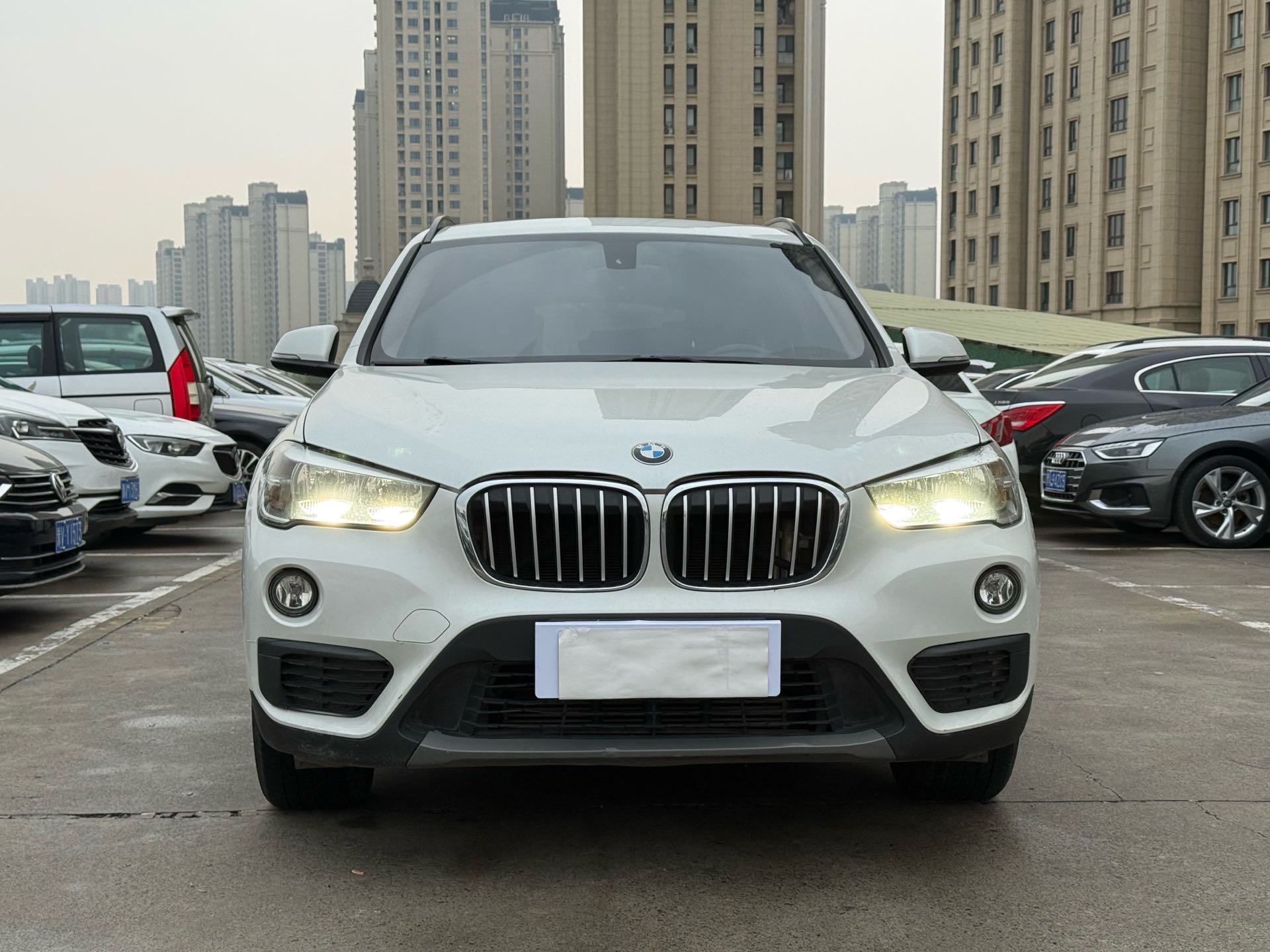
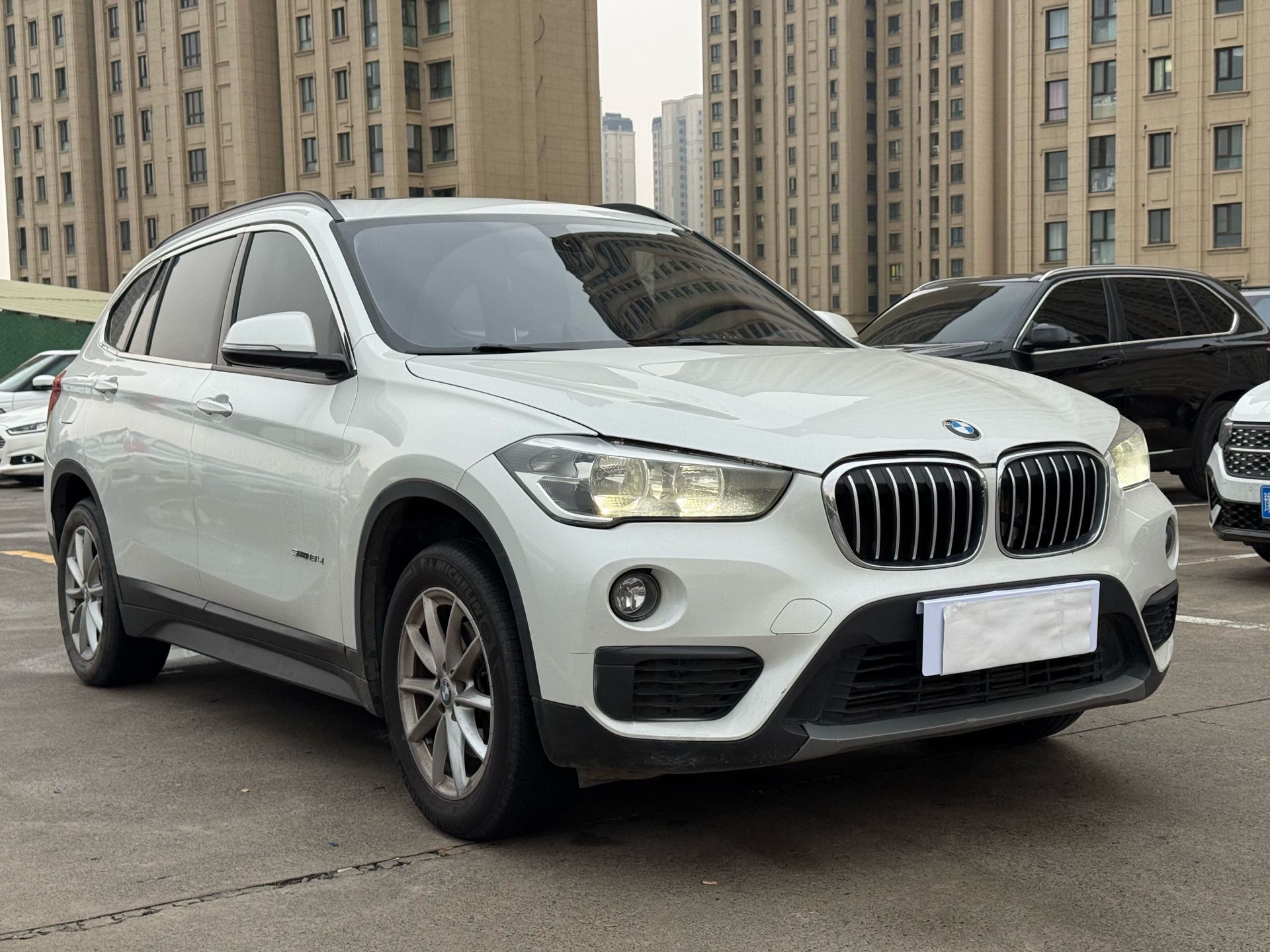
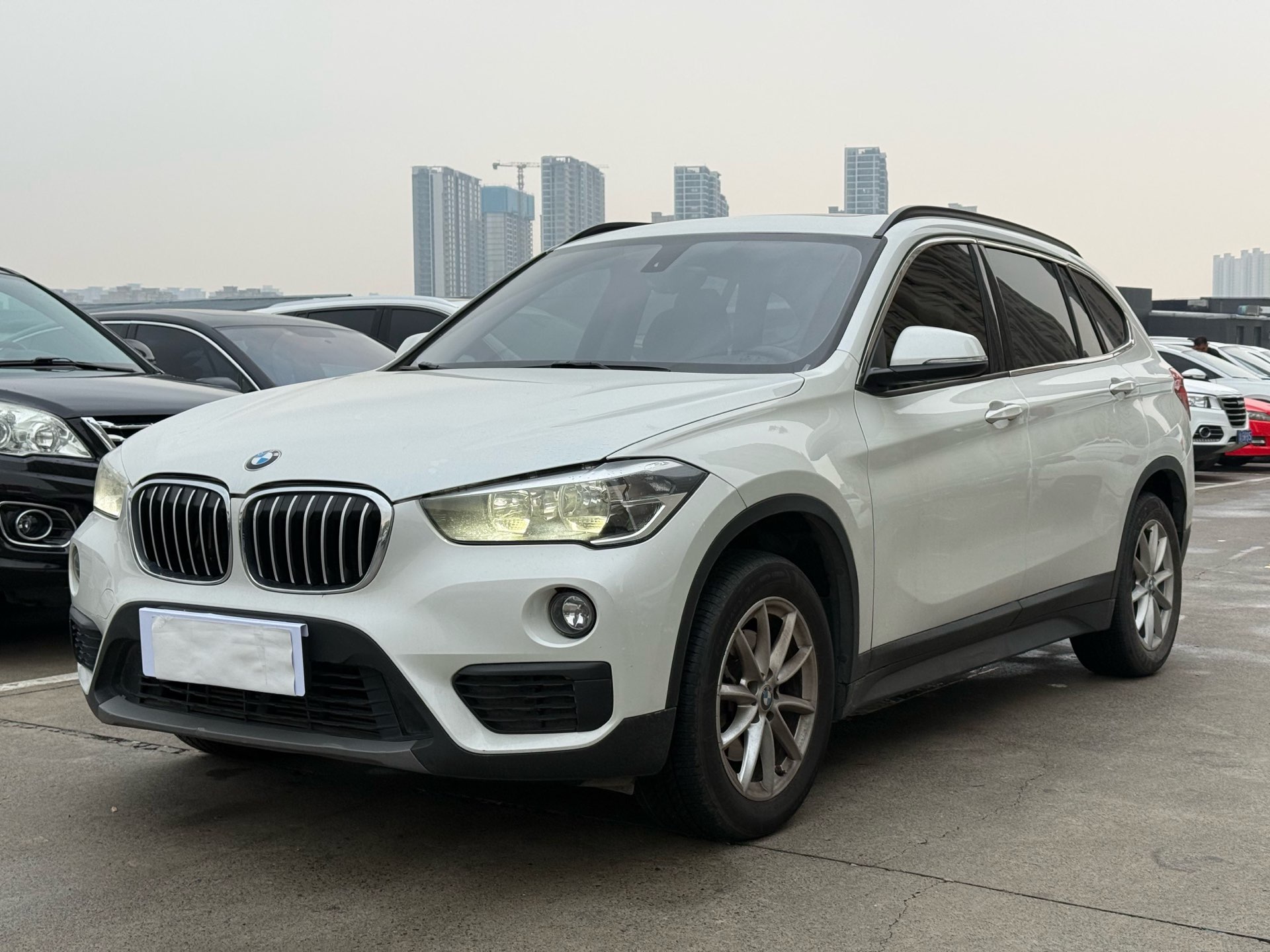
BrandBMW
SeriesX1
Year2018
First Registration2018/02
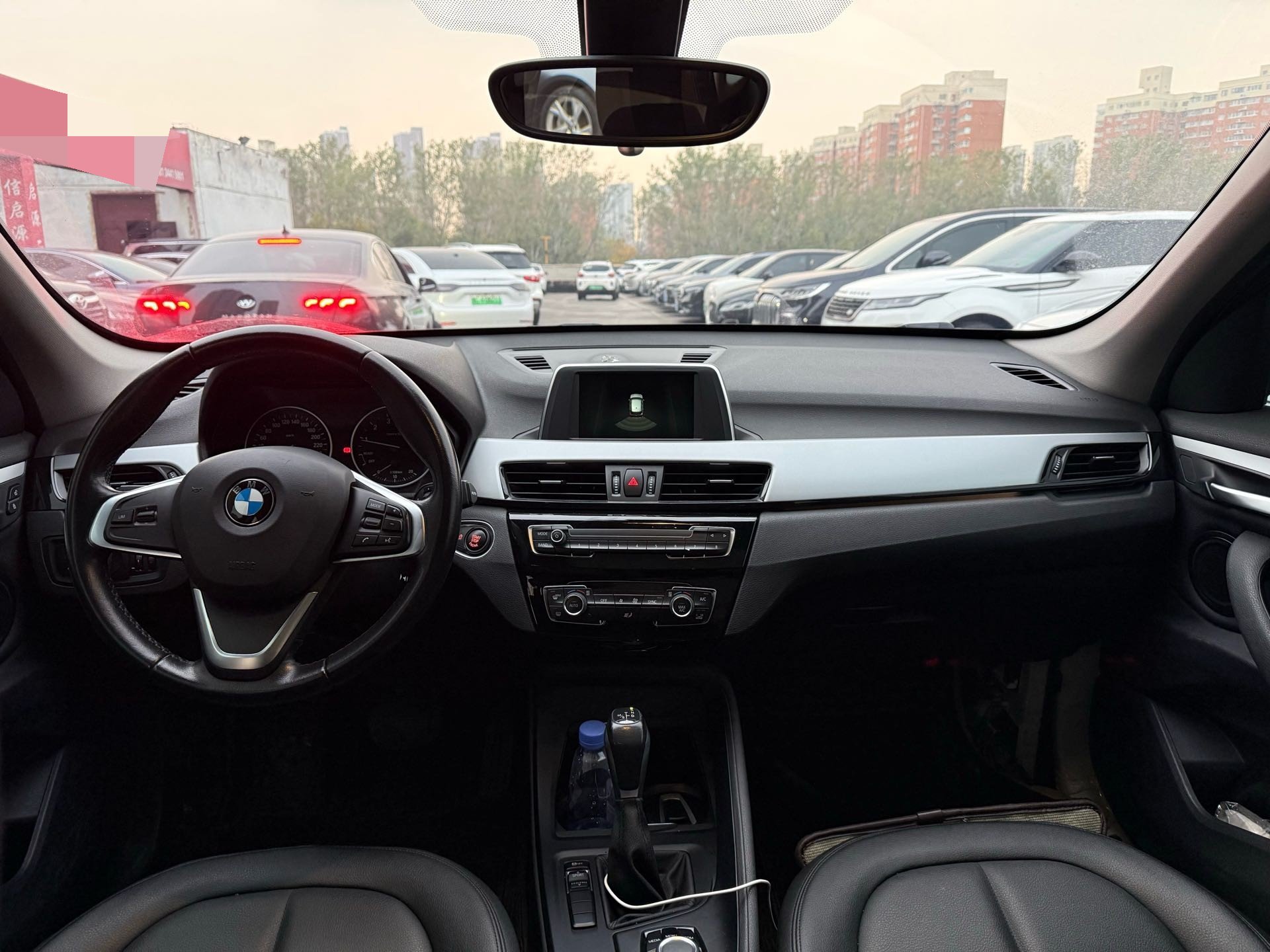
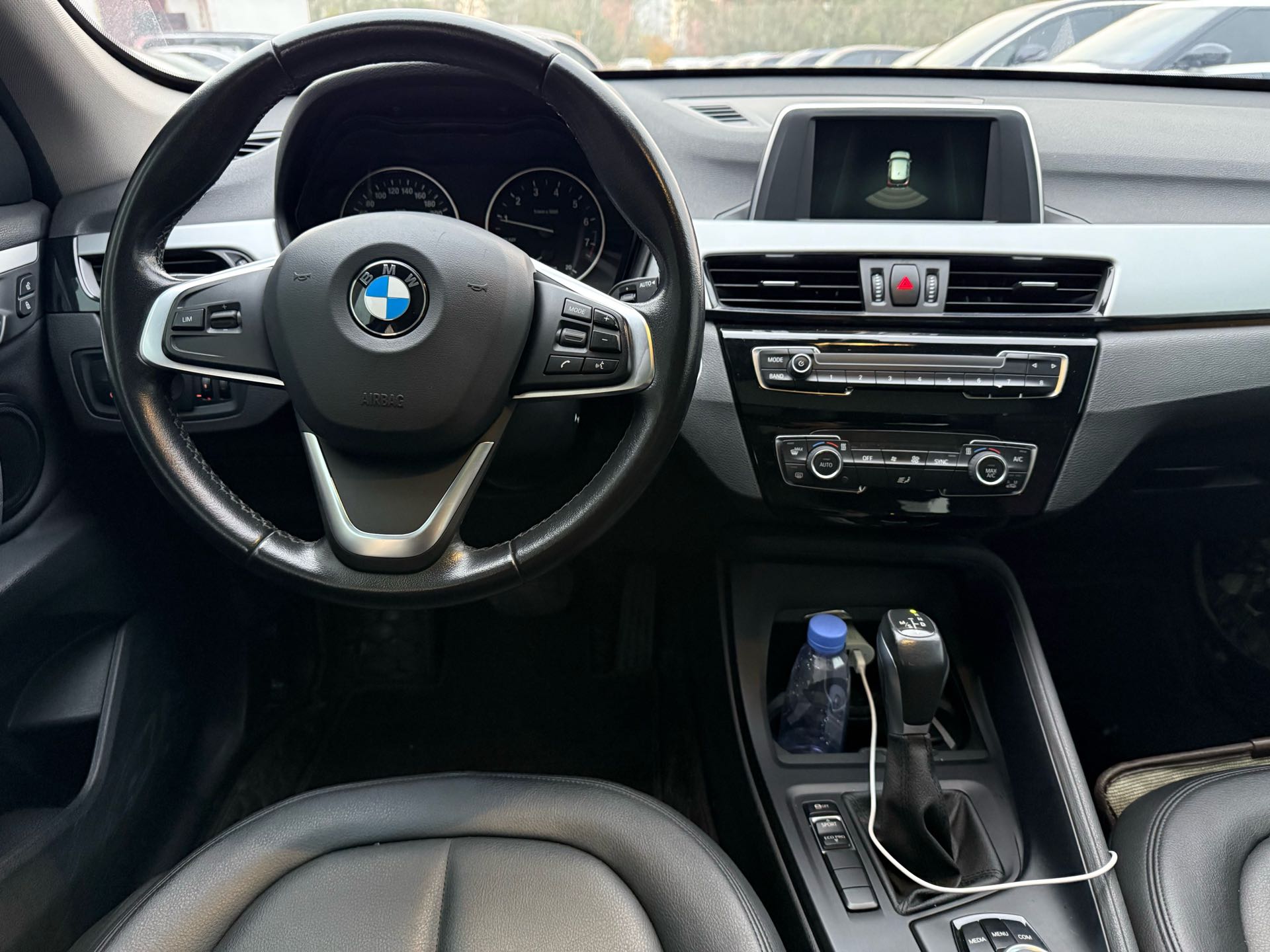
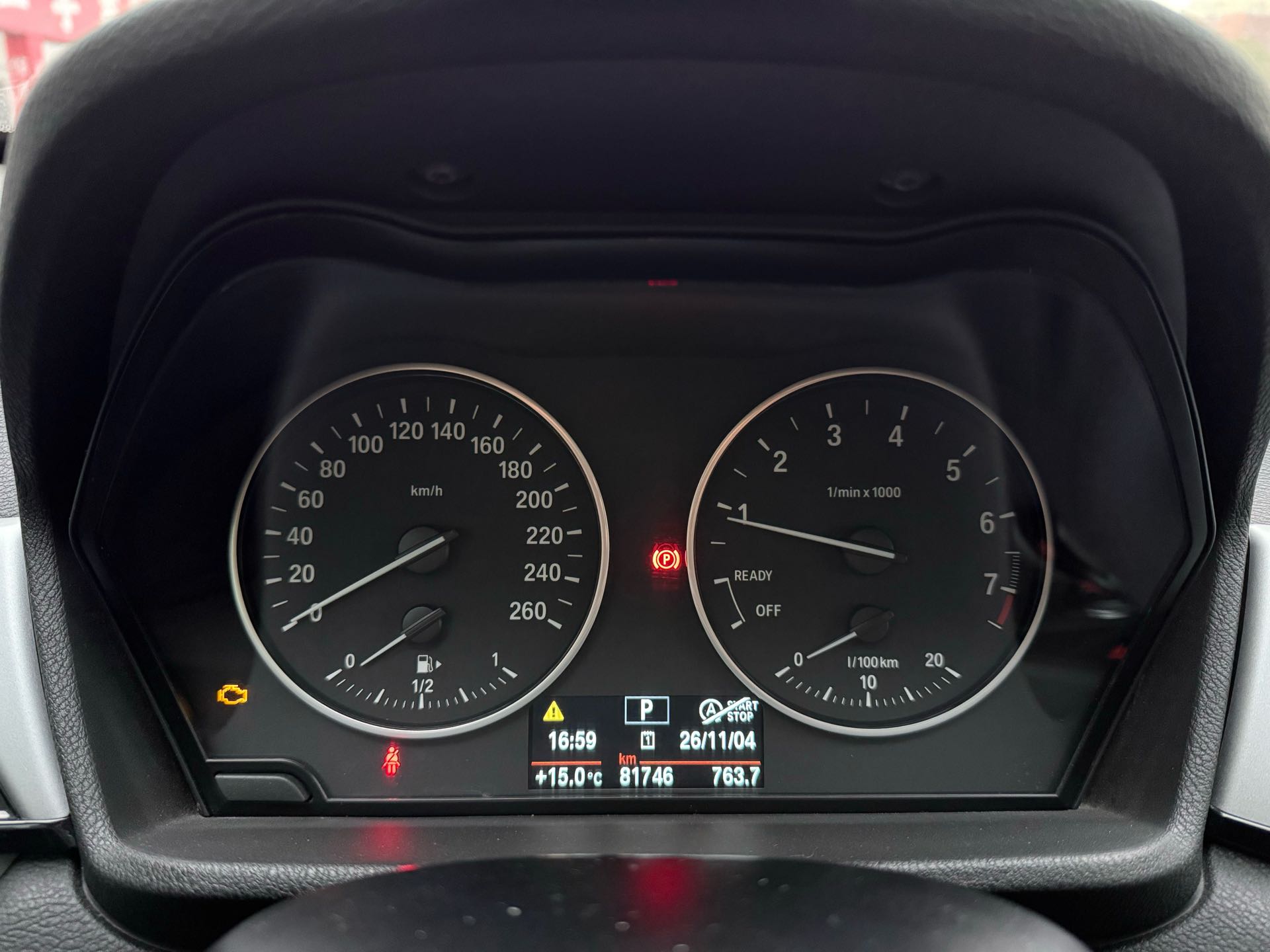
Mileage82,000km
Transfer Count0times
FuelGasoline
TransmissionManumatic
Engine1.5T 136 L3
ColorWhite
Seats-

Condition Description

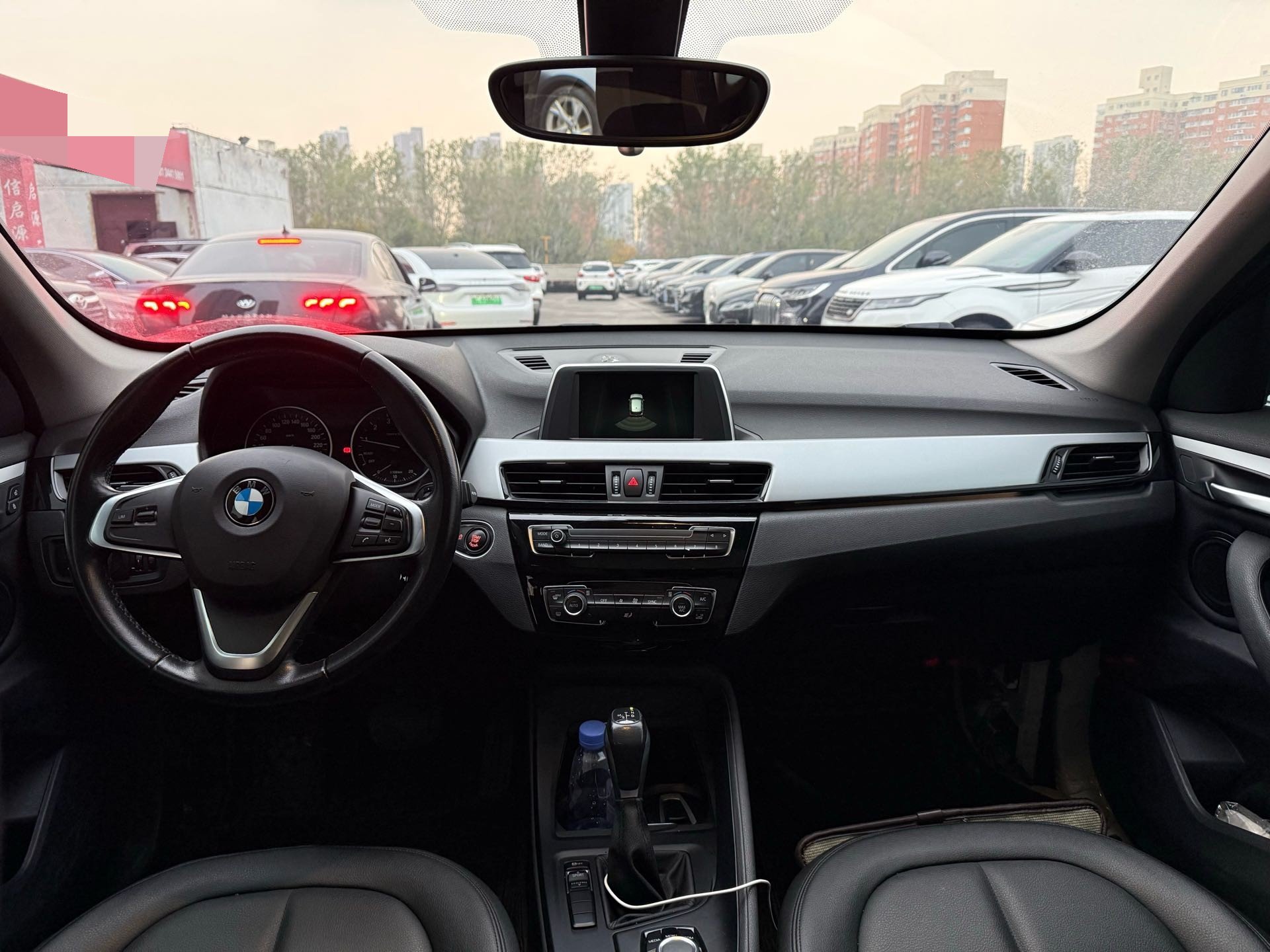
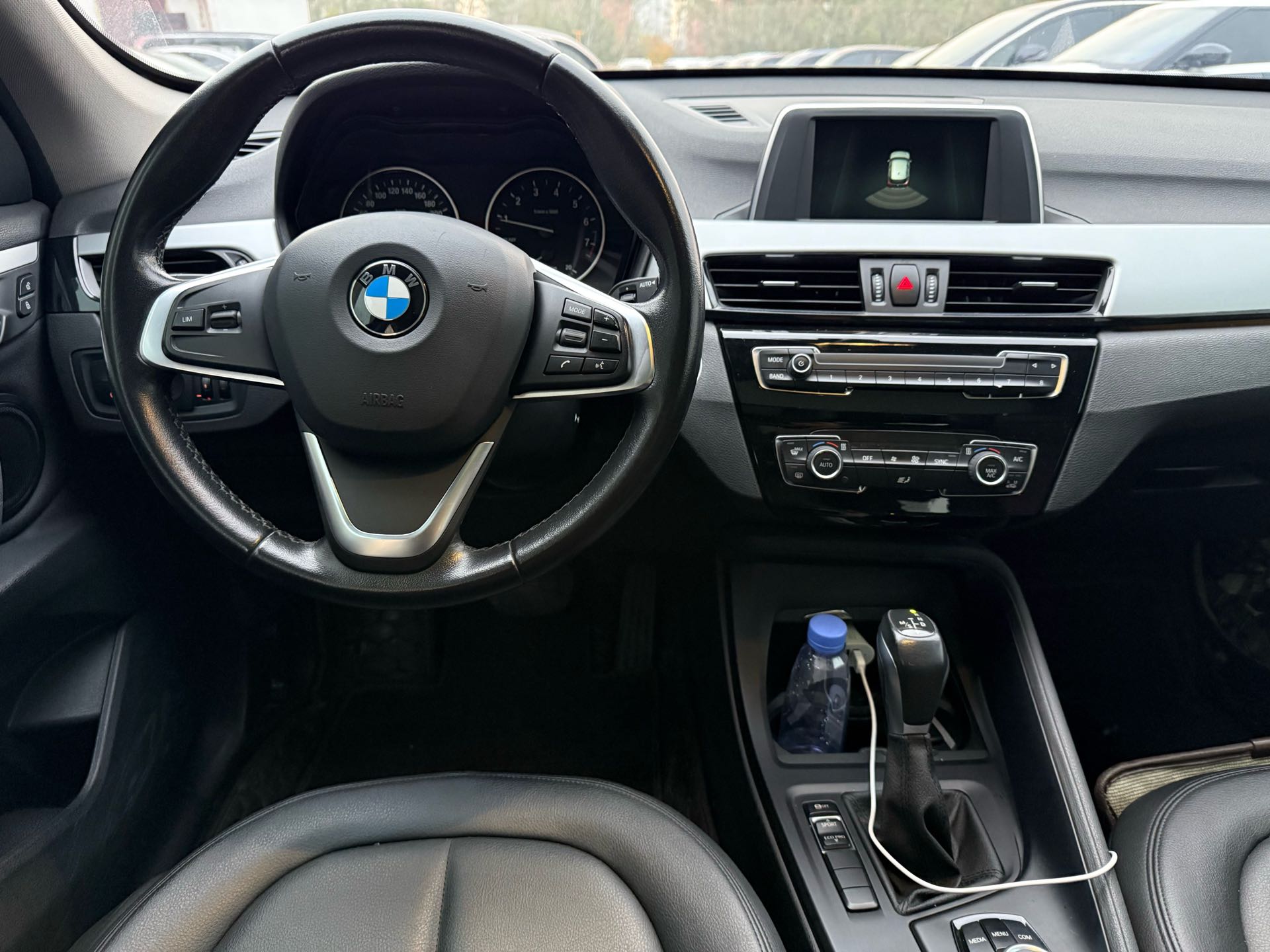
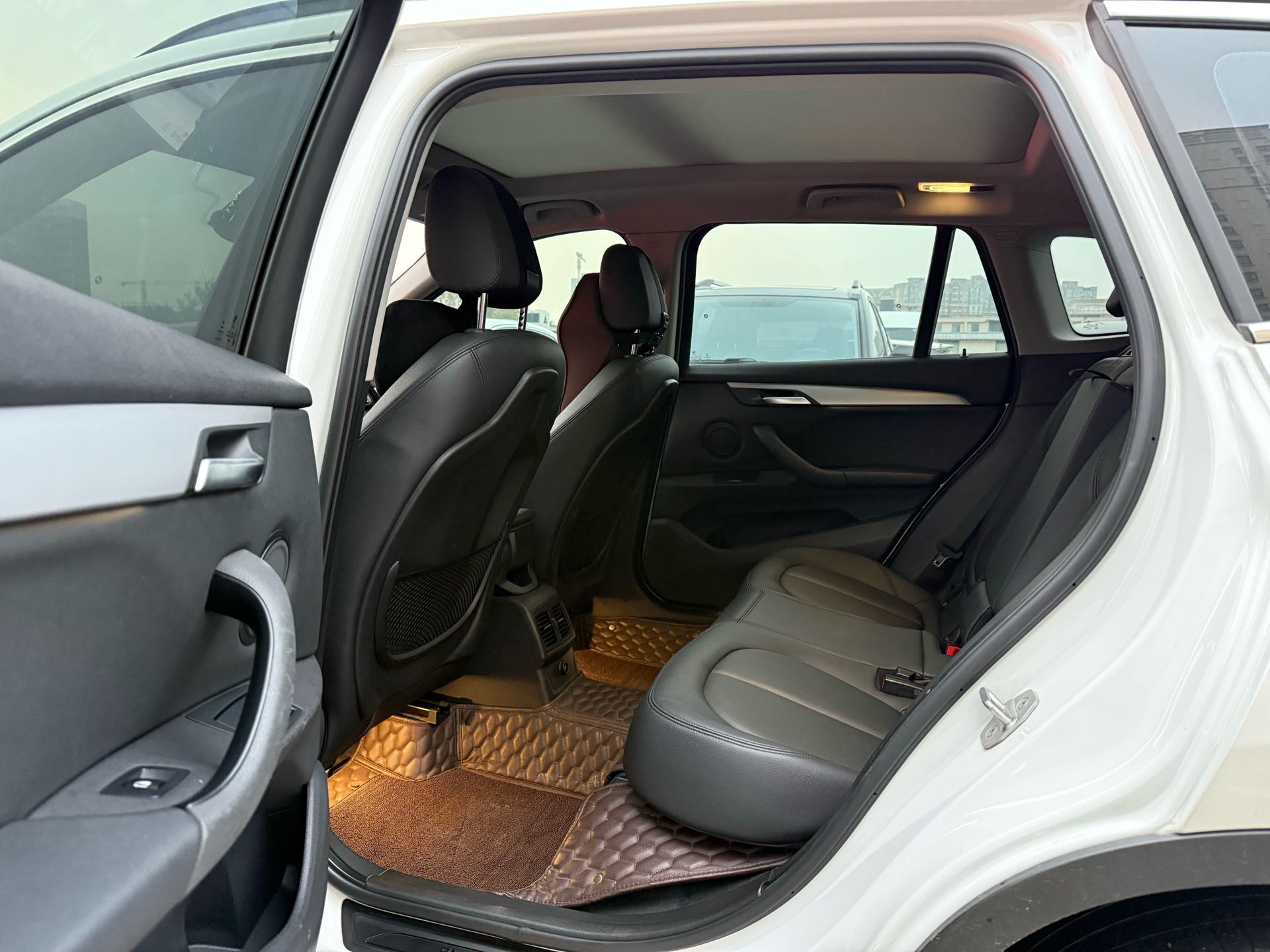
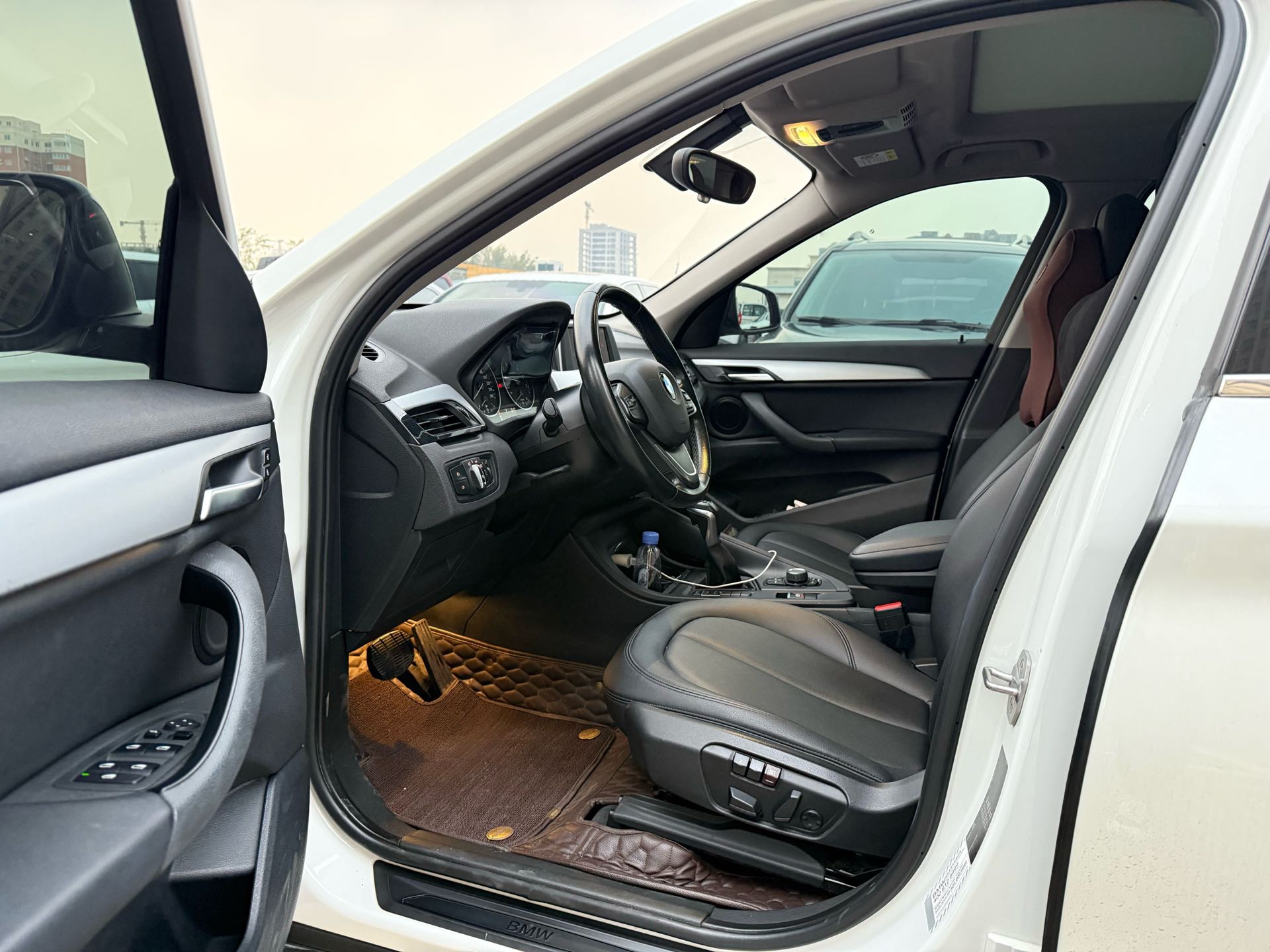
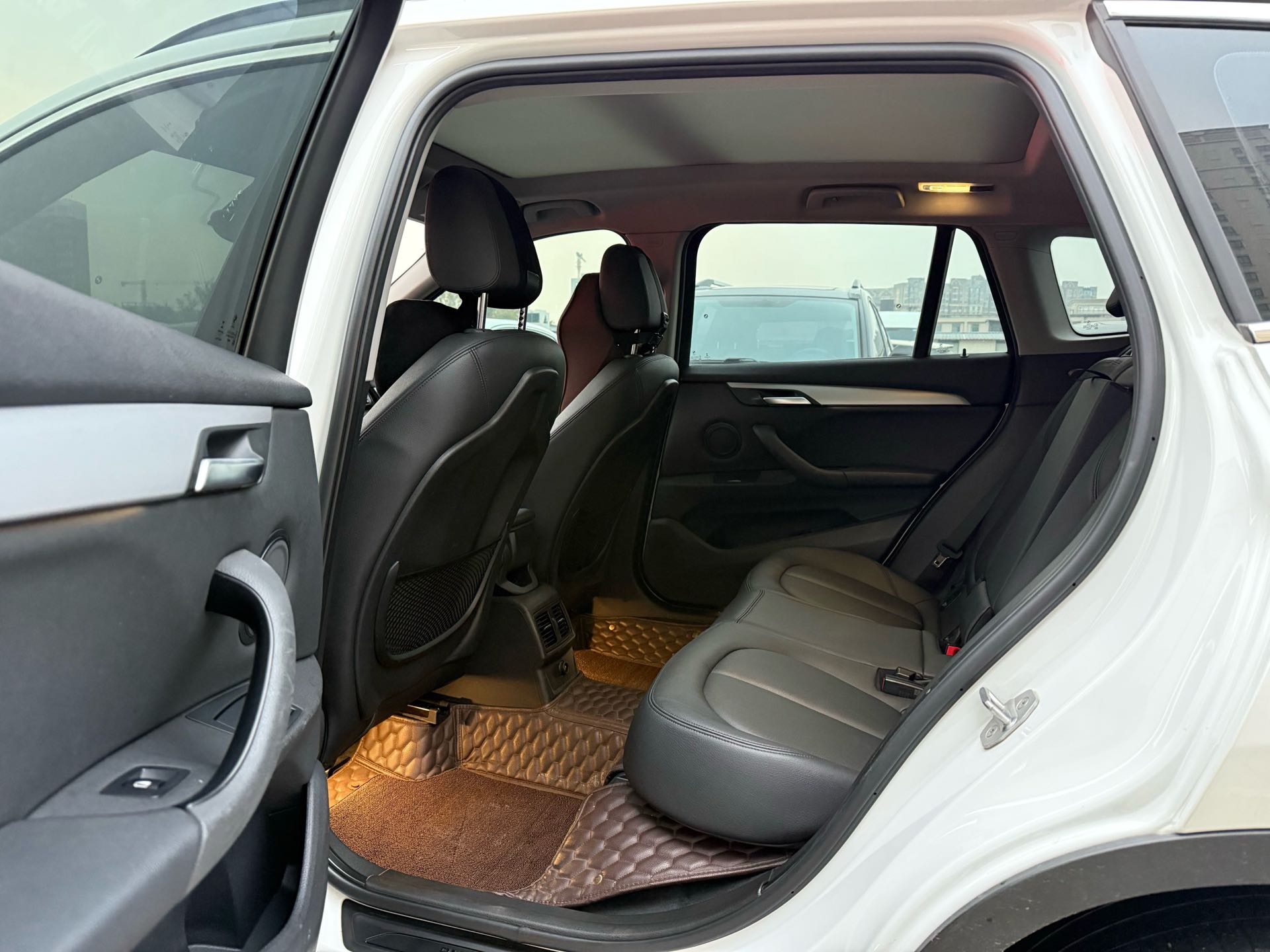
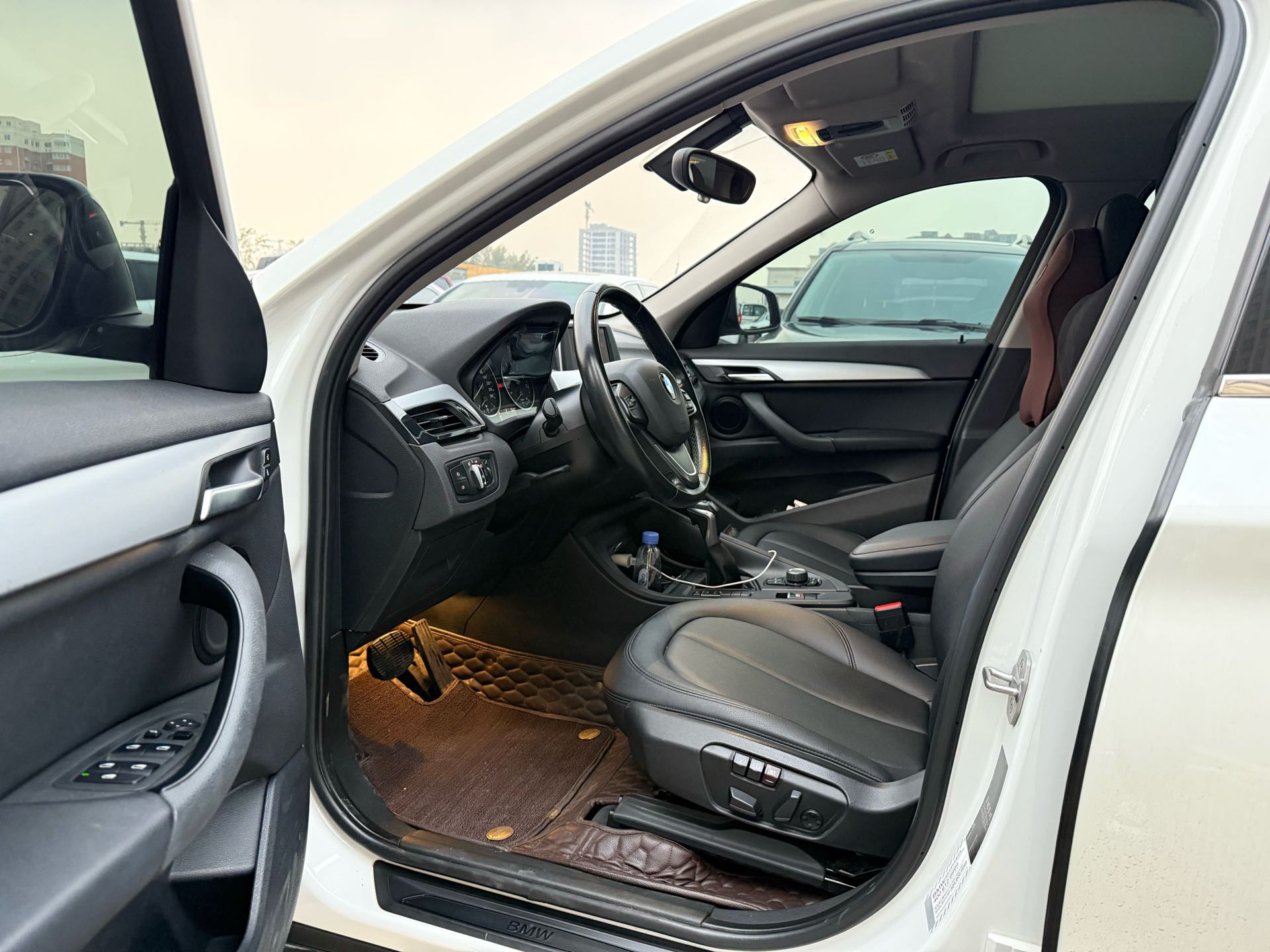
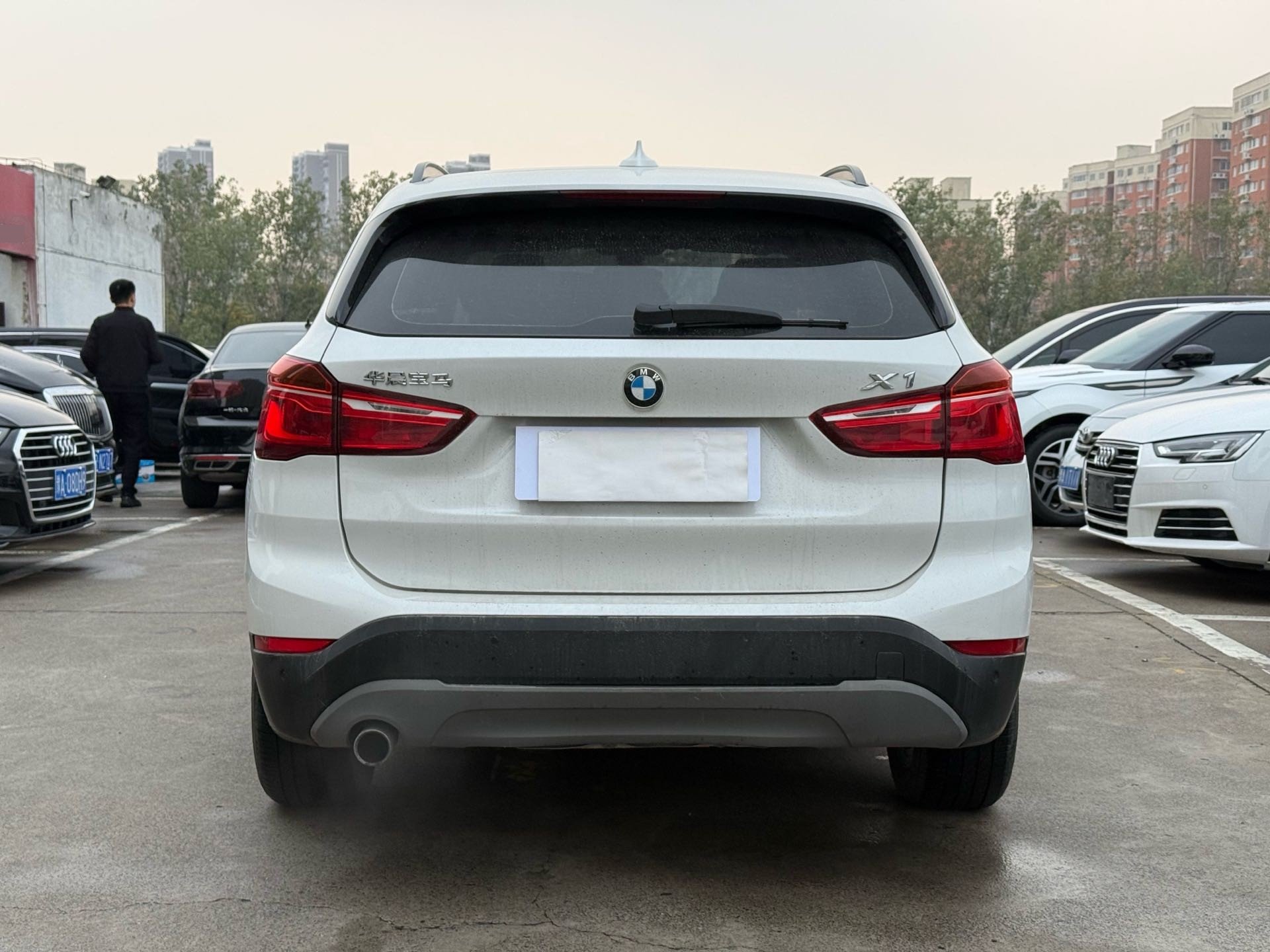
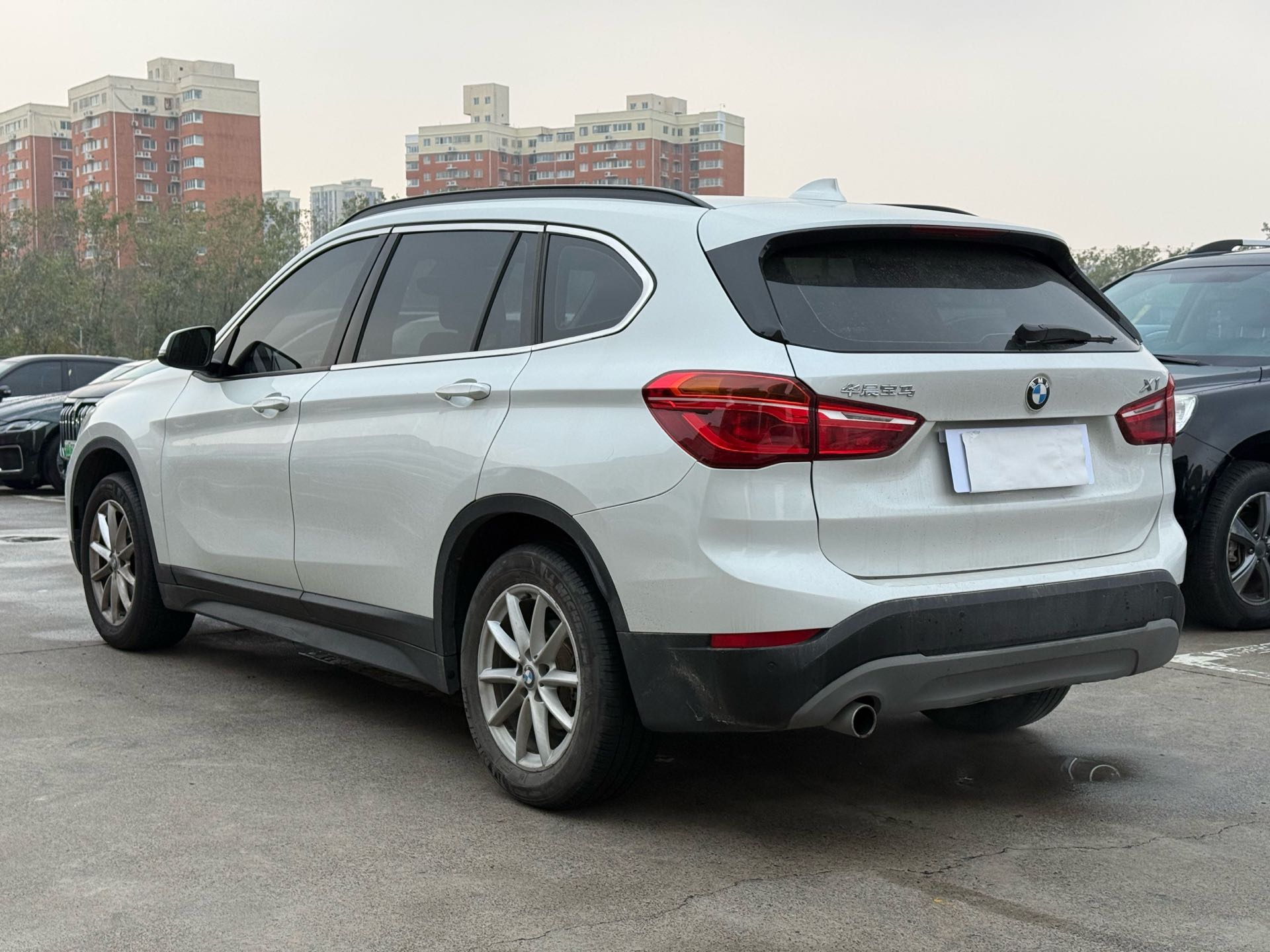
Right side sheet metal and repaint; trunk lid sheet metal repair; left front door and left front fender sheet metal repair. Right rear tail light damaged; engine malfunction light on. Left front headlight replaced. Transfer count: 0.

Document Information

Inspection Expiry Date-
Warranty Expiry Date-
Insurance Expiry Date2027/02

Q&A

More

Do Chinese electric cars keep receiving software updates and connected services after export? Will the app work in my country?

It depends on the brand, so verify before buying: 1. OTA updates: most newer Chinese EVs update over the air, but some brands tie updates to the region of registration—an exported car may stop receiving them or stay on China firmware. 2. Companion apps: functions like remote climate, charging status, and location often require a Chinese phone number or mainland server access; abroad they may work partially or not at all. 3. Language and units: check the infotainment can switch to your language and your units (miles/km). Ask the exporter to demonstrate the app functions live on video before purchase, and get written confirmation of what will work after export. For the battery, request an SOH (state of health) report—battery replacement is far costlier than any software limitation.


How do I verify the battery health of a used Chinese EV before buying, and what is a State of Health report?

Battery condition is the single most important — and most expensive — variable in a used EV. Ask for a State of Health (SOH) report: in China, dealers and authorized service centers can read it via the manufacturer diagnostic system. It shows remaining capacity as a percentage of the original. Rule of thumb: above 90% is excellent, 85-90% is acceptable for the price, below 80% needs a serious price cut or battery refurbishment. Also get the battery's full charge and discharge history (次数) — a 3-year-old car with 800 fast-charge cycles has lived a harder life than one with 200. Physically, inspect the battery pack enclosure on a lift for dents, corrosion, or coolant leaks. Check that DC fast charging works during a test charge. Finally, verify the battery is not covered by an open recall or replacement program — this is both a risk and sometimes a free upgrade.

How can I verify that a pre-shipment inspection report and photos really match the car I'm buying—timestamps, VIN, and live video?

Fake or recycled inspection reports are a real risk. Verify authenticity before wiring the balance payment. First, match the VIN: the report must show the full VIN, and the photos must include close-ups of the VIN plate on the chassis and the windshield tag. Ask for a live video call where the inspector walks to the car, shows the VIN tag, and then pans across the dashboard, odometer, and any defects noted in the report—on the same call. Check metadata: ask for original photos rather than screenshots. Files sent via WeChat often strip EXIF, so request the inspector to email originals or use a cloud link where timestamps and GPS data are visible. Cross-verify details: the odometer reading in the video should match the report exactly, and paint-thickness readings should be reproducible—ask the inspector to re-measure 2-3 spots live. Use a known inspection company rather than one recommended solely by the seller, and pay the inspector directly. An independent inspector has no incentive to hide defects.