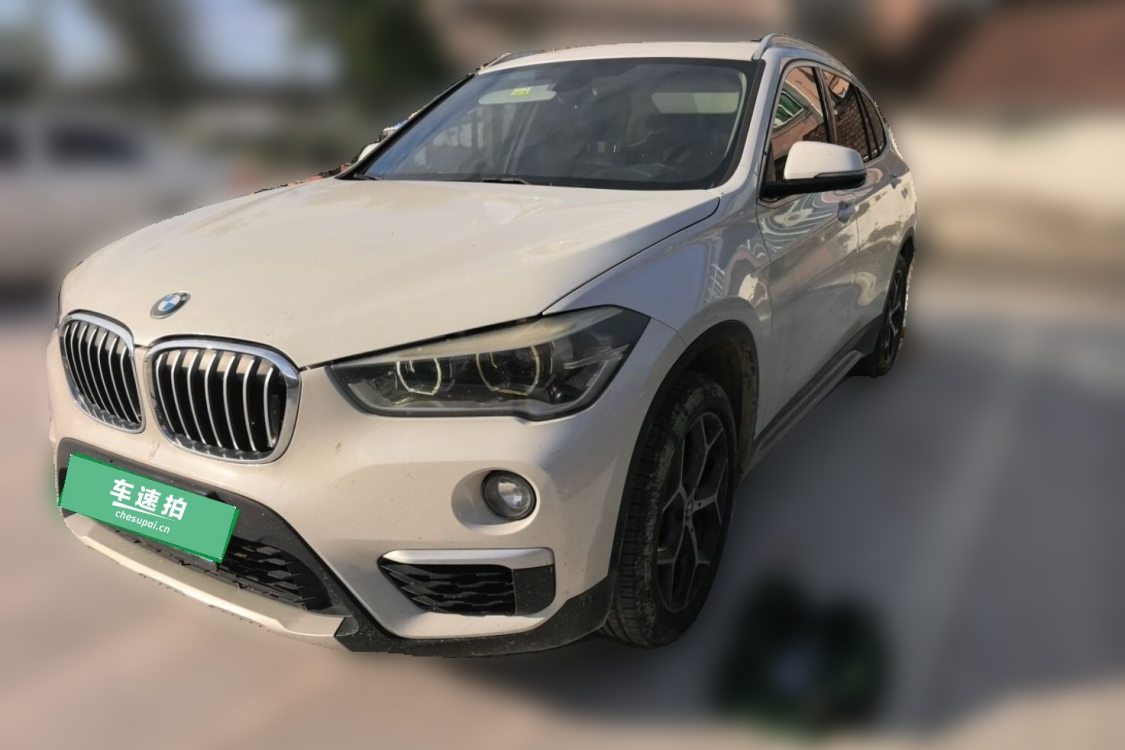
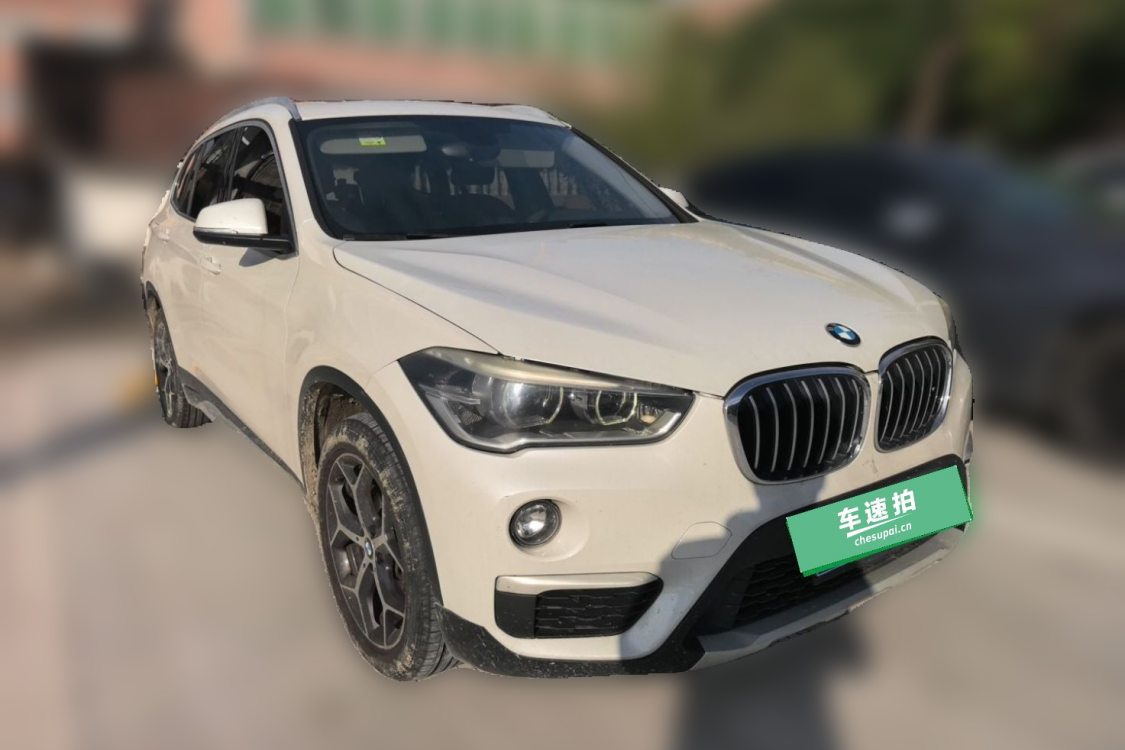
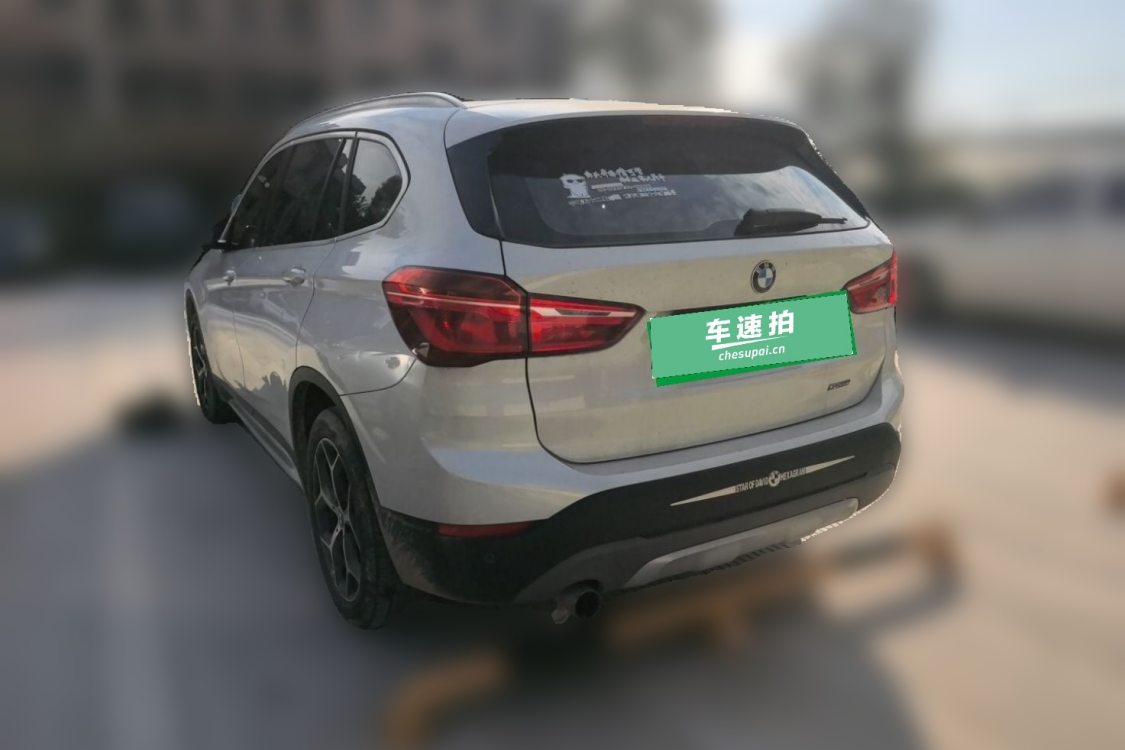
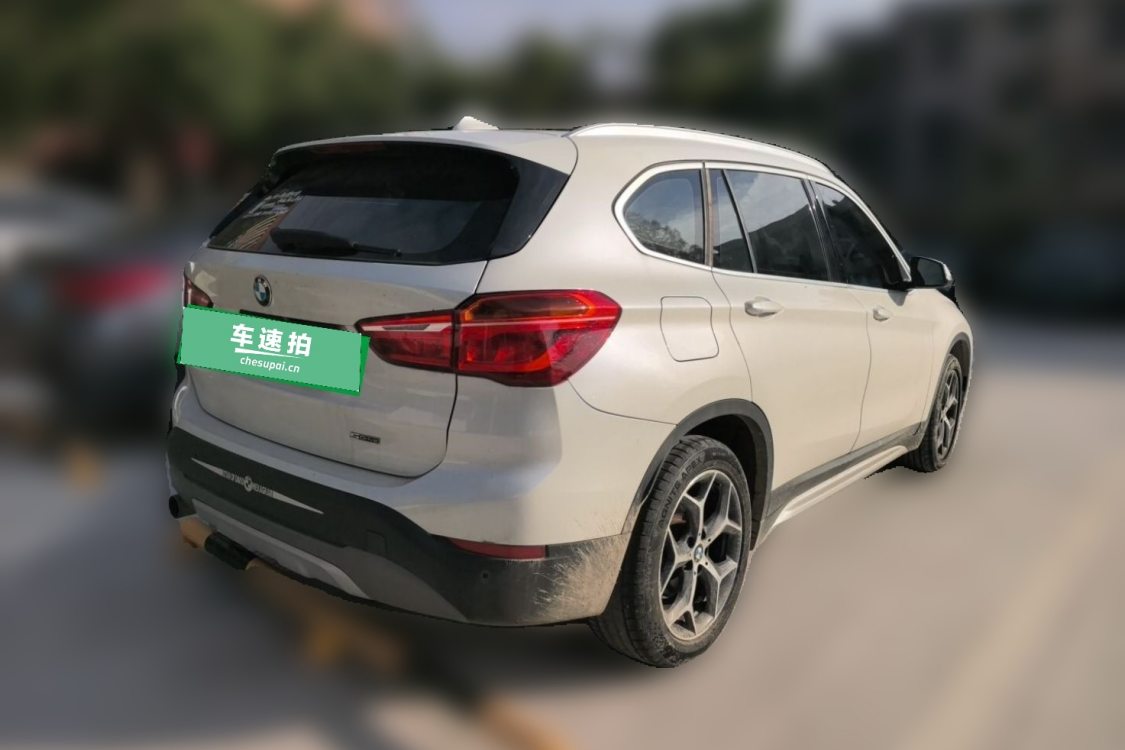
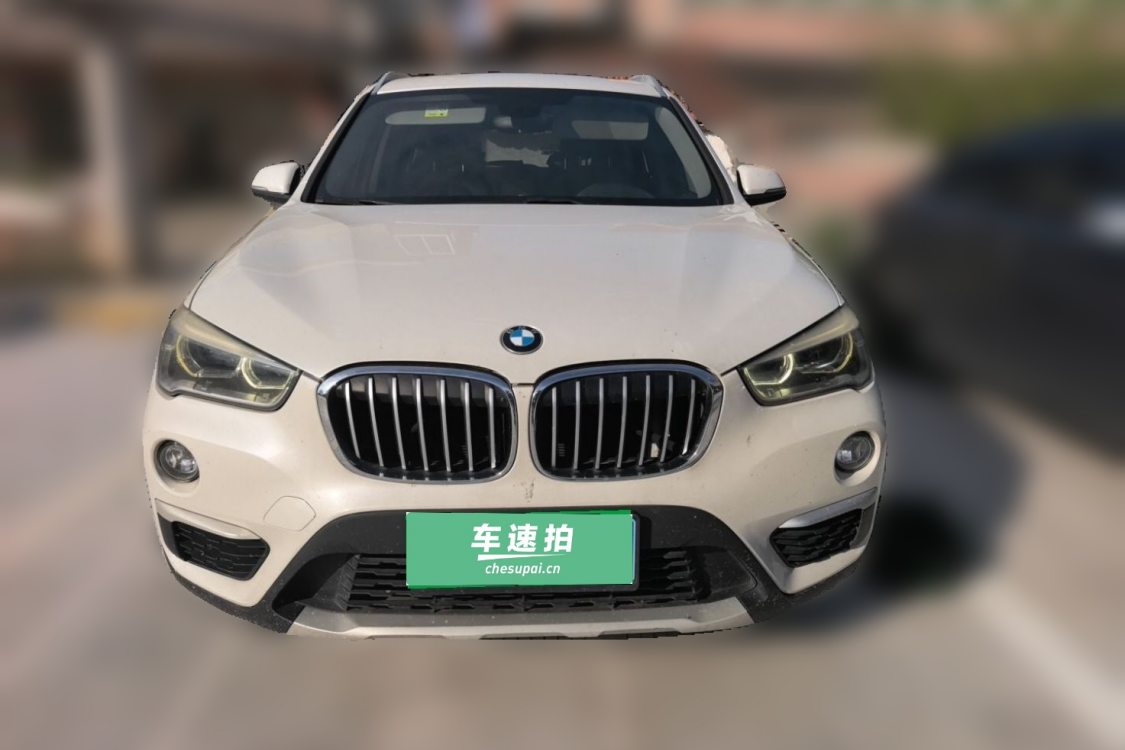
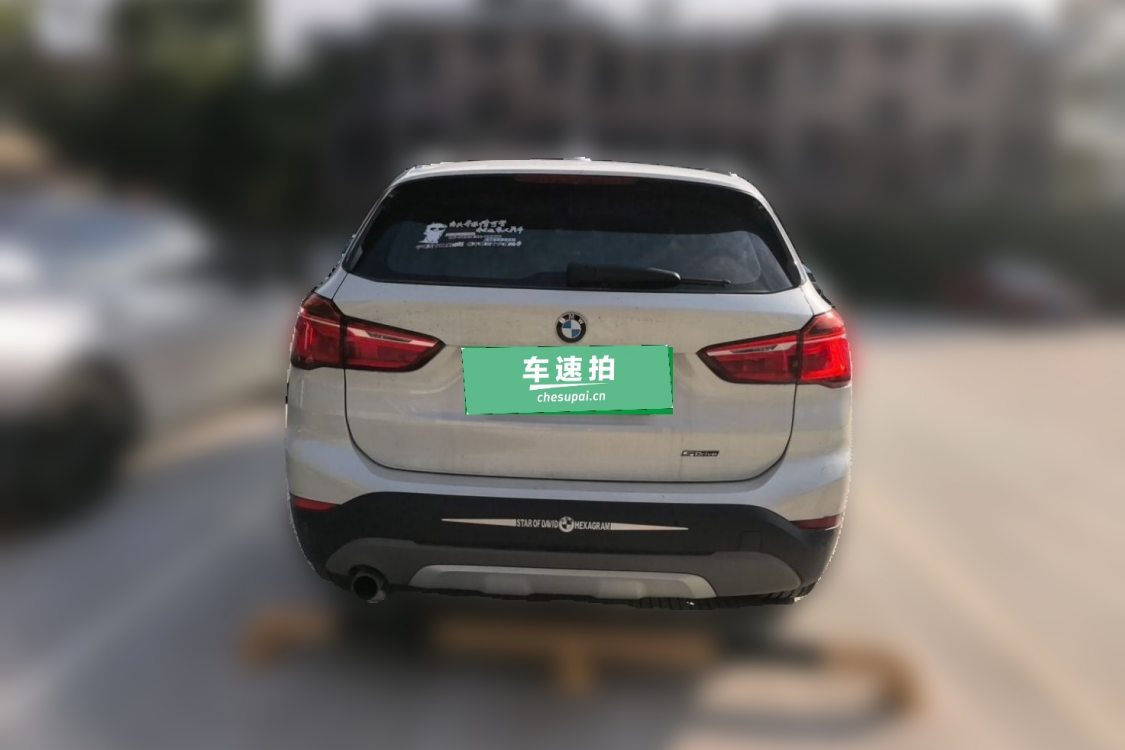
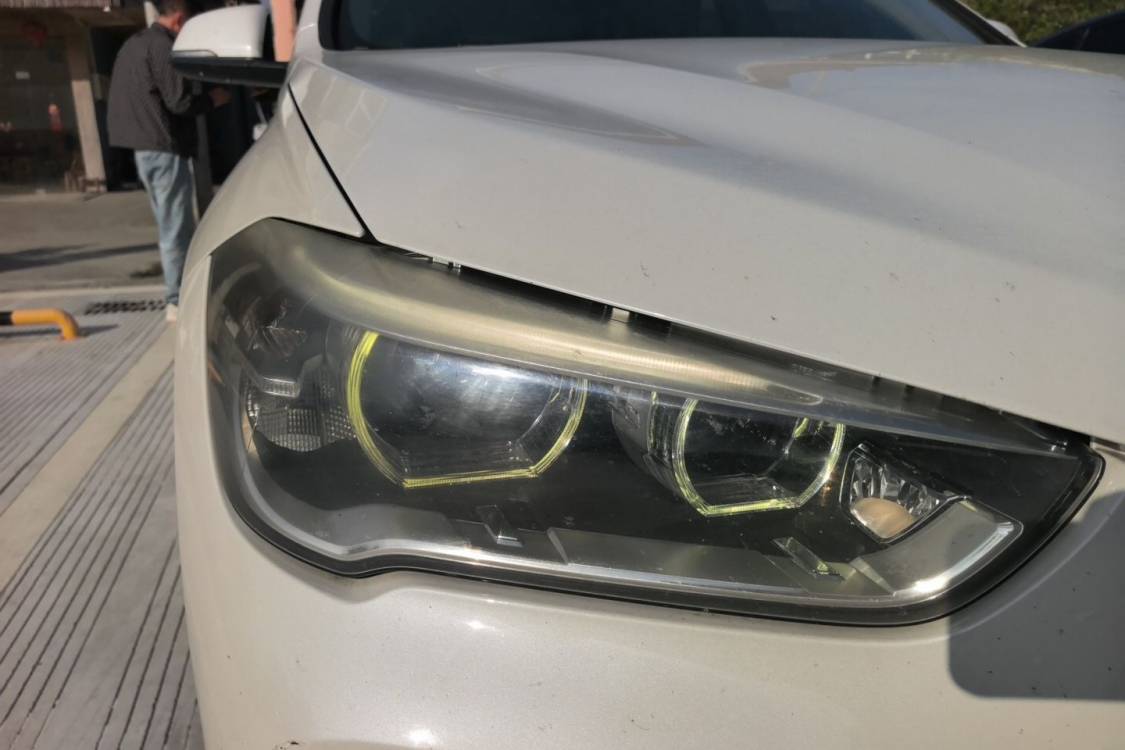
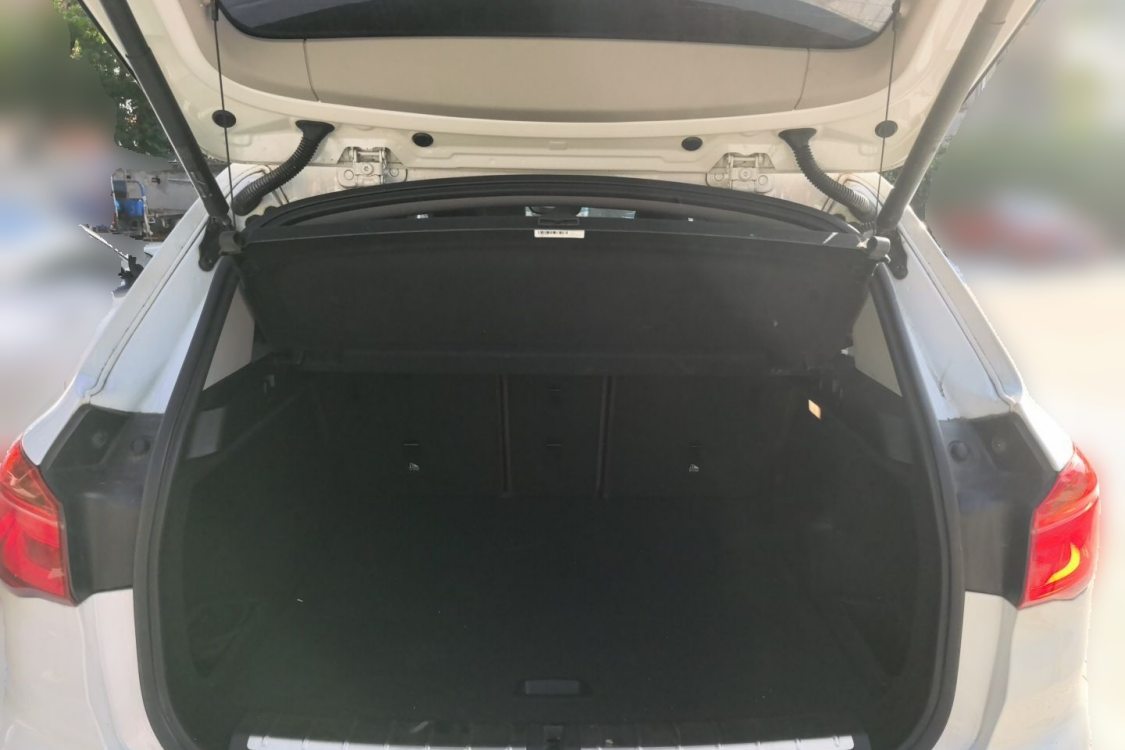
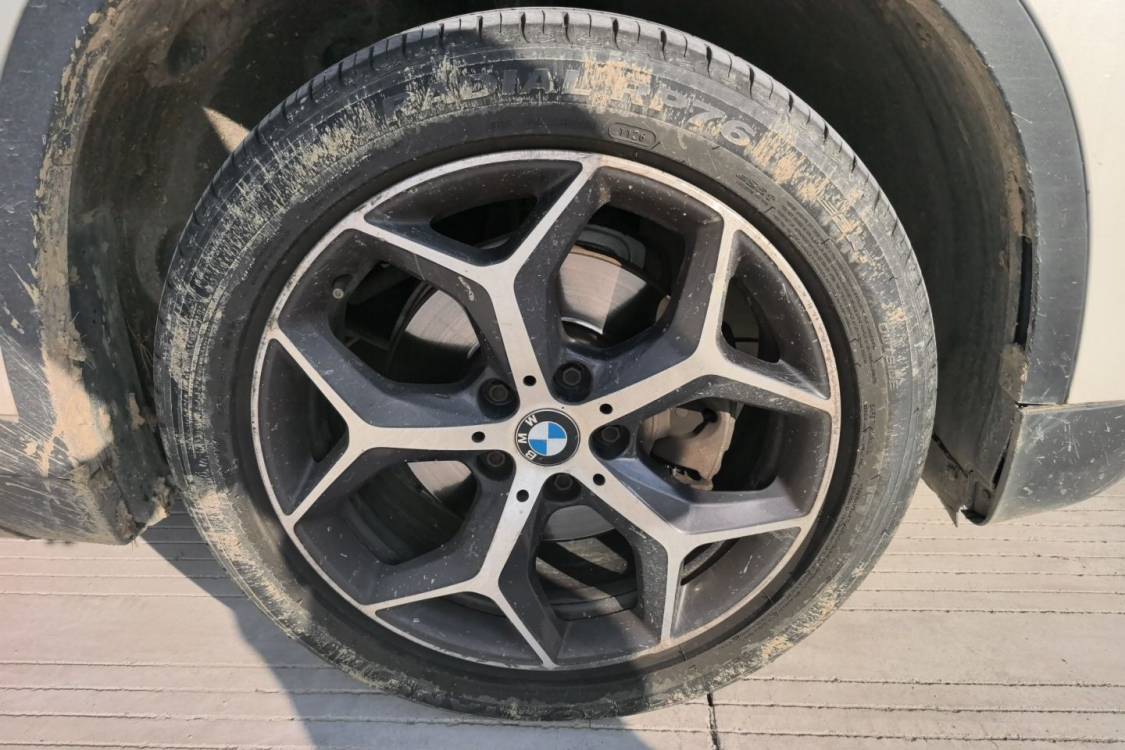
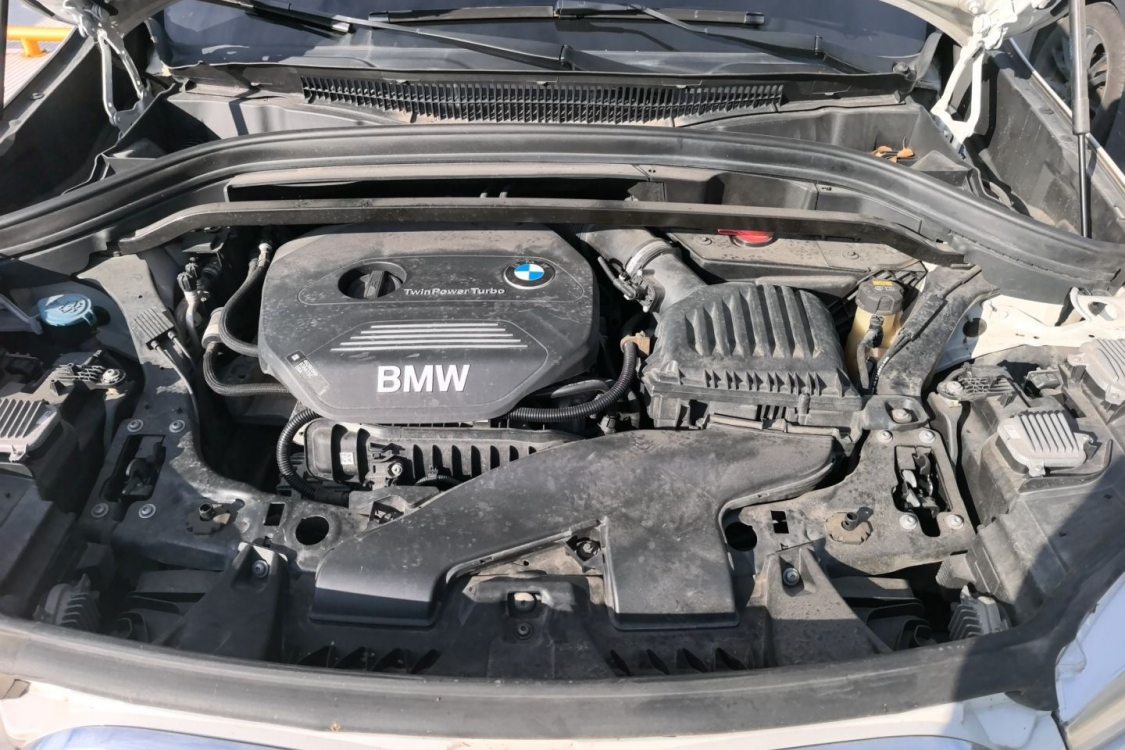
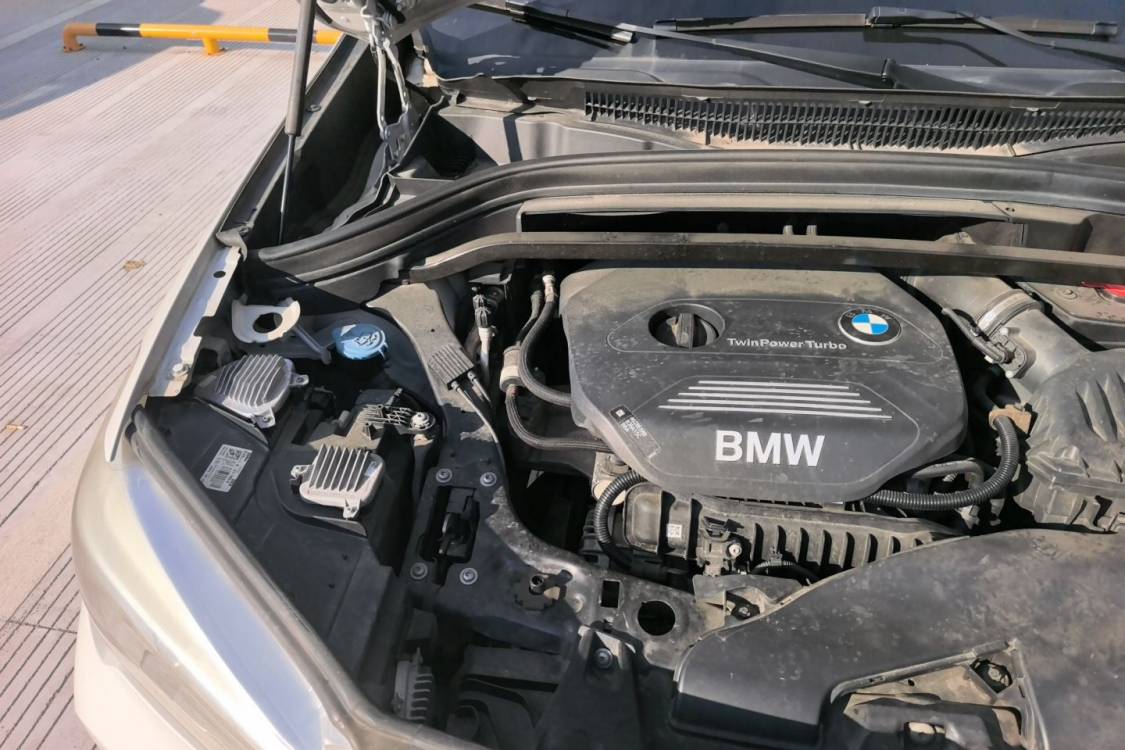
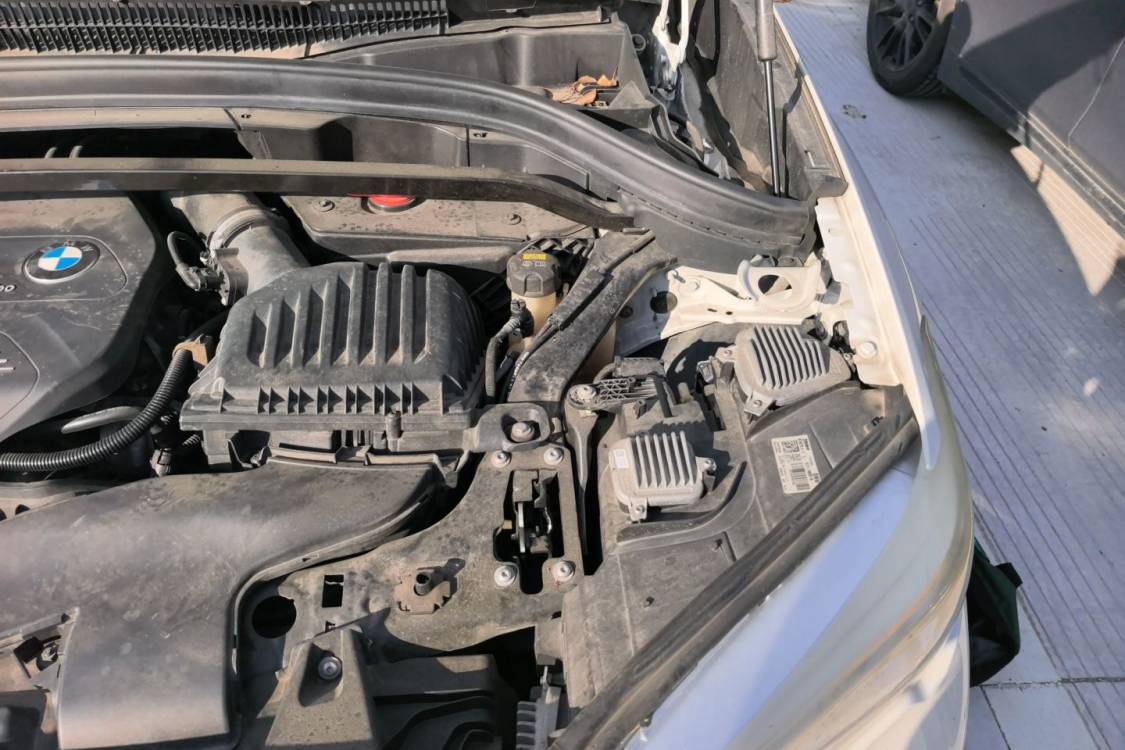
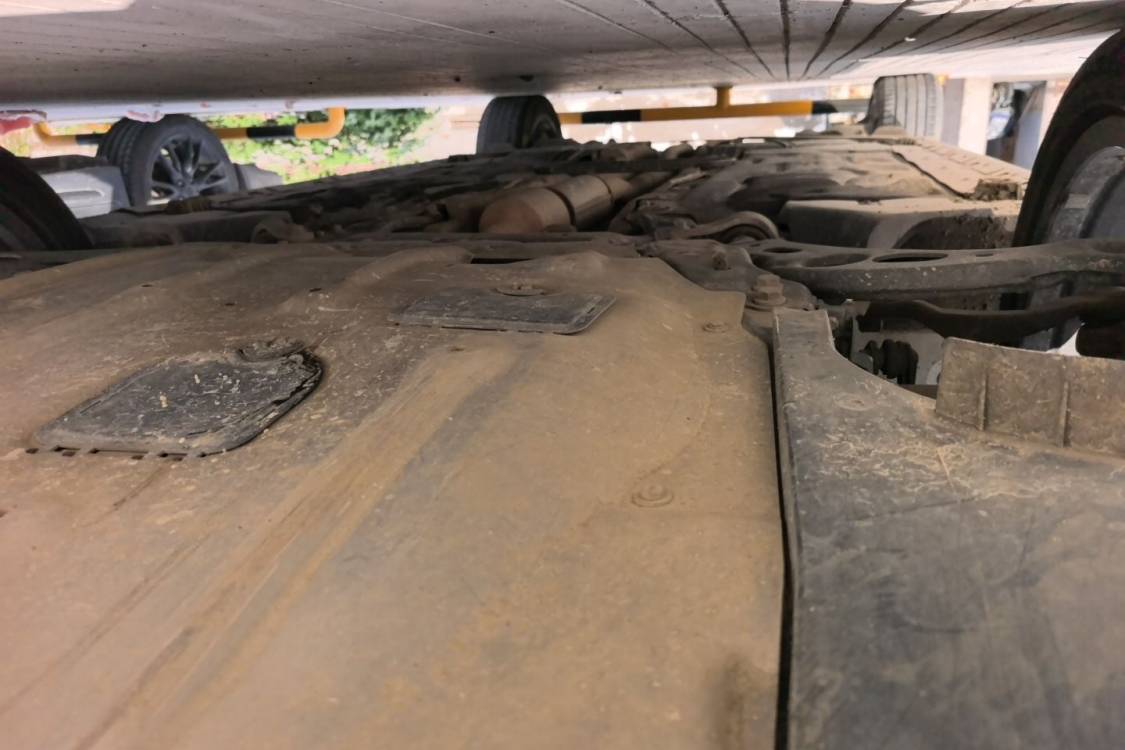
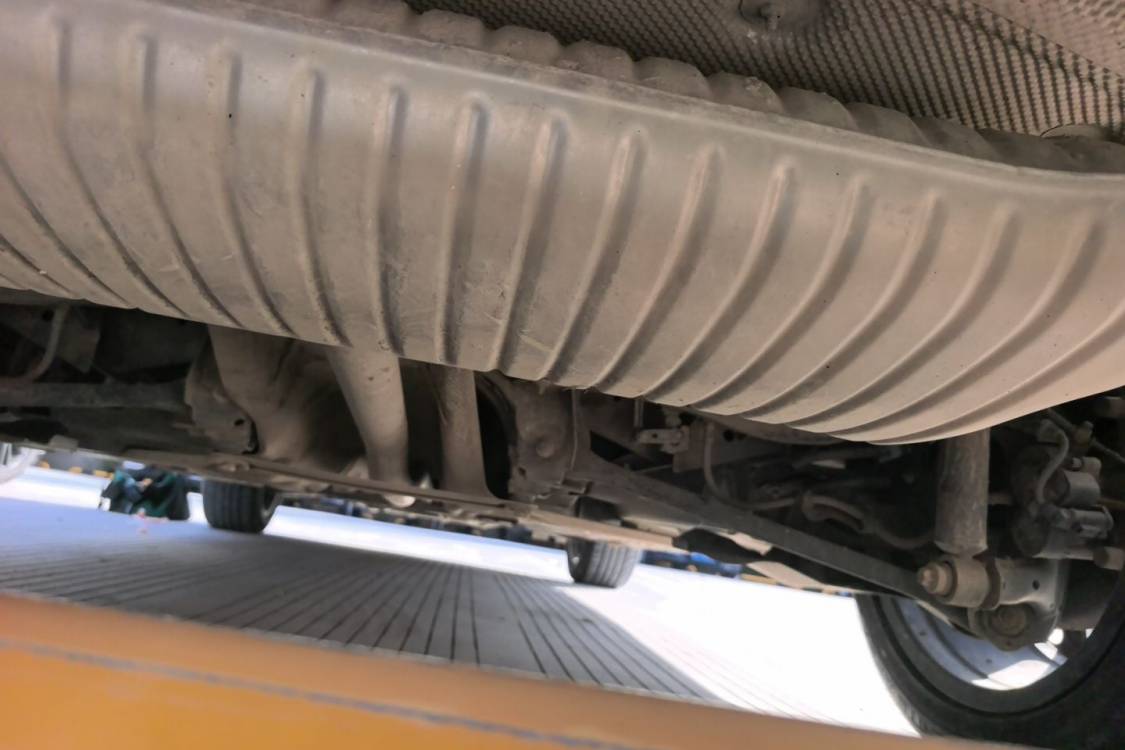
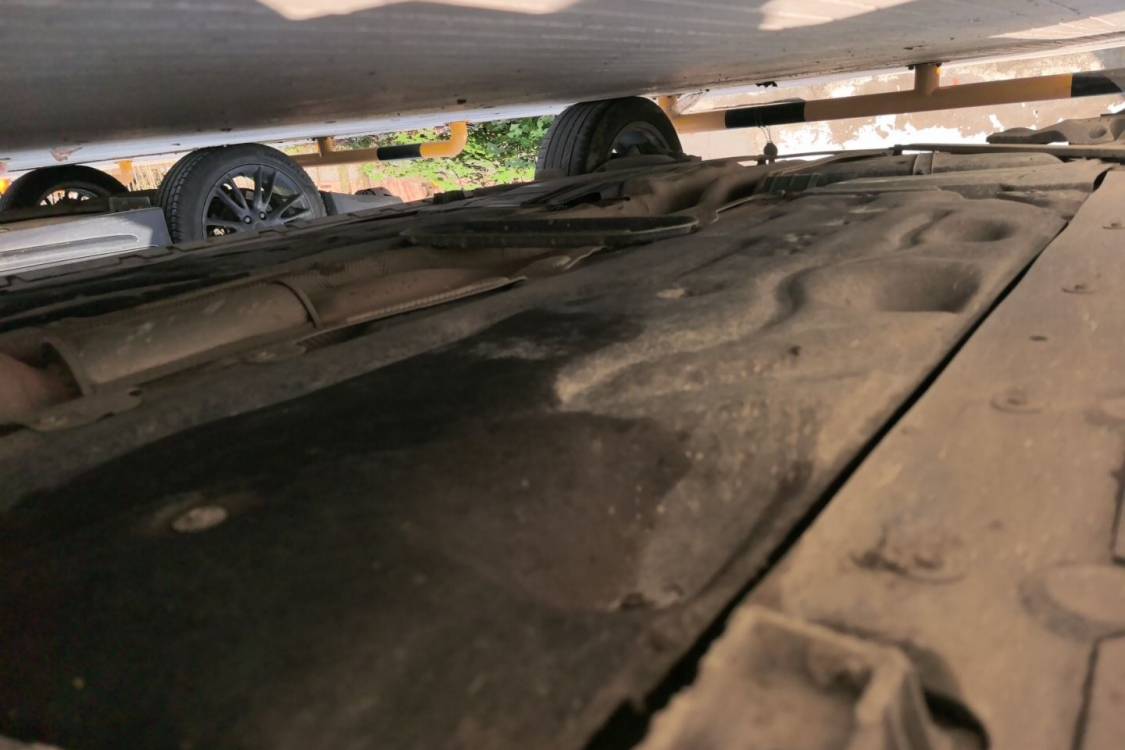
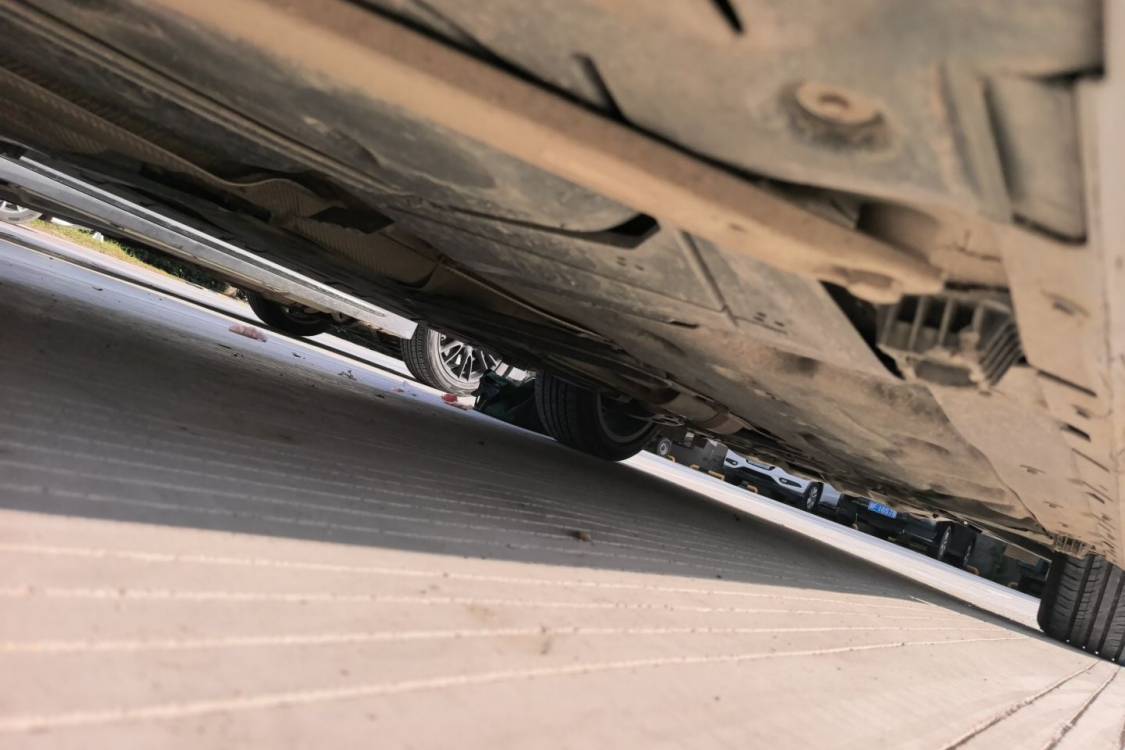
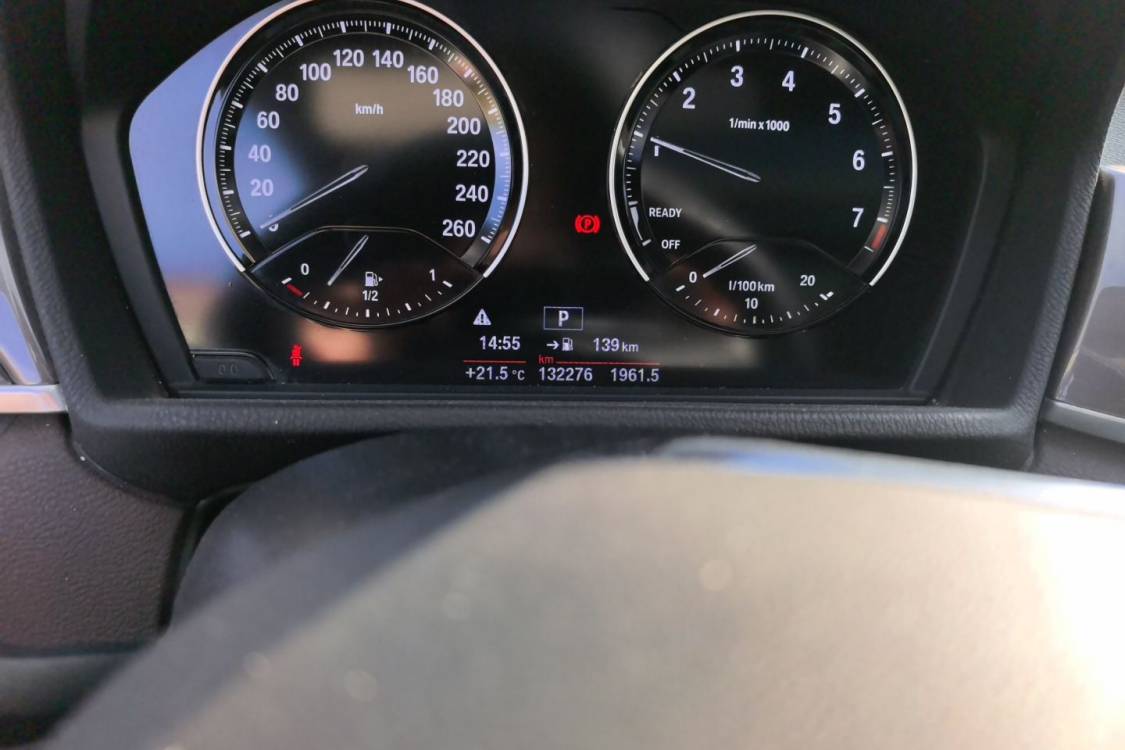
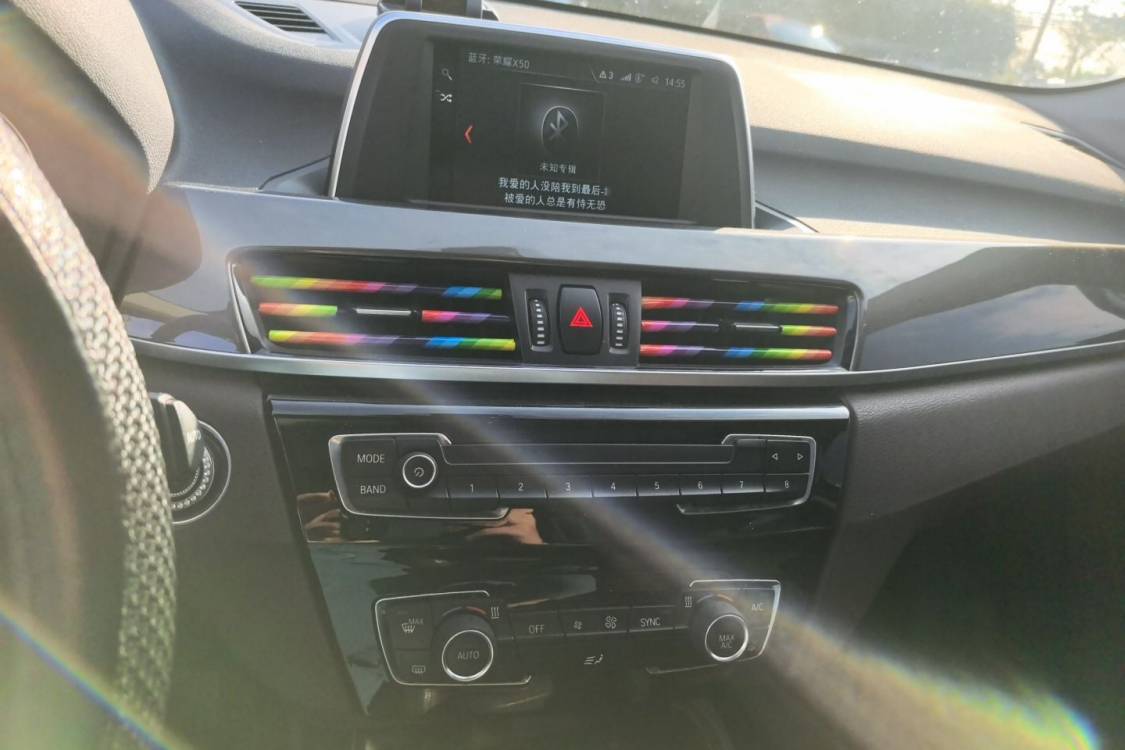
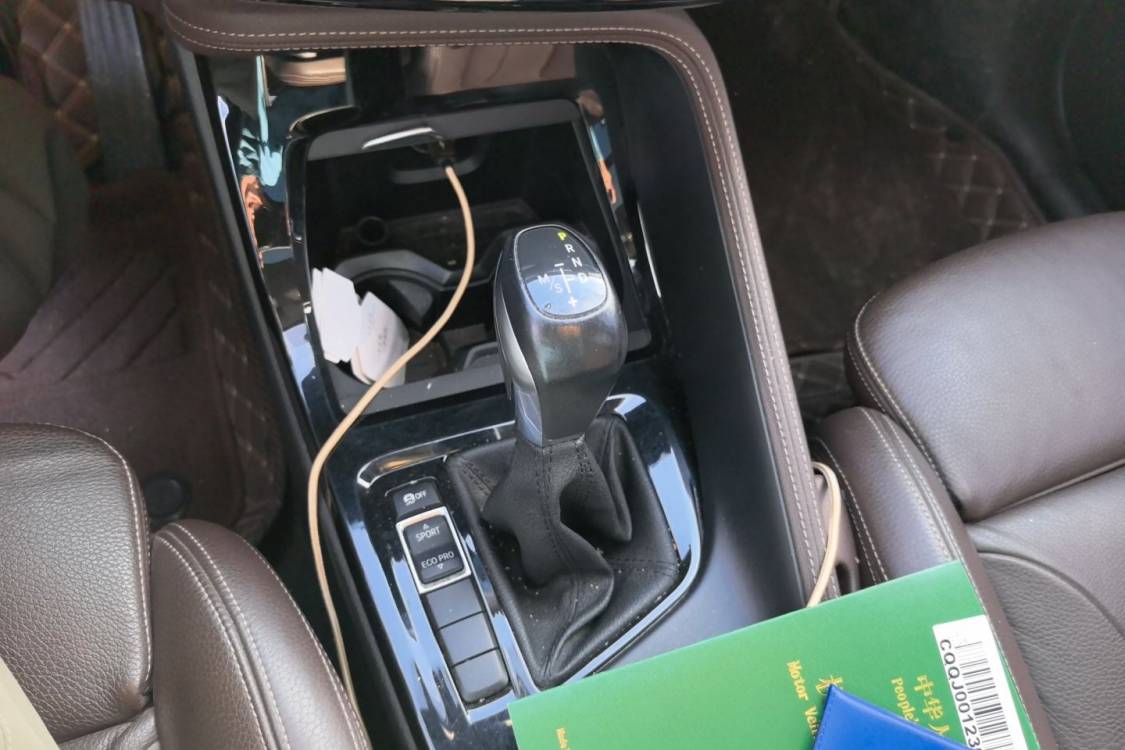
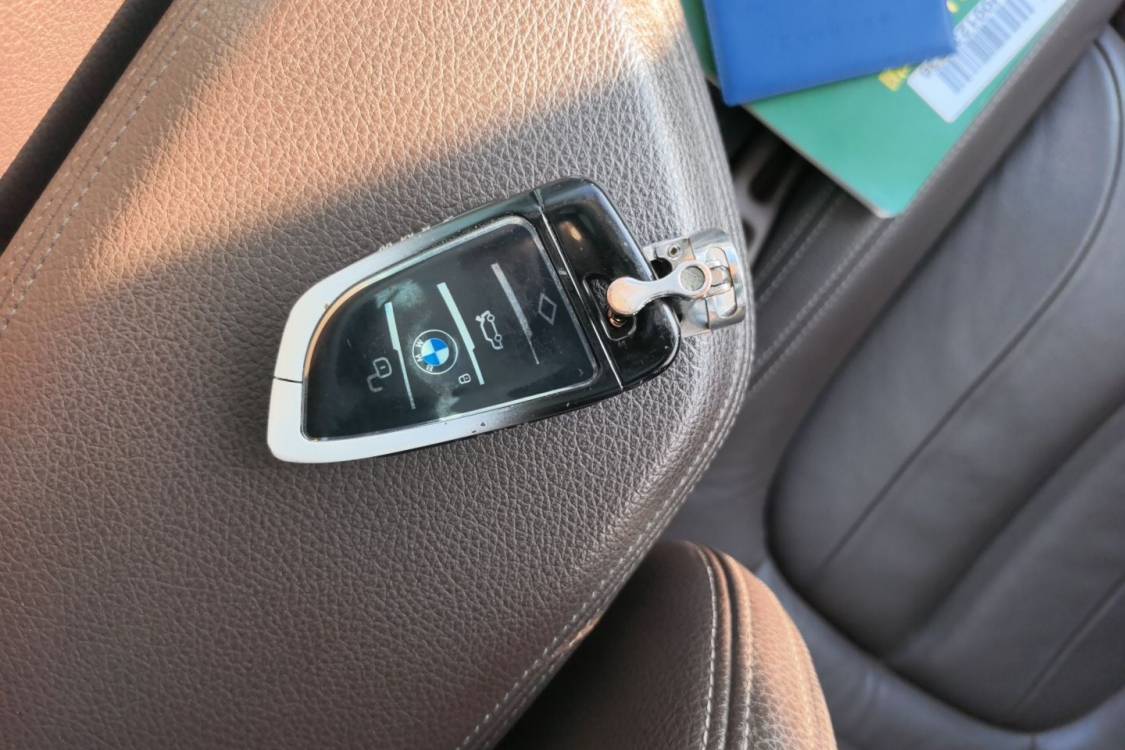



Basic Information

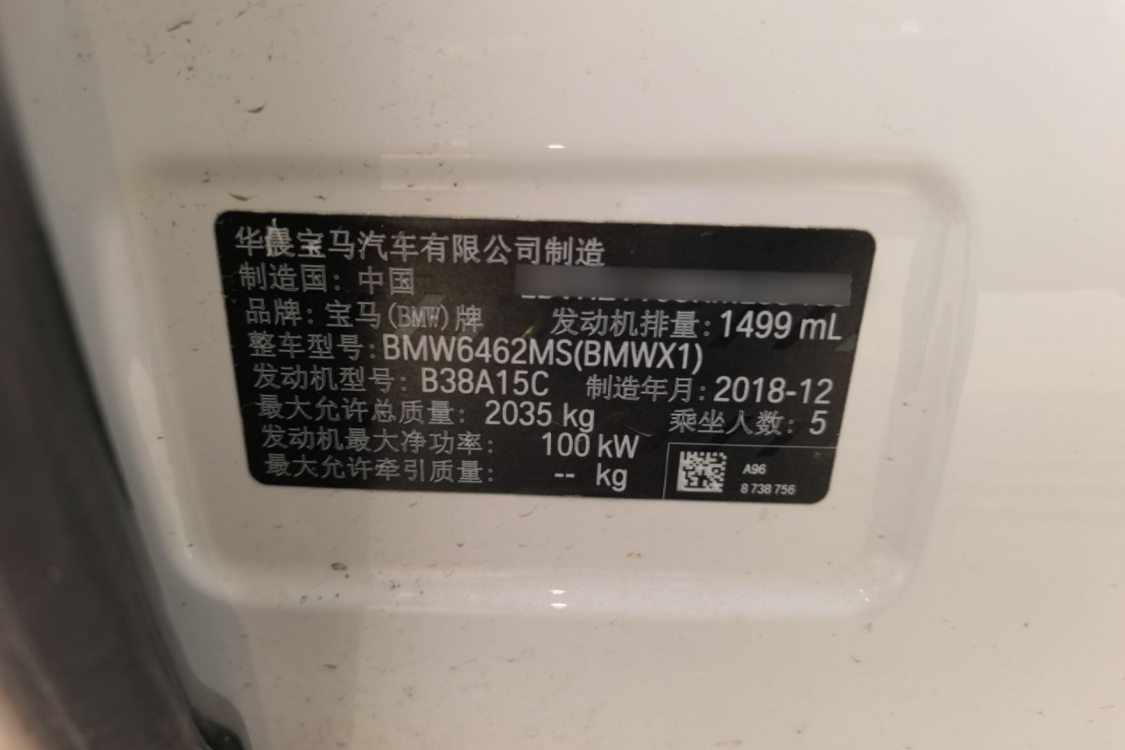
BrandBMW
SeriesX1
Year2019
First Registration2019/01
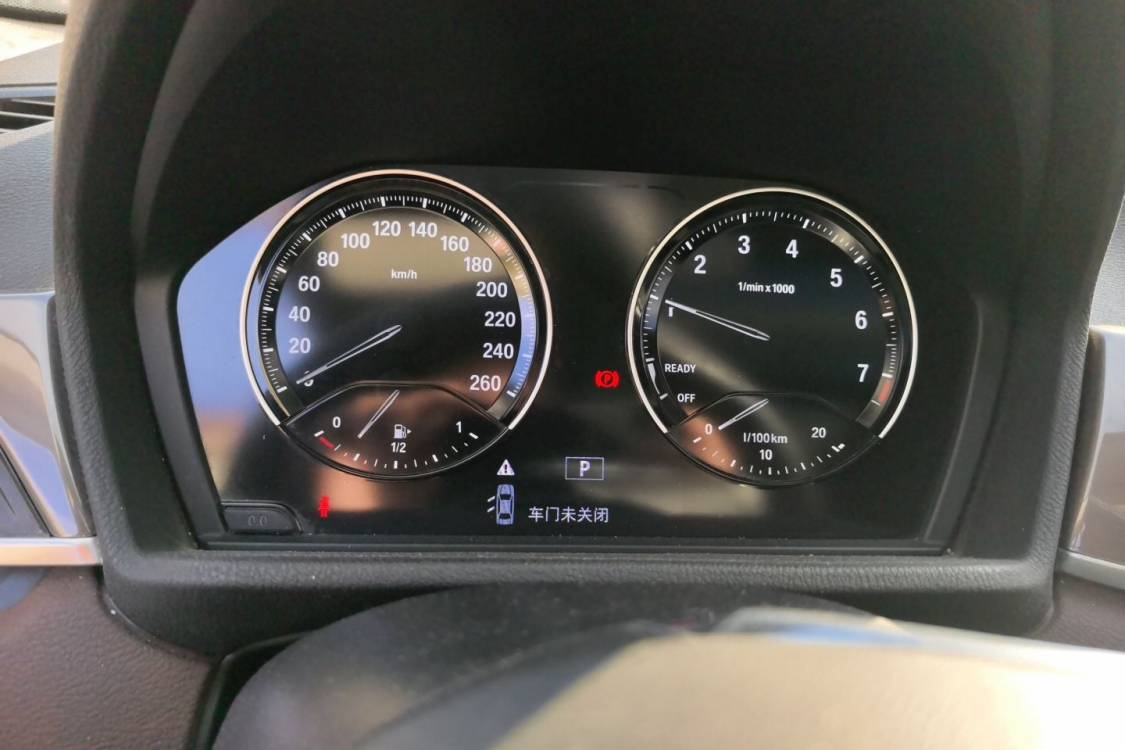
Mileage132,200km
Transfer Count1times
FuelGasoline
TransmissionManumatic
Engine1.5T 136 L3
ColorWhite
Seats-

Condition Description

Vehicle has major accident/fire/flood damage or major defects in power battery components (structural/reinforcement/panel parts), repaired or unrepaired, still affecting body structural strength or safe use, with hidden fault risks.

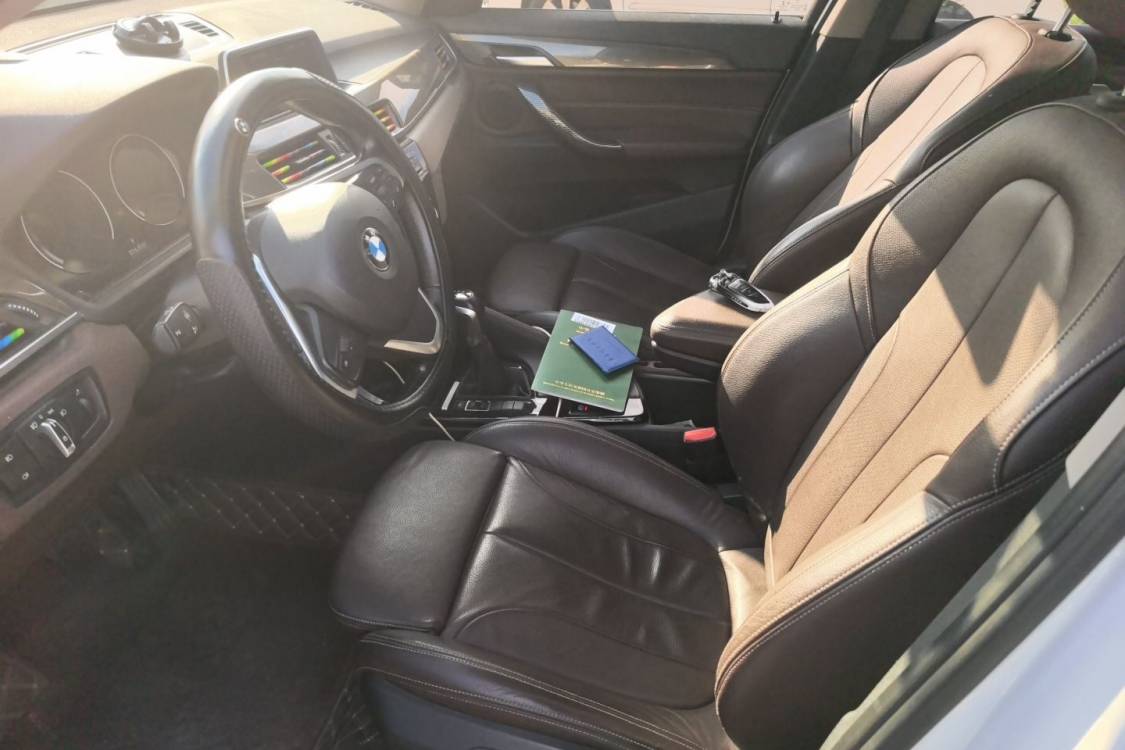
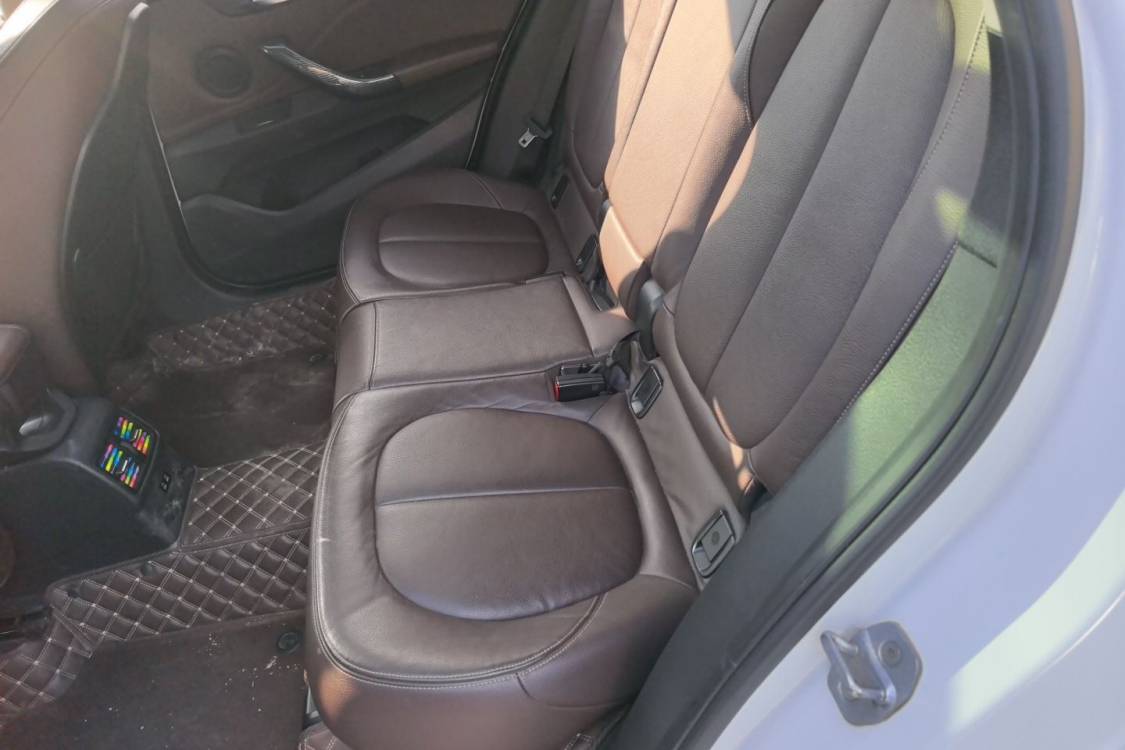
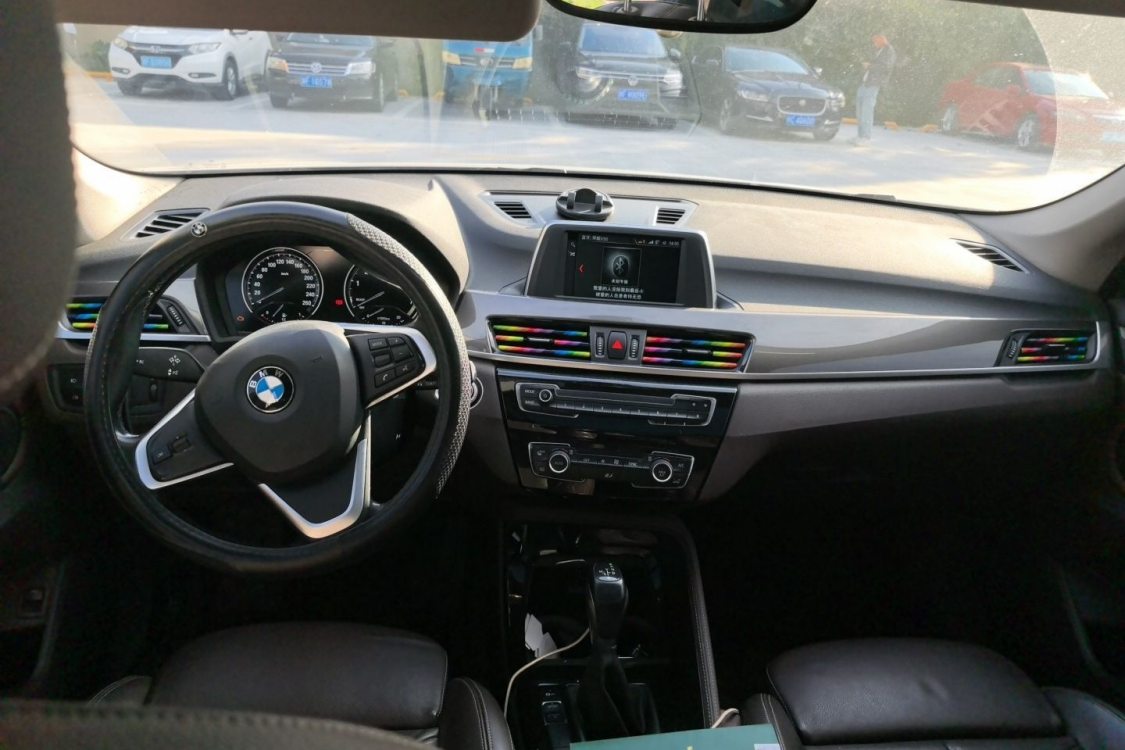
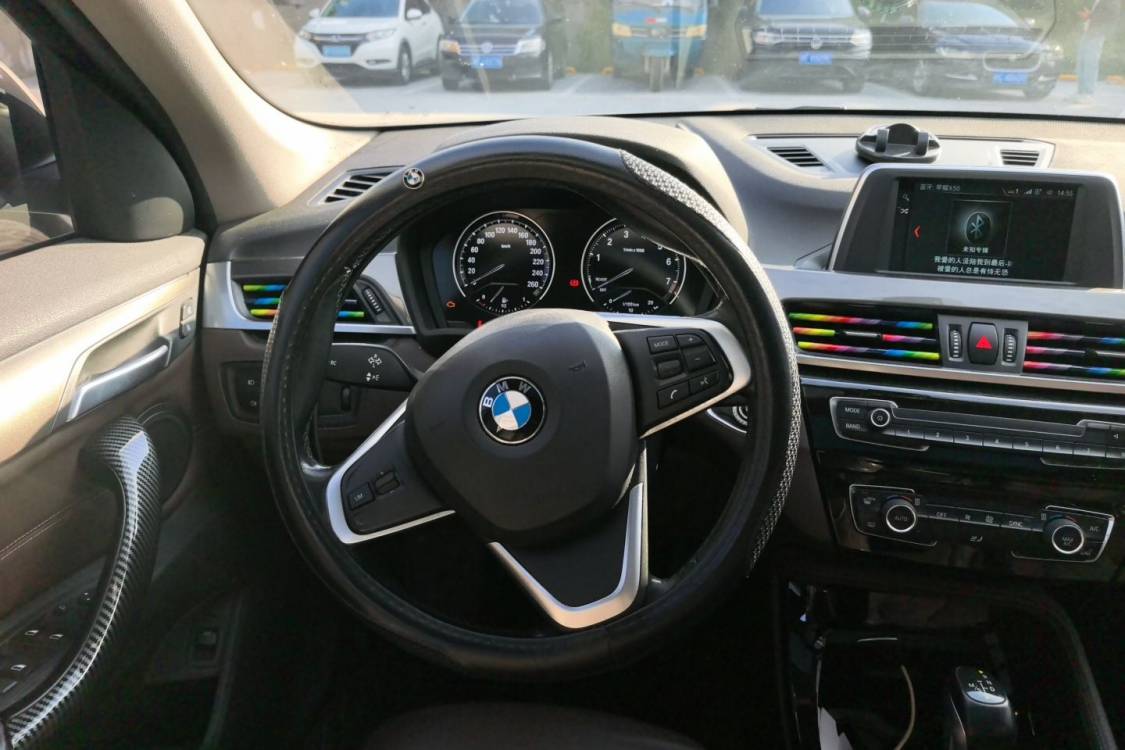
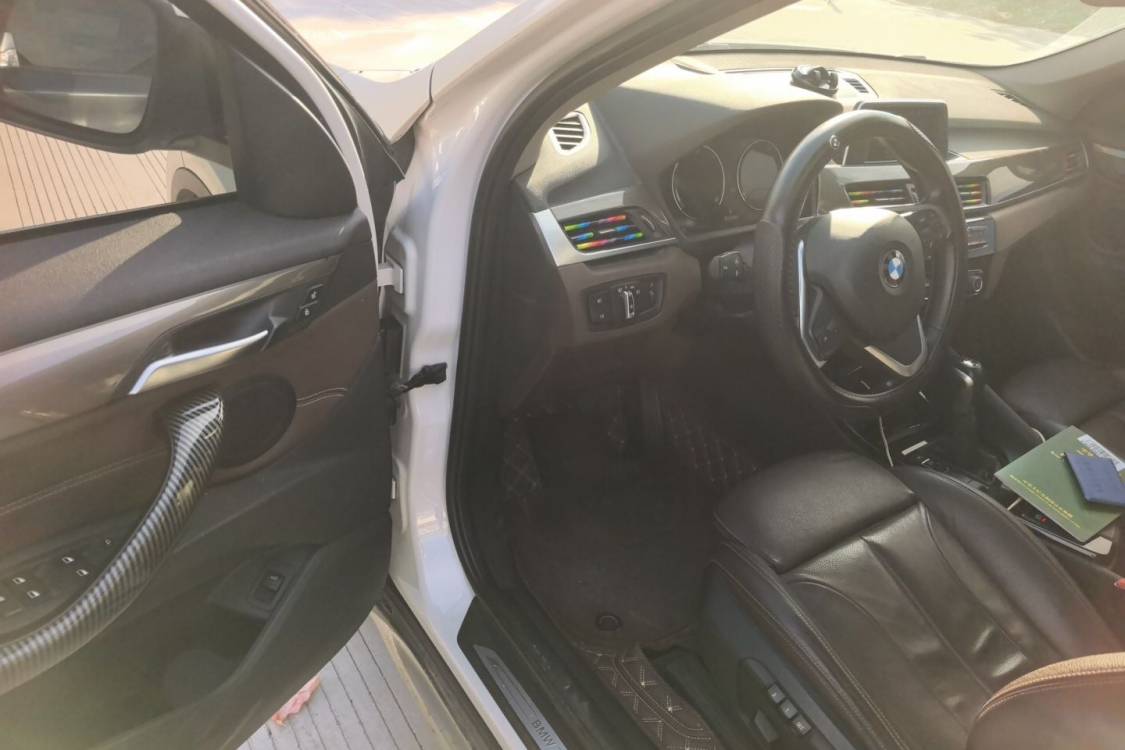
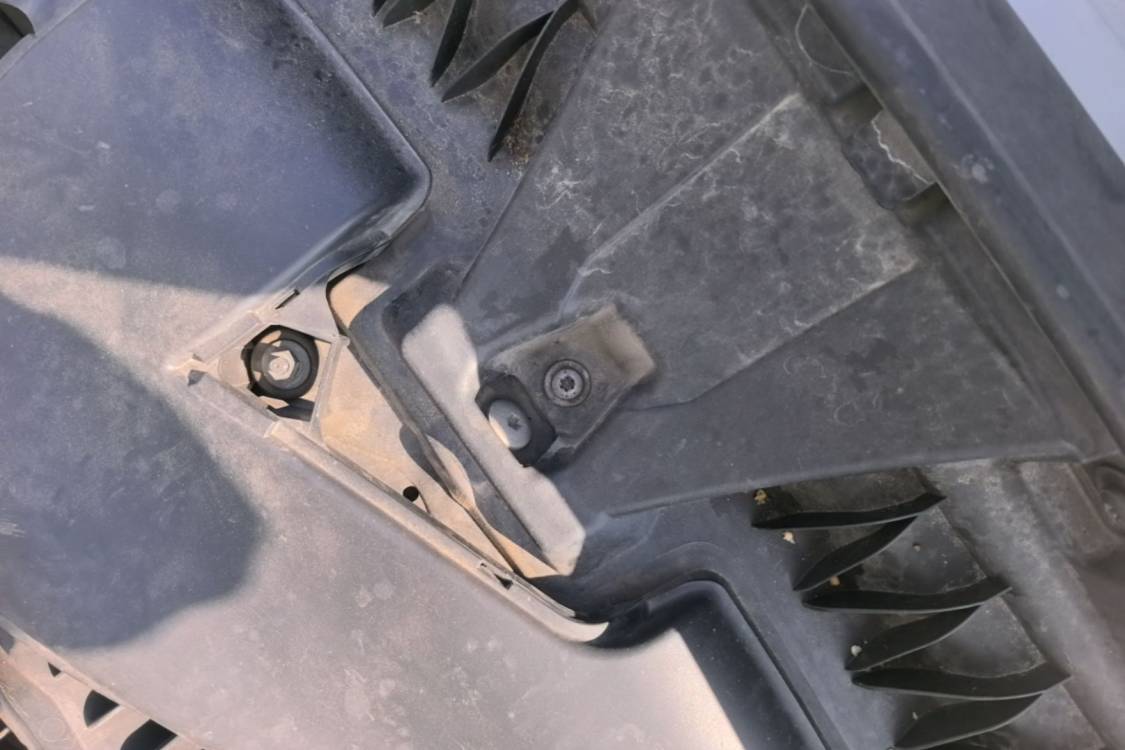
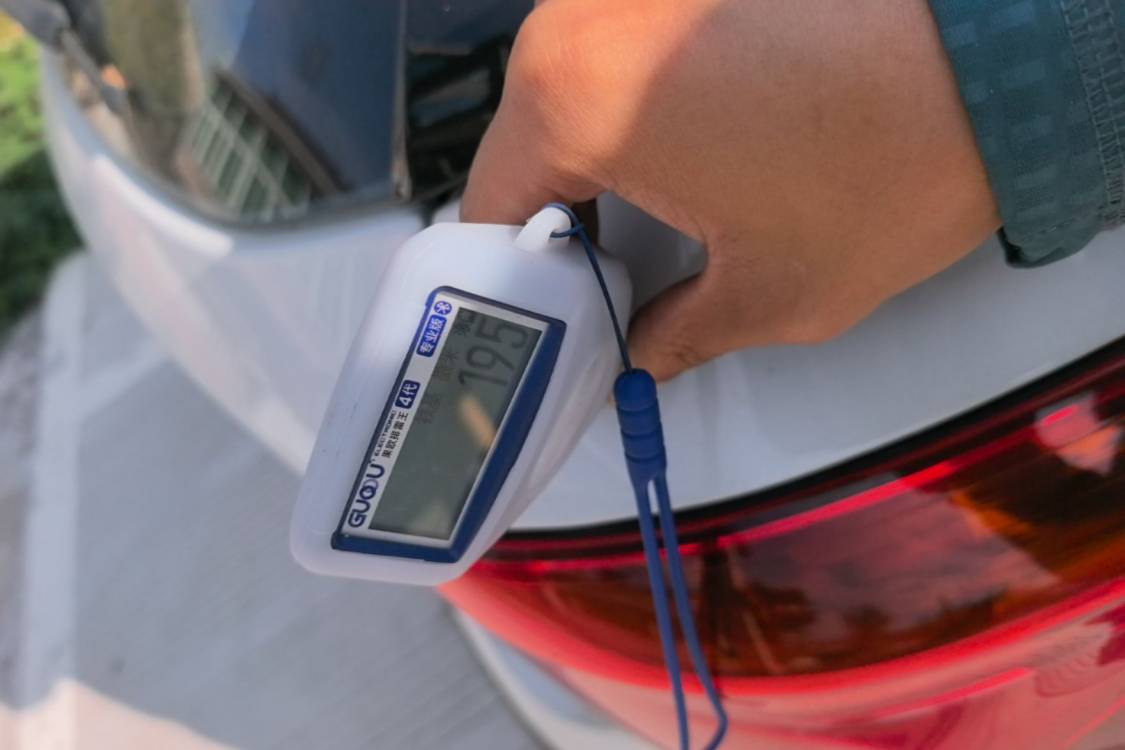
Accident inspection: main structure undamaged, reinforcement parts damaged, panel parts damaged, hinges abnormal. Engine bay inspection: key mechanical components normal. Exterior: 2 parts replaced, 3 parts repaired with sheet metal, 3 parts repainted. Interior: most functions normal, airbags normal, seatbelts normal, dashboard normal, instrument readings normal, lighting system normal. Startup inspection: main components normal. Tool kit: none.

独家上新
电话直连
可讲价
平台物流
可转售
3个工作日内过户
新检测标准升级>
非泡水

Document Information

Inspection Expiry Date2027/01
Warranty Expiry Date-
Insurance Expiry Date2027/01

Q&A

More

What should a professional pre-shipment inspection of a used car from China include?

A proper pre-shipment inspection is more than photos — it is a documented technical examination covering four areas. 1. Structure: paint thickness readings across the body, weld inspection of pillars and chassis rails, rust assessment underneath. 2. Mechanical: engine compression or at least a cold-start video, transmission shifts through all gears, suspension noise test on uneven roads, brake pad and disc thickness measurements. 3. Electronics: full OBD diagnostic scan with printed fault codes, all lights, windows, AC, infotainment, and driver-assistance functions tested. 4. Documentation: VIN and engine number physically matched to the registration certificate, photos of the certificate itself. Insist on a written report with photos, measured values, and a clear pass/fail conclusion per section. Make final payment conditional on this report, not on the seller's word or showroom-condition photos.


What is the difference between maintenance records from 4S dealerships and those from third-party repair shops? Which is more reliable?

4S dealership records are directly connected to the manufacturer's database, making the data hard to tamper with and the most reliable, with original parts guaranteed; third-party repair shops usually are not connected, making their data unverifiable. Therefore, we only consider the connected records from 4S dealerships as valid historical documentation.

How can I detect signs that a used Chinese car was used for heavy towing, ride-hailing, or overloaded work when buying remotely?

Heavy-use vehicles often look clean in photos but show specific wear patterns. Here's what to check: 1. Rear sag and suspension: ask for a side-profile photo of the car on level ground. If the rear sits noticeably lower than the front, the rear springs or shocks may be worn from constant heavy loads. Compare with factory ride height specs. 2. Pedal and seat wear: accelerator and brake pedals with polished metal patches, and a driver's seat bolster that is flattened or cracked, indicate high mileage or intensive commercial use — even if the odometer says otherwise. 3. Hitch and tow bar marks: check the rear bumper area in close-up photos for scratches, bolt holes, or a removed tow bar mount. Ask the seller directly whether the car ever towed. 4. Underbody and frame: request underbody photos. Look for bent or scraped crossmembers, fresh undercoating hiding damage, or uneven tire wear across the rear axle. 5. Data check: many ride-hailing cars in China have records in maintenance databases — a professional inspection agency can flag cars with commercial fleet history. If the seller refuses underbody or close-up photos, treat it as a warning sign and consider another vehicle.