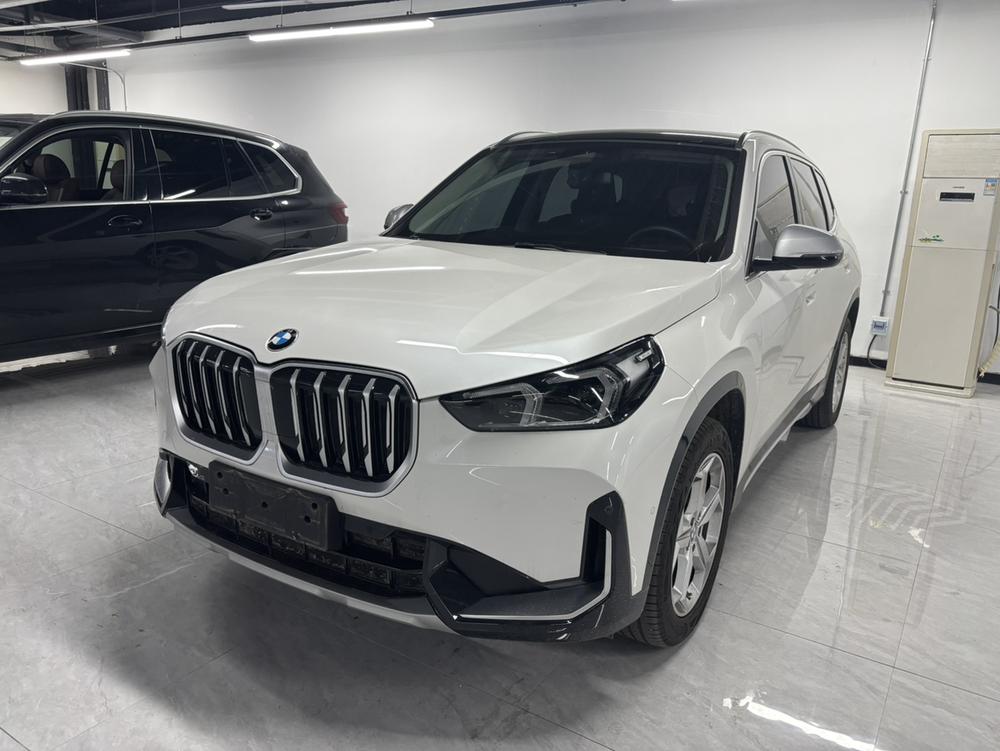

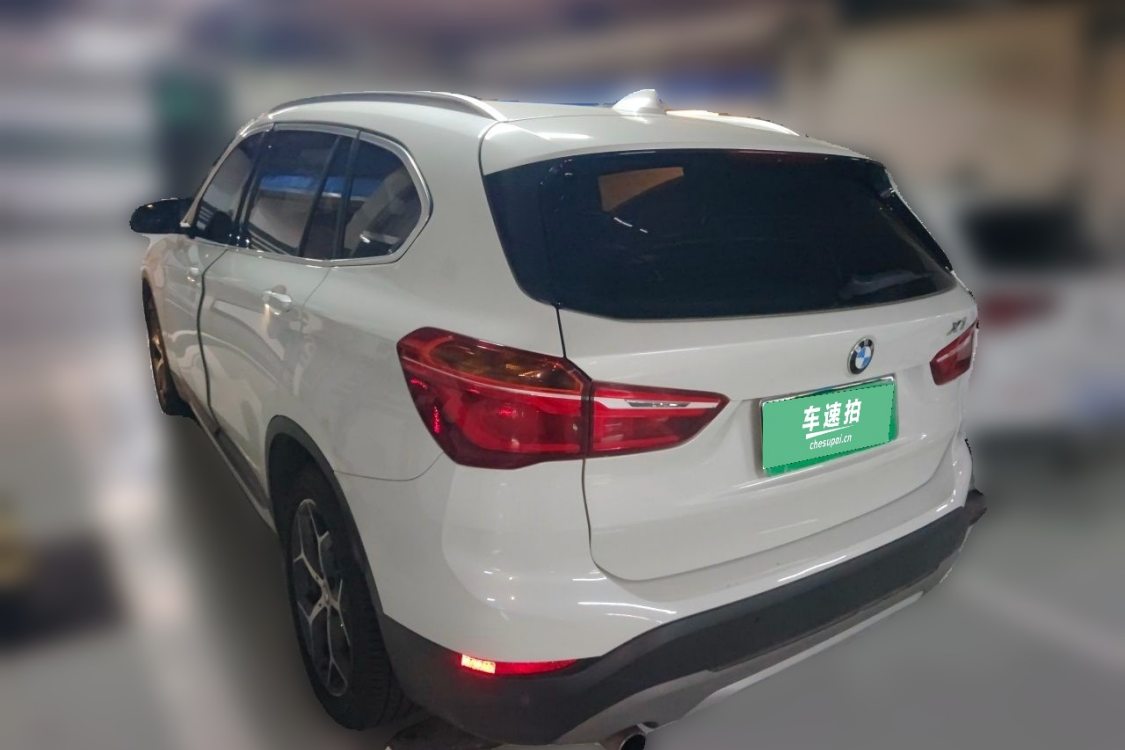
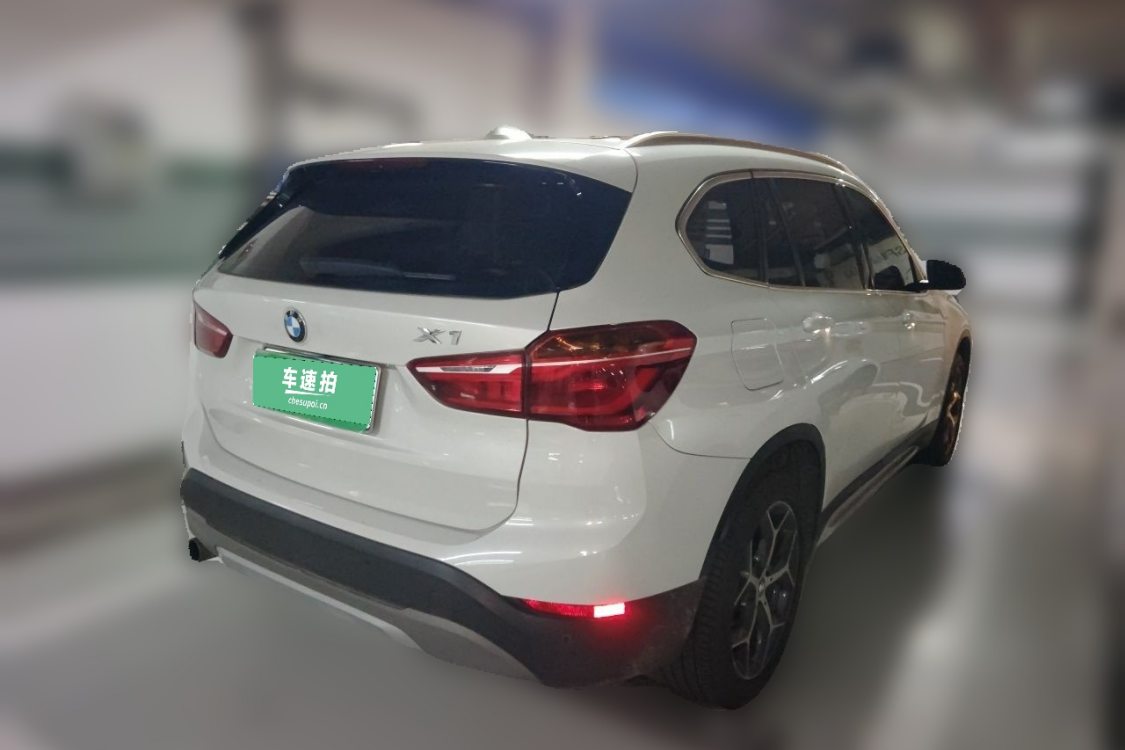
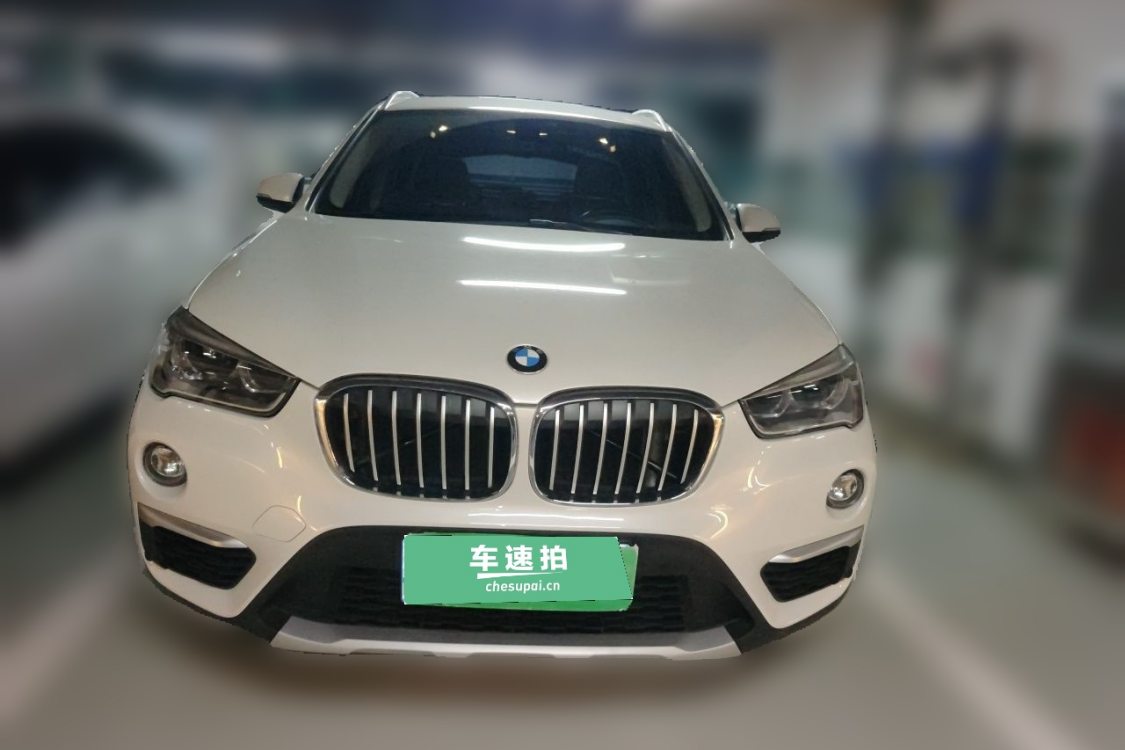
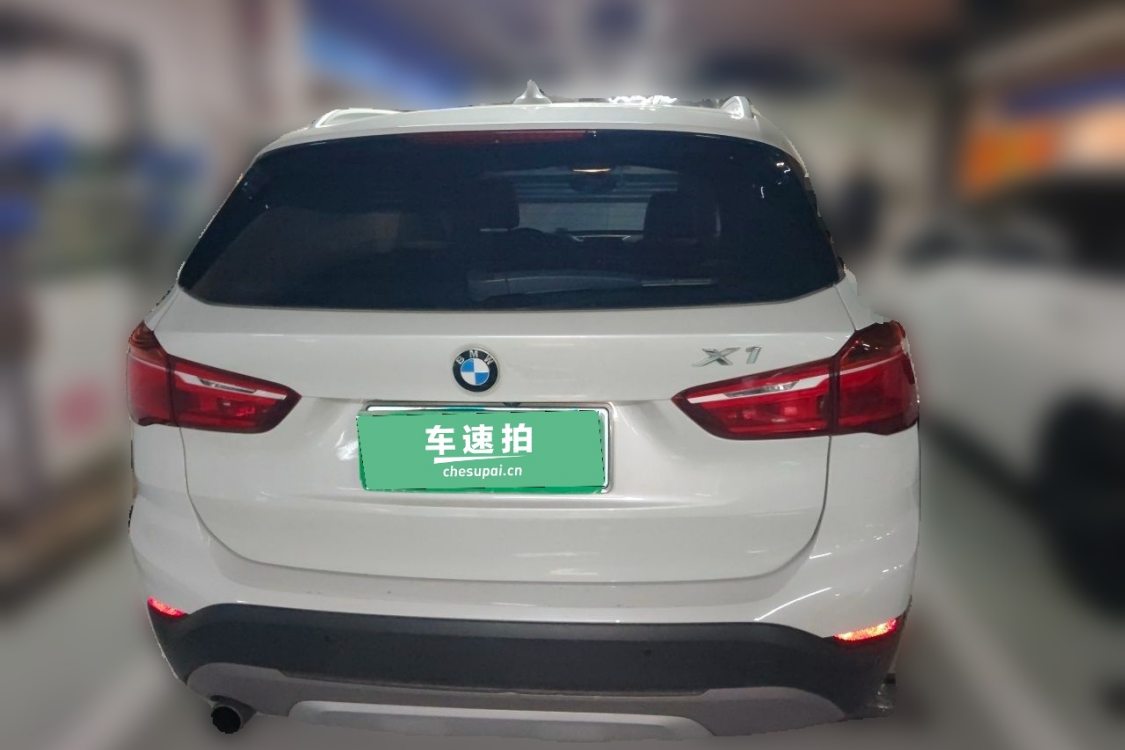
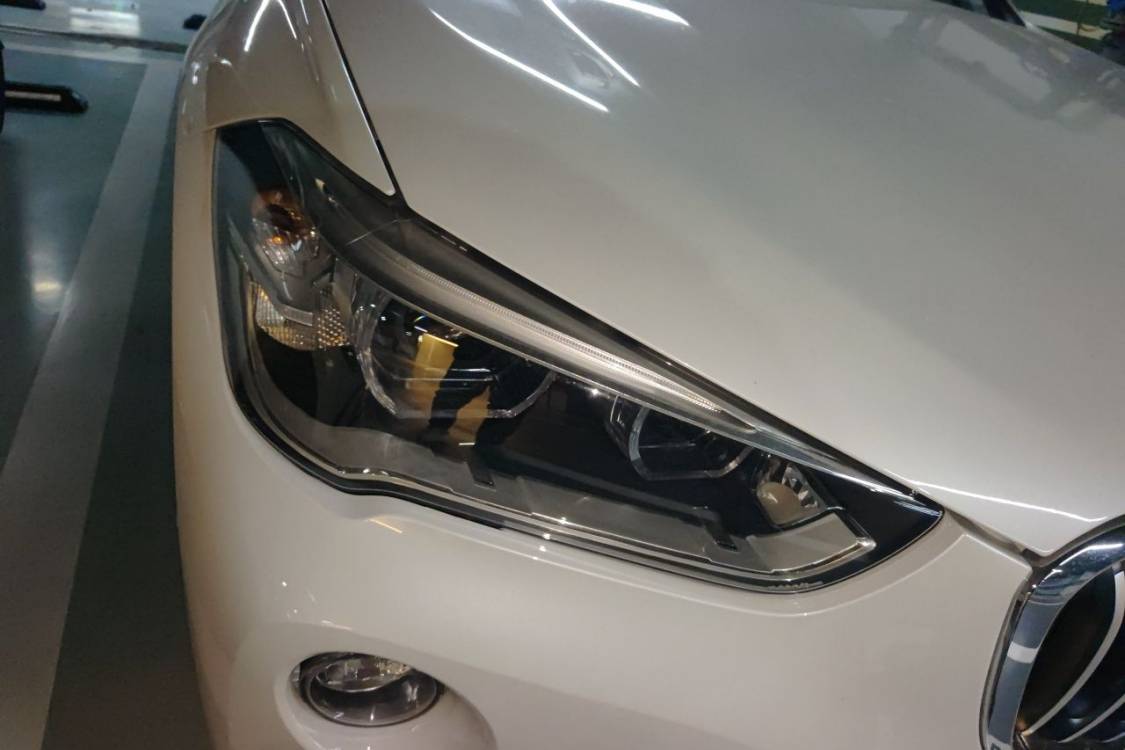
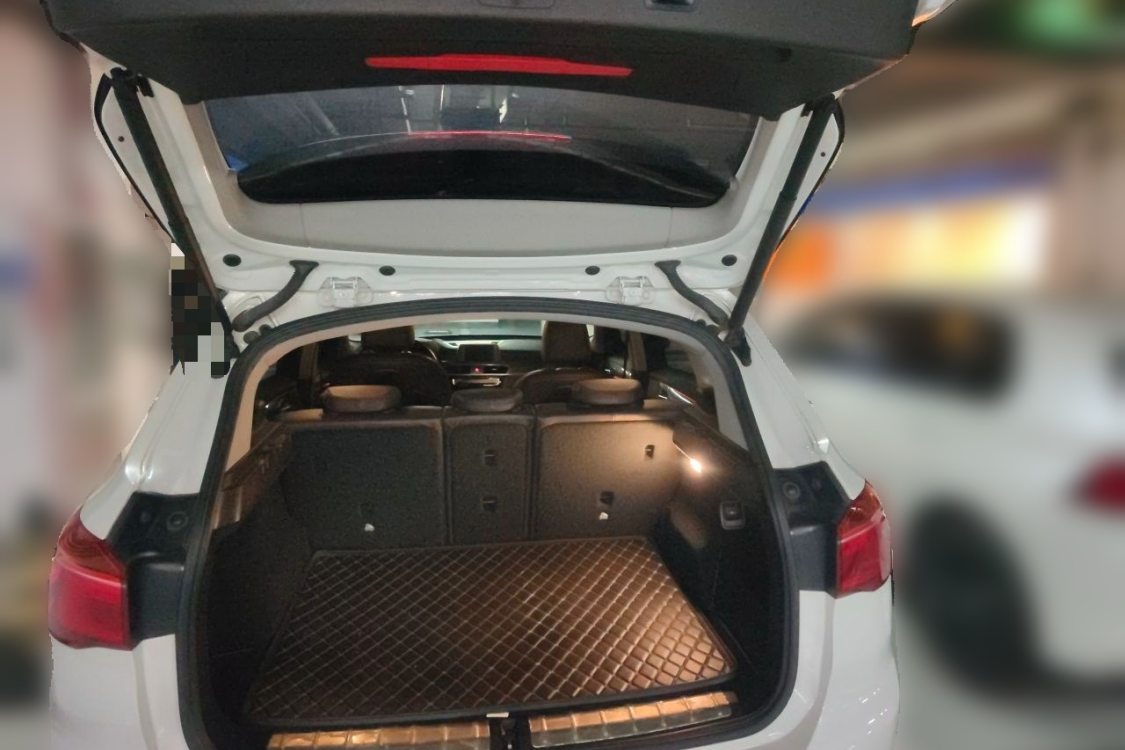
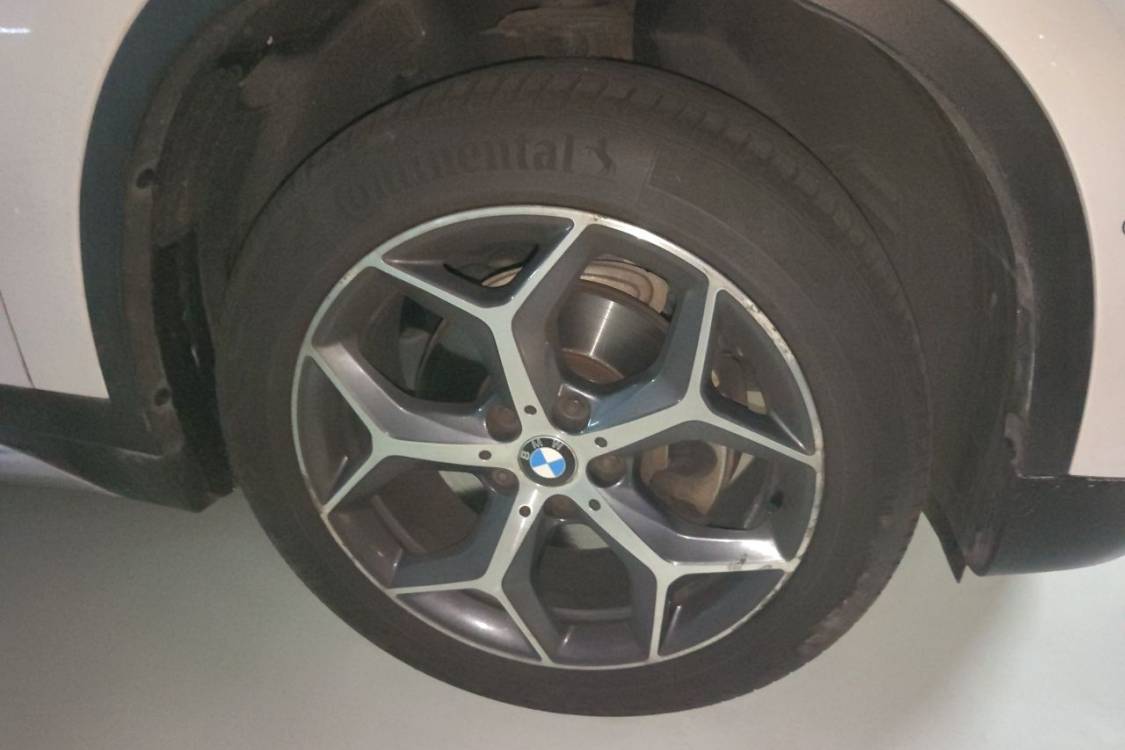
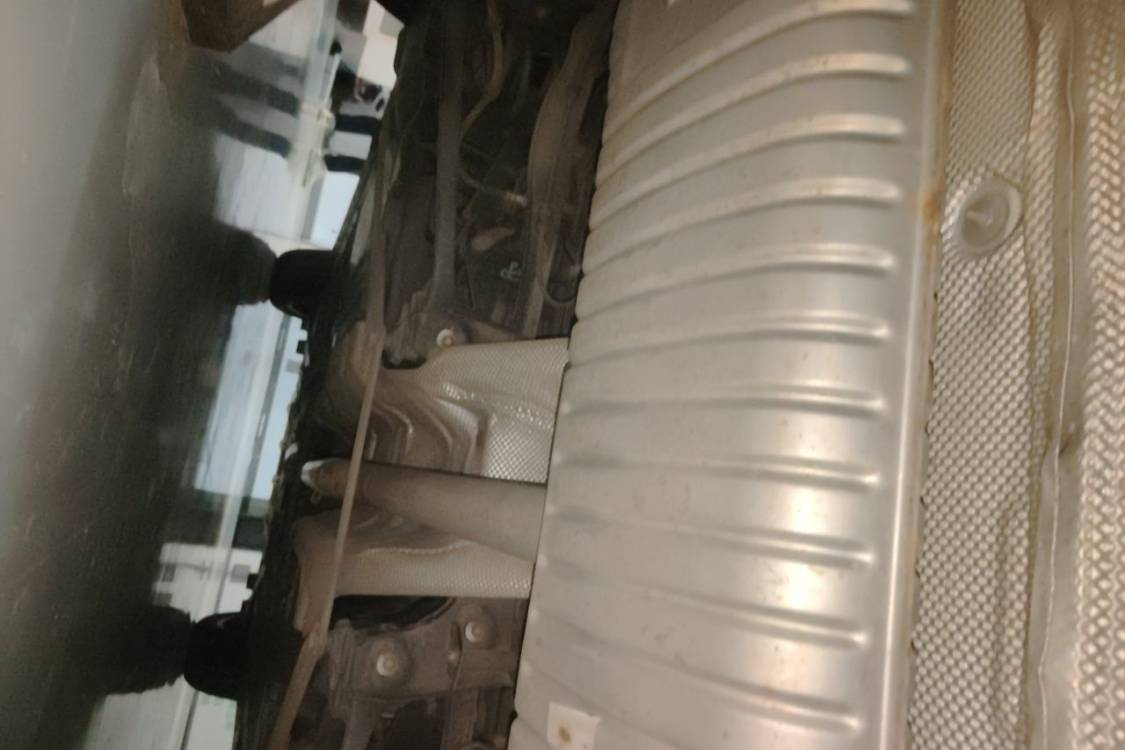
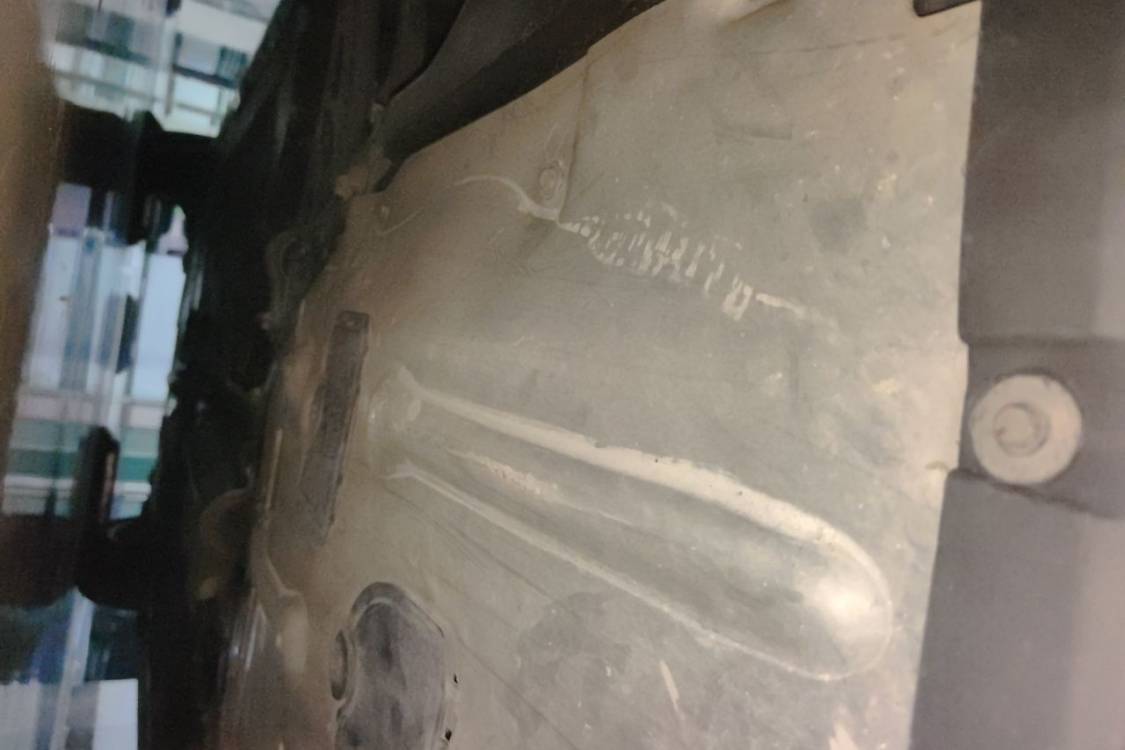
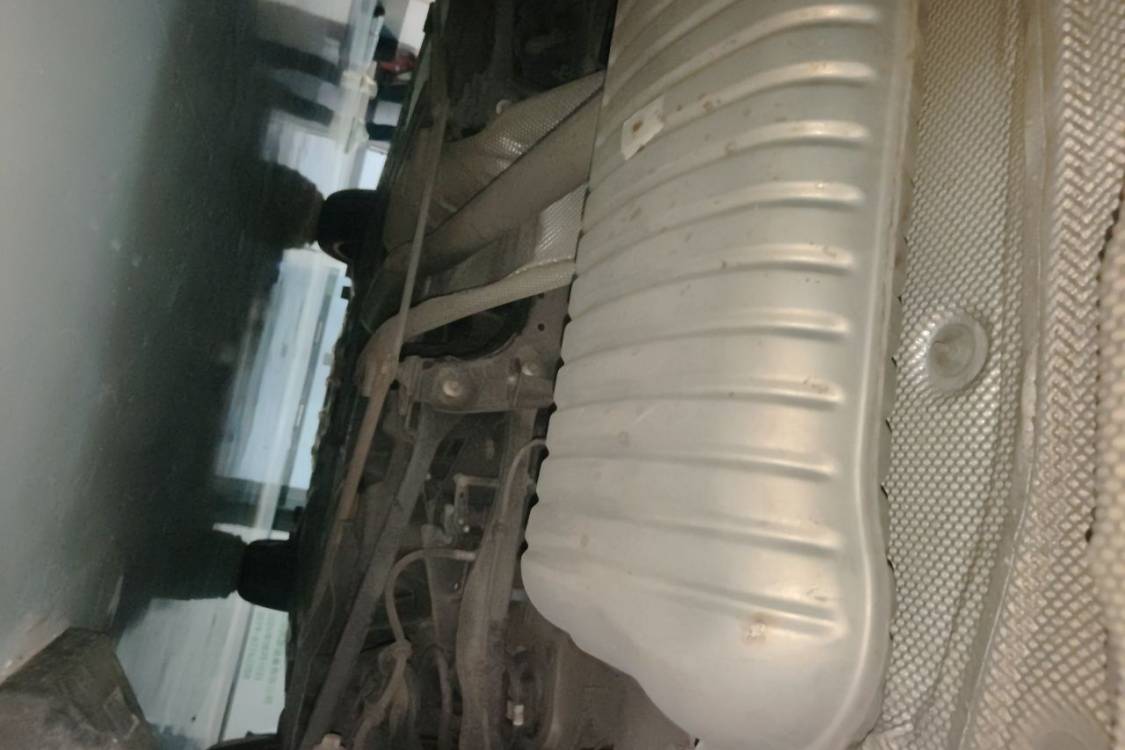
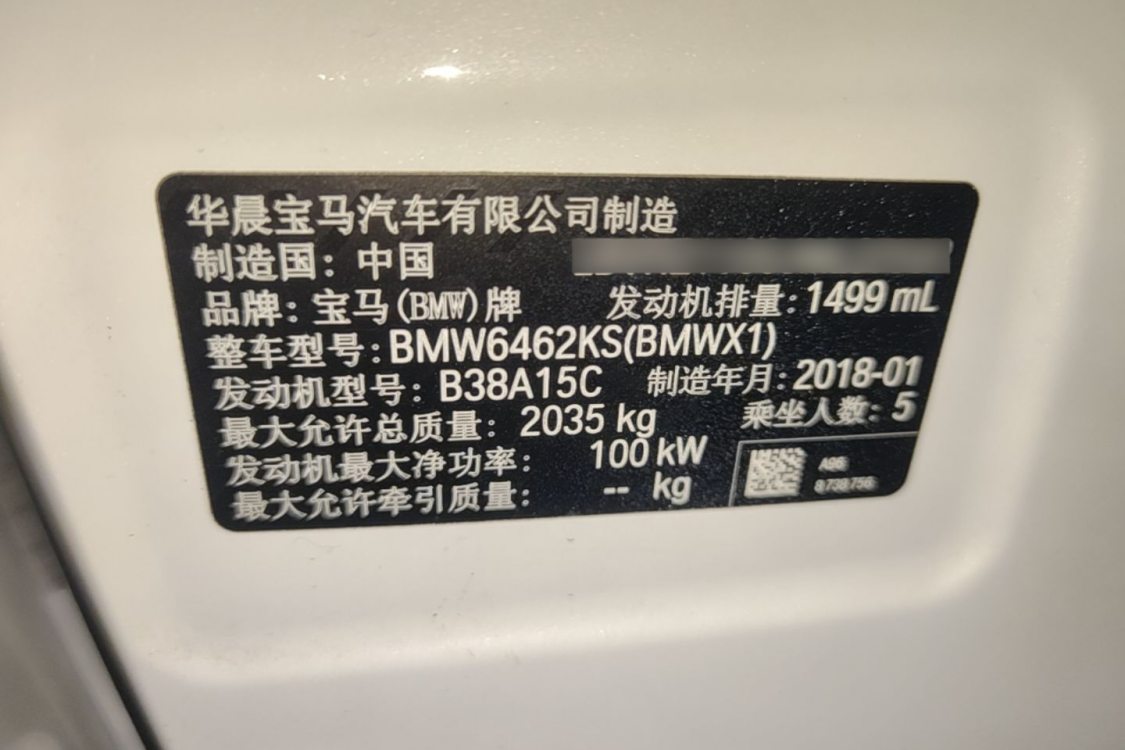
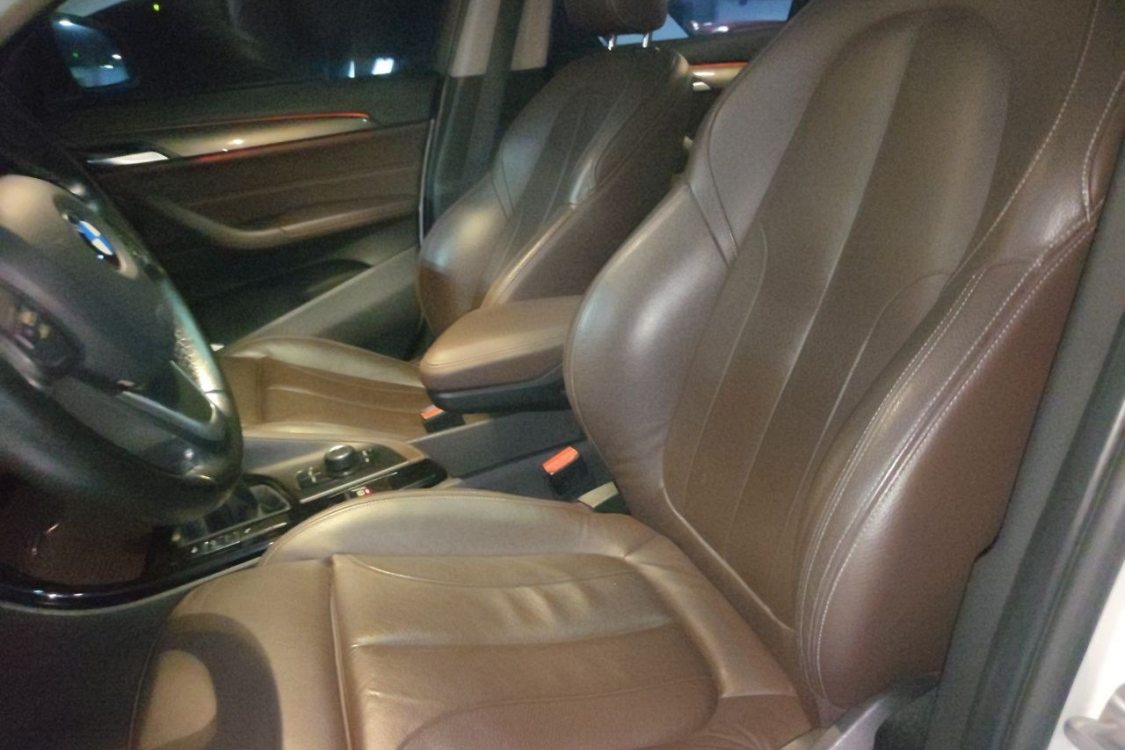
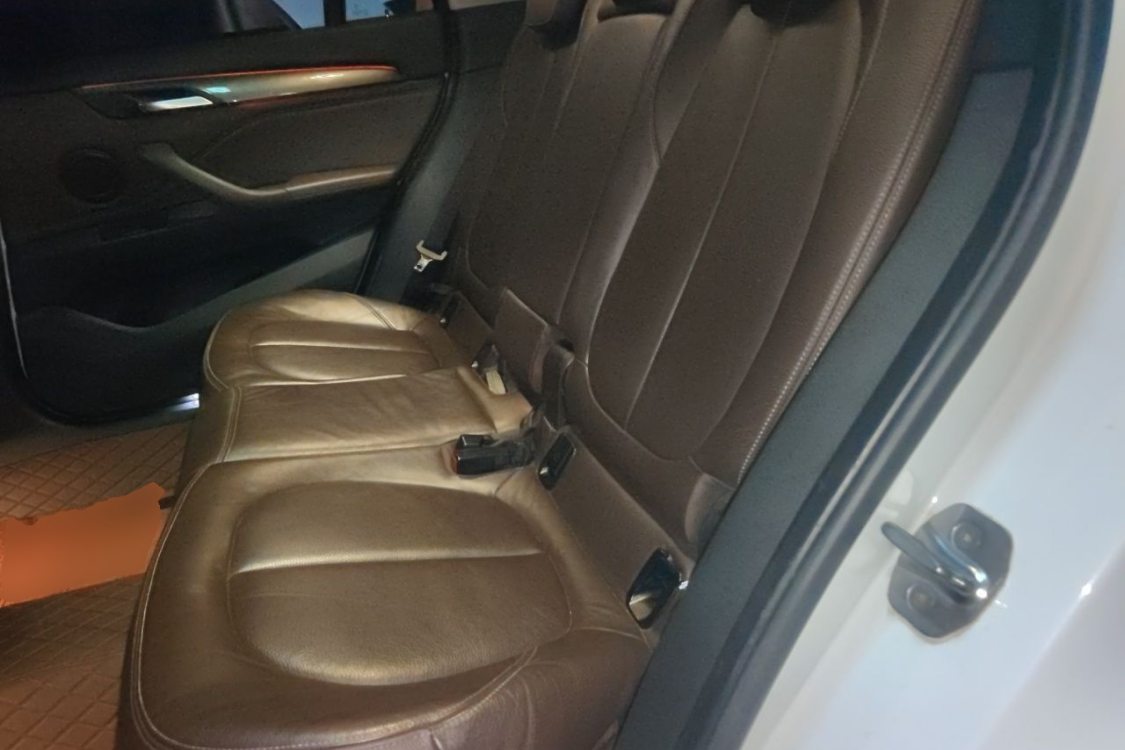
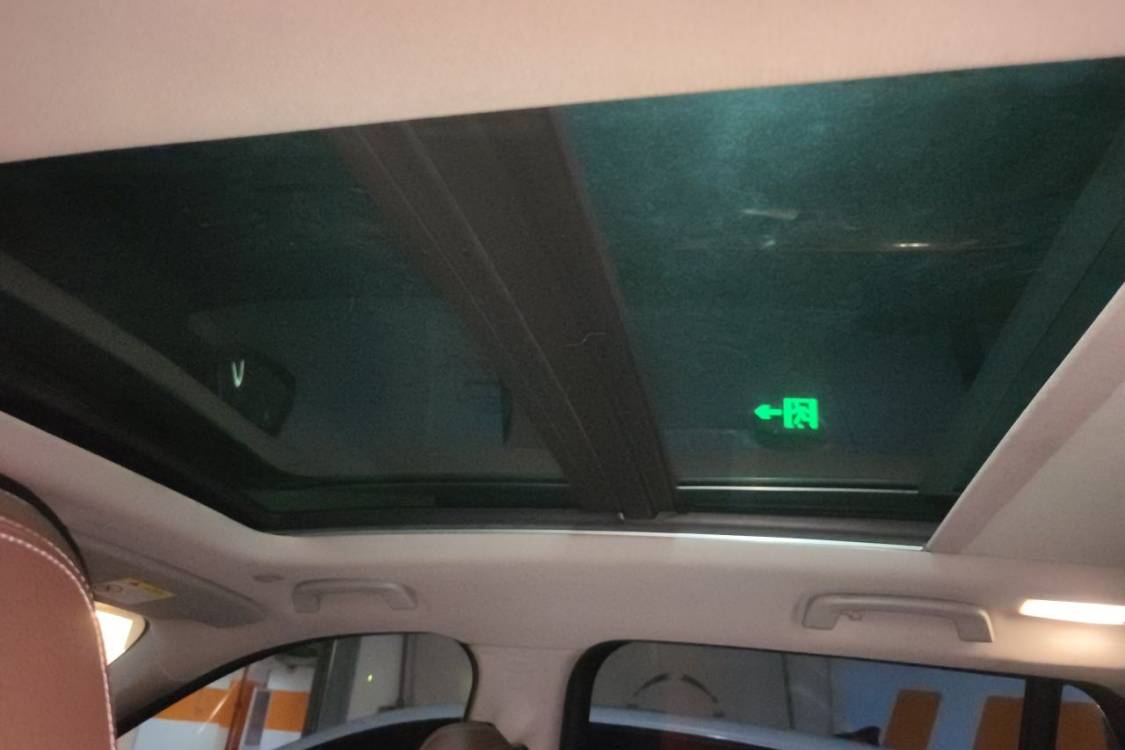
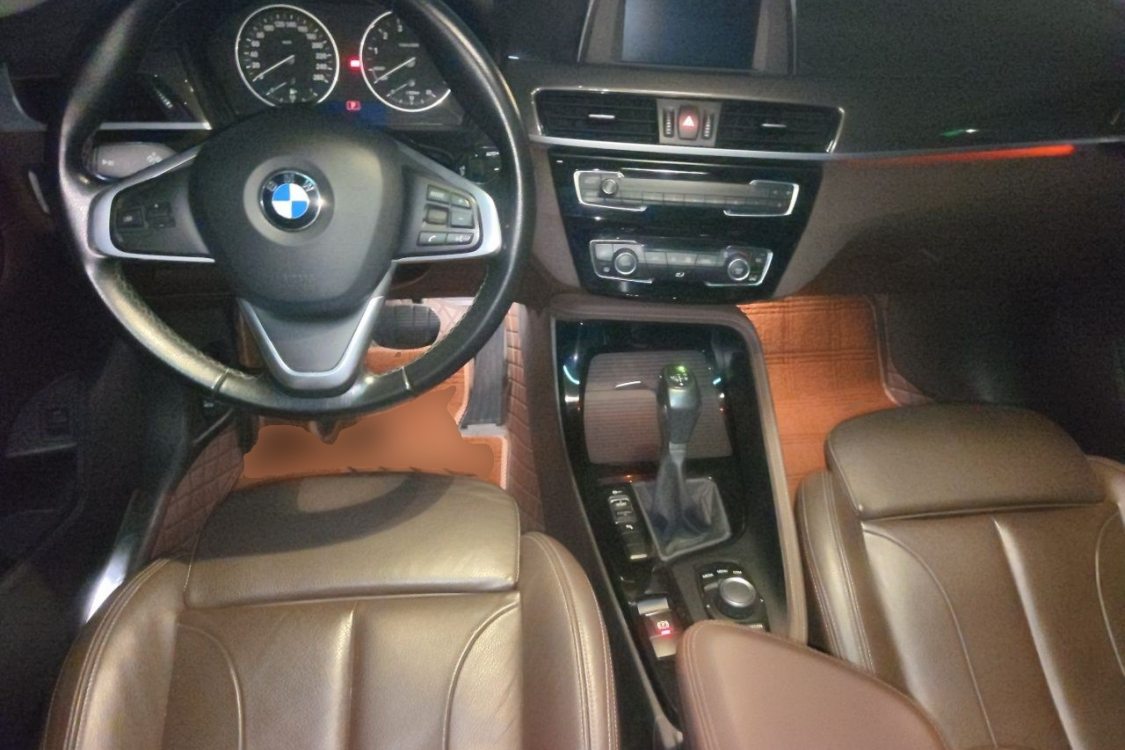



Basic Information

BrandBMW
SeriesX1
Year2018
First Registration2018/02
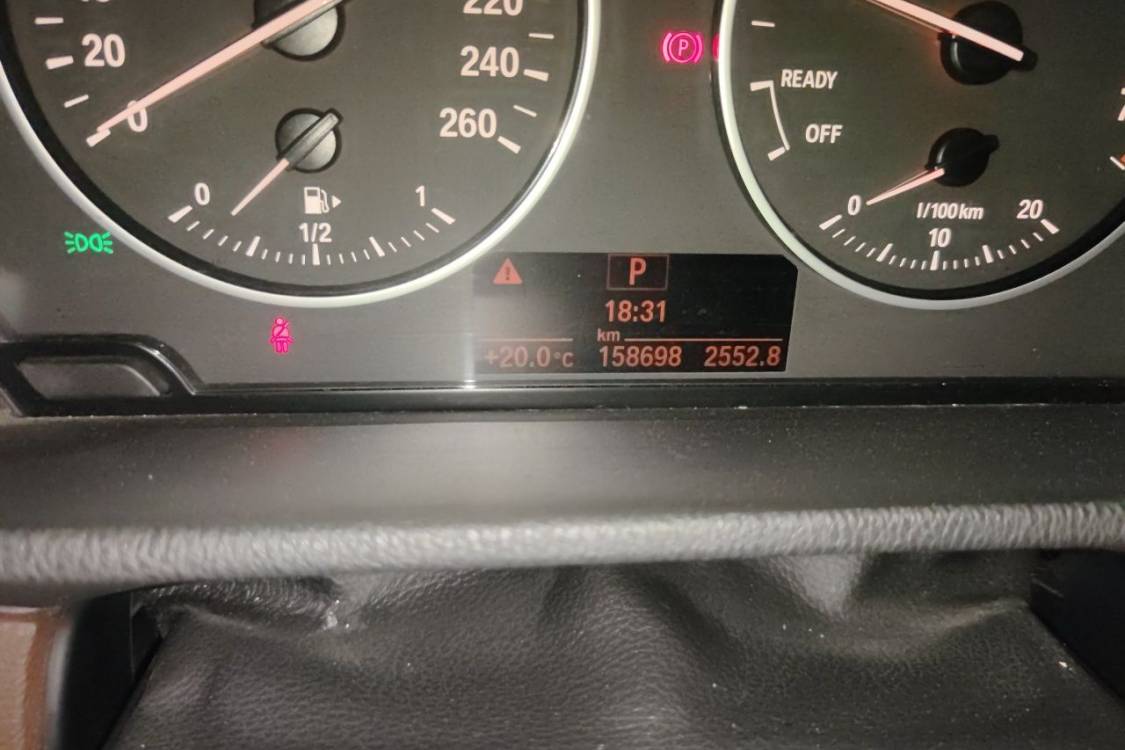
Mileage158,600km
Transfer Count-
FuelGasoline
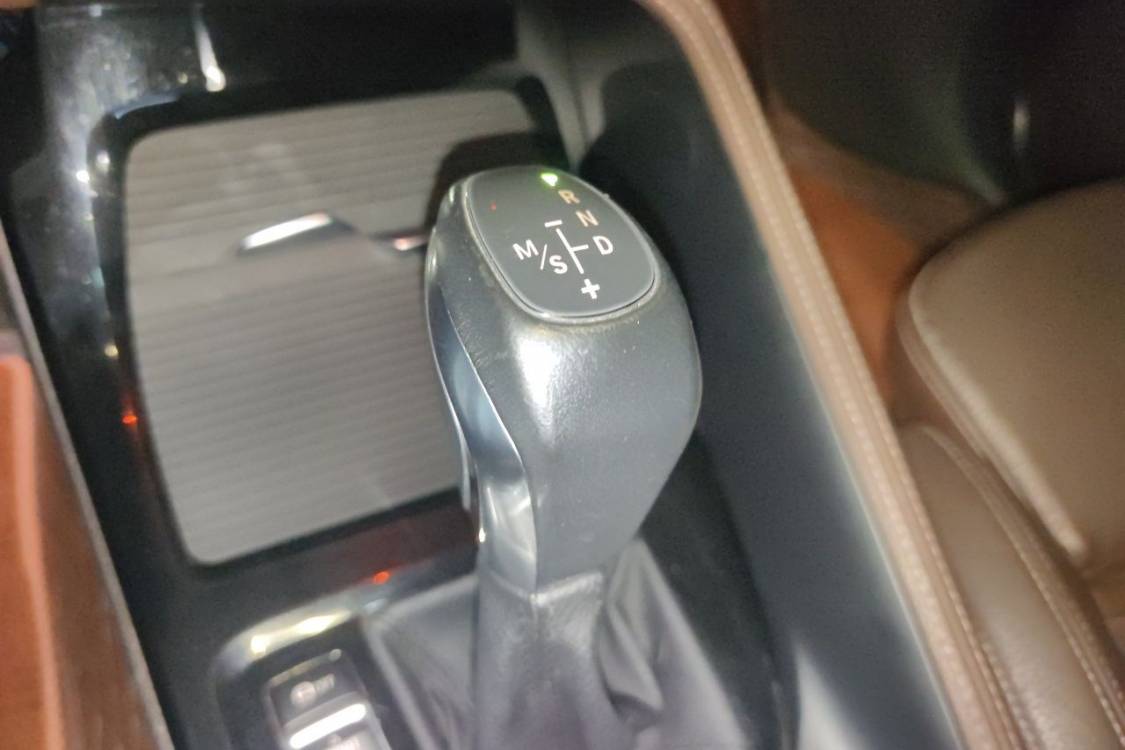
TransmissionManumatic
Engine1.5T 136 L3
ColorWhite
Seats-

Condition Description

The vehicle has major defects related to structural/ reinforced/ covering parts due to major accident, fire, water damage, or power battery components, repaired or unrepaired, still affecting body structural strength or safe use, with potential failure risks.

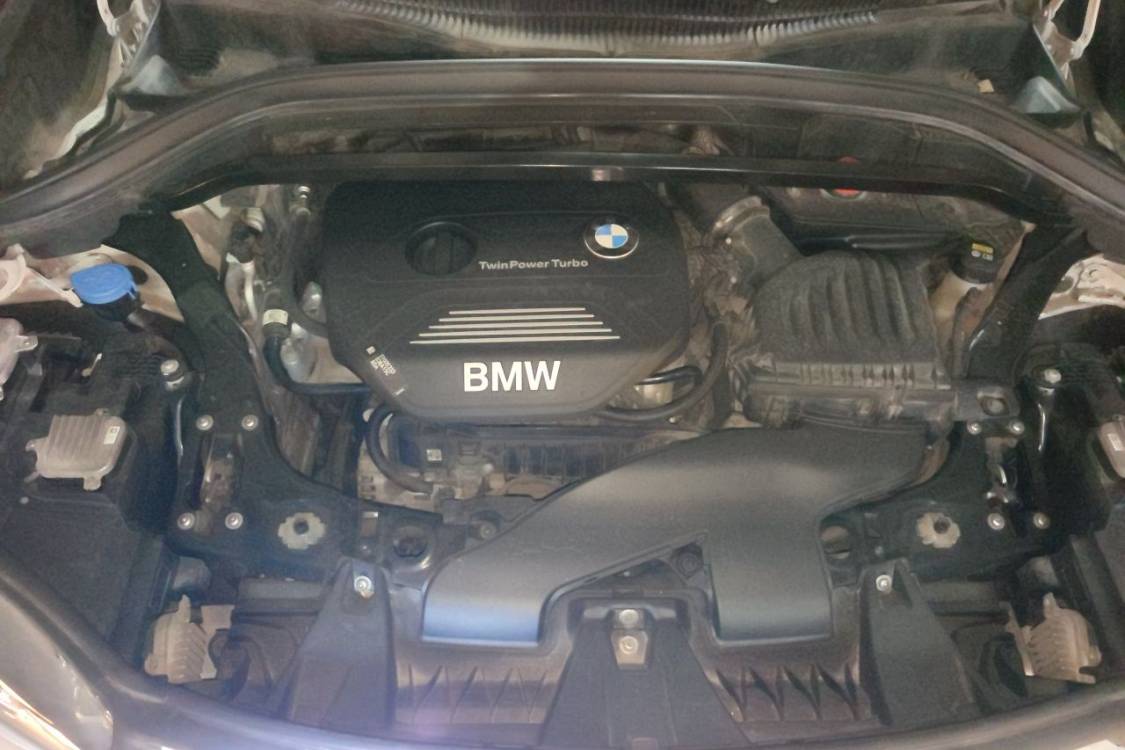
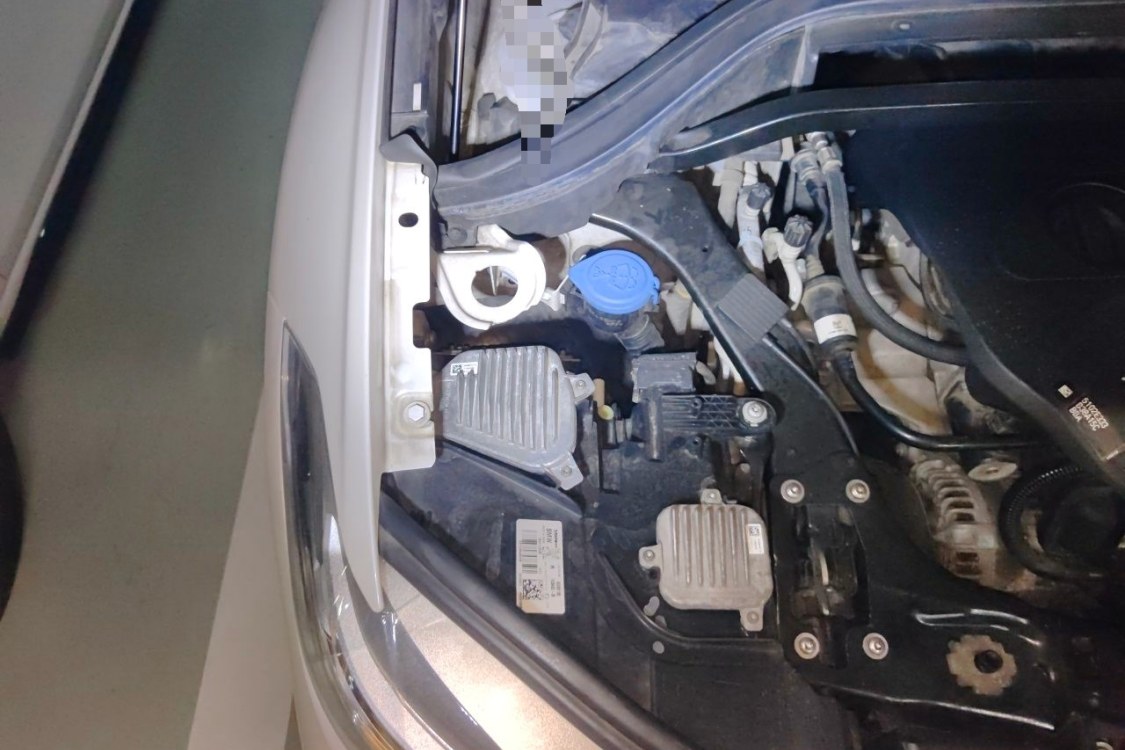
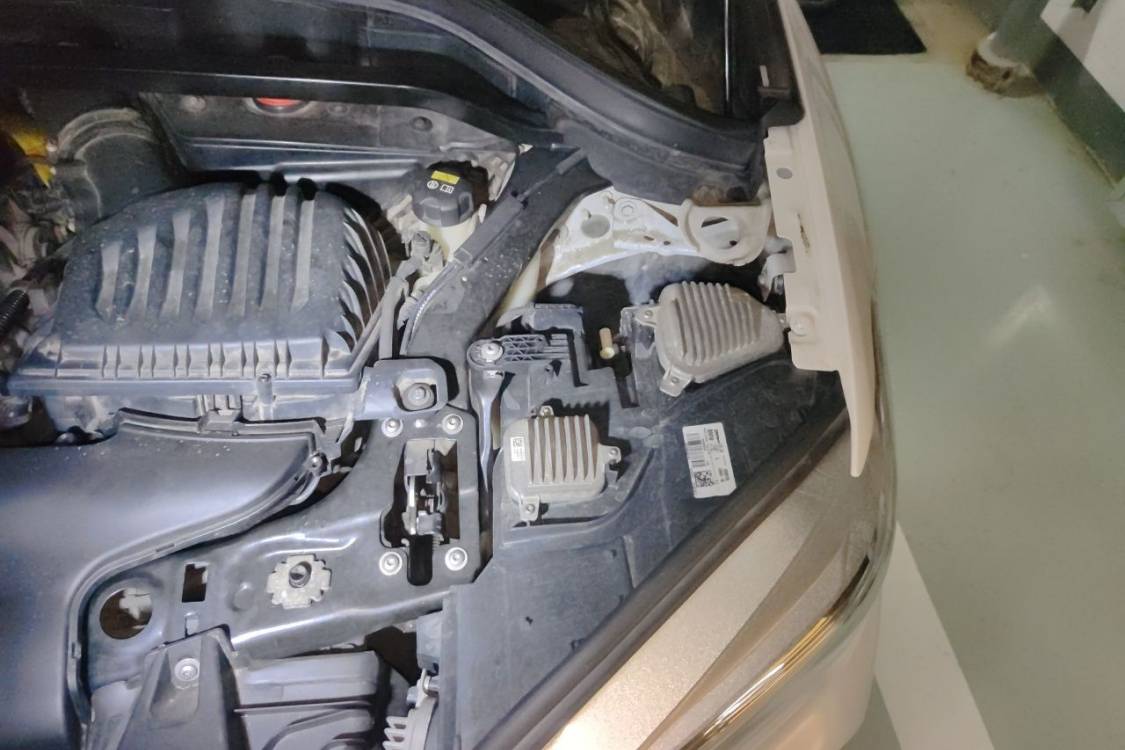
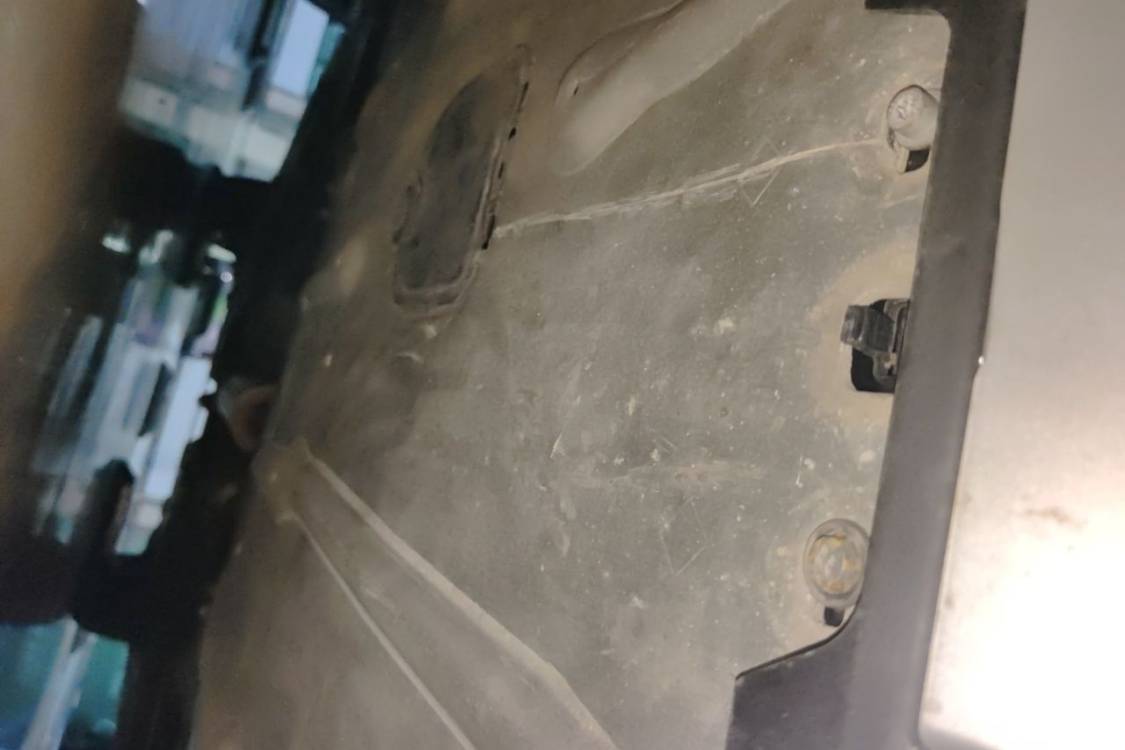
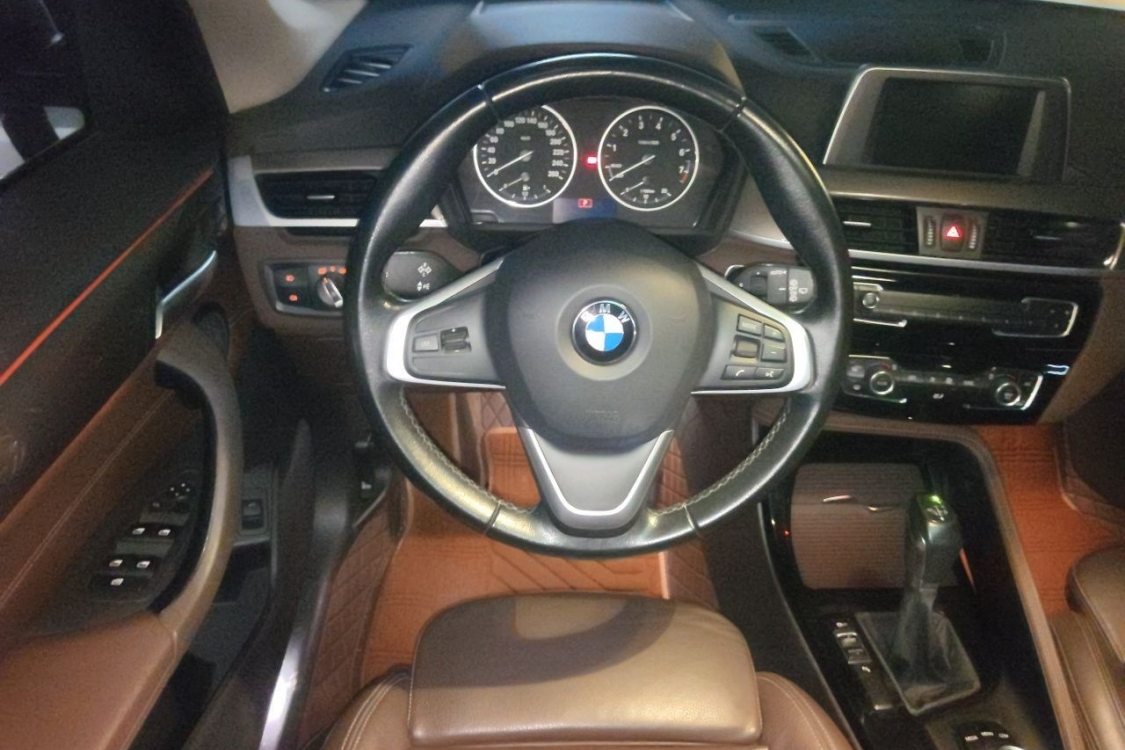
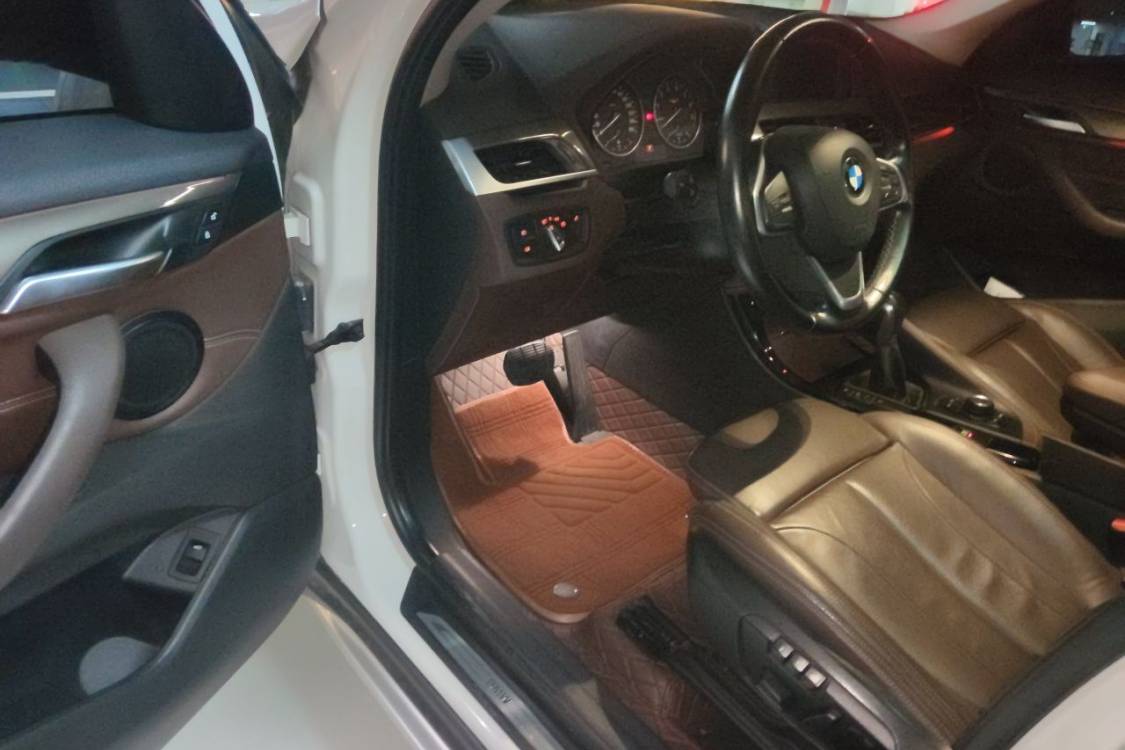
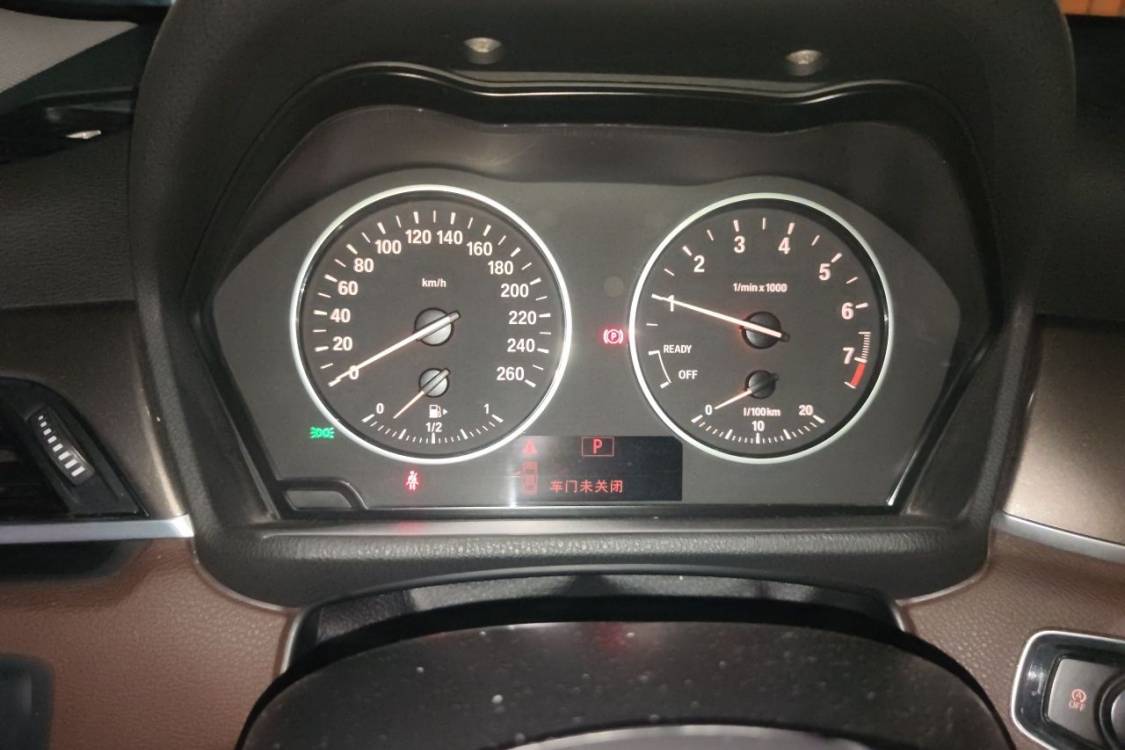
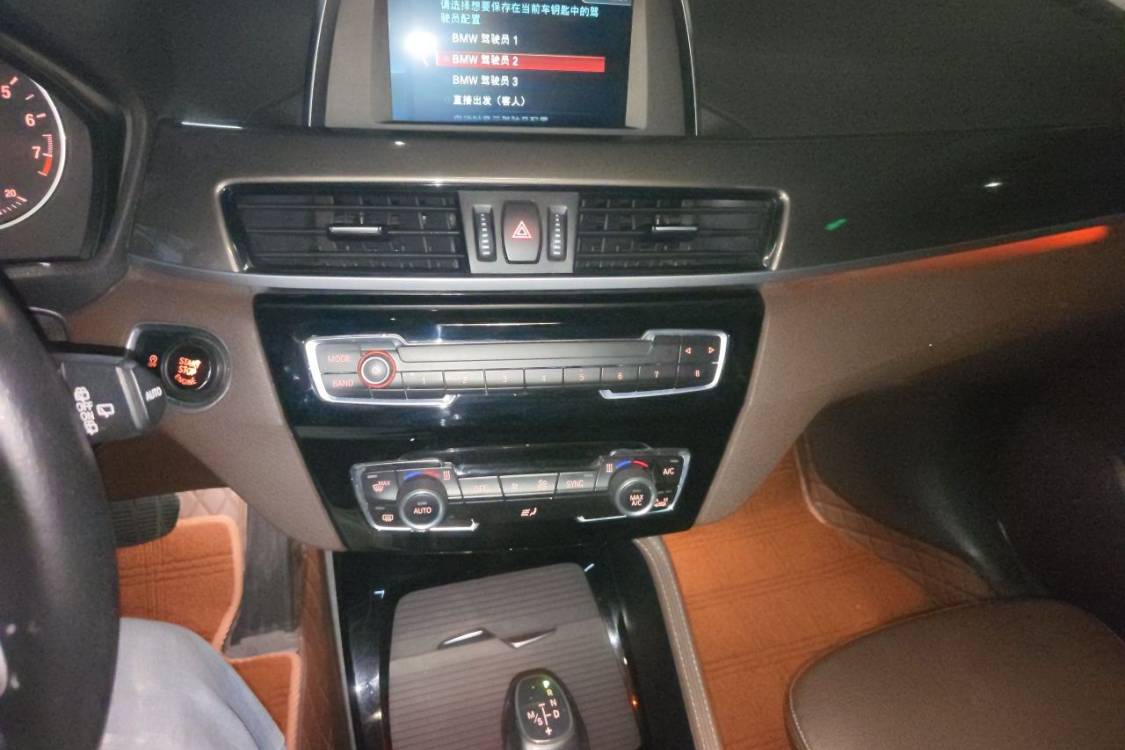
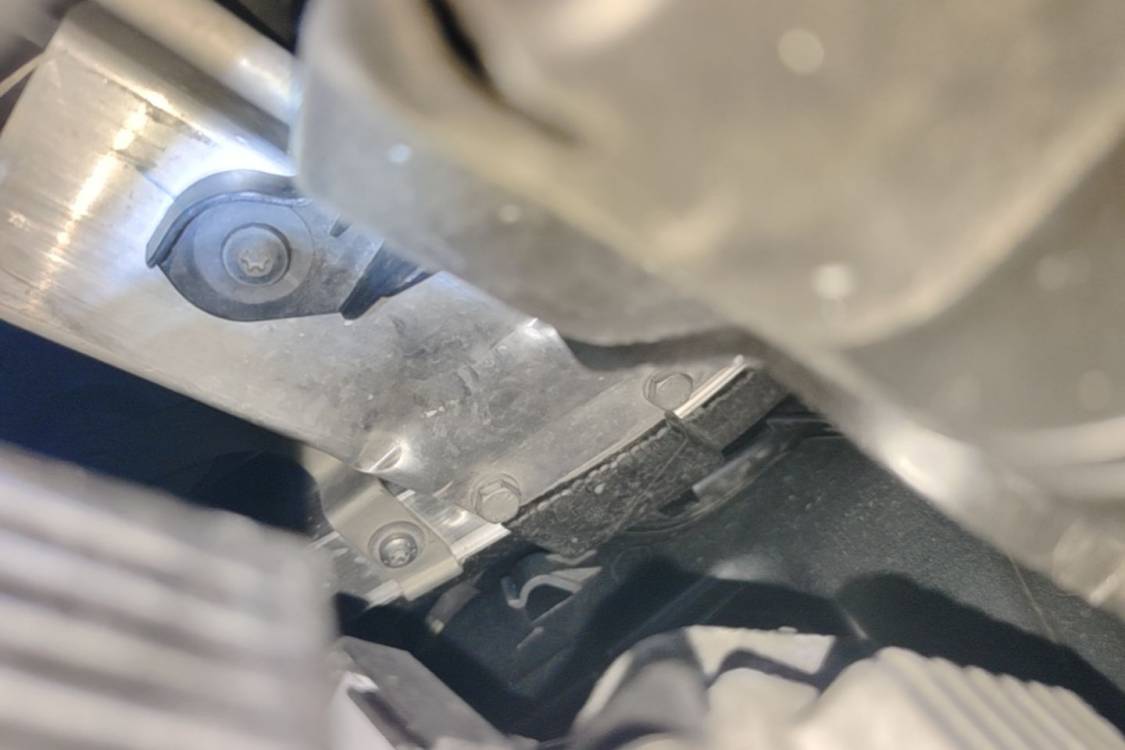
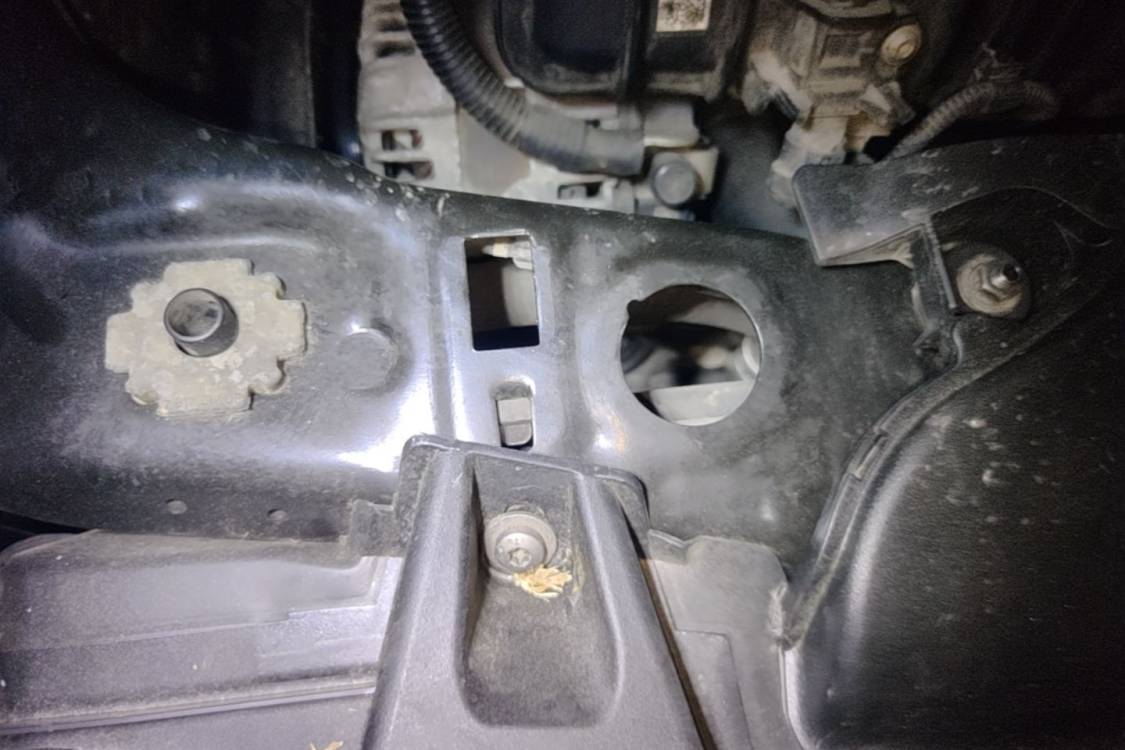
Accident inspection: main structure damaged, reinforced parts damaged, covering parts damaged, hinges abnormal; engine bay inspection: key mechanical components in engine bay normal; exterior: 1 replaced part, 5 panel repairs, 5 paint jobs; interior: most features normal, airbags normal, seatbelts normal, dashboard normal, instrument cluster normal, lighting system normal; start-up inspection: main components normal; on-board tools: none.

独家上新
电话直连
可讲价
平台物流
可转售
零过户
新检测标准升级>
非泡水

Document Information

Inspection Expiry Date2027/02
Warranty Expiry Date-
Insurance Expiry Date2027/02

Q&A

More

How to check the condition of the turbocharger (oil leaks, unusual noises, insufficient pressure) for turbocharged vehicles?

Experience turbo lag and power surge during road tests; check for significant oil accumulation at the turbo intake and intercooler connections (slight oil vapor is normal); and use OBD to read the real-time boost pressure peak to see if it meets factory settings.


Why is there a time difference between the production date on the vehicle nameplate and the first registration date on the registration certificate?

The nameplate date is the absolute time when the vehicle leaves the factory; the registration date is when the vehicle is registered with the traffic management department after sale. The difference represents the time the vehicle spent in the dealer's warehouse or logistics. If the time difference exceeds 6-8 months, the vehicle is considered a "stock vehicle," and we pay special attention to the natural aging of its rubber components.

Who bears the intermediary bank fees incurred by bank wire transfers (T/T)?

International wire transfers generally follow "shared (SHA)" or "sender pays all (OUR)" principles. To ensure we receive the full remaining payment to release the bill of lading, we require all buyers to choose the "OUR" option when remitting, covering all intermediary bank fees.