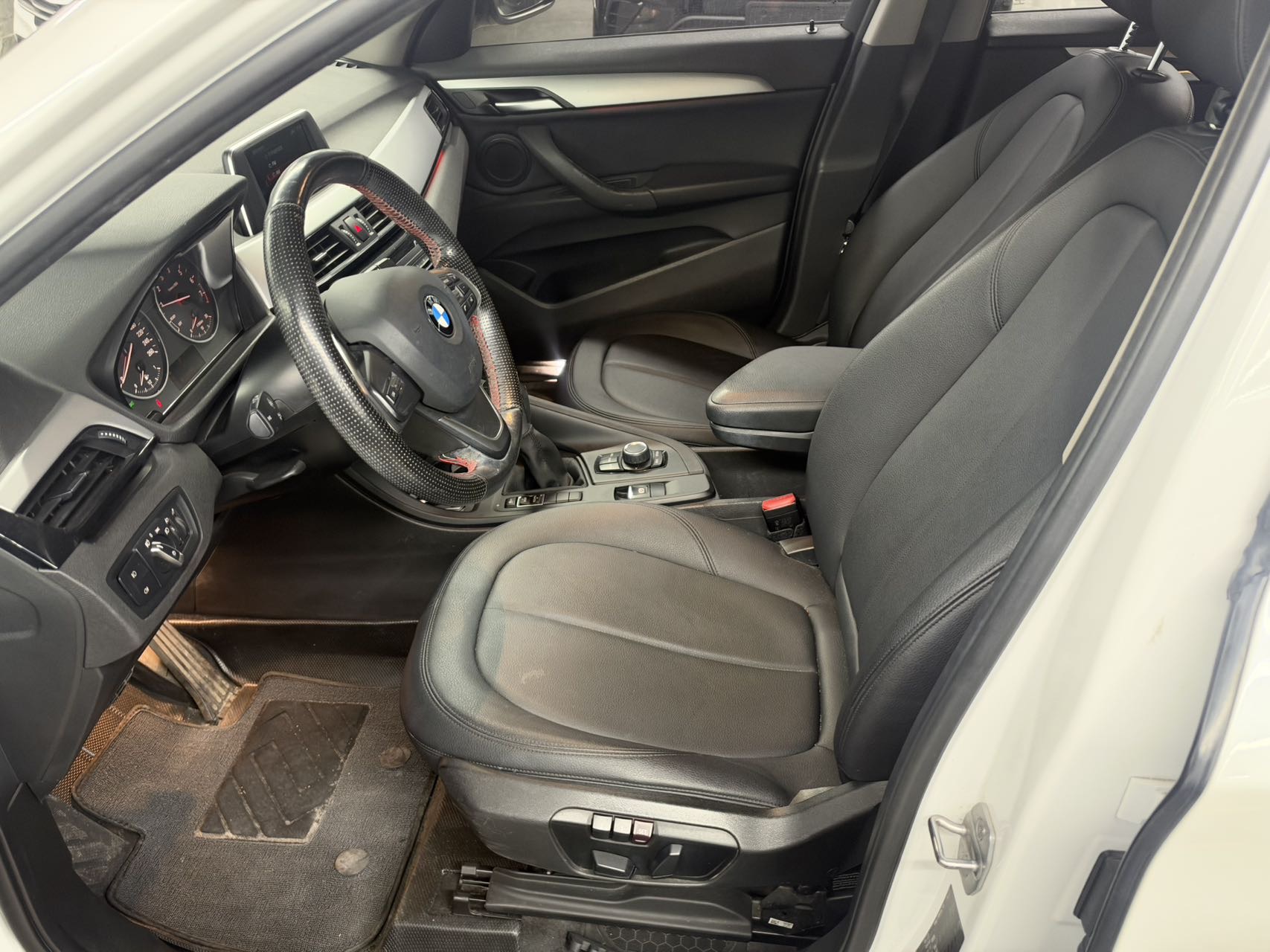
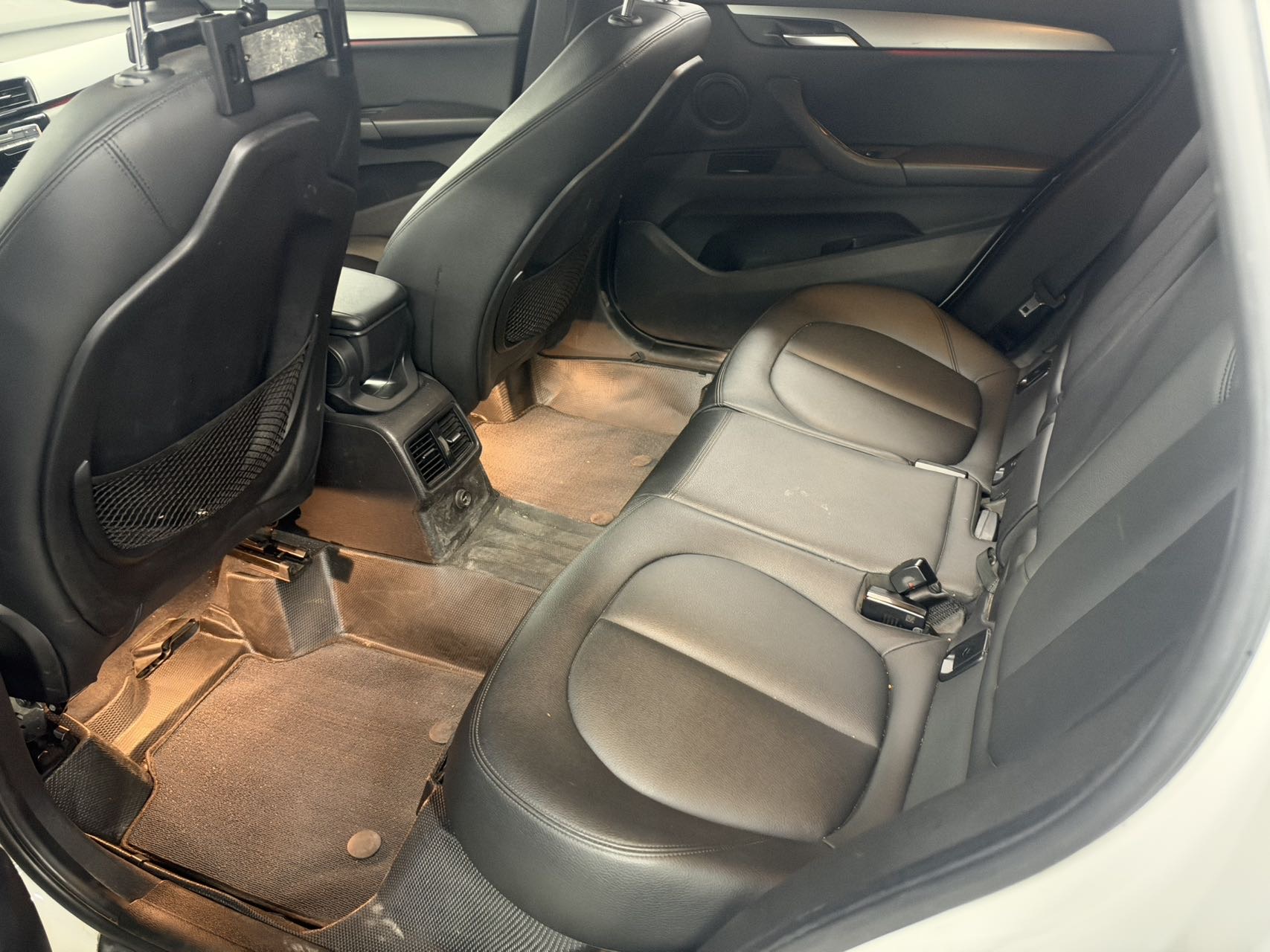
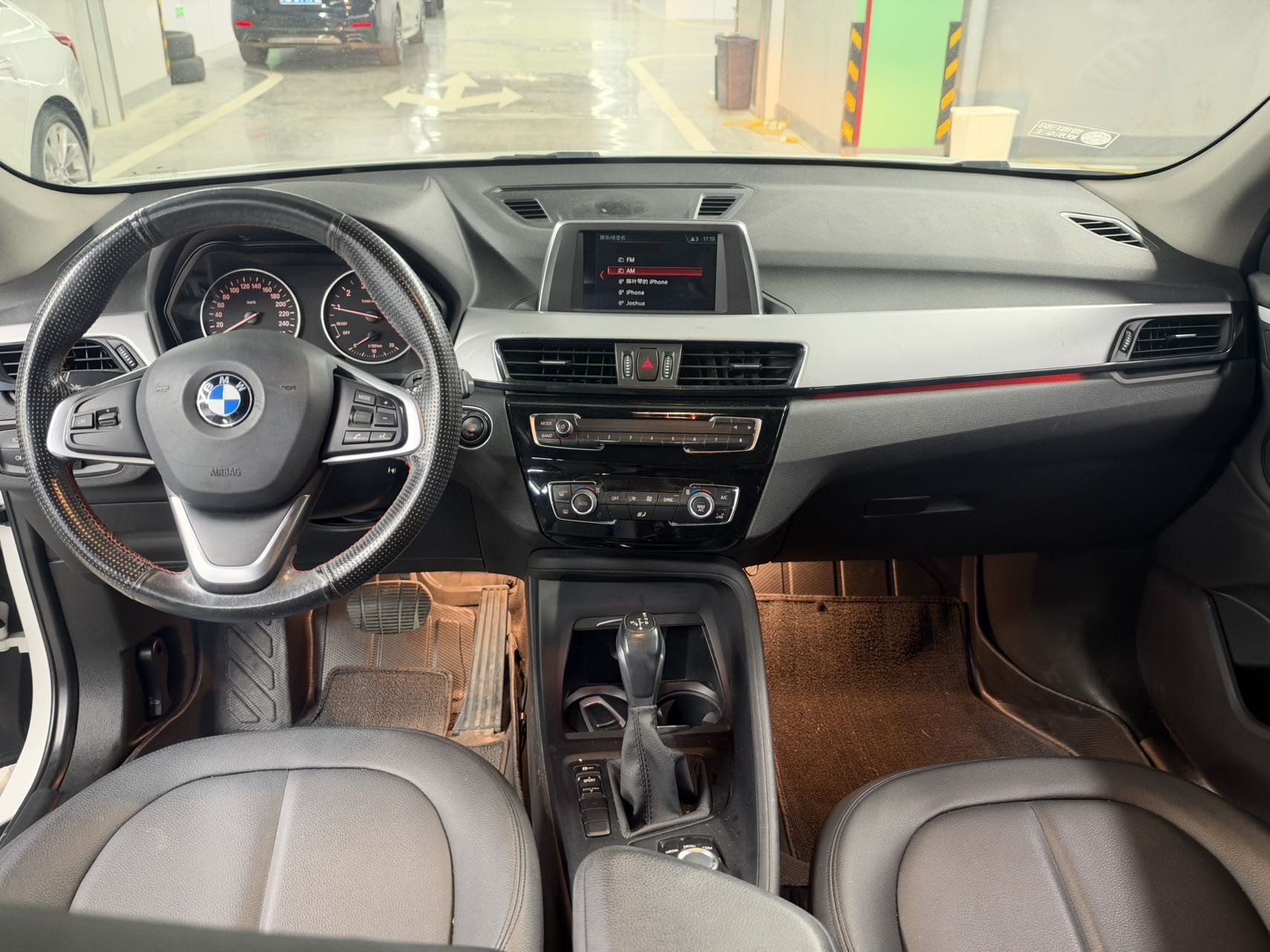
In most cases the hardware works fine abroad, but check three things before buying.
First, map dependence. Adaptive cruise and lane centering work anywhere, but features tied to navigation data (predictive cruise, automatic speed-limit adjustment) may degrade if the built-in maps have no coverage in your country. Ask whether local maps can be loaded, or whether those functions simply switch off.
Second, calibration. If the windshield, front bumper, radar or camera was ever replaced, the ADAS needs recalibration with manufacturer software. After a long sea voyage, a calibration check is cheap insurance — ask for the last calibration record, or have the inspector confirm no ADAS fault codes are stored.
Third, tuning. Lane-keeping and speed-limit prompts calibrated for Chinese road markings usually behave acceptably elsewhere, though some drivers find the warnings overly sensitive and disable them.
Bottom line: core functions travel well. Confirm map coverage and fault-free sensors in the inspection report.