48H

Basic Information

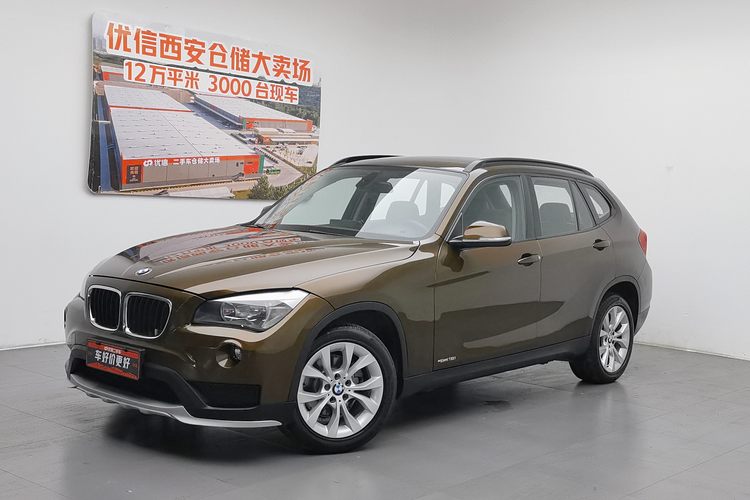
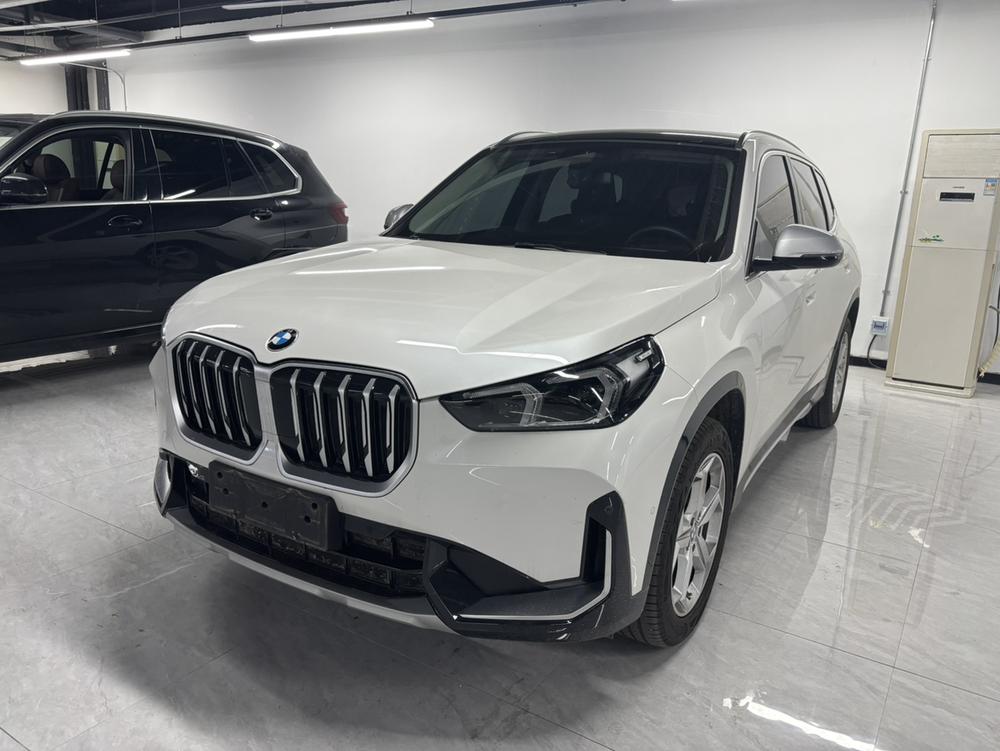
BrandBMW
SeriesX1
Year2019
First Registration2019/09
Mileage89,700km
Transfer Count-
FuelGasoline
TransmissionManumatic
Engine1.5T 136 L3
ColorWhite
Seats-

Condition Description

Vehicle performance is good. No accident-related damage or repairs to structural, reinforcement, or covering panels. No damage to the electric drive system, battery, or electronic controls.

Accident inspection: main structure undamaged, reinforcement parts undamaged, covering panels undamaged, hinges normal. Engine bay inspection: key mechanical components normal. Exterior: no issues. Interior: most features normal, airbags normal, seatbelts normal, dashboard normal, instrument readings normal, lighting system normal. Startup inspection: main components normal. Onboard tools: none.

电话直连
可讲价
平台物流
可转售
零过户
新检测标准升级>
非泡水

Document Information

Inspection Expiry Date2027/09
Warranty Expiry Date-
Insurance Expiry Date2027/09

Q&A

More

Why are the shipping costs for used electric vehicles (EVs) usually higher than for internal combustion engine vehicles (ICEs)?

Pure electric vehicles are classified as Class 9 Dangerous Goods due to their large lithium batteries, leading to strict shipping regulations. Shipping companies have high requirements for the loading position and fire isolation measures for dangerous goods, and some roll-on/roll-off ships refuse to accept used EVs. As a result, EVs often require more expensive special container shipping and incur additional handling fees for hazardous materials.


Besides the purchase price, what other fees should I budget for when importing a used car from China?

The purchase price is only part of your total landed cost. Plan for these items: - Inland transport in China: moving the car from the seller's city to the export port, plus transfer and inspection fees. - Export fees: customs declaration, port handling, and terminal charges. Ask for an FOB (Free On Board) quote so these are included. - Ocean freight: RoRo (roll-on/roll-off) is cheapest for regular cars, but EVs often require special containers or dedicated EV shipping due to battery regulations, which costs more. - Insurance: marine cargo insurance, typically 1-3% of the car's value. - Import side: import duty, VAT or sales tax, customs brokerage, port charges at destination, and any homologation or compliance testing fees. As a rule of thumb, add 25-40% on top of the FOB price for a realistic landed-cost estimate, depending on your country's tax rates. Get a written breakdown from both your supplier and a customs broker before committing.

What should I do if my car arrives damaged after shipping from China?

Act immediately at the port: 1) Inspect the car before signing anything. Note every scratch, dent, or missing item on the delivery receipt — add remarks like "container seal intact, right door dented" before you sign. 2) Take dated photos and video of the damage from multiple angles, including the container exterior and seal number. 3) Report to the shipping line or agent in writing within 3 days, and notify the insurance company if you bought cargo insurance — most policies require notice within 7 days of delivery. 4) Get a written repair estimate from a local body shop. Claims succeed or fail on documentation: the signed delivery receipt with remarks, photos, and the bill of lading are your evidence. Without remarks on the delivery receipt, the carrier will argue the damage happened after discharge.