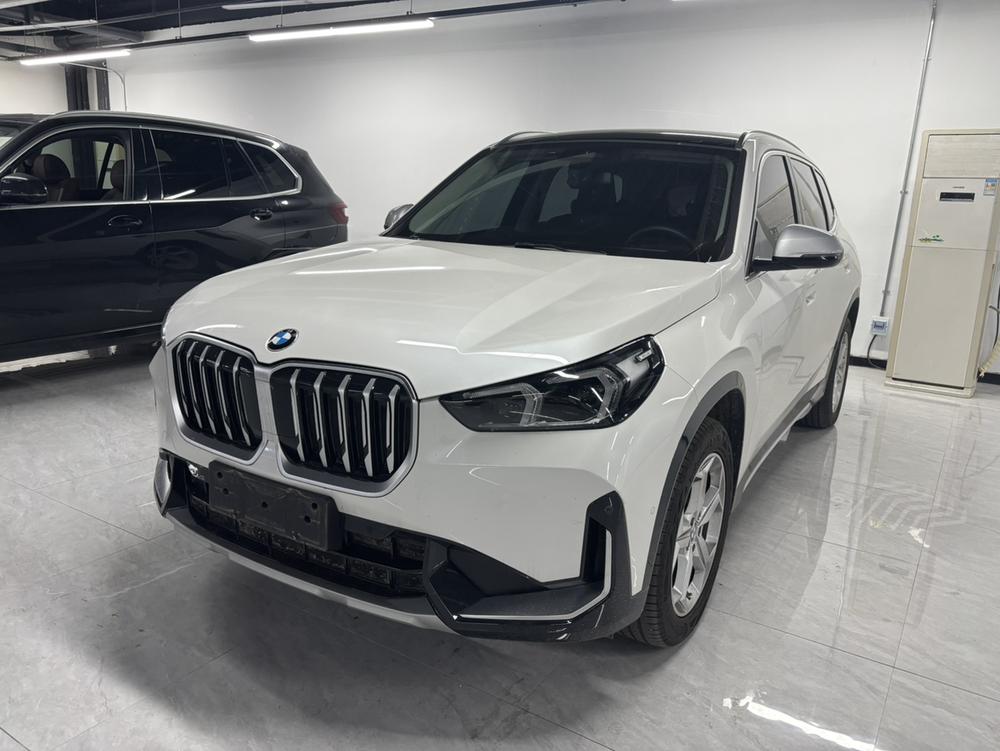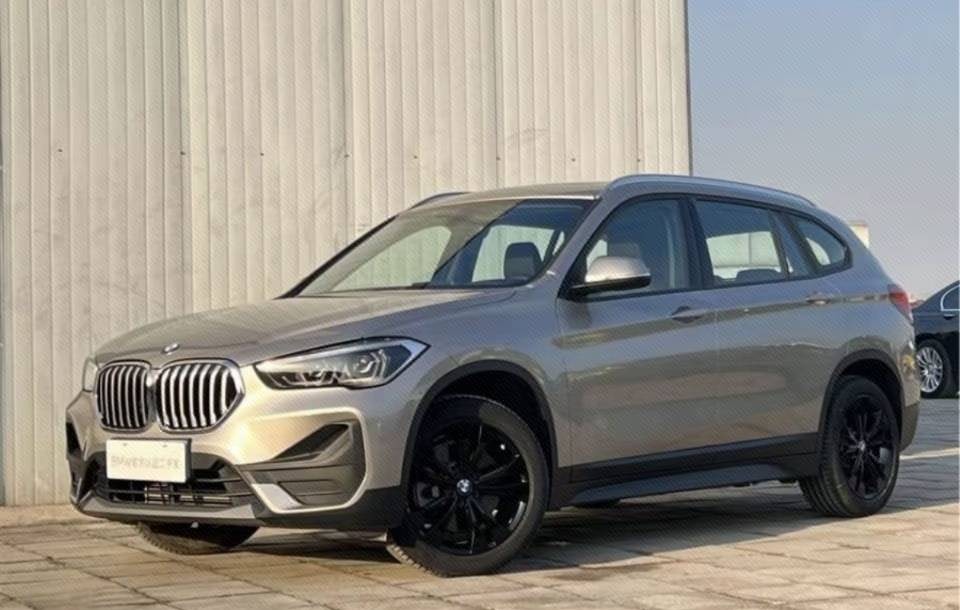
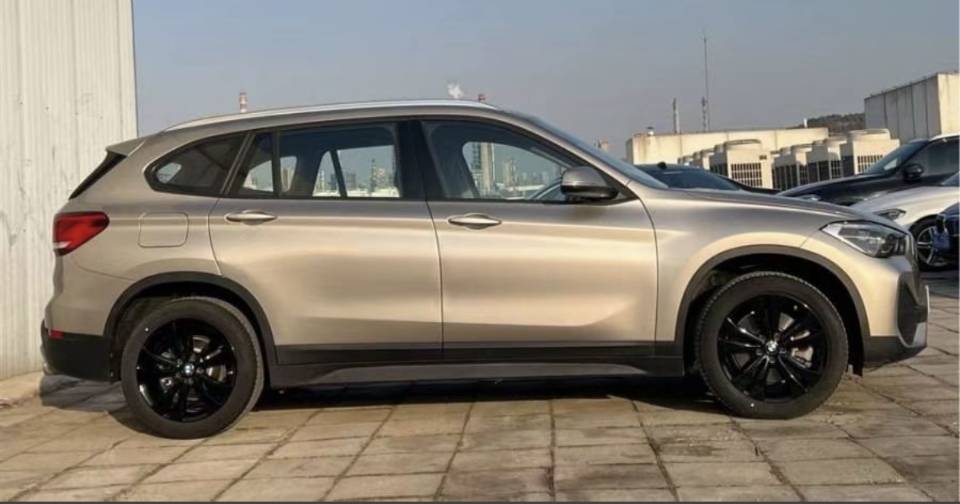
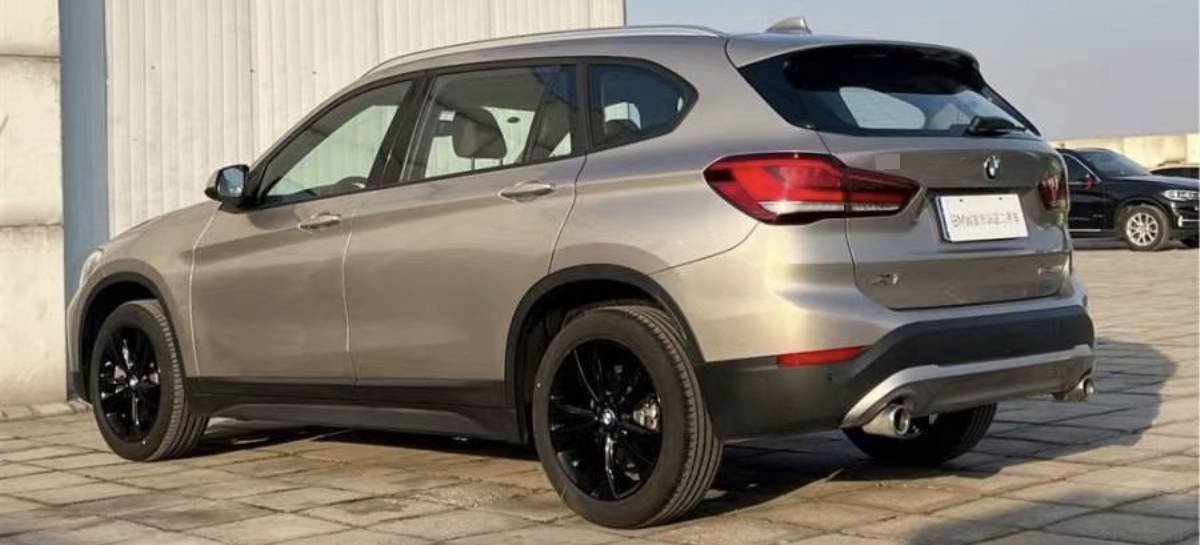
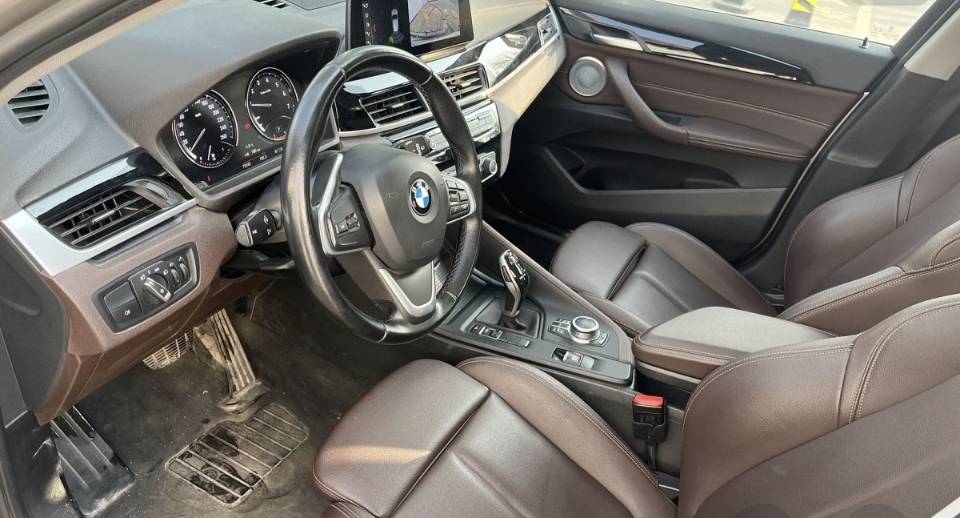
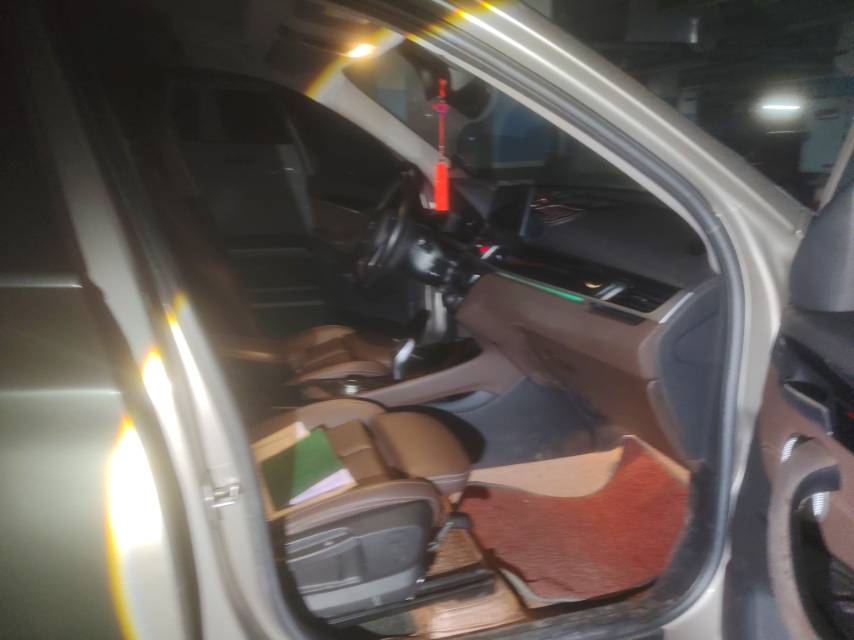
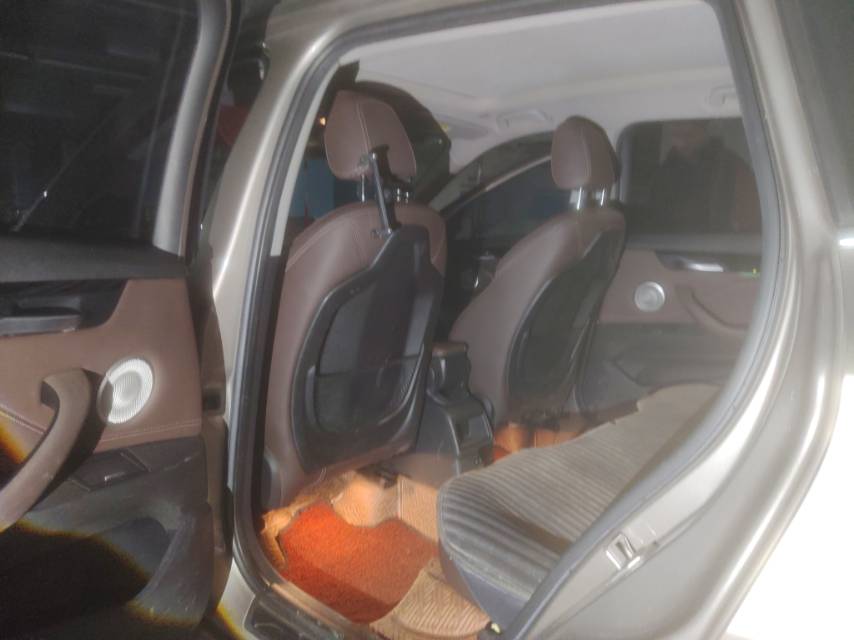



Basic Information

BrandBMW
SeriesX1
Year2020
First Registration2020/12
Mileage180,000km
Transfer Count0times
FuelGasoline
TransmissionDCT
Engine1.5T 140 L3
ColorGrey
Seats-

Condition Description

Right front door panel repair, right rear door panel repair, left front fender panel repair, no insurance.

Document Information

Inspection Expiry Date-
Warranty Expiry Date-
Insurance Expiry Date2026/12

Q&A

More

What are the typical steps and timeline when buying a used car from China, from selection to delivery at my port?

A normal transaction moves through six stages. First, selection and verification: you shortlist cars, request VIN-level documents, and order an independent inspection (1-2 weeks). Second, contract signing and deposit: 10-30% is standard, paid against a signed contract listing the VIN and agreed spec. Third, export preparation: the seller handles deregistration and export licensing (1-3 weeks). Fourth, final payment against loading: pay the balance only after you receive the bill of lading or rail waybill number you can track. Fifth, transit: ocean shipping to most ports takes 3-6 weeks, rail to Central Asia or Europe 2-4 weeks. Sixth, destination clearance and registration: allow 1-2 weeks plus buffer for inspections. In total, plan for 2-4 months door to door. Any exporter promising full delivery in under six weeks is likely cutting corners on export paperwork.


How to ensure there are no stubborn odors in the car (like smoke, pet smells, or mold)?

Odors are difficult to convey through images, so our quality inspectors conduct subjective smell assessments and record them. For vehicles with severe smoke or mold odors, if deep ozone sterilization is ineffective, we will downgrade the vehicle and mark the report with a red "Odor Warning" at the top.

How can I find out if a used Chinese car has flood or water damage history?

Flood cars are common after heavy rain seasons, and the damage often shows up months later in the wiring and electronics. Here is how to check before you buy. First, ask for the insurance claim history using the VIN. Flood claims are usually recorded, and any mention of water damage, interior drying, or electrical repair should stop the deal. Second, inspect the interior yourself or via video call. Pull up the carpet edges and look for mud residue, water marks, or rust on seat rails and seatbelt buckles. Seatbelts that retract slowly or have a musty smell were often submerged. Third, check hidden cavities: the spare tire well, glove box, and under the trunk lining. Silt or a tide line there is a strong flood indicator. Fourth, look for condensation behind the instrument cluster and inside the headlights. Persistent fog in the lamps is a classic sign of water immersion. Finally, an OBD scan can help: flood cars often store scattered error codes across unrelated modules (airbag, ABS, body control) because corroded connectors corrupt the network. If several of these signs appear together, walk away. Flood damage is almost never worth repairing, and it will haunt the car's electronics for its whole life.