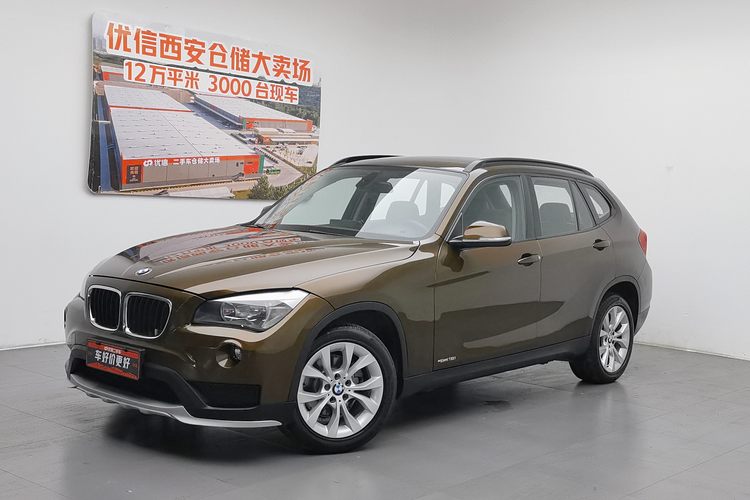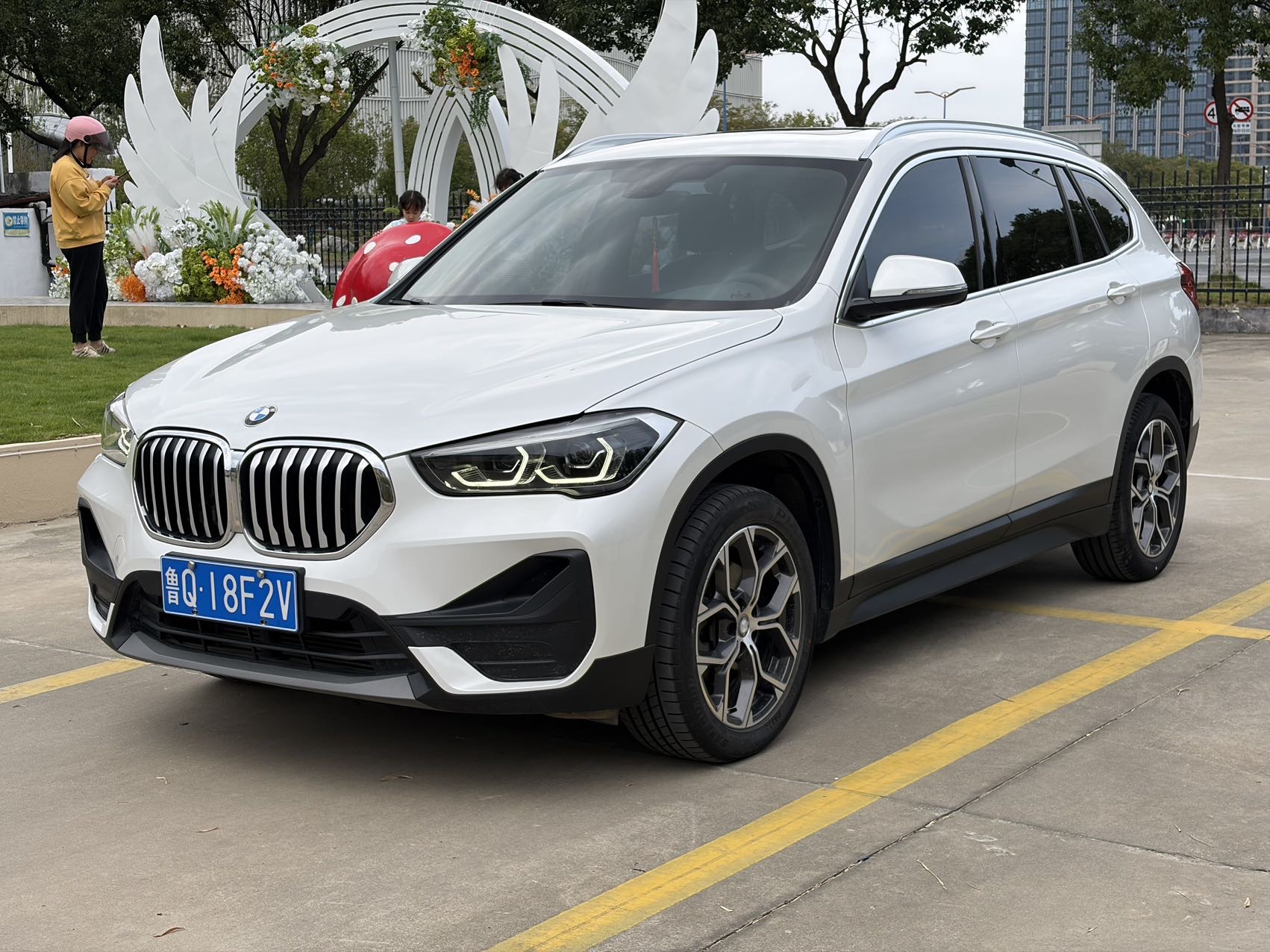
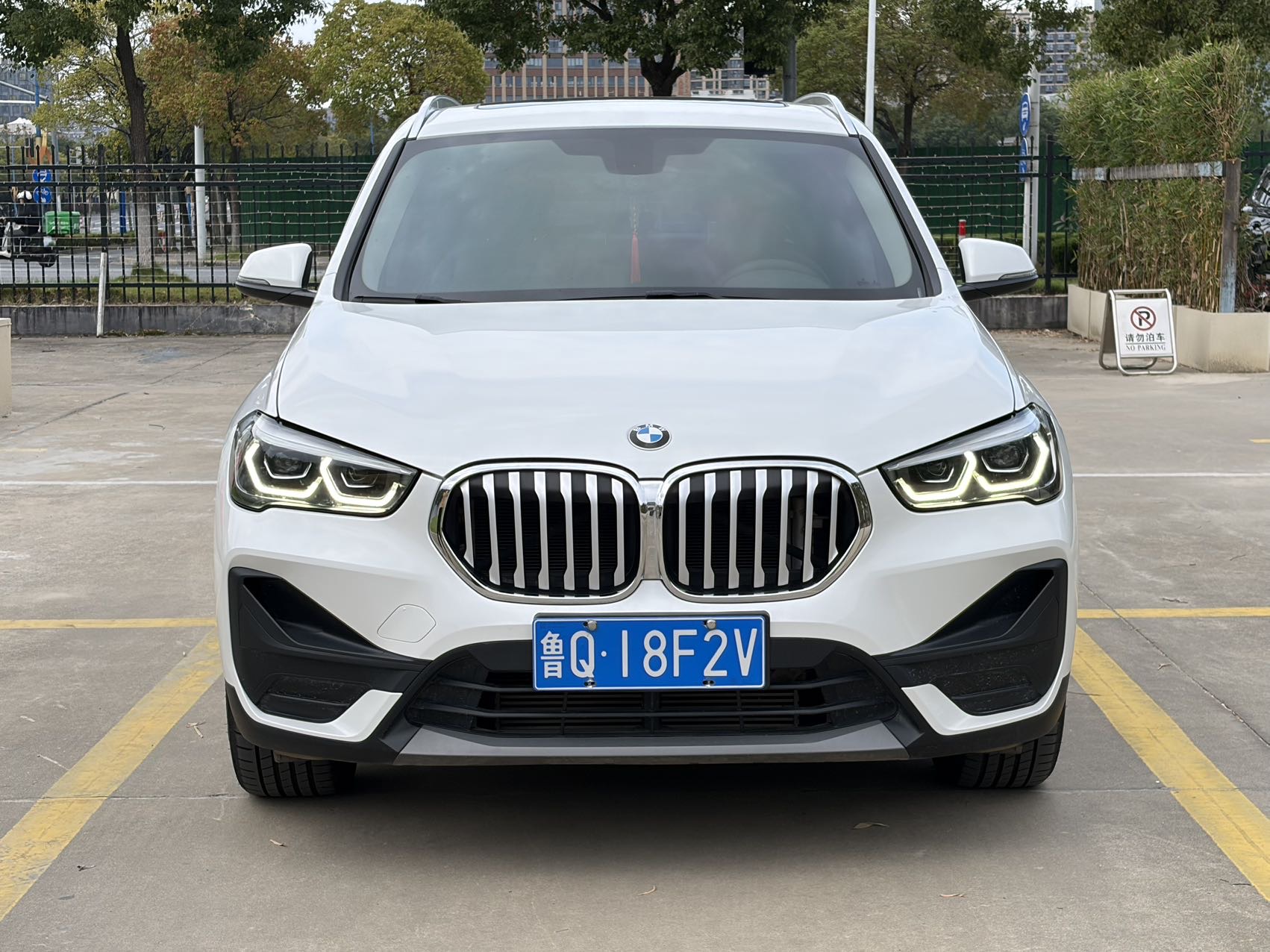
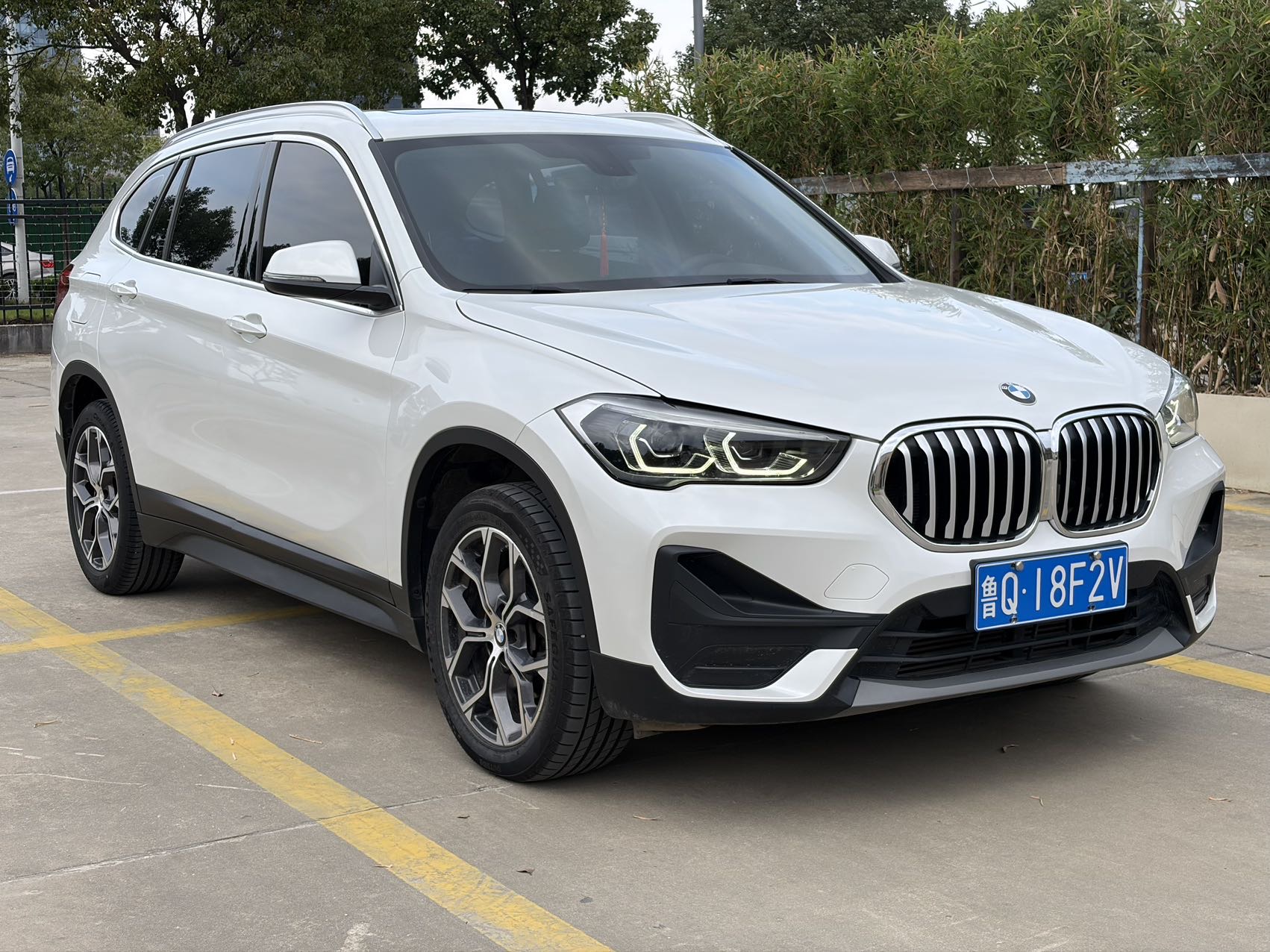
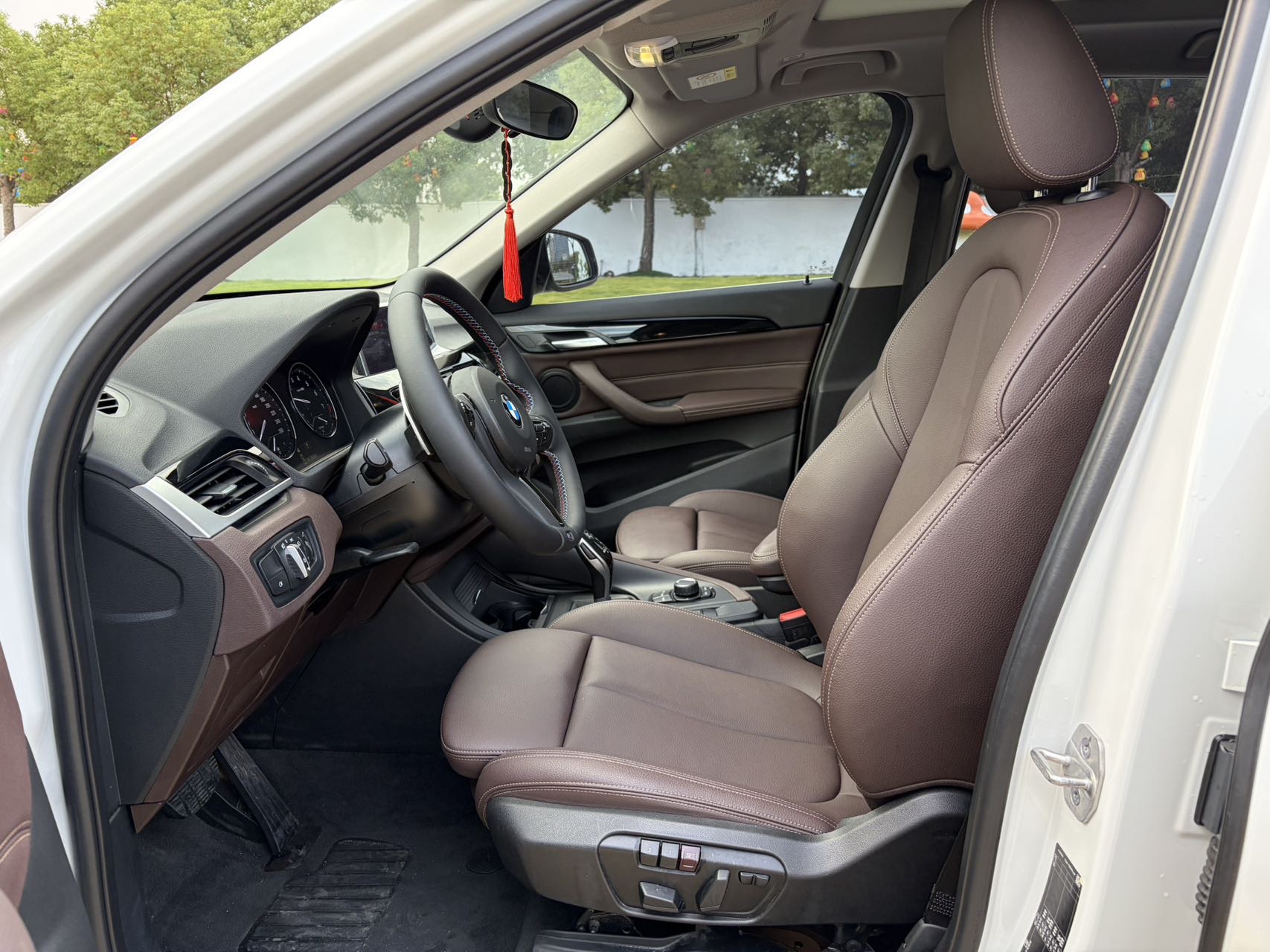
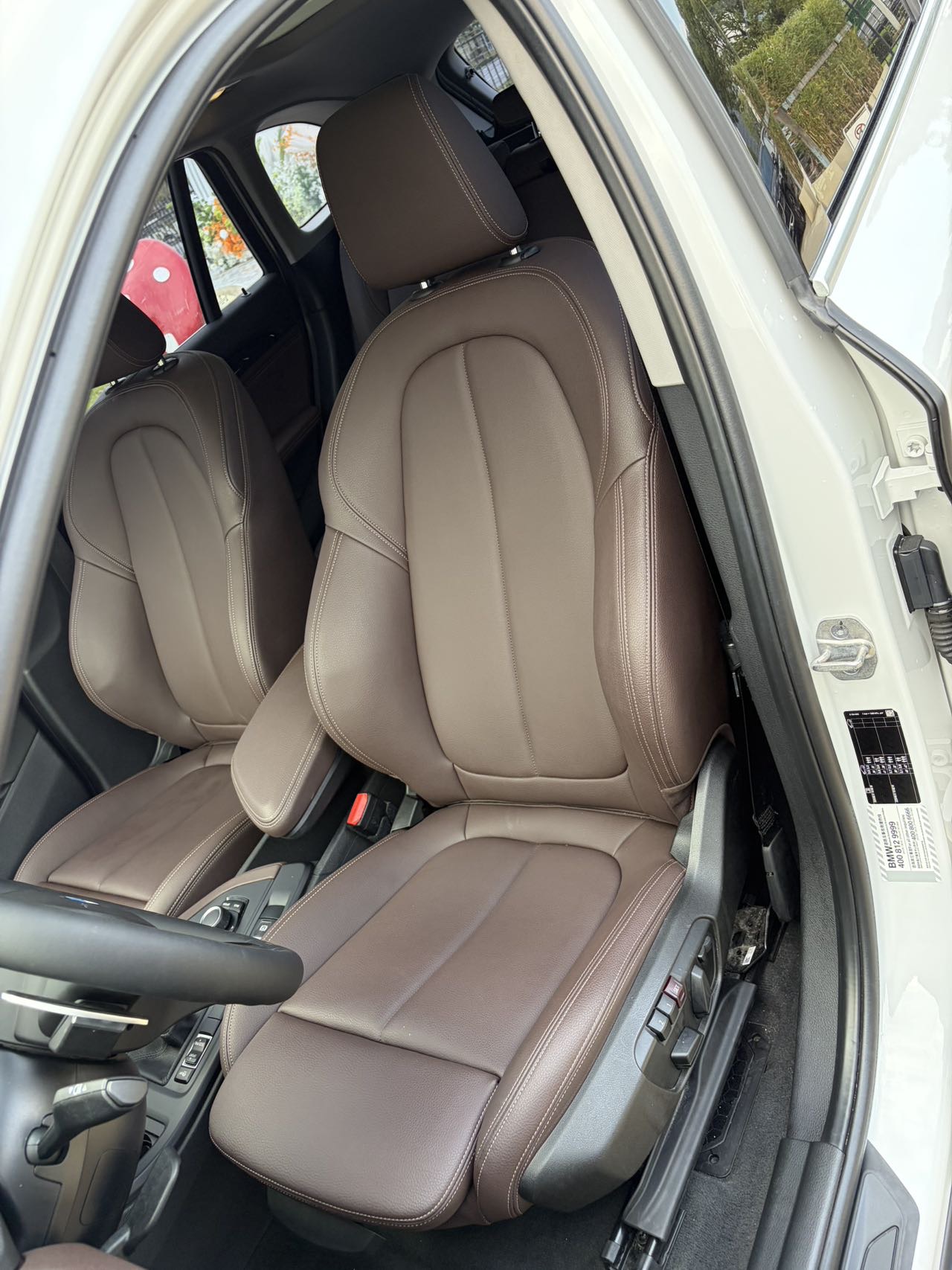
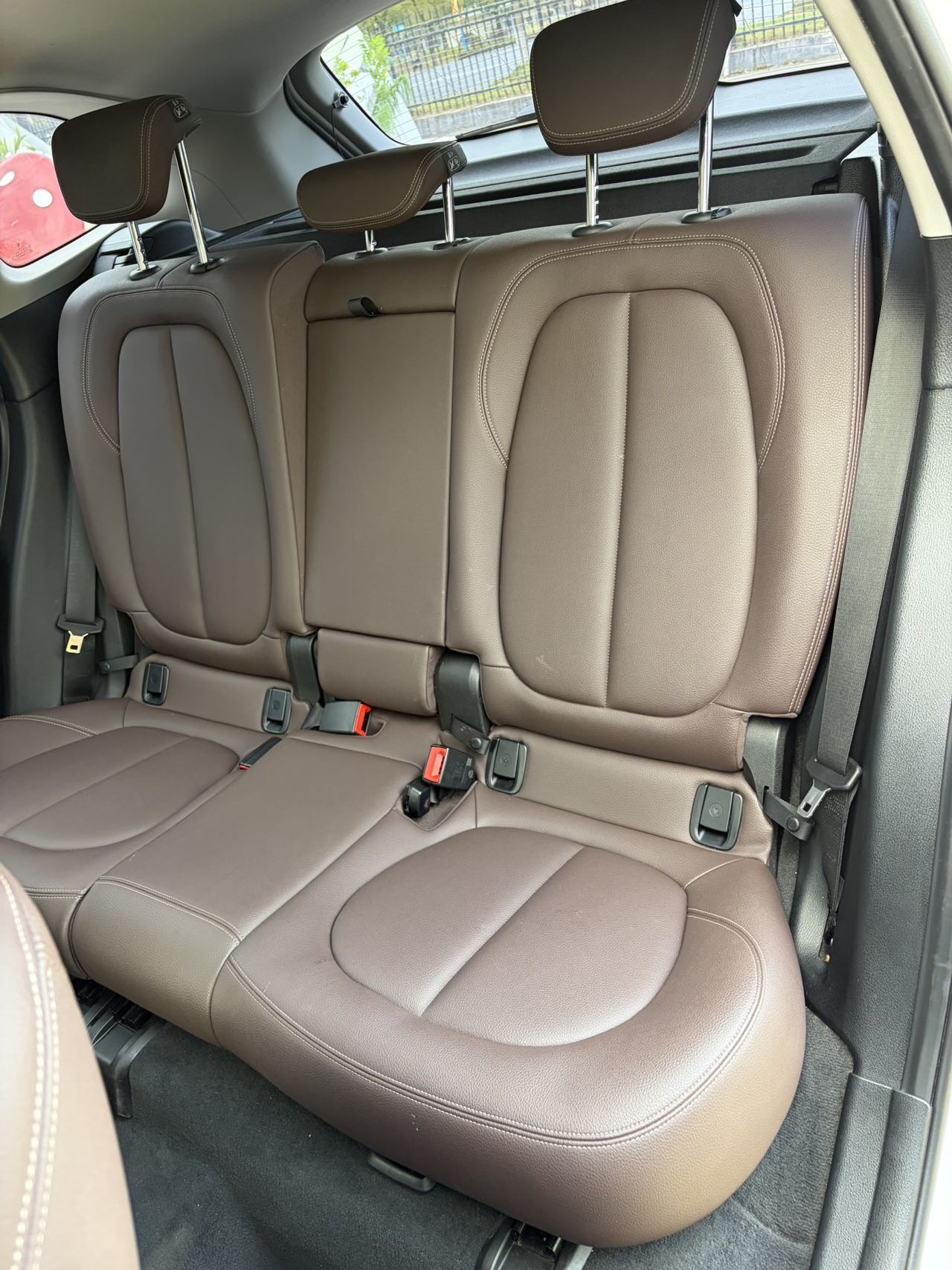
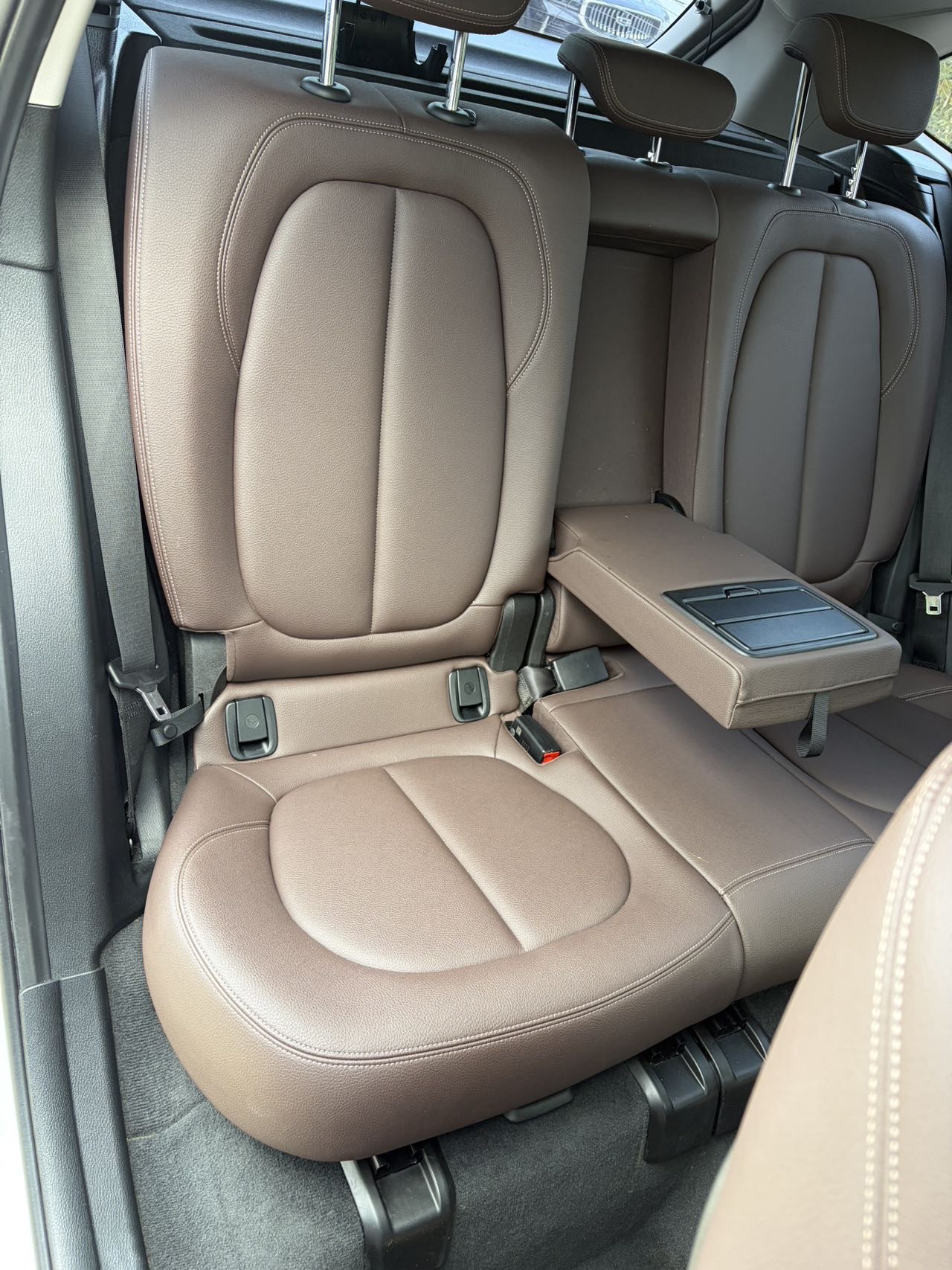
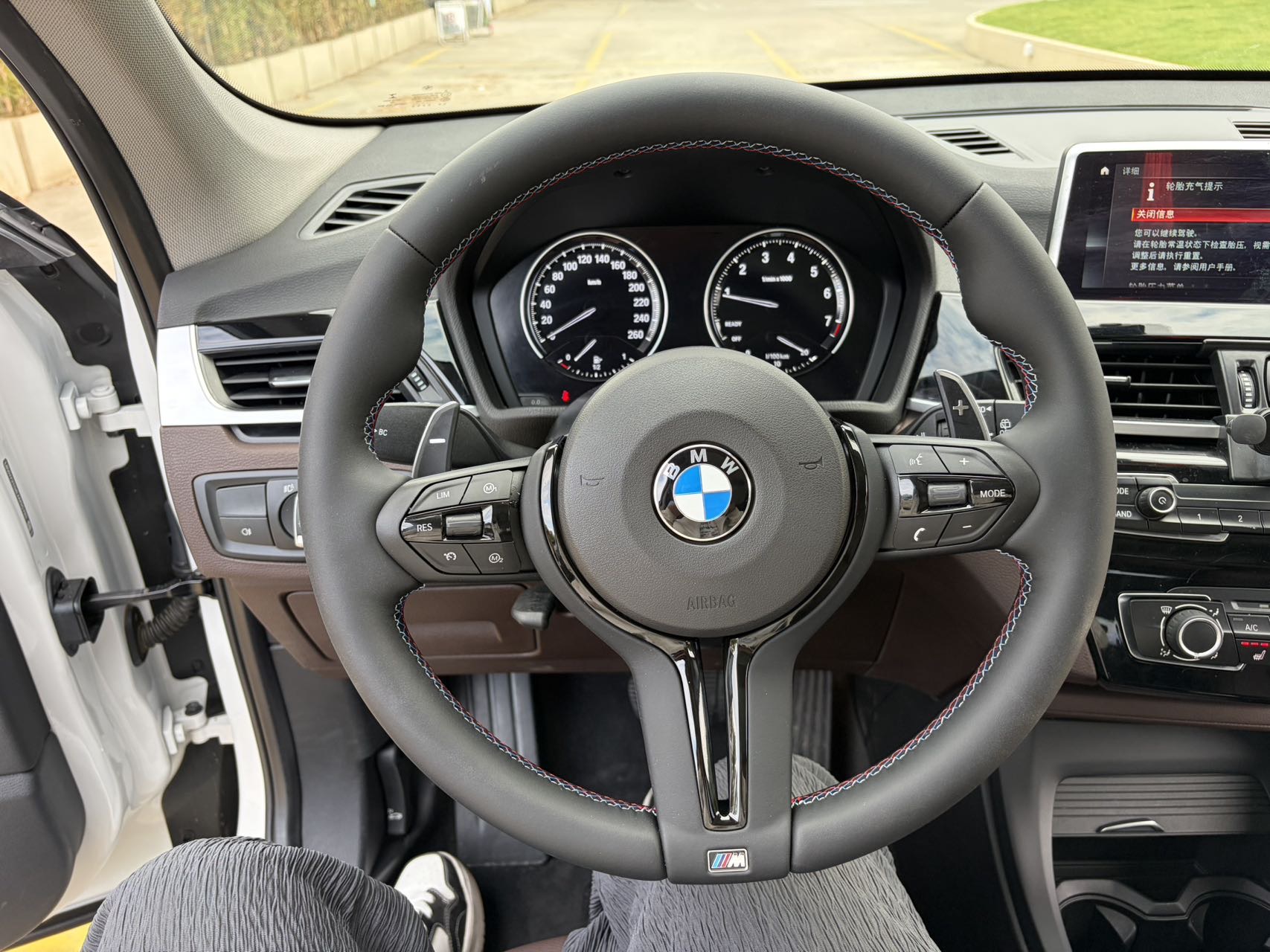
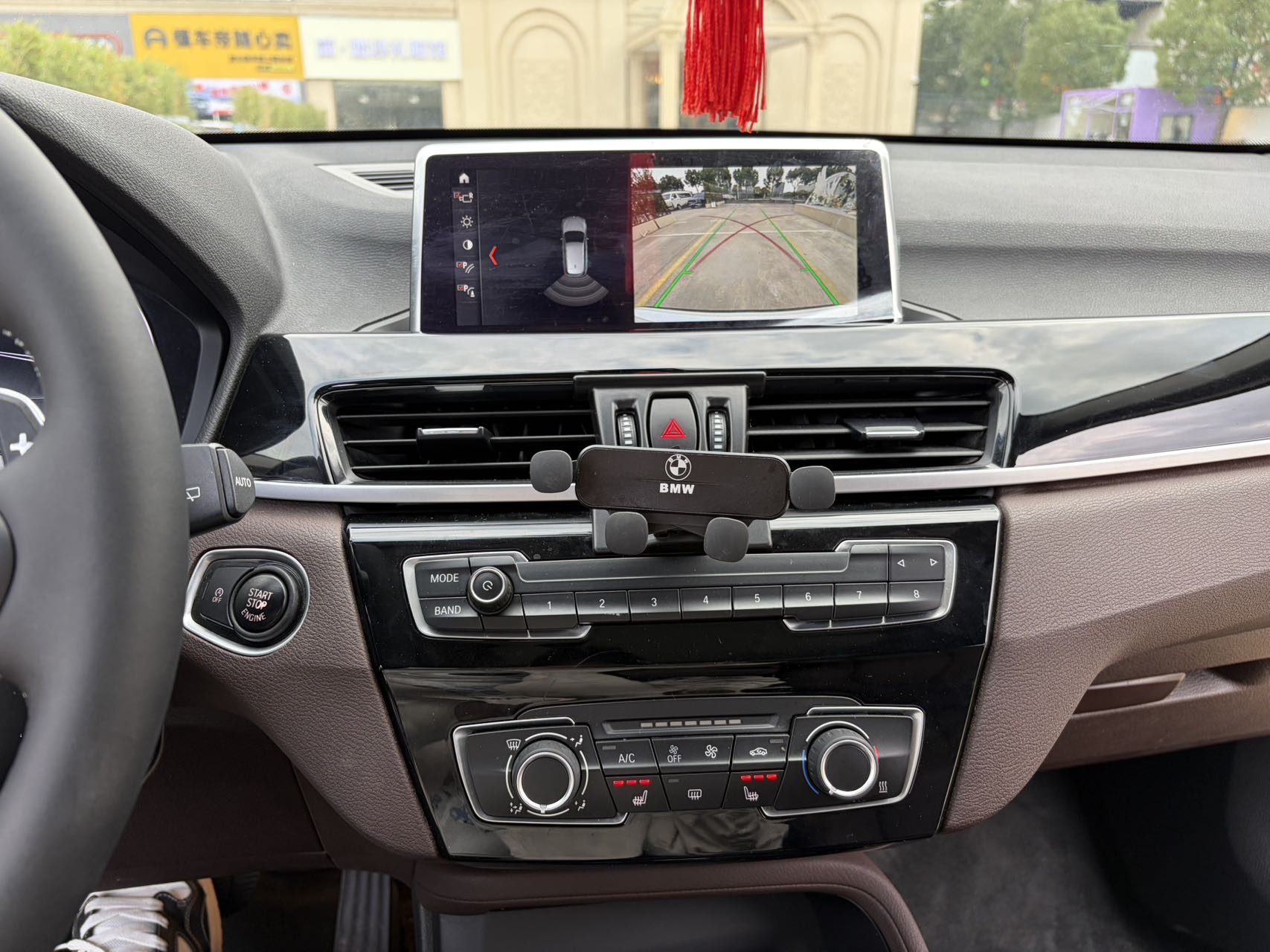
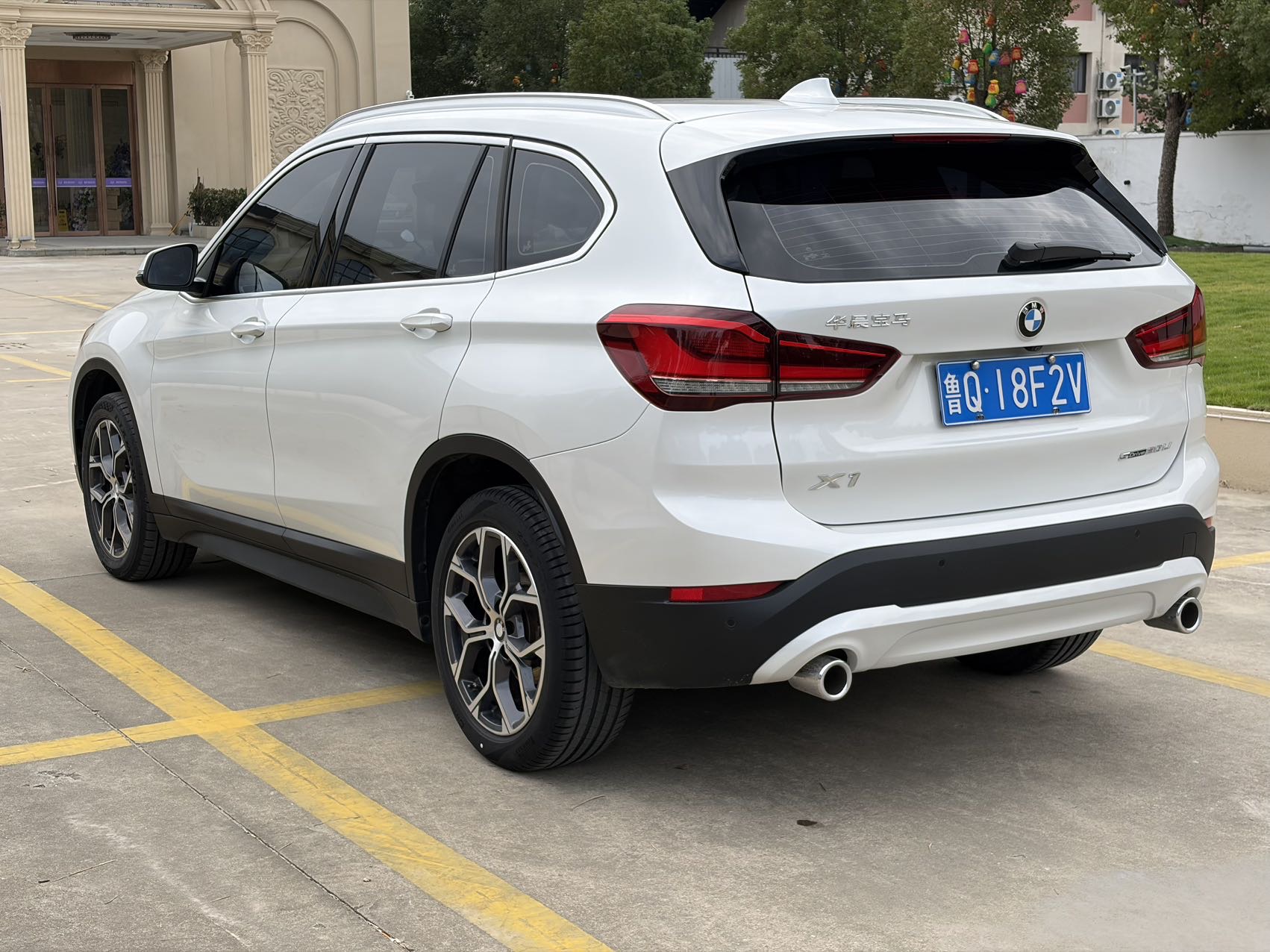
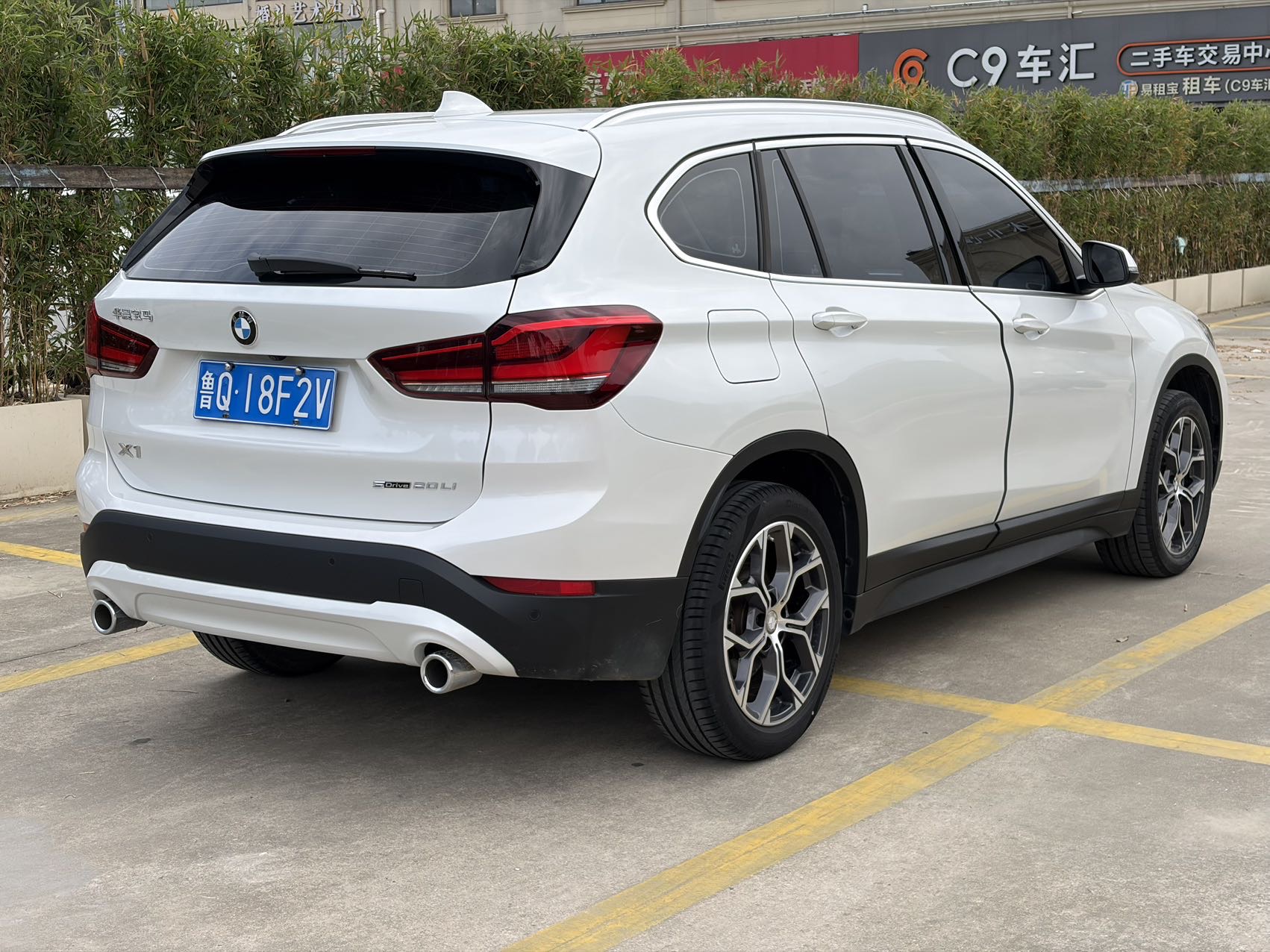



Basic Information

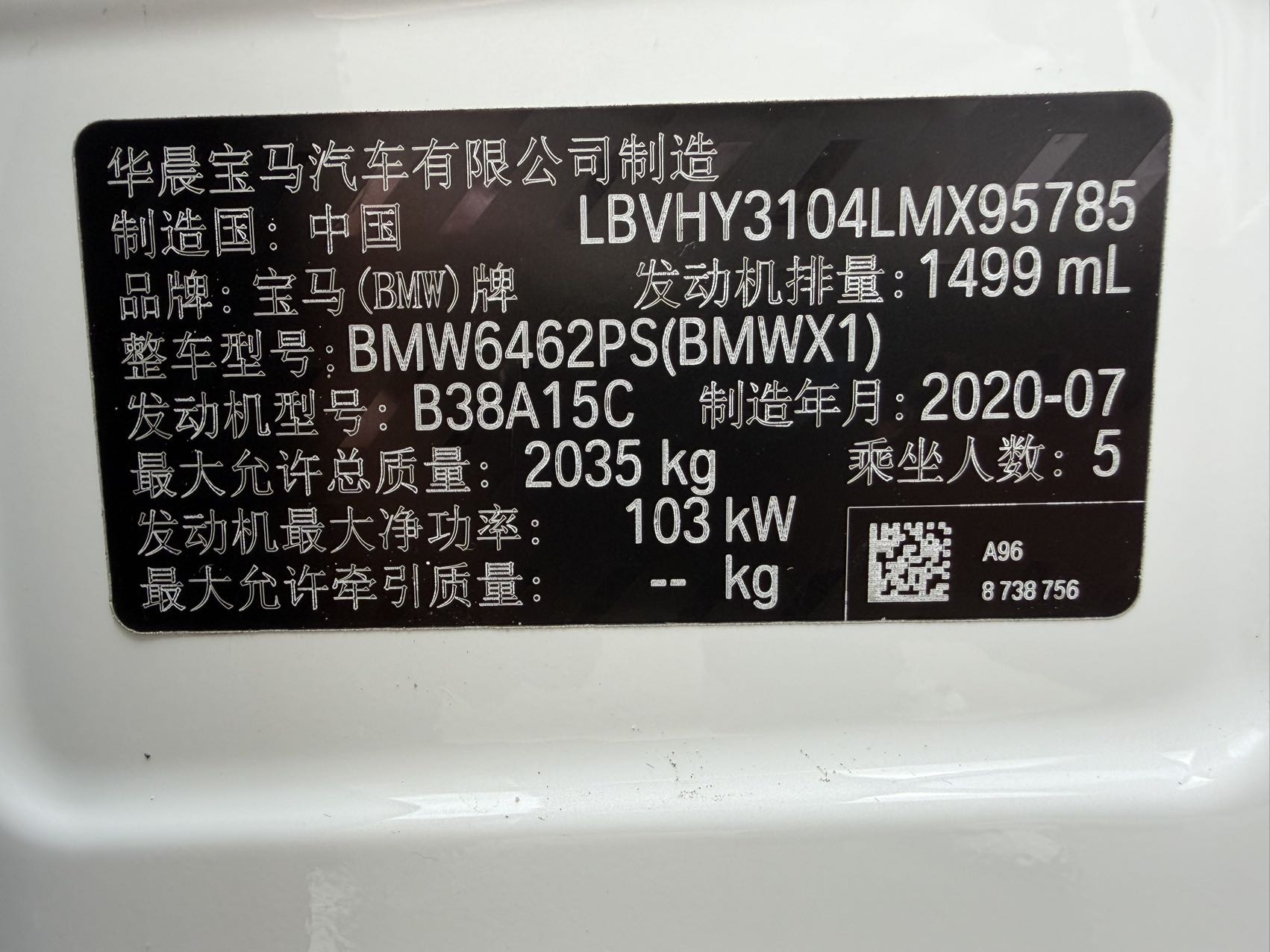
BrandBMW
SeriesX1
Year2020
First Registration2020/08
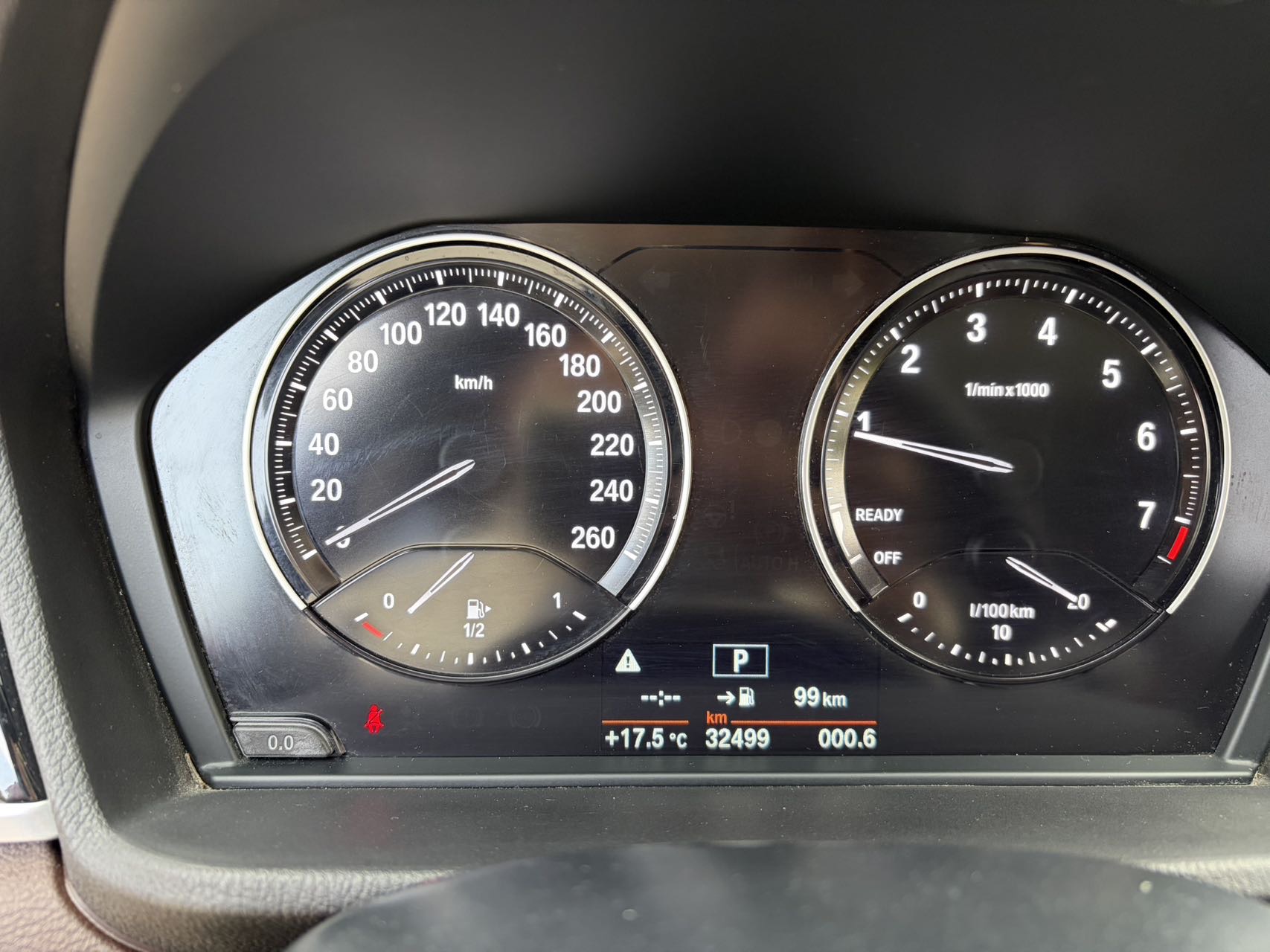
Mileage32,000km
Transfer Count1times
FuelGasoline
TransmissionDCT
Engine1.5T 140 L3
ColorWhite
Seats-

Condition Description

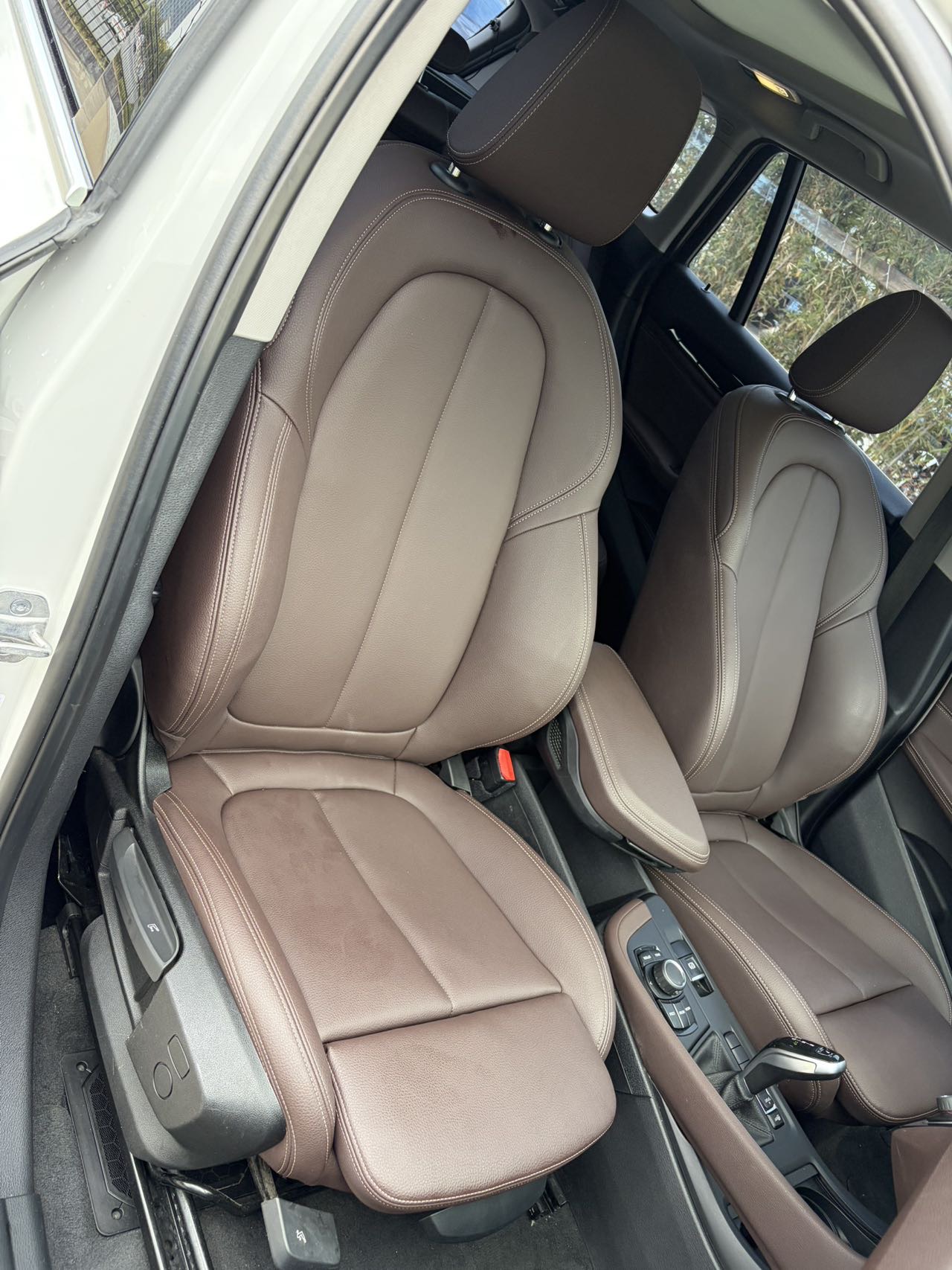
32499 km, original factory paint.

燃油车
SUV
自动
维保开放
事故开放
查验开放

Configuration Highlights

✓品牌: 宝马
✓车系: 宝马X1
✓车型: 2020款 sDrive20Li 时尚型
✓车身类型: SUV
✓座位数: 5
✓排量: 1.5T
✓变速箱: 自动
✓能源类型: 燃油车
✓VIN: LBVHY3104LMX95785
✓搜索关键词: 宝马宝马X1 2020款宝马X1sDrive20Li时尚型

Q&A

More

What is a Certificate of Origin and do I need one to import a used car from China?

A Certificate of Origin (CO) is an official document stating where the vehicle was manufactured. For imports from China, it matters more than many buyers expect. First, customs value: many countries apply duty rates based on the country of manufacture, not where you bought the car. A CO proves the vehicle is Chinese-built, which determines the correct tariff line—skipping it can mean reassessment, fines, or seizure at destination. Second, trade agreements: some countries have preferential tariffs for Chinese goods that only apply with a valid CO. Request a CO issued by the China Council for the Promotion of International Trade (CCPIT) or China Customs, not a self-printed form. Check that the VIN, engine number, and buyer details match your purchase documents exactly. Make receiving the CO a condition before your final payment, and keep the original—customs at destination will ask for it.


How is the degree of wear on the interior defined? (e.g., steering wheel, seat patina or cracking)

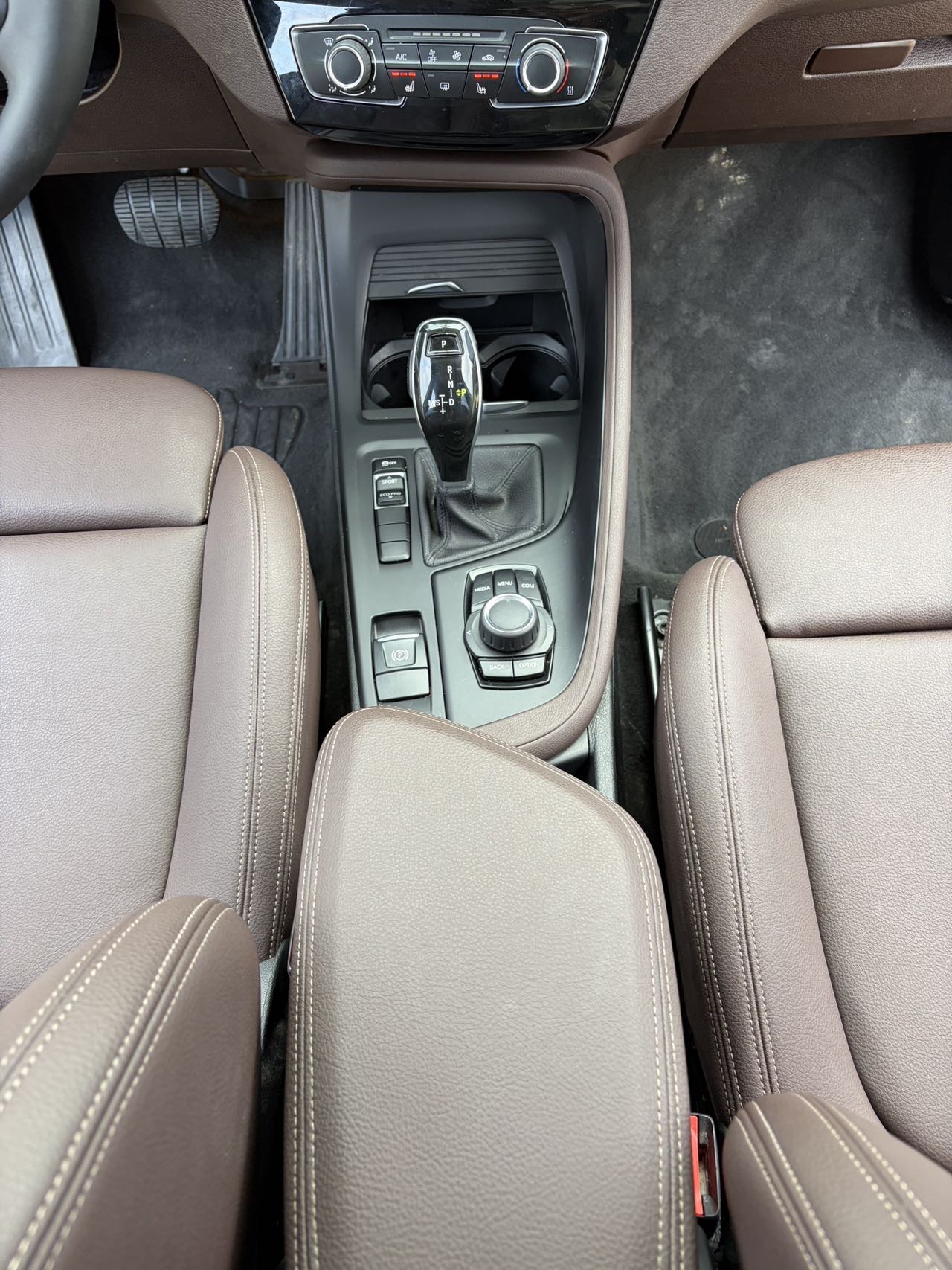
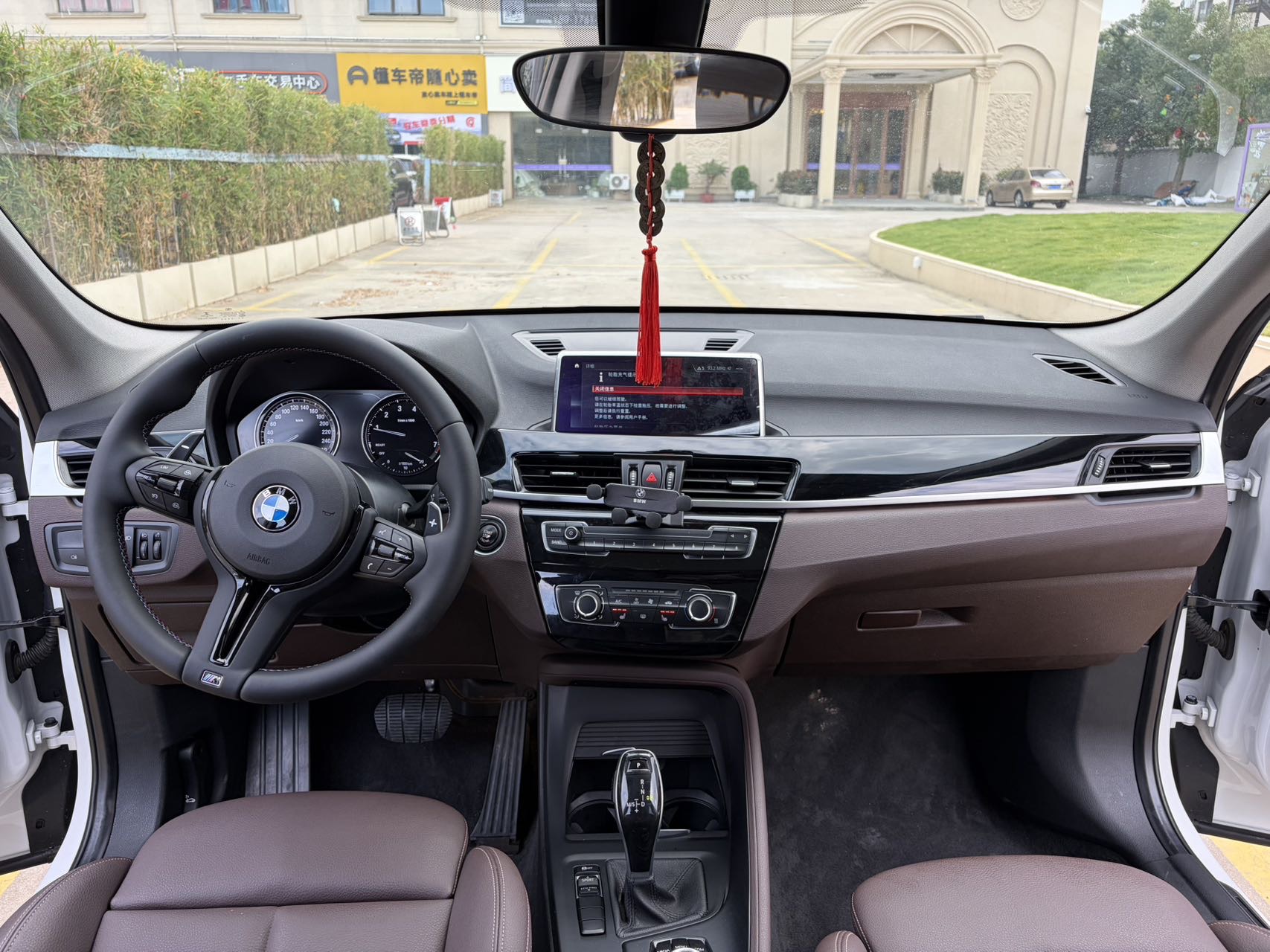
Interior assessment is divided into three core areas: the driver's high-frequency contact area (steering wheel, gear shift, edge of the driver's seat), central control button area, and rear seats and ceiling. The natural sheen of leather surfaces (patina) is normal; however, any physical damage (such as leather tearing, fabric burn holes, or plastic breakage) will be classified as "structural interior damage" and clearly marked.

Besides the purchase price, what other fees should I budget for when importing a used car from China?

The purchase price is only part of your total landed cost. Plan for these items: - Inland transport in China: moving the car from the seller's city to the export port, plus transfer and inspection fees. - Export fees: customs declaration, port handling, and terminal charges. Ask for an FOB (Free On Board) quote so these are included. - Ocean freight: RoRo (roll-on/roll-off) is cheapest for regular cars, but EVs often require special containers or dedicated EV shipping due to battery regulations, which costs more. - Insurance: marine cargo insurance, typically 1-3% of the car's value. - Import side: import duty, VAT or sales tax, customs brokerage, port charges at destination, and any homologation or compliance testing fees. As a rule of thumb, add 25-40% on top of the FOB price for a realistic landed-cost estimate, depending on your country's tax rates. Get a written breakdown from both your supplier and a customs broker before committing.