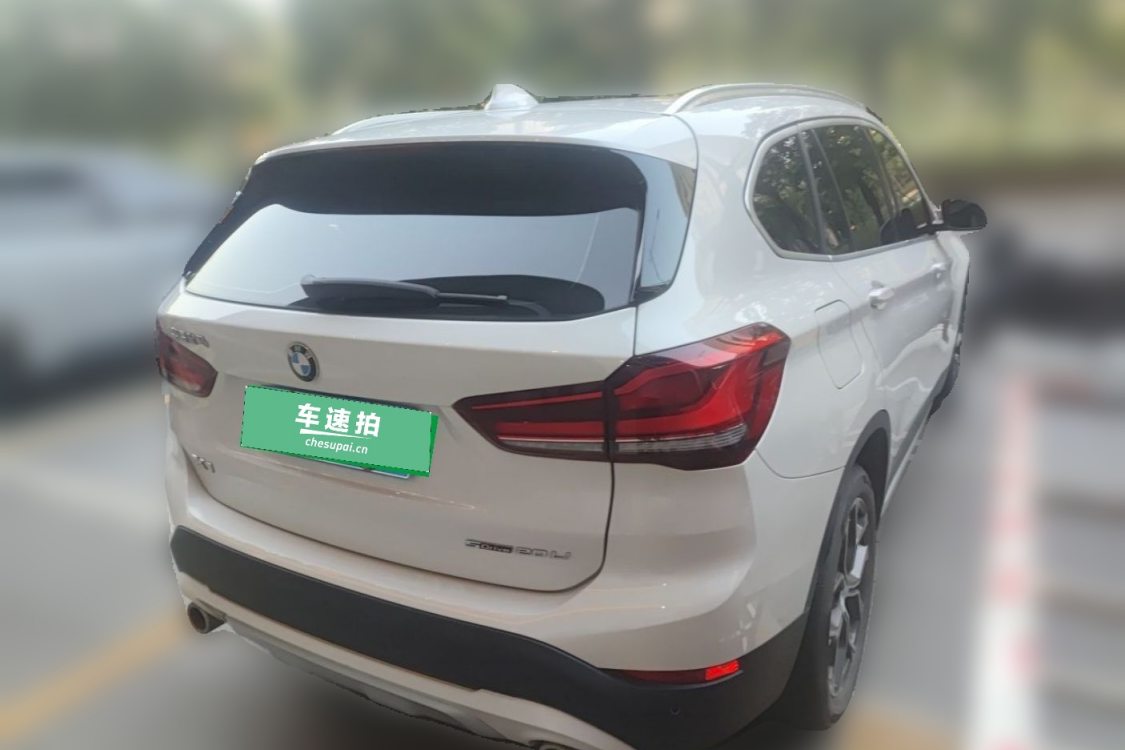
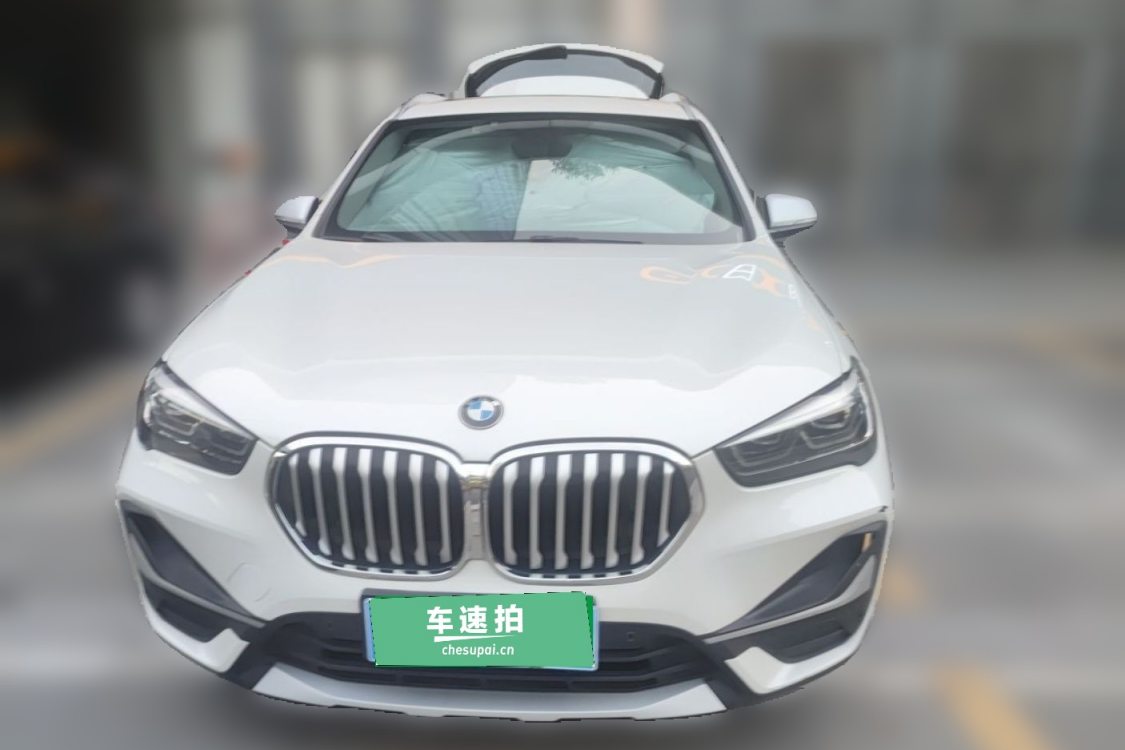
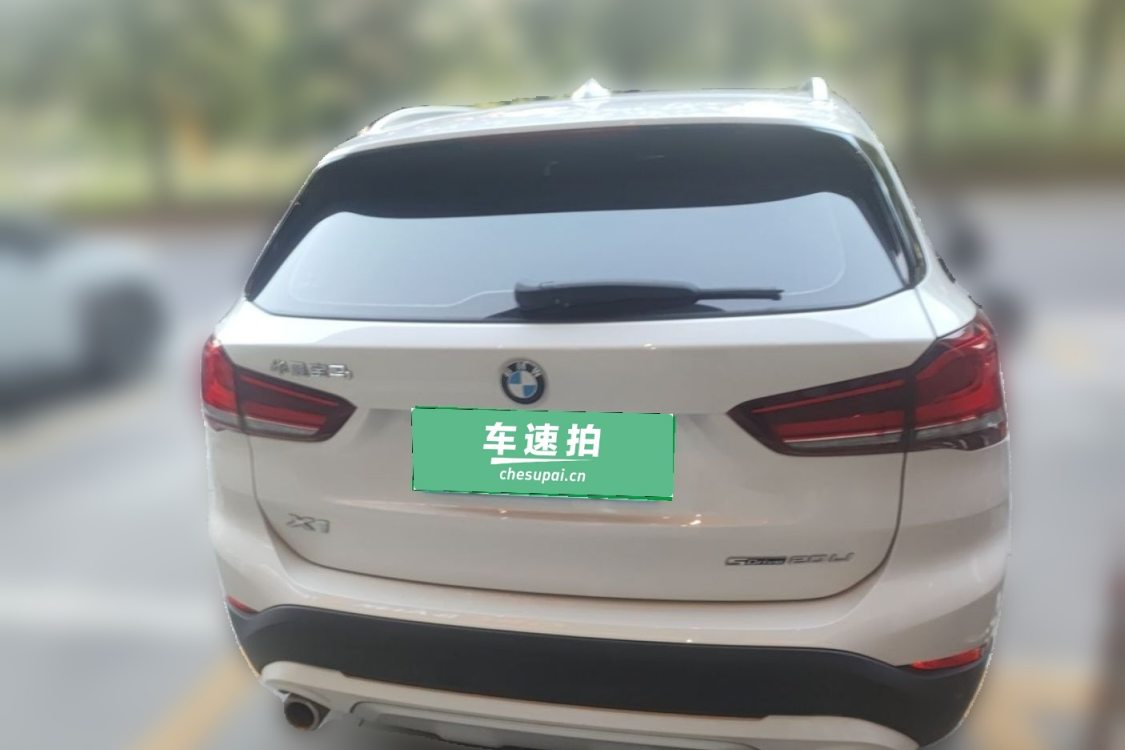
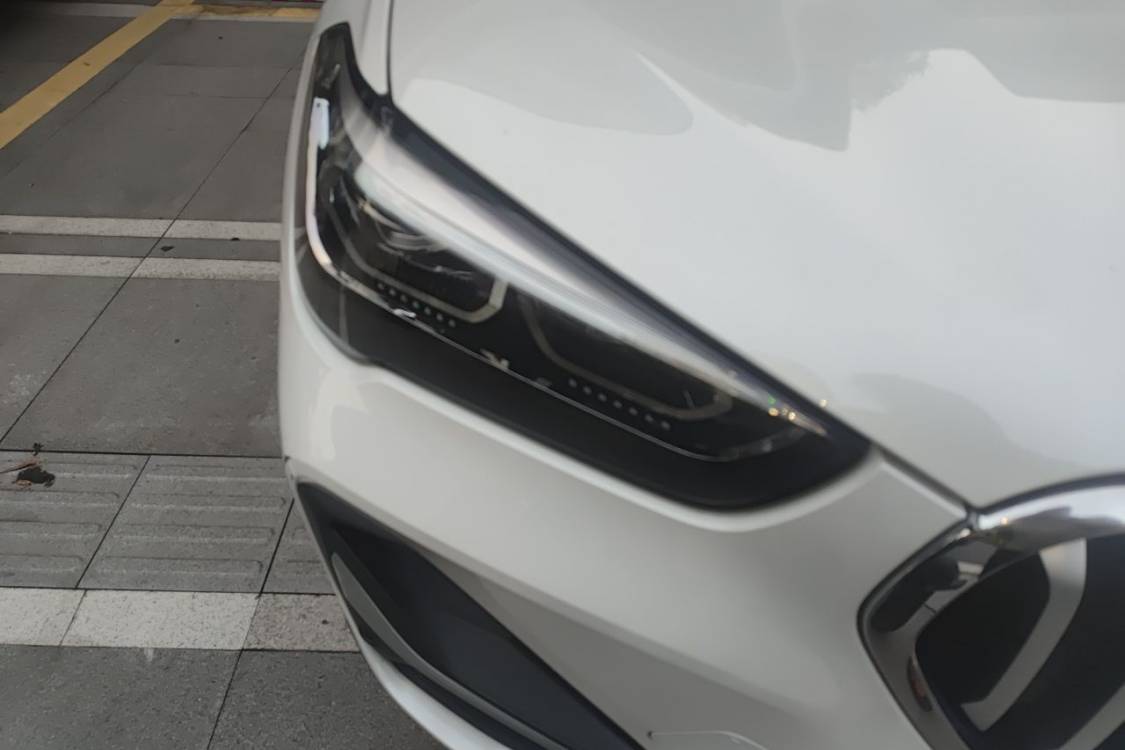



Basic Information

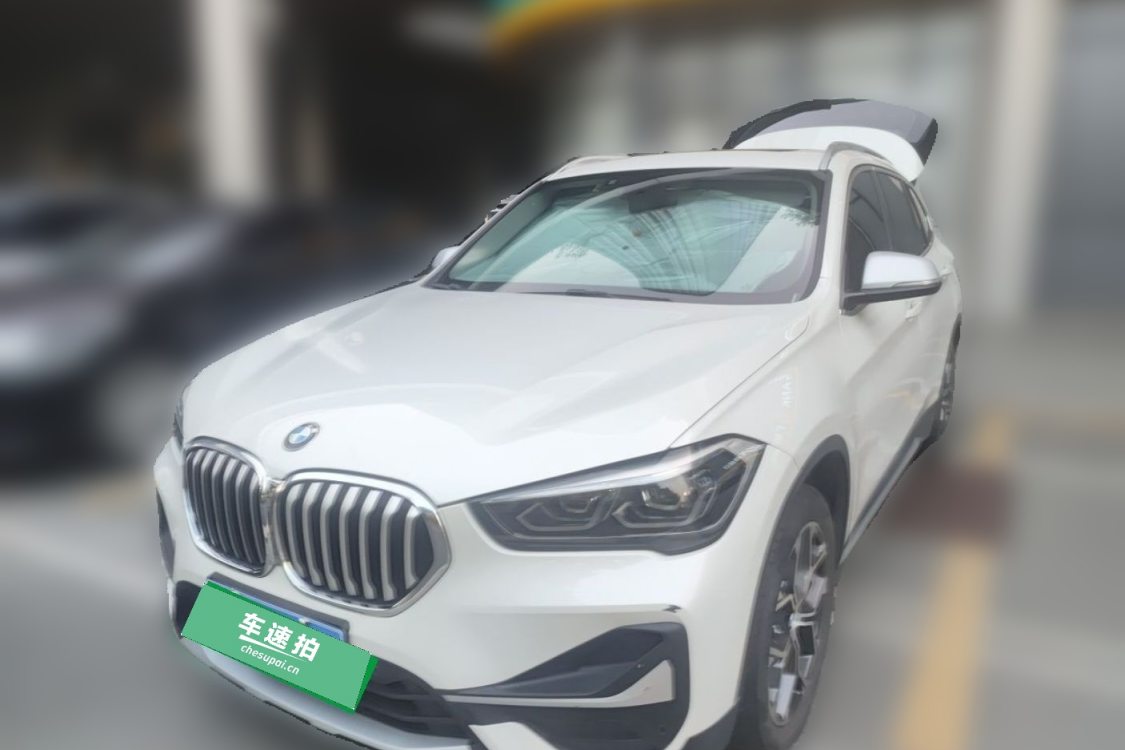
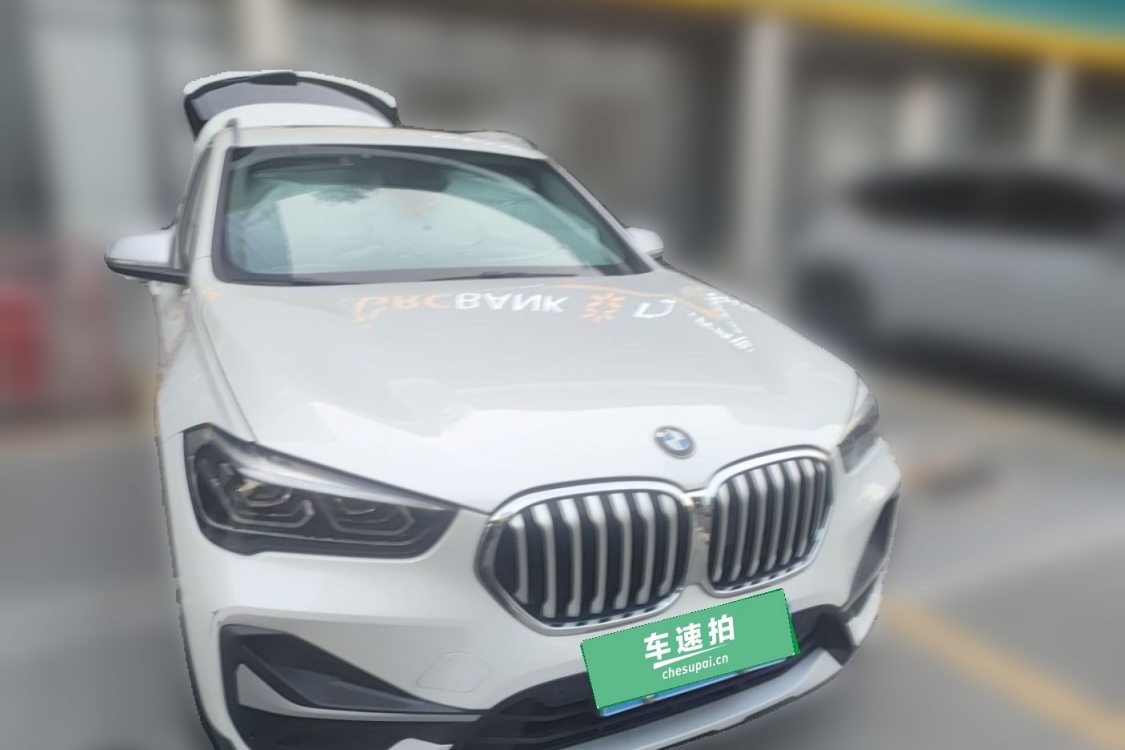
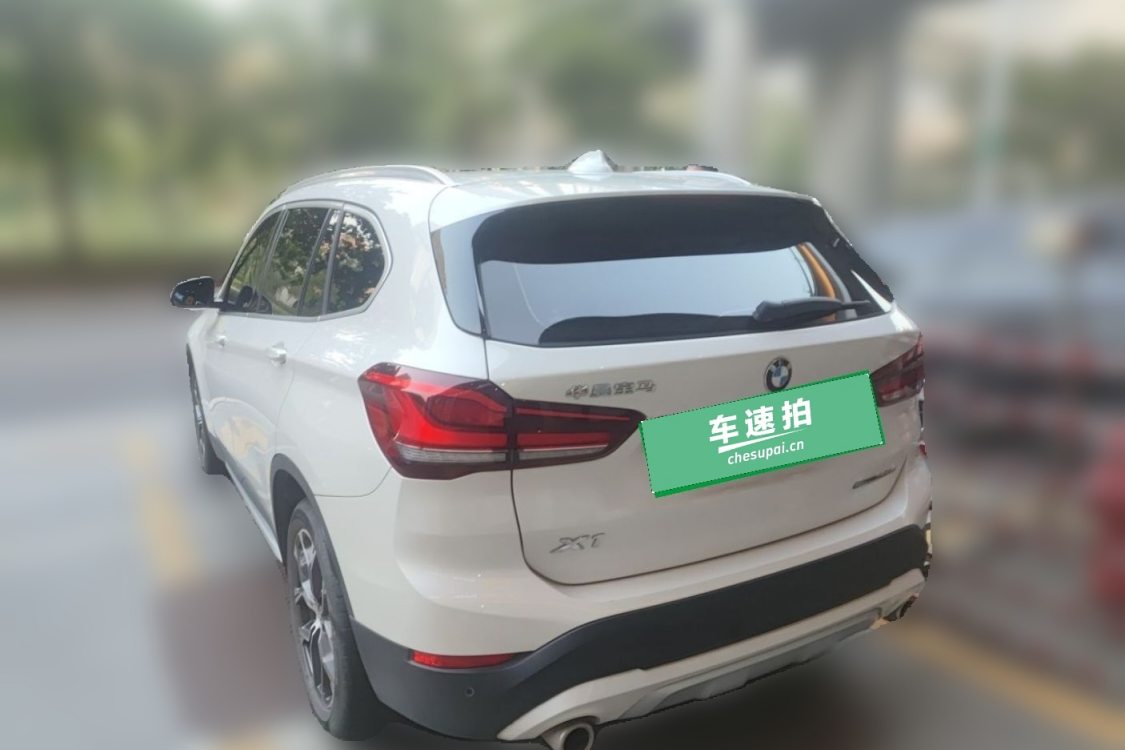
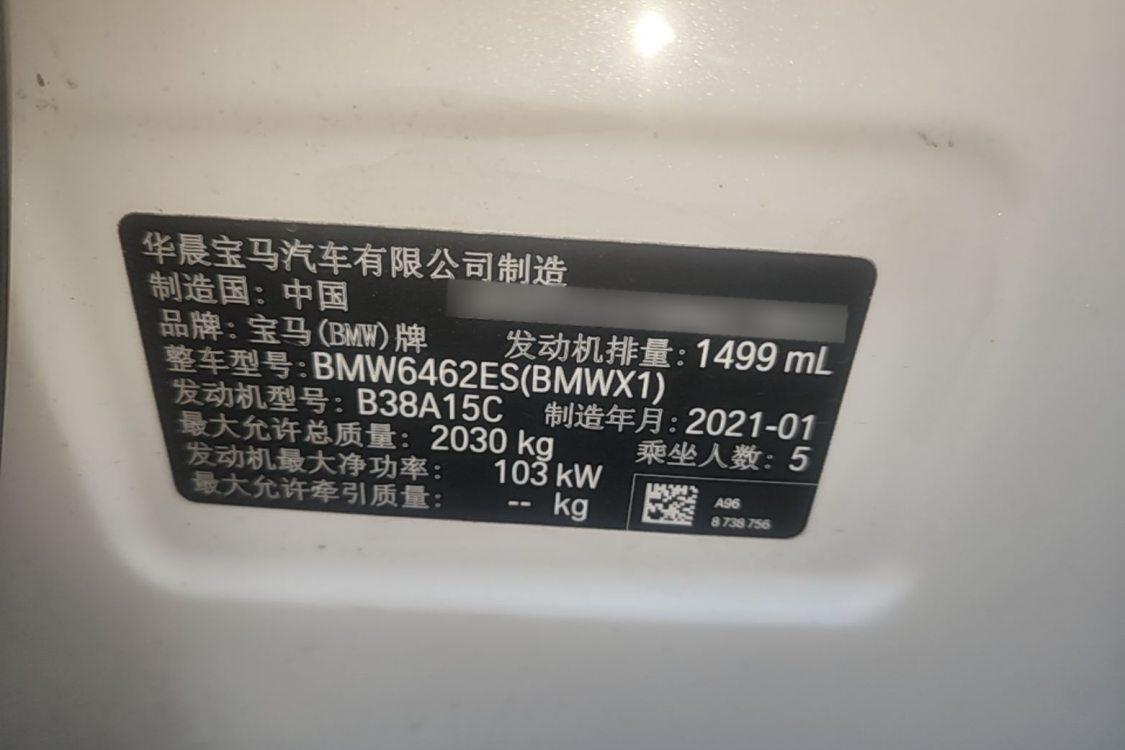
BrandBMW
SeriesX1
Year2021
First Registration2021/02
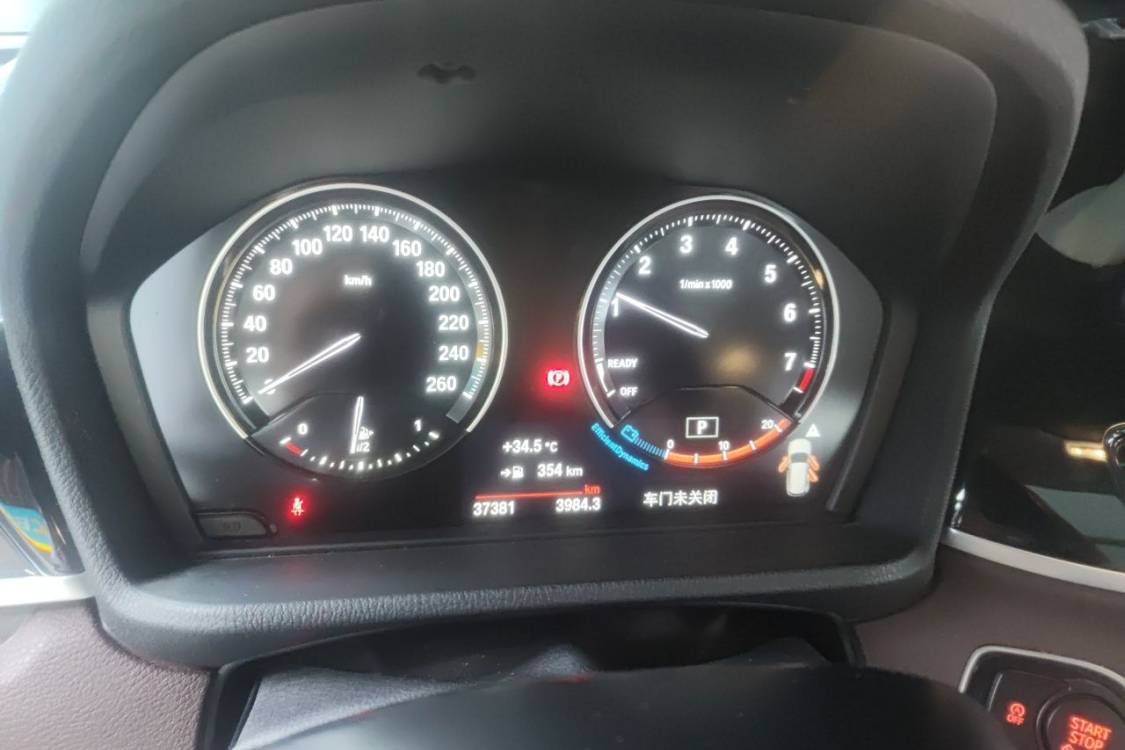
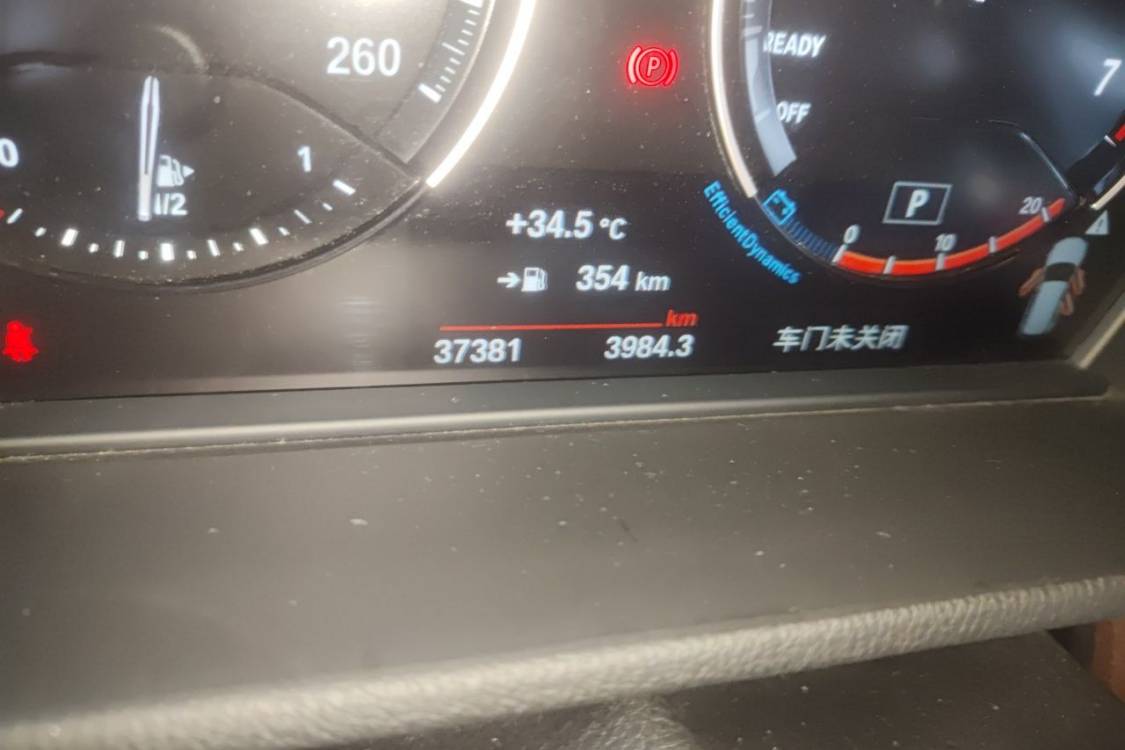
Mileage37,400km
Transfer Count-
FuelGasoline
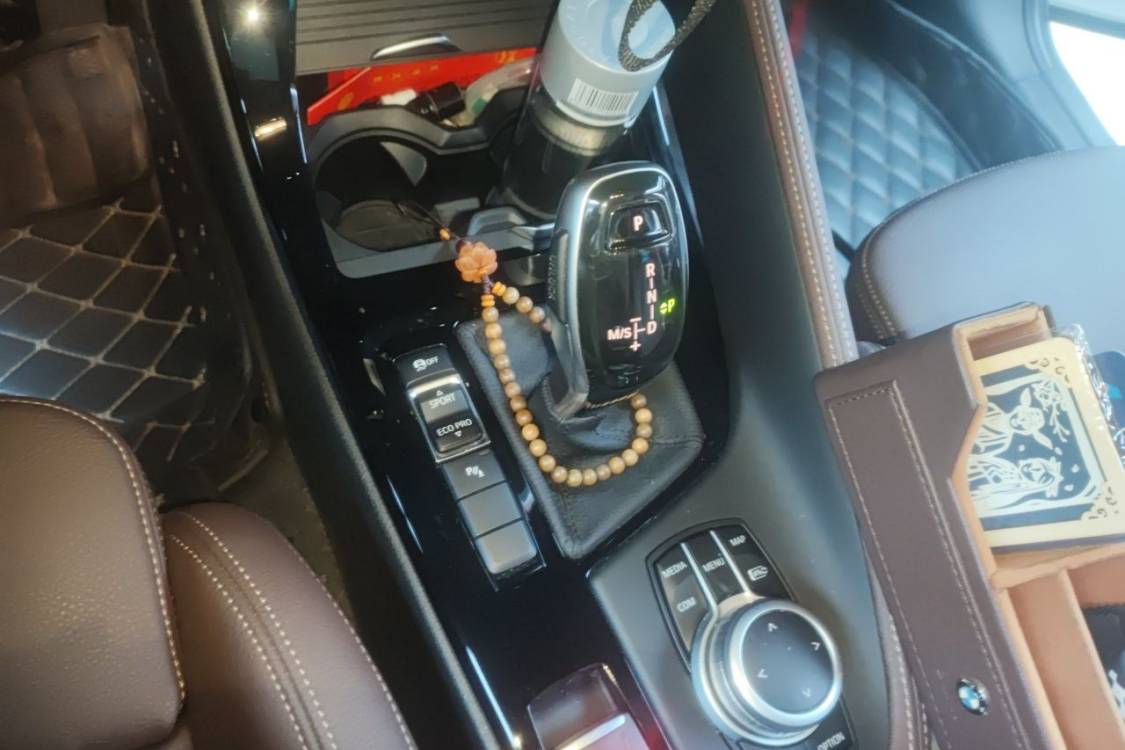
TransmissionDCT
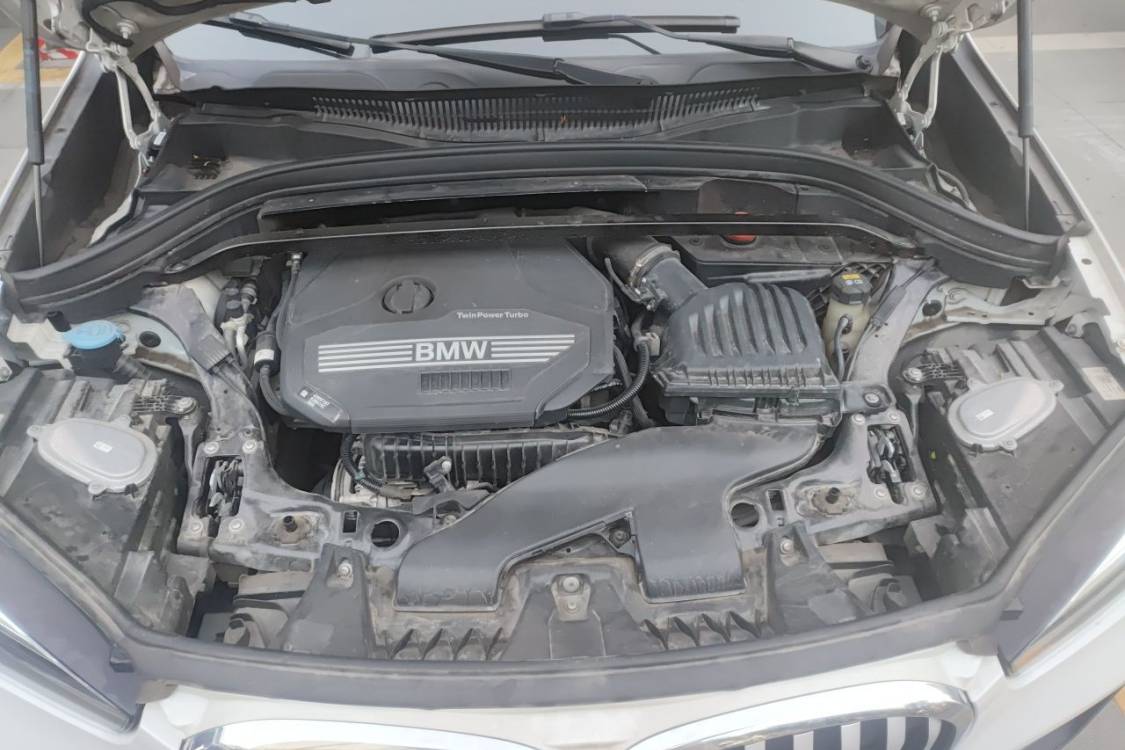
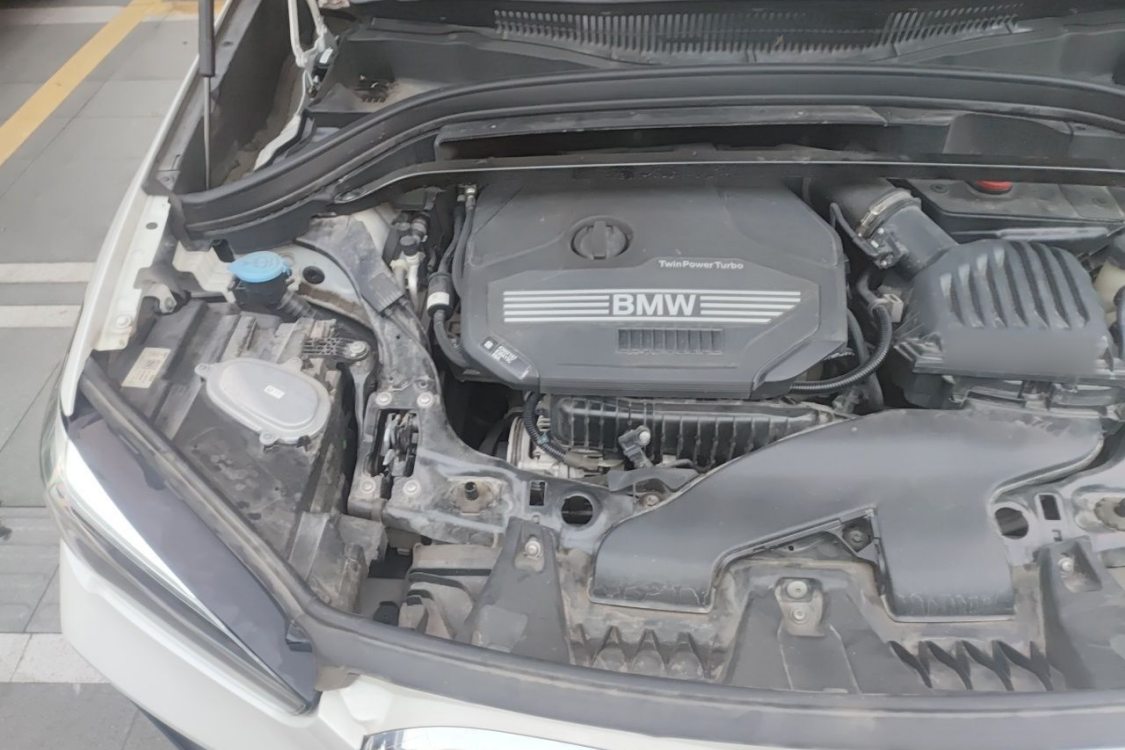
Engine1.5T 140 L3
ColorWhite
Seats-

Condition Description

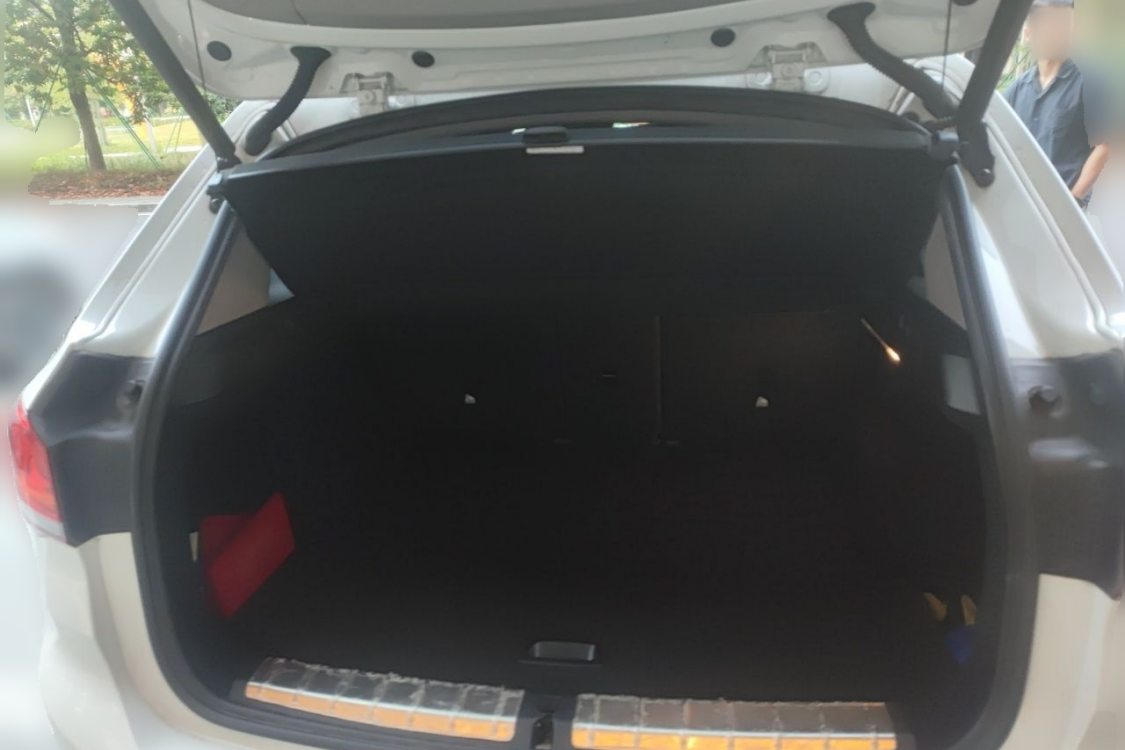
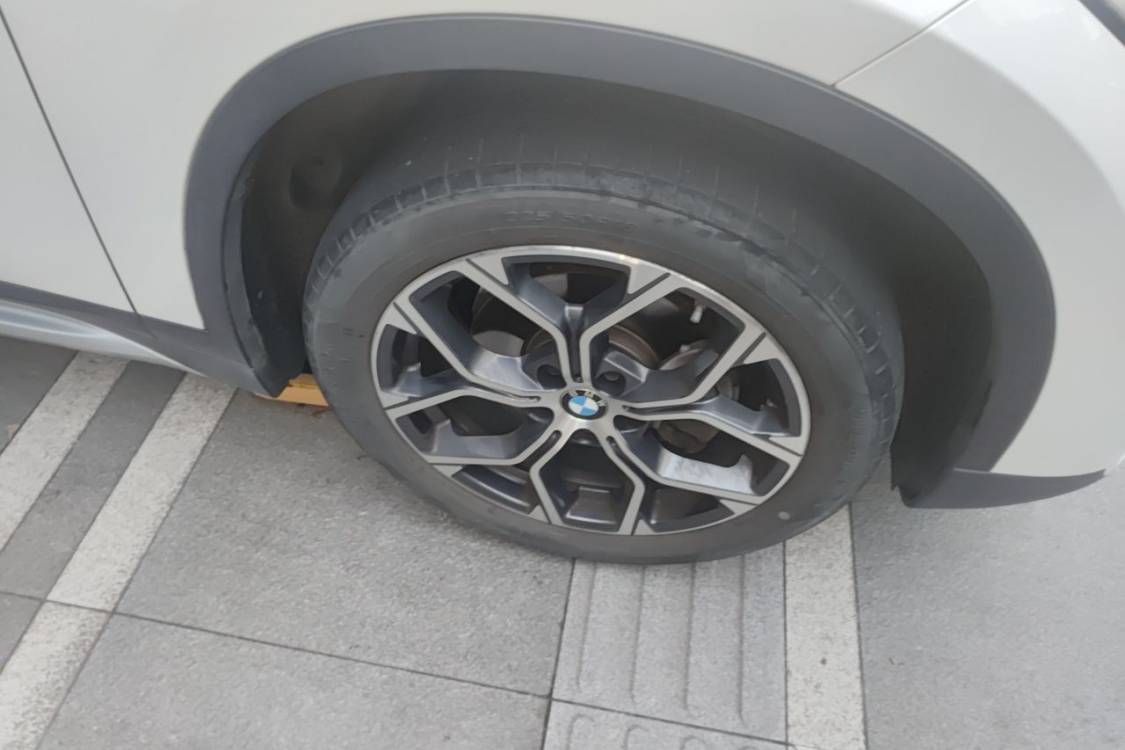
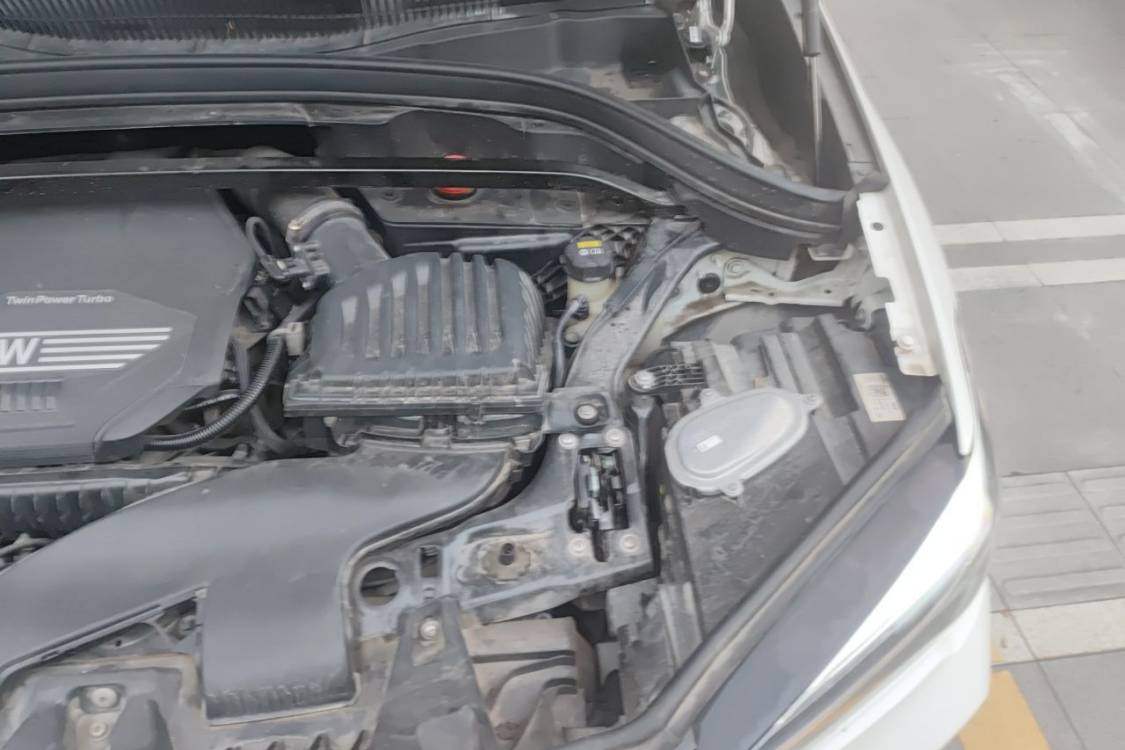
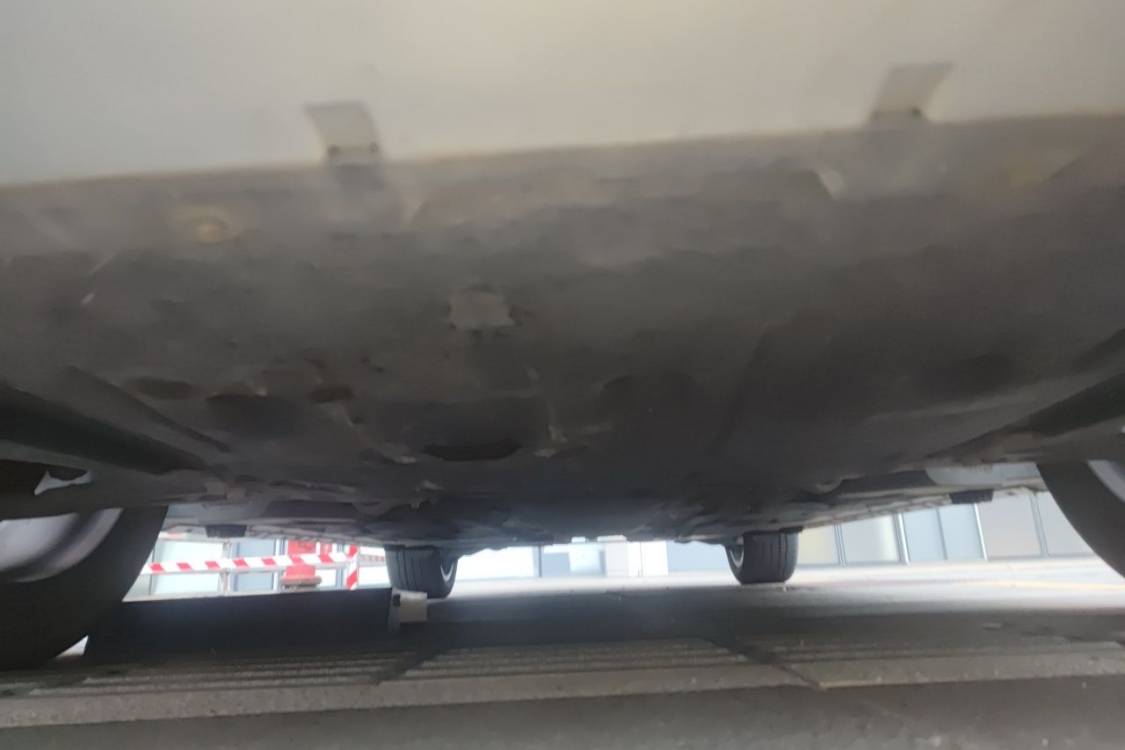
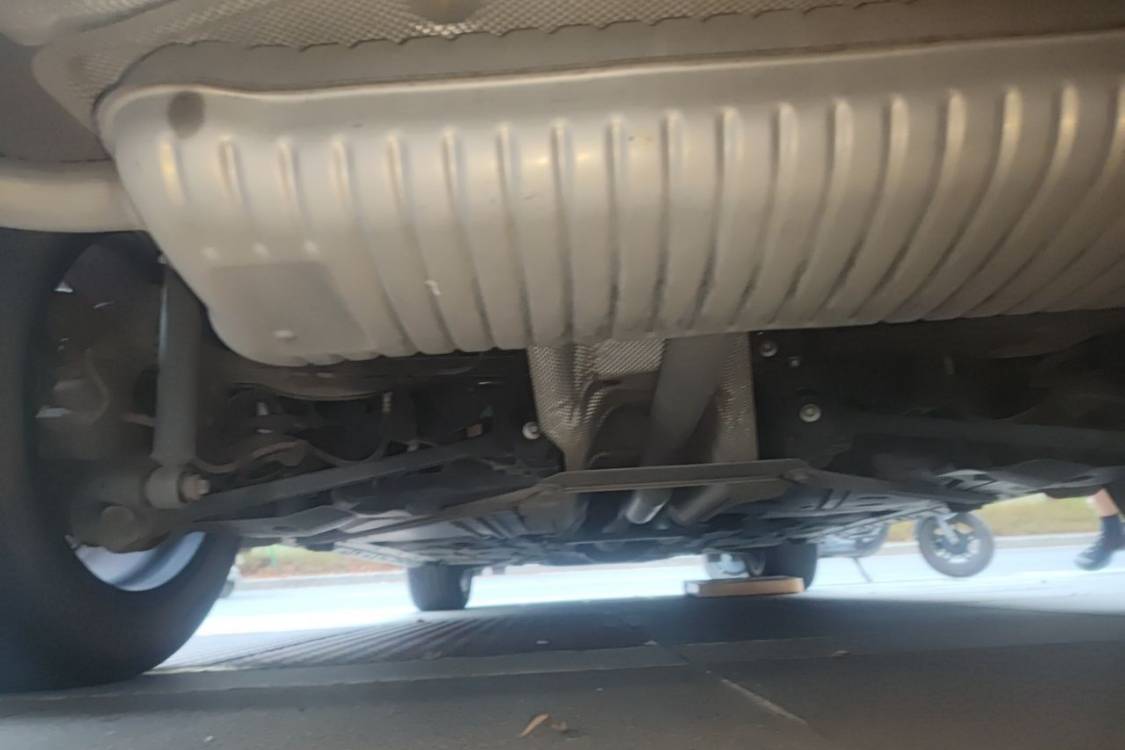
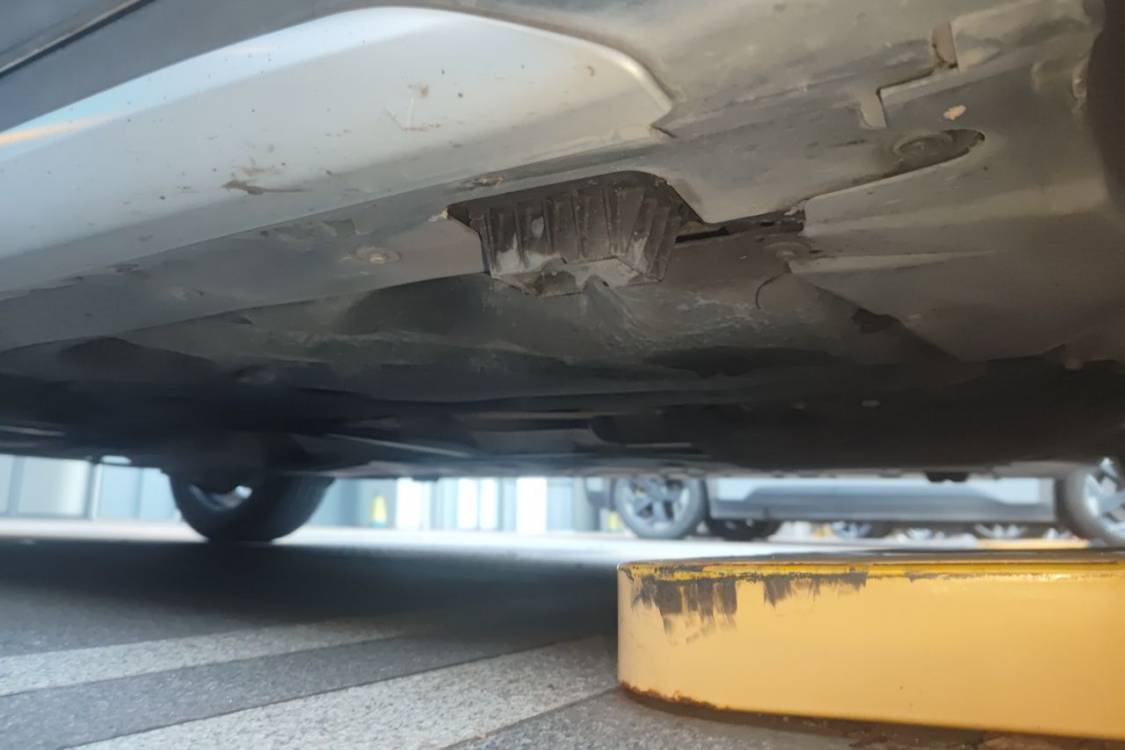
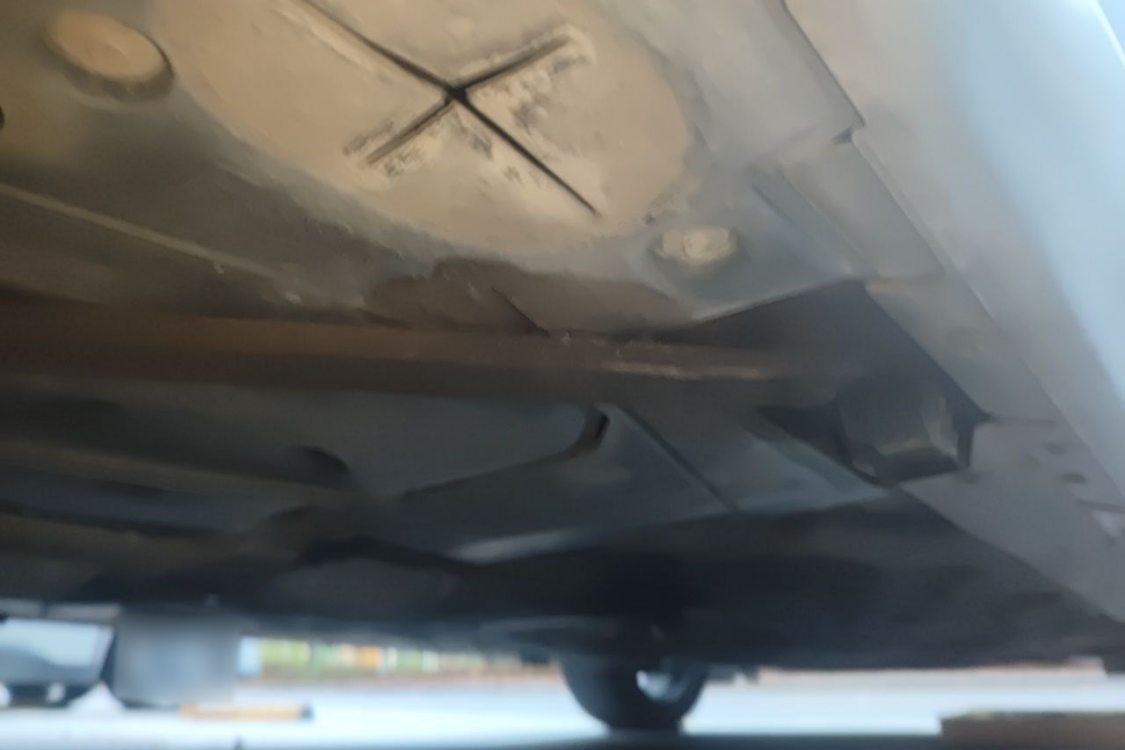
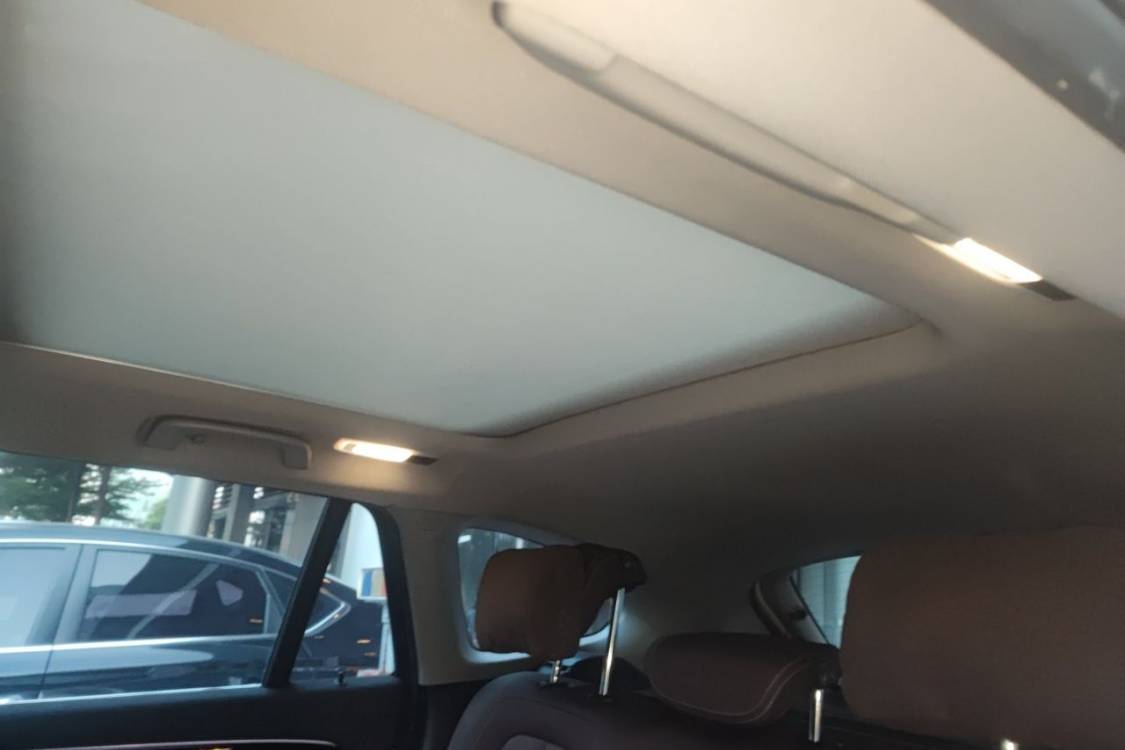
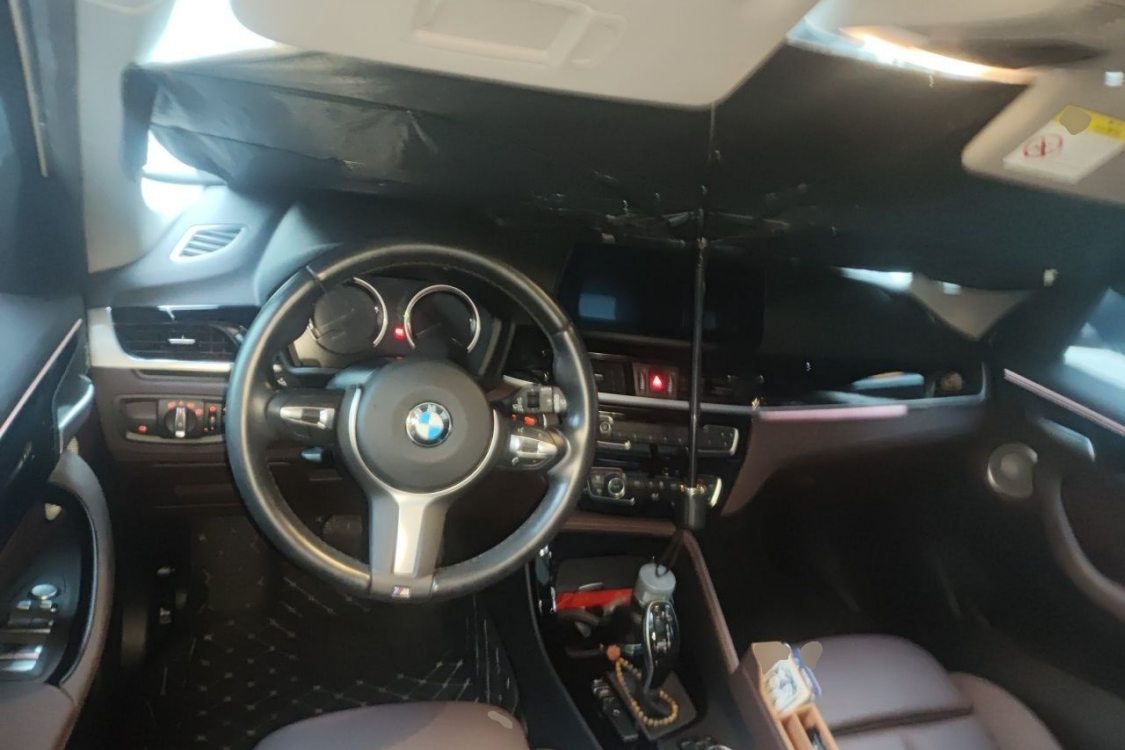
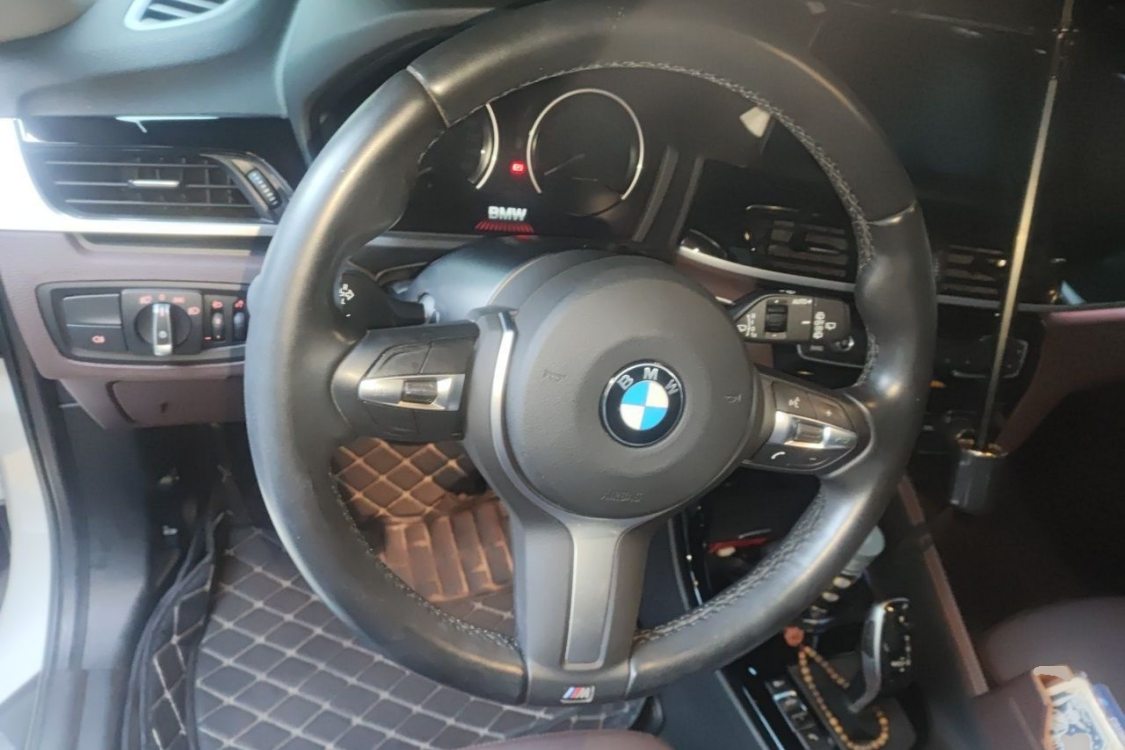
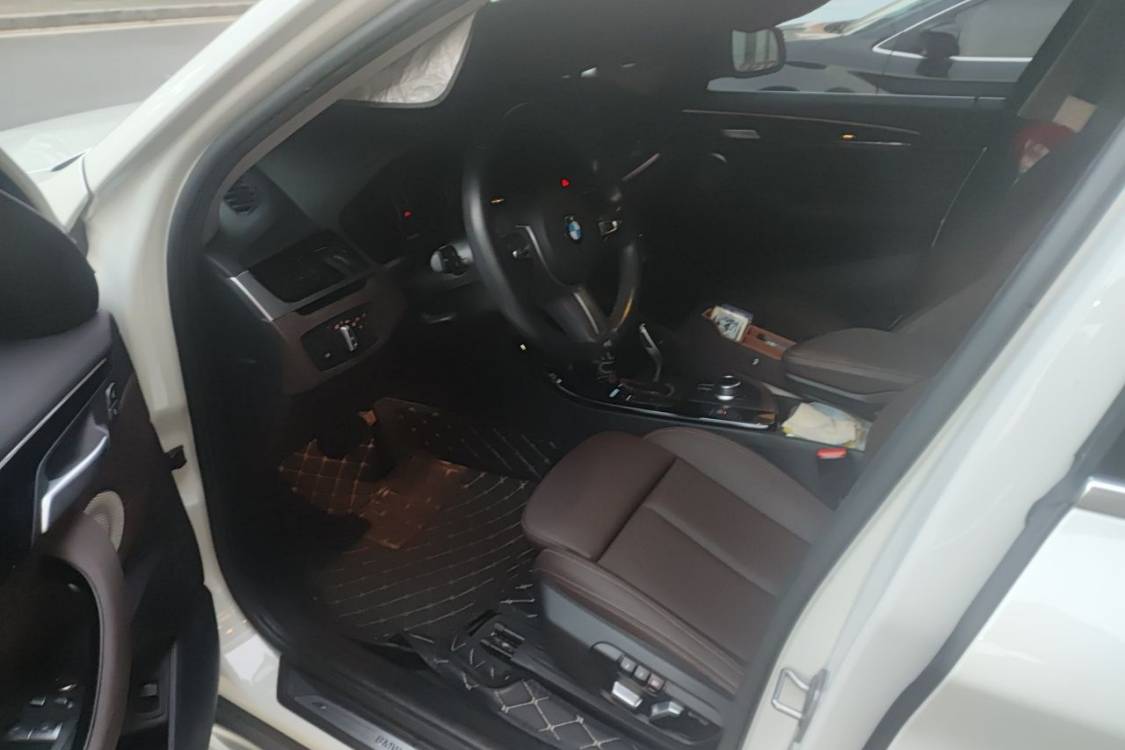
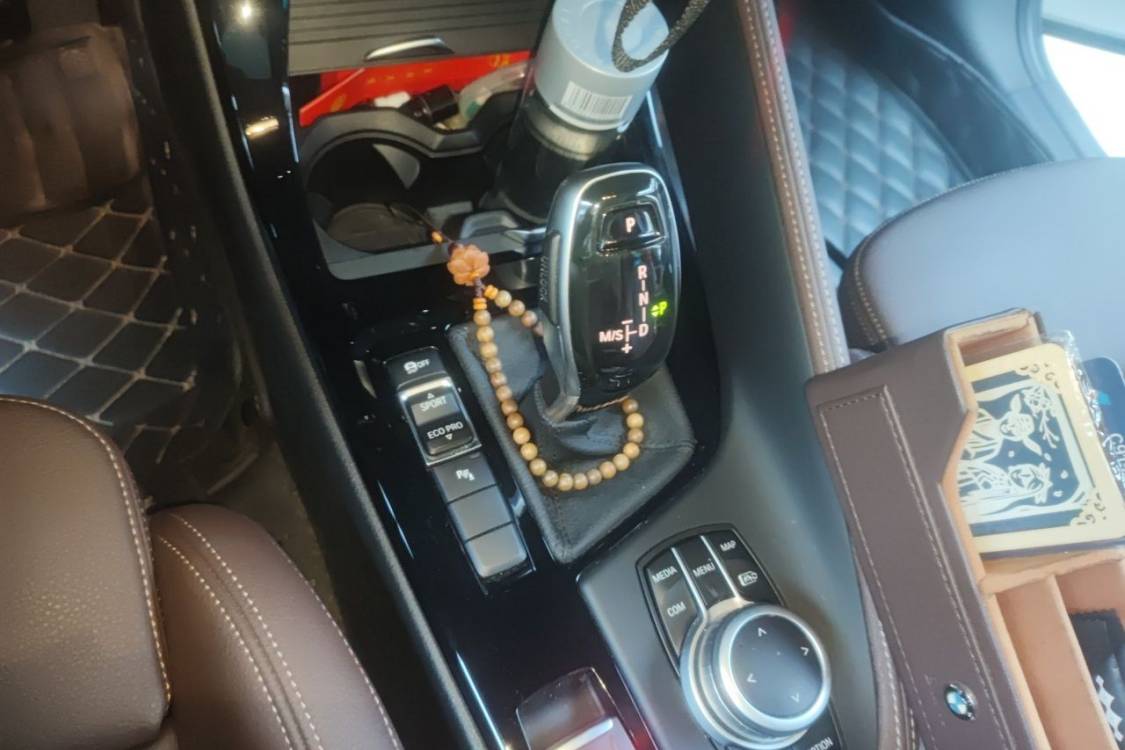
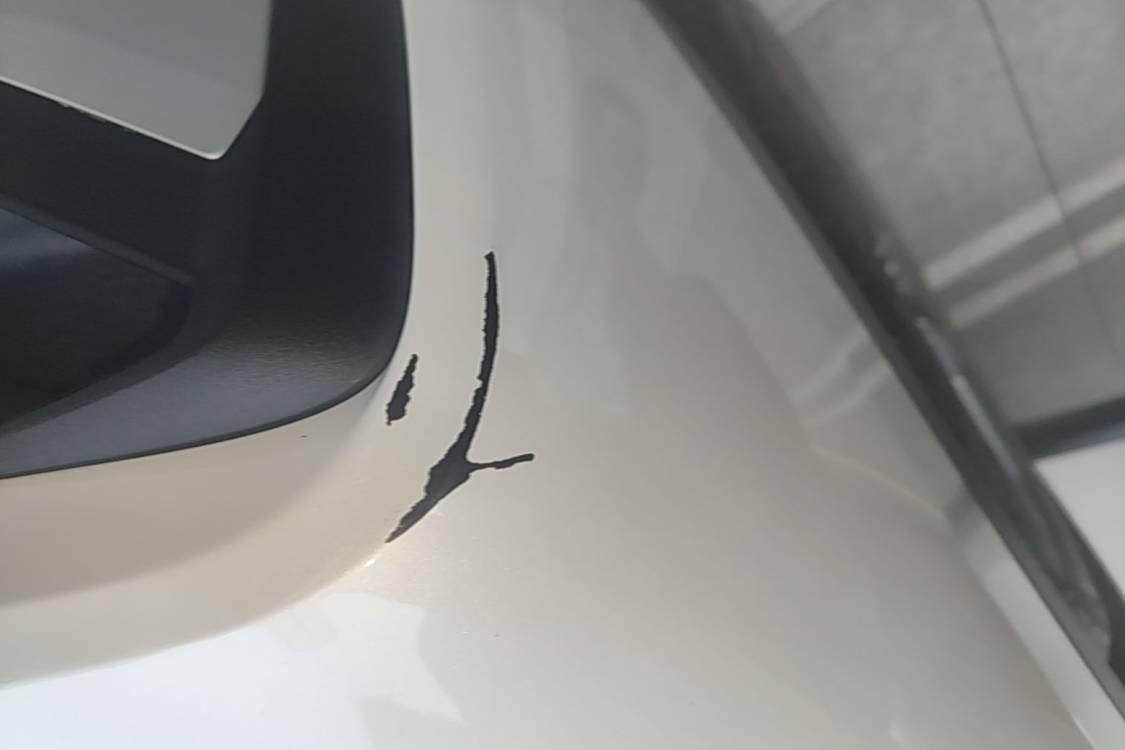
Vehicle performance is good. No accident-related damage or repairs to structural, reinforcement, or covering panels. No damage to the three-electric system (battery, motor, electronic control).

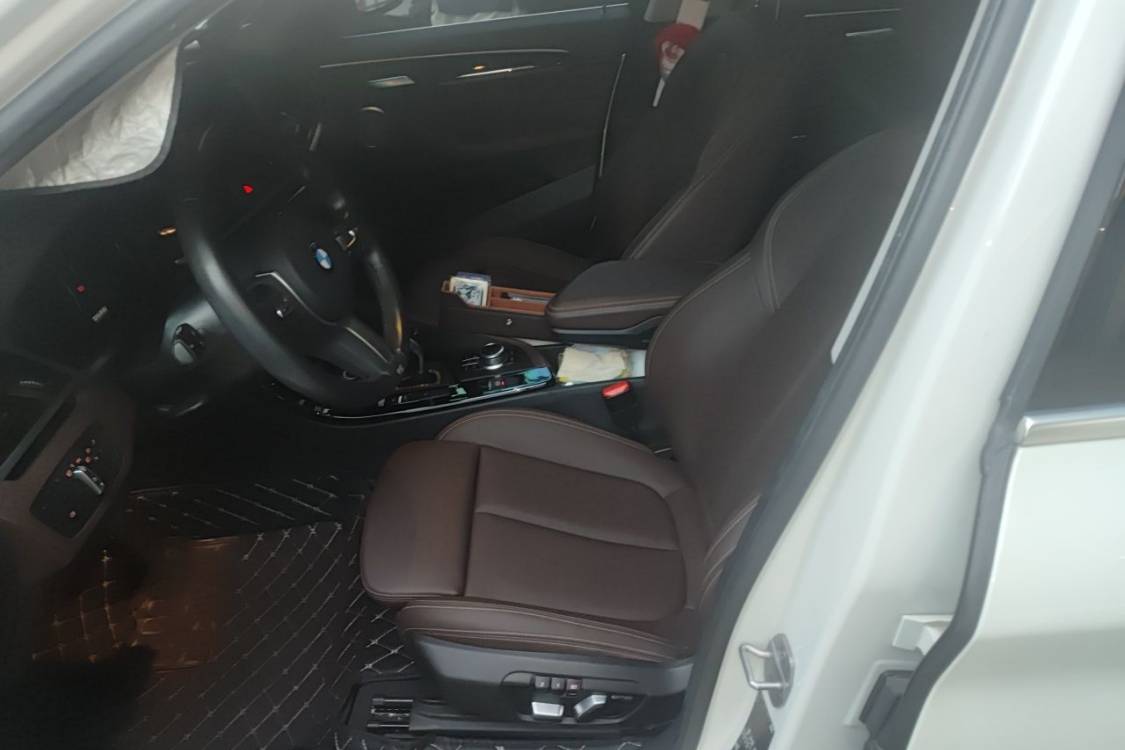
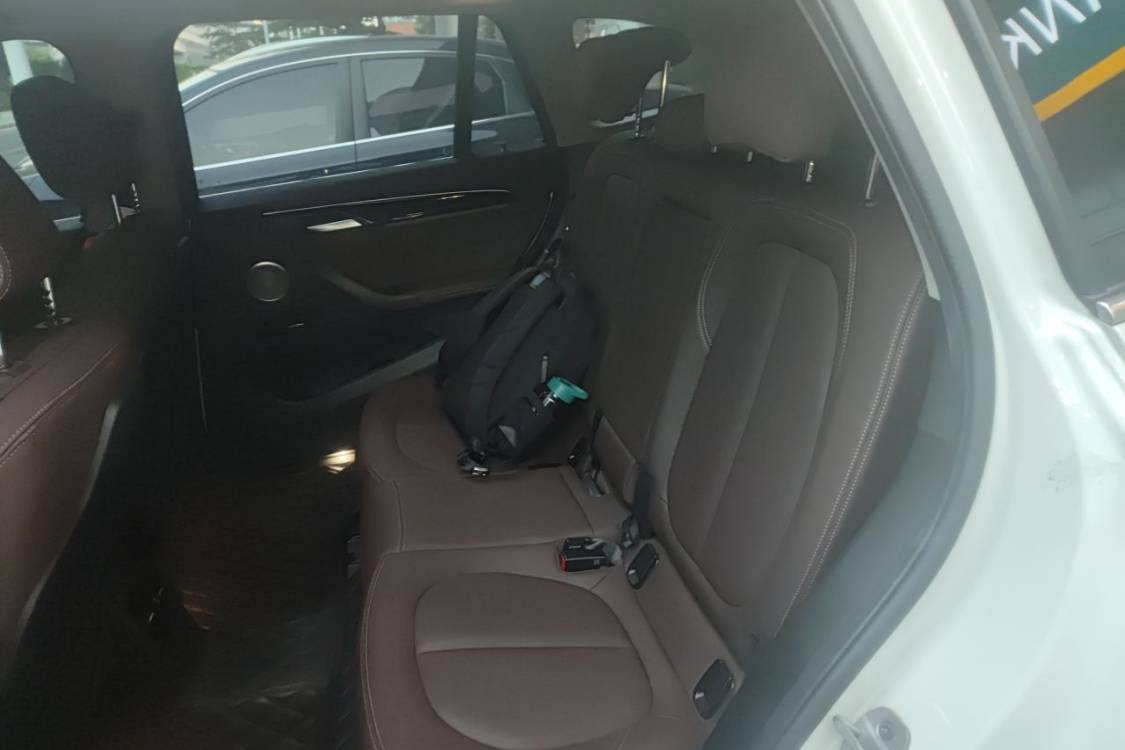
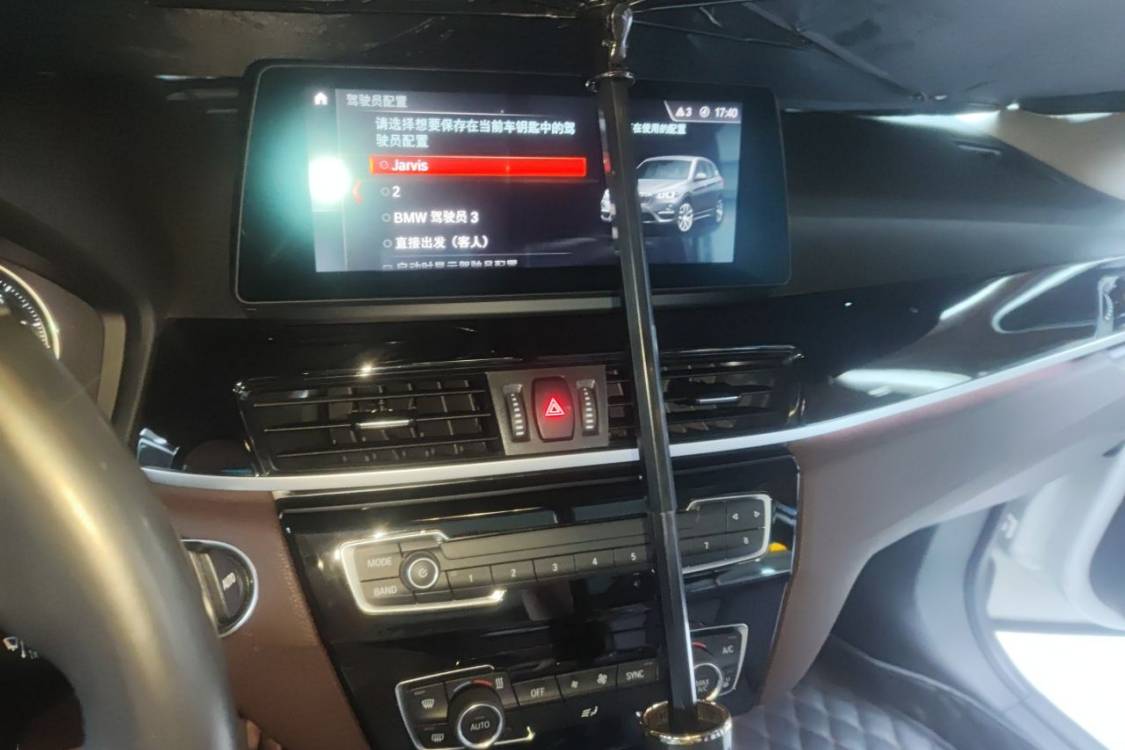
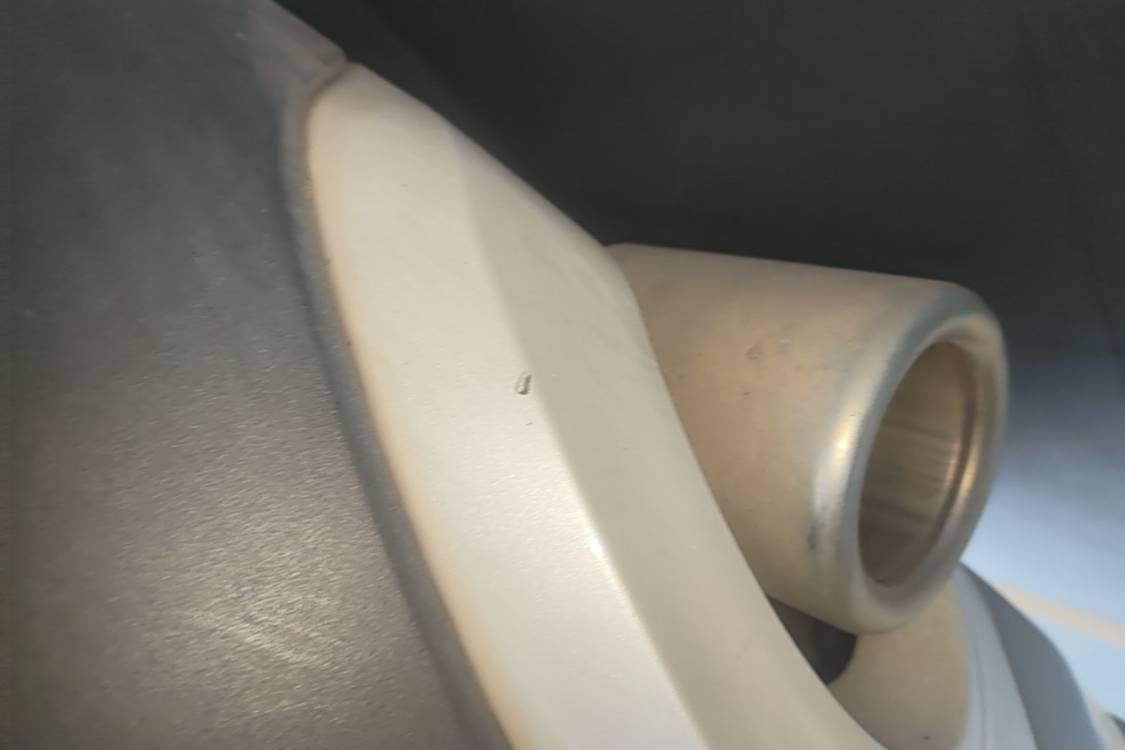
Accident inspection: no damage to main structure, reinforcement parts, covering panels, or hinges. Engine bay: key mechanical components normal. Exterior: none. Interior: most features normal; airbags, seatbelts, dashboard, instruments, and lighting system normal. Startup test: major components normal. Tool kit: none.

电话直连
可讲价
平台物流
可转售
车主降价
零过户
新检测标准升级>
非泡水

Document Information

Inspection Expiry Date2027/02
Warranty Expiry Date-
Insurance Expiry Date2027/01

Q&A

More

What are the typical steps and timeline when buying a used car from China, from selection to delivery at my port?

A normal transaction moves through six stages. First, selection and verification: you shortlist cars, request VIN-level documents, and order an independent inspection (1-2 weeks). Second, contract signing and deposit: 10-30% is standard, paid against a signed contract listing the VIN and agreed spec. Third, export preparation: the seller handles deregistration and export licensing (1-3 weeks). Fourth, final payment against loading: pay the balance only after you receive the bill of lading or rail waybill number you can track. Fifth, transit: ocean shipping to most ports takes 3-6 weeks, rail to Central Asia or Europe 2-4 weeks. Sixth, destination clearance and registration: allow 1-2 weeks plus buffer for inspections. In total, plan for 2-4 months door to door. Any exporter promising full delivery in under six weeks is likely cutting corners on export paperwork.


Who is responsible for damages to the vehicle during maritime transport?

Be sure to purchase cargo insurance (all-risk or water damage insurance). In case of damage, claim with the bill of lading, insurance policy, and proof of damage at the destination port.

How do I evaluate rust and corrosion on a used car from China, especially for coastal cities or snowy regions?

Rust is a deal-breaker that photos can hide, so be systematic. High-risk areas to check: 1. Underbody and frame rails—surface rust is normal, but flaking or bubbling paint means advanced corrosion 2. Wheel arches and rocker panels—these trap mud and salt 3. Door bottoms and the trunk floor—water collects here; lift the trunk mat and look for dampness or repair welds 4. Around the windshield and sunroof drains—leaks cause hidden rust in the A-pillars Ask the inspector to do a magnet test: filler-repaired areas won't hold a magnet, indicating past accident repairs. A paint thickness gauge reveals resprayed sections—uniform readings around 80-150 microns are normal; spikes over 300 suggest bodywork. Cars from northern China (salted roads in winter) or coastal cities need extra scrutiny on the underbody. If structural members show corrosion, walk away—repairs rarely restore original strength.