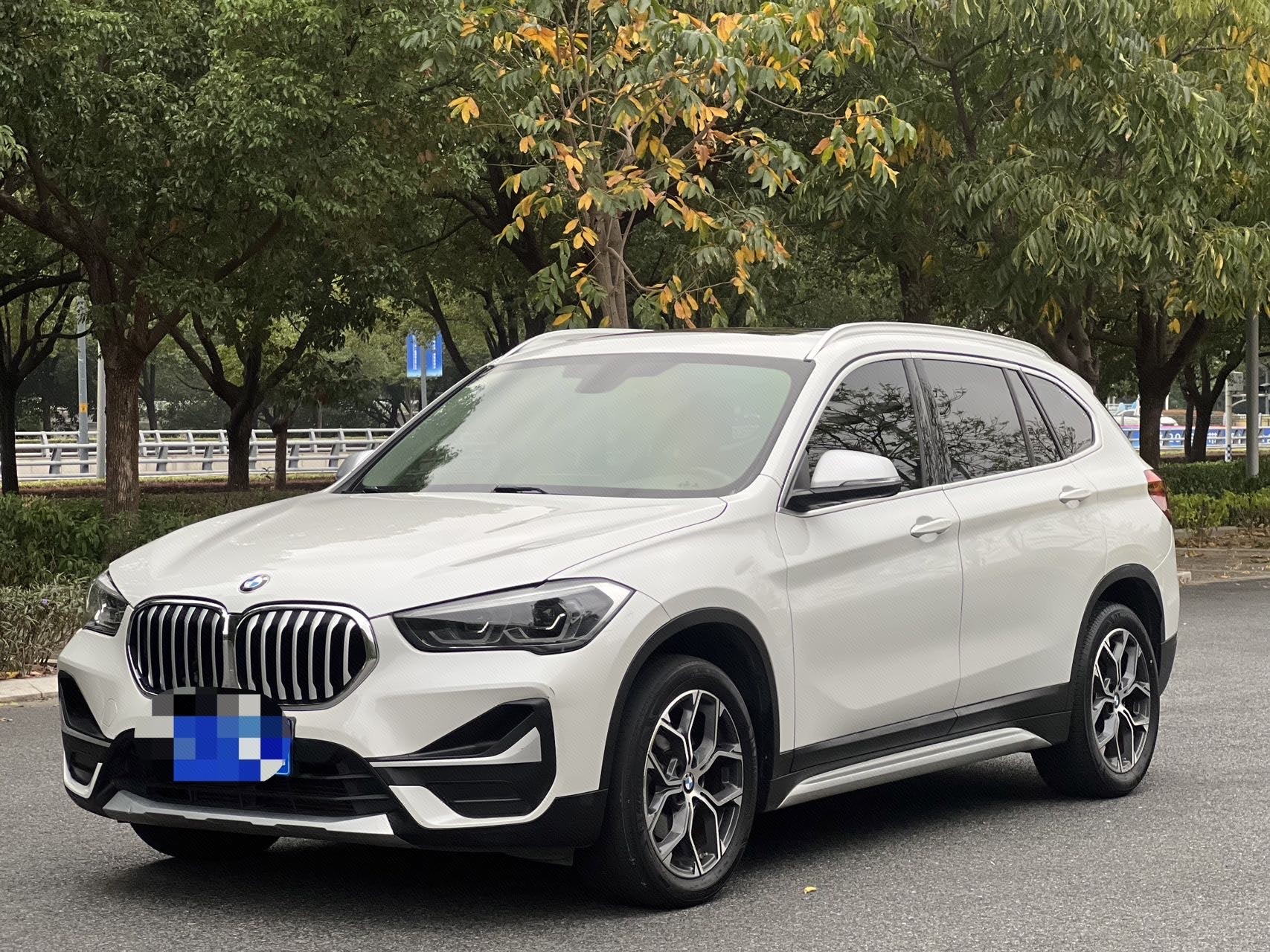
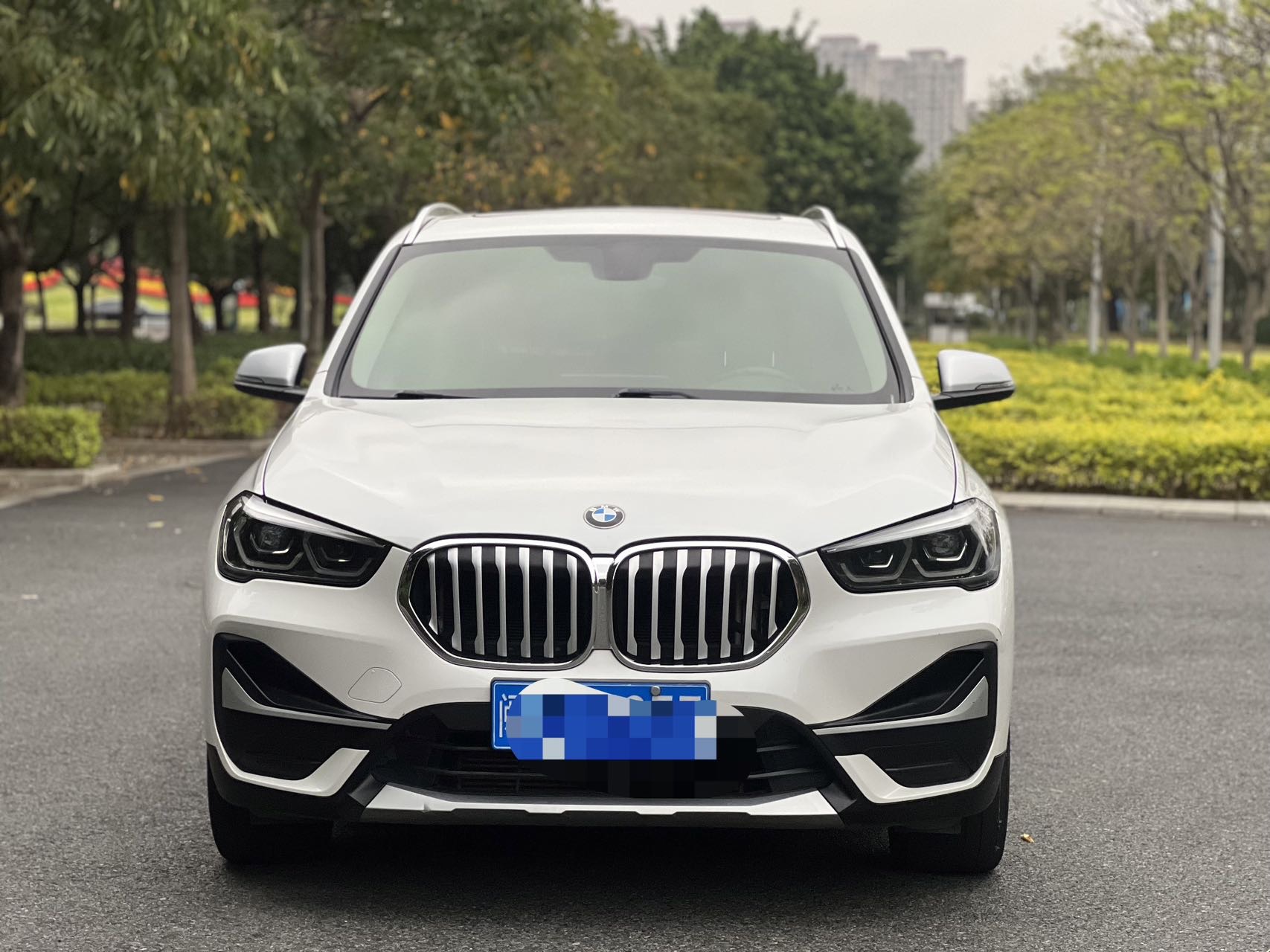
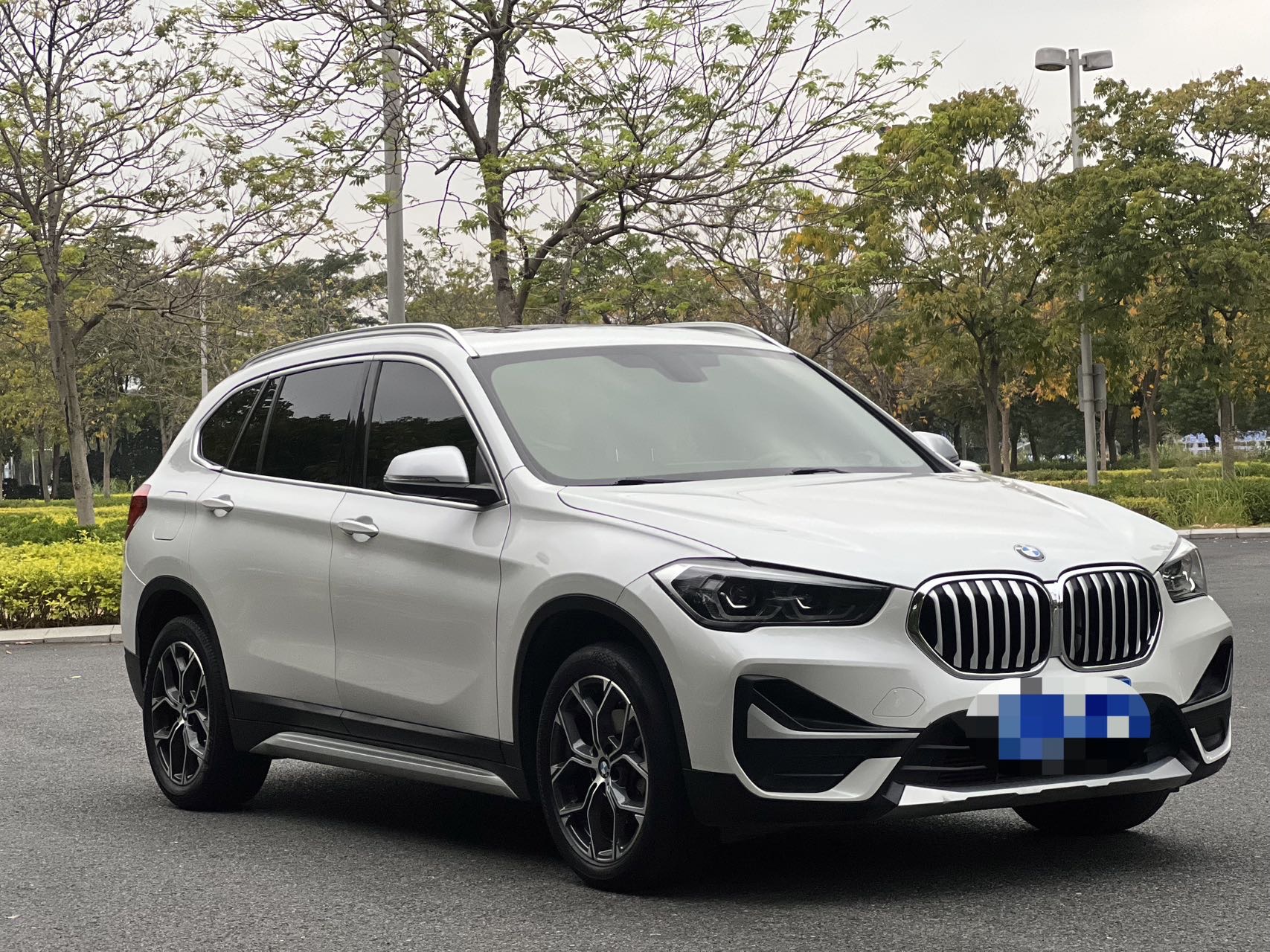
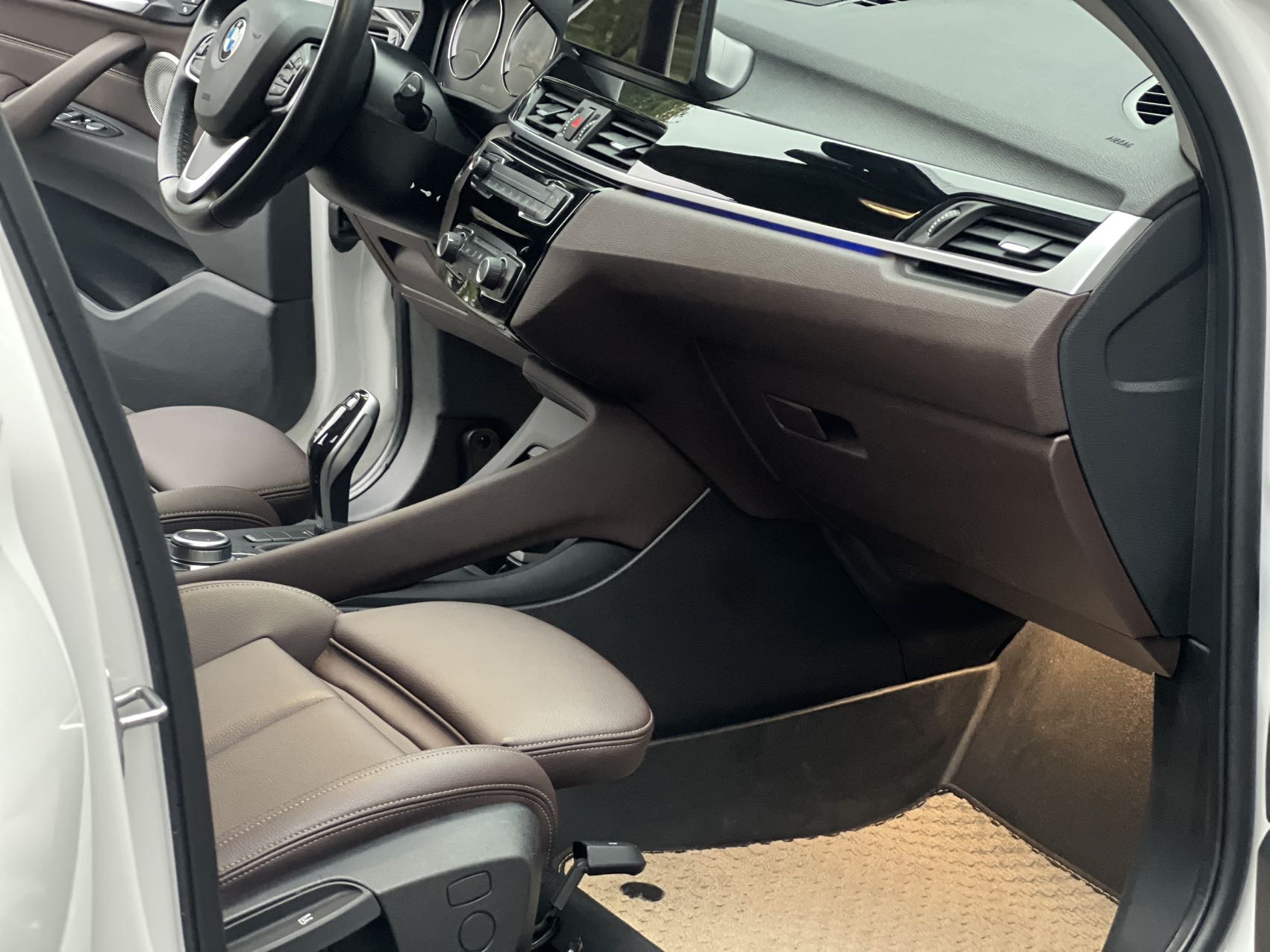
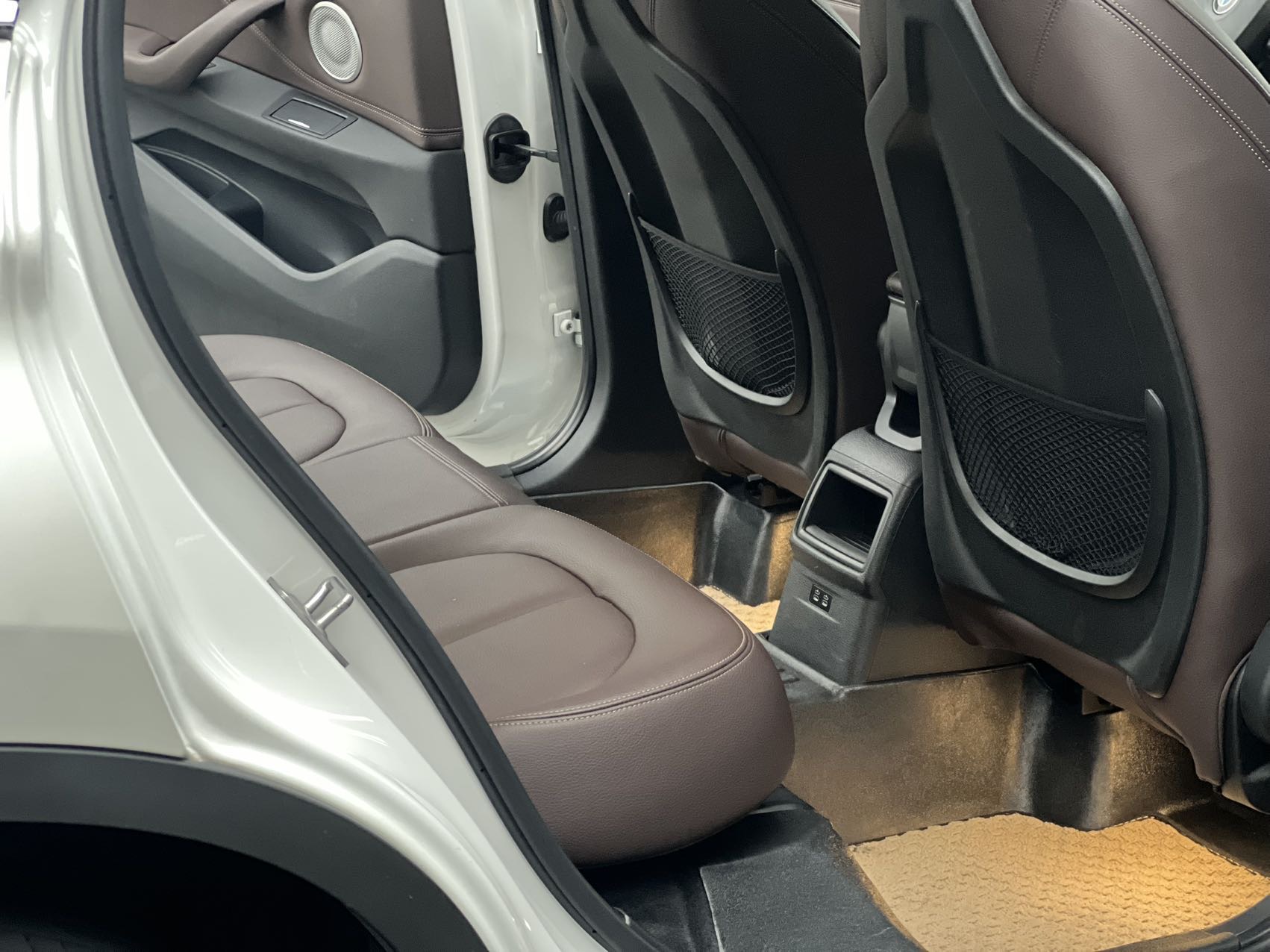
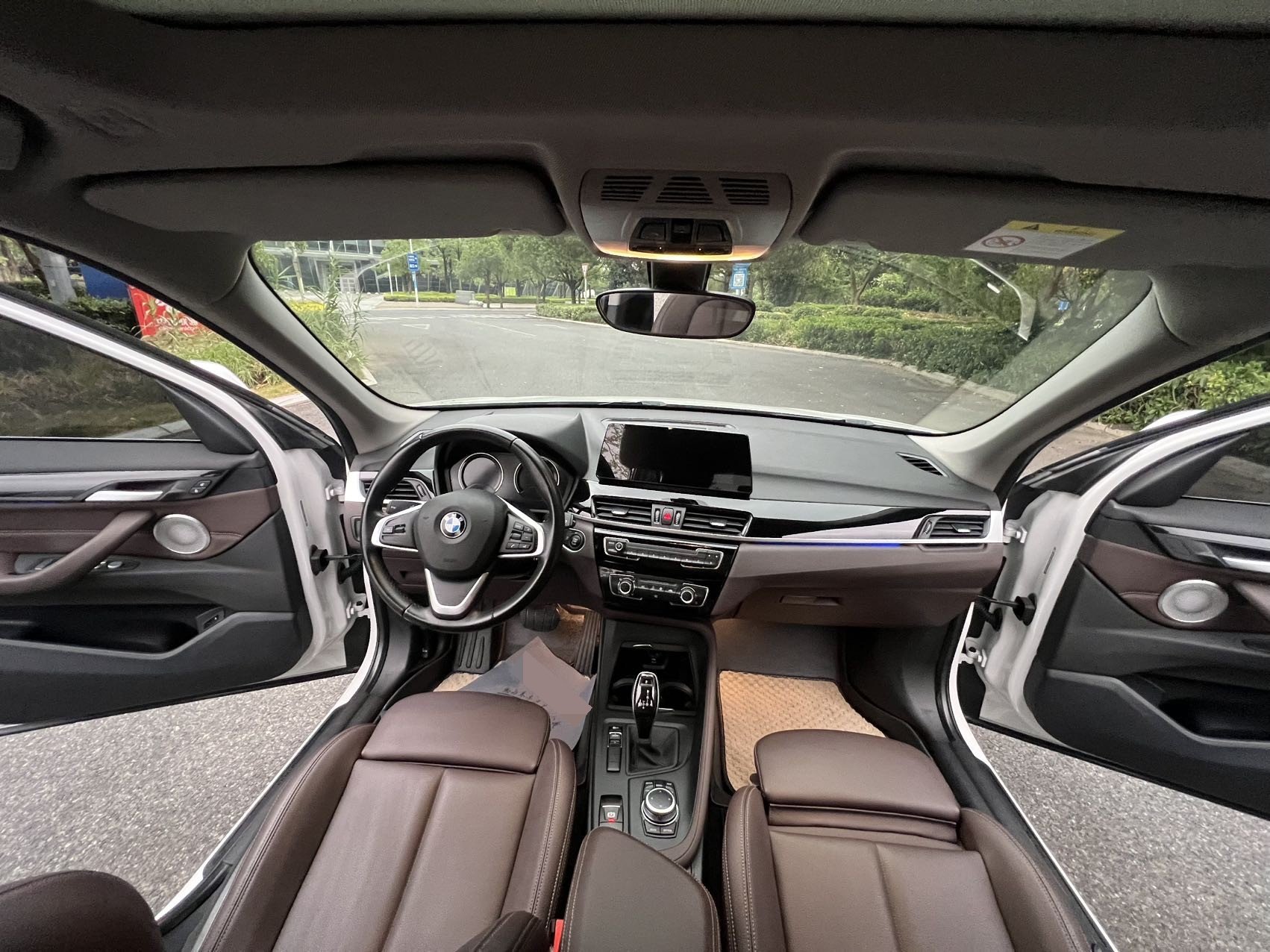
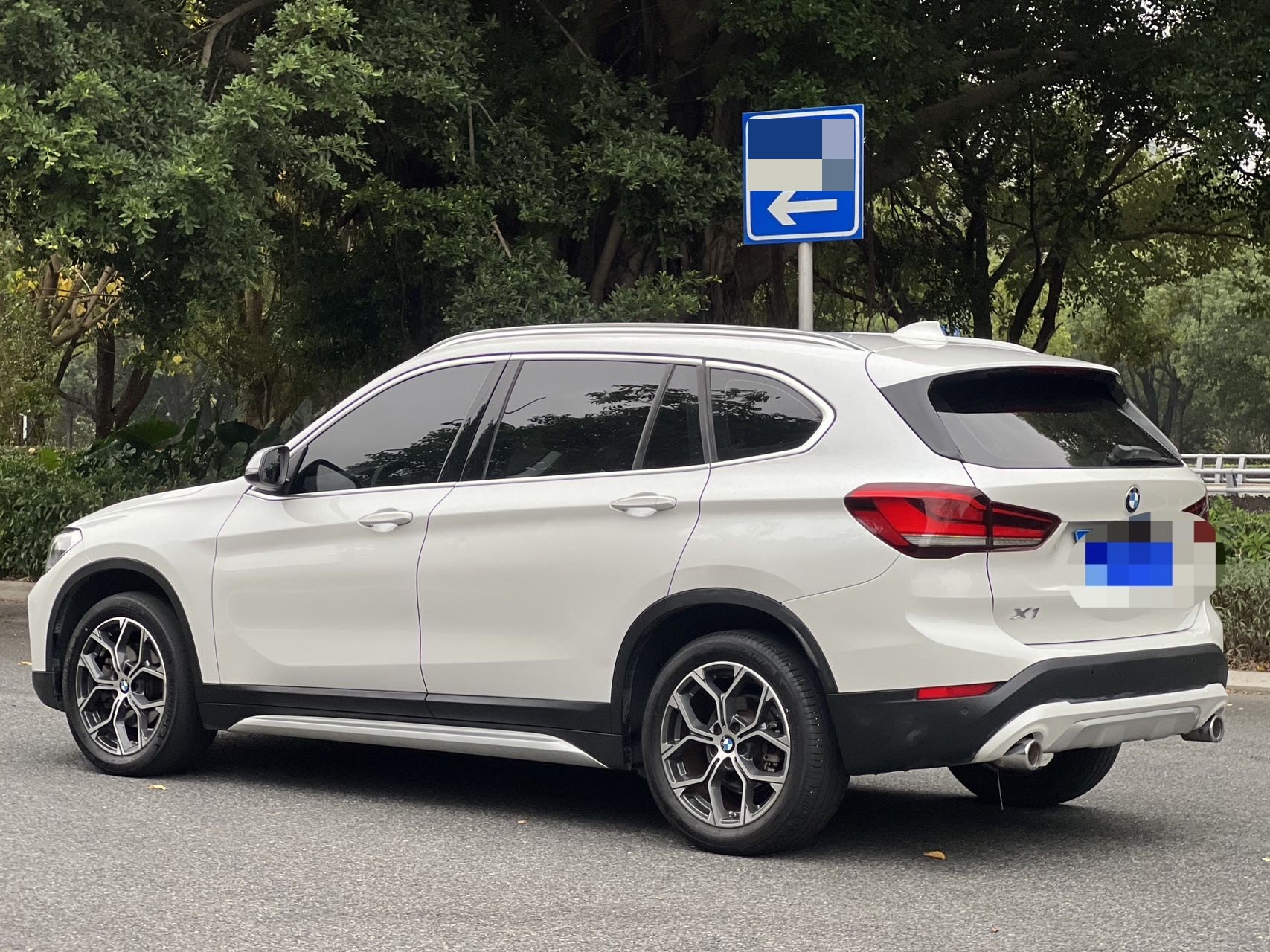
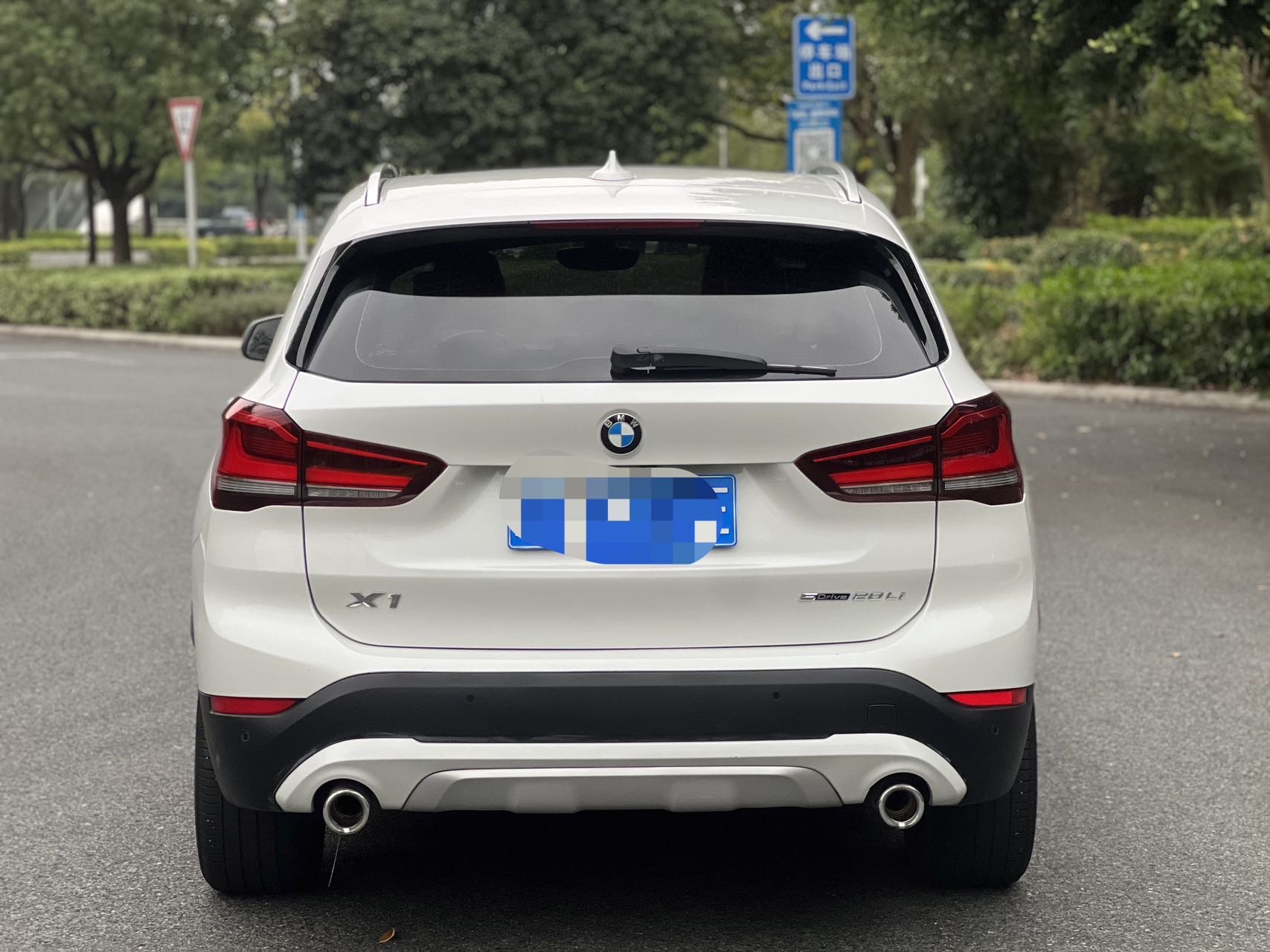



48H

Basic Information

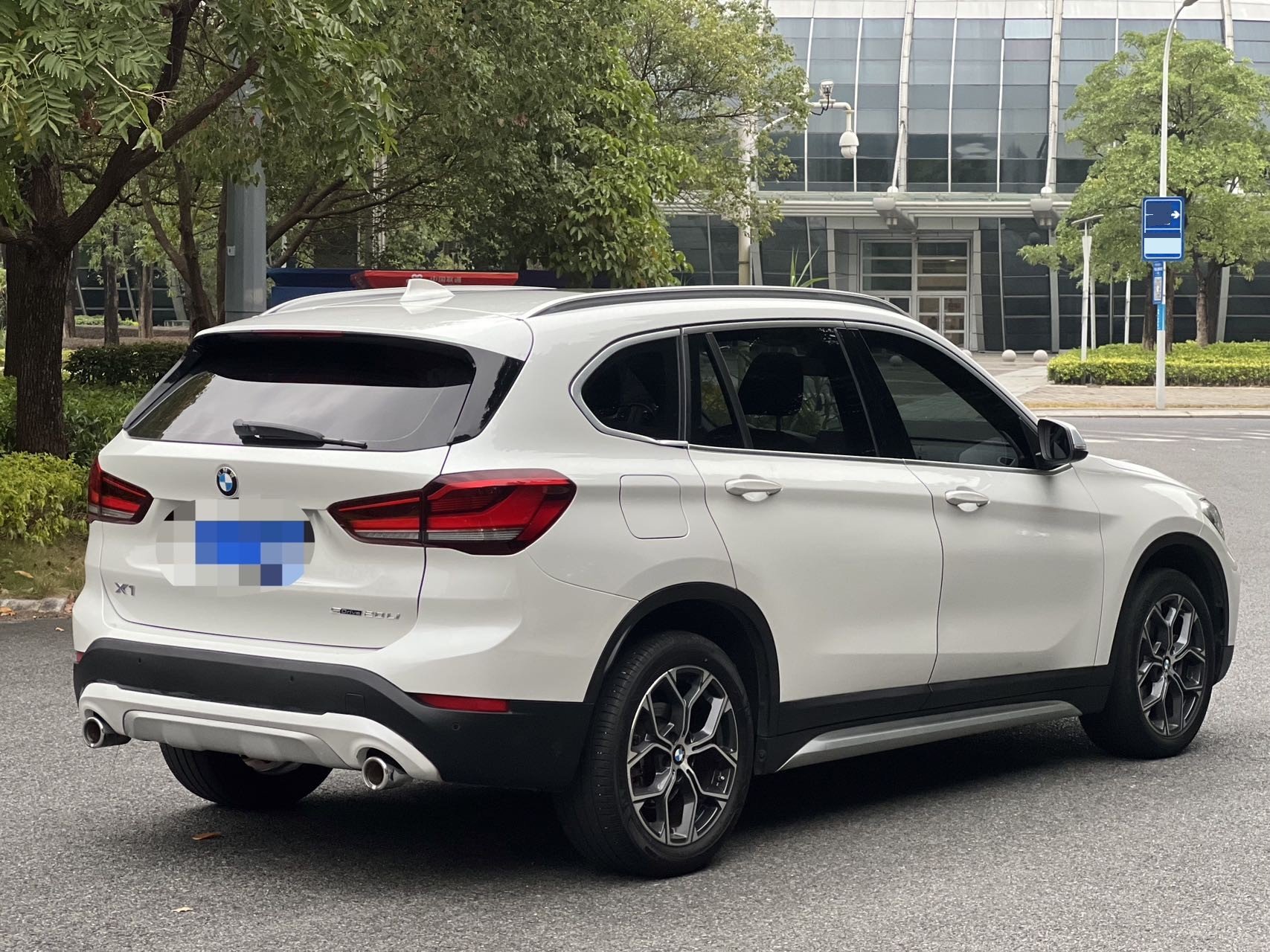
BrandBMW
SeriesX1
Year2022
First Registration2022/08
Mileage98,000km
Transfer Count0times
FuelGasoline
TransmissionDCT
Engine1.5T 140 L3
ColorWhite
Seats-

Condition Description

Not a third-party accident; rear tail panel replaced; insurance claim 28,000.

Document Information

Inspection Expiry Date-
Warranty Expiry Date-
Insurance Expiry Date2027/08

Q&A

More

How are import duties on used cars from China calculated, and which HS code applies?

Used cars are classified under HS heading 8703 (motor vehicles for transport of persons), with the last four digits determined by engine type and size. Gasoline cars usually fall in 8703.21–8703.80 depending on displacement; pure EVs fall under 8703.80; hybrids have their own subheadings. The duty amount depends on your country's tariff schedule: 1. Most countries charge duty on the CIF value (car price + freight + insurance), not the FOB price. 2. Many developing markets levy higher duties on used vehicles than new ones, and some add a surcharge based on age — older cars can cost significantly more to clear. 3. After duty, you typically pay VAT/GST on the CIF + duty total, plus port and customs fees. Practical tips: ask your exporter to state the exact HS code on the commercial invoice and confirm it with a local customs broker before shipping. A wrong code can trigger reclassification, penalties, or delays. Also budget for any excise tax tied to engine capacity — in several markets a 2.5L car clears far cheaper than a 3.5L one.


Does the steering system have any play, unusual noises, or signs of power steering pump leakage?

During the stationary steering test, the technician will check the smoothness of the steering wheel from full left to full right, looking for any unusual noises from the steering gear; they will also inspect the hydraulic power steering pump (if present) and the seals of the steering column for any hydraulic fluid leakage.

Can the voice assistant in the smart cockpit control the air conditioning and windows while offline?

Most leading Chinese brands' car systems support "offline voice commands" (like adjusting temperature and opening windows). However, if recognition fails due to accent or language limitations (only standard Chinese is supported), you can always control it via the physical screen.