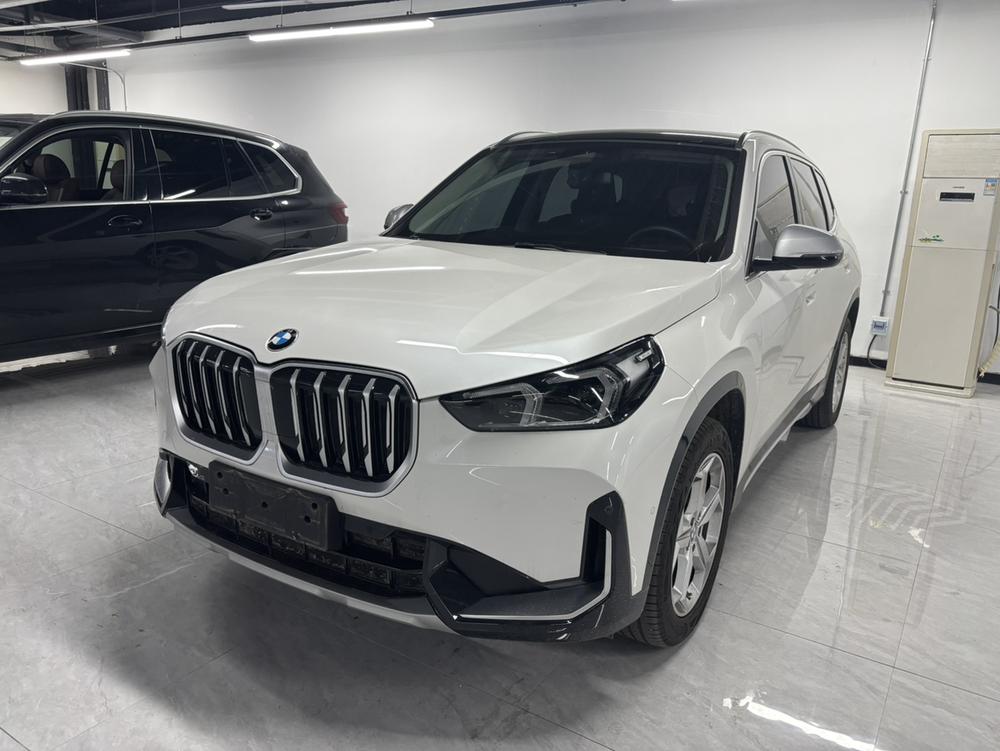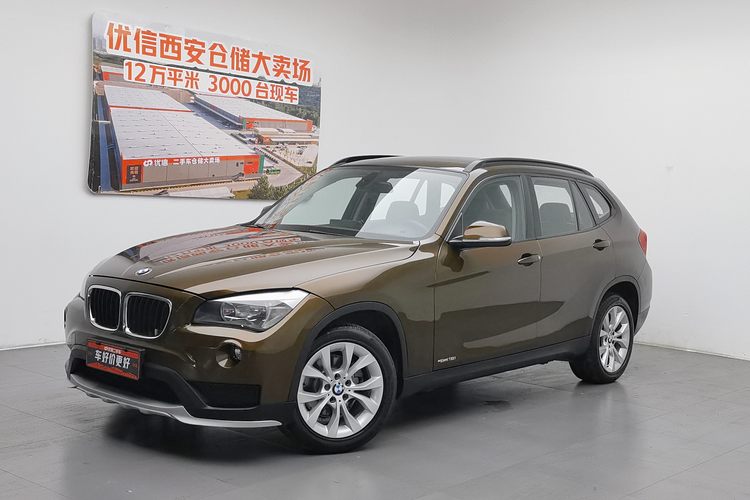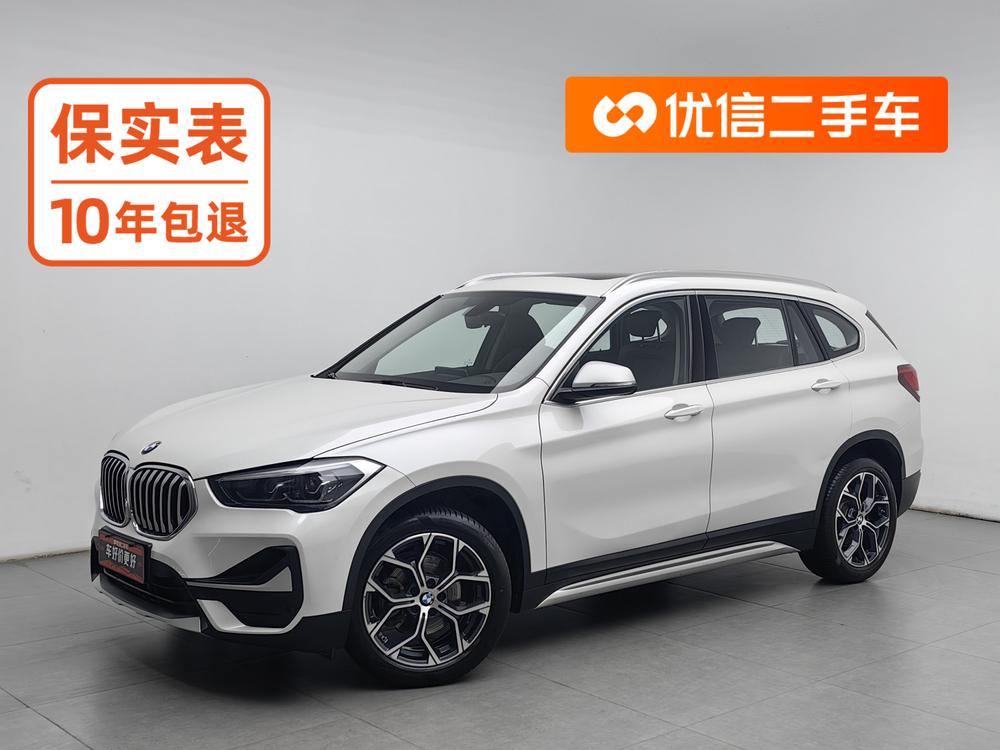
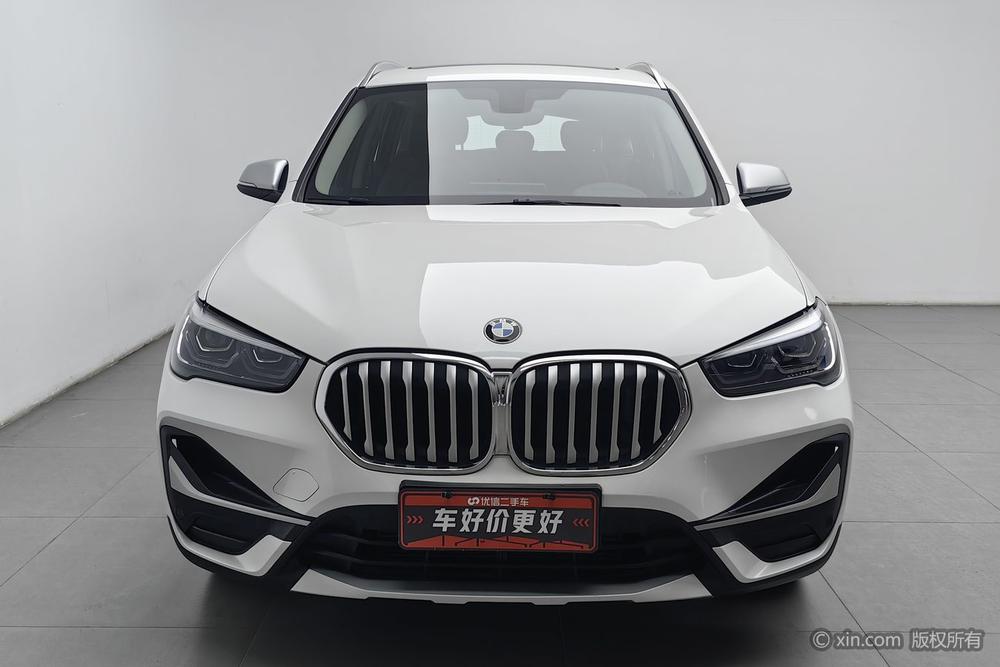
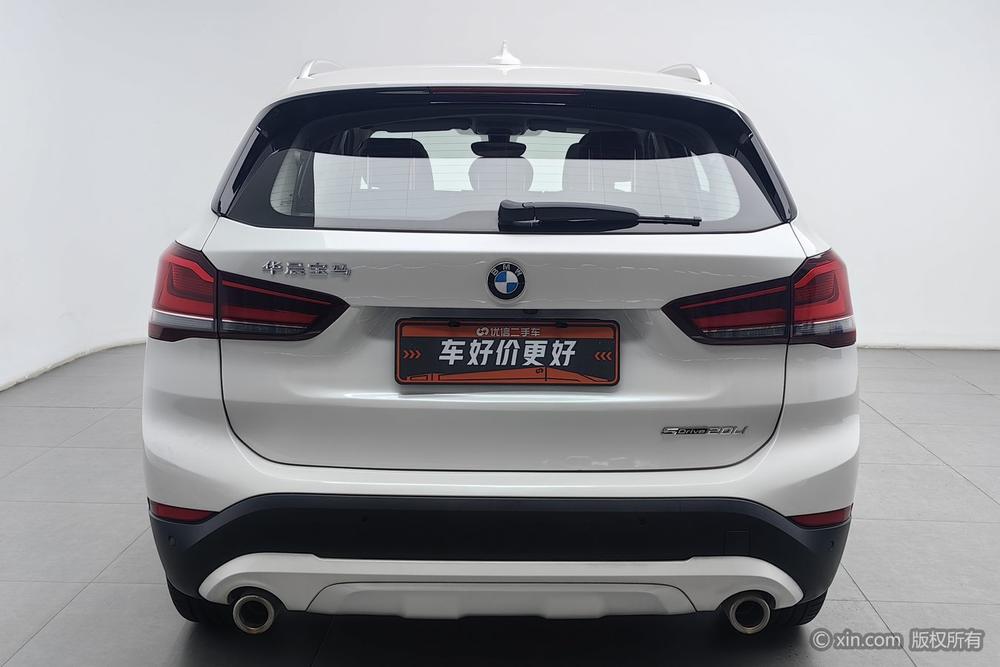
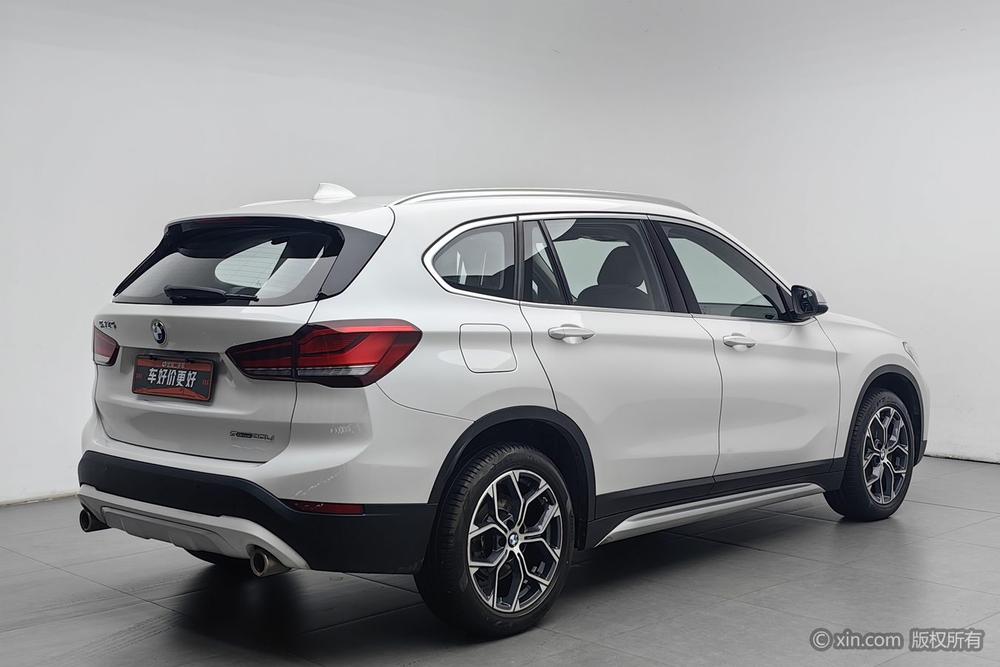
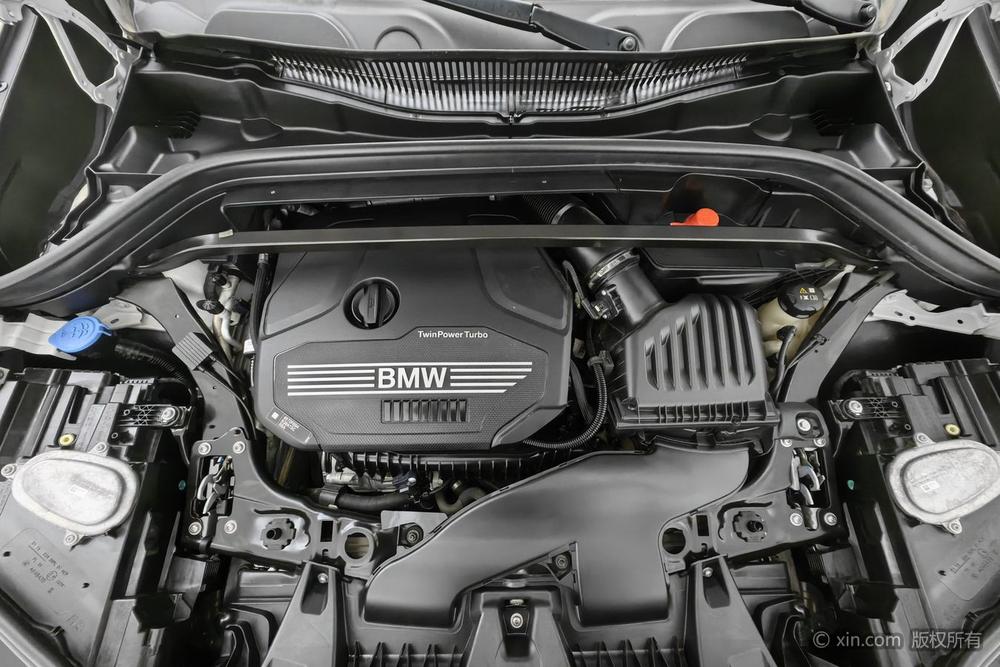
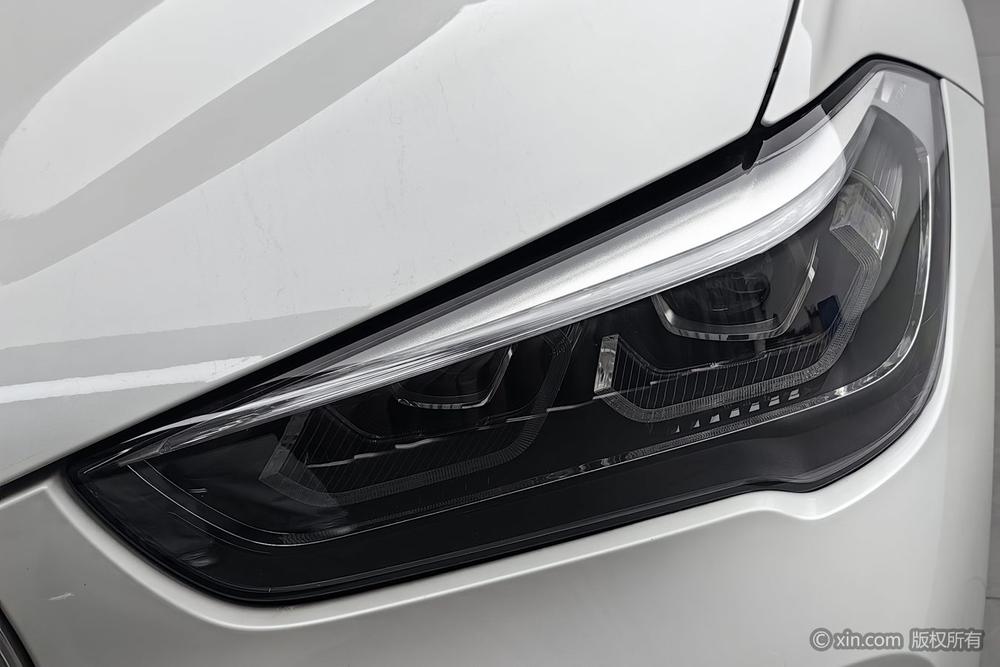
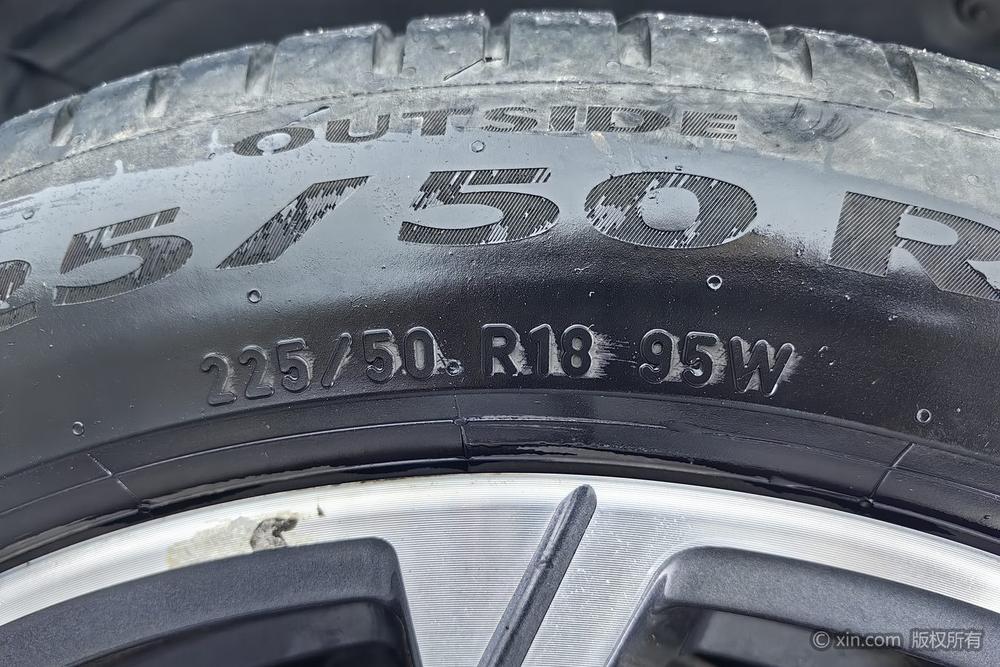
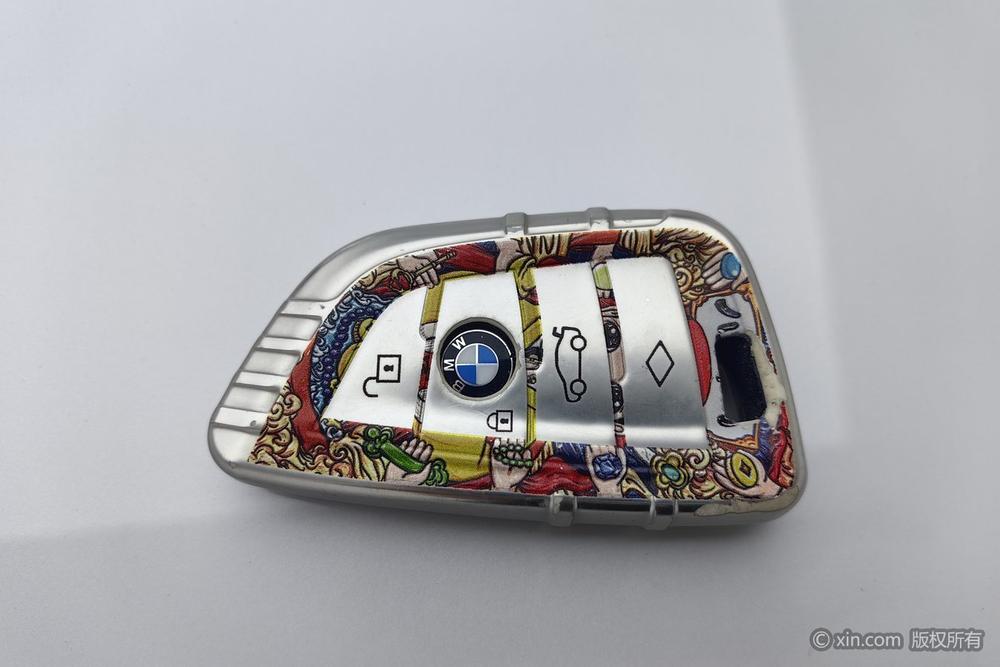
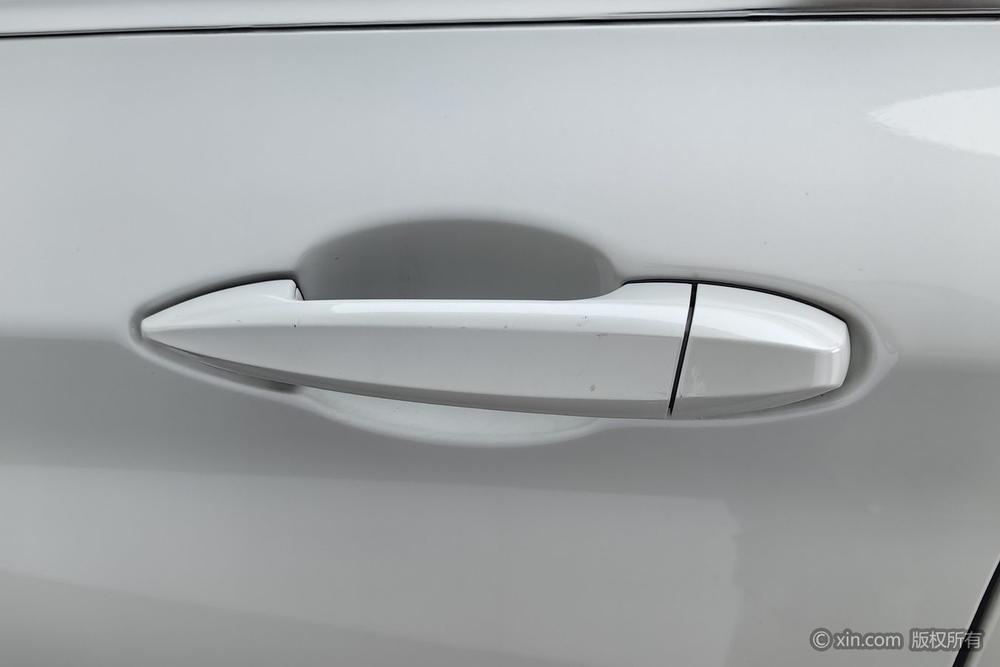
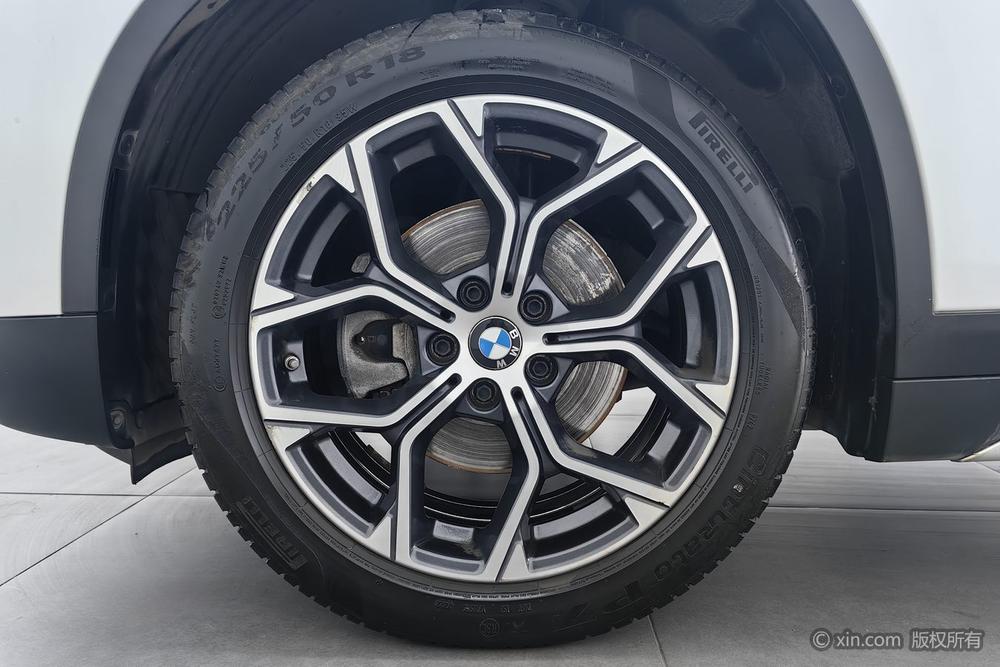
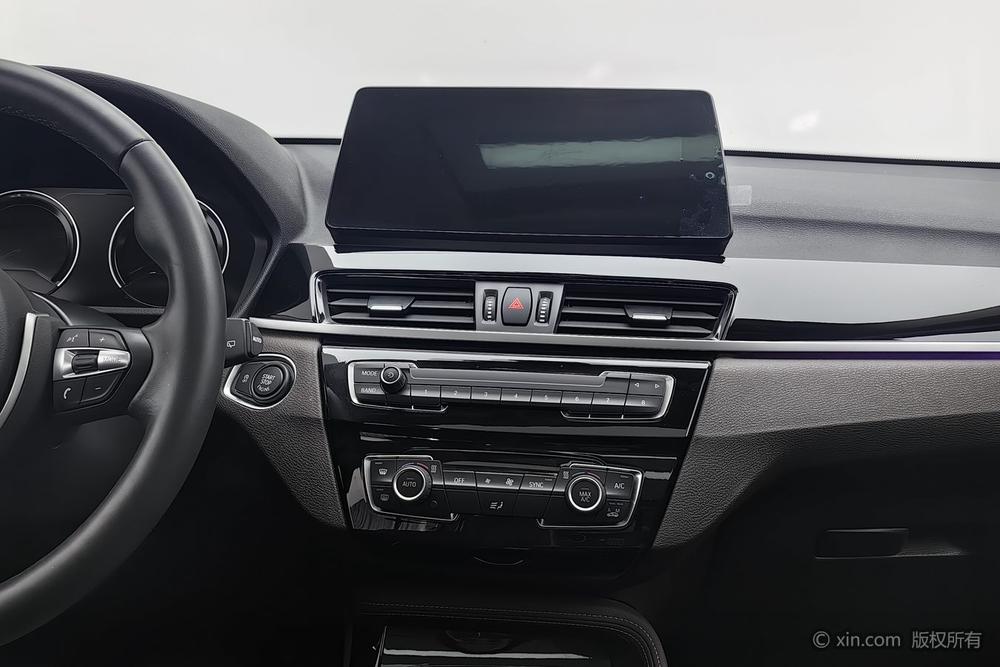
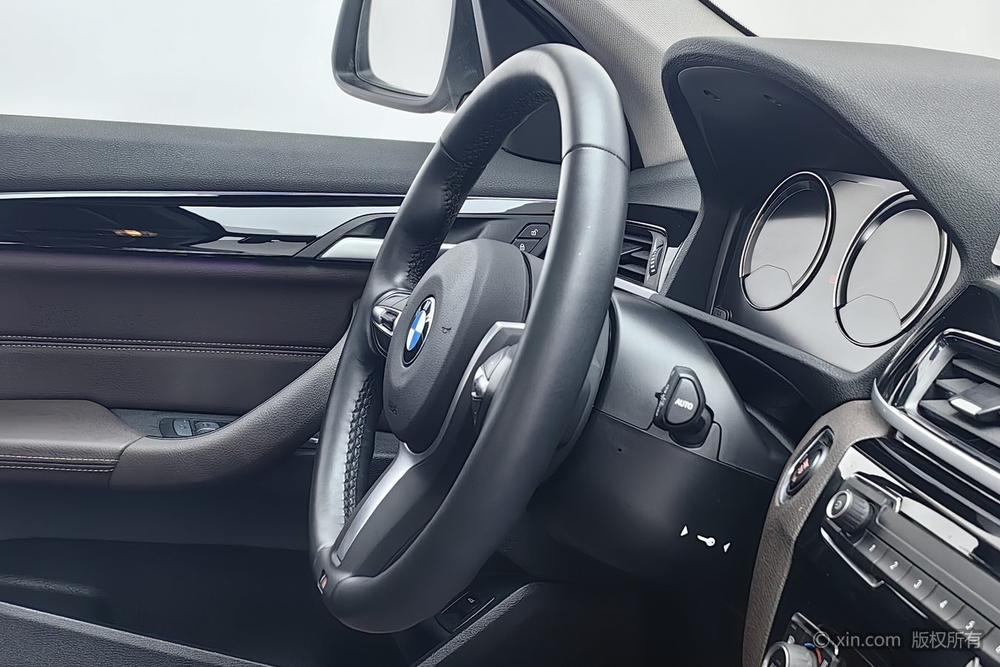
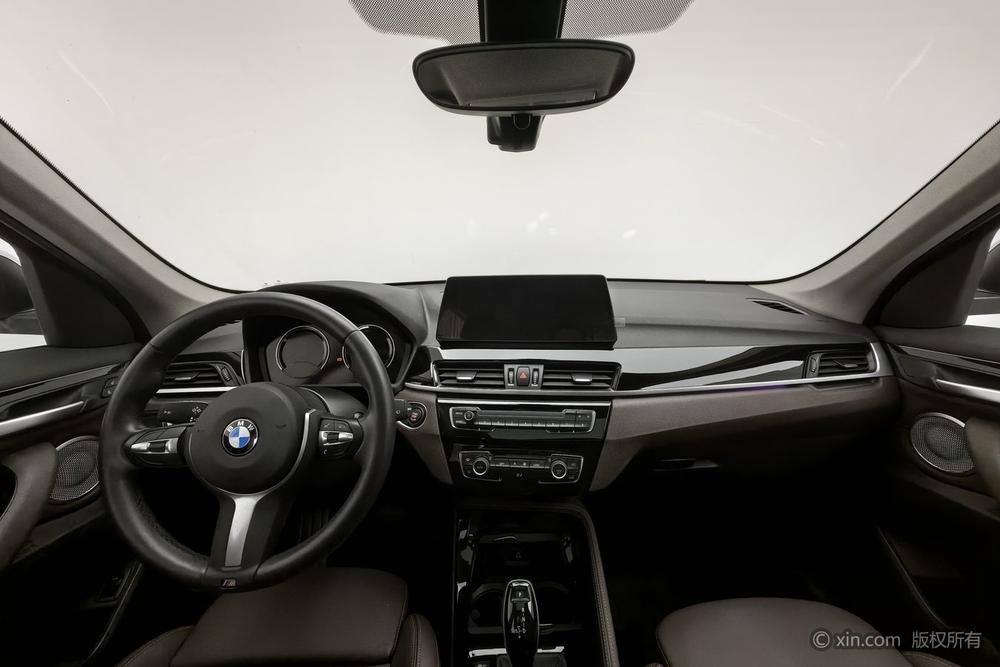
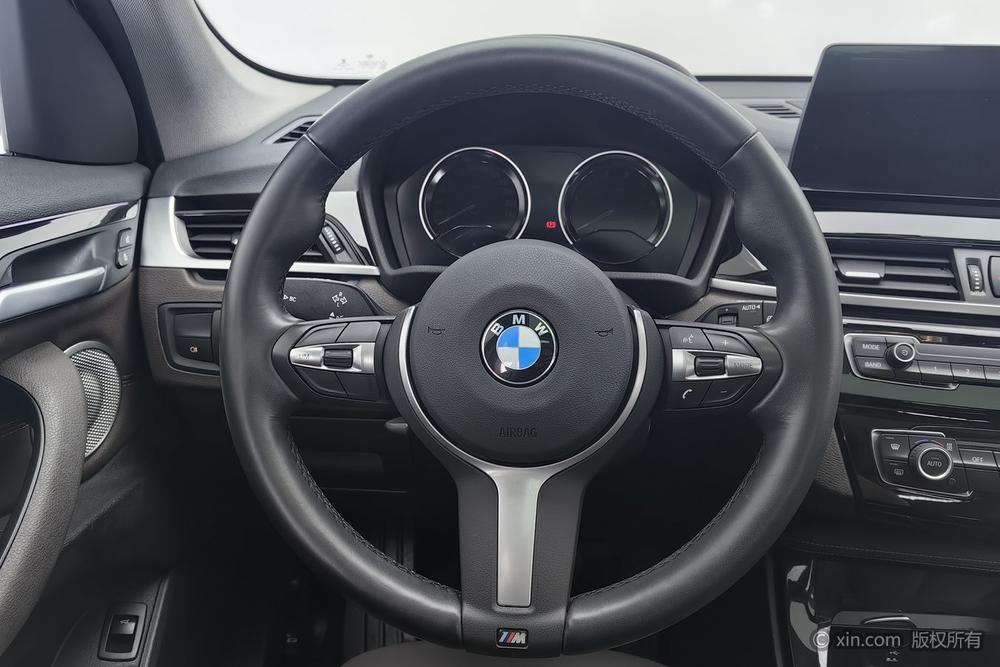
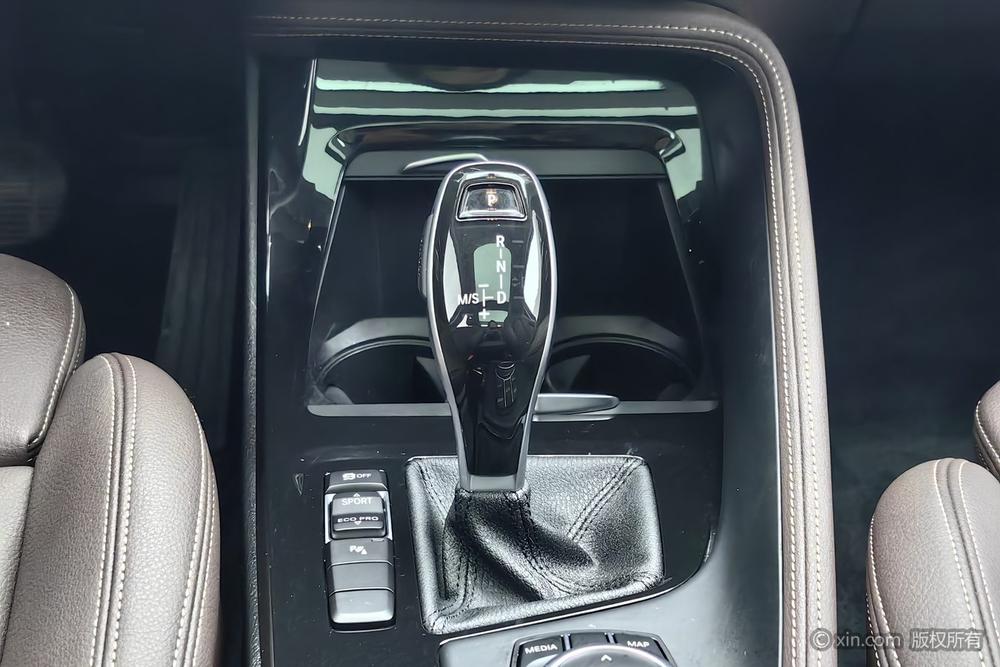
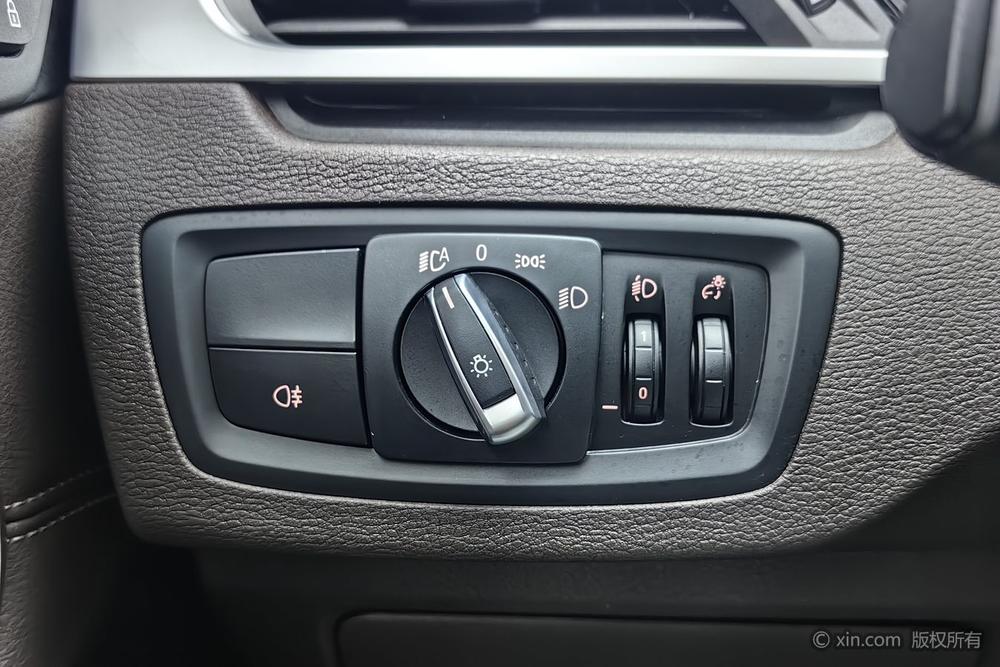
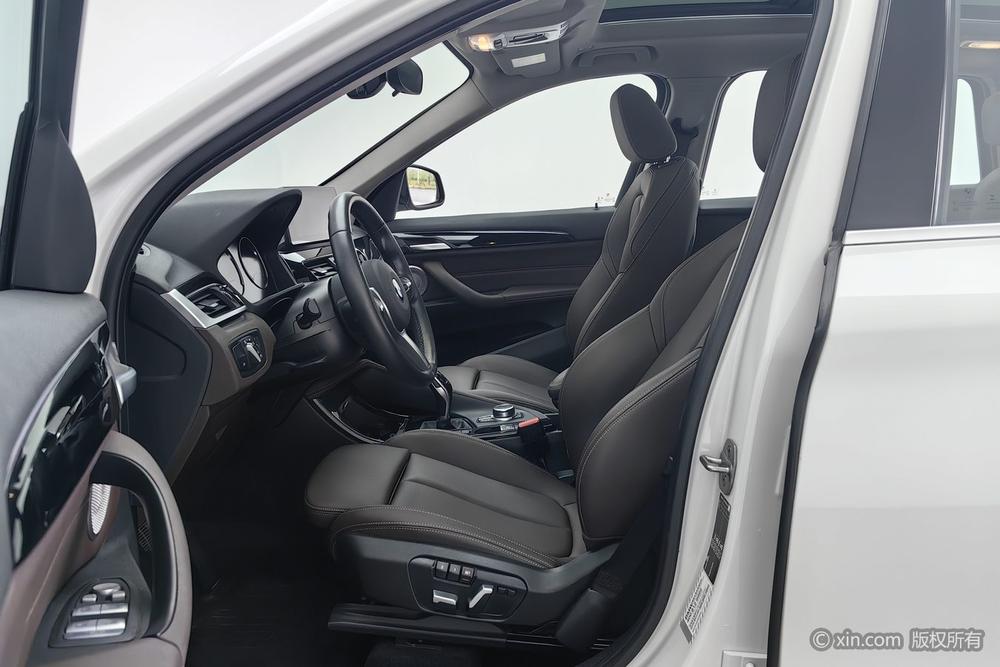
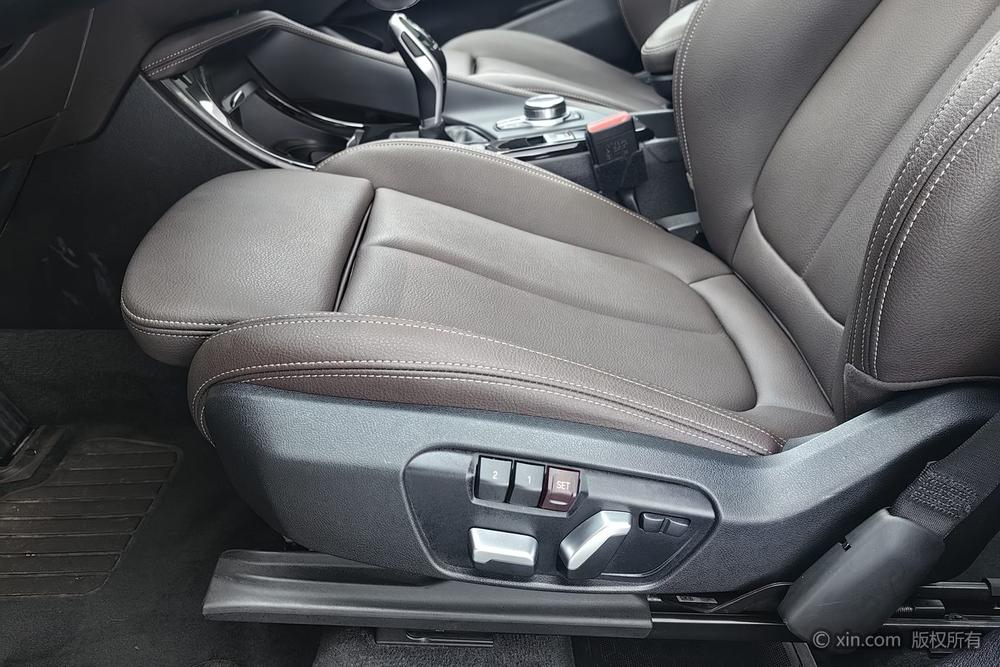
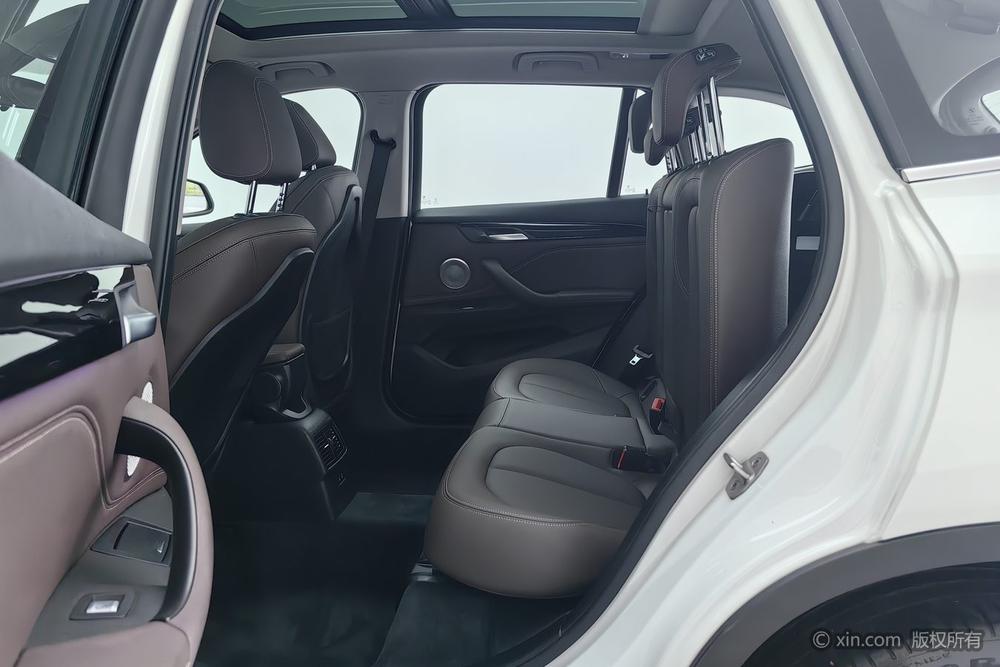
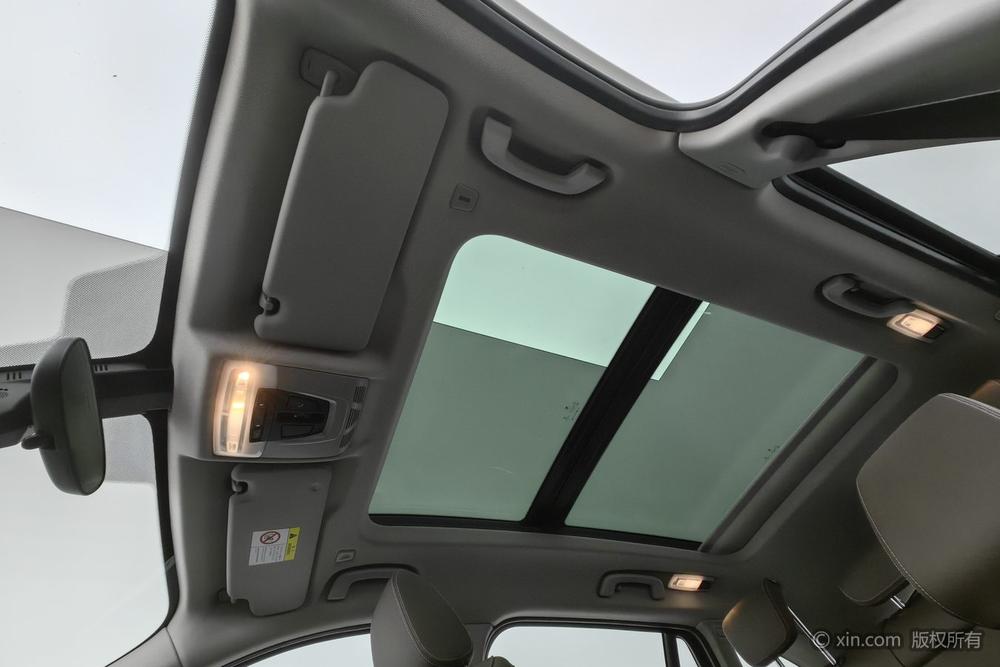
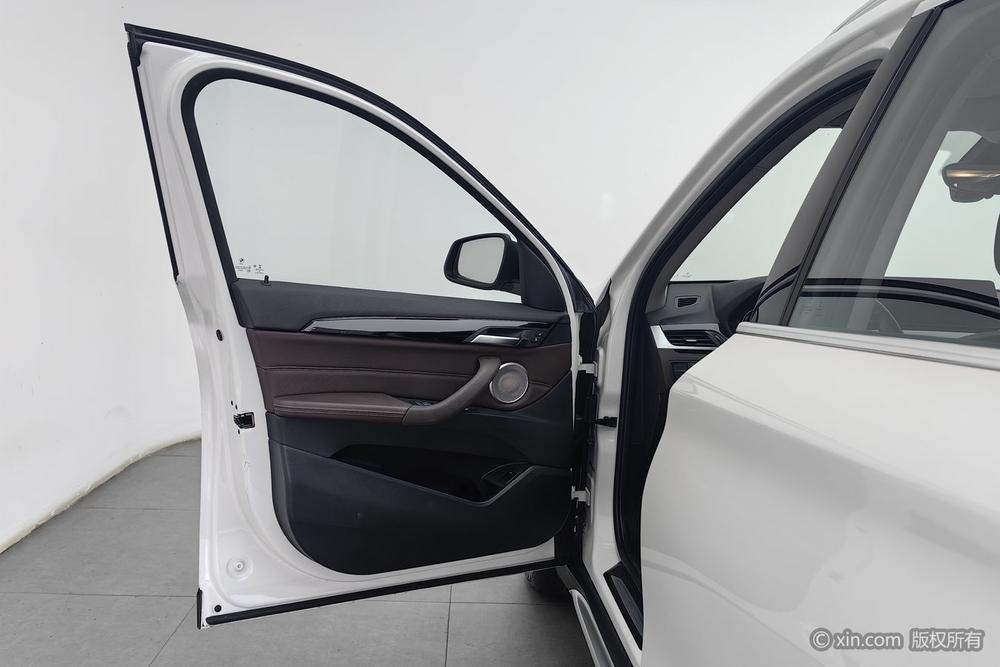
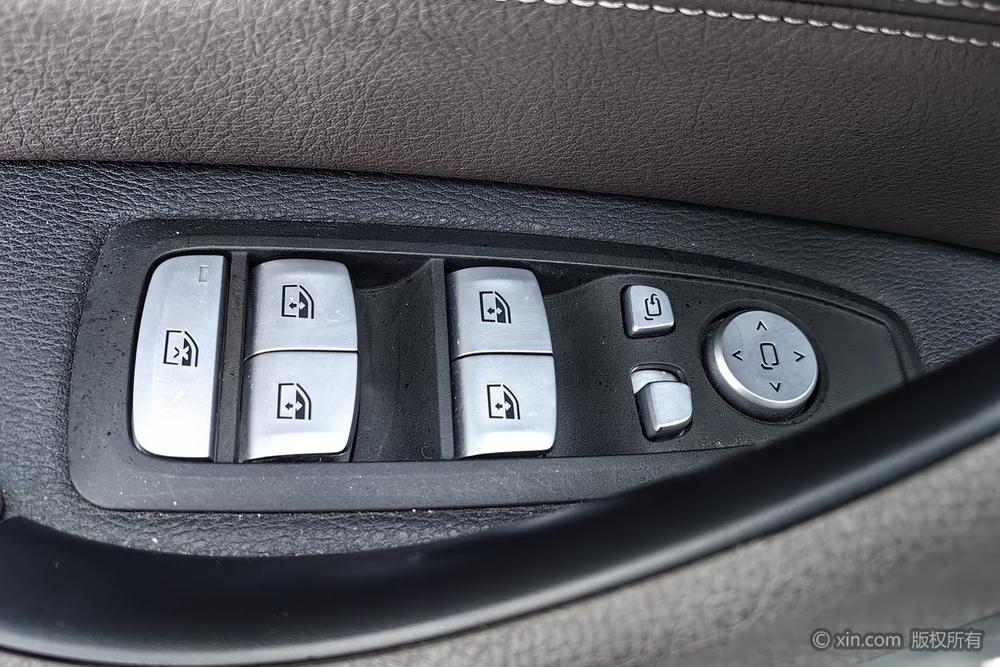
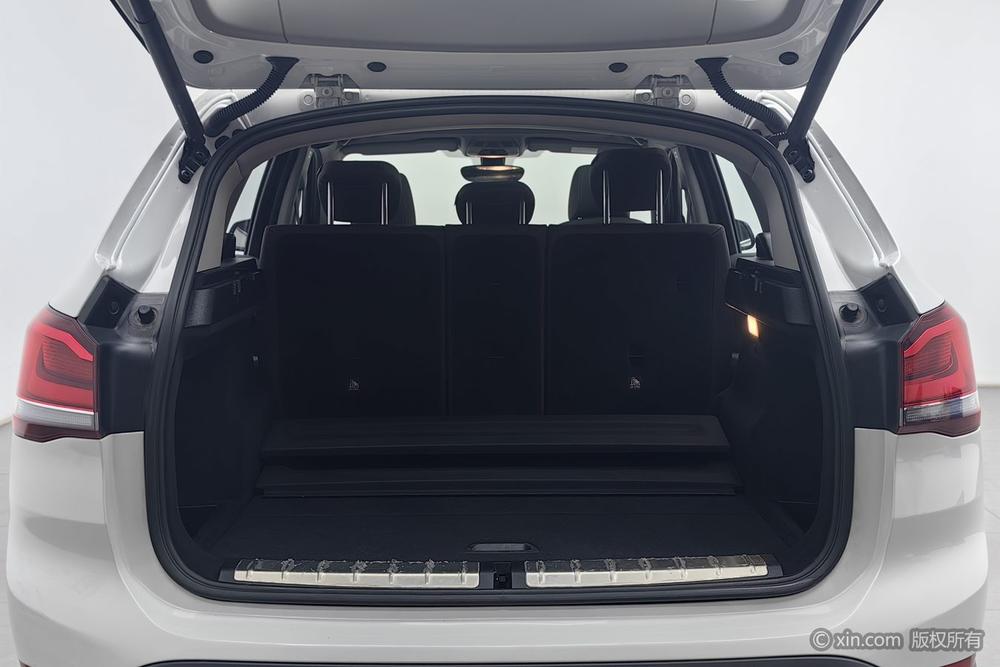
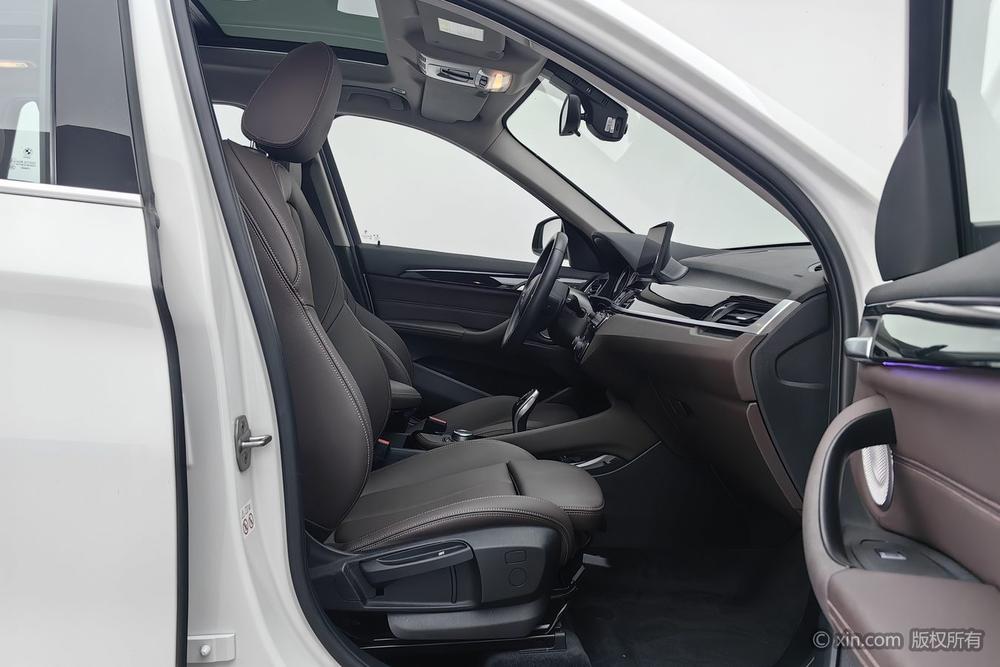
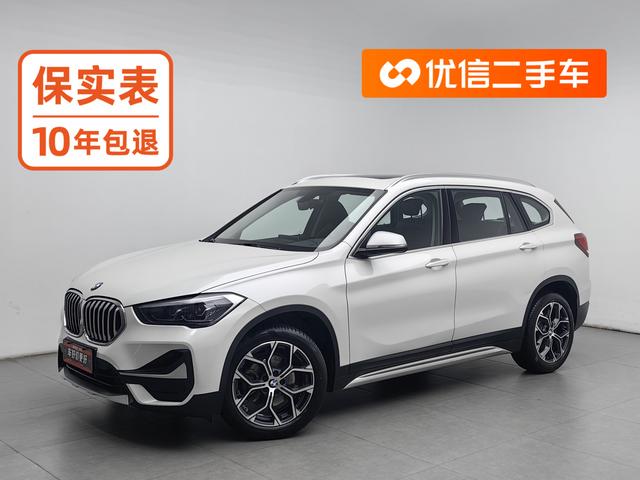



Basic Information

BrandBMW
SeriesX1
Year2023
First Registration2023/03
Mileage40,900km
Transfer Count0times
FuelGasoline
TransmissionDCT
Engine1.5T 140 L3
Color
Seats-

Condition Description

官方质检 · 60天全车质保· 7天无理由有偿退车

Configuration Highlights

✓上牌时间: 2023-03
✓表显里程: 4.1万公里
✓车源地: 武汉
✓排放标准: 国六b
✓百公里加速: 10.5s
✓发动机: 1.5T
✓轴距: 2780mm
✓变速箱: 自动
✓功能配置: 16项
✓安全配置: 2项
✓动力类型: 前驱
✓空间舒适性: 好

Q&A

More

How do I vet a Chinese used-car exporter before sending any money?

Vetting takes a day and can save you thousands. Work through this checklist. Verify the business: ask for the company registration number and check it on China's National Enterprise Credit Information system or a commercial registry tool. Confirm the registered address matches where they claim to operate, and that their business scope includes vehicle export. Check export credentials: they must hold a used-vehicle export license issued by Chinese commerce authorities. Ask for the license and a recent export declaration showing they actually ship cars. Test their knowledge: a real exporter answers detailed questions about your destination country's import rules (age limits, left/right-hand drive, emission standards) without hesitation. Vague answers about your own country's requirements are a red flag. Structure payments safely: small deposit (10-20%), balance only against inspection reports and shipping documents, ideally through a payment method with recourse. Refuse full prepayment by irreversible transfer—no legitimate exporter requires it.


How can I make sure a used car from China has a clean title and no outstanding loan or lien?

Start by asking the seller for a photo of the full vehicle registration certificate. Check that the registered owner matches the seller's company name. Any change of ownership should appear with a transfer stamp and date. Second, request a lien check. In China, vehicle mortgages are registered with the vehicle management office. A clean certificate shows no mortgage registration; if one exists, the car cannot be legally exported until the loan is settled and the lien released. Third, verify there are no unpaid traffic fines and no gaps in compulsory insurance, since these can block export clearance. Ask the platform to include a title verification step in the transaction flow, and only pay the balance after the title transfer to the export company is confirmed.

How can I check if a used car from China has been in a major accident, and what records actually exist?

China does not have a single public accident database like CARFAX, but you can still verify history from several sources. First, ask the exporter for the insurance claim records (出险记录). Major repairs go through insurance, and the claim history shows the date, amount, and damaged parts. A car with large claim amounts (over half its value) is effectively a total loss rebuild. Second, check the vehicle's registration certificate (机动车登记证书) for transfer history — multiple transfers in a short period often follow an accident. Third, run a VIN check through commercial platforms (paid, around 20-50 RMB) which aggregate insurance, maintenance, and auction data. Cross-check everything against a physical inspection: paint thickness readings on structural points, weld quality under the seals, and underbody photos. If the records and the physical condition do not match, walk away or demand a large discount.